
This post may contain affiliate links. Please see our disclosure policy.
Waterbath Canning recipes are great for beginners, and they allow you to store fruit, jam, salsa, pickles, and tomatoes right on your pantry shelf.
Table of Contents
- Waterbath Canning Recipes
- Fruit Canning Recipes
- Jam Canning Recipes
- Jelly Canning Recipes
- Fruit Butter Canning Recipes
- Marmalade Canning Recipes
- Pie Filling Canning Recipes
- Pickle Canning Recipes
- Relish Canning Recipes
- Chutney Canning Recipes
- Syrup Canning Recipes
- Juice Canning Recipes
- Sauces and Condiments
- Tomato Canning Recipes
- Canning Recipe Lists
Food preservation may seem intimidating, but water bath canning is one of the more approachable methods for beginners. It’s a relatively quick and easy process. Plus, the equipment needed is minimal and affordable. It also allows you to scale recipes to work with your available batch. You don’t need 20 pounds of blackberries to make jam; a basket will do.
It’s a great feeling to take fresh produce from the garden or farmers market and create shelf-stable snacks and foods that you can keep in the pantry.
If you’re entirely new to canning, you should know that there are two basic types of canning. This list covers recipes for water bath canning, which is safe for preserving high-acid foods. Water bath canning is boiling jars of food in a pot of water. If you’ve made pasta, you have the skills to water bath can. The other type of canning is pressure canning, which allows you to preserve low-acid food like meat, soup, and vegetables. You need a pressure canner (not a pressure cooker) to process jars at high temperatures.
Water bath canning is the more approachable of the two. Aside from jars and lids, you only need a water bath canner pot, lid, and rack to get started. Usually, these can be purchased together in a cheap kit.
Unfortunately, there is no safe way to water bath can certain foods like meat, but there’s still so much you can do with a water bath canner. That’s why I decided to make a list of all the great water bath canning recipes I could find, including whole fruit and slices, jam and jelly, pickles, relish, chutney, salsa, tomatoes, and more.
It’s essential to follow modernized, tested recipes. Many canning recipes, like diced tomatoes, require added acidity to be safe for canning, even though you may find this missing from older recipes. In addition, while most fruits are safe for water bath canning, a few, like persimmons, white peaches, and Asian pears, aren’t acidic enough for safe water bath canning. Always do your research!
Waterbath Canning Recipes
Not every water bath canning recipe is available online. Some of the recipes I use most come from The Ball Complete Book of Home Preserving, which I recommend for all beginner canners. It includes over 400 recipes.
Fruit Canning Recipes
Canning fruit is one of the projects I come back to most, so my family can enjoy our homegrown fruit through the winter. As we’re on a solar-powered homestead, we have limited freezer space, so canning is generally our better option. It might be a good fit for you, too, if you live in an area with frequent power outages.
Fruit is incredibly adaptable for water bath canning. You can safely water bath can whole, halved, diced, or pureed fruit in water, fruit juice, or syrup. This fruit is excellent for eating as a snack, using in muffins and other recipes, or just pouring over yogurt or oatmeal. You’ll find even more options in my full guide to fruit canning recipes.
Many folks understandably want less added sugar in their diet, so they try to can their fruit in water. I’ve found that this leads to a washed-out flavor. I think it’s better to can in fruit juice or light syrup. I’ve got directions for making syrups for canning fruit from light to heavy.
It’s also safe to can fruit products like fruit butter, pie filling, and jam and jelly, and each of those has its own section.
You’ll notice that most recipes call for sugar and often lemon juice. In general, fruits are acidic and sugary on their own. These added ingredients don’t affect safety; they just help preserve the fruit’s color, texture, or flavor.
Most fruits are high-acid foods, making them safe for water bath canning. This includes berries like raspberries and blueberries, stone fruits like plums and peaches, and other fruits like kiwis, pineapple, and oranges.
To be safe for water bath canning, fruit must have a pH below 4.6.
Some high pH (low acid) fruits are unsuitable for water bath canning without added acidity. These include:
- Asian Pears (regular pears are fine)
- Bananas
- Cantaloupe (and other Melons)
- Coconut
- Elderberries
- Ripe Mangoes (Green mangoes are fine)
- Persimmon
- Watermelon
- White Peaches (regular peaches are fine)
Canning doesn’t have to be scary, but you must follow a few rules to be safe. If you don’t know the acidity, look it up before canning. Using a tested recipe is an even better option.
There are plenty of fruits you can water bath can. These recipes are listed alphabetically by fruit type.
- Apple Slices
- Applesauce
- Whole (and half) Apricots
- Canning Blackberries
- Canning Blueberries
- Canning Cherries
- Old Fashioned Spiced Crabapples
- Canning Whole Cranberries
- Canning Whole Currants
- Canning Whole Figs
- Canning Whole Grapes
- Candied Kumquats (Canned using instructions from kumquat jam)
- Canning Lemons (3 Ways!)
- Canning Mangoes
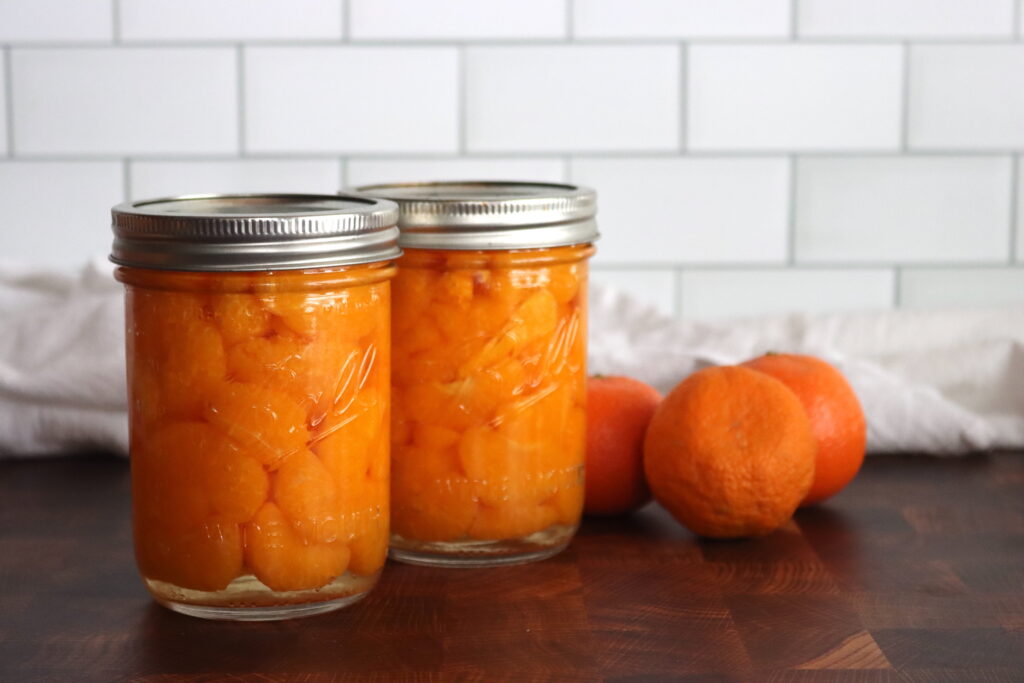
- Canning Oranges
- Canning Peaches
- Canning Pears
- Canning Plums
- Canning Sliced Quince in Syrup
- Canning Raspberries
- Canning Plain Rhubarb
- Canning Strawberries
Jam Canning Recipes
Jam is made from crushed or chopped fruit cooked down with sugar, and usually pectin, until it sets up thick. It’s a good place to start with water bath canning, since most batches come together quickly and process in just a few minutes.
Here are the jam recipes I could pull together, listed alphabetically by fruit. For even more, including unusual flavor combinations and low-sugar versions, see my full list of jam canning recipes.
- Apple Jam
- Apple & Raspberry Jam
- Apricot Jam
- Aronia Jam or Preserves
- Balsamic Cherry Tomato Caramelized Onion Conserve
- Black Cherry Jam
- Blackberry Jam
- Blackcurrant Jam
- Blueberry Jam
- Cantaloupe (Salted) Jam
- Cherry (Sour/Pie Cherries) Jam
- Christmas Jam
- Cornelian Cherry Jam
- Cranberry Apple Jam
- Cranberry Pear Jam
- Cran-Raspberry Jam
- Elderberry Jam
- Fig Jam
- Gooseberry Jam
- Grape Jam (with skins)
- Green Tomato Jam
- Ground Cherry Jam (AKA. Husk Cherry Jam)
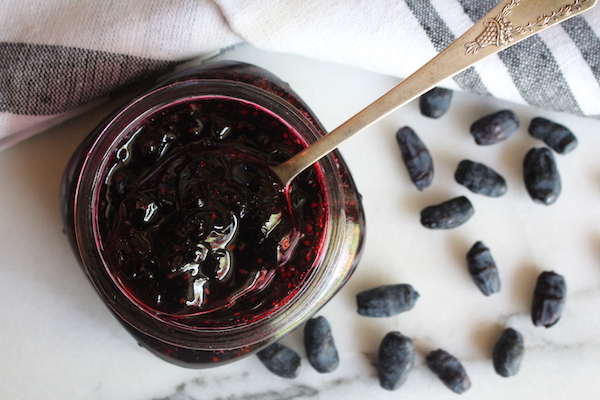
- Haskap Jam
- Kiwi Jam
- Kumquat Jam
- Loquat Jam
- Mango Jam
- Mulberry Jam
- Muscadine Jam
- Nectarine Jam
- Onion (Caramelized) Jam
- Orange Jam
- Peach Jam
- Low Sugar Peach Jam
- Pear Jam
- Persimmon Jam
- Plum Jam (or specific recipes for damson jam and greengage jam)
- Quince Jam
- Raspberry Jam
- Redcurrant Jam
- Rhubarb Jam
- Saskatoon Jam
- Sea Buckthorn Jam (and Jelly)
- Strawberry Banana Jam
- Strawberry Rhubarb Jam
- Low Sugar Strawberry Jam
- No Sugar Strawberry Jam
- Tomato Jam

Jelly Canning Recipes
Jelly is made from strained fruit juice rather than the whole fruit, so it sets up clear and smooth with no skins or seeds. It takes a little more effort than jam, since you have to extract the juice first, but the result is worth it.
You can also make jelly from things you’d never think to use, like flower petals, herbs, and even corncobs. Below are the jelly recipes in alphabetical order, and there are dozens more in my full list of jelly canning recipes.
- Apricot Jelly
- Aronia Jelly
- Beautyberry Jelly
- Black Locust Flower Jelly
- Blackberry Jelly (Seedless)
- Blackcurrant Jelly
- Blueberry Jelly
- Cherry Jelly
- Chokecherry Jelly (and Jam) without pectin
- Chokecherry Jelly with pectin
- Clover Jelly
- Corn Cob Jelly
- Crabapple Jelly
- Dandelion Jelly
- Forsythia Jelly
- Gooseberry Jelly
- Grape Jelly
- Hawthorn Jelly
- Honeysuckle Jelly
- Lilac Jelly
- Loquat Jelly
- Muscadine Jelly
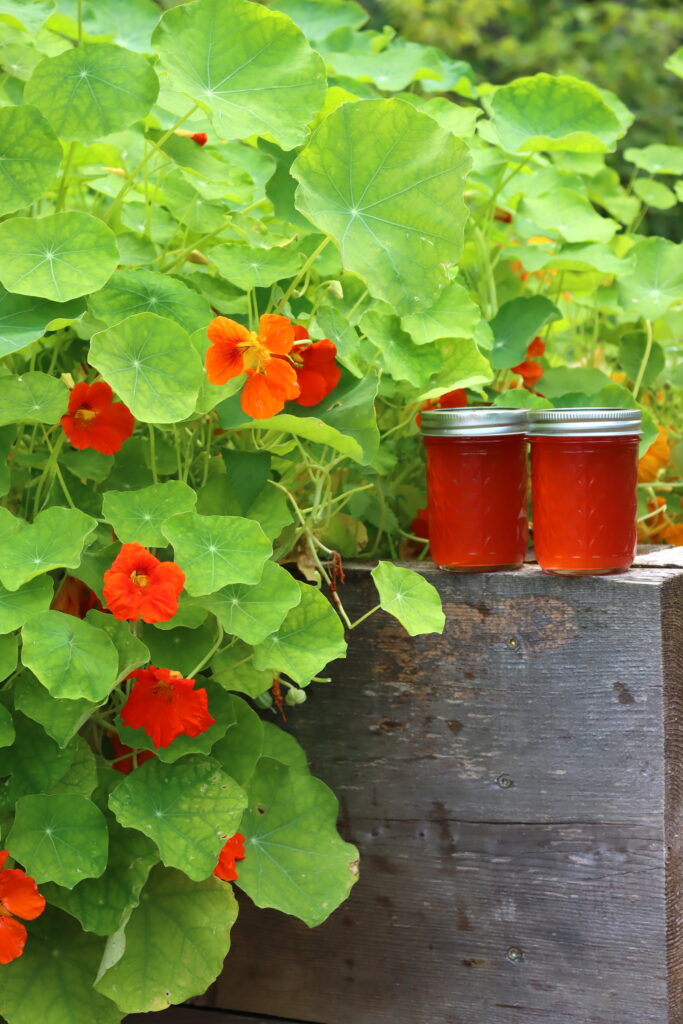
- Nasturtium Jelly
- Passionfruit Jelly
- Peach Jelly
- Pear Jelly
- Peony Jelly
- Pin Cherry Jelly
- Plum Jelly
- Pomegranate Jelly
- Prickly Pear Jelly
- Quince Jelly
- Raspberry Jelly
- Redcurrant Jelly
- Rhubarb Jelly
- Rose Petal Jelly
- Saskatoon Jelly
- Strawberry Jelly
- Violet Jelly
- Watermelon Jelly
- White Currant Jelly
- Wild Grape Jelly
Fruit Butter Canning Recipes
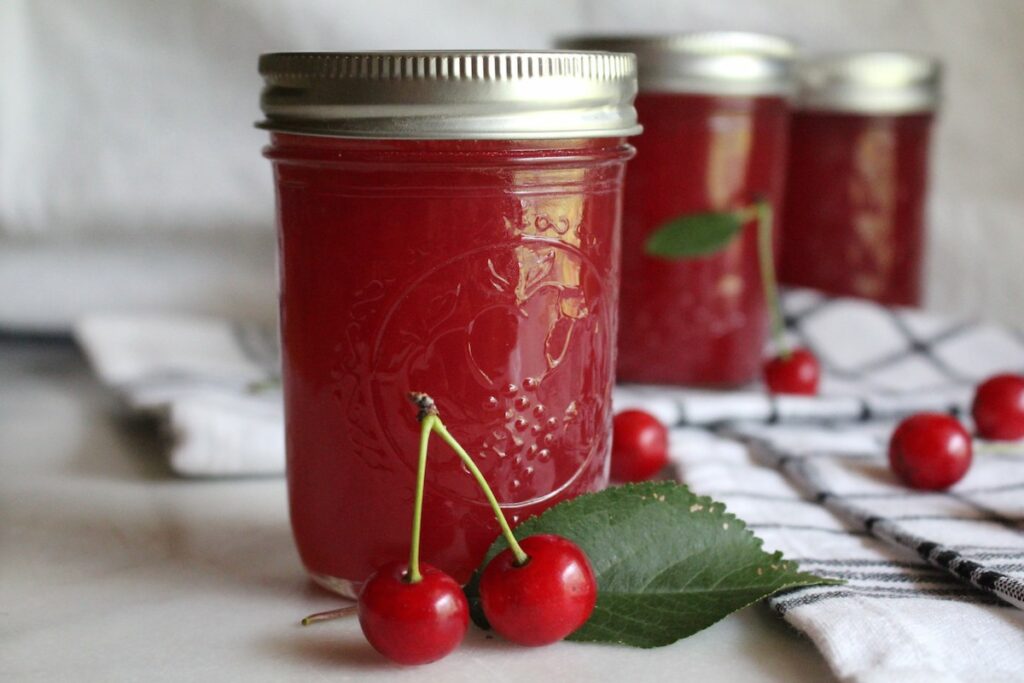
Fruit butter is a preserve that’s a bit like a cross between jam and sauce. It’s made by slowly cooking fruit down into a thick paste, which helps bring out and caramelize the fruit’s natural sugars. Apple butter is the one most people know, but there are so many other delicious options!
I love using fruit butter like apple butter on my morning toast or slathering a stack of pancakes in blueberry butter. It’s also a great, sweet spread to add to charcuterie boards or as a filling for homemade hand pies. They taste like Pop-Tarts, but better!
I also love fruit butter because, unlike jam, fruit butter doesn’t require pectin or sugar. Cooking it down until thick eliminates the need for pectin. It also helps to caramelize and concentrate the fruit’s natural sugars, making sugar unnecessary. Some recipes may include added sugar to speed up the process, but traditional, slow-cooked fruit butter doesn’t need it. You can also add spices like cinnamon if desired.
To make fruit butter, all you need to do is make a fruit puree. You’ll remove all the skins, seeds, pits, and cores and blend or mash your fruit as it cooks down. My complete guide to how to make any fruit butter walks you through all the necessary steps.
- Apple Butter
- Apricot Butter
- Blueberry Butter
- Cherry Butter
- Peach Butter
- Pear Butter
- Maple Bourbon Pear Butter
- Salted Caramel Pear Butter
- Rhubarb Butter
Marmalade Canning Recipes
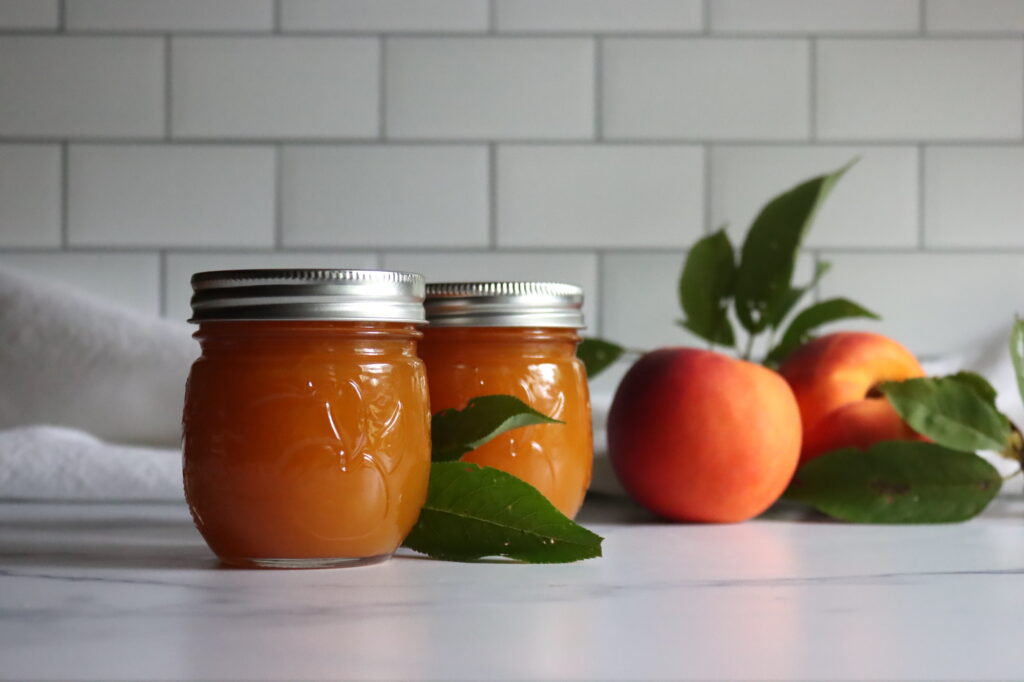
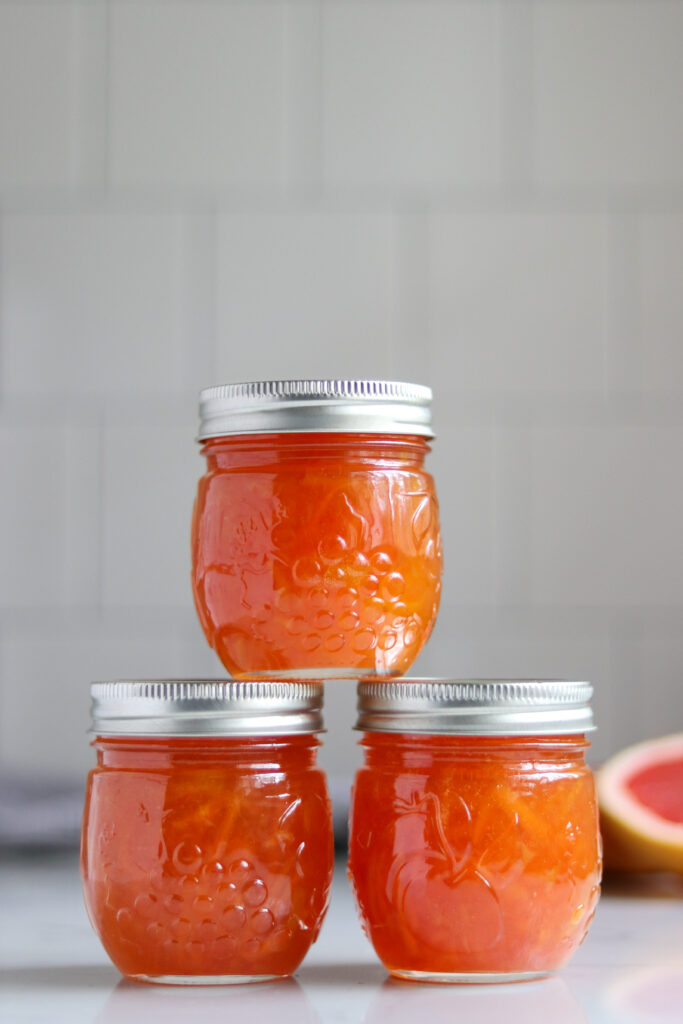
Marmalade is a lot like jam and jelly, but it usually includes citrus peels. I love marmalade, but not everyone is a fan, so I thought it needed to be in its own category. Marmalade contains plenty of sugar and acidic citrus fruits, so it’s a good candidate for water bath canning.
Below are the marmalade recipes I could find, listed alphabetically. If you want to go deeper, I’ve pulled together a full list of marmalade recipes with even more options.
- Apple Marmalade
- Blood Orange Marmalade
- Buddha’s Hand Marmalade
- Cherry Marmalade
- Cranberry Orange Marmalade
- Grape Cinnamon Marmalade
- Grapefruit Marmalade
- Kumquat Marmalade
- Lemon Ginger Marmalade
- Lemon Marmalade
- Light Sunshine Marmalade (No Sugar Needed Pectin)
- Lime Marmalade
- Meyer Lemon Marmalade
- Orange Marmalade
- Low Sugar Orange Marmalade
- Orange Chili Marmalade
- Pear Marmalade
- Prickly Pear Marmalade
- Red Onion Marmalade
- Strawberry Lemon Marmalade
- Strawberry Marmalade
- Traditional Marmalade
- Zucchini Marmalade
Pie Filling Canning Recipes
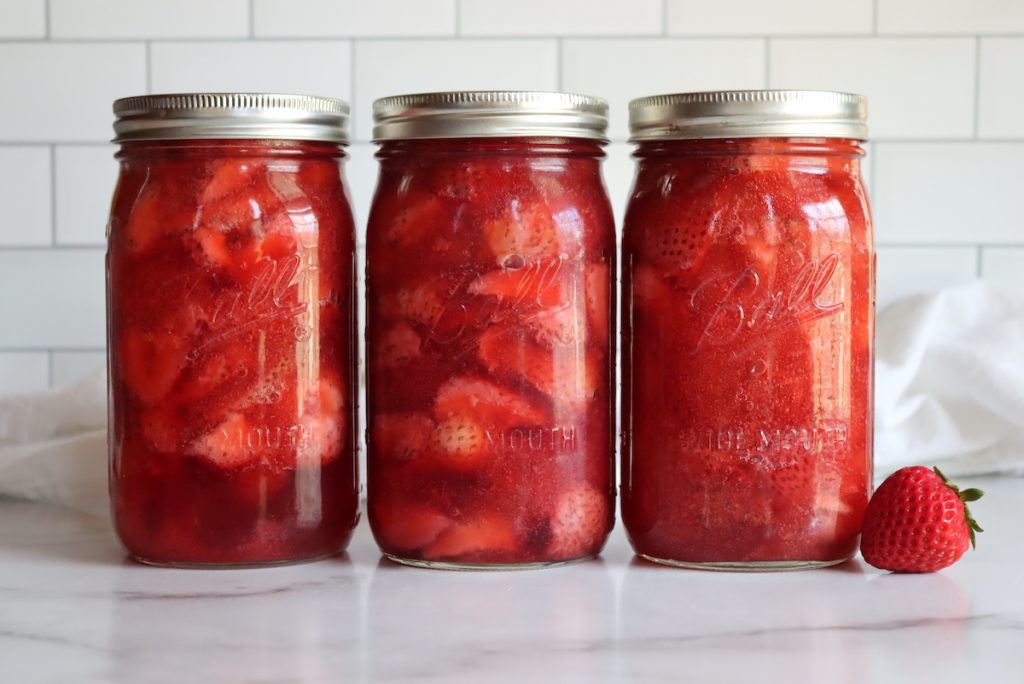
Another way I love to preserve our fruit harvest is to can pie filling. Biting into a peach pie in January is like taking a bite of summer. Those midwinter grocery store fruits just don’t compare with locally grown, home-canned fruit.
You’ll notice that many pie-filling recipes call for a thickener called “Clear Jel.” It’s essential to use this thickener rather than what you would typically use to bake a pie. Clear Jel is the only thickener that’s safe and approved for canning. It can also be heated and re-heated multiple times without losing its thickening ability. This is essential as you’ll be heating the pie filling, canning it, and then baking it when you’re eventually ready to use it.
I’ve kept this list in alphabetical order. You’ll find classic pie fillings like apple and blueberry, and a couple of lesser-known options like grape and green tomato pie filling. You can also see my full guide to canning pie filling for the techniques behind them.
- Apple Pie Filling
- Apricot Pie Filling
- Black Raspberry Pie Filling
- Blackberry Pie Filling
- Blueberry Pie Filling
- Cherry Pie Filling
- Currant Pie Filling
- Gooseberry Pie Filling
- Grape Pie Filling
- Green Tomato Pie Filling
- Peach Pie Filling
- Pear Pie Filling
- Raspberry Pie Filling
- Rhubarb Pie Filling
- Strawberry Pie Filling
- Strawberry Rhubarb Pie Filling
Pickle Canning Recipes
Once you start water bath canning, you’ll realize that you can pickle almost anything! At first, I wasn’t sure how many of these recipes would turn out, but most have been surprisingly delicious.
I’ve found that I actually prefer zucchini pickles to traditional cucumber pickles. I use a bread-and-butter pickle recipe, and the zucchini slices stay much firmer than the cucumbers! They’re delicious on burgers.
While pickling fruit may initially sound odd, I’ve also come to love it. The balance of sweet and sour from products like pickled apples pairs well with sharp cheese and crackers on charcuterie boards. Experiment to find the pickles you’ll make again and again!
The amount of salt, sugar, and spices you add to your pickles is entirely up to you. It’s safe to play with these ingredients. The vinegar in the brine is what makes pickles safe for water bath canning.
Most pickle brines must be at least 50% vinegar. This means that if you add a cup of water, juice, or wine to your brine, you must also add a cup of vinegar to maintain a 1:1 ratio.
When canning, you want a vinegar that’s at least 5% acidity. Most of the standard bottles of white vinegar or apple cider vinegar you find at the store are at this standard acidity level and work for canning.
You can use other flavors of vinegar as long as they’re 5%. Many champagne, rice, or malt vinegars are closer to 3%. Canning with them wouldn’t be safe without increasing the brine’s vinegar ratio.
A common complaint with new canners is that their pickles come out too soft. Starting with small, fresh vegetables helps, but it will only go so far. If you want crisp pickles, I suggest using Ball Pickle Crisp, which you can find in your local store’s canning section, or adding tannins to the jar.
Tannins are the compounds in dark chocolate, tea, and other foods that give you a bitter, almost dry aftertaste. These compounds also help keep vegetables crisp. You can add tannins to your pickles by adding grape leaves, oak leaves, or black tea to the jar.
I’ve divided these into vegetable pickles and fruit pickles, so it’s easier to find the recipe you need. You’ll find even more options in my full list of pickling recipes.
Vegetable Pickles
From classic dill spears to crunchy giardiniera, almost any firm vegetable can be pickled for the pantry. The vinegar brine is what keeps everything safe for the water bath canner, so stick to tested ratios.
Below are vegetable pickles of every kind. If cucumbers are your main crop, I’ve got a whole roundup of cucumber pickle recipes with even more options.
- Pickled Artichoke
- Pickled Baby Artichokes
- Pickled Asparagus (3 Ways!)
- Pickled Beets
- Dilly Beans
- Pickled Brussels Sprouts
- Cantaloupe Pickles
- Pickled Carrots
- Pickled Cauliflower with Curry Spices
- Pickled Cherry Tomatoes
- Pickled Corn Salad
- Cucamelon Pickles
- Classic Bread and Butter Cucumber Pickles
- Dilled Grape Tomatoes
- Dill Pickled Spears
- Pickled Fiddleheads
- Pickled Garlic Scapes
- Grape Tomatoes in White Wine Vinegar with Rosemary
- Hot Italian Giardiniera
- Pickled Green Coriander Seed
- Pickled Green Tomatoes
- Pickled Jalapeños
- Marinated Peppers
- Pickled Banana Peppers
- Old Fashioned 14-Day Sweet Pickles
- Old Fashioned Cucumber Lime Pickles (with Pickling Lime)
- Bread and Butter Pickled Onions
- Pickled Roasted Peppers
- Russian Claw Pickles
- Canning Sauerkraut
- Senfgurken (German Mustard Pickles)
- Pickled Ramps (Wild Leeks)
- Three-Bean Salad
- Traditional French Cornichons
- Vermont Maple Tongue Pickles
- Zesty Marinated Mushrooms
- Zucchini Pickles
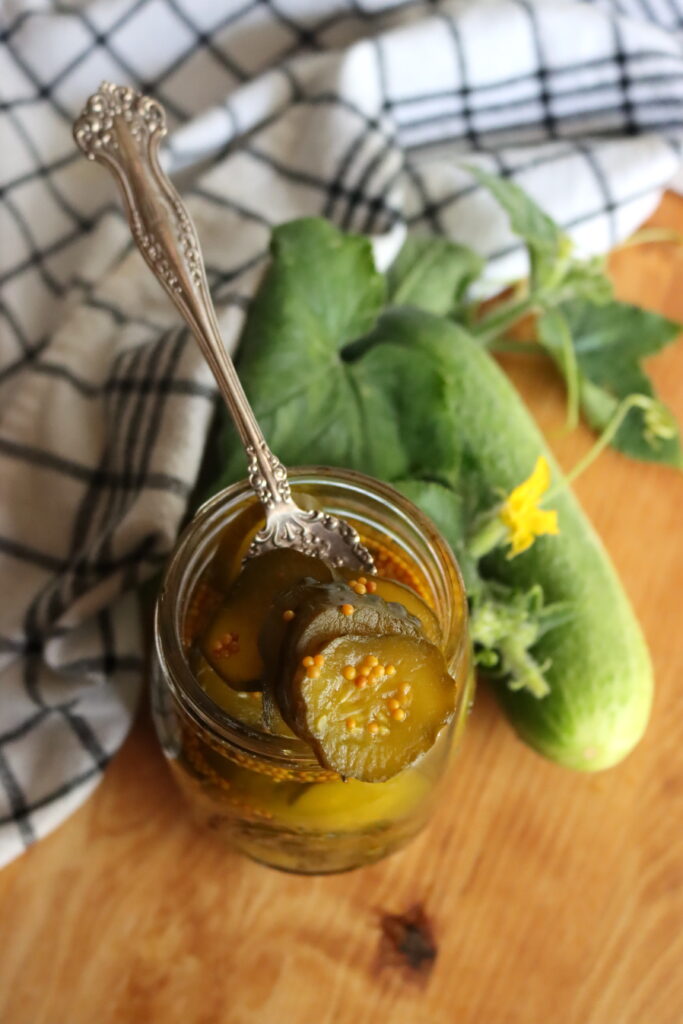
Fruit Pickles
Pickling fruit might sound unusual, but the balance of sweet and tart is wonderful alongside cheese, roasted meats, or a holiday spread. The method is the same as vegetable pickles, just with a sweeter brine.
Here are the fruit pickles worth trying. For more sweet-and-sour ideas, see my full list of fruit pickling recipes.
- Pickled Apple Slices
- Sweet and Sour Pickled Apricots
- Pickled Blueberries
- Pickled Cherries
- Pickled Crab Apples
- Pickled Cranberries
- Pickled Figs
- Pickled Grapes
- Kumquat Pickles
- Pickled Peaches
- Pickled Pears
- Spiced Pickled Pineapple
- Spicy Pickled Pineapple
- Sweet Pickled Rhubarb
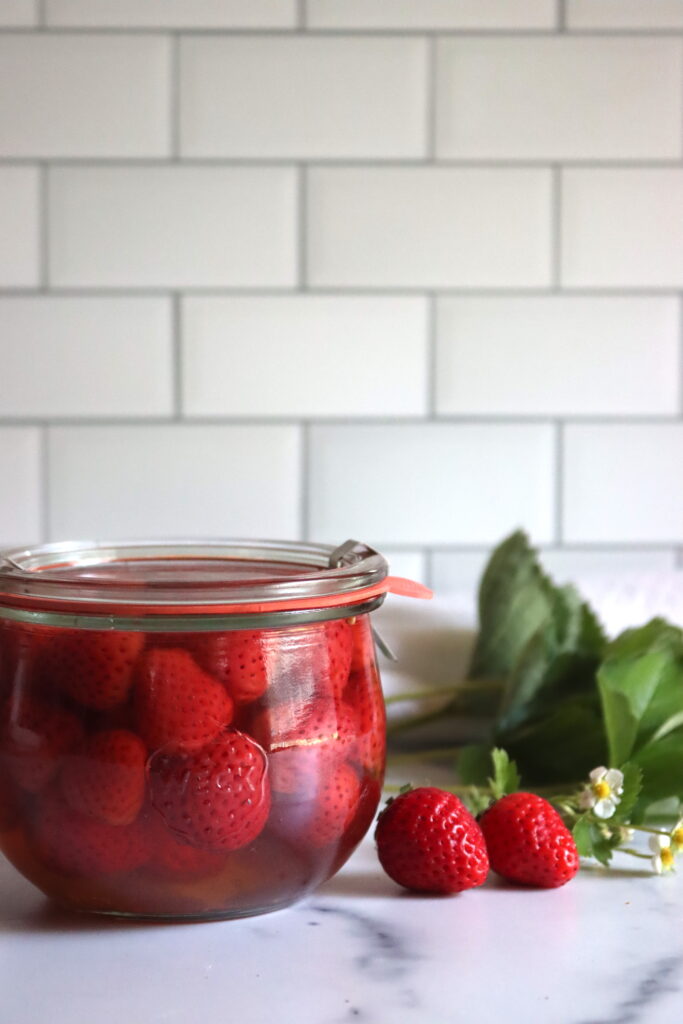
- Pickled Strawberries
- Watermelon Rind Pickles
Relish Canning Recipes
Making relish is similar to canning pickles, but relish is generally finely diced and contains add-ins like onions. The added vinegar makes all the ingredients safe for water bath canning. It’s essential to add vinegar in the correct ratio, so I recommend using a tested recipe to be safe.
I love homemade relish for almost anything we make on the grill. Sweet pickle relish is excellent on summertime hotdogs, while apple relish is one I serve in the fall with brats.
As relish recipes call for a wide range of produce, they’re often helpful for preserving a mix of garden leftovers. For example, classic chow chow (a southern relish recipe) was frequently used as the last batch of canning a family did each summer. It’s a great way to use up all the green tomatoes you need to pull before your first frost. Relish can even be used to preserve tricky veggies like zucchini.
Just make sure you stick to tested recipes!
- Amish Chow Chow
- Antipasto Relish
- Corn Relish
- Cucumber Relish
- Dill Relish
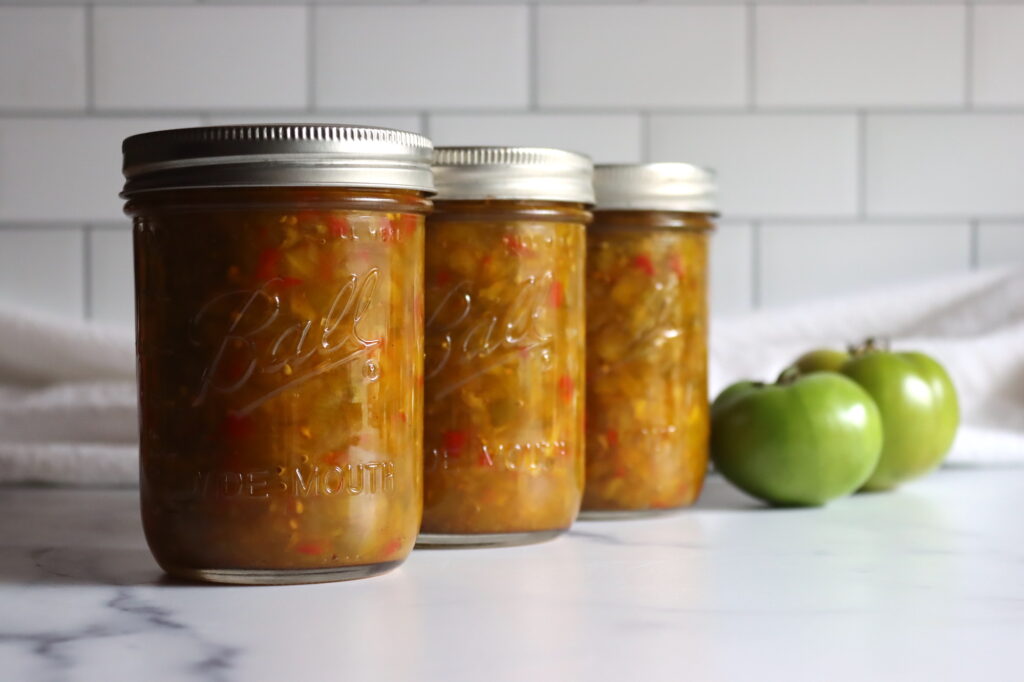
- Green Tomato Chow Chow (Canadian Style)
- Green Tomato Piccalilli (New England Style)
- Harvest Time Apple Relish
- Onion Relish
- Pepper Onion Relish
- Piccalilli (English Style Mustard Pickles)
- Classic Pickle Relish
- Southern Chow Chow (Green Tomato Relish)
- Sweet and Sour Onion Relish
- Sweet Pickle Relish
- Tomato Red Pepper Kasundi
- Zucchini Relish
Chutney Canning Recipes
Chutney is very similar to relish, though it often includes fruit. Chutney originated in Indian cuisine but has become a popular topping worldwide. You can now find chutney recipes that are smooth or chunky, spicy or sweet.
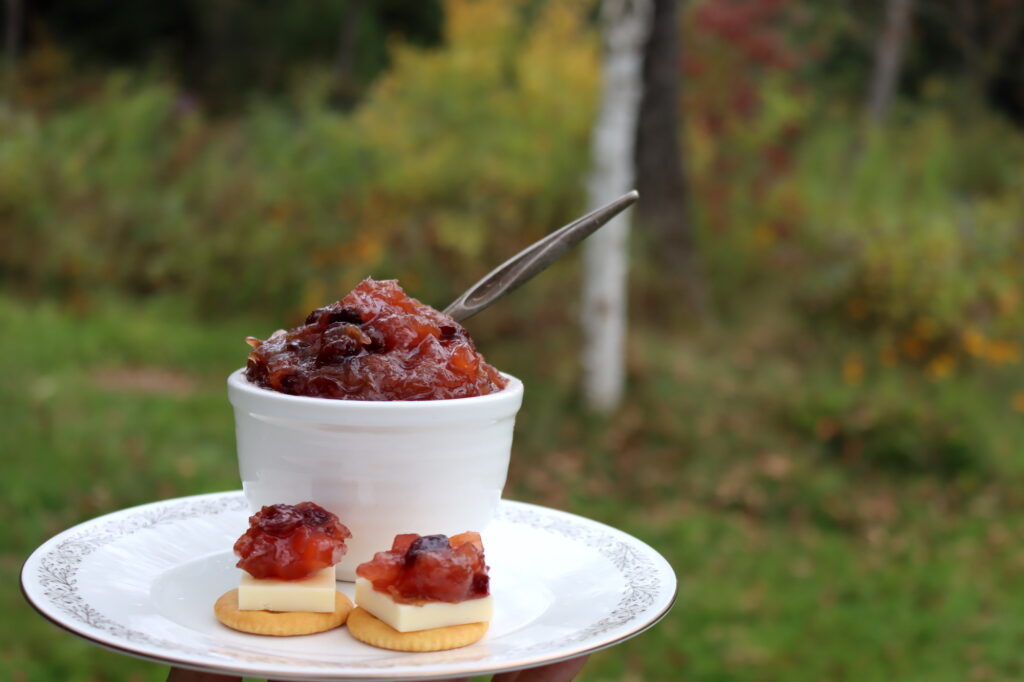
Depending on the recipe I’m working with, I like to use chutney on cheese plates, curries, and sandwiches. The apple chutney listed below is excellent for serving with crackers and cheese at autumn parties.
- Apple Chutney
- Apricot Chutney
- Green Tomato Chutney
- Lemon Peach Turmeric Chutney
- Orange Rhubarb Chutney
- Rhubarb Chutney
- Sweet Yellow Tomato Chutney
Syrup Canning Recipes
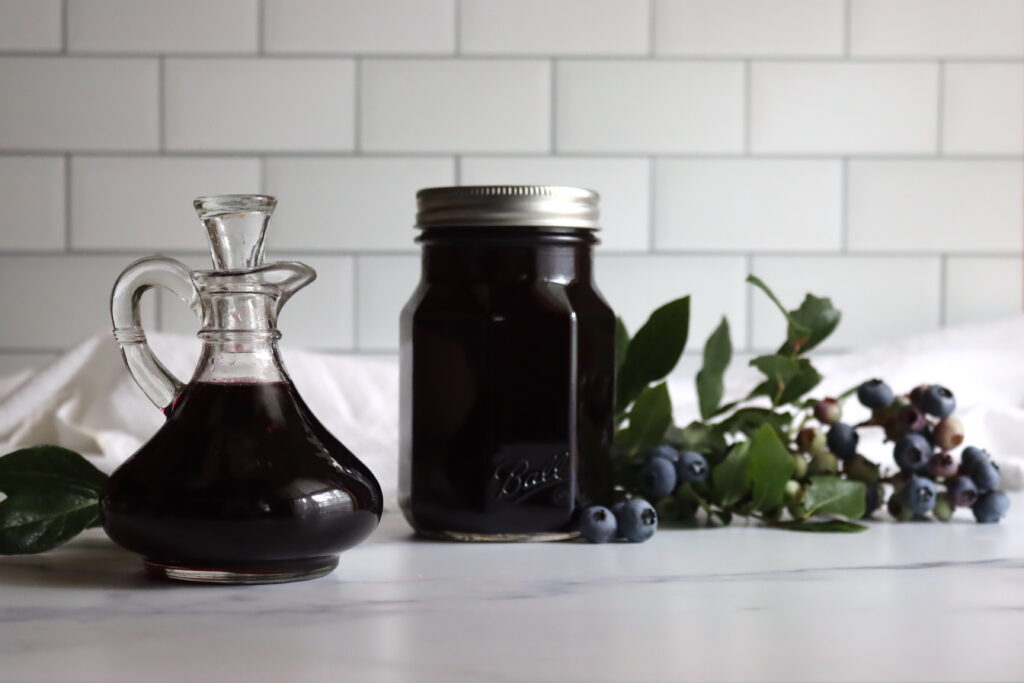
Fruit syrups are easy to make and can. They’re rich in flavor and low in effort. I love creating syrups for specialty drinks and baked goods. Plus, they’re a great way to use up extra fruit like aronia berries or chokecherries, which have more limited uses in the kitchen. You capture all their flavor without any skins or seeds.
These all process quickly in a water bath. If you want to make a syrup from a fruit that isn’t on the list, my guide to making syrup for canning fruit covers the basic method.
- Apple Syrup (Boiled Cider)
- Aronia Simple Syrup
- Berry Syrup
- Blackberry Syrup
- Blueberry Syrup
- Chokecherry Syrup
- Nectarine Syrup
- Peach Syrup
- Raspberry Syrup
- Strawberry Syrup
Juice Canning Recipes
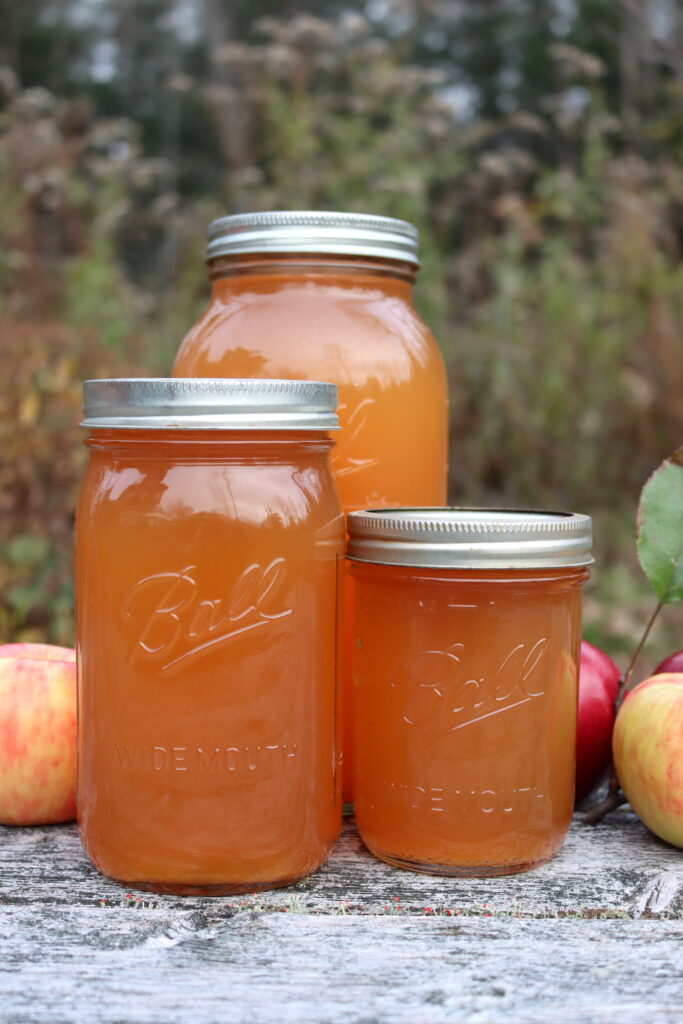
My kids love home-canned juice! I always make sure to can some grape and apple juice in small jars so they can grab them, like the homemade version of juice boxes. They’re a great way to use up extra fruit and can be the base for cocktails, sauces, and other recipes later in the season.
Several of these are lemonade concentrates that you mix with water to serve. If that’s what you’re after, I’ve pulled together a full list of lemonade concentrate canning recipes, too.
- Apple Cider
- Apple Juice
- Berry Juice
- Blackberry Juice
- Blueberry Juice
- Blueberry Lemonade Concentrate
- Cranberry Juice
- Grape Juice
- Lemonade (& Lemonade Concentrate)
- Limeade
- Muscadine Juice
- Pineapple Juice
- Plum Lemonade Concentrate
- Rhubarb Juice
- Sea Buckthorn Juice
- Strawberry Juice
- Strawberry Lemonade Concentrate
- Tomato Juice
- Watermelon Lemonade Concentrate
Salsa
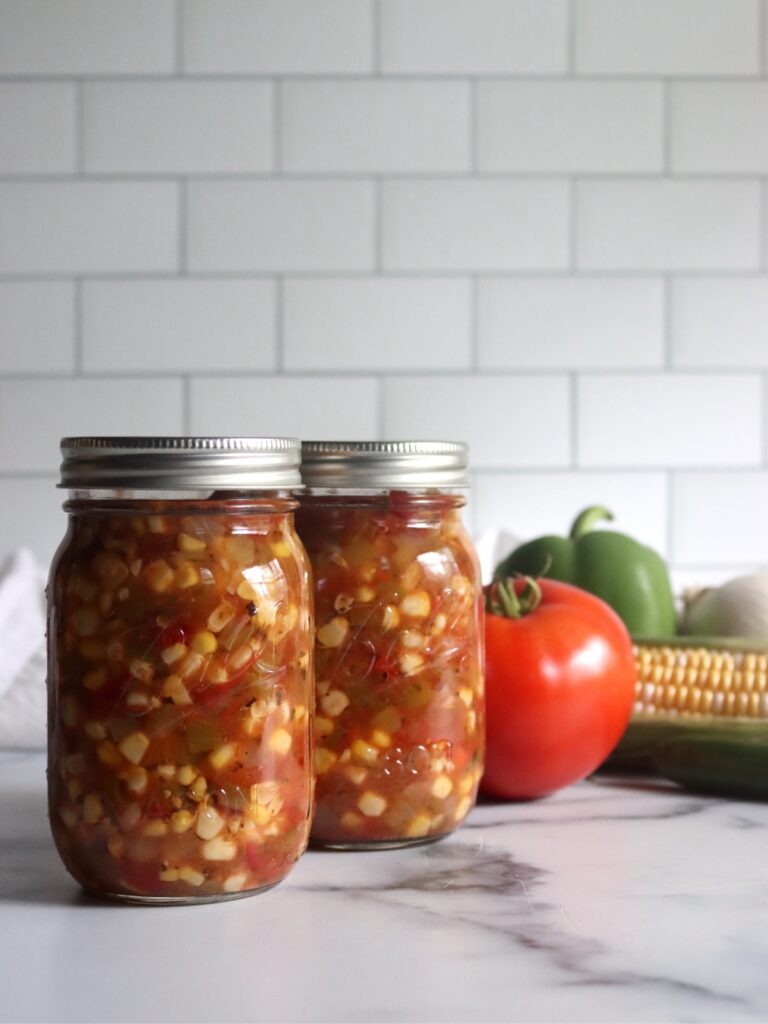
Classic tomato salsa is always on my list. Homemade salsa and chips is one of my family’s go-to snacks. We’ll sometimes go through a jar per week! For something a bit heartier, I also love canning black bean salsa. My fruit salsa is always a hit at summer cookouts.
Unfortunately, it can be challenging to find safe, tested salsa recipes. Most salsas contain a mixture of low-acid ingredients and rely on a specific proportion of vinegar to make them acidic enough for water bath canning. There are more in my full list of salsa recipes for canning.
I’ve divided these into two categories: those salsas with only vegetables and those that contain fruit.
Vegetable Salsa
These salsas keep it savory, built on tomatoes, tomatillos, peppers, and onions. Because they’re heavy on low-acid vegetables, every one relies on added vinegar or citrus to be safe in the water bath, so follow the recipe exactly.
Here are the vegetable-based salsas in alphabetical order, from mild tomato blends to fiery tomatillo and pepper versions.
- Carrot and Pepper Salsa
- Cherry Tomato Salsa
- Chipotle Tomatillo Salsa
- Corn and Tomato Salsa
- Eggplant Salsa
- Fiesta Salsa
- Fiesta Corn Salsa
- Fresh Salsa
- Green Tomato Salsa Verde
- Habanero Carrot Butter
- Restaurant Style House Salsa
- Jicama Salsa
- Mild Jalapeño Salsa
- Pace Salsa Copycat (Annie’s Salsa)
- Peppy Salsa
- Pico de Gallo
- Roasted Tomatillo Habanero Salsa
- Roasted Tomato Chipotle Salsa
- Roasted Tomato Guajillo Salsa
- Salsa Ranchera
- Salsa Roja (Roasted Tomato Ancho Chili Salsa)
- Southwestern Corn and Tomato Salsa
- Spanish Red Pepper Salsa
- Spicy Jalapeño Salsa
- Spicy Tomato Salsa
- Tomatillo Salsa
- Tomatillo Green Salsa
- Tomato and Hot Pepper Salsa
- Tomato Pepper Salsa
- Tomato and Green Chili Salsa
- Tomato Salsa with Paste Tomatoes
- Tomato Salsa with Tomato Paste (Thickened Salsa)
- USDA’s Your Choice Salsa
- Zesty Salsa
Fruit Salsa
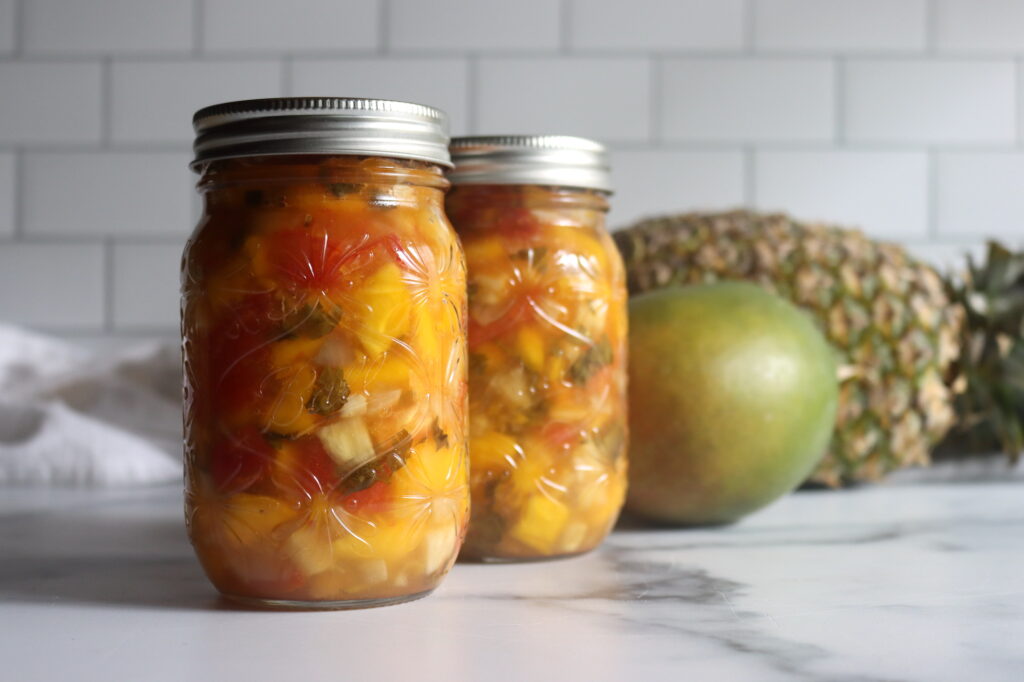
Fruit salsas add a sweet, bright note that’s wonderful with grilled fish, pork, or chips. Some keep a tomato base while others are all fruit, but they still need the acidity built into the recipe to can safely.
These are the fruit salsas worth a spot on your pantry shelf, listed alphabetically.
- Apricot Salsa
- Caramelized Pineapple Habanero Salsa
- Fire Roasted Tomato and Peach Salsa
- Green Mango Salsa
- Mango Chipotle Salsa
- Mango Jalapeño Salsa (with Tomatoes)
- Mango Salsa
- Orchard Salsa (with Peaches & Pears)
- Papaya Pineapple Chili Salsa
- Peach Apple Salsa (with tomatoes)
- Peach and Corn Salsa (no tomatoes)
- Peach Salsa
- Pear Pepper Salsa
- Pineapple Mango Salsa (with Tomatoes)
- Plum Habanero Salsa (with Tomatoes)
- Sour Cherry Tequila Salsa
- Spicy Cranberry Salsa
Sauces and Condiments
Most sauces and condiments have good quantities of vinegar, sugar, or both, making them ideal products for water bath canning. Condiments are generally affordable at the grocery store, but they don’t match the flavor of the homemade version.
I love making unique, rich sauces like the peach rum sauce and tailoring the spices of recipes like the enchilada sauces to my family’s specific taste.
- Apple Hot Sauce
- Apple Ketchup
- Apricot BBQ Sauce
- Barbecue Sauce
- Blender Ketchup
- Chili Sauce
- Cocktail Sauce
- Country Western Ketchup
- Cranberry Orange Sauce
- Enchilada Sauce
- Enchilada Verde
- Green Tomato Ketchup
- Peach Rum Sauce
- Pear Sauce
- Rhubarb BBQ Sauce
- Strawberry Vinaigrette Dressing
- Taco Sauce
- Tomatillo Sauce
- Tomato Ketchup
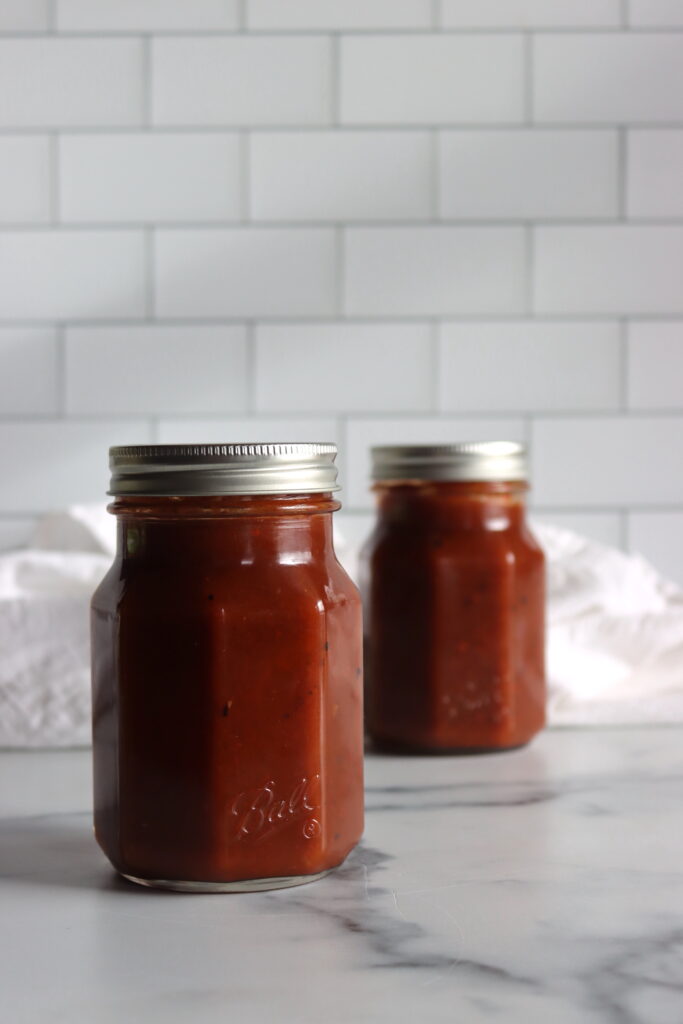
Tomato Canning Recipes
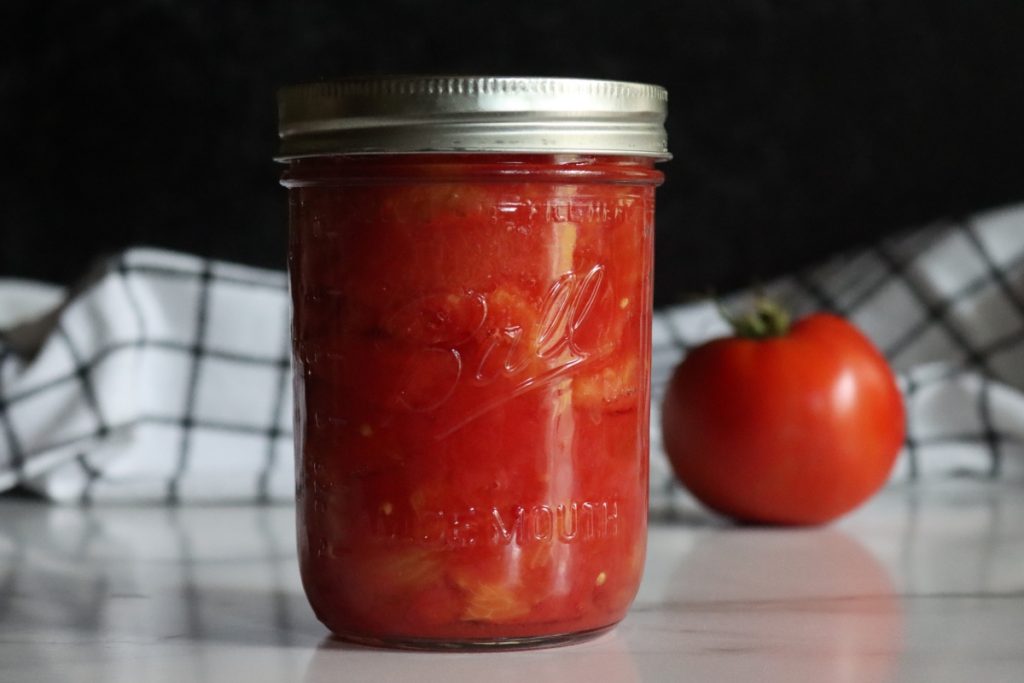
Canned tomatoes are always on the pantry shelf in my house. I can jars and jars of diced, crushed, and whole tomatoes each year, along with various other tomato products like ketchup (listed above) and tomato sauce. You’ll find even more options in my full list of tomato canning recipes.
So many of my family’s comforting winter meals start with a jar of tomatoes. I use them to make sauces for pizza and pasta (I’ve also got a whole roundup of pasta sauce recipes for canning), filling for stuffed peppers, and mixed with beans and other vegetables in various soups and stews.
Tomatoes are safe for water bath canning if you add some acid. Many older recipes don’t call for anything but tomatoes. Today, we know that tomatoes are borderline acidic and need a boost from a bit of lemon juice or vinegar, depending on the recipe.
Many new varieties of tomatoes are less acidic than historic varieties. However, the acidity of any tomato is largely dependent on growing conditions. It’s best to play it safe and add the appropriate amount of lemon juice. I’ve found that you can’t even taste it in plain tomatoes or sauce.
Following appropriate guidelines is a must! Here’s what you need to know to safely water bath can tomatoes.
The USDA recommends adding lemon juice, citric acid, or vinegar to your recipe to increase the acidity level. You can read the full details in my guide to acidifying tomatoes for home canning. Here are the USDA’s recommendations:
- Add 2 tablespoons of lemon juice per quart of tomatoes or 1 tablespoon per pint.
- Add half a teaspoon of citric acid per quart of tomatoes or a quarter teaspoon per pint.
- Add 4 tablespoons of a 5% vinegar per quart of tomatoes. Note that this may change the flavor of your recipe.
Add the acid to each prepared jar before adding any liquids or tomatoes.
Underripe or even green tomatoes tend to be more acidic than ripe tomatoes.
Never use tomatoes from frost-killed or dead vines. When canning, select tomatoes that are free from bruises and blemishes.
Depending on your recipe, you may need to process your tomatoes by removing the skins, cores, and seeds before canning. For recipes like tomato sauce, this can be done with a food mill. It will remove any chunks of skin, seed, and core and give you a smooth sauce.
Of course, you won’t be running your whole or diced tomatoes through a food mill, so it’s best to process them first. I always remove the skins as they can become bitter and chewy during the canning process.
An easy way to remove the skins is to blanch the tomatoes and then plunge them into ice water. You can read about my tomato peeling guide for more information on the simplest way to process them.
- Tomatoes (Diced or Crushed)
- Tomatoes (Whole or Halved)
- Green Tomato Slices
- Canning Tomatoes in Wine
- Canning Whole Cherry Tomatoes
- Mexican Tomato Sauce
- Rotel-Style Tomatoes
- Pizza Sauce
- Mrs. Wages Pizza Sauce
- Tomato Paste
- Tomato Sauce
- Spaghetti Sauce (Without Meat)
- Basil and Garlic Tomato Sauce
- Oven Roasted Marinara Sauce
- Roasted Garlic Tomato Sauce
- Roasted Rustic Pasta Sauce
- Italian Style Tomato Sauce
- Chunky Style Tomato Sauce (Roasted Crushed Tomatoes)
- Passata
- Vodka Sauce Base
- Eggplant Puttanesca Sauce
- Pasta Sauce with Mushrooms & Red Peppers
- Minnesota Mix
- Mild Creole Pasta Sauce with Green Peppers
- Bruschetta
Canning Recipe Lists
Looking for more great lists of canning recipes?
What have I missed? What canning recipes should I add to the list? Leave me a note in the comments!
Find the perfect recipe
Searching for something else? Enter keywords to find the perfect recipe!

When do you have to use a pressure canner??????
Pressure canning is for low acid foods like meats, vegetables (corn, potatoes, green beans, etc), soups and meal in a jar type stuff. Because that stuff isn’t acidic, it needs higher heat to properly sterilize to keep on the shelf. Waterbath canning is for acidic things like jams, jellies, fruits, pickles and relishes. Hope that helps!