
This post may contain affiliate links. Please see our disclosure policy.
Canning blueberries is a simple way to hold onto a summer harvest that always seems to vanish too fast, tucking whole berries into jars so you can spoon them over pancakes, stir them into oatmeal, or fold them into a winter cobbler long after the bushes have gone bare.
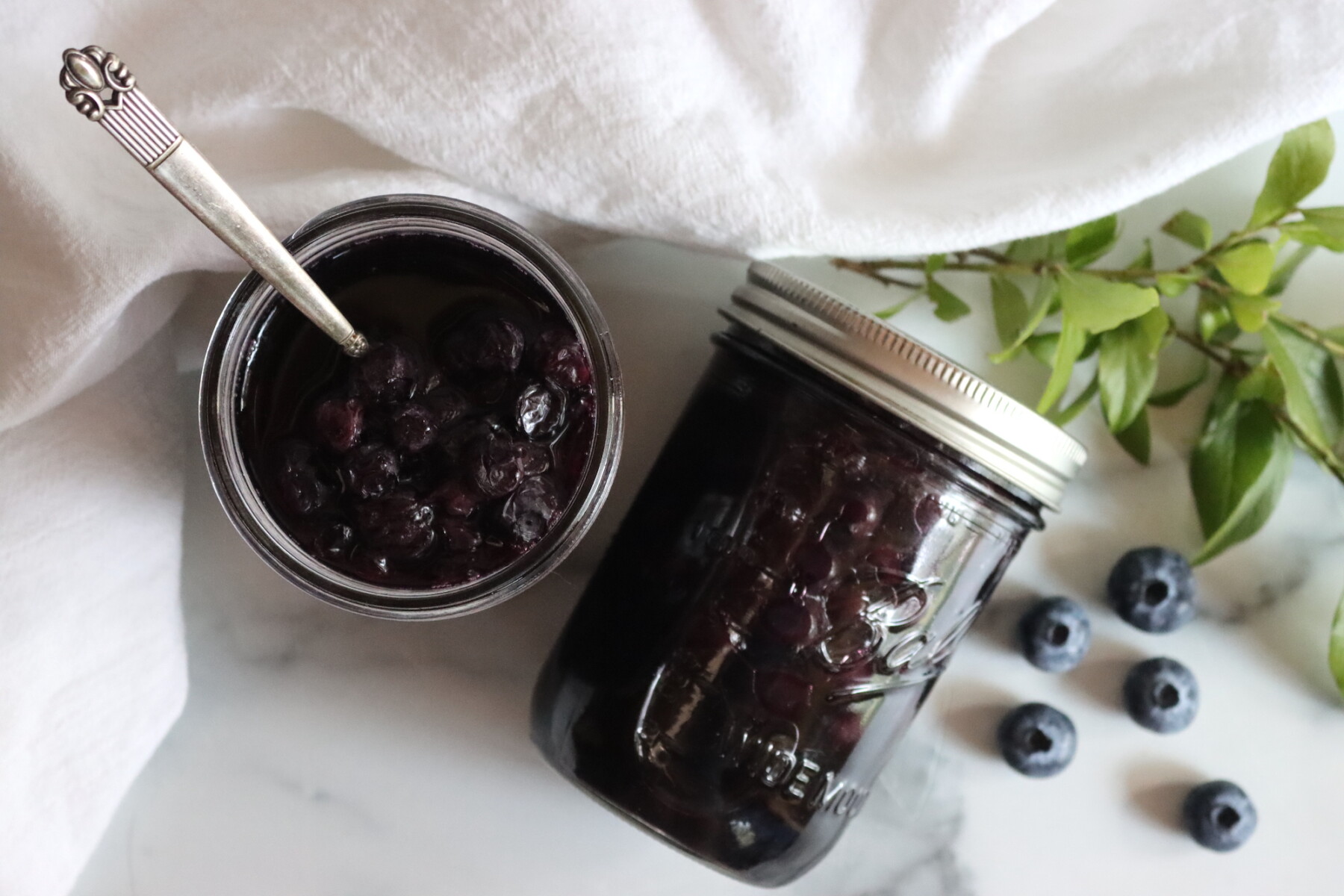
Table of Contents
- Notes from My Kitchen
- Quick Look at the Recipe
- Choosing Blueberries for Canning
- Ingredients for Canning Blueberries
- Making a Sugar Syrup for Blueberries
- A Note on Canning Blueberries Safely
- How to Can Blueberries
- Canning Blueberries in a Water Bath
- Altitude Adjustments
- Tips for Success
- Ways to Use Canned Blueberries
- Yield Notes
- Canning Blueberries FAQs
- Blueberry Canning Recipes
- Canning Blueberries Recipe
- Fruit Canning Recipes
This recipe has been reviewed for safety and accuracy by a Master Food Preserver certified through the University of Cornell Cooperative Extension.
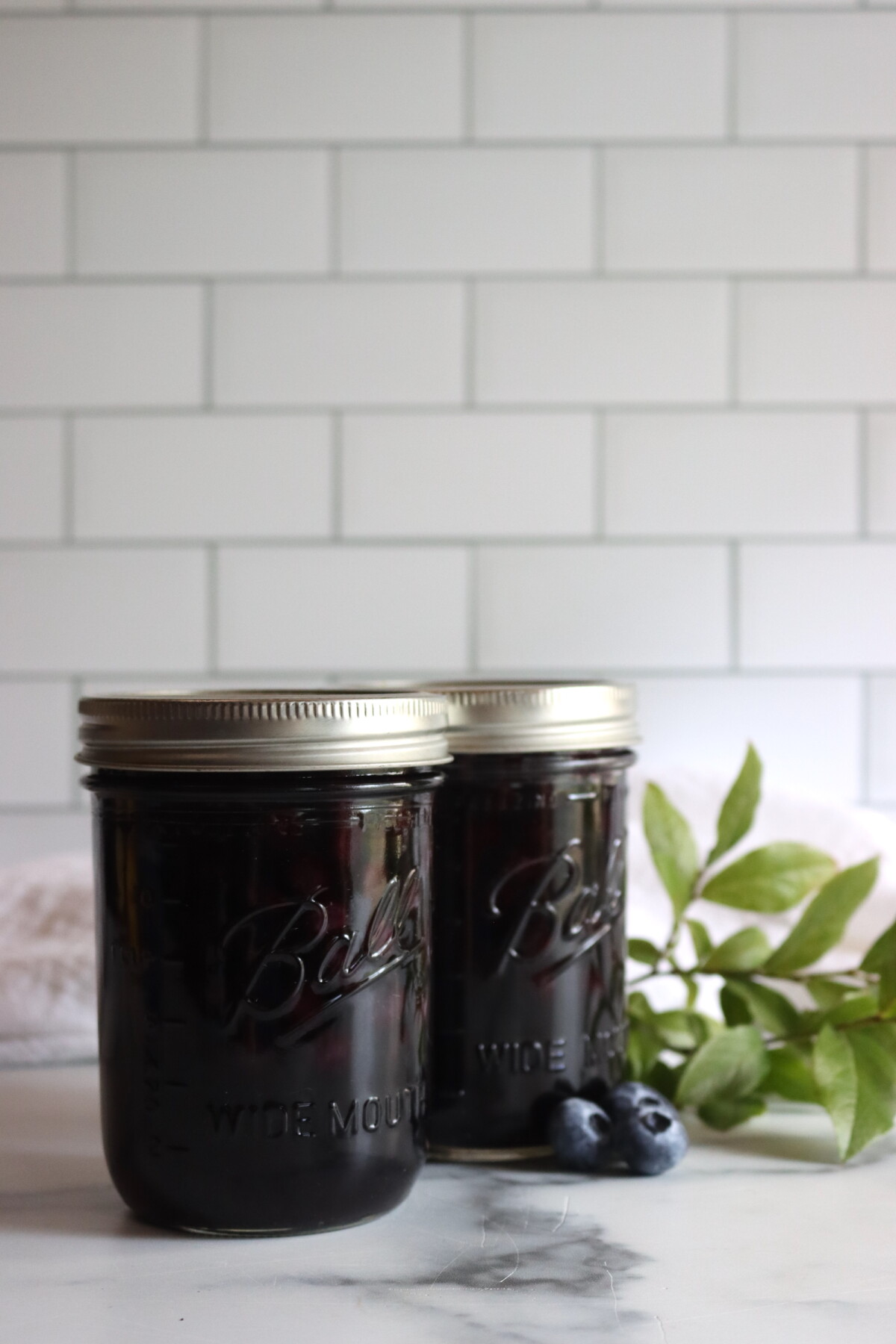
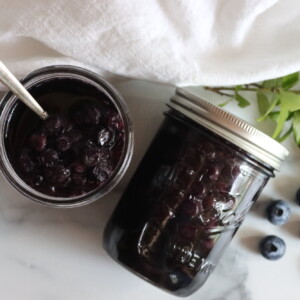
There is something satisfying about opening a jar of whole blueberries in the middle of winter and having them look almost exactly the way they did going in. Packed in a light syrup, they hold their shape and color on the shelf, and they are ready to go straight onto a bowl of yogurt or into a batch of muffins.
Blueberries are a high-acid fruit, which means they can be safely canned in a water bath canner without any added lemon juice or other acid. That also means the sugar is entirely up to you. The syrup here is about flavor, color, and helping the berries keep their shape, not about preservation, so you can lean sweeter or lighter (or skip the sugar and use juice or water) without changing whether the jars are safe to put on the shelf. If the idea of canning without a heap of sugar is new to you, I get into it more in my post on whether sugar is necessary for preservation.
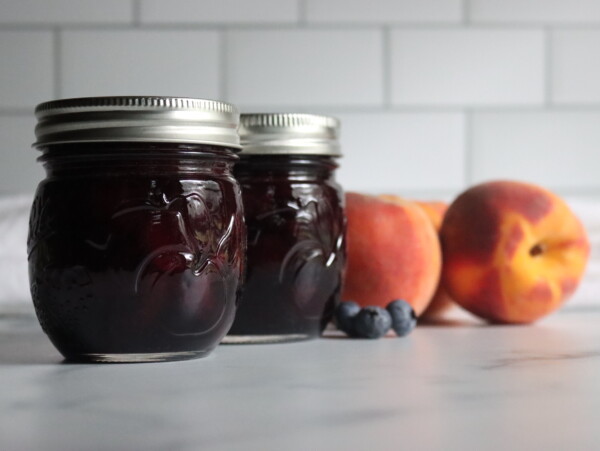
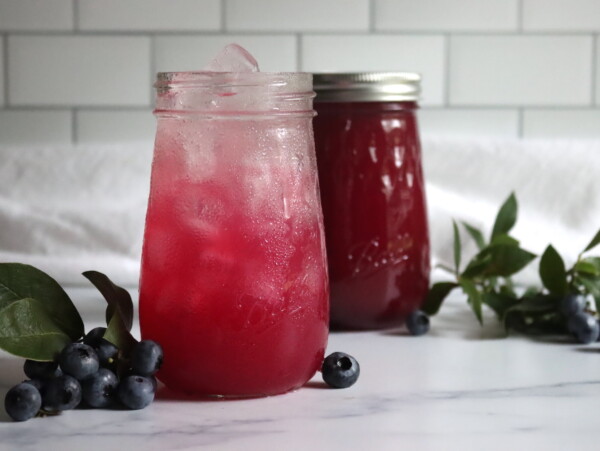
If you end up with more berries than you can pack whole, they also turn into blueberry jam, blueberry syrup, blueberry butter, or blueberry pie filling, and you will find all of those and more in my roundup of blueberry canning recipes.
Notes from My Kitchen

We have 30 blueberry bushes here on our Vermont homestead, and some years, I just can’t keep up with preserving. Canning Whole berries in jars felt like a low-effort way to save the rest, once I’d made flats of pie filling, jam, and jelly. It turned out to be one of the more useful things I keep in the pantry, since a jar drains and folds into batter or tops a stack of pancakes in about a minute.
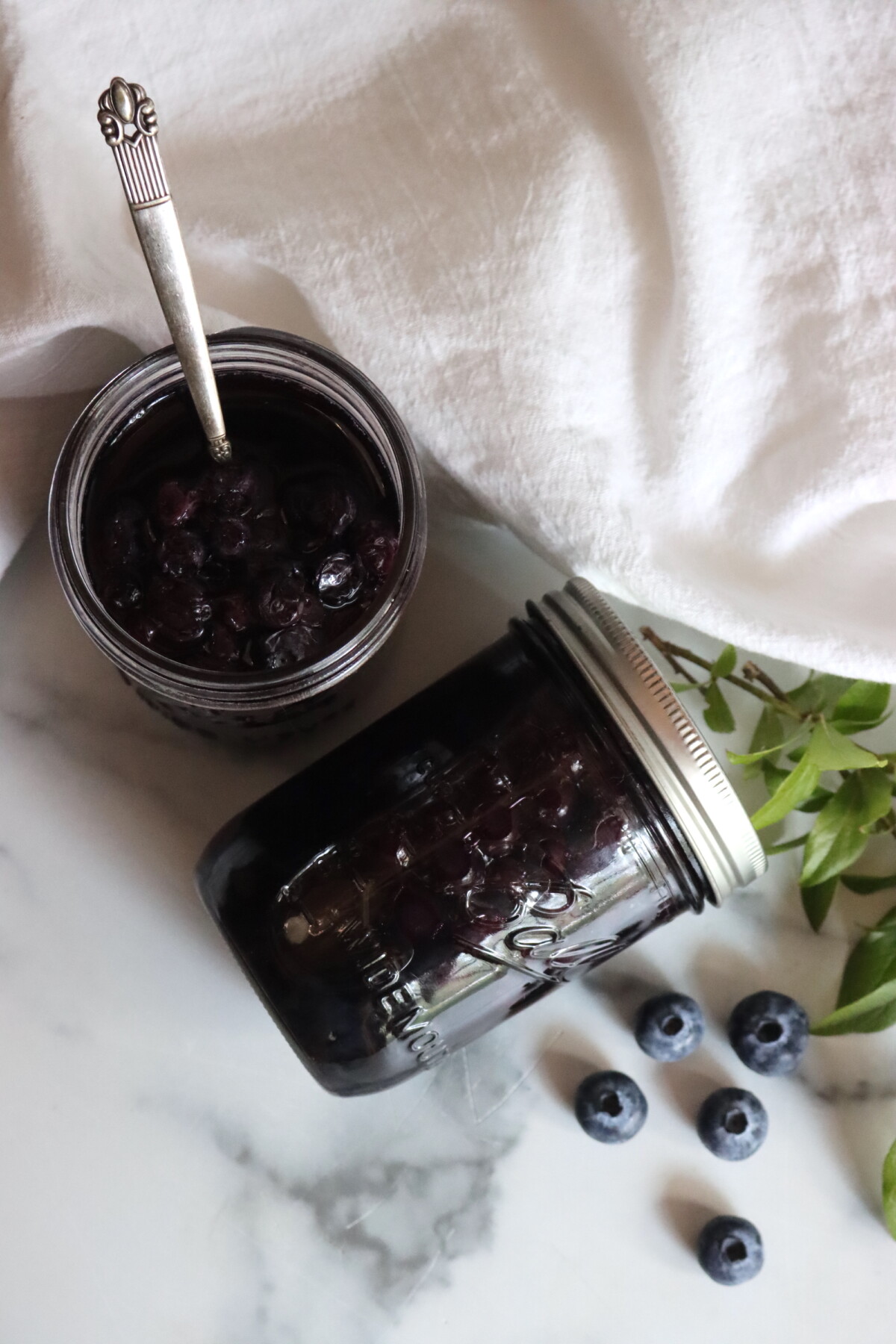
My one piece of hard-won advice is to be gentle with them. Blueberries are soft, and if you rush the packing or boil the syrup too hard when you pour it over, you end up with more of a loose sauce than tidy whole berries. It is still perfectly good, but if you want them to look pretty in the jar, a light hand goes a long way.
Quick Look at the Recipe
- Recipe Name: Canning Blueberries
- Recipe Type: Blueberries in Syrup
- Canning Method: Water Bath Canning
- Prep Time: About 20 minutes
- Cook Time: About 10 minutes (to make the syrup)
- Canning Time: 15 minutes for pints, 20 minutes for quarts (raw pack, at sea level)
- Yield: About 9 pints (or adjust to your needs)
- Jar Sizes: Half pints, Pints or quarts
- Headspace: 1/2 inch
- Ingredients Overview: Fresh blueberries, sugar, and water (or unsweetened juice)
- Safe Canning Recipe Source: National Center for Home Food Preservation
- Difficulty: Easy
- Similar Recipes: Canning blueberries whole works much like other fruit put up in syrup, such as canning cherries, canning peaches, and canning pears. If you have more berries than you want to pack whole, turn the rest into blueberry jam or blueberry juice, or browse the full set of blueberry canning recipes.
Choosing Blueberries for Canning
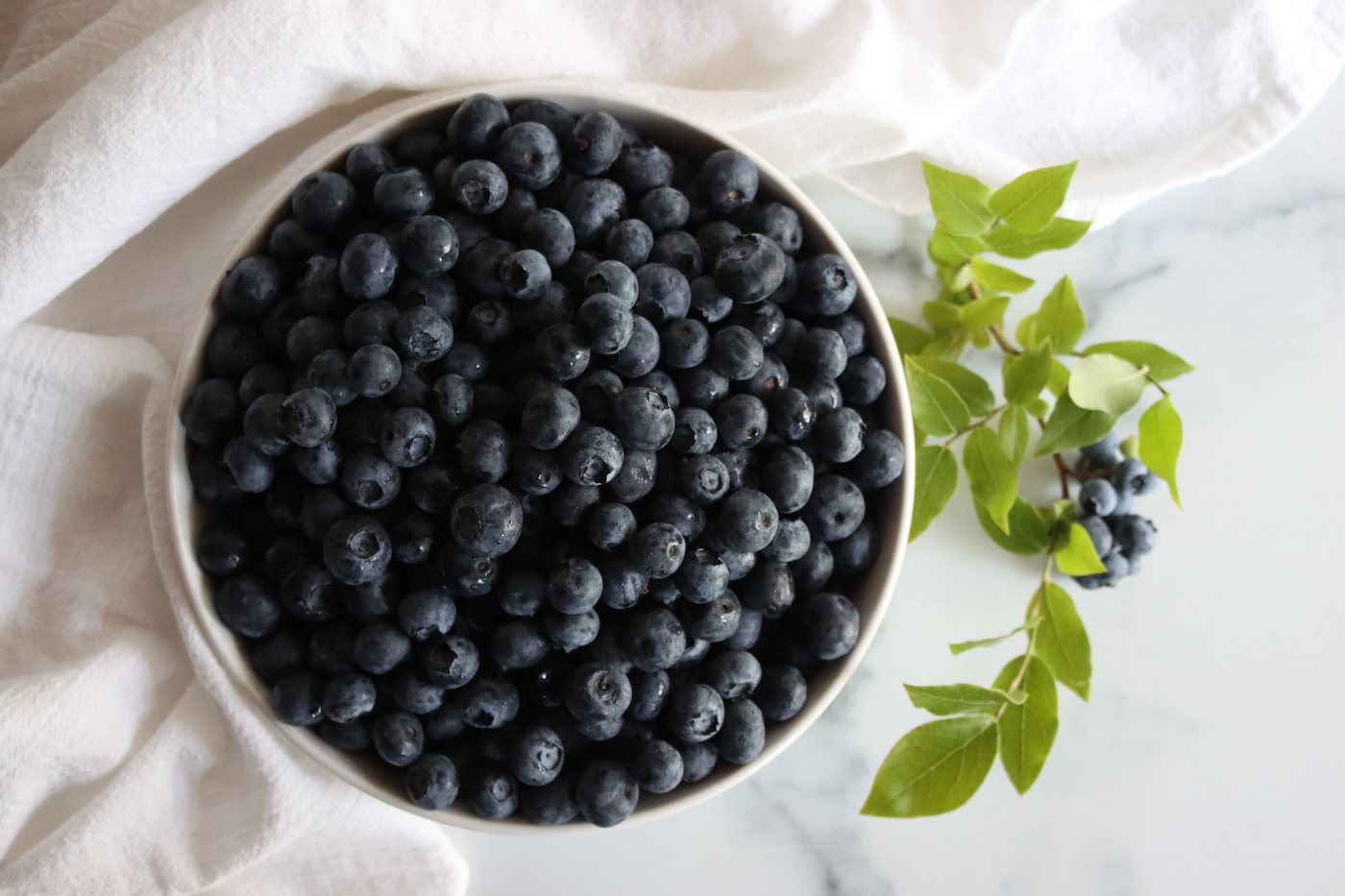
The nicest canned blueberries start with firm, ripe berries that are dry and evenly colored, with no soft or leaky spots. Slightly underripe berries actually hold their shape a little better in the jar than very soft, dead-ripe ones, so if you are picking or sorting specifically for canning, err toward berries that are plump and firm rather than the softest ones in the basket. Give them a good look and pull out any that are shriveled, mushy, or showing mold, since one broken-down berry will cloud the syrup around it.
Cultivated blueberries and wild (or lowbush) blueberries both can beautifully, though wild berries are smaller and pack even more tightly into the jar. Frozen blueberries work too, which is handy if you buy in bulk or freeze your own harvest and want to can a batch later in the year.
If canning frozen blueberries, they fall apart a bit more and end up closer to blueberry compote, but that’s no less delicious.
Ingredients for Canning Blueberries
The ingredient list here is short, which is part of the appeal. You need berries, and you need a liquid to cover them, and that is really it. Everything past the berries is a choice about how sweet you want the finished jars to be.
- Blueberries: Fresh or frozen, firm and ripe, washed and picked over. Plan on roughly 2 pounds of berries per quart jar, or about 1 pound per pint, which works out to around 8 pounds for a canner load of 9 pints and about 12 pounds for 7 quarts. Wild or cultivated both work.
- Sugar: For the syrup. Granulated white sugar is standard, and the amount is up to you. A medium syrup suits most berries, but a light or very light syrup keeps things closer to the fruit’s own sweetness. The sugar is for flavor, color, and shape, not for safety, so any of these strengths is fine, and you can leave it out entirely. Maple and honey work well as sweeteners too.
- Water: The base of the syrup, heated together with the sugar. If you would rather skip the syrup, you can cover the berries with unsweetened white grape juice, apple juice, or plain water instead, and the jars are just as safe. Unsweetened blueberry juice is another option if you happen to have some on hand.
Because blueberries are naturally acidic, you will notice there is no bottled lemon juice or other acid on this list. That is expected, and it is one of the ways this recipe differs from something like tomato canning recipes, which require acidification in every jar for safe canning. The berries bring their own acidity, and the water bath process time does the rest.
Making a Sugar Syrup for Blueberries
Canning syrup is nothing more than sugar dissolved in water, and you choose the strength based on how sweet you like your fruit. For blueberries, a medium syrup is the usual pick, made by heating about 5-1/4 cups of water with 2-1/4 cups of sugar for a 9-pint load, or 8-1/4 cups of water with 3-3/4 cups of sugar for a 7-quart load.
If you prefer less sugar, a light syrup uses roughly 5-3/4 cups of water to 1-1/2 cups of sugar for pints, and a very light syrup (which comes closest to the berries’ natural sweetness) uses about 6-1/2 cups of water to 3/4 cup of sugar. You do not have to use every drop, so it is fine to make a little extra and set the rest aside.
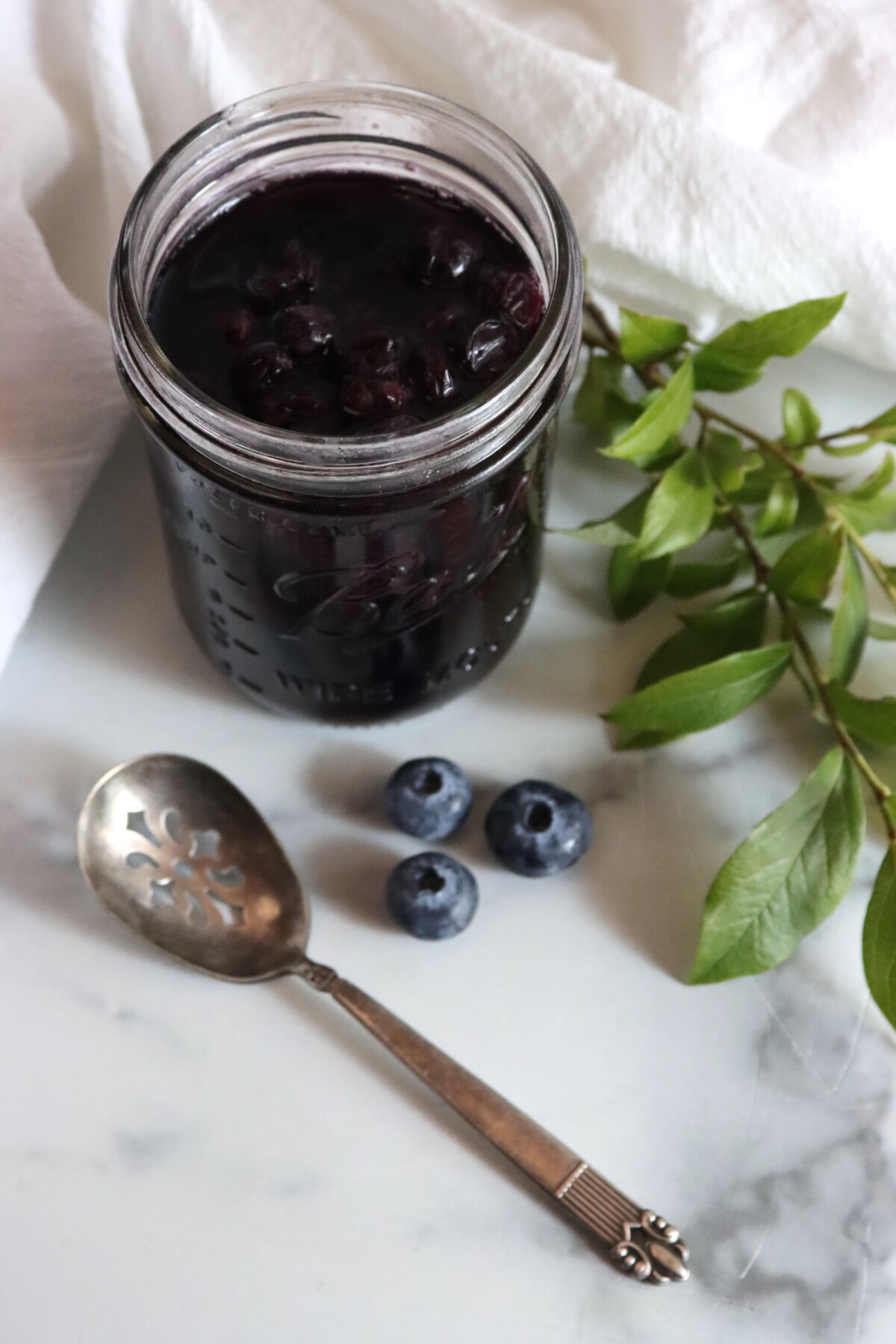
To make it, combine the sugar and water in a saucepan and heat, stirring, until the sugar dissolves and the mixture comes to a gentle boil. Keep it hot while you fill your jars. If you would rather cut the sugar without cutting all of it, a mild honey or a light corn syrup can stand in for up to half the table sugar. And if you would like to skip sugar altogether, just heat plain water or unsweetened juice to a boil and use that as your covering liquid instead.
I have a printable table that covers all the syrups for canning fruit, from extra light all the way to extra heavy, so take your pick.
A Note on Canning Blueberries Safely
This recipe follows the tested procedure for canning whole berries from the National Center for Home Food Preservation. Blueberries are a high-acid fruit, so they are safe in a water bath canner with no added acid, and the sugar in the syrup is for quality only. What keeps the jars safe is the acidity of the fruit, the 1/2-inch headspace, and the full processing time for your jar size and altitude, so those pieces stay exactly as written.
You can adjust the sweetness freely, or swap the syrup for juice or water, and the jars remain safe to shelf-store. What you should not do is add low-acid ingredients (like vegetables or thickeners), or change the headspace or process time. If you want a thickened, pie-ready version, that is a separate tested recipe, my blueberry pie filling, which uses Clear Jel and its own method.
How to Can Blueberries
Blueberries do especially well as a raw pack, which simply means you put the raw berries straight into the jars and pour hot syrup over them. Raw packing keeps the berries whole and firm, so they look their nicest in the jar, and it is the method I choose for almost every time. I will walk through the raw pack first, then cover the hot pack option in case you want to fit a few more berries into each jar.
The whole process is quick once your jars and canner are ready, so it helps to have everything set up before you start filling. There are really only two decisions to make here, which covering liquid you want (a syrup at whatever strength suits you, or juice, or water) and whether you are raw packing or hot packing, and both come down to preference rather than safety. The steps below cover prepping the fruit, filling the jars, and then processing.
Prep the Berries and Jars
Start by getting your water bath canner heating and your jars washed and warm, so everything is ready when the berries are. Wash the blueberries a quart or two at a time under cool running water, then drain them well and pick through to remove any stems, leaves, or berries that are soft, split, or underripe. Working in smaller batches keeps you from crushing the berries at the bottom under the weight of the whole harvest.
Have your covering liquid hot and ready, whether that is a medium syrup, unsweetened juice, or plain water. It helps to add about 1/2 cup of the hot liquid to the bottom of each clean jar before you add any berries, which keeps the berries from packing into a dry clump and helps cut down on floating once they are processed.
Raw Pack the Jars
With that splash of hot liquid already in each jar, fill the jars with raw blueberries, shaking each jar gently as you go so the berries settle and nestle together without needing to be pressed down. A wide canning funnel makes this a lot tidier, since blueberries love to bounce and roll. Fill them up to within about an inch of the rim so you have room for the syrup.
Pour the hot syrup, juice, or water over the berries, covering them completely and leaving 1/2 inch of headspace at the top of the jar. Run a bubble tool or a thin plastic spatula around the inside of the jar to release trapped air, then check your headspace again and top off with a little more liquid if needed. Wipe the rims clean with a damp cloth, center the lids, and screw the bands on until they are fingertip tight.
Hot Pack Option
If you would rather fit more berries into each jar, you can hot pack them instead. Blueberries shrink when pre-blanched, so you’ll get fuller jars, but softer fruit out of the canner.
To do hot pack, heat the blueberries in boiling water for about 30 seconds and then drain them before filling the jars. The quick heating softens the berries just enough that they settle down and pack more tightly, so you tend to fit a bit more fruit per jar and see less floating after processing.
The trade-off is that heated berries are more fragile, so a few more of them will burst and break apart as you pack and process, which makes for a softer, more sauce-like jar. Fill the hot berries into jars, cover with your hot liquid to the same 1/2-inch headspace, and finish the jars the same way.
Because the berries are already warm, the hot pack processes for the same time as the raw pack for pints, and slightly less time for quarts, so check the altitude chart below for your jar size.
Canning Blueberries in a Water Bath
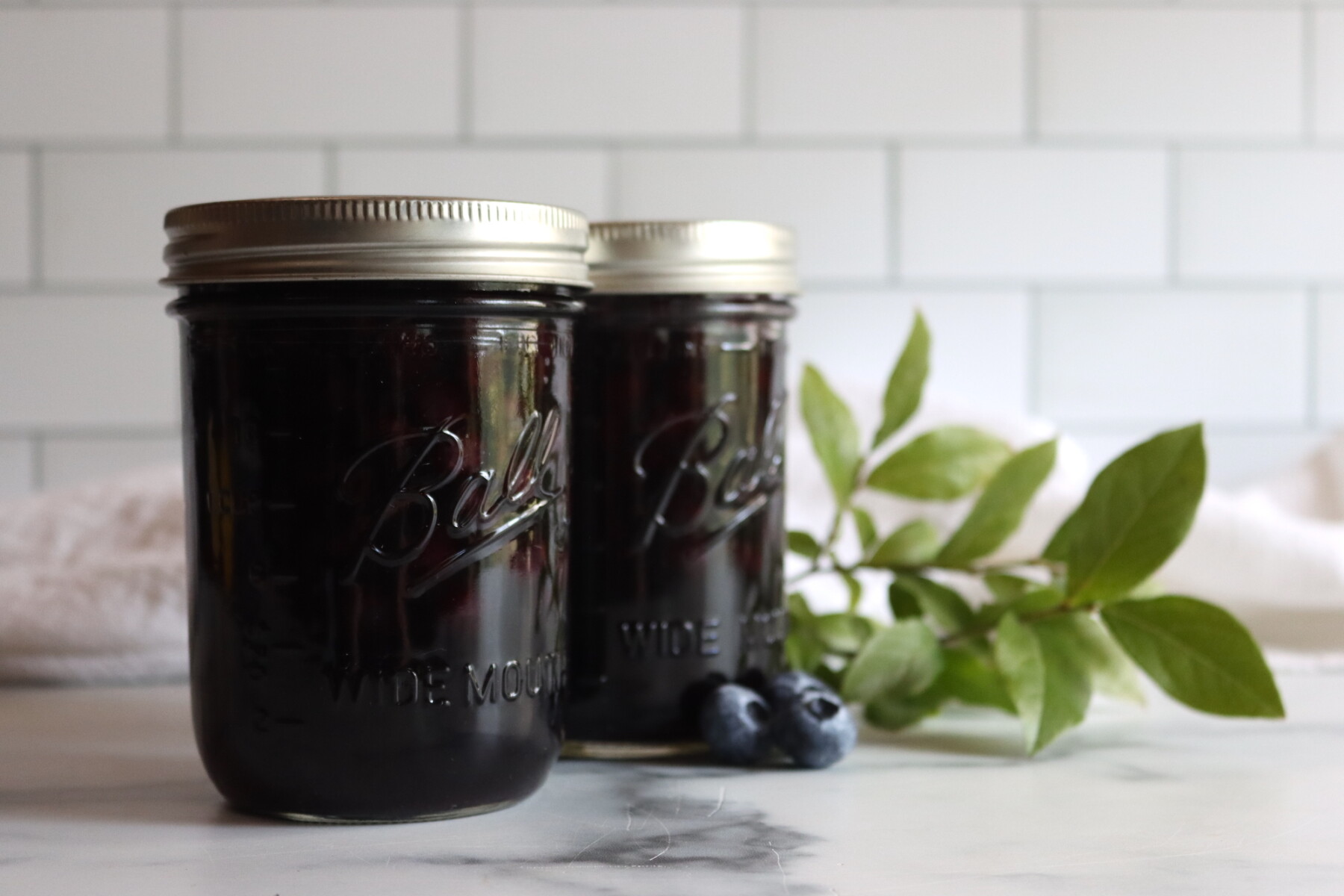
Once your jars are filled and lidded, lower them into the simmering water in your water bath canner, making sure they are covered by at least an inch of water. Bring the canner up to a full rolling boil before you start counting your processing time, and keep it at a steady boil the whole time. A steam canner works here as well, following the same times.
For a raw pack, process pints for 15 minutes and quarts for 20 minutes at sea level, adjusting the time upward for altitude as shown below.
When the time is up, turn off the heat, remove the lid, and let the jars sit in the canner for 5 minutes before lifting them out. Set them on a towel to cool, undisturbed, for 12 to 24 hours, then check that the lids have sealed before labeling and storing them.
Altitude Adjustments
Processing times increase with elevation. Use the times below for a raw pack of blueberries in a boiling water bath canner, based on your jar size and altitude.
- 0 to 1,000 feet: 15 minutes for pints, 20 minutes for quarts
- 1,001 to 3,000 feet: 20 minutes for pints, 25 minutes for quarts
- 3,001 to 6,000 feet: 20 minutes for pints, 30 minutes for quarts
- Above 6,000 feet: 25 minutes for pints, 35 minutes for quarts
If you hot pack instead, process pints or quarts for 15 minutes at sea level, 20 minutes between 1,001 and 6,000 feet, and 25 minutes above 6,000 feet.
Tips for Success
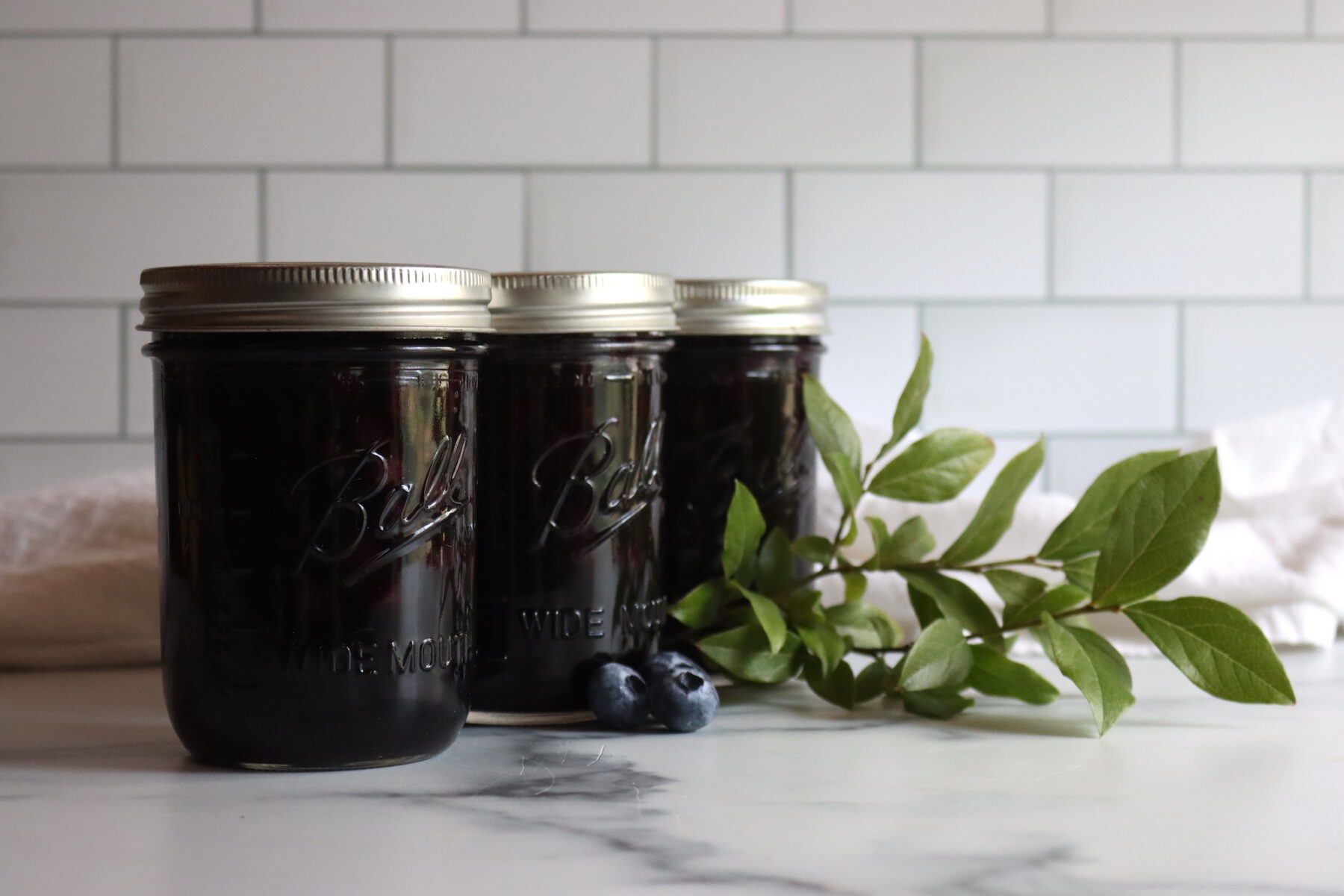
Floating berries are the most common thing people worry about, and they are almost always a cosmetic issue rather than a safety one. Raw-packed fruit is lighter than the syrup around it, so it tends to rise toward the top of the jar as it cools, leaving a layer of liquid at the bottom. Adding that splash of liquid to the jar before the berries, packing the berries snugly, and not overheating the syrup all help, but a little floating is normal, and the jars are perfectly good to eat.
The other thing worth mentioning is color. Blueberries can tint their syrup a deep purple, and sometimes the berries closest to the lid look a little pale or faded after a few months on the shelf. That is a normal storage change and does not mean anything is wrong. Storing the jars somewhere cool and dark slows it down and keeps the color looking its nicest for longer.
Ways to Use Canned Blueberries
Canned blueberries are ready to use straight from the jar, drained or not depending on what you are making. Spoon them, syrup and all, over pancakes, waffles, French toast, oatmeal, or a bowl of yogurt or ice cream. Drained, they fold right into muffin and quick-bread batter, pancake batter, or a coffee cake, and they save you the step of thawing frozen berries.
They also cook down quickly into a warm sauce or compote for cheesecake and pound cake, and a jar is a nice head start on a cobbler or crisp when you do not feel like starting from scratch. If you find yourself using them mostly for baking, you might also like keeping a few jars of thickened blueberry pie filling on hand, which goes straight into a crust with no extra work.
Yield Notes
Blueberries pack down more than you might expect, so plan on roughly 2 pounds of berries per quart jar, or about 1 pound per pint. A full canner load of 7 quarts takes around 12 pounds of berries, and a load of 9 pints takes around 8 pounds. Wild blueberries are smaller and settle more tightly, so they can run a little heavier per jar.
You can scale this up or down to match whatever you picked or bought. There is no need to fill a full canner, so a small batch of two or three jars works exactly the same way, and the processing time stays the same no matter how many jars you are running. Just make enough syrup to cover, and remember that a little extra syrup is easier to deal with than not quite enough.
Here are a few of the questions that come up most often about canning blueberries.
Canning Blueberries FAQs
Yes. Blueberries are a high-acid fruit, so they process safely in a boiling water bath with no added acid. Raw pack pints for 15 minutes and quarts for 20 minutes at sea level, leave 1/2 inch of headspace, and adjust the time for your altitude.
No. The sugar syrup is for flavor, color, and helping the berries hold their shape, not for safety. You can pack blueberries in a light or medium syrup, in unsweetened juice, or in plain water, and they are equally safe to can.
Raw packing keeps the berries whole and firm, so that is the method I choose most often. Hot packing softens the berries so they settle and you can fit more per jar with less floating, but the heated berries burst more easily and make for a softer jar.
Yes. Frozen blueberries can just fine beautifully, but they do fall apart much more than fresh. You’ll end up with something closer to blueberry compote in your jars. Fully thaw them before canning so everything is at least room temperature before it goes into the jars. You may see a little more color bleed into the syrup with frozen berries.
Properly processed and sealed jars keep for about 12 to 18 months in a cool, dark place. Refrigerate after opening and use within a week or so. As with any home canned food, discard any jar that has lost its seal, smells off, or shows signs of spoilage.
For more ideas using this summer berry, take a look at these blueberry canning recipes.
Blueberry Canning Recipes
If you tried this Canning Blueberries recipe, or any other recipe on Creative Canning, leave a ⭐ star rating and let me know what you think in the 📝 comments below!
And make sure you stay in touch with me by following on social media!
Canning Blueberries
Equipment
- Canning Jars, Lids and Bands
Ingredients
- 8 lbs fresh blueberries
- 5 3/4 cups water, or fruit juice
- 1 1/2 cups sugar, optional, for light syrup, see notes
Instructions
- Prepare a water bath canner, jars, lids, and bands. Wash the blueberries a quart or two at a time, drain well, and pick through to remove stems, leaves, and any soft or split berries.
- Make the syrup. Combine the water and sugar in a saucepan and heat, stirring, until the sugar dissolves and the mixture comes to a gentle boil. Keep it hot. (For an unsweetened pack, heat plain water or unsweetened juice instead.)
- Add about 1/2 cup of the hot liquid to the bottom of each clean jar.
- Raw pack: fill the jars with raw blueberries, shaking each jar gently so the berries settle, to within about an inch of the rim.
- Pour the hot syrup, juice, or water over the berries to cover, leaving 1/2 inch headspace.
- Run a bubble tool around the inside of each jar to release air, adjust the headspace to 1/2 inch, and wipe the rims clean. Center the lids and apply the bands fingertip tight.
- Process in a boiling water bath, adjusting for altitude (see notes). At sea level, process pints for 15 minutes and quarts for 20 minutes.
- Turn off the heat, remove the canner lid, and let the jars rest 5 minutes. Remove the jars and cool undisturbed 12 to 24 hours, then check the seals.
Notes
- 0 to 1,000 feet, 15 minutes for pints and 20 minutes for quarts
- 1,001 to 3,000 feet, 20 minutes for pints and 25 minutes for quarts
- 3,001 to 6,000 feet, 20 minutes for pints and 30 minutes for quarts
- Above 6,000 feet, 25 minutes for pints and 35 minutes for quarts
Nutrition
Nutrition information is automatically calculated, so should only be used as an approximation.
Looking for more fruit to put up this season? Here are more fruit canning recipes to try.
Fruit Canning Recipes
Find the perfect recipe
Searching for something else? Enter keywords to find the perfect recipe!

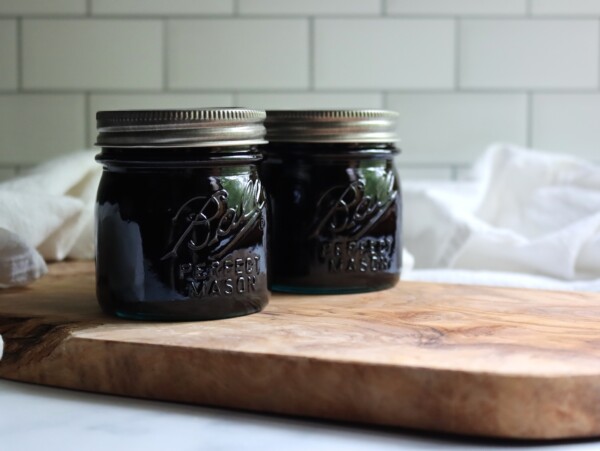
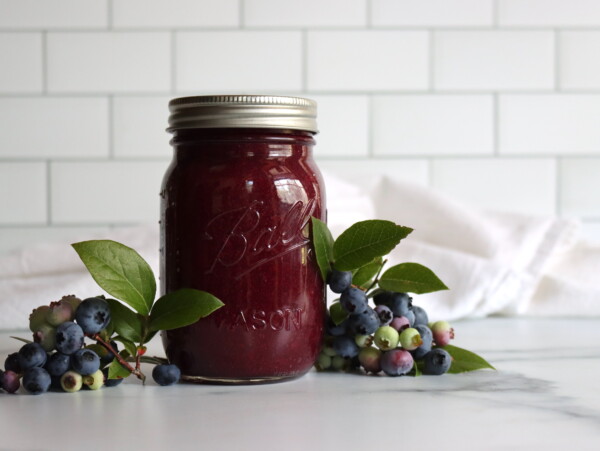
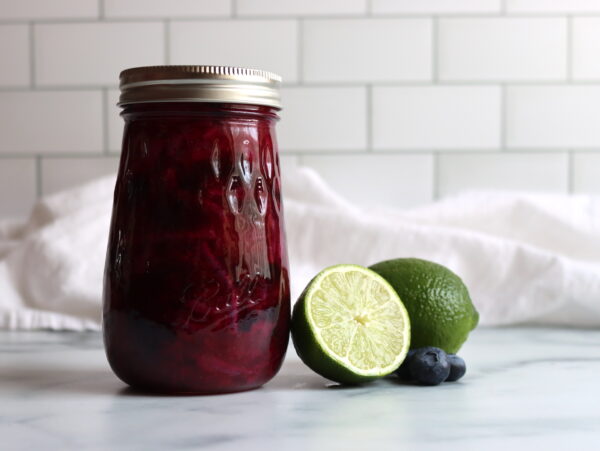
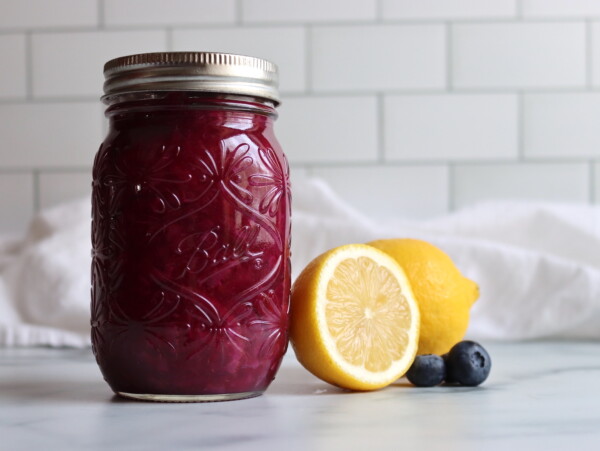
We just used a jar of these to make homemade blueberry muffins and they came out great! (My kids then drank the juice straight from the jar…so no complaints!)