
This post may contain affiliate links. Please see our disclosure policy.
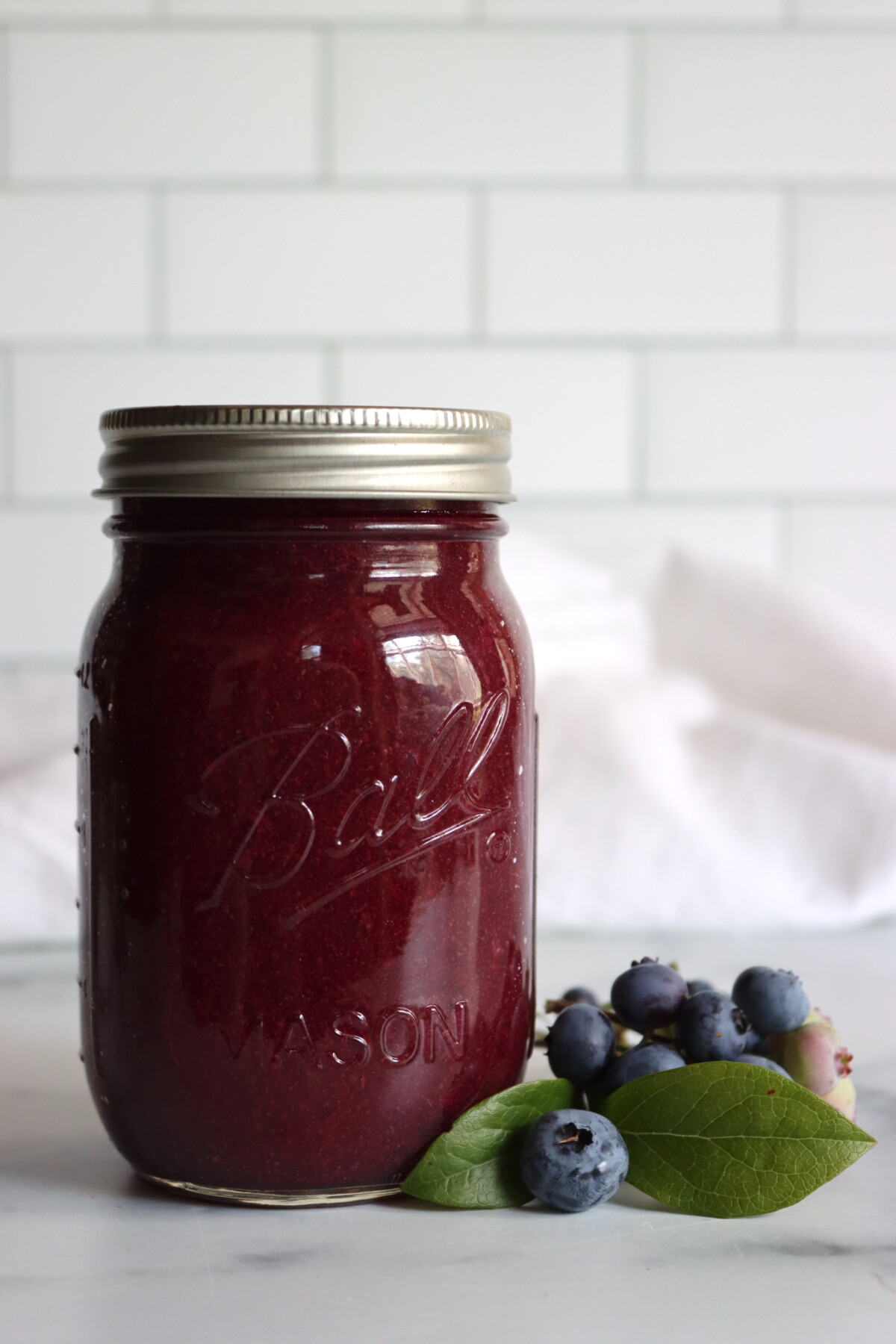
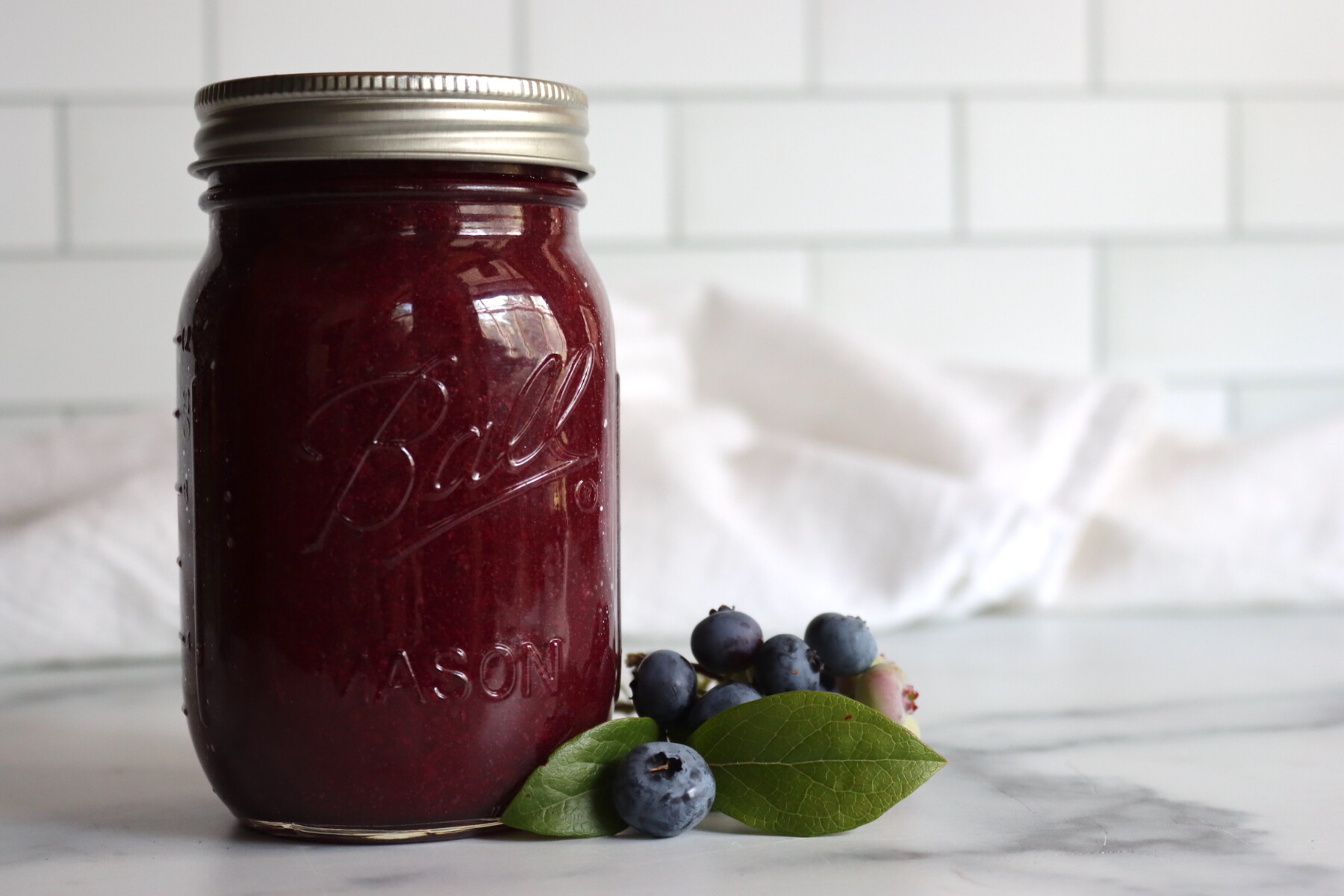
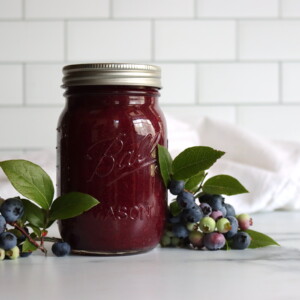
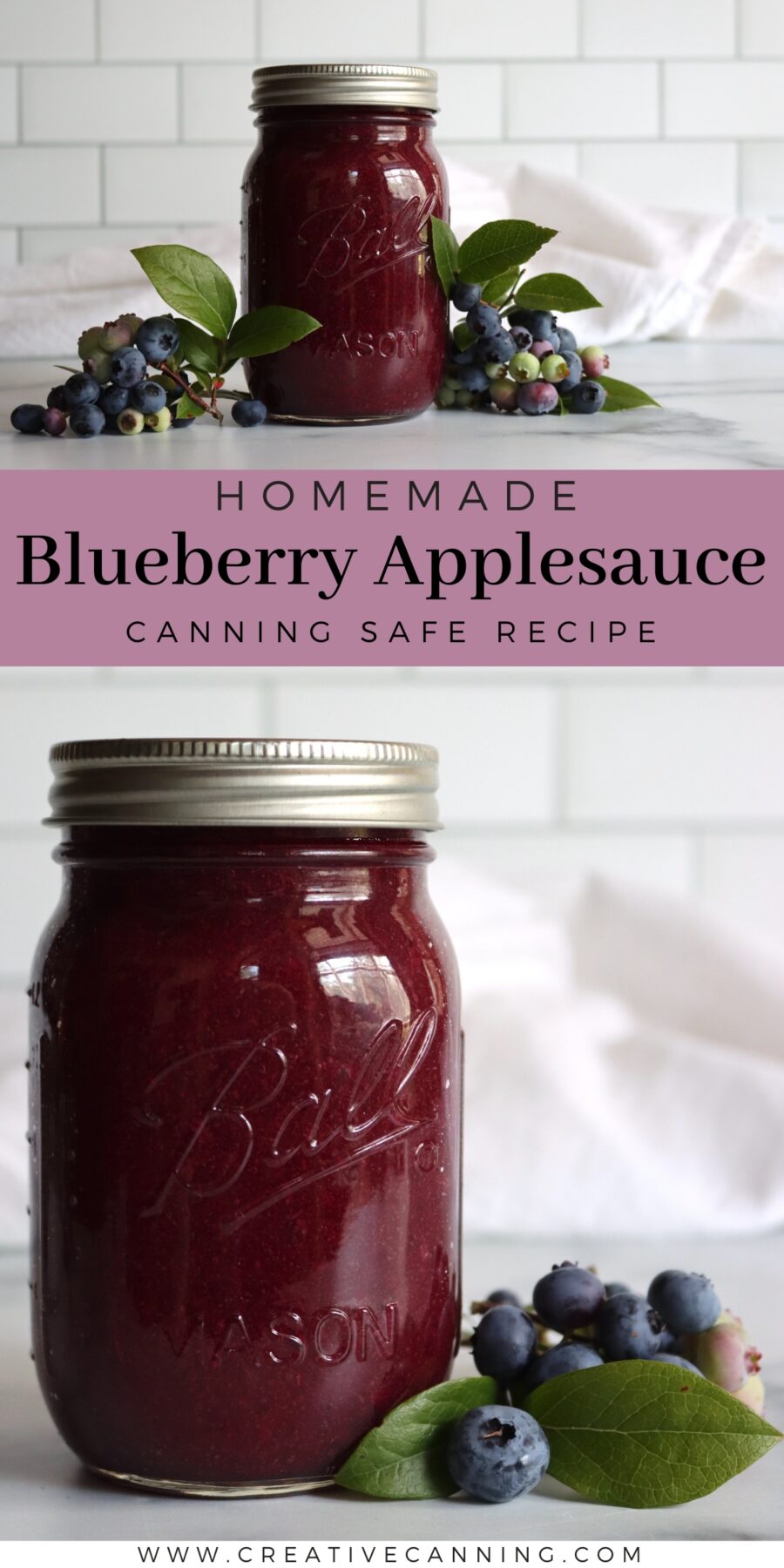
Blueberry applesauce takes a humble jar of everyday applesauce and gives it a deep blue-purple color and a sweet, berry-rich flavor that makes the whole family reach for it. It puts up well in the canner and stashes just as nicely in the freezer, and it all cooks down in a single pot.
When your fruit is ripe, you can leave the sugar out completely and still end up with something that tastes like a treat. Around here the kids just call it the purple applesauce, and a jar of it never seems to last as long as the plain stuff.
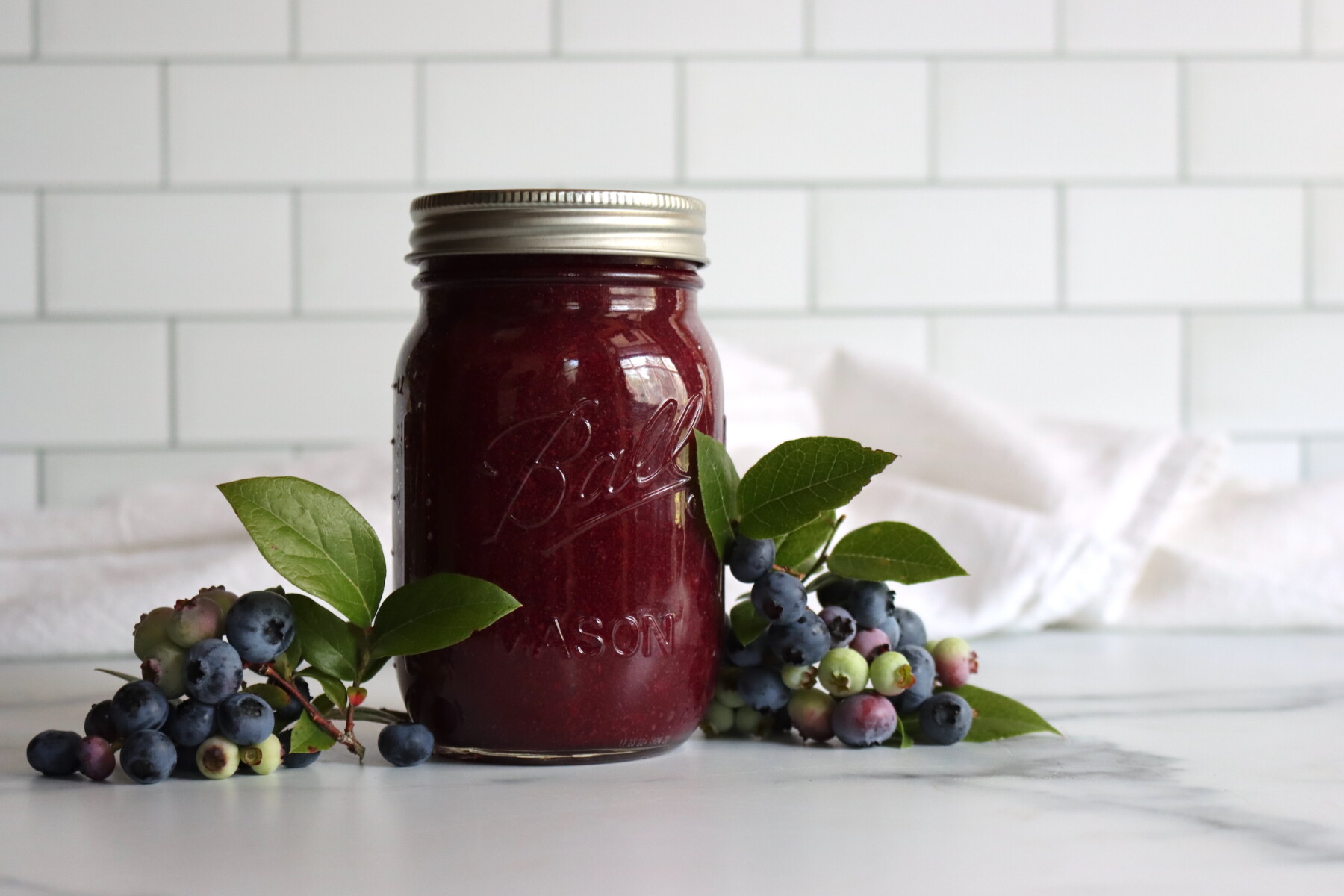
Table of Contents
- Notes from My Kitchen
- A Quick Look at the Recipe
- Ingredients for Blueberry Applesauce
- A Note on Safe Substitutions
- How to Make Blueberry Applesauce
- Canning Blueberry Applesauce
- Altitude Adjustments
- Ways to Use Blueberry Applesauce
- Yield Notes
- Blueberry Applesauce FAQs
- Blueberry Canning Recipes
- Blueberry Applesauce Recipe
- Apple Canning Recipes
This recipe has been reviewed for safety and accuracy by a Master Food Preserver certified through the University of Cornell Cooperative Extension.
Underneath the color, it is still applesauce, which means it goes into jars using the same hot pack, boiling water bath approach you would reach for with a plain applesauce canning recipe. As the fruit simmers, the blueberries melt down into the apples and hand over their color and flavor, all without changing a thing about how the sauce is canned, so it slots right in alongside your other water bath canning recipes. The recipe relies on the tested fruit puree method from the University of Georgia, put up on the more cautious applesauce processing times.
Apples and blueberries both land on the high-acid side of the fence, so there is no lemon juice or other acid that needs to go in. What keeps the recipe safe is holding it to a true, smooth puree and giving it the full processing time, rather than anything you stir into the pot. If plain applesauce is already familiar territory, this follows the very same rhythm, and you are free to tip the balance toward more blueberries or more apples depending on what is filling your counter that week.
For a smooth finish without standing over the sink peeling apples, a food mill handles that step for you.
Notes from My Kitchen

Blueberry applesauce came out of the usual scramble to use up whatever was hanging around the kitchen. There would be a pint of blueberries starting to sink in on themselves in the fridge and a bowl of apples that were perfectly good but a little boring, and letting the two cook down together turned both into something my family actually got excited to see on the table. I would make it for the color alone, since a handful of blueberries pulls the whole pot toward a deep, near-midnight purple that can make a plain bowl of oatmeal feel like dessert.
I tend to keep mine apple forward, since the apples lend the sauce its body and keep it from turning thin and watery, though in a heavy picking year I have gone the other way and packed in extra blueberries with no regrets. It is a good candidate for a big batch when berries drop in price at the tail end of the season, and because it freezes every bit as contentedly as it cans, there is never any pressure to work through all of it in a hurry.
A Quick Look at the Recipe
- Recipe Name: Blueberry Applesauce
- Recipe Type: Fruit Applesauce
- Canning Method: Water Bath Canning or Steam Canning
- Prep/Cook Time: About 45 minutes
- Canning Time: 15 minutes for pints, 20 minutes for quarts
- Yield: About 3 to 4 pints
- Jar Sizes: Quarter pint, half pint, pint, or quart
- Headspace: 1/2 inch
- Ingredients Overview: Apples, blueberries, a splash of water or juice, and sugar if you want it
- Safe Canning Recipe Source: University of Georgia Extension fruit puree method
- Difficulty: Easy.
- Similar Recipes: Putting this up works much like the other fruit applesauces and simple fruit sauces, among them strawberry applesauce, cranberry applesauce, pomegranate applesauce, and pear sauce. If blueberries are your weakness, reach for other blueberry canning recipes such as blueberry jam or blueberry syrup.
Ingredients for Blueberry Applesauce
The ingredient list stays short and easygoing, which makes this a handy place to send fruit that has slipped a bit past its prime for eating out of hand.
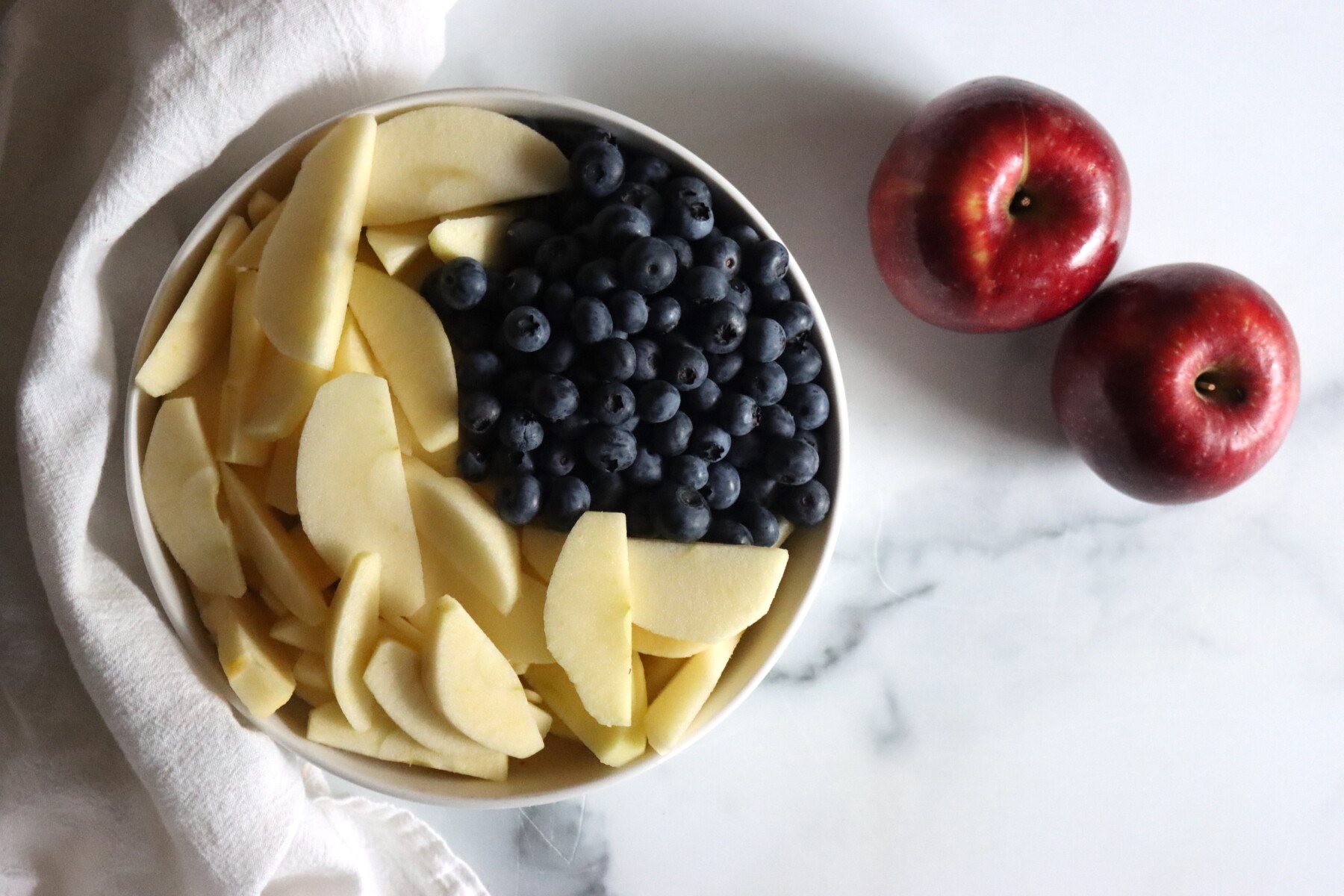
- Apples: These form the base of the sauce and give it enough body to keep it from going thin or watery. Look for sweet apples that soften and collapse readily as they cook, such as McIntosh, Cortland, Gala, Fuji, or Golden Delicious, and a mix of several varieties rounds the flavor out nicely. You can skip peeling altogether if a food mill is part of your plan.
- Blueberries: These carry the deep color and the sweet berry flavor. The riper the berry, the more flavor it brings, and slightly soft ones are well suited to sauce as long as nothing has actually spoiled. Tipping the ratio toward more blueberries gives a bolder berry taste and does not affect the canning times at all. Wild blueberries are welcome here too and lend an even deeper color.
- Water or juice: You only need enough to get the fruit simmering without letting it catch on the bottom. Plain water keeps the blueberry flavor front and center, while unsweetened apple juice or apple cider works in a little extra sweetness. Whichever you pour in, pick a plain juice with no additives or preservatives along for the ride.
- Sugar (optional): Ripe blueberries paired with sweet apples usually carry the sweetness on their own, so give the pot a taste before you reach for anything else. A spoonful of sugar, honey, or maple syrup smooths things over if your fruit came in on the tart side. Sugar plays a flavor role here rather than a safety one, which means you can dial it up or down or skip it entirely.
A pinch of cinnamon, a little grated lemon zest, or a splash of vanilla dresses the sauce up if you are in the mood, and dry spices in sensible amounts are fine to add before canning. Fresh and frozen blueberries both do the job, so there is nothing stopping you from making a batch in the dead of winter out of berries you tucked away at the height of summer.
A Note on Safe Substitutions
This recipe holds up to water bath canning for two reasons: apples and blueberries both sit on the high acid side, and the finished sauce is a smooth puree that lets heat travel evenly through the jar. The ratio of apples to blueberries is yours to move around, and you can trade in or fold in other high acid fruits such as blackberries, raspberries, or a small handful of cherries without altering the method.
Where you want to draw the line is low-acid ingredients, meaning bananas, figs, melon, any vegetable, or a thickener of any kind. Those either shift the acidity or block heat from moving through the jar the way it needs to, and either one pushes the recipe outside the tested method. Keep it to fruit, keep it a true puree, and give it the full processing time.
How to Make Blueberry Applesauce
The whole process plays out in a single pot, and blueberries keep it simpler than a lot of fruit applesauces, since there is no peeling or pitting to handle on the berry side of things.
Prepare the Fruit
Give the apples a wash, then peel, core, and slice them straight into a large, heavy-bottomed pot. If a food mill is coming later, you can leave the peels in place and let the mill take them off for you.
Rinse the blueberries and pull out any stems or any berries that have gone soft and spoiled, then tip them into the pot with the apples. Frozen blueberries do the job just as well and need no thawing beforehand, so they can go in straight from the freezer.
Cook the Sauce
Pour in the water or juice, set the lid on the pot, and bring everything up to a gentle boil over medium-high heat. Back it down to a simmer and let it cook, stirring often so nothing catches on the bottom, until the apples have gone completely soft and the blueberries have burst and collapsed. Depending on your apples, this tends to take somewhere around 20 to 30 minutes. Should the pot start to look dry, add a splash more liquid to keep things moving.
A slow cooker is another way to cook this down, which comes in handy for a large batch and takes some of the scorching risk off the table. Most slow cookers will bring applesauce together in roughly 3 to 4 hours on high, or 6 to 8 hours on low, with a stir every now and then.
Puree and Sweeten
Once the fruit has gone tender, puree it to whatever texture you like. A food mill turns out the smoothest sauce and tidily strains off any apple peels you left in, though an immersion blender handles it well too. Whichever tool you use, the finished sauce needs to be a true, even puree with no large chunks left behind, because that smooth texture is exactly what lets heat work its way through the jars during canning.
Have a taste and make your call on sugar. Blueberries and apples come in at different sweetness levels, so add it a little at a time and stop once the balance feels right. When the sauce tastes the way you want it, bring it back up to a full boil before you start filling jars.
Canning Blueberry Applesauce
When you are ready to can, get your water bath canner, jars, and two-piece lids ready ahead of time, and keep it all hot until the moment you fill. Add enough water to the canner to cover the jars by at least an inch, then bring it up to a simmer.
Using a canning funnel, ladle the hot blueberry applesauce into hot, clean jars and leave 1/2 inch of headspace. Work out any trapped air bubbles, top up the headspace if it needs it, wipe the rims clean, and set the lids and rings on to fingertip tight.
Settle the jars down into the canner and bring the water back to a full rolling boil. Process in a boiling water bath canner for 15 minutes for pints and half pints, or 20 minutes for quarts, making altitude adjustments if you sit above 1,000 feet in elevation (see below).
Once the time runs out, shut off the heat, take the lid off, and leave the jars to rest in the canner for 5 minutes. After that, lift them out and let them cool undisturbed for 12 to 24 hours before you check the seals, label, and put them away.
Altitude Adjustments
With water bath canning, the processing time climbs as your elevation rises:
- 0 to 1,000 feet: 15 minutes for pints, 20 minutes for quarts
- 1,001 to 3,000 feet: 20 minutes for pints, 25 minutes for quarts
- 3,001 to 6,000 feet: 20 minutes for pints, 30 minutes for quarts
- Above 6,000 feet: 25 minutes for pints, 35 minutes for quarts
One thing worth pointing out: the pint time stays put at 20 minutes across the 1,001 to 6,000 foot range, even as the quart time keeps rising. That is intentional, not a typo.
Ways to Use Blueberry Applesauce
Blueberry applesauce is every bit as useful as plain applesauce, just with a good deal more personality. We spoon it straight from the jar, swirl it through oatmeal and yogurt, and pour it over pancakes, waffles, and vanilla ice cream, where that deep purple color never fails to get a reaction. It is soft and mild enough for babies and toddlers, and it turns into a quick dessert when you warm a bowl and scatter granola over the top.
It also holds its own in baking, standing in for plain applesauce to bring moisture and a touch of berry flavor to muffins, quick breads, and cakes. A jar nestled into a fall gift basket beside other apple canning recipes makes a thoughtful gift, and it more than earns its place on the pantry shelf next to the plainer jars.
Yield Notes
As written, this recipe yields about 3 to 4 pints, which shifts with how juicy your fruit runs and how far down you cook it. You will begin with roughly 4 pounds of apples as purchased, landing around 2 1/2 pounds once they are peeled and cored, plus about 4 cups of blueberries. The final count always wobbles a little with the fruit, so count on a jar or two either way.
Doubling the batch is safe as long as your pot is roomy enough to cook the fruit evenly without scorching, and a slow cooker earns its keep with the larger amounts. For a single pint, start with about 4 cups of sliced apples (somewhere near a pound once prepared) alongside a heaping cup of blueberries and a splash of water, then sweeten it to taste.
Below are a few of the questions that come up most often about putting up blueberry applesauce.
Blueberry Applesauce FAQs
Yes. Blueberry applesauce is a hot-packed fruit puree, so it goes into jars just like plain applesauce does: a boiling water bath, 1/2-inch headspace, and applesauce processing times adjusted for your altitude. Send the hot sauce into hot jars, keep it a smooth puree so heat moves through evenly, and give it the full processing time.
No. Apples and blueberries both fall on the high-acid side, so this sauce does not call for added lemon juice the way certain tomato recipes do. Its safety rests on keeping it a true puree, using the correct headspace, and processing for the full time, rather than on any acid you add.
Absolutely. Frozen blueberries work nicely and need no thawing ahead of time. Drop them into the pot with the apples and liquid and simmer until it all softens. Having been frozen actually helps the berries collapse into a smoother sauce.
If the cooked sauce is going through a food mill, you can skip peeling completely, since the mill lifts out the apple skins for you. Without one, peeling the apples first gives a smoother result. Blueberries need no peeling at all. Think of peeling as a texture choice rather than a canning safety rule.
No, sugar is optional. Ripe blueberries and sweet apples usually bring enough sweetness on their own, and the sauce is safe to can whether or not you include it. Taste it after cooking and stir in a little sugar, honey, or maple syrup only if you feel it needs it.
If you came home with more blueberries than you quite know what to do with, here are more ways to put them up.
Blueberry Canning Recipes
If you tried this Blueberry Applesauce recipe, or any other recipe on Creative Canning, leave a ⭐ star rating and let me know what you think in the 📝 comments below!
And make sure you stay in touch with me by following on social media!
Blueberry Applesauce
Equipment
- Canning Jars, Lids and Bands
Ingredients
- 4 lbs apples, as purchased, peeled, cored, and chopped
- 4 cups blueberries, fresh or frozen
- 1 cup water, or unsweetened apple juice or cider
- Sugar to taste, optional
Instructions
- Prepare a water bath canner, jars, and lids. Keep everything hot.
- Peel, core, and slice the apples into a large, heavy-bottomed pot (or leave the peels on if you’ll use a food mill). Rinse the blueberries, pick out any stems or soft berries, and add them to the pot.
- Add the water or juice, cover, and bring to a boil. Reduce to a simmer and cook, stirring often, until the apples are very soft and the blueberries have burst, about 20 to 30 minutes.
- Puree the mixture with a food mill or immersion blender to a smooth, even sauce with no large chunks.
- Taste and add sugar if desired, then return the sauce to a full boil.
- Ladle the hot sauce into hot jars, leaving 1/2 inch headspace. Remove air bubbles, wipe rims, and apply lids and rings to fingertip tight.
- Process in a boiling water bath for 15 minutes for pints and half pints, or 20 minutes for quarts, adjusting for altitude.
- Let jars rest in the canner 5 minutes, then cool undisturbed for 12 to 24 hours before checking seals.
Notes
- 0 to 1,000 feet: 15 minutes for pints, 20 minutes for quarts
- 1,001 to 3,000 feet: 20 minutes for pints, 25 minutes for quarts
- 3,001 to 6,000 feet: 20 minutes for pints, 30 minutes for quarts
- Above 6,000 feet: 25 minutes for pints, 35 minutes for quarts
Nutrition
Nutrition information is automatically calculated, so should only be used as an approximation.
And for more ways to stock the pantry with apples, have a look at these apple canning recipes.
Apple Canning Recipes
Find the perfect recipe
Searching for something else? Enter keywords to find the perfect recipe!

I am trying your recipe now and will let you know when I’ve completed it. Thanks for sharing this recipe.
Hope you love it! Enjoy the blueberry applesauce.
Amazing taste, some of mine boiled over even with the correct head space. Do you know why? The is happened last year as well
So glad you like the flavor! When sauce bubbles out of the jars during processing (it’s called siphoning), it usually comes down to trapped air or sudden temperature changes rather than headspace. A thick sauce like this holds onto air bubbles, so run a bubble tool or chopstick around the inside of each jar really well before the lids go on, and fill the jars while the sauce is still piping hot. Keep the canner at a steady boil rather than a hard, rolling one. When the time is up, turn off the heat, take the lid off, and let the jars sit in the canner for 5 minutes before lifting them out onto a towel away from drafts. Rings should be fingertip tight, snug but not cranked down. As long as the jars sealed, they’re fine to store even if a little sauce seeped out. Just wipe them clean first.
My kids love this deep purple sauce!