
This post may contain affiliate links. Please see our disclosure policy.
Apple canning recipes are how autumn keeps giving long after the leaves come down and the orchard goes bare. A pantry stacked with apples put up at their peak, sauce and butter and pie filling and clear, glowing jelly, is a quiet kind of wealth to carry into winter, and every jar opened in February still tastes like a crisp afternoon among the trees.
Table of Contents
- Canning Apple Slices
- Apple Pie Filling
- Whole Apples & Crabapples
- Apple Jam Recipes
- Apple Jelly Recipes
- Apple Butter Recipes
- Apple Sauces & Condiments
- Apple Marmalade
- Applesauce Recipes
- Apple Cider, Juice & Syrup Recipes
- Pickled Apples, Relish & Chutney Recipes
- Apple Blossom Jelly
- Other Ways to Preserve Apples
- Apple Canning FAQs
- Autumn Canning Recipes
Cool air, fiery foliage, and bushels of sweet, crisp apples are the heart of fall here in Vermont, and there’s a romance to putting them by that goes back generations. A hundred years ago, before grocery stores carried fruit through the cold months, apples were one of the few things a northern family could count on eating deep into winter, kept in the root cellar or canned in jars on a back pantry shelf.
Most modern houses don’t have a cool, moist root cellar anymore, so canning is how we keep that dependable supply going. We grow apples and crabapples of our own and lean on a few local orchards besides, and come October the canner rarely gets a chance to cool down. This collection is organized by what you feel like making, from sauce and butter to jelly, pie filling, cider, and a handful of sweet-and-savory condiments.
Apples are naturally acidic, which means they take well to water bath canning and make a gentle place to begin if you’re new to putting up fruit. Every recipe gathered here comes from a tested source, whether the National Center for Home Food Preservation, the Ball or Bernardin guides, an extension service, or a blog that follows modern safety guidance.
When the apples are done, there’s a whole pantry’s worth more waiting in my larger collection of fruit canning recipes.
Canning Apple Slices
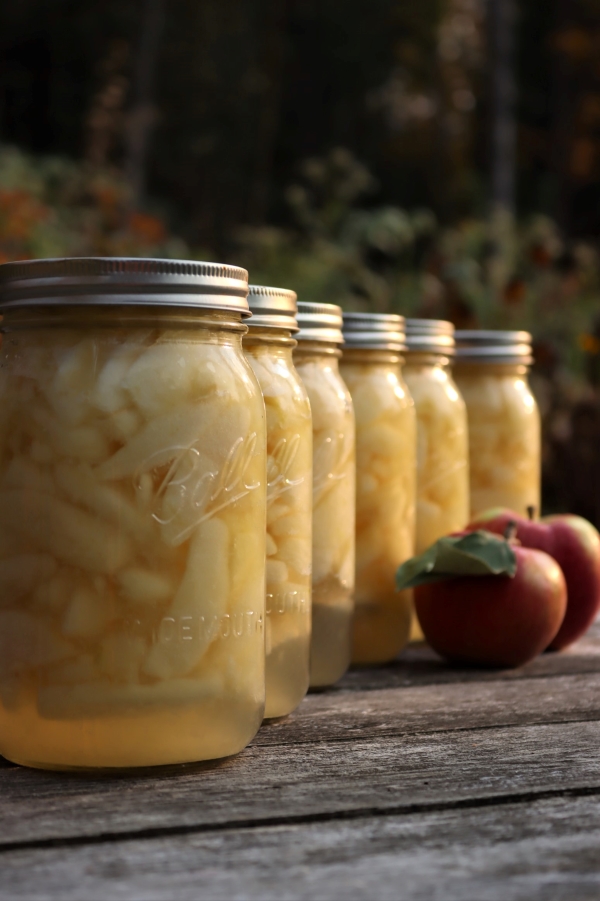
Canned pear slices are easy to find, but apple slices have quietly fallen out of fashion, which is a shame because a jar of them is one of the handier things to have on the shelf. They’re lovely over yogurt or oatmeal, and they drop straight into a cake, crisp, or pie when you want dessert without much fuss.
Firmer apples hold their shape well here, since they keep a little bite through processing rather than going soft in the jar. A pack in light syrup or juice keeps the color light and the slices tender for the year ahead.
- How to Can Apple Slices walks through peeling, packing, and syrup options step by step
Apple Pie Filling
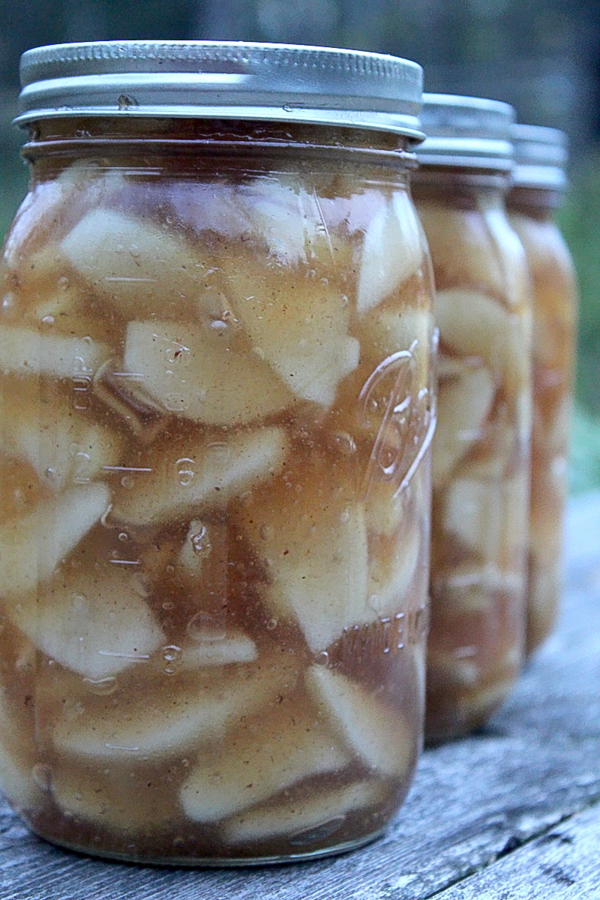
A jar of apple pie filling on the shelf is one of the small luxuries of fall canning, since it means warm pie is most of the way made on a busy weeknight. It’s just as good spooned over ice cream or pancakes when you want the taste of pie without turning on the oven.
These recipes use Clear Jel, the only thickener tested as safe for canning pie filling, since it holds the right consistency through processing and storage and stays thick even after the jar is baked into a pie.
You’ll find the same approach across all my pie filling canning recipes.
- Canning Apple Pie Filling makes a classic spiced filling ready to bake into pie
Whole Apples & Crabapples
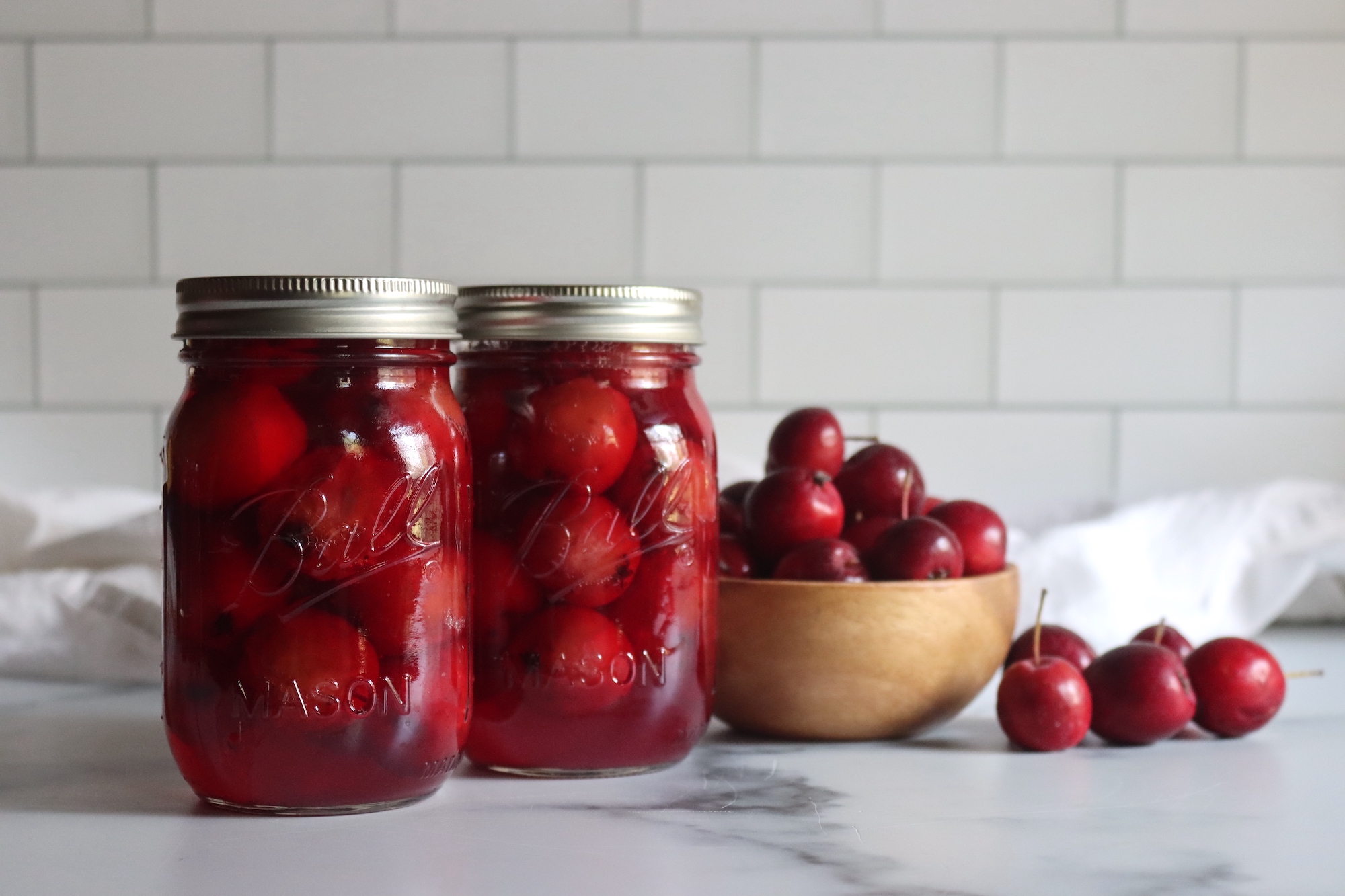
Canning full-size apples whole isn’t worth the trouble, but crabapples are another story. They’re usually too small to peel and core, and they slip whole into a jar with their stems on, which makes a spiced crabapple one of the prettiest things in the pantry.
Most crabapples are too tart to eat raw, but canned in a spiced syrup their flavor turns rich and mellow. Set one alongside a pork roast or atop a bowl of oatmeal in the depths of winter and it feels like a small celebration.
- Canning Crabapples puts up whole spiced crabapples in a sweet syrup
Apple Jam Recipes
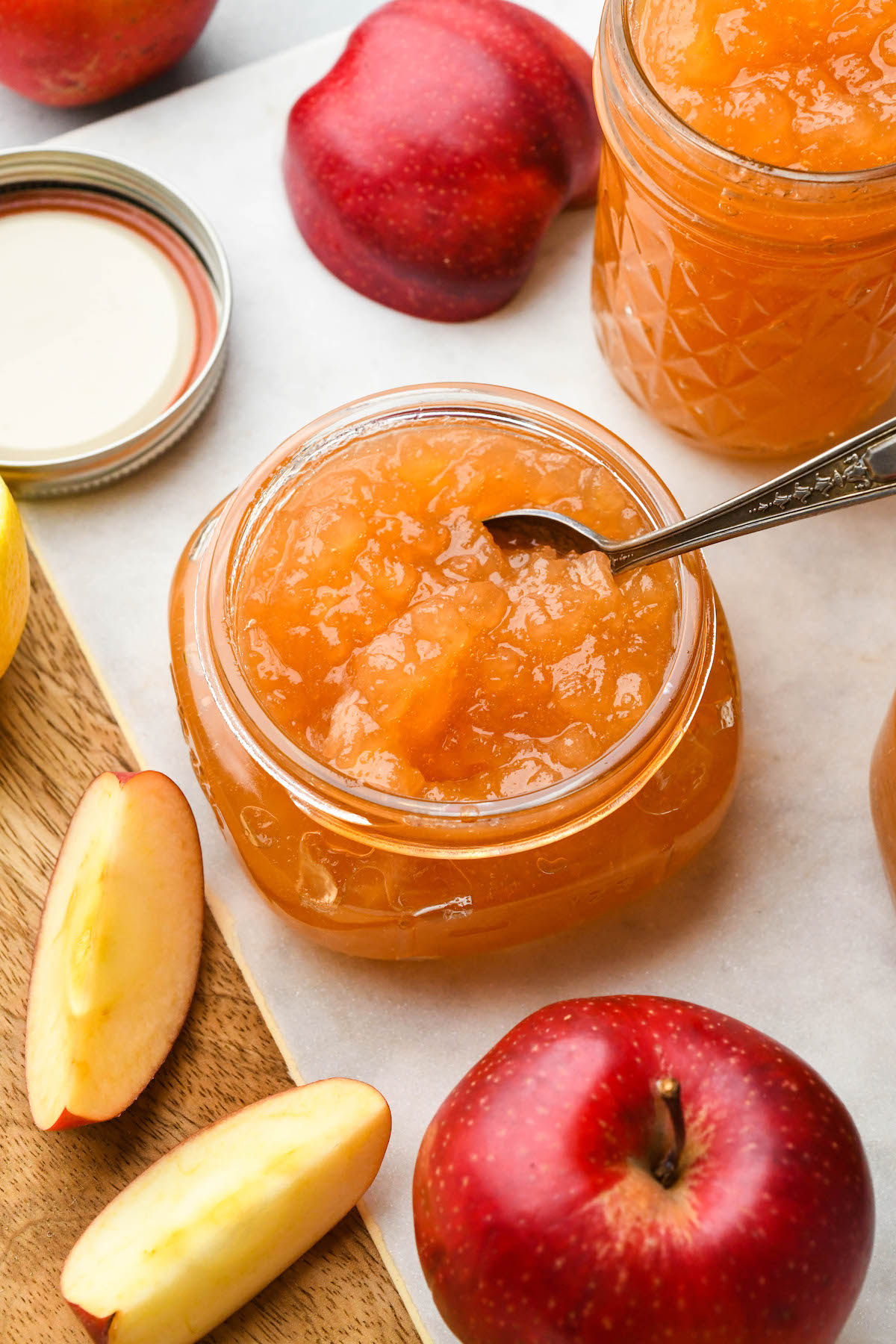
Apple jam is one you won’t find on a grocery shelf, with a concentrated flavor that tastes like biting into a fresh autumn apple. It begins with finely diced apples macerated in sugar, which firms them up so they hold their shape and stay in tender little pieces rather than cooking down smooth.
Apples are also a quiet workhorse in mixed-fruit jams, since they’re full of natural pectin and help a berry jam set without a box of added pectin. These blends run about half apple and half berry, which is a nice way to stretch a flat of blueberries or raspberries a little further.
Plain Apple Jam
On its own, with or without a little warm spice, apple jam is a chunky old-fashioned spread that’s hard to stop eating.
- Apple Jam is a chunky, concentrated spread of diced apples and sugar
Mixed Fruit Apple Jams
Pair apples with berries or cranberries and they lend their pectin to the set while the other fruit carries the flavor.
- Cranberry Apple Jam balances tart cranberries against sweet apple for a holiday spread
- Mom’s Apple Pie in a Jar tastes like apple pie filling you can spread on toast
- Apple & Blackberry Jam folds late-summer blackberries into the apples
- Apple & Strawberry Jam sweetens the apple with ripe strawberries
- Apple & Blueberry Jam leans on apple pectin to set a soft blueberry jam
- Apple & Raspberry Jam pairs raspberries with apple for a deep red spread
Apple Jelly Recipes
Apple jelly can be made from diced apples, from the peels and cores left over after other apple recipes, or a mix of the two. In my kitchen it’s how we wring one more use out of the scraps before they head out to the chickens, much the way I make a peach scrap jelly in summer from the peels left after canning peaches.
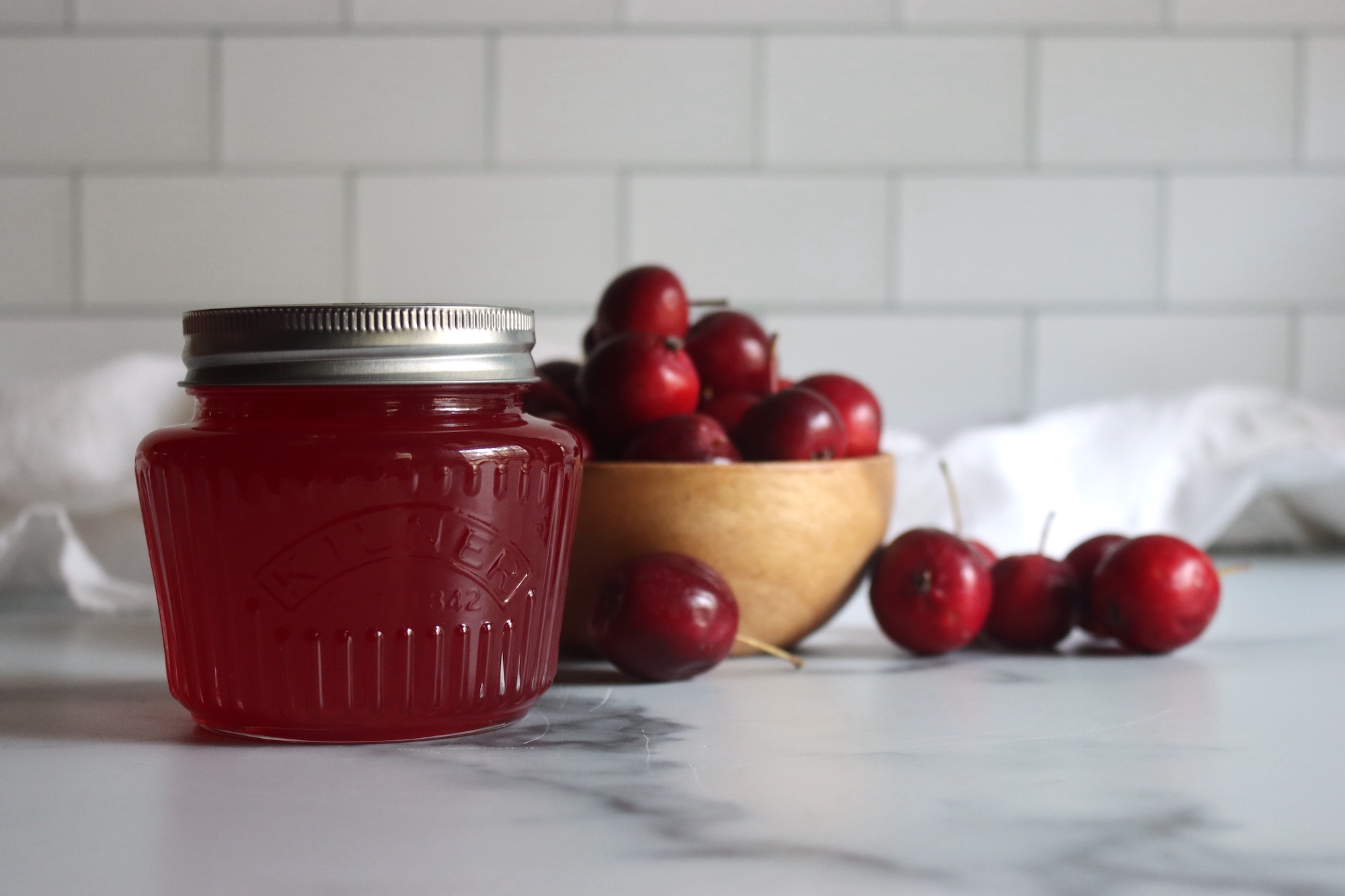
We grow a lot of crabapples too, so a batch of crabapple jelly is a yearly ritual here. Their flavor is sharp eaten raw, but softened by sugar it turns lovely, and they carry so much natural pectin that the jelly sets on its own without a box of added pectin.
- Crabapple Jelly sets up on its own pectin into a tart, glowing jelly
- Apple Jelly turns fresh apple juice into a clear, classic spread
- No Sugar Apple Jelly sets without added sugar for a lighter option
Apple Butter Recipes
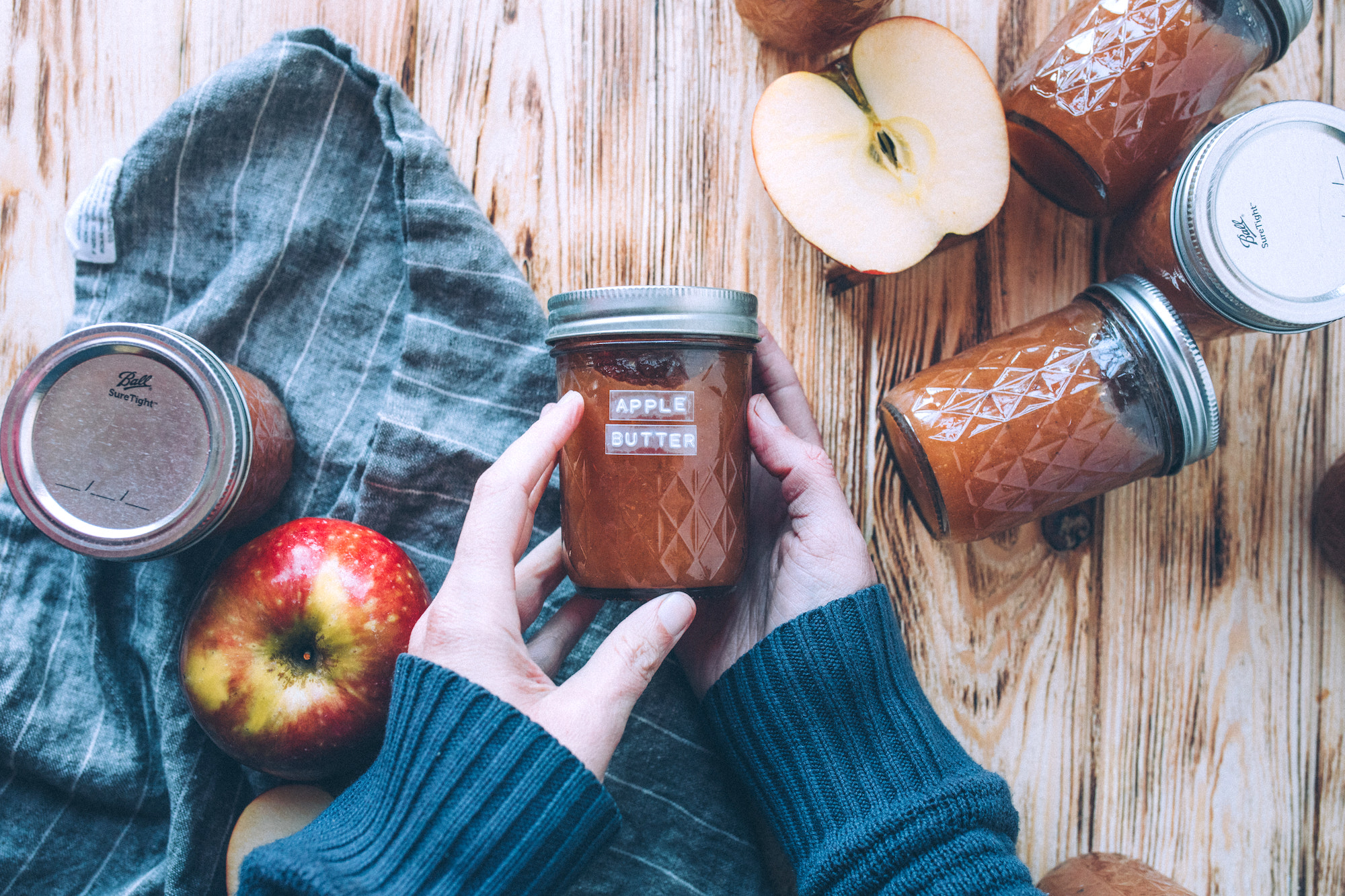
Apple butter is applesauce’s slow, mellow cousin, cooked down low and long until the natural sugars caramelize into a thick, deep brown spread with a caramel-apple richness. It needs no pectin and no special equipment, just apples and a little patience, and it’s lovely on toast, crackers, or a spoonful stirred into oatmeal. The method is the same one I use for any fruit butter, just with apples in the pot.
Some modern recipes add sugar to hurry the caramelizing along, but the traditional version leans on time instead and rewards you with a more honest apple flavor. A few tested variations bring in honey, maple, or warm spices if you want to play.
- Old Fashioned Apple Butter cooks apples down slowly with no added sugar
- Apple Butter with Honey sweetens the pot with honey instead of sugar
- Apple Maple Butter leans on maple syrup for a northern twist
- Crabapple Cranberry Butter blends tart crabapples and cranberries into the butter
- Apple Spiced Butter stirs in warm baking spices for a cozy version
Apple Sauces & Condiments
Apples aren’t only for the sweet side of the pantry. Their balance of tart and sweet makes them a natural in savory sauces and condiments, where they round out the sharper flavors of vinegar and spice.
A jar of apple hot sauce or apple ketchup is the sort of thing that quietly makes a winter meal more interesting. Follow the tested recipe closely on any of these, since the added low acid ingredients mean the acid balance is what keeps them shelf-stable.
- Apple Maple Cider Sauce is a sweet-tart sauce good over pork or pancakes
- Apple Hot Sauce brings fruit and heat together in one bottle
- Cranberry and Apple Mustard is a tangy spread for sandwiches and cheese boards
- Apple Ketchup is an old-fashioned spiced ketchup made from apples
Apple Marmalade
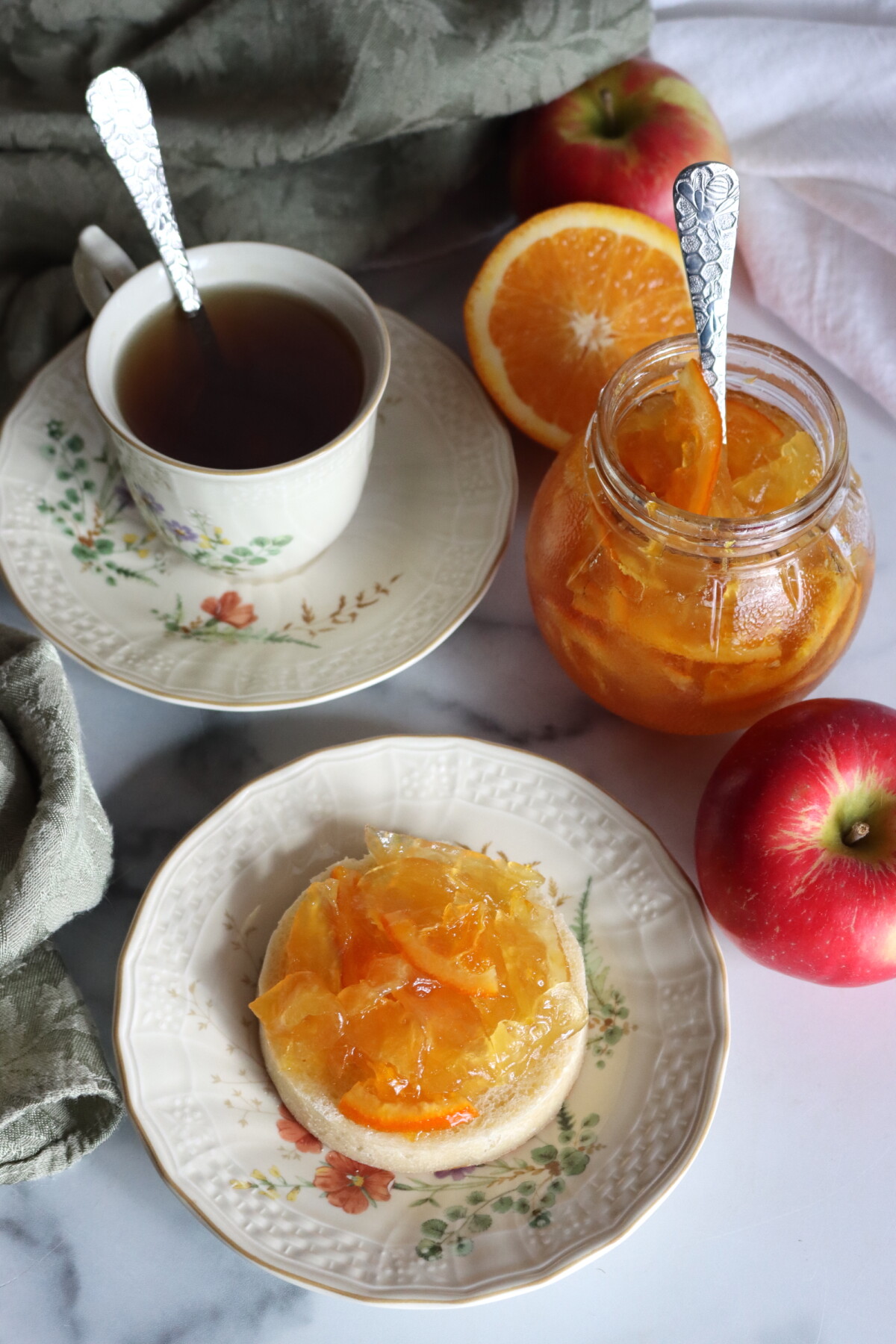
Apple marmalade is another spread you’re unlikely to spot at the store, with a sweet, citrusy flavor that comes together easily at home. It’s acidic enough for water bath canning, so it goes up in jars without any special handling.
I reach for it as a snack on toast or crackers, but it earns its keep in the kitchen too, glazing meat or stirred into a salad dressing or pan sauce. A jar of it feels a little fancy for how simple it is to make.
- Apple Marmalade is a sweet, citrusy spread for toast and glazes
Applesauce Recipes
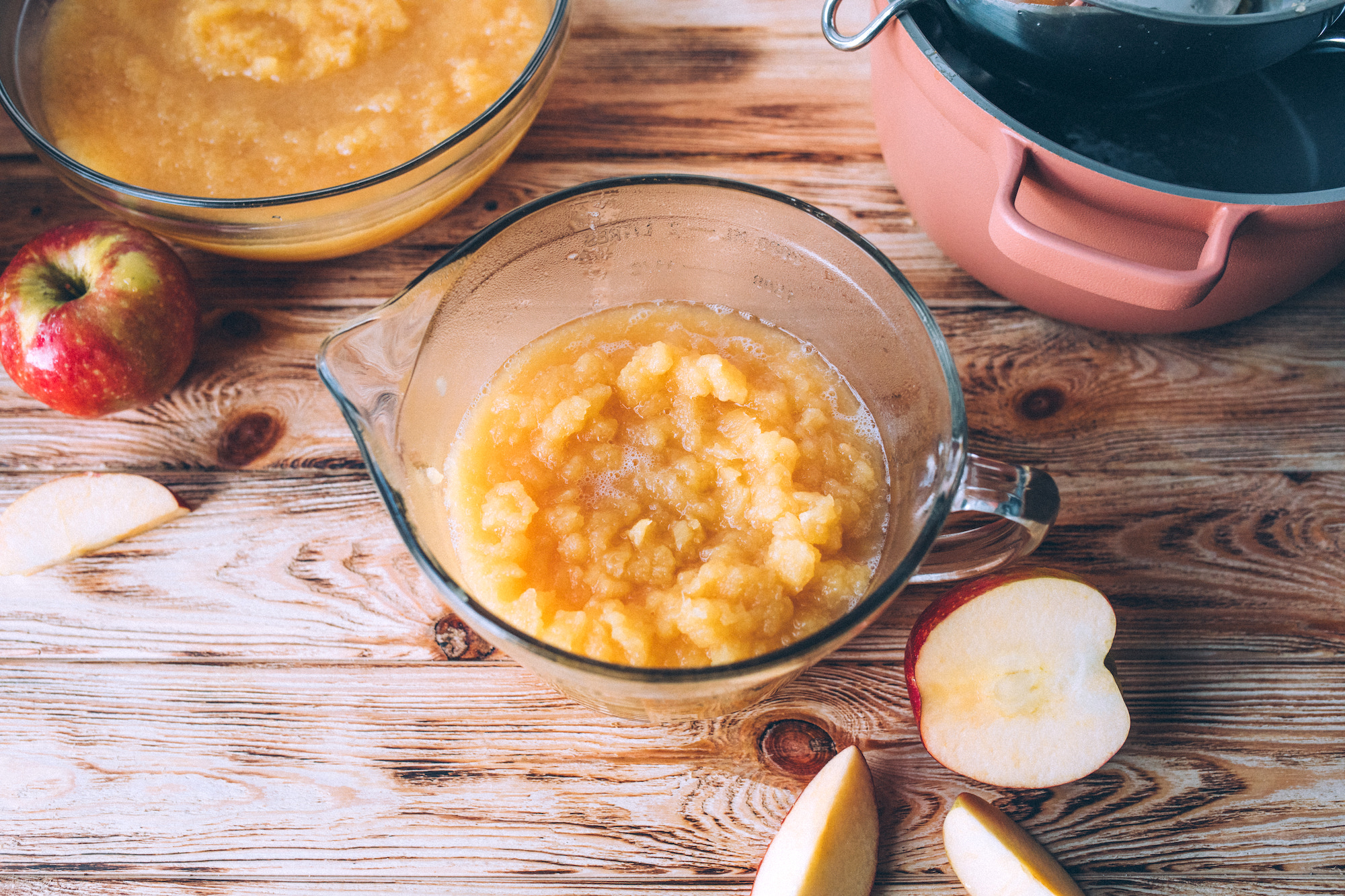
Homemade applesauce is one of the gentlest ways to put up a lot of apples at once, and it’s the jar the kids reach for first. You chop the apples, cook them down until soft, and can them chunky or smooth, peeling first or running the cooked fruit through a food mill to catch the skins for you.
A little lemon juice keeps the sauce pale and golden if you like that look, though letting it brown is perfectly fine and a touch more old-fashioned. It’s also safe to stir in other acidic fruit, and small jars of pink or purple berry applesauce are always the first to disappear around here.
- Applesauce is the classic, canned chunky or smooth to your taste
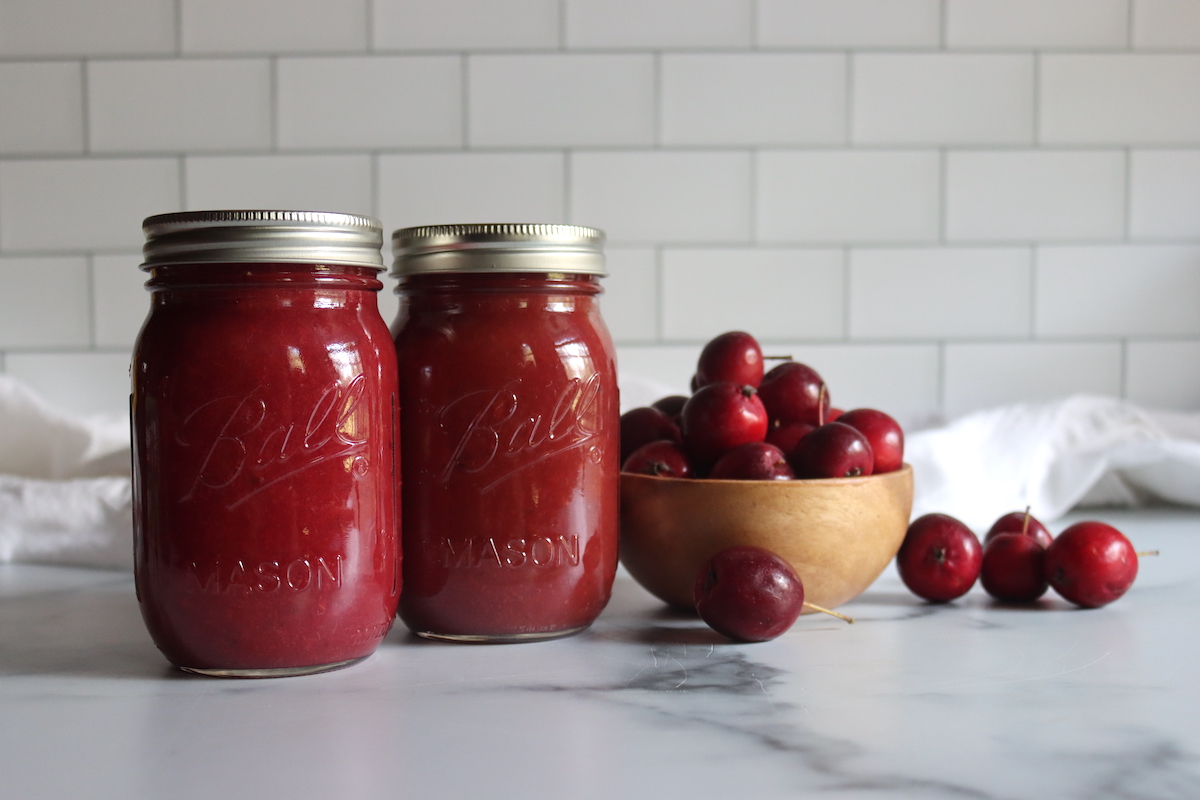
- Crabapple Sauce turns tart crabapples into a rosy, full-flavored sauce
Fruit-Added Applesauce
Stir another acidic fruit into the pot and you get a naturally colored, fruit-sweetened sauce the kids love.
- Strawberry Applesauce blends sweet strawberries into a pink sauce
- Cranberry Applesauce brings a tart, festive edge for the holidays
- Pomegranate Applesauce tints the sauce deep red with pomegranate
- Rhubarb Applesauce folds in tart spring rhubarb for a tangy twist
Apple Cider, Juice & Syrup Recipes
Fresh-pressed cider is fall in a glass, and a few jars of it canned at the peak of the season carry that sweet, slightly tart flavor straight through winter. Cider, apple juice, and thick boiled-cider syrup all start from the same pressed apples and end up in very different jars.
Fresh cider wants to ferment quickly into hard cider within a day or so, so canning is how you hold it sweet and shelf-stable. It keeps the classic brown color and full flavor while gently killing off the wild yeast that would otherwise carry it off.
Apple Cider
Canning sweet cider is simple and keeps a taste of the press house on the shelf all winter.
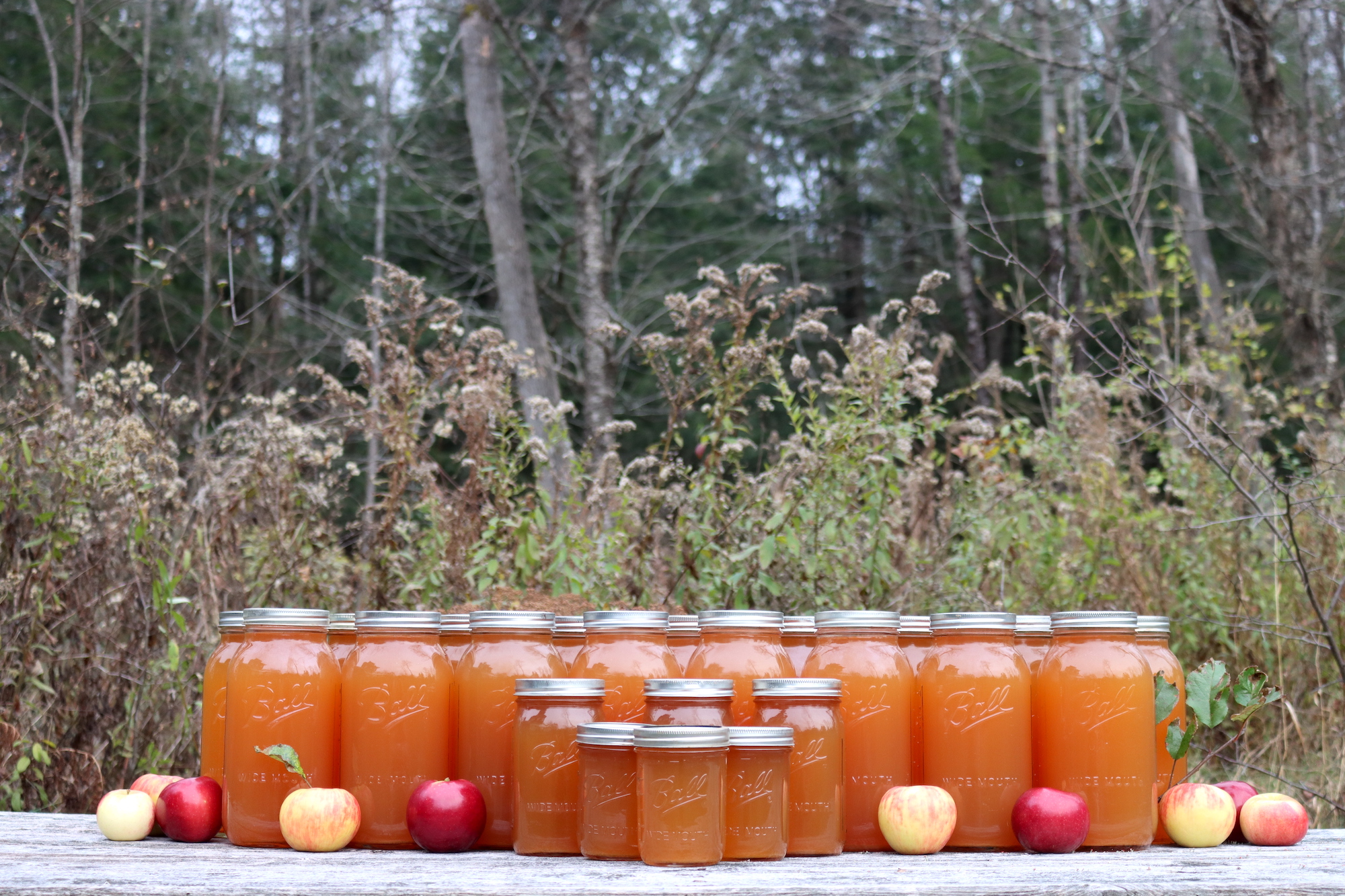
- Canning Apple Cider holds fresh cider sweet, brown, and shelf-stable
Apple Cider Syrup (Boiled Cider)
Boil cider down far enough and it becomes a thick, sweet syrup that’s a Vermont staple, used much like maple over pancakes and in baking.
- How to Make Cider Syrup boils fresh cider down into a thick, maple-like syrup
Apple & Crabapple Juice
Strain or filter fresh cider and you get a clearer apple juice that cans beautifully into single-serve jars the kids treat like juice boxes.
- Canning Apple Juice filters cider into a clear juice to can in jars
- Crabapple Juice (and Syrup) makes a tart pink juice and syrup from crabapples
Pickled Apples, Relish & Chutney Recipes
Pickling fruit was far more common a couple hundred years ago, when cooks had fewer qualms about mixing sweet and savory, and apples take to it beautifully. They’re a fine place to start if you’ve only ever pickled cucumbers, and you’ll find plenty more ideas in my fruit pickling recipes.
Pickled apple rings, apple relish, and apple chutney all walk the line between sweet and savory, balancing apple cider vinegar and sugar with warm spice. They’re at home on a charcuterie board, alongside sausages and brats, or next to a curry, and a wedge of sharp cheese makes any of them better.
Pickled Apples
Pickled in cider vinegar with a little sugar, apple rings and whole crabapples make a tangy-sweet snack that looks festive in the jar.
- Pickled Apple Rings are sweet-spiced rings from the trusted NCHFP
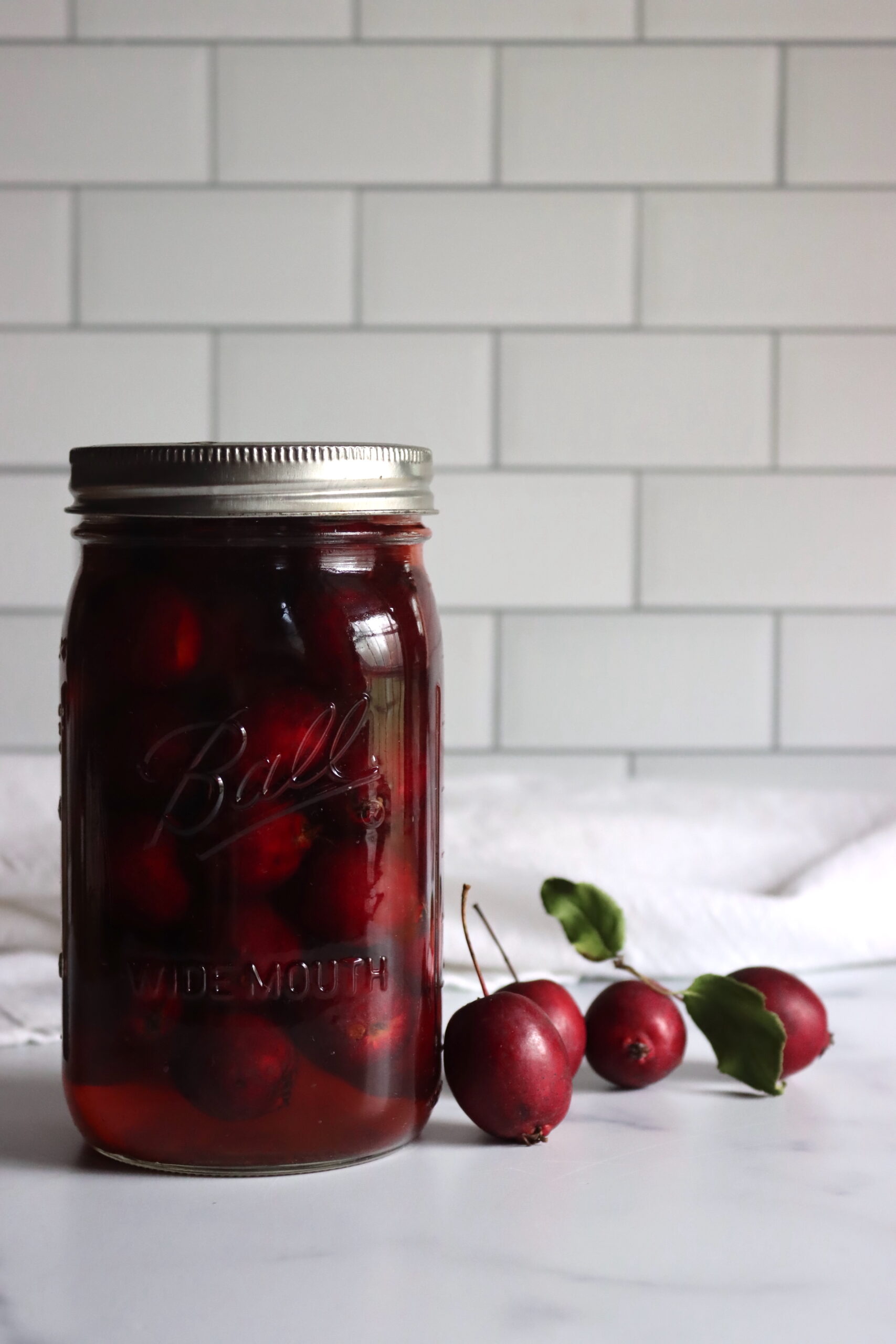
- Pickled Crabapples puts up whole crabapples, beautiful and festive on the shelf
Apple Relish
Finely diced and cooked down with vinegar, sugar, and spice, apple relish is a foolproof water bath recipe that shines on fall sausages and brats.
- Harvest Time Apple Relish is a spiced fall relish from NCHFP
- Sweet Apple Relish leans sweeter for a milder condiment
Apple Chutney
Cooked down with onion, vinegar, and warm spice, apple chutney leans savory and pairs with curries, grilled meat, and a cheese board.
- Apple Rhubarb Chutney blends tart rhubarb into a spiced apple chutney
- Apple Ginger Chutney brings warmth from fresh ginger and spice
- Indian Apple Chutney puts apples and warm spices at the center
- Tomato Apple Chutney rounds the apples out with tomatoes
Apple Blossom Jelly
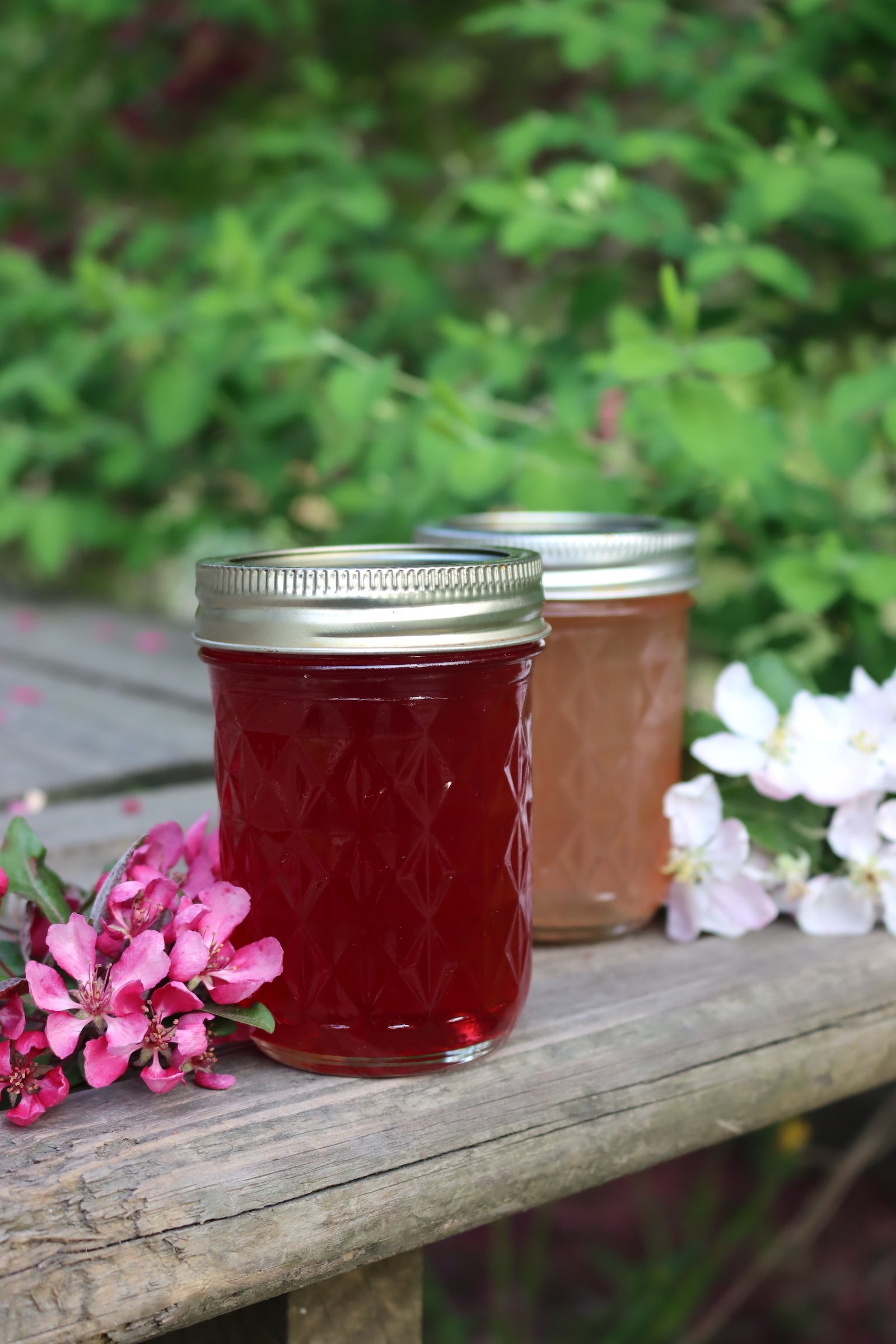
Apple canning doesn’t have to wait for fall. In spring, the fragrant blossoms on apple and crabapple trees steep into a delicate floral jelly, the same way other flower jelly recipes capture lilac or violet.
This one only works if you’re growing apples or crabapples of your own, since you want unsprayed blossoms straight off the tree. It’s a fleeting, lovely way to put up the orchard before the fruit has even set.
- Apple Blossom Jelly steeps spring blossoms into a delicate floral jelly
Other Ways to Preserve Apples
Canning is far from the only way to keep apples around. If your jars are full or you’d rather skip the canner, there’s a whole world of fermenting and cold storage, and you’ll find a fuller rundown in my guide to preserving apples.
Fermented apples turn tangy and lightly fizzy, while a cool basement or spare fridge can hold whole apples for months with no processing at all. Between the canner, the crock, and the cellar, almost nothing from the harvest needs to go to waste.
- Russian Brined Apples ferments whole apples in a seasoned brine
- Spiced Probiotic Apples are lightly fermented spiced apple slices
- Root Cellaring Apples keeps whole apples fresh for months in cold storage
Apple Canning FAQs
A few questions come up again and again once people start canning apples, so here are the ones I hear most often before you head into a recipe.
It depends on the recipe. For canned slices and pie filling, apples are usually peeled so the texture stays tender and the skins don’t toughen in the jar. For applesauce you can peel them or leave the skins on and run the cooked fruit through a food mill, which catches the peels for you. Jelly skips peeling entirely, since you strain everything down to clear juice.
Firmer, tart-sweet apples that hold their shape work well for slices and pie filling, varieties like Granny Smith, Honeycrisp, or a good local keeper. Softer apples that cook down quickly are fine for applesauce and apple butter, where you want them to break apart. Many canners use a mix of varieties, since a blend gives sauce and butter a rounder, more interesting flavor.
Apples are a high acid fruit, so they are canned in a water bath canner rather than a pressure canner. That holds for slices, sauce, butter, jam, jelly, pie filling, cider, and the other recipes in this collection, as long as you follow a tested recipe. Pressure canning is reserved for low acid foods like plain vegetables and meat.
Apples are naturally acidic enough for water bath canning, so a plain pack doesn’t need added acid for safety. Lemon juice mostly keeps the fruit from browning and the sauce looking pale and golden, which is cosmetic rather than a safety step. Mixed recipes like chutney and condiments are different, since their added low acid ingredients mean you follow the tested recipe exactly.
Clear Jel is the only thickener tested as safe for canning pie filling. It keeps the filling the right consistency through processing and storage, where flour or cornstarch can turn cloudy or interfere with safe heat transfer in the jar. You stir it in during cooking, then water bath can the filling as the recipe directs.
However you put them up, the reward is the same. Fill the pantry while the orchards are heavy and the cider is fresh, and you’ll spend all winter reaching past the storebought cans for something with the whole of autumn folded into it.
Autumn Canning Recipes
Apples are only the beginning of the fall canning season. Keep the canner running with the other fruits and vegetables that come in alongside them, from orchard pears to the last of the garden.
Find the perfect recipe
Searching for something else? Enter keywords to find the perfect recipe!

Very excited to try many of these!! Made apple jam and jelly, plus apple pie filling!
Lovely!