
This post may contain affiliate links. Please see our disclosure policy.
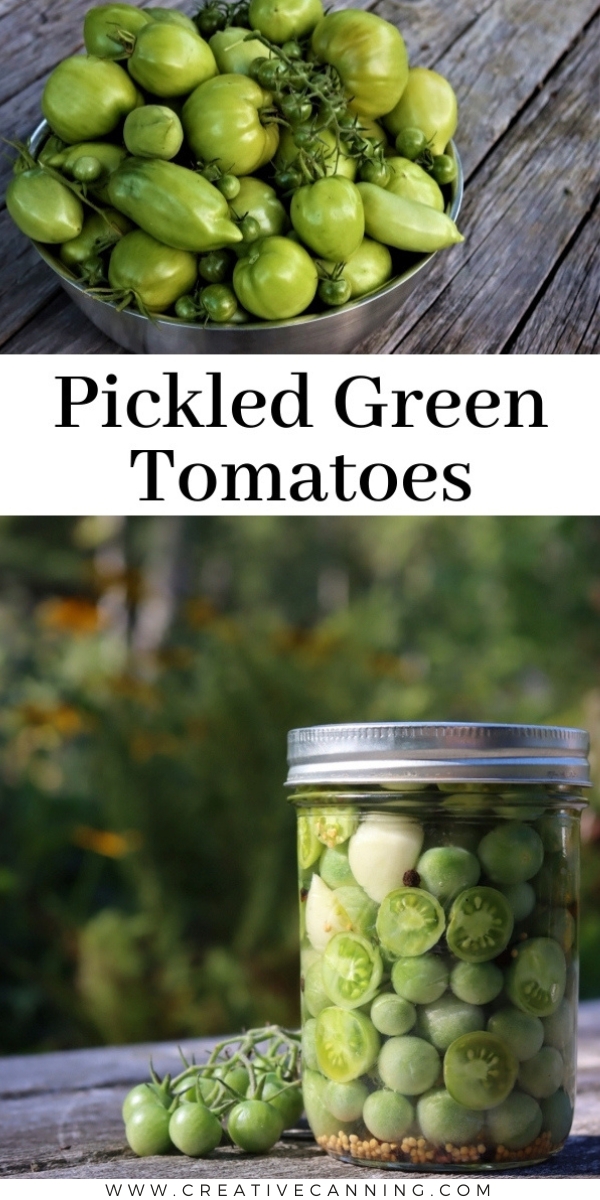
Pickled green tomatoes are a simple way to use up unripe tomatoes before the first hard frost takes them. They stay firm in the jar and come out tangy and sharp, somewhere between a dill pickle and a green olive.
One old-fashioned brine covers four different spice mixes, so you can put up several kinds at once, adjusting the spices in each jar.
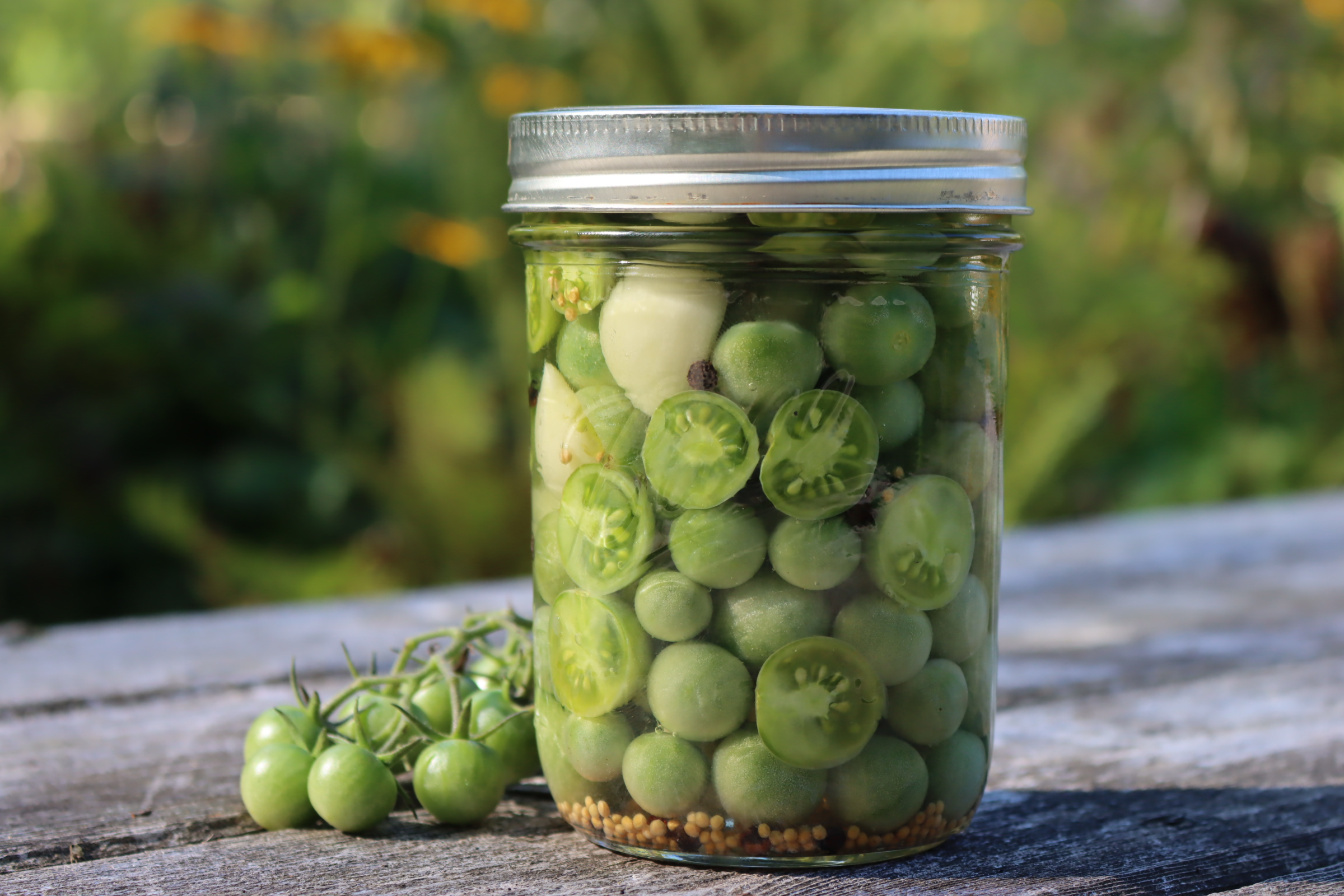
Table of Contents
- Notes from My Kitchen
- Quick Look at the Recipe
- Choosing Green Tomatoes for Pickling
- Ingredients for Pickled Green Tomatoes
- Brine Strength and Substitutions
- Recipes for Green Tomato Pickles
- How to Pickle Green Tomatoes
- Canning Green Tomato Pickles
- Altitude Adjustments
- Tips for Crisp Pickled Green Tomatoes
- Ways to Use Pickled Green Tomatoes
- Storage and Shelf Life
- Yield Notes
- Pickled Green Tomatoes FAQs
- Green Tomato Canning Recipes
- Pickled Green Tomatoes Recipe
- Vegetable Pickling Recipes
This recipe has been reviewed for safety and accuracy by a Master Food Preserver certified through the University of Cornell Cooperative Extension.
Green tomatoes are firmer and more acidic than ripe ones, and that’s exactly what you want in a pickle. They hold their shape through the canner instead of slumping into mush. A jar of these is good next to a bowl of chili, on a cheese board, or chopped into potato salad.
The recipe is one basic brine with four spice mixes: plain, dill, spicy, and bread and butter. The spices go straight into each jar, so one pot of brine can fill four kinds of pickles. If you’d rather follow one flavor all the way through, I have separate recipes for dill pickled green tomatoes, sweet pickled green tomatoes, and spicy pickled green tomatoes.
The brine follows the Ball Blue Book Guide to Preserving, which carries a tested process for pickled green tomatoes. The National Center for Home Food Preservation publishes tested green tomato pickles too.
If pickling isn’t what you’re after, you can also water bath can plain green tomato slices for frying later.
Notes from My Kitchen

Our garden season here in Vermont runs about 100 frost-free days, and in a good year I might get 120. Either way, the frost comes, and the day before it’s forecast, I’m out stripping every plant. Anything the frost touches is done for, so it all comes in, ripe or not.
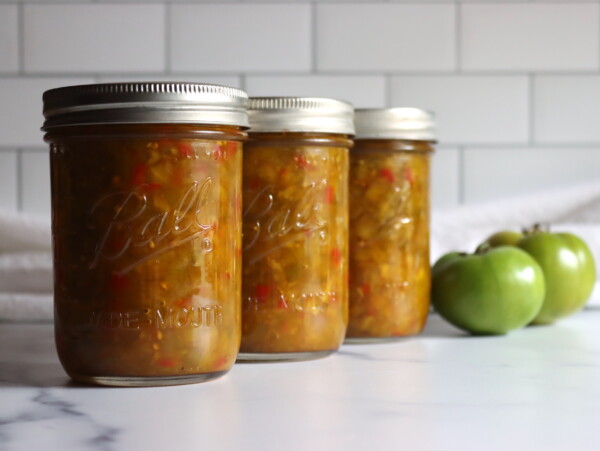
Green tomatoes are surprisingly good pickled, and much of that late season haul goes into pickle jars. I put up a few pints of each spice mix, so we’re not eating the same pickle all winter. The plain mix is the one that empties first around here. The rest goes into the other old-fashioned green tomato canning recipes that have been staples in homestead pantries for generations, usually a batch of southern chow chow first, then green tomato jam with the last stragglers.
Quick Look at the Recipe
- Recipe Name: Pickled Green Tomatoes
- Recipe Type: Pickle Canning Recipe
- Canning Method: Water Bath Canning
- Prep Time: About 20 minutes
- Cook Time: About 5 minutes for the brine
- Canning Time: 15 minutes for pints, 20 minutes for quarts
- Yield: About 6 pints
- Jar Sizes: Pints or quarts
- Headspace: 1/2 inch
- Ingredients Overview: Green tomatoes, vinegar, water, pickling salt, sugar, and the spices for your chosen mix
- Safe Canning Recipe Source: Follows the Ball Blue Book Guide to Preserving process for pickled green tomatoes
- Difficulty: Easy
- Similar Recipes: Same brine, different seasoning: dill pickled green tomatoes and sweet pickled green tomatoes. For ripe fruit, pickled cherry tomatoes.
Choosing Green Tomatoes for Pickling
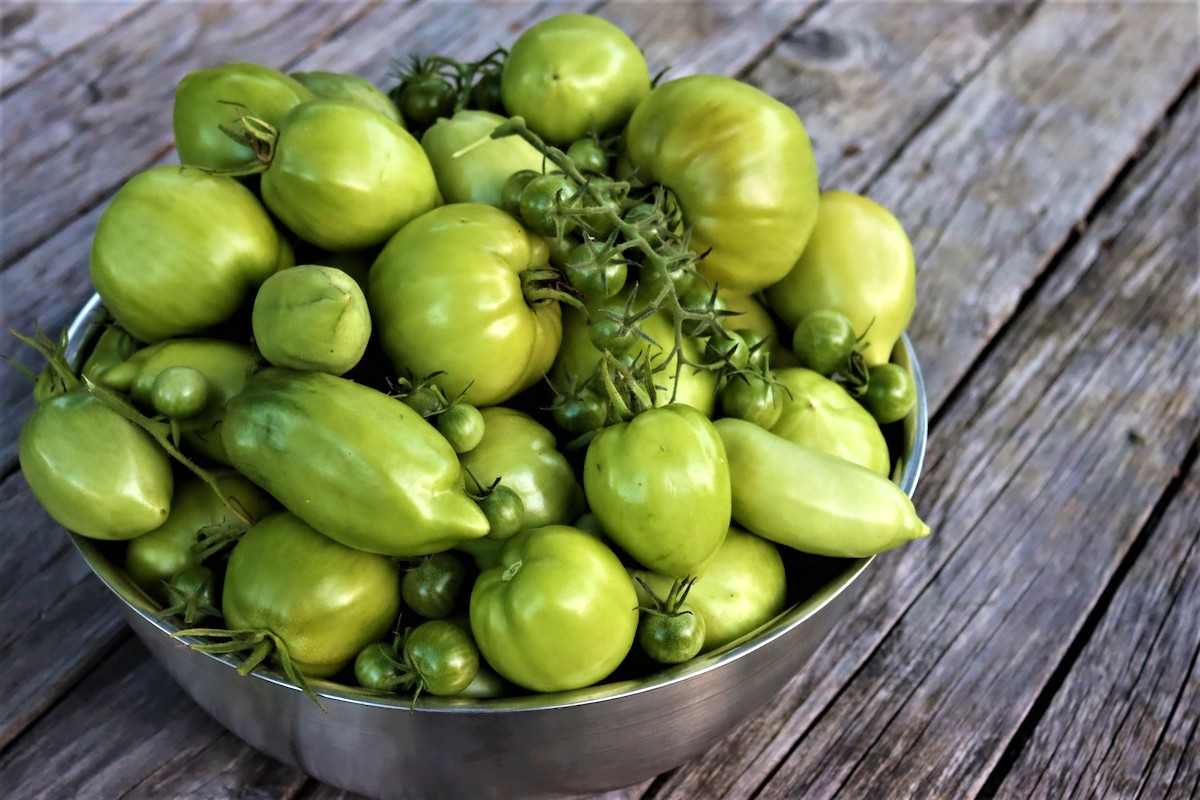
Use tomatoes that are fully green and firm, with no blush of pink or yellow on them. A tomato that has started to turn will soften in the brine. Pick them the day you plan to can if you can manage it, since a week on the counter costs you crunch.
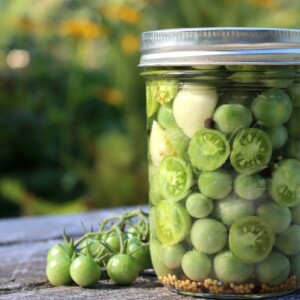
Any variety works. Heirloom or hybrid, cherry or slicer, paste or beefsteak, the recipe is the same. Big tomatoes get sliced or quartered so they pack well and pickle evenly. Small ones can go in whole. If you’re working with whole cherry tomatoes, prick each one with a toothpick first so it doesn’t burst in the canner.
Ingredients for Pickled Green Tomatoes
This is a short ingredient list. The brine is equal parts vinegar and water, and everything past that is flavor.
Full amounts are in the recipe card at the bottom of the post. What matters up here is what each ingredient does and where you have room to change things.
- Green Tomatoes: Fully green and firm, with no color starting to show. Sliced, quartered, or left whole if they’re small.
- Vinegar: White vinegar or cider vinegar at 5 percent acidity. The acid is what makes these safe to can, so it can’t be cut with extra water.
- Water: Tap water is fine unless yours is very hard, which can cloud the brine. Filtered or distilled water fixes that.
- Pickling Salt: Use pickling or canning salt rather than table salt. Iodine and anti-caking agents cloud the brine and darken the pickles.
- Sugar: Optional in the basic brine, where it rounds off the sharp edge. The bread-and-butter mix uses a good deal more.
- Spices: Garlic, dill, mustard seed, peppercorns, celery seed, and turmeric, depending on the mix you choose. Whole spices keep the brine clear, and my homemade pickling spice works here too.
- Pickle Crisp: Optional. Calcium chloride keeps the tomatoes firmer in the jar, and it’s the simplest fix if a past batch came out soft.
Everything beyond the tomatoes, vinegar, water, and salt is up to your taste. The one thing that stays put is the ratio of vinegar to water.
Brine Strength and Substitutions
The brine is equal parts vinegar and water, and that ratio is what keeps these jars safe on the shelf. Don’t cut the vinegar or add extra water. White or cider vinegar both work, whichever flavor you want, as long as the label reads 5 percent acidity.
You can go the other way and use more vinegar than water for a sharper pickle, which is what a bread-and-butter brine usually does to balance the sugar. Salt and sugar are for flavor here rather than safety, so adjust them or leave them out.
Same goes for the spices. Adjust the quantities and proportions of any of the dry spices to suit your tastes.
Just don’t reduce the vinegar!
It was my first attempt at canning pickles. I typically only make refrigerator pickles, and your instructions were on point. I grew up with a grandmother who pickled everything, but her green tomato pickle jars frequently went missing, because one of us grandkids would take one and eat the whole darn thing and drink half the brine!
Recipes for Green Tomato Pickles
The spices go into the jars rather than into the brine, so every jar in the canner can be different. Pick a mix, drop it in the bottom of the jar, and pour the same brine over all of them. Any pickling seasoning works, and I often borrow the spices from my dill pickle canning recipe.
These are the four mixes I come back to. Two pints of each fills a canner load and gives you a shelf you won’t get bored of by February.
- Plain: 1 teaspoon mustard seed, 1/2 teaspoon black peppercorns, and 1 garlic clove per pint. This is the one I make most.
- Dill: 1 head of fresh dill or 2 teaspoons dill seed, 1 bay leaf, and 1 garlic clove per pint. Closest to a classic dill pickle.
- Spicy: 1 to 2 teaspoons red pepper flakes and 1/2 to 1 teaspoon black peppercorns per pint. Start at the low end, since the heat builds in the jar.
- Bread and Butter: A few slices of onion, 1 garlic clove, 1 teaspoon mustard seed, 1/2 teaspoon celery seed, and 1/2 teaspoon ground turmeric per pint, with the sugar in the brine raised to 1 cup. This is the only one that changes the brine, but they’re popular, and I usually make a whole batch of these!
Those amounts are per pint, so use twice as much in a quart jar. None of it changes whether the recipe is safe to can. Add extra garlic or skip the peppercorns without a second thought.
How to Pickle Green Tomatoes
Start by washing the tomatoes and cutting them to size. Slices, halves, and quarters all work, and small ones can stay whole. Aim for pieces that fit in the jar without being crammed in.
Bring the vinegar, water, salt, and sugar to a boil in a saucepan, then simmer a few minutes until the salt dissolves. Turn off the heat and leave the pot on the stove so the brine stays hot.
Pack the tomatoes raw into hot jars with your spice mix and any onion or garlic. Leave 1/2 inch headspace. Raw packing keeps the pieces firm. Cooking them first softens them before they ever reach the canner. Add Pickle Crisp now if you’re using it, at 1/8 teaspoon per pint.
Pour the hot brine over the tomatoes, still holding 1/2 inch headspace. Run a bubble remover or a chopstick around the inside of each jar to release trapped air. Top the brine back up if the level dropped, wipe the rims, and cap with two-part canning lids.
If you’re making refrigerator pickles, let the jars cool on the counter and then move them to the fridge. Give them at least two days before you open one, and a week is better. For shelf stable jars, go straight on to canning.
Canning Green Tomato Pickles
Canning is optional here, but it’s what gets the jars off the counter and onto the pantry shelf where they’re not taking up refrigerator space. If you’re canning, get your water bath canner going before you start filling jars.
This is a raw pack, so preheat the canner water to about 140 degrees F. Hot, but not yet simmering. Load the filled jars onto the rack, covered by an inch or two of water, and bring the canner to a full rolling boil. New to this part? My guide to water bath canning for beginners walks through the whole setup.
Process pints for 15 minutes or quarts for 20 minutes, starting the timer once the water is boiling hard. Adjust the time for your altitude using the chart below.
When the time is up, turn off the heat. Let the jars stand in the canner another 5 minutes before you lift them out. That rest cuts down on siphoning, which is brine escaping as the jars come out. Move them to a towel on the counter and leave them alone for 12 to 24 hours.
Check the seals the next day. Any jar that didn’t seal goes in the refrigerator to be eaten first. Give the sealed jars at least two weeks before you open one, because the brine needs that long to work its way into the tomatoes.
Altitude Adjustments
Water bath processing times get longer as elevation goes up. Use these times for pickled green tomatoes:
- 0 to 1,000 feet: Pints 15 minutes, quarts 20 minutes
- 1,001 to 6,000 feet: Pints 20 minutes, quarts 25 minutes
- Above 6,000 feet: Pints 25 minutes, quarts 30 minutes
Start the timer after the water comes back to a full rolling boil, not when the jars go in.
Tips for Crisp Pickled Green Tomatoes
Green tomatoes start out firmer than ripe ones, but they can still go soft on you. Use fruit that is fully green and freshly picked, and cut it on the thick side. Thin slices lose their bite in the canner no matter what else you do.
Pickle Crisp at 1/8 teaspoon per pint is the simplest insurance, and it goes in the jar right before the brine. The old-fashioned option is a pickling lime soak. It gives a very crisp pickle, but it adds an overnight step and a lot of rinsing. I walk through that whole process in my cucumber lime pickle recipe. Whichever you use, don’t process past the listed time. Extra minutes in the canner soften everything.
Ways to Use Pickled Green Tomatoes
These are good straight from the jar, cold, standing at the open fridge. They cut through rich food, so they belong next to fried fish, a bowl of chili and cornbread, or a plate of pulled pork. On a cheese board, they do the job a cornichon usually does.
Chopped small, they go into potato salad, egg salad, or tartar sauce. A spoonful of the brine sharpens up a vinaigrette. There’s even a cocktail called the Dirty Jane built on pickled green cherry tomatoes. If you’d rather bake with your harvest, there’s green tomato pie filling.
And if you’re not canning, I also have a much longer list of green tomato recipes for the fresh eating side of things.
Storage and Shelf Life
Sealed jars hold their quality on the pantry shelf for about 18 months, and they stay safe well past that as long as the seal is good. Store them somewhere cool and dark with the bands off. A failed seal is obvious that way. Refrigerate after opening.
Refrigerator pickles that were never canned keep for several months. Use a clean utensil each time and keep the tomatoes under the brine. They’ll be fine for as long as you have the fridge space.
If you made refrigerator pickles and later decide you want them shelf stable, you can still can them. Empty the jars into a pot and heat the contents through. Then repack into hot jars and process as usual. Cold jars won’t heat through properly in the canner, and the thermal shock can crack the glass.
Yield Notes
This recipe starts with 5 pounds of green tomatoes and makes about 6 pints. The jar count moves around depending on how tightly you pack them and how big the pieces are. Figure 6 pints as a starting point, but know it really depends on how you pack them.
It scales cleanly, and a double batch fills a canner. Figure about 7 cups of brine for 6 pints, and mix a little extra. Running short with two jars still waiting is a nuisance.
Pickled Green Tomatoes FAQs
I’ve had a lot of reader questions on this one over the years, so here are the ones that come up most.
No. The brine has to stay at least half vinegar at 5 percent acidity, because that’s what makes these jars safe to can. You can go the other way and use more vinegar for a sharper pickle. Salt and sugar are flavor only, so those you can adjust freely.
No, and I think they’re better unpeeled. Green tomato skins hold up fine in a pickle, and green tomatoes are a good deal harder to peel than ripe ones anyway. Green tomatoes follow tomatillo guidance generally, rather than tomato guidance, so they’re not peeled.
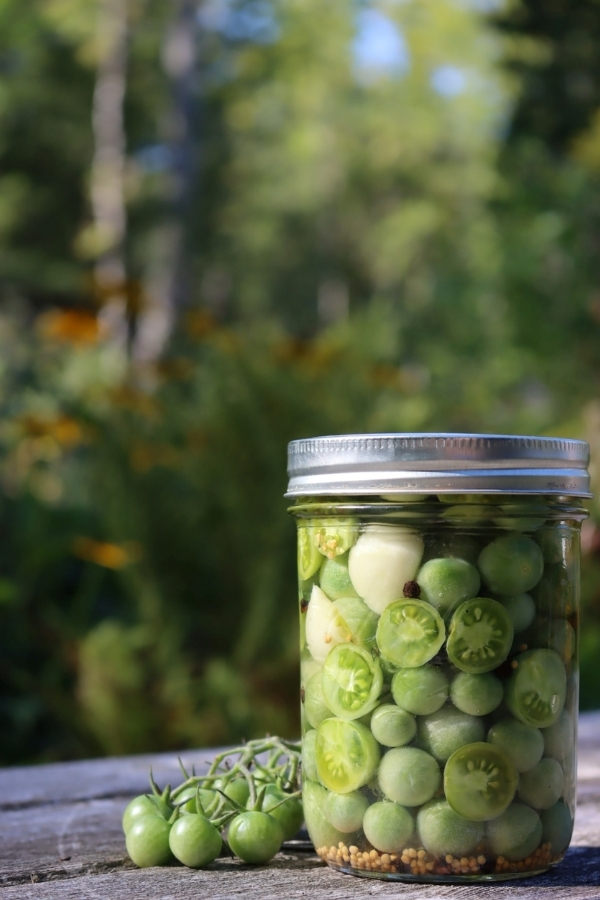
Yes, and they work well whole. Prick each one with a toothpick before it goes in the jar so it doesn’t burst in the canner.
Usually it’s fruit that sat too long before pickling, pieces sliced too thin, or jars processed past their time. Pickle Crisp at 1/8 teaspoon per pint helps a lot, and a pickling lime soak gives an even crisper pickle if you want the extra step.
Several months, easily. Use a clean utensil each time and keep the tomatoes below the brine in the jar. They’ll hold up for as long as you have the fridge space.
Green Tomato Canning Recipes
There’s more to do with a bucket of green tomatoes than pickles.
If you tried this Pickled Green Tomatoes recipe, or any other recipe on Creative Canning, leave a ⭐ star rating and let me know what you think in the 📝 comments below!
And make sure you stay in touch with me by following on social media!
Pickled Green Tomatoes
Equipment
- Canning Jars, Lids and Bands
Ingredients
Basic Recipe
- 5 lbs green tomatoes, small and firm
- 1/4 cup pickling salt
- 2 tbsp sugar, optional, increase to 1 cup per batch for bread and butter
- 3 1/2 cups vinegar, 5% acidity
- 3 1/2 cups water
- Pickle Crisp, optional, 1/8 tsp per pint
Plain Spice Mix
- 6 tsp mustard seed, 1 tsp per pint
- 3 tsp black peppercorns, 1/2 tsp per pint
- 6 cloves garlic, 1 per pint
Dill Spice Mix
- 6 heads fresh dill, 1 per pint
- 12 tsp dill seed, 2 tsp per pint, in place of the dill heads
- 6 whole bay leaves, 1 per pint
- 6 cloves garlic, 1 per pint
Spicy Spice Mix
- 6 to 12 tsp red pepper flakes, 1 to 2 tsp per pint
- 3 to 6 tsp black peppercorns, 1/2 to 1 tsp per pint
Bread and Butter Spice Mix
- 1/2 cup sliced onion, a few slices per jar
- 6 cloves garlic, 1 per pint
- 6 tsp mustard seed, 1 tsp per pint
- 3 tsp celery seed, 1/2 tsp per pint
- 3 tsp ground turmeric, 1/2 tsp per pint
Instructions
- If canning, prepare a water bath canner and jars before you begin. Preheat the canner water to about 140 degrees F for raw pack, hot but not yet simmering.
- Wash the green tomatoes and cut them into pieces that fit the jars. Slices, halves and quarters all work, and small tomatoes can stay whole.
- Bring the vinegar, water, salt and sugar to a boil, stirring until the salt dissolves. Remove from the heat and keep the brine hot.
- Add your chosen spice mix to each hot jar, along with any onion or garlic. Add Pickle Crisp now if you are using it.
- Pack the green tomatoes raw into the jars, leaving 1/2 inch headspace.
- Ladle the hot brine over the tomatoes, maintaining 1/2 inch headspace. Remove air bubbles, adjust the headspace, wipe the rims and cap with two part canning lids.
- For refrigerator pickles, cool the jars on the counter and store them in the refrigerator. Wait at least 2 days before opening, and a week is better.
- To can, load the jars into the preheated canner and bring it to a full rolling boil. Process pints for 15 minutes or quarts for 20 minutes, adjusting for altitude (see notes).
- Turn off the heat and let the jars stand 5 minutes, then cool them undisturbed for 12 to 24 hours before checking seals.
Notes
- 0 to 1,000 feet: Pints 15 minutes, quarts 20 minutes
- 1,001 to 6,000 feet: Pints 20 minutes, quarts 25 minutes
- Above 6,000 feet: Pints 25 minutes, quarts 30 minutes
Nutrition
Nutrition information is automatically calculated, so should only be used as an approximation.
Vegetable Pickling Recipes
Pickling season doesn’t stop at tomatoes.
Find the perfect recipe
Searching for something else? Enter keywords to find the perfect recipe!

Hello,
How long will the fridge pickled tomatoes keep? If I make 4 and eat one a month is that too long? ty
These should last a very long time in the refrigerator, for several months provided you serve them with a clean implement each time you use them and keep the tomatoes below the brine in the jar. You should be just fine keeping them provided you have the fridge space.
I wish all canning recipes were this easy to understand!
Thank for the recipe
You’re quite welcome!
Thank you! it was my first attempt at Canning pickles… I typically only make refrigerator pickles and your instructions were on point. And now the wait begins, until I get to taste them. (I soaked them in lime for about 12 hours before pickling them… I really can’t stand mushy green tomato pickles) I grew up with the grandmother who pickled everything but her green tomato pickle jars frequently went missing because one of us grandkids would just take one and eat the whole darn thing and drink half of of the brine!!!
Hi! I made two versions of these with quartered larger tomatoes and cherry tomatoes. I waterbath canned and they all got super mushy! Is there a way to revive these to make them crispy? Or a way to improve for next time? Are they even good anymore or should I just scrap them?
I was planning to try calcium chloride (pickling crisp) in the future.
Pickle crisp works wonders for pickles. You can also try pickling them with pickling lime, which gives really crisp pickles too. You can use the same process as I outline in my pickled cucumbers with lime recipe here: https://creativecanning.com/cucumber-lime-pickle/
If I make refrigerator Pickles and then decide after that I want to make them shelf stable with a water bath, can I take them out of the fridge and do that? Thanks!
You can, but you’ll need to dump the jars out and heat the contents in a pot before re-loading the jars and canning. If you try to just can the jars as is (room temperature or cold contents) they won’t get hot enough in the canner, and worse yet, they could have a thermal shock issue and break the glass. The contents of the jar needs to be hot when it goes into the canner.
But, that said, you can change your mind later provided you heat the contents and then reload the jars. There are actually a number of pickling recipes that have you do just that, brine the ingredients in the fridge overnight before canning the next day (pickled figs, three bean salad, etc). It gives you a better pack in the jars as the ingredients shink when in the brine, and giving them some time to get that over with before actually canning can be really helpful.
Do the tomatoes need to be peeled?
No, they don’t have to be peeled for this recipe and I actually find they’re better without peeling. Green tomatoes are a good bit different than regular ones, and the peels work out fine in these pickles. (Peeling green tomatoes is actually quite a bit harder than peeling ripe tomatoes, so that’s convenient anyway.)
Can I make these with whole cherry tomatoes?
Yes, but it’s helpful to prick each cherry tomato with a toothpick before they go into the jar so they don’t explode when canning. But yes, it works great with whole green cherry tomatoes.