This post may contain affiliate links. Please see our disclosure policy.
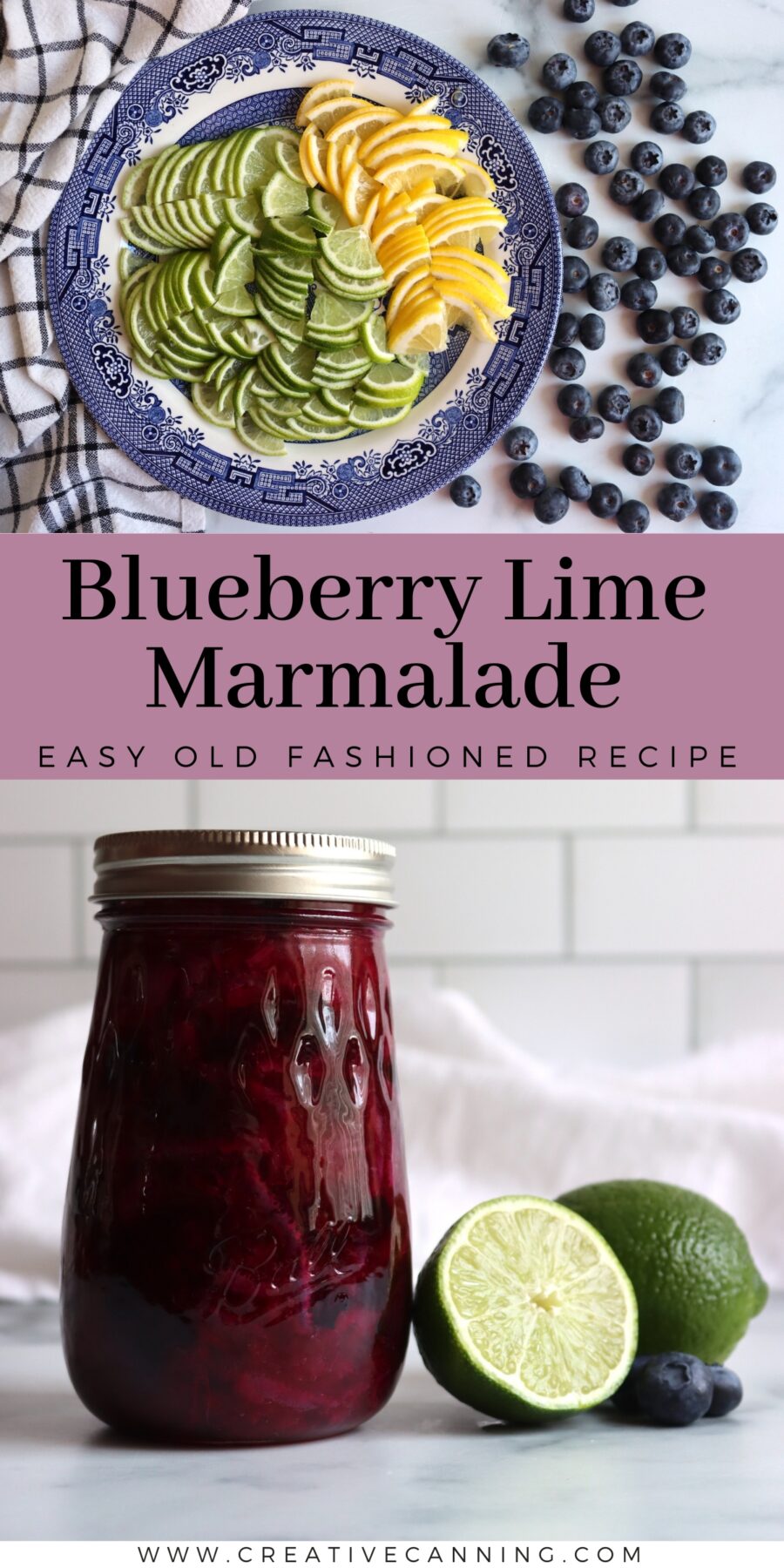
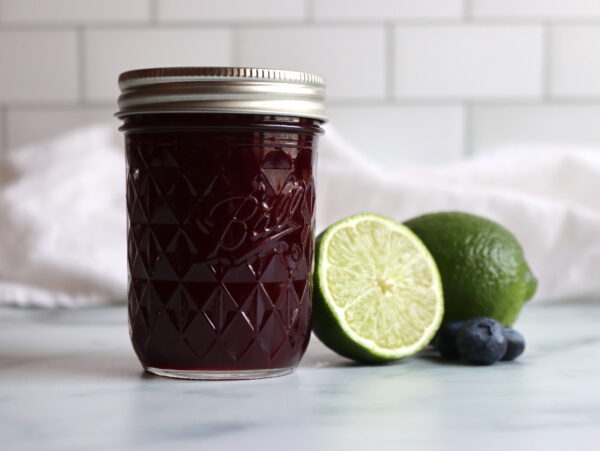
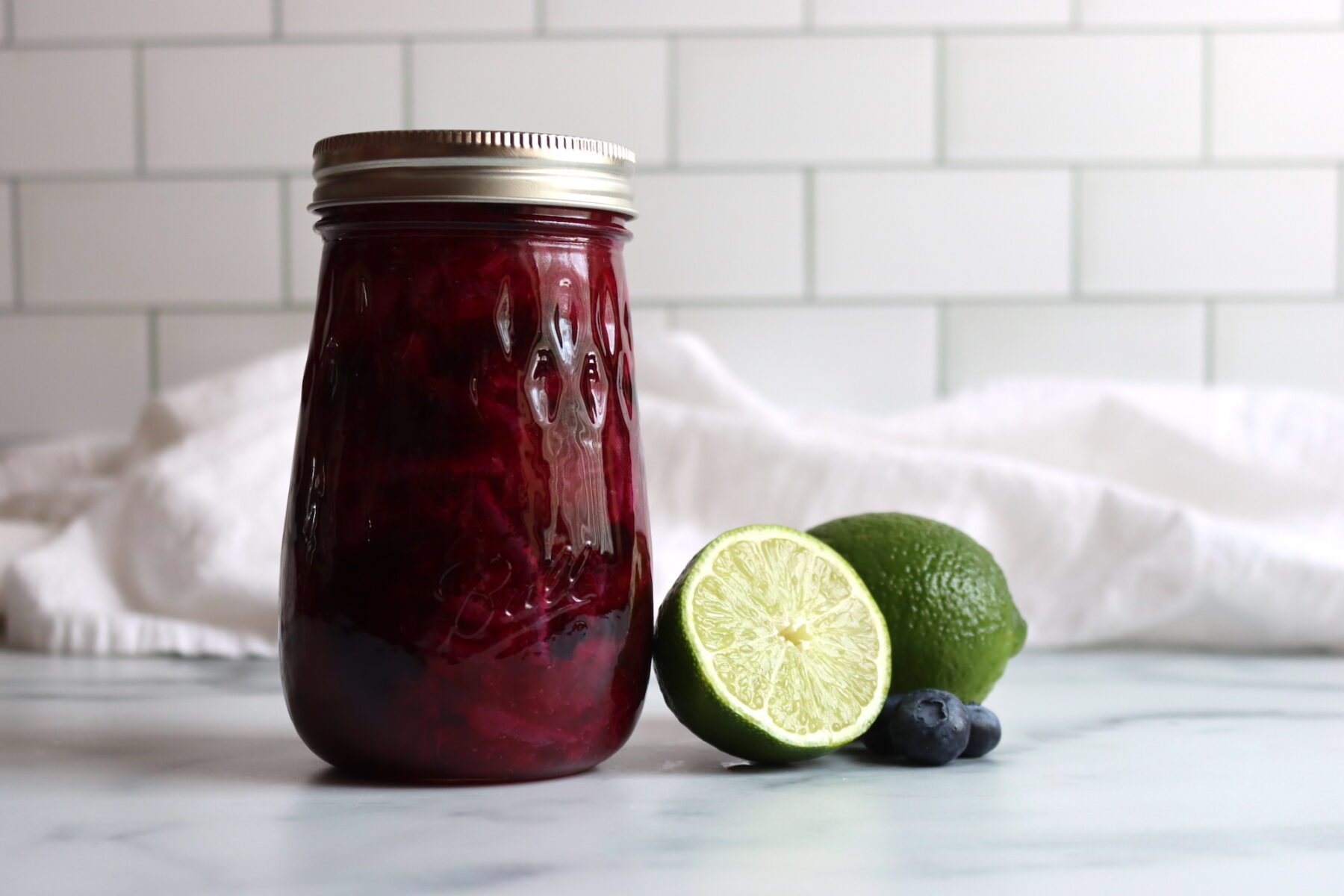
Blueberry lime marmalade takes the classic citrus-berry combination and turns it into a true marmalade with thin ribbons of lime peel throughout. The lime brings a distinctive tropical edge that’s different from classic lemon marmalades, slightly more aromatic.
This recipe has been reviewed for safety and accuracy by a Master Food Preserver certified through the University of Cornell Cooperative Extension.
Blueberries and lime are a wonderful combination, and it gives you something completely different than a classic lemon marmalade.
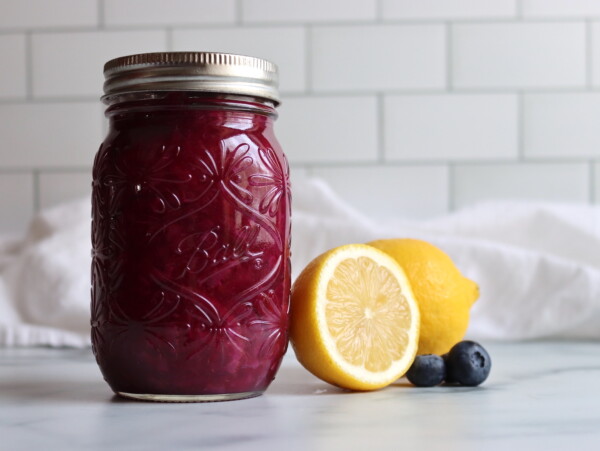
I made a lemon version of this recipe along with this lime version, and honestly, I love them both for different reasons. The lime version has a brighter, more tropical feel that pairs beautifully with the sweet blueberries.
Limes have more pith relative to their size than lemons, so you may need slightly more by count to reach the same weight. Plan on about 8 to 10 medium limes per pound. The extra pith actually works in your favor here since that’s where the natural pectin lives.
This recipe uses no added pectin. The overnight soak softens the peel and draws out bitterness, while the long simmer extracts natural pectin from the citrus. It’s the same traditional method I use for my strawberry marmalade, and it results in a lovely, old-fashioned set.
Notes from My Kitchen

My husband is a lime fanatic, so after I made blueberry lemon marmalade, I had to try a lime version. I made both versions side by side, and he ended up preferring the lime version (no surprise, given his lime obsession). The flavor is brighter and more aromatic than the lemon version.
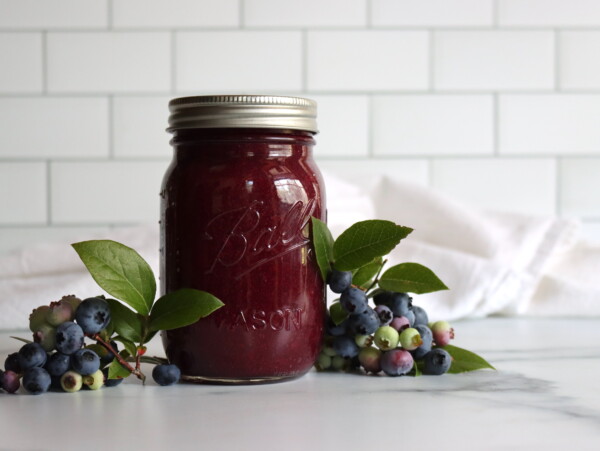
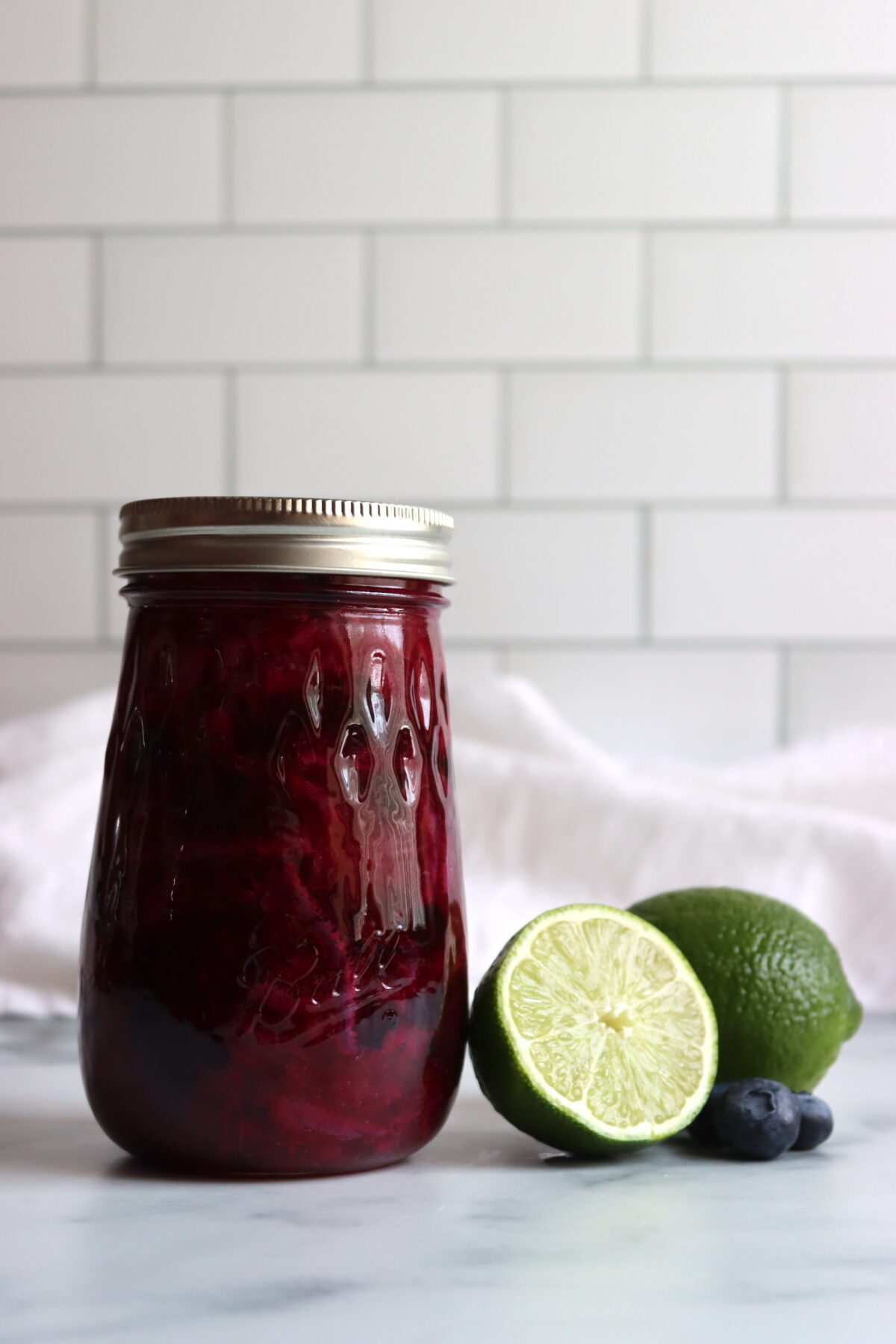
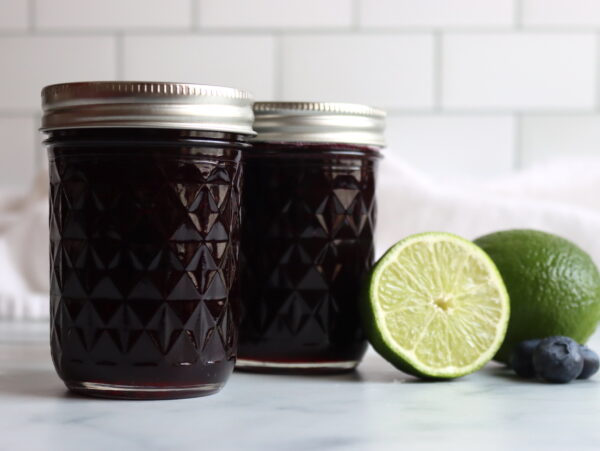
The deep purple color is gorgeous, and the green-tinged lime peel adds visual interest. This small-batch recipe makes about 3 half pints, perfect for experimenting with new flavors. It’s become another favorite in our growing collection of lime canning recipes.
Quick Look at the Recipe
- Recipe Name: Blueberry Lime Marmalade
- Recipe Type: Marmalade Recipe
- Canning Method: Water Bath Canning
- Prep Time: About 20 minutes (plus overnight soak)
- Cook Time: About 30 minutes
- Canning Time: 10 minutes for half pints
- Yield: About 3 half pints
- Jar Sizes: Half pints or quarter pints
- Headspace: 1/4 inch
- Ingredients Overview: Limes, blueberries, water, and sugar (no added pectin)
- Safe Canning Recipe Source: Follows standard Jam/Marmalade guidance from the NCHFP
- Difficulty: Moderate
- Similar Recipes: This recipe is similar to other fruit and citrus marmalades such as Lime Marmalade, Strawberry Marmalade and apple marmalade.
Ingredients
This is a traditional no-pectin marmalade that relies on the natural pectin in the citrus peel. The overnight soak softens the peel and pulls out pectin, while the blueberries add color, mild sweetness, and a touch of their own pectin to support the set.
- Limes: The backbone of the marmalade, providing both flavor and the natural pectin that sets the preserve without added commercial pectin. Look for limes that feel heavy for their size with smooth, thin skins. Persian limes (the standard grocery store variety) are what I use here, though Key limes will work too if you don’t mind the extra fussing with smaller fruit. Organic or untreated limes are ideal since you’re using the whole peel, but conventional limes scrubbed well with hot water work fine. For a plain version without the blueberries, my Lime Marmalade recipe walks through the same basic technique.
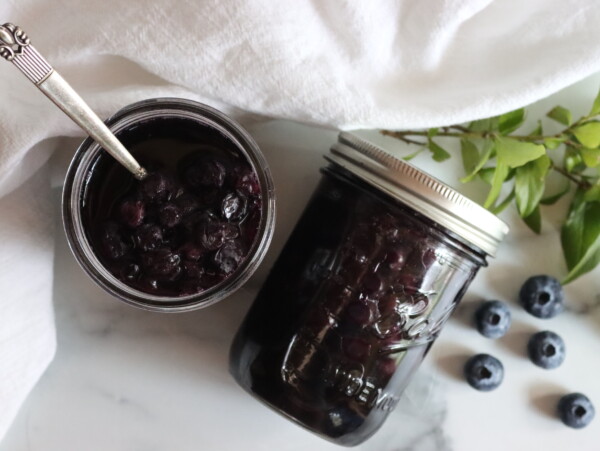
- Blueberries: Add color, gentle sweetness, and a bit of their own pectin. Fresh or frozen both work, and frozen actually break down a little faster. Wild blueberries will give you a more intense flavor if you can find them. For more ways to put up blueberries, see my blueberry canning recipes roundup.
- Water: Used twice, once to soak the sliced peels overnight (which softens them and helps draw out pectin) and again during the simmering stage to cook everything down.
- Granulated Sugar: Sweetens the marmalade, helps it gel alongside the natural pectin, and acts as a preservative for shelf stability. I don’t recommend reducing the sugar in a traditional no-pectin marmalade since the ratio is part of what makes the set work.
Step by Step Instructions
This is a two day recipe, and the citrus is soaked on day one to reduce bitterness and soften the peel. Don’t start preparing a waterbath canner until day two when you’re cooking the marmalade.
Prepare and Soak the Limes
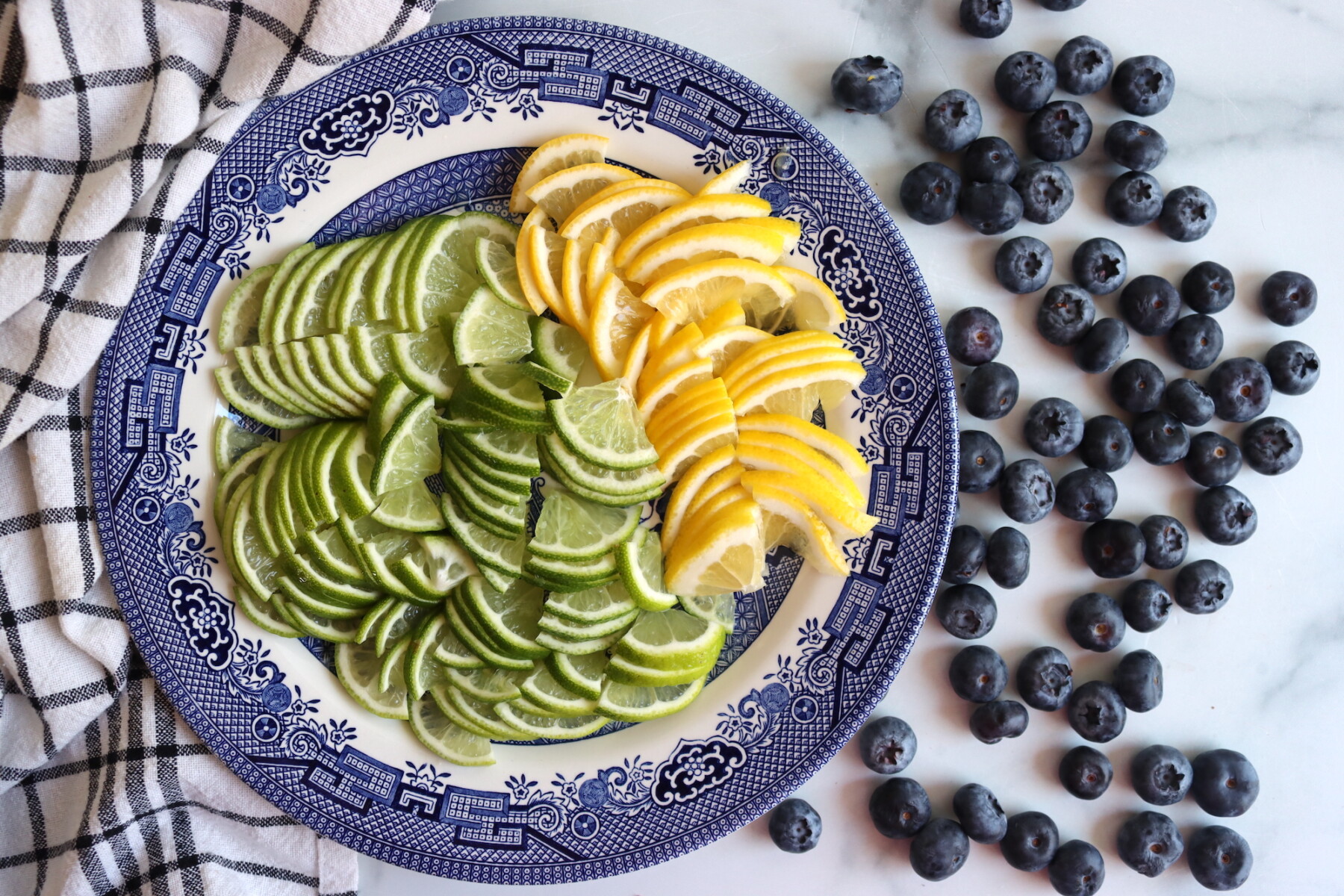
Wash and scrub the limes thoroughly with hot water to remove any wax coating. Quarter each lime lengthwise, then slice each quarter crosswise into very thin slices, about ⅛ inch thick. Remove and discard any seeds as you go. Place the sliced limes in a large bowl and cover with water. Let soak overnight (or at least 8 hours) at room temperature. This softens the peel and reduces bitterness.
Simmer the Citrus
Drain the soaking water and discard. Transfer the lime slices to a large, heavy saucepan and add 2 cups fresh water. Bring to a boil over medium-high heat, then reduce to a simmer. Cook for about 10 to 15 minutes, stirring occasionally, until the peel is very tender.
Add Blueberries and Sugar
Add the blueberries and sugar to the saucepan, stirring until the sugar dissolves. Increase heat and bring to a full rolling boil, stirring frequently to prevent scorching.
Cook to Gel Point
Continue cooking until the marmalade reaches the gel point (220°F at sea level) or passes the cold plate test. This typically takes 8 to 10 minutes of boiling. Skim off any foam.
Fill Jars
Ladle the hot marmalade into prepared jars, leaving ¼ inch headspace. Wipe rims clean, center lids on jars, and apply bands to fingertip tight.
Setting Notes
This no-pectin marmalade relies on the natural pectin extracted from the lime peel during the overnight soak and simmer. The gel point is 220°F at sea level, dropping about 1°F for every 500 feet of elevation. Use the cold plate test to confirm: place a small spoonful on a chilled plate and push it with your finger. If it wrinkles and holds its shape, it’s ready.
No-pectin marmalades often have a softer set than those made with commercial pectin, which is part of their charm. For more information on getting jelly to set properly, see my post on troubleshooting jelly set.
Canning Blueberry Lime Marmalade
Without canning, blueberry lime marmalade will keep in the refrigerator for up to 3 weeks or in the freezer for up to a year. For shelf-stable storage, process the filled jars in a boiling water bath.
Prepare your water bath canner while the marmalade is cooking. Lower the filled jars into the canner, making sure they’re covered by at least 1 inch of water. Process for 10 minutes for half pints, adjusting for altitude as noted below.
After processing, turn off the heat and let the jars stand in the canner for 5 minutes before removing. Let jars cool undisturbed on a towel-lined counter for 12 to 24 hours. Check seals before storing.
Altitude Adjustments
For water bath canning, processing times increase at higher elevations:
- 0 to 6,000 feet: 10 minutes
- Above 6,000 feet: 15 minutes
Yield Notes
This small-batch recipe yields about 3 half pints (approximately 3 cups). You’ll need about 1 pound of limes (8 to 10 medium) and 2 cups of blueberries.
Limes are smaller than lemons, so you’ll need more of them by count to reach the same weight. The yield can vary slightly depending on how long you cook the marmalade and how much liquid evaporates.
Serving Ideas
This marmalade is wonderful on toast, biscuits, and scones, where the visible lime peel adds both flavor and texture. The tropical lime flavor makes it especially good with coconut-flavored baked goods or alongside tropical fruit.
Use it as a glaze for cakes, tarts, or key lime pie where the deep purple color looks stunning against the pale filling. It’s also delicious stirred into plain yogurt or coconut yogurt, or spooned over vanilla ice cream.
Blueberry Lime Marmalade FAQs
This marmalade uses whole citrus with visible peel slices throughout, while the jam uses just lime zest and juice added to crushed blueberries. The marmalade has a more complex flavor and visible peel texture.
The overnight soak softens the peel and draws out bitter compounds, resulting in a more pleasant texture and flavor. It also helps extract natural pectin. Don’t skip this step or you’ll end up with tough, overly bitter peel pieces.
Yes, key limes will work but you’ll need many more of them since they’re much smaller. Plan on about 20 to 25 key limes per pound. The flavor will be slightly different, more floral and aromatic.
Yes, frozen blueberries work just as well as fresh. No need to thaw them first; just add them directly to the pot when the recipe calls for them.
Blueberry Canning Recipes
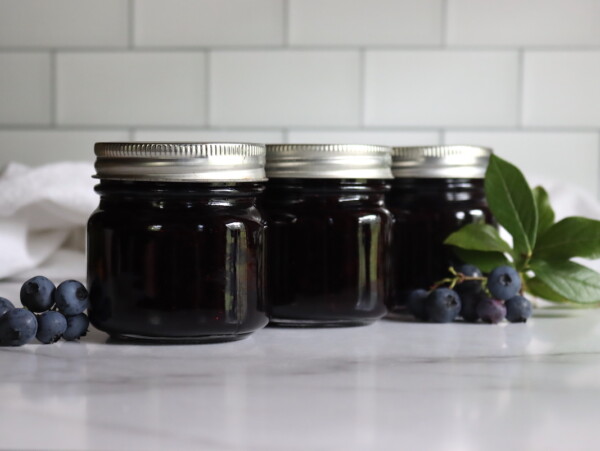
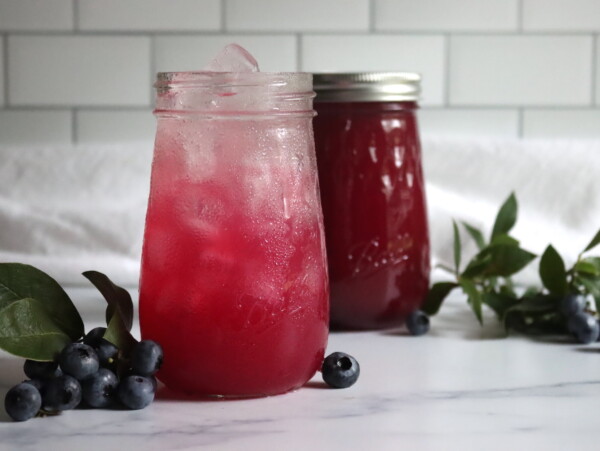
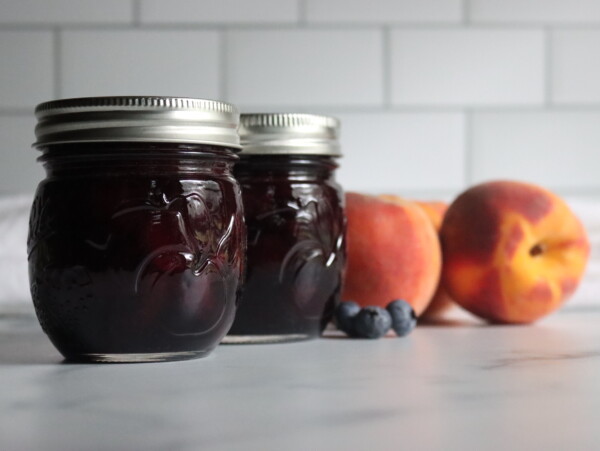
If you tried this Blueberry Lime Marmalade recipe, or any other recipe on Creative Canning, leave a ⭐ star rating and let me know what you think in the 📝 comments below!
And make sure you stay in touch with me by following on social media!
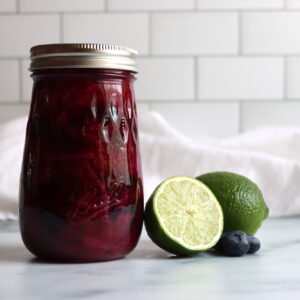
Blueberry Lime Marmalade
Equipment
- Canning Jars, Lids and Bands
- Large Heavy Saucepan
- Candy Thermometer
Ingredients
- 1 lb limes, washed and scrubbed
- 2 cups water, for simmering (plus more for soaking)
- 2 cups blueberries, fresh or frozen
- 2½ cups granulated sugar
Instructions
- Wash and scrub limes with hot water. Quarter each lime lengthwise, then slice each quarter crosswise into very thin slices (about 1/8 inch). Remove and discard seeds.
- Place sliced limes in a large bowl and cover with water. Let soak overnight (at least 8 hours) at room temperature to soften peel and reduce bitterness.
- Drain soaking water and discard. Transfer lime slices to a large heavy saucepan with 2 cups fresh water. Bring to a boil, reduce to simmer, and cook 10-15 minutes until peel is very tender.
- Add blueberries and sugar, stirring until sugar dissolves. Increase heat and bring to a full rolling boil, stirring frequently.
- Continue cooking until marmalade reaches 220°F or passes the cold plate test (8 to 10 minutes). Skim foam.
- Ladle hot marmalade into prepared jars, leaving 1/4 inch headspace. Wipe rims, center lids, and apply bands to fingertip tight.
- Process in a boiling water bath canner for 10 minutes for half pints, adjusting for altitude. Let stand in canner 5 minutes before removing.
Notes
Don’t Skip the Overnight Soak
The overnight soak softens the peel and draws out bitter compounds. It also helps extract natural pectin. Skipping this step results in tough, overly bitter peel.Testing for Gel
The gel point is 220°F at sea level. Use the cold plate test: place a spoonful on a chilled plate and push with your finger. If it wrinkles and holds its shape, it’s ready.Altitude Adjustments
- 0 to 6,000 feet: 10 minutes
- Above 6,000 feet: 15 minutes
Nutrition
Nutrition information is automatically calculated, so should only be used as an approximation.
Lime Canning Recipes
Find the perfect recipe
Searching for something else? Enter keywords to find the perfect recipe!