This post may contain affiliate links. Please see our disclosure policy.
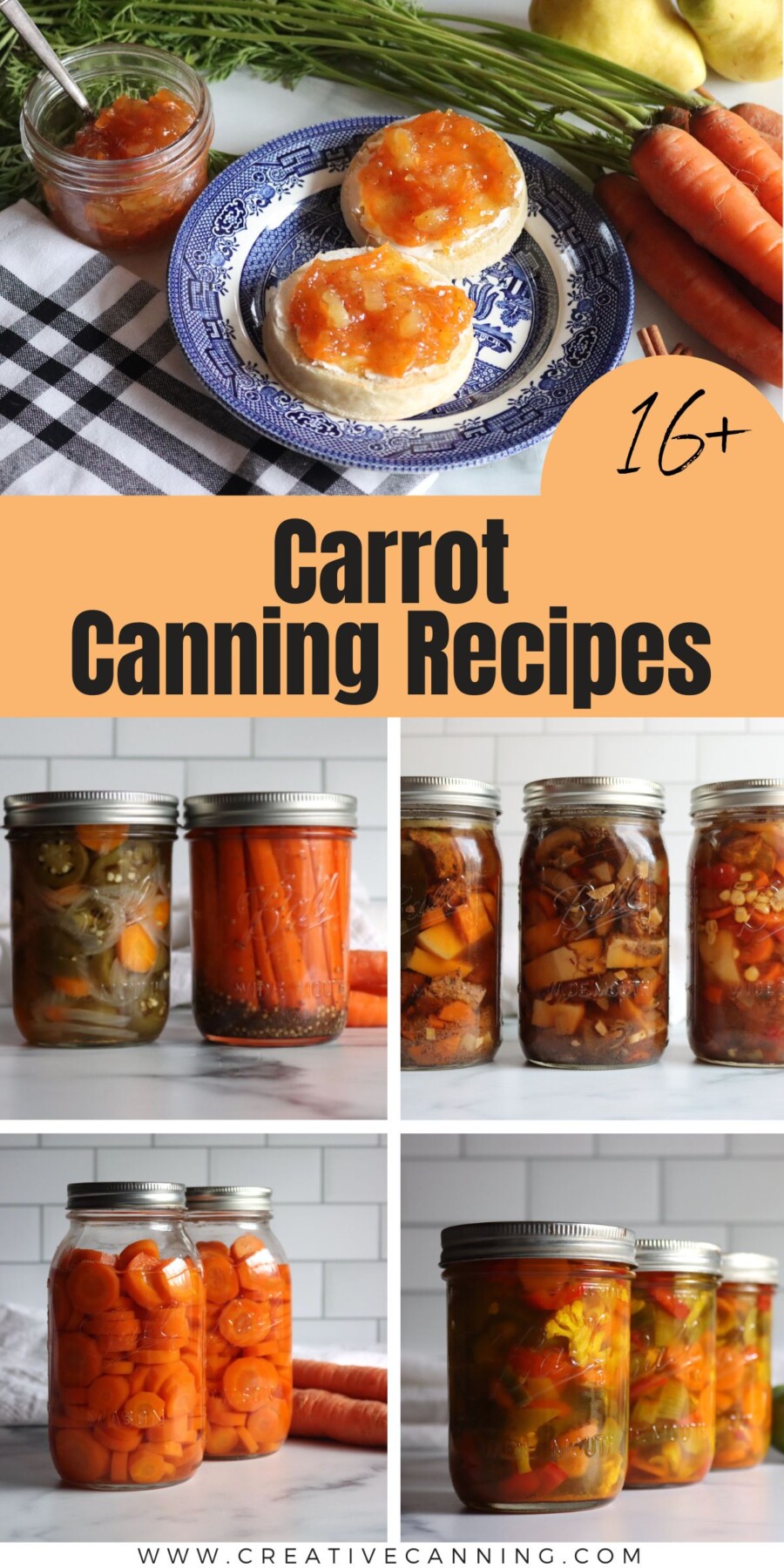
Carrot canning recipes are a smart way to handle a big carrot harvest, since carrots keep their sweet flavor in a jar and turn up in everything from quick weeknight sides to crisp pickles and creamy soups. A long row of carrots can fill a whole shelf, and a few home-canned jars mean you’ve always got a vegetable ready without a trip to the store.
Carrots store well in the ground and in a root cellar, but root cellars aren’t exactly common these days. Even here on our off-grid homestead in Vermont, where we do have a root cellar, I find it hard to maintain humidity to keep carrots (though we store apples, garlic, and potatoes just fine). But carrots are perfect for canning, so that’s how I put them up.
Canning carrots lets me put up a big batch at once, and having a few different styles on hand keeps things interesting through the winter instead of opening the same jar of plain carrots every night.
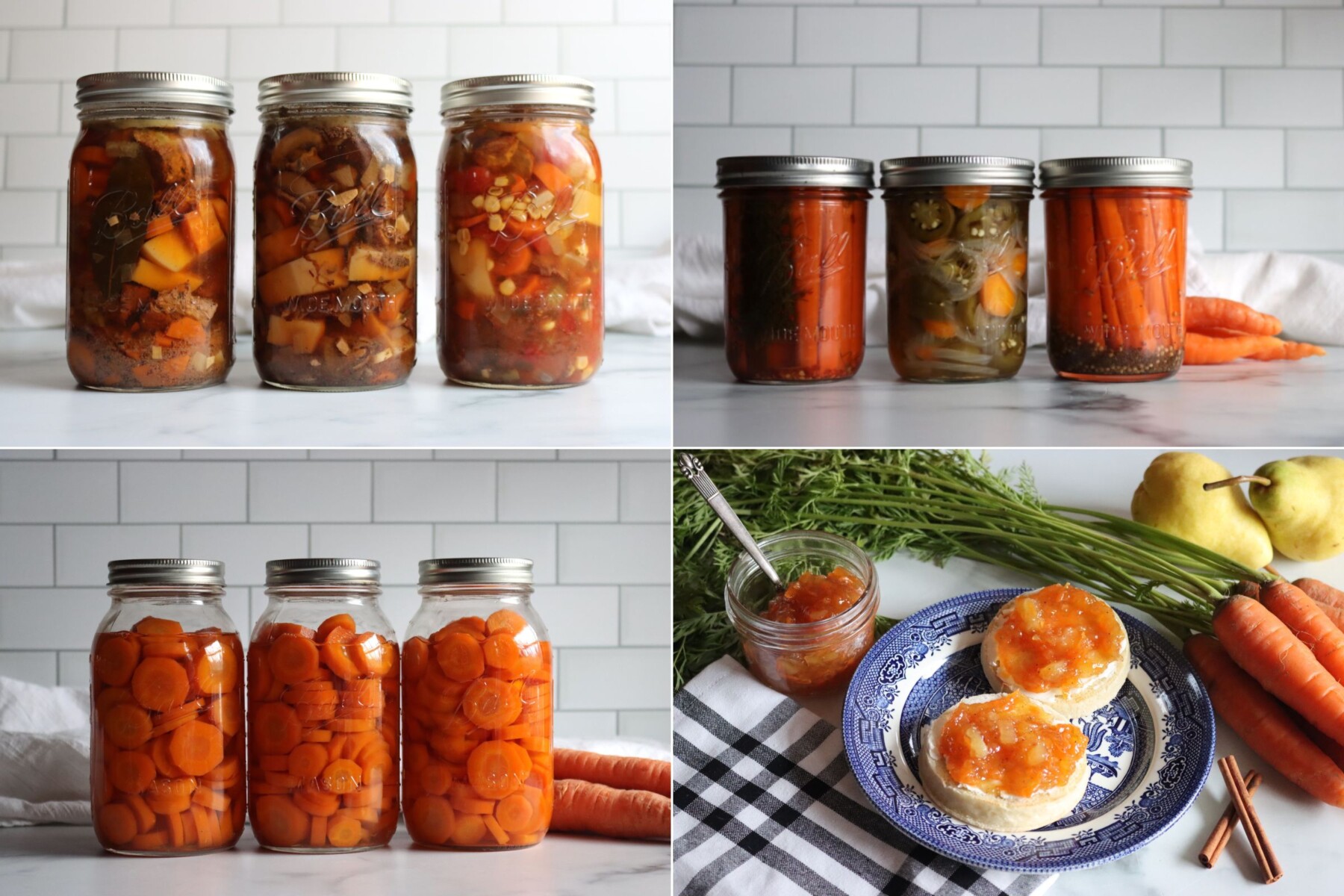
There’s a lot you can do with a carrot in a jar. You can can them plain as a simple side, pickle them into a sweet-tart snack, fold them into a chow chow or piccalilli, simmer them into soup, build them into a full meal in a jar, or even cook them down into a sweet carrot cake jam. Carrots are a root vegetable, so they sit nicely alongside the rest of my root vegetable canning recipes, and the canning method depends on what you’re making.
Plain carrots and carrot soups are low acid, which means they have to be pressure canned for safe storage. Pickles, salsa, relish, and carrot cake jam all get their safety from added vinegar or other acid, so those go through the water bath canner instead.
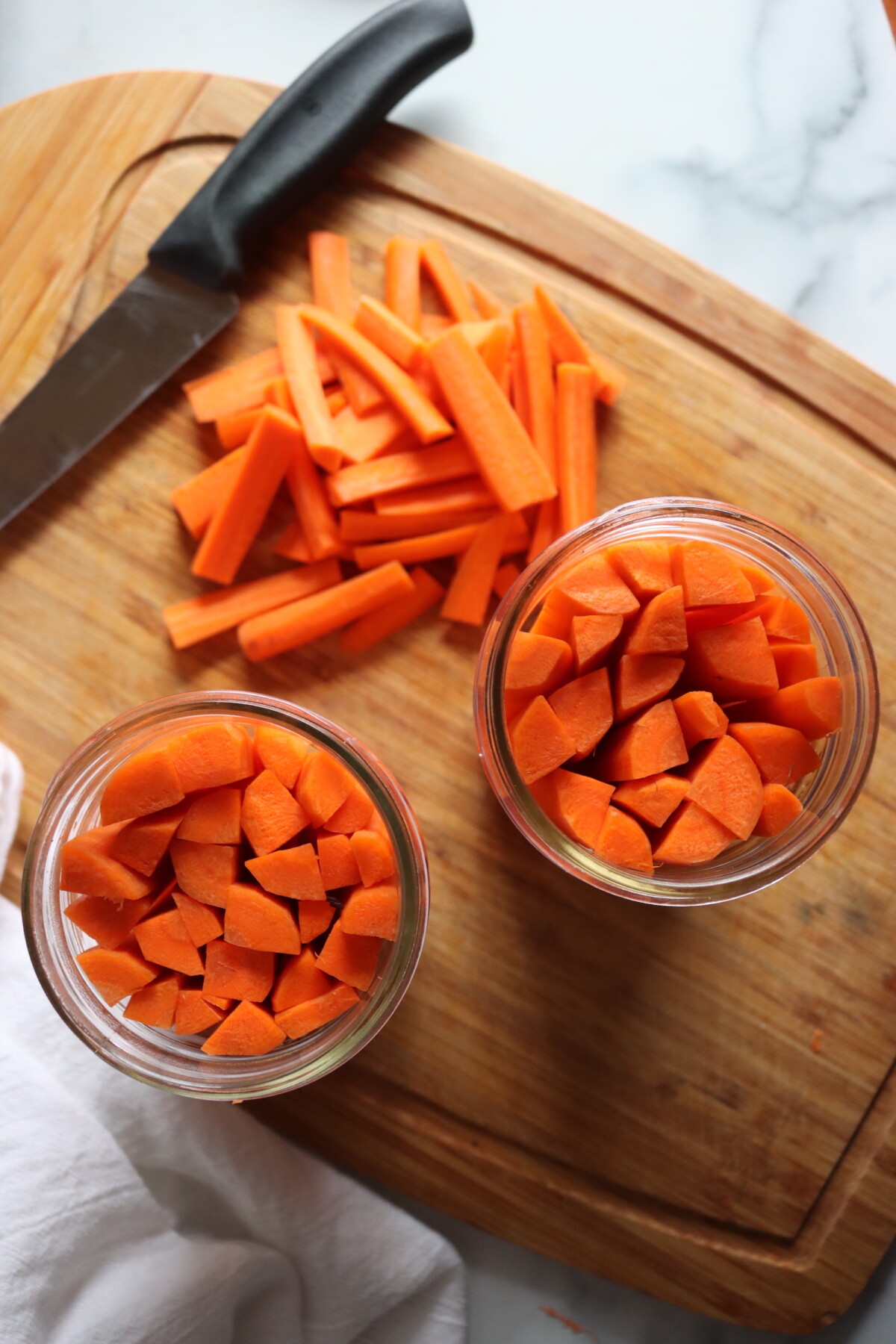
Canning Plain Carrots
Canning carrots plain, packed in water, gives you a jar that drops straight into soups, stews, pot roasts, and quick sides. Since carrots are low acid, this has to happen in a pressure canner, and there’s no water bath version that’s safe. The tested directions are for sliced or diced carrots, so skip canning them whole or in long sticks.
Home-canned carrots come out soft, which is exactly what you want when they’re headed into a stew or getting mashed. I keep jars on the shelf with the rest of my canned vegetables and reach for them on busy nights when dinner needs to come together fast.

Pickled Carrots
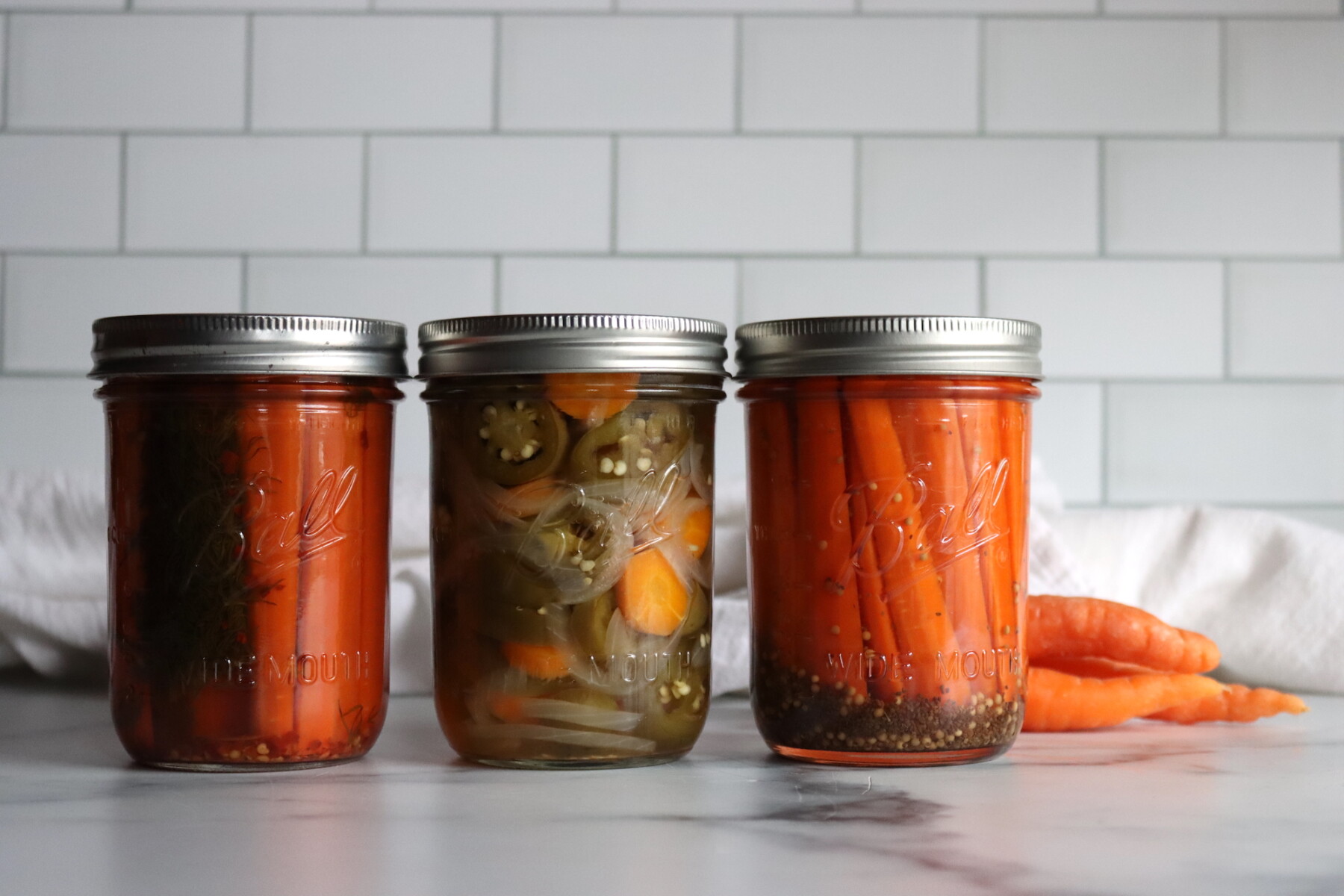
Pickled carrots are where carrots get fun. The vinegar brine keeps them crisp-tender and bright, and the acidity means they process in a water bath canner instead of a pressure canner. They’re good on a snack plate, chopped into salads, or piled on a sandwich, and the spices are easy to adjust to your taste as long as you keep the vinegar ratio the same.
I keep a couple of styles going. There’s a classic pickled carrots recipe built on the tested NCHFP brine, and a dill pickled carrots version for something more savory. From there it’s worth branching into other traditions, since carrots take beautifully to a spicy taqueria-style brine. They all fit in with the rest of my pickling recipes if you want to keep the canner busy.
- Classic Pickled Carrots
- Dill Pickled Carrots
- Pickled Baby Carrots (NCHFP)
- Mexican Pickled Carrots (Escabeche)
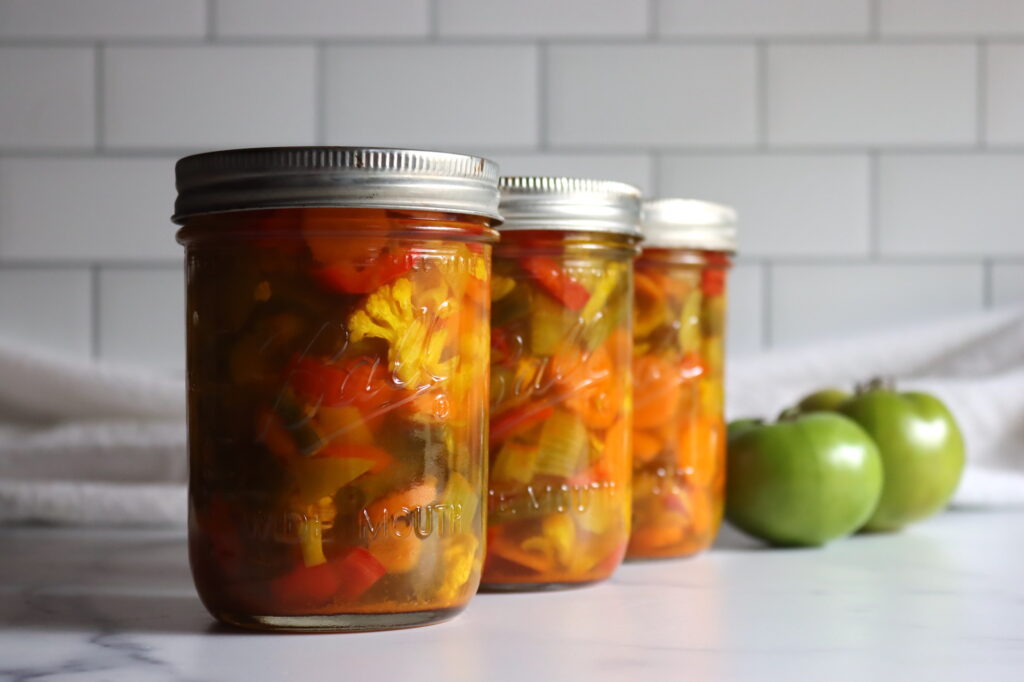
Carrot Relish, Chow Chow & Piccalilli
Carrots turn up in a lot of old-fashioned relishes, especially the chunky mustard-pickle styles. Piccalilli and chow chow both fold carrots in with cabbage, peppers, and other firm vegetables in a tangy, mustardy brine, where the carrots hold their texture and add a little sweetness. These all get their safety from vinegar, so they’re water bath recipes.
I’ve got a whole cluster of these on the site. My English-style piccalilli is carrot-forward, and a lot of the chow chows lean on carrots too. You can dig into the full set in my chow chow and piccalilli roundup, and there’s a tested carrot pepper salsa below if you’re after something closer to a salsa.
- Amish Chow Chow
- Piccalilli (English Style Mustard Pickles)
- Carrot Pepper Salsa
- Spicy Habanero Carrot Butter (Tested Recipe)
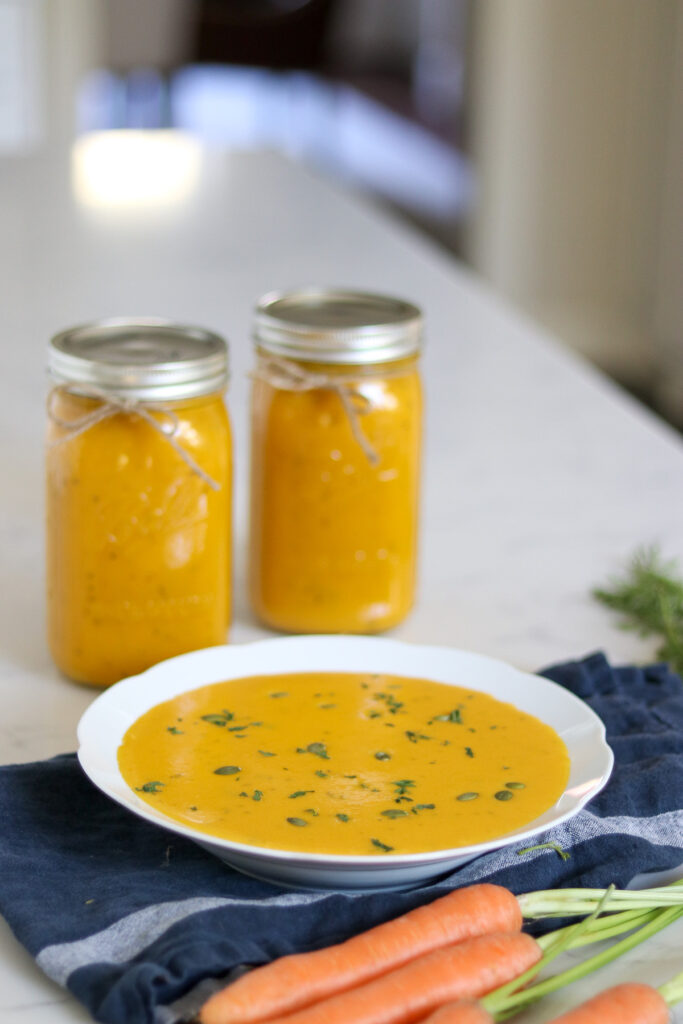
Carrot Soups
Carrot soup might be the most practical thing you can do with a glut of carrots, since the soft canned texture is no downside once everything gets pureed. Like plain carrots, carrot soup is low acid and has to be pressure canned. Keep in mind that the soup goes in the jar plain, without any dairy, flour, or butter, and you stir those in at serving time instead.
I keep a carrot soup on the shelf that’s adapted from a tested Ball recipe, and it takes well to a Thai or curried treatment when you finish it with coconut milk. It sits alongside the rest of my vegetarian soup canning recipes, ready to heat and eat.
Carrots in Meals & Stews
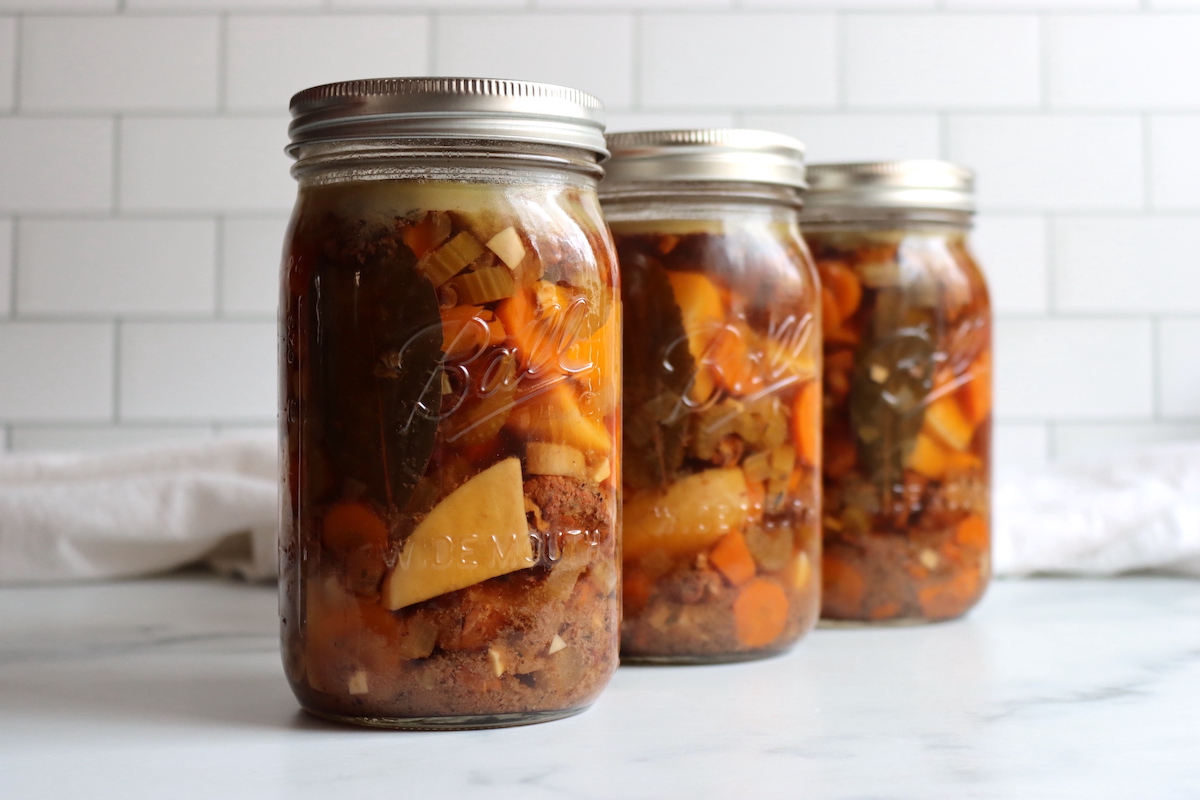
Carrots are a backbone vegetable in canned meals, where they add sweetness and body to stews and soups you can pull off the shelf and heat in minutes. Since these are low acid and usually include meat, they’re pressure canned, and the carrots go in along with everything else rather than on their own.
A lot of my pressure-canned meals lean on carrots. Beef stew is the obvious one, but they also show up in vegetable soups and chicken dishes throughout the pantry. For the full range, my meal in a jar canning recipes and beef stew canning recipes roundups will keep your canner running all winter.
Carrot Cake Jam
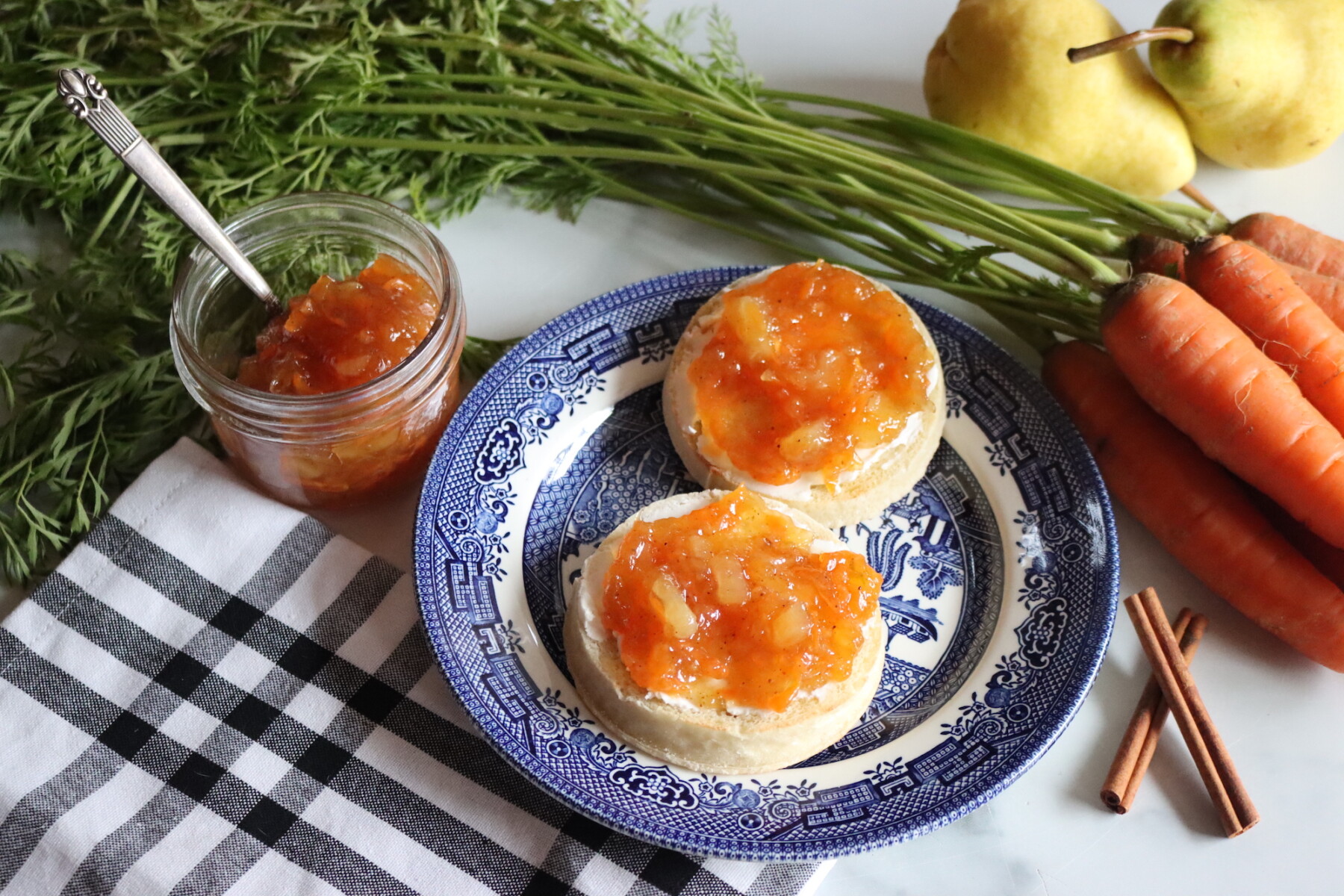
Carrot cake jam is the recipe that surprises people. It tastes like the inside of a carrot cake, all warm cinnamon, nutmeg, and sweetness, spread on toast or stirred into yogurt. It works in a water bath canner because the carrots are balanced out with pineapple, lemon juice, sugar, and pectin, which together bring the acidity and set into safe territory.
The original comes from Ball, and a few sites publish their version of the same tested recipe. Because the acid balance matters here, this is one to make as written rather than improvising on the fruit and lemon amounts.
However you put them up, carrots are one of the more useful things to have lining the pantry shelf. A row in the garden can turn into plain jars for weeknight sides, crisp pickles for snacking, a few chow chows for the relish tray, and enough soup and stew to carry you through the cold months. Pull out whichever method fits your harvest, and you’ll be glad you did come January.
Vegetable Canning Recipes
Looking for more ways to fill your pantry shelf with the garden harvest?