This post may contain affiliate links. Please see our disclosure policy.
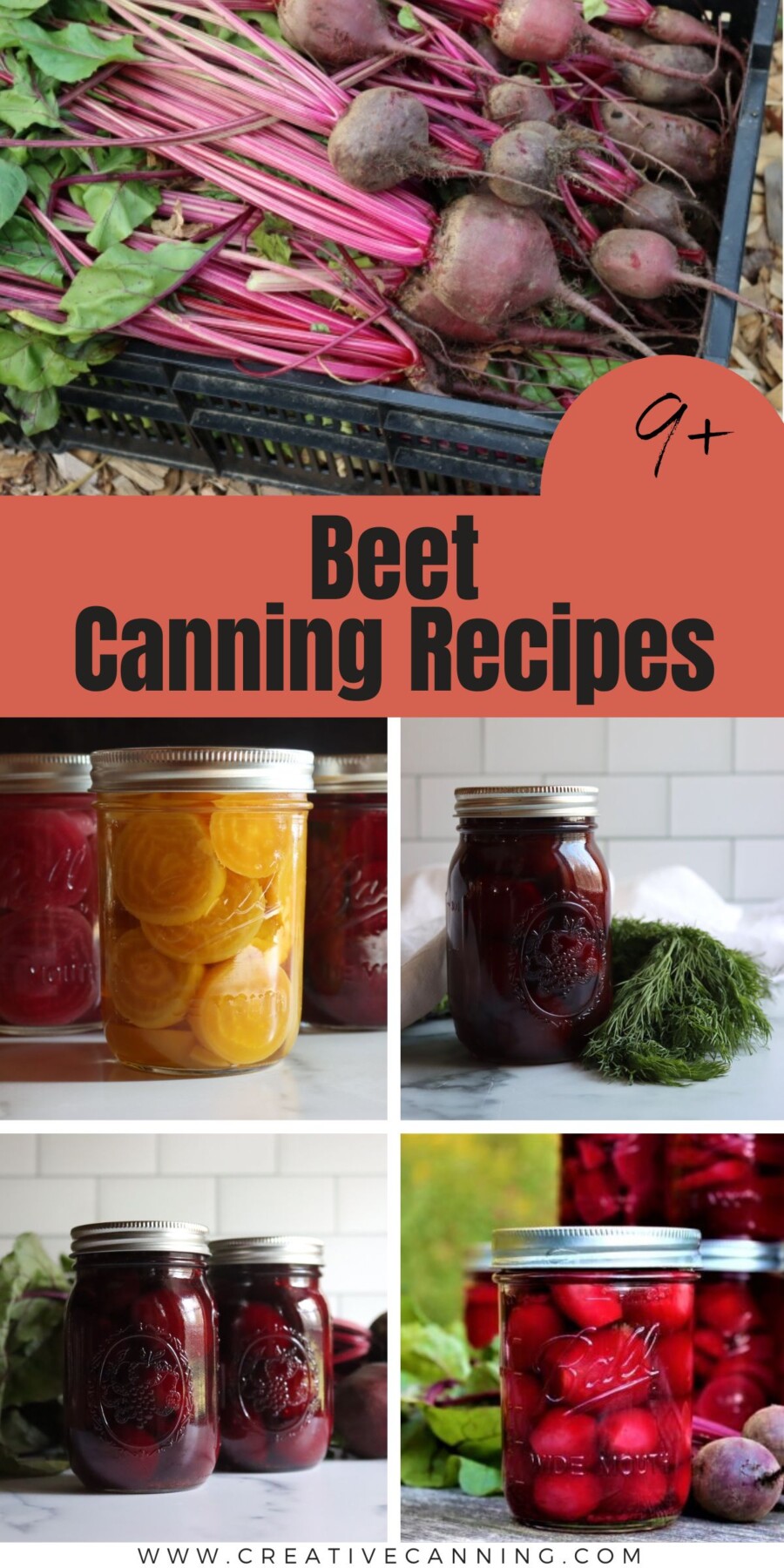
Beet canning recipes are a practical way to handle a big beet harvest, since beets hold their deep color and earthy-sweet flavor in a jar far better than most root vegetables. A few rows of beets can turn into a whole shelf of pickles, relish, and soup, and they taste just as good in the middle of winter as they did the day you pulled them.
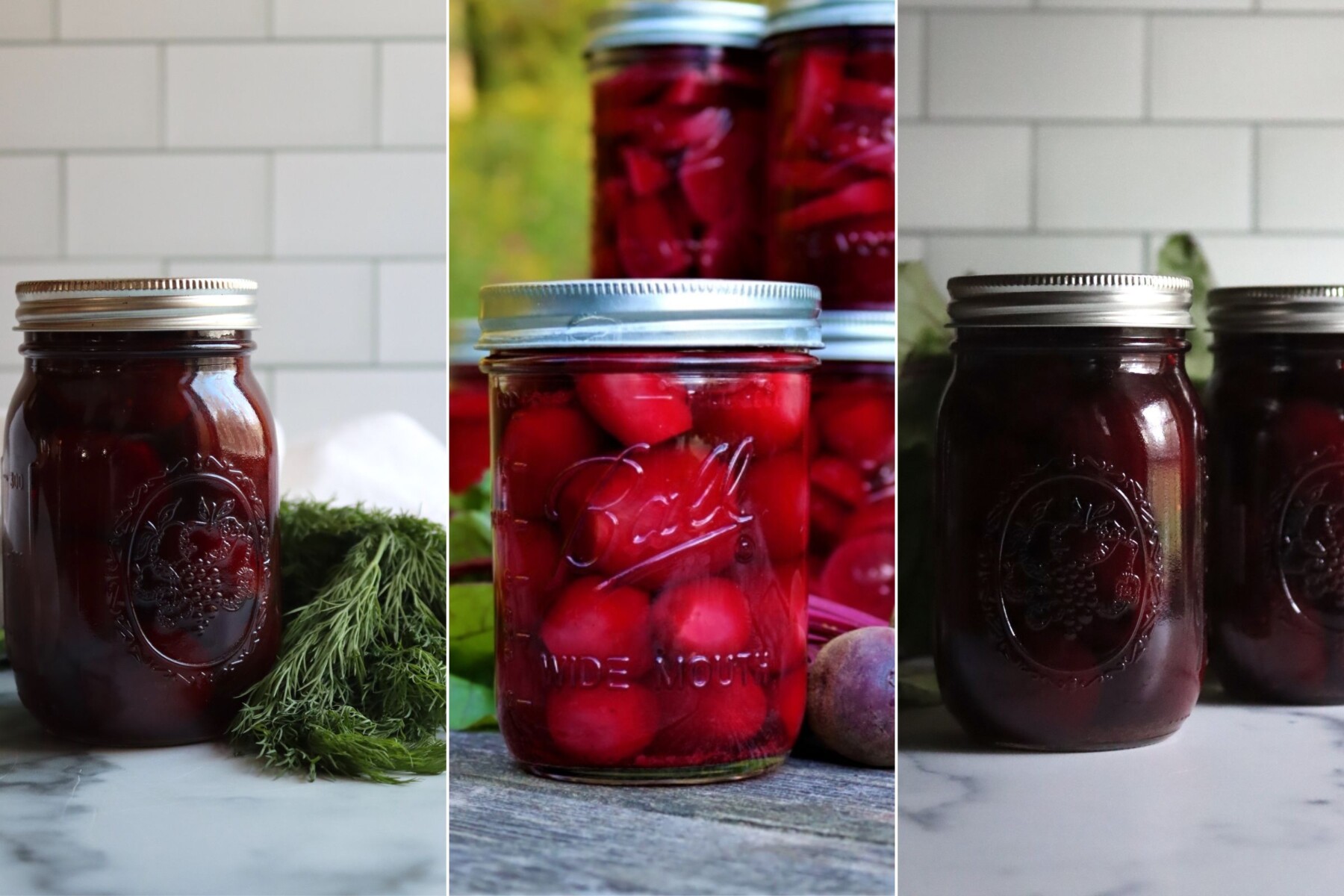
Beets are one of those crops that come in all at once, and there’s a limit to how many you can roast for dinner before they start going soft in the crisper drawer. Canning lets me put up the whole harvest at once, and I like having a few different kinds on the shelf so I’m not eating the same pickled beets every single night.
There’s more than one way to put beets in a jar, too. You can can them plain as a simple side, pickle them into a sweet-tart classic, chop them into a relish, or cook them down into borscht. Beets are a root vegetable, so they fit right in with the rest of my root vegetable canning recipes, and the methods split neatly depending on what you’re making.
Plain beets and beet soups are low acid, which means they have to be pressure canned for safe storage. Pickled beets and relish get their safety from added vinegar, so those go through the water bath canner like any other pickling recipe.
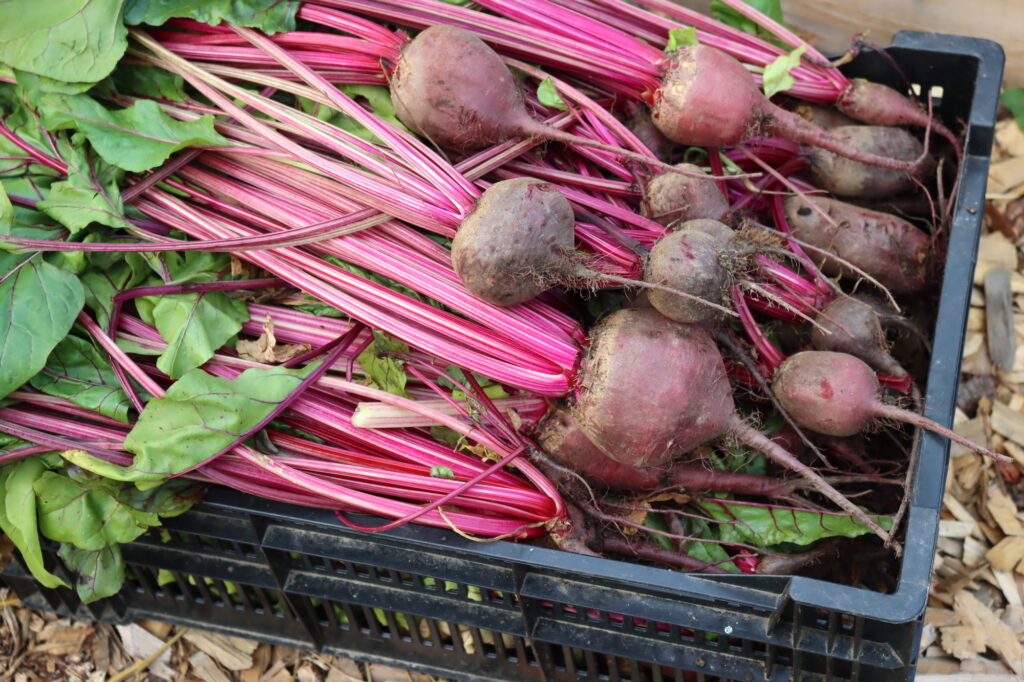
Canning Plain Beets
Canning beets plain, packed in water, gives you a jar you can use anywhere a recipe calls for cooked beets. Since beets are low acid, this has to happen in a pressure canner, and there’s no water bath version that’s safe. The beets get cooked and peeled first, then packed whole, sliced, or cubed and covered with boiling water before processing.
Home-canned plain beets come out tender, so they shine warmed as a side, tossed into salads, or blended into soup later on. I reach for them when I want beets on the plate without roasting a fresh batch, and they keep my pantry stocked next to the rest of my canned vegetables.
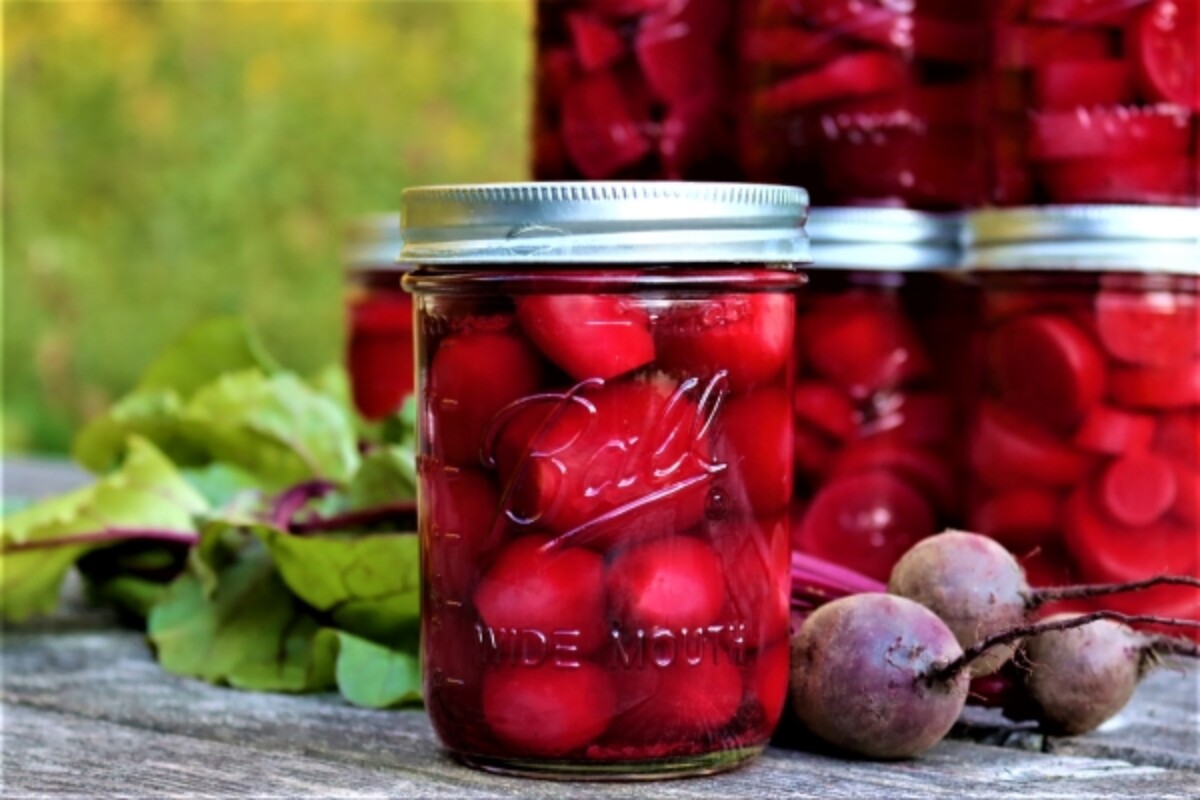
Pickled Beets
Pickled beets are probably the place most people start, and for good reason. The vinegar brine balances the natural sweetness of the beets, and it lets you process them in a water bath canner instead of pulling out the pressure canner. The classic version leans sweet and spiced, but there’s plenty of room to make them your own.
I keep a couple of styles on the shelf. There’s a classic pickled beets recipe with the warm spices most people grew up with, and a dill pickled beets version that trades the sugar-forward profile for something more savory. Beyond those, golden beets make a milder jar that won’t stain everything it touches, which is worth knowing if red beets always end up all over your kitchen. They all fit alongside the rest of my pickling recipes if you want to keep your canner running.
- Classic Pickled Beets
- Dill Pickled Beets
- Pickled Golden Beets
- Spiced-Orange Pickled Beets (citrus and warm spice, with onion)
- Fennel, Anise & Herb Pickled Beets (three savory herb variations in one recipe)
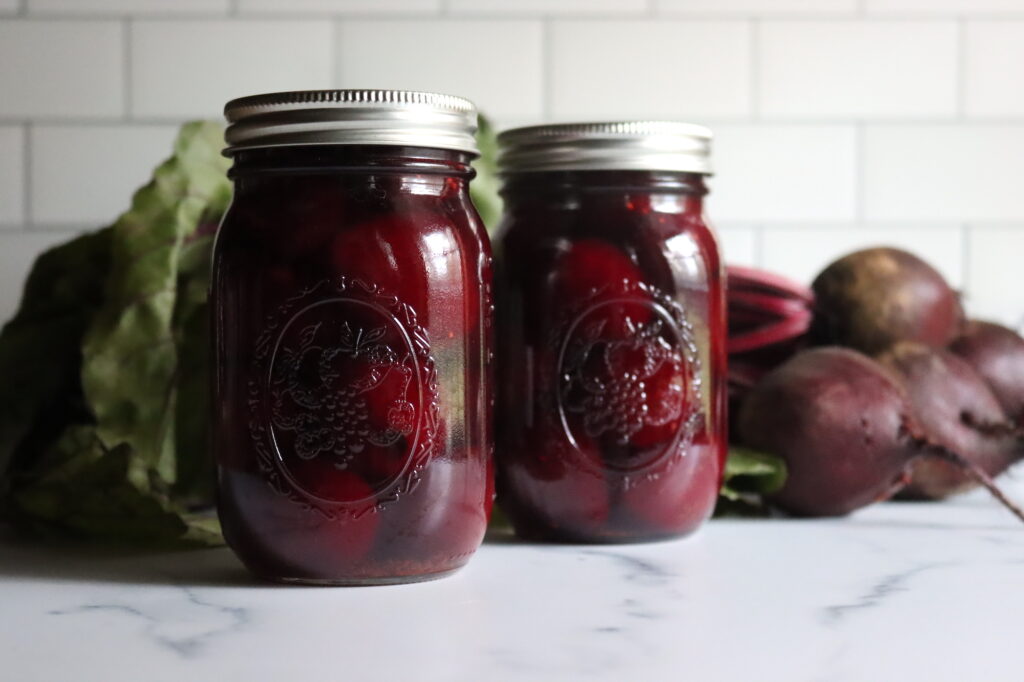
Beet Relish & Chutney
Beet relish is an old-fashioned condiment that deserves more attention than it gets. It’s usually a chopped mix of beets with cabbage, onion, and a little horseradish for bite, cooked down in a sweet-and-sour brine until it lands somewhere between a pickle and a chutney. It’s lovely next to roast meats, piled on a sausage, or spooned onto a plate with some sharp cheese.
Because relish is acidified with vinegar, it processes safely in a water bath canner. The two recipes below are closely related, both built on the Ball and Bernardin red root relish formula, so you’re starting from a tested base rather than guessing at proportions.
- Red Root Relish (with horseraddish)
- Red Cabbage and Beet Relish
- Beet Chutney (sweet, gingery, and warmly spiced)
- Beet Chutney (with orange and warm spices)
Beet Soup & Borscht
Borscht is a satisfying way to put up a big beet harvest, since a few jars on the shelf mean a hearty bowl of soup is only a few minutes away. Like plain beets, beet soup is low acid and has to be pressure canned, and the recipe below walks through both canning the beets and turning them into a shelf-stable borscht.
I think of canned borscht as the start of a meal rather than the whole thing. You heat it through, finish it with a spoonful of sour cream and some fresh dill, and you’ve got a quick supper that tastes like a lot more effort than it actually took. It sits on the shelf with the rest of my vegetarian soup canning recipes.
I’m currently developing a safe beet soup canning recipe, so check back soon!
Vegetable Canning Recipes
Looking for more ways to fill your pantry shelf with the garden harvest?