
This post may contain affiliate links. Please see our disclosure policy.
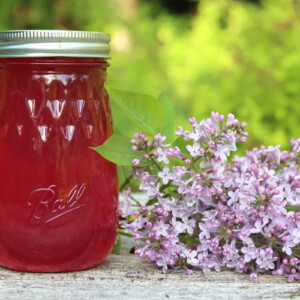
Lilac jelly is a lovely way to hold onto lilac season and enjoy it long after the flowers have faded. With its light, floral sweetness, it’s a treat to keep for yourself or share as a homemade spring gift.
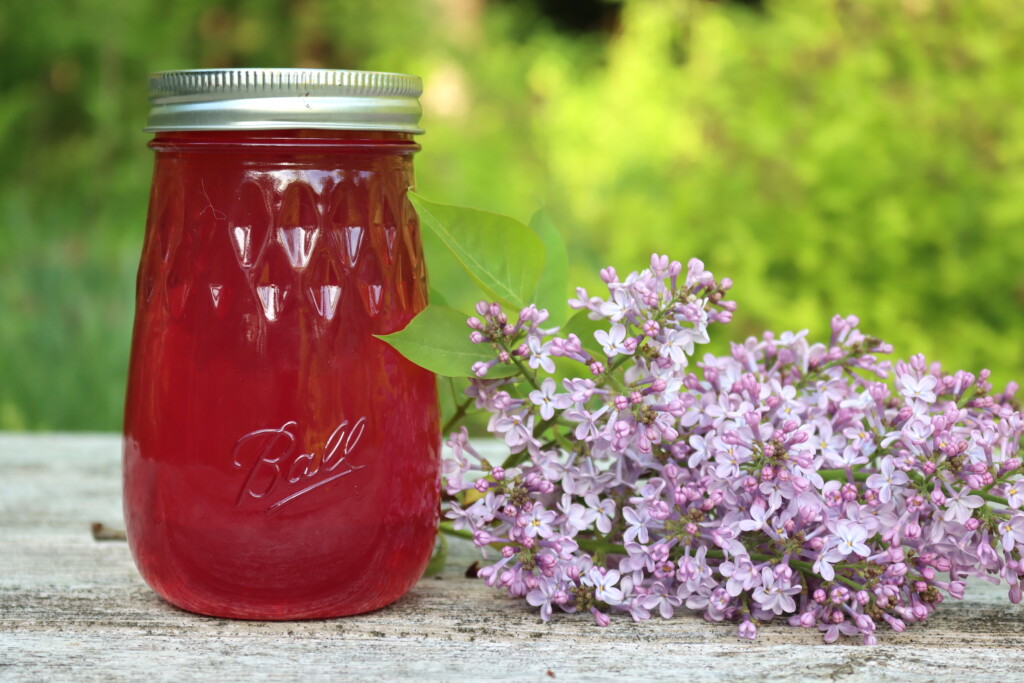
Table of Contents
- Notes from My Kitchen
- Quick Look at the Recipe
- What Does Lilac Jelly Taste Like?
- Tips for Success
- Identifying and Harvesting Lilac
- Ingredients for Lilac Jelly
- Low Sugar Options
- How to Make Lilac Jelly
- Canning Lilac Jelly
- Altitude Adjustments
- Ways to Use Lilac Jelly
- Lilac Jelly FAQs
- Flower Jelly Recipes
- Lilac Jelly Recipe
- Jelly Canning Recipes
This recipe has been reviewed for safety and accuracy by a Master Food Preserver certified through the University of Cornell Cooperative Extension.
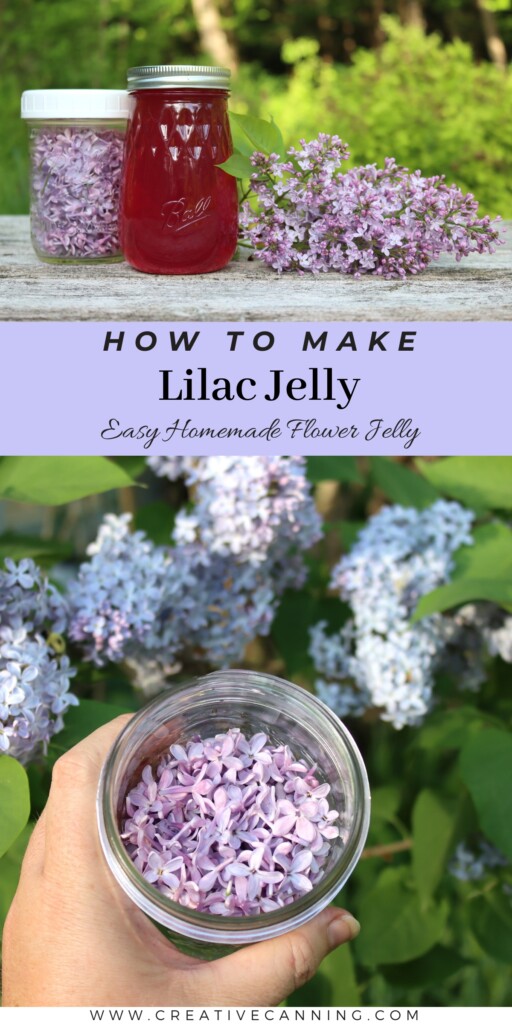
Lilacs are one of the sweetest signs of spring. Their heady, nostalgic fragrance fills the air for just a short window each year, and making lilac jelly is a way to capture that fleeting season in a jar. The preserve is light, delicate, and aromatic, with a gentle sweetness and a hint of citrus, lovely on scones, drizzled over yogurt, or tucked into a spring gift basket.
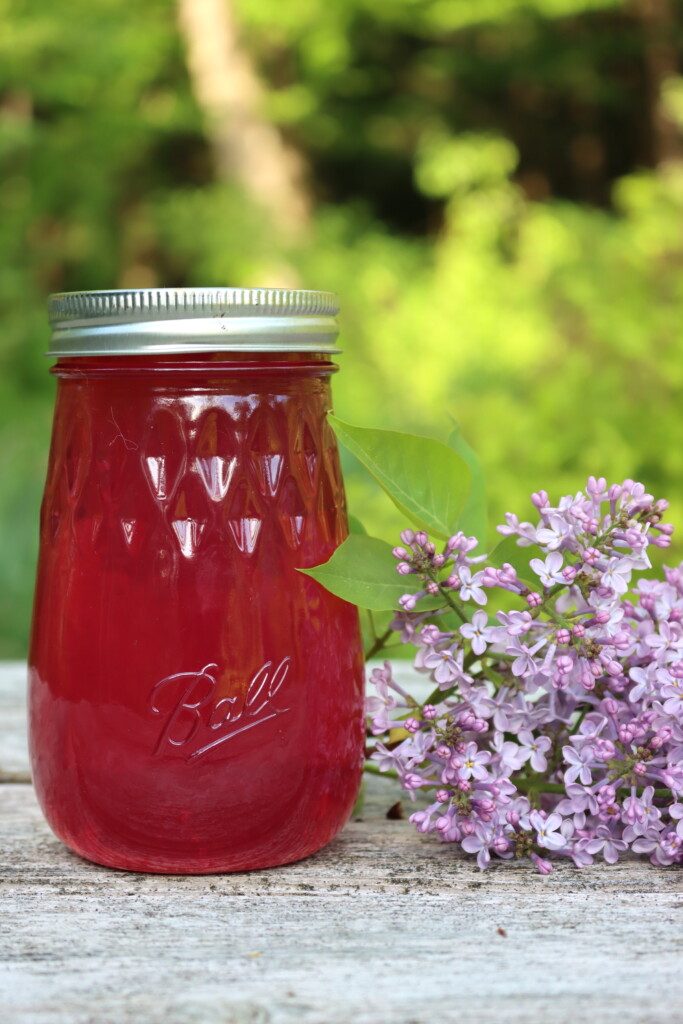
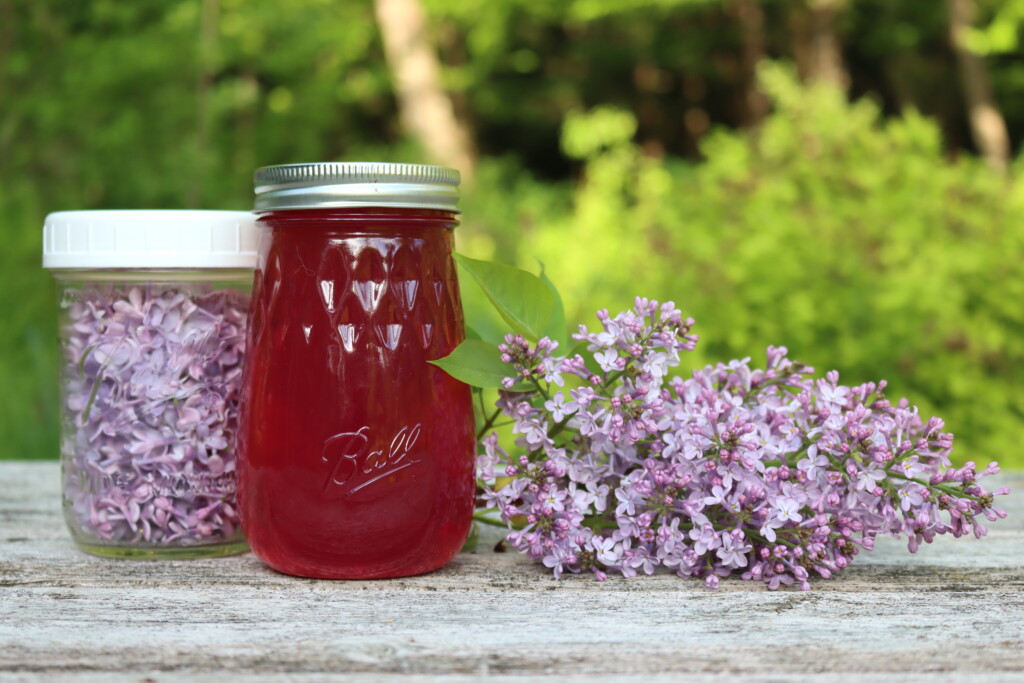
Lilac jelly is built on a floral infusion, basically a tea made from lilac petals. The flavor is gorgeous, but lilacs don’t give up much color on their own, so the jelly turns out pale. If you want that romantic purple in the jar, dropping a few blueberries or blackberries into the steeping water brings the color to life without changing the flavor.
Notes from My Kitchen

Lilac season is so short up here that I feel a little pressure to make the most of it while the blooms last. Putting up a few jars of jelly is how I stretch that smell out past the couple of weeks the bushes are actually flowering, and cracking one open in the middle of winter brings the whole spring right back.
My favorite way to eat it is the simplest, spread on a warm biscuit or scone. It’s gentle enough that it doesn’t overwhelm, and it pairs nicely with a mild cheese if you want to put it out for company.
Quick Look at the Recipe
- Recipe Name: Lilac Jelly
- Recipe Type: Flower Jelly Recipe
- Canning Method: Water Bath Canning
- Prep/Cook Time: 30 Minutes
- Canning Time: 10 Minutes
- Yield: 5 to 6 half-pint jars
- Jar Sizes: Quarter Pint, Half Pint, or Pint
- Headspace: 1/4 inch
- Ingredients Overview: Lilac blossoms, water, lemon juice (not optional), sugar, pectin, and a few berries for color (optional)
- Difficulty: Easy! You’re basically making a floral tea and setting it with pectin.
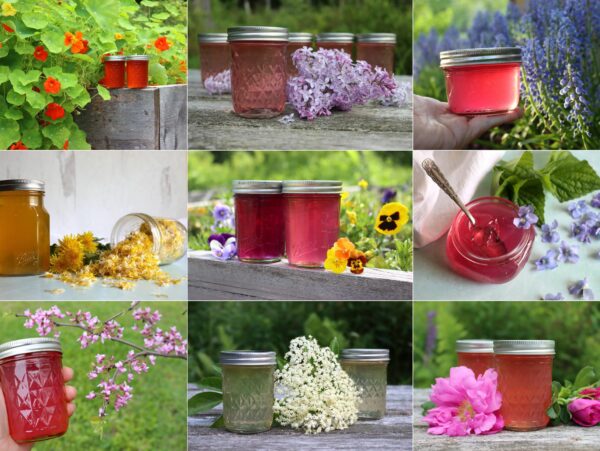
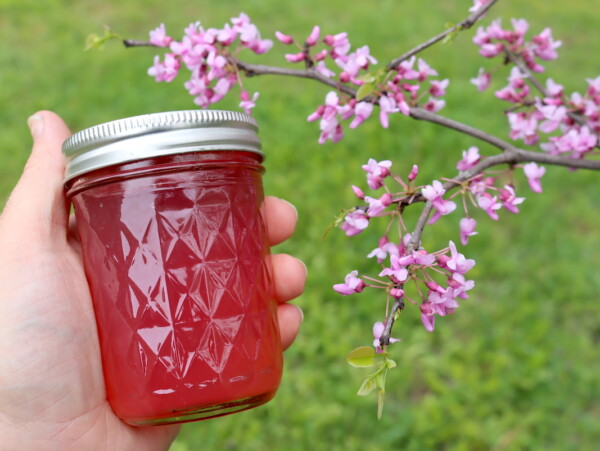
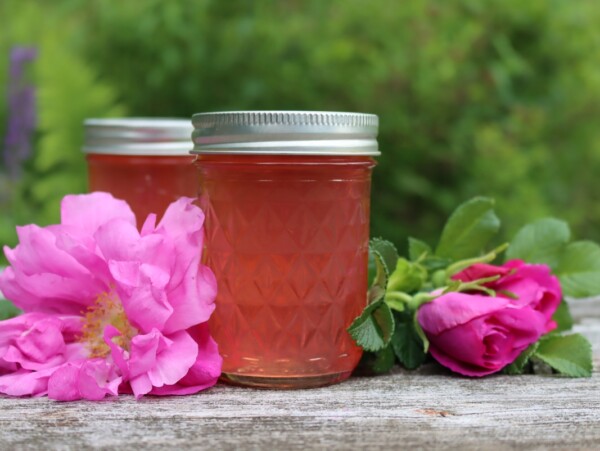
- Similar Recipes: The same steep-and-set method makes other garden flower jellies, including Peony Jelly, Forsythia Jelly, Pansy Jelly, Tulip Jelly, and Rose Petal Jelly.
What Does Lilac Jelly Taste Like?
Lilac jelly tastes both delicate and bright. The flavor is mild and floral, somewhere in the neighborhood of honey or lavender without being overpowering, and there’s a little tang from the lemon juice that keeps it fresh. It captures the lightness of that lilac smell hanging in the spring air.
It isn’t as bold as a fruit jelly, but it has a quiet elegance that pairs well with mild cheeses or a warm slice of bread. On its own, it’s pale gold unless you’ve added a few berries to the steep, in which case it takes on a soft purple blush.
Tips for Success
The single most useful thing you can do is taste before you commit to a batch. Steep a small cup of lilac tea, stir in a little sugar, and let it cool enough to taste.
Most lilacs are lovely, but the flavor varies a lot from plant to plant. We have six varieties on our land, and five of them make wonderful jelly, each with its own character, some leaning toward berry and others more floral. The sixth just isn’t good, so I never use it for anything edible. Lilacs are a bit like wild apples that way, every bush its own flavor, and a quick taste saves you from a big batch you won’t enjoy.
When you’re ready to make the jelly, pull the green base and any stems off the blossoms before steeping, and use only the fragrant petals. Those green parts are bitter, the same as they are with forsythia, and they’ll carry that bitterness right into the finished jelly.
Identifying and Harvesting Lilac
Lilac is an easy shrub to know, with its big, cone-shaped clusters of small four-petaled flowers in shades of purple, lavender, and white, and that unmistakable scent. Common lilac (Syringa vulgaris) is the one most people grow, and its flowers are the ones you want. Pick from bushes that haven’t been sprayed, and skip any near busy roadsides.
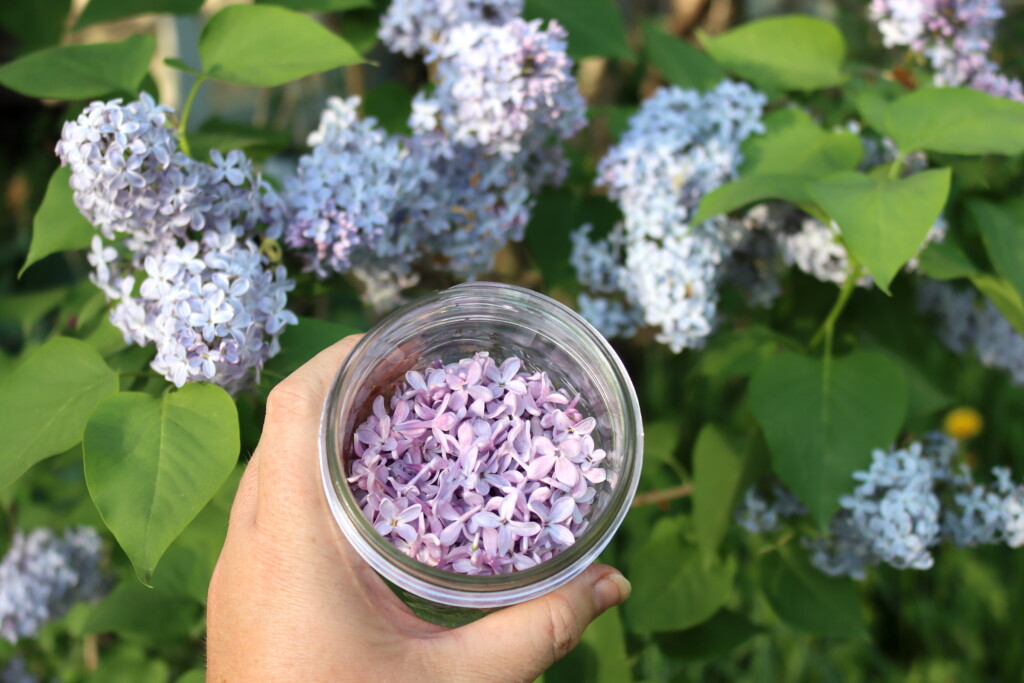
Choose clusters that are fully open and free of browning or insect damage, and gather them in the morning once the dew has dried. You’ll want 2 to 4 cups of petals for a batch, pulled free of the green parts and stems. The more petals you use, the more pronounced the floral flavor.
Ingredients for Lilac Jelly
Lilac jelly uses the same handful of ingredients as other flower jellies: fresh blossoms steeped into a tea, then set with sugar, pectin, and a bit of lemon juice for balance and safety.
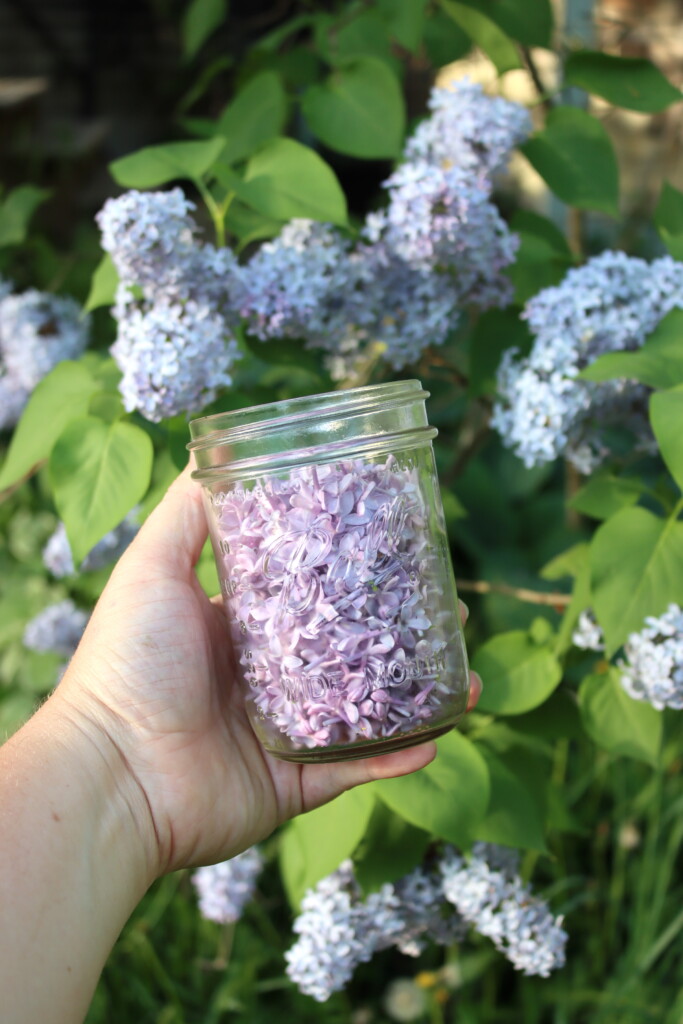
- Lilac Blossoms: Use only the fragrant petals, with the stems and green parts removed, since those add bitterness. Pick fully open clusters from a bush that hasn’t been sprayed.
- Water: Water steeps the petals into lilac tea, the base for the jelly. Use clean filtered water if your tap has a strong chlorine taste, which can muddy the delicate floral flavor.
- Lemon Juice: The lemon juice adds brightness, balances the floral sweetness, helps the pectin set, and lowers the pH enough to make the jelly safe for canning. Use bottled lemon juice for consistent acidity. For a more neutral flavor, you can use about 1 teaspoon of citric acid powder in place of the 1/4 cup of lemon juice.
- Sugar: Regular powdered pectin needs plenty of sugar to gel, so this recipe uses the current Sure Jell ratio of 5 cups sugar to 4 cups of liquid for a classic old-fashioned jelly that sets reliably. There’s a lower-sugar option in the block just below.
- Pectin: Use regular powdered pectin (like Sure Jell), which is dependable and gives a consistent set.
- Blueberries or Blackberries (optional): A few berries muddled into the steeping water tint the jelly a soft purple without changing the flavor, since lilacs don’t release much color on their own.
Low Sugar Options
For a lighter jelly, switch to a low-sugar pectin like Sure Jell low sugar pectin or Pomona’s Universal Pectin, both of which set with much less sugar, down to as little as 1 to 2 cups. If you reach for Pomona’s, raise the lemon juice to 1/2 cup, because it’s the one pectin here without added citric acid in the powder.
Pomona’s comes with its own calcium packet and behaves a little differently from the boxed powders, so follow the mint jelly directions that come with it. If it’s new to you, my guide on how to use Pomona’s pectin walks through it.
How to Make Lilac Jelly
Making lilac jelly isn’t much different from making any flower jelly, once you’ve pulled the petals free of the green parts. Just don’t skip the lemon juice, since it matters for both flavor and safe canning.
Prepare the Lilac Blossoms
Start with fully open lilac clusters, free of browning or insect damage. Gently pluck the petals, leaving behind all the stems and green parts, which would turn the jelly bitter.
Measure out 2 to 4 cups of petals into a heatproof bowl or quart mason jar. It takes a little patience, but it goes quickly once you settle into it.
Make the Lilac Tea
Bring 4 cups of water to a boil and pour it over the petals, making sure they’re fully submerged. If you want a hint of color, add 4 to 5 blueberries or blackberries and gently crush them with a spoon. Cover and steep for 15 to 20 minutes.
Strain the tea through a fine mesh sieve or cheesecloth to remove the petals and berries. You should have about 4 cups of fragrant lilac tea, the base for your jelly.
Add Lemon Juice and Pectin
Pour the tea into a large pot and stir in 1/4 cup of lemon juice. (The lemon balances the floral sweetness, helps the pectin set, and lowers the pH enough to make the jelly safe for canning, so don’t skip it even if you’re keeping it in the fridge.) Bring the mixture to a boil over medium-high heat.
Add one box of powdered pectin and stir until it’s completely dissolved, then let the mixture boil hard for 1 full minute before you add any sugar.
Add the Sugar
After that minute, add 5 cups of sugar. (Do NOT add the sugar before or at the same time as the pectin, or the jelly won’t set.) Stir until the sugar is fully dissolved, then bring everything back to a full rolling boil for 1 minute.
Take the pot off the heat and skim off any foam. Ladle the hot jelly into prepared jars, leaving 1/4 inch headspace.
Canning Lilac Jelly
Canning is optional. You can keep lilac jelly in the refrigerator for up to a month, or freeze it for up to 6 months in freezer-safe jars. I like processing it in a water bath canner, since it lets me keep that spring flavor on the pantry shelf year-round.
Prepare your canner, jars, and lids before you start, and it’s easy to get the canner up to a simmer while the petals steep. To can the jelly, be sure you’ve used the lemon juice, which lowers the pH enough for safe canning. After ladling the hot jelly into jars (leaving 1/4 inch headspace), wipe the rims with a clean, damp cloth, then center the lids and tighten the bands until fingertip tight.
Process for 10 minutes, then remove the jars to cool undisturbed on a towel for 24 hours, where you’ll hear the lids ping as they seal. Check the seals, refrigerate any that didn’t take and use them within a month, and keep sealed jars on the pantry shelf for 12 to 18 months. Refrigerate after opening.
Altitude Adjustments
For water bath canning, processing times increase at higher elevations:
- 0 to 6,000 feet: 10 minutes
- Above 6,000 feet: 15 minutes
Ways to Use Lilac Jelly
Lilac jelly is gentle enough to let the floral flavor come through, so it shines in simple settings. Spread it on warm biscuits, scones, or toast, swirl it into plain yogurt, or set it out with a mild cheese like brie or fresh chèvre on a cheese board.
It also makes a thoughtful gift, especially the berry-tinted version with its soft purple color. A few jars tucked into a spring basket, on their own or alongside other flower jellies, go over well.
Lilac Jelly FAQs
Lilacs don’t release much color into the tea, so the jelly comes out pale gold on its own. To get that purple color, muddle a few blueberries or blackberries into the steeping water. They tint the jelly without changing the lilac flavor.
Yes, the flowers of common lilac (Syringa vulgaris) are edible. Use just the petals, pulled free of the stems and green parts, and pick from a bush that hasn’t been sprayed with chemicals.
The usual reasons are adding the sugar at the same time as the pectin (the pectin needs its own full minute of boiling first), boiling too long after the sugar goes in, or scaling the batch up. Give it a day or two before deciding, and if it’s still loose, use it as a floral syrup or read through my guide on troubleshooting jelly set.
Yes. Use a low-sugar pectin like Sure-Jell Low Sugar or Pomona’s Universal Pectin and follow the mint jelly directions on the box. If you use Pomona’s, raise the lemon juice to 1/2 cup, because it’s the one without added citric acid in the powder. A lower-sugar batch will yield a little less.
Flower Jelly Recipes
If you tried this Lilac Jelly recipe, or any other recipe on Creative Canning, leave a ⭐ star rating and let me know what you think in the 📝 comments below!
And make sure you stay in touch with me by following on social media!
Lilac Jelly
Ingredients
For Lilac Tea
- 2 to 4 cups fresh lilac blossoms, only the petals, no stems or green parts
- 4 cups water
- 4 to 5 whole blueberries or blackberries, optional, for color
For Lilac Jelly
- 1/4 cup bottled lemon juice, or 1 tsp citric acid
- 4 cups lilac tea, strained from above
- 1 box powdered pectin, 1.75 oz or 6 Tbsp powdered pectin, see notes
- 5 cups granulated sugar
Instructions
- Pluck the lilac petals from the clusters, leaving behind all stems and green parts, which are bitter. Place the petals in a heatproof jar or bowl.
- Pour the boiling water over the petals so they’re fully submerged. For color, muddle in a few blueberries or blackberries. Cover and steep for 15 to 20 minutes.
- Strain the tea through a fine mesh sieve or cheesecloth to remove the petals and berries.
- Pour the tea into a large pot and stir in the lemon juice. Bring to a boil over medium-high heat.
- Whisk in the powdered pectin until dissolved and boil hard for 1 minute. Don’t add the sugar yet, or the jelly won’t set.
- Add all the sugar at once and stir to dissolve. Return to a full rolling boil and boil hard for exactly 1 minute. Remove from heat and skim off any foam.
- Ladle hot jelly into prepared jars, leaving 1/4 inch headspace. Wipe rims clean, center lids, and apply bands fingertip-tight.
- Process in a boiling water bath for 10 minutes, adjusting for altitude. Turn off heat and let jars rest 5 minutes before removing. Cool undisturbed for 12 to 24 hours before checking seals. If not canning, refrigerate up to a month or freeze up to 6 months.
Notes
Nutrition
Nutrition information is automatically calculated, so should only be used as an approximation.
Jelly Canning Recipes
Find the perfect recipe
Searching for something else? Enter keywords to find the perfect recipe!

HI Ashley,
Thanks for the delicious recipe! I’d like to can it just as a liquid. So I made the tea, added the lemon juice and 1/2 cup maple syrup as sweetener.
It tastes delicious and should be safe to waterbath right?
Thank you!
Boxed pectin adds A LOT of citric acid to the mix, and it’s a part of the equation that makes the jelly safe for canning. Without the added pectin it may not be quite acidic enough. I’d say you’re better off canning it as a lilac lemonade. The ratio of that is 6 cups water (or in this case lilac tea), 1 cup sugar and 1 cup lemon juice. Enjoy!
Perfect I’ll do that! Thank you!
Delicious and simple, this tastes more or less exactly how lilacs smell. Just make sure you pull off those little green sepals, as they can turn the jelly bitter. But with just the petals, it’s sweet, light and floral. Perfect!
That’s not true my lilac jam is a very pretty pink. I didn’t add anything but lilacs.
Oh interesting! Maybe some varieties of lilac do give color. We have several types and all of them came out clear-ish without a blueberry or two. That’s good to know that there are some that give good color!