This post may contain affiliate links. Please see our disclosure policy.
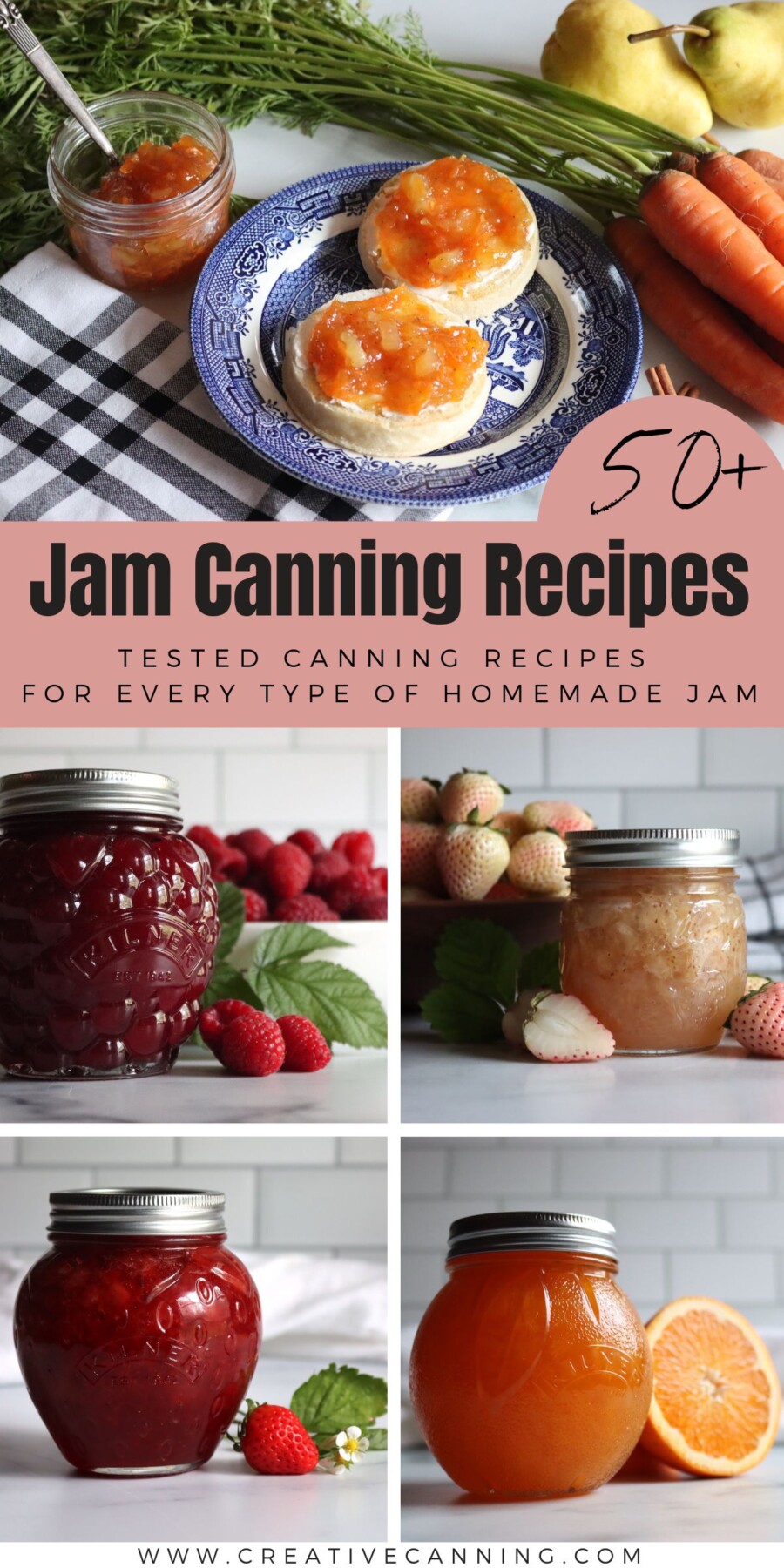
Jam canning recipes turn a few pounds of fruit and a bag of sugar into a pantry full of spreads that taste like summer in a jar. Unlike jelly, which is made from strained juice, jam keeps the crushed or chopped fruit right in the jar, so you get more texture, more flavor, and a lot less fuss with jelly bags and straining.
Table of Contents
Whether you’re working with a flat of June strawberries, a bucket of foraged blackberries, or windfall apples from the tree out back, there’s a jam recipe here to put that harvest up for the year.
Jam is approachable for canners at any skill level. With commercial pectin, you can have set jam in the jars in under an hour from start to finish. Without pectin, the process takes longer and asks for a little more patience at the stove, but many canners prefer the softer set and the savings on a box of pectin that runs about six dollars these days.
Either way, the basic process is the same. You cook crushed fruit with sugar and acid until it reaches the gel point, then process the filled jars in a water bath canner for shelf-stable preserves (or the refrigerator for immediate use).
Making Jam with Pectin
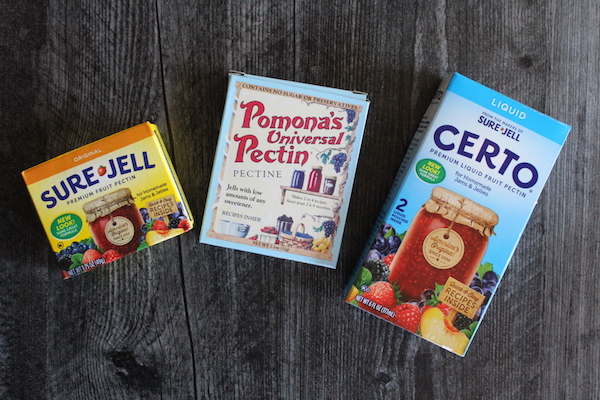
Commercial pectin takes the guesswork out of jam making, which is why it’s where most people start. A standard box of pectin will reliably set a batch of almost any fruit, even low-pectin ones like strawberries and peaches that struggle to gel on their own. Powdered and liquid pectin are added at different points in the cooking process, so always follow the directions that come with your specific type.
If you’d rather cut the sugar, low-sugar and no-sugar-needed pectins like Pomona’s Universal Pectin set the fruit with calcium instead of a high sugar concentration, so you can make a less sweet jam that still holds its shape. And if a batch ever refuses to set, the same fixes used for jelly apply here, too. Troubleshooting Jelly That Didn’t Set (and How to Fix It) covers how to diagnose the problem and recook a runny batch.
Making Jam Without Added Pectin
Old-fashioned jam made without added pectin is a skill worth picking up, especially when you’re working with naturally high-pectin fruits like apples, plums, gooseberries, and currants. The method is simple in theory. You cook the crushed fruit and sugar together until the mixture reaches 220°F at sea level, which is 8 degrees above the boiling point of water, and the natural pectin in the fruit causes it to gel as it cools.
You can also test for doneness with the cold plate test. Put a small spoonful of hot jam on a chilled plate, wait a minute, then push it with your finger. If it wrinkles and holds its shape rather than running back together, the jam is ready to jar. Making Jam Without Added Pectin is a bit more involved, but I think it’s worth it.
The payoff is both a softer, more spoonable set that many people prefer and a real cost savings. A box of pectin adds more than a dollar per jar to a batch, so when you’re putting up homegrown or foraged fruit, skipping it keeps your only costs down to sugar and jar lids. Low-pectin fruits like strawberries and blueberries still need a little help, but it’s nice to have the option when the fruit can carry the set on its own.
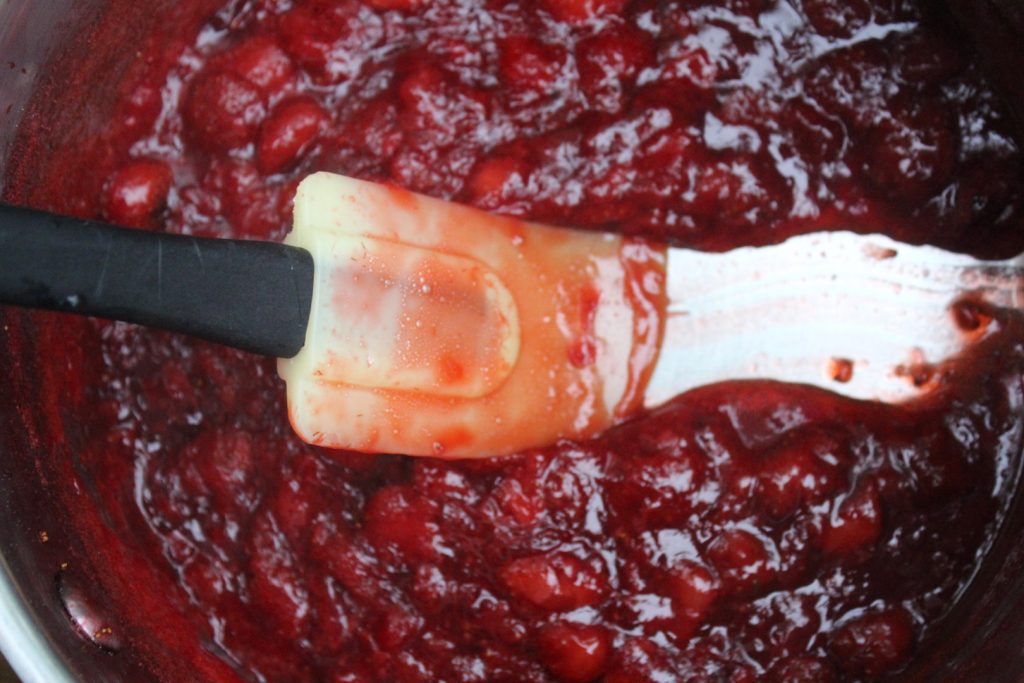
Berry Jam Recipes
Berries are the heart of jam season, and they make some of the most rewarding batches you’ll put up all year. Most berries are low in natural pectin and benefit from a boxed pectin for a firm set, with the exception of currants and gooseberries, which are high pectin, and blackberries and raspberries, which carry enough to set on their own with a longer cook.
- Classic Raspberry Jam (without Added Pectin) is made the old-fashioned way with just raspberries, sugar, and lemon.
- Seedless Raspberry Jam (No Added Pectin) strains out the seeds while keeping all the berry flavor.
- Black Raspberry Jam captures the deep flavor of black raspberries cooked down without pectin.
- Thimbleberry Jam captures the flavor of these wild raspberry relatives.
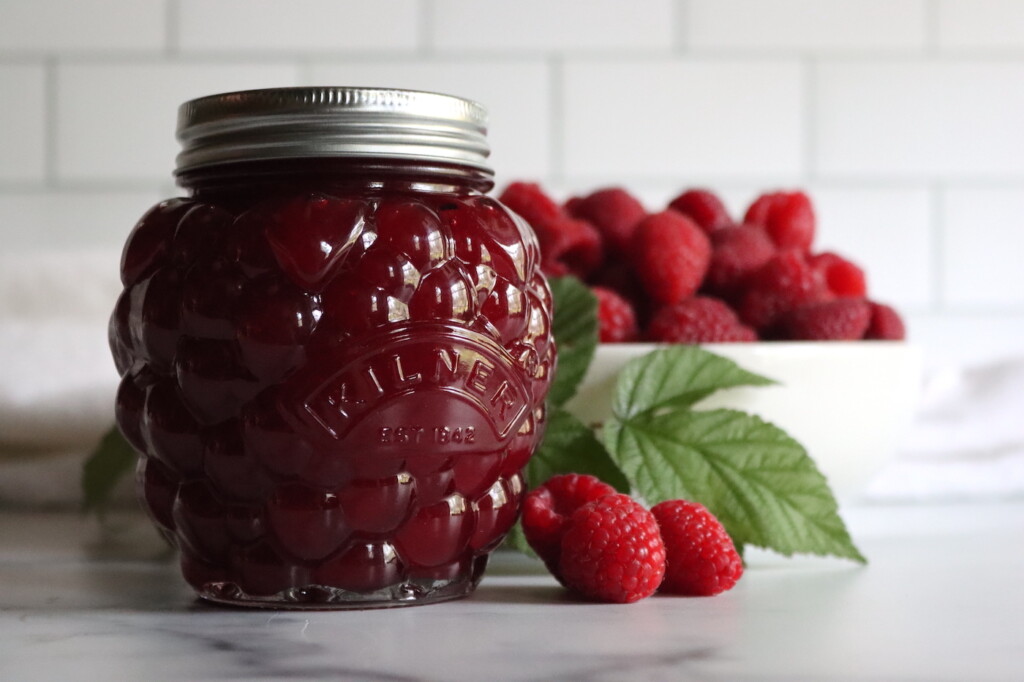
- Old Fashioned Blackberry Jam (No Added Pectin) relies on the berries’ natural pectin for a soft set.
- Seedless Blackberry Jam (No Added Pectin) removes the crunchy seeds while keeping the fruit pulp.
- Blueberry Jam (without Added Pectin) cooks summer blueberries down into a thick, spoonable spread.
- Old Fashioned Strawberry Jam (No Added Pectin) uses just strawberries, sugar, and a little time at the stove.
- Strawberry Jam with Pectin (NCHFP) is the classic full-sugar version made with powdered pectin.
- Low Sugar Strawberry Jam (with Powdered Pectin) cuts the sugar using a low-sugar pectin but keeps all the rich strawberry flavor.
- Low Sugar Strawberry Jam (with Pomona’s Pectin) sets with calcium instead of sugar for a less sweet spread.
- Alpine Strawberry Jam (or Wild Strawberry Jam) concentrates the intense flavor of tiny wild strawberries.
- Pineberry Jam turns the pineapple-flavored white strawberry into a pale pink jam.
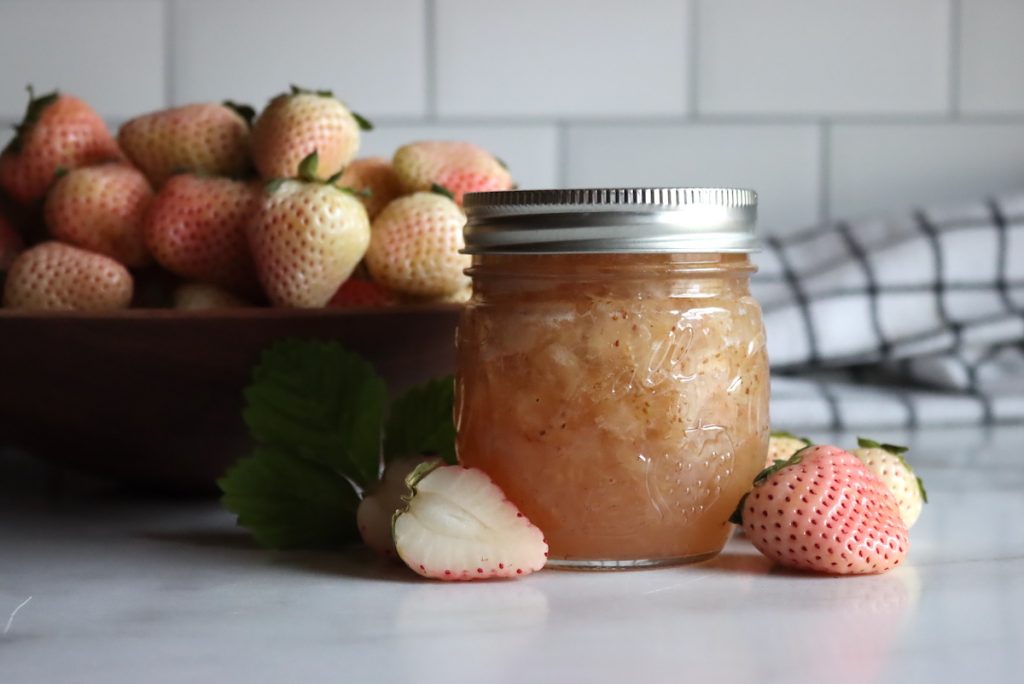
- Gooseberry Jam has a bright, tart flavor and plenty of natural pectin to set on its own.
- Red Currant Jam turns these tart, high-pectin berries into a soft spread.
- Blackcurrant Jam has a bold, tart flavor and sets easily on its own.
- Old-Fashioned Elderberry Jam preserves foraged elderberries with a deep, wine-like flavor. Elderberries are lower in acidity, so be sure to follow a tested recipe.
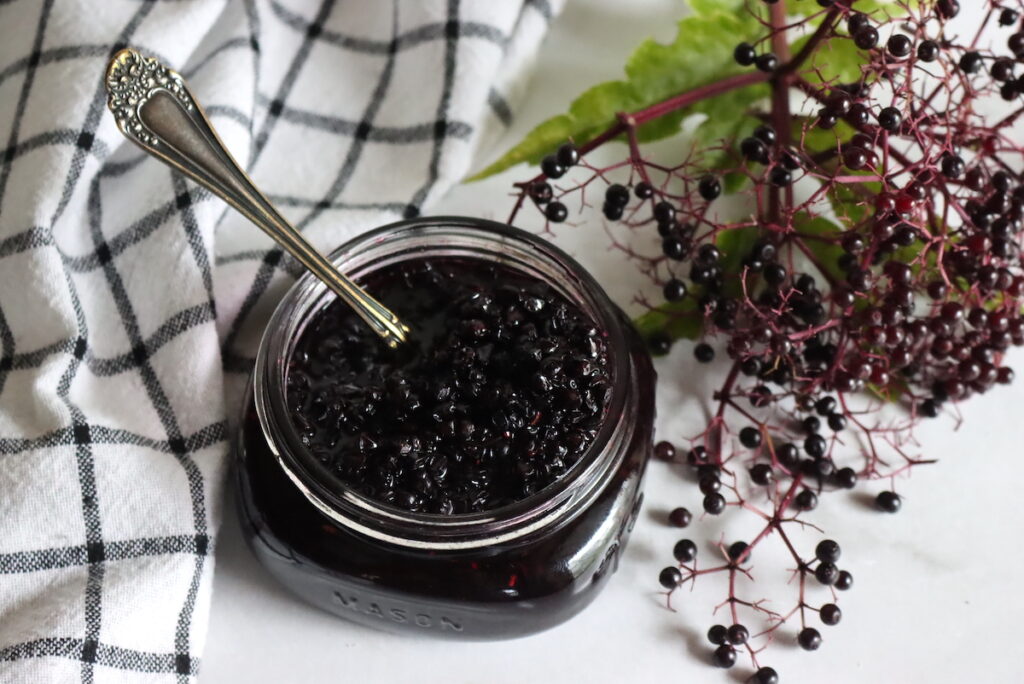
- Saskatoon Jam features serviceberries (also called juneberries) with a subtle almond note.
- Haskap Jam uses honeyberries for a flavor somewhere between blueberry and raspberry.
- Sea Buckthorn Jam (& Jelly) captures the bright, citrusy tang of these nutritious berries.
- Autumn Olive Jam makes use of the abundant wild autumn olive berry.
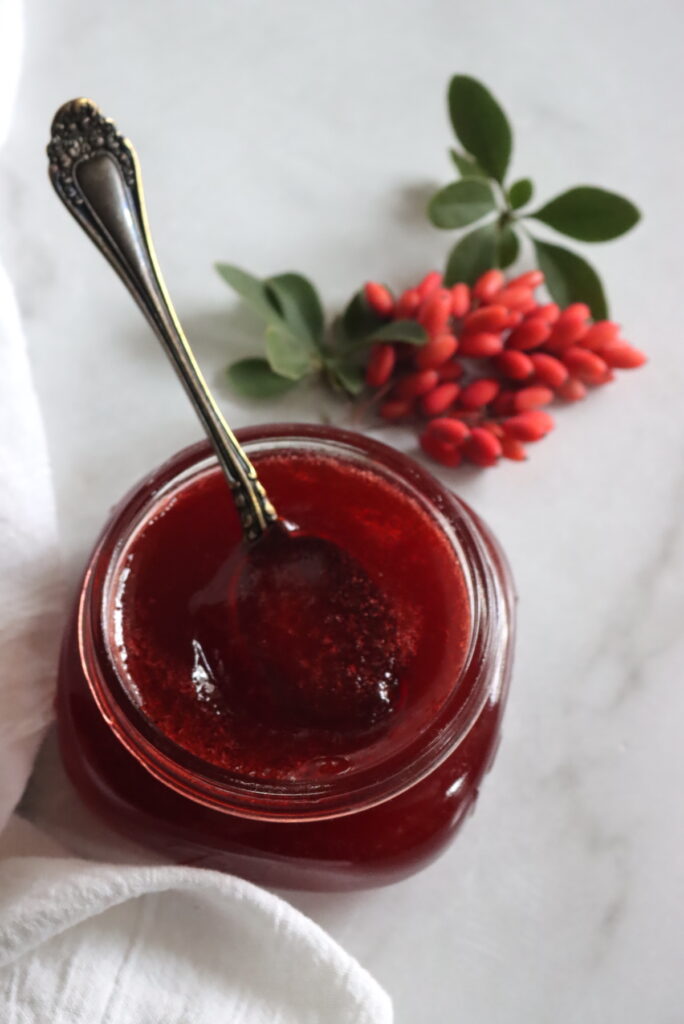
- Barberry Jam turns tart wild barberries into a tangy red spread.
Stone Fruit Jam Recipes
Stone fruits like peaches, apricots, cherries, and plums make soft, aromatic jams that capture summer in a jar. Plums have moderate to high pectin content and set readily without added pectin if you toss in a few underripe ones, while peaches, apricots, and cherries are lower in pectin and usually want a little help to gel.
- Apricot Jam has a bright, slightly tart flavor and a beautiful golden color.
- Apricot Red Currant Jam pairs apricots with tart currants for extra zing.
- Peach Jam captures summer peach flavor in a soft, spreadable jam.
- Low Sugar Peach Jam (Pomona’s Pectin) cuts the sugar while keeping fresh peach flavor.
- Nectarine Jam works much like peach jam, with no need to peel the fruit first.
- Black Cherry Jam uses sweet dark cherries for a rich, deeply flavored spread.
- Sour Cherry Jam balances tart pie cherries with sugar for a classic flavor.
- Chokecherry Jam turns the astringent wild chokecherry into a deep red spread.
- Cornelian Cherry Jam makes use of the tart fruit of the cornelian cherry dogwood.
- Damson Jam turns the small, tart damson plum into a deeply flavored jam.
- Greengage Jam features the sweet, honeyed green gage plum.
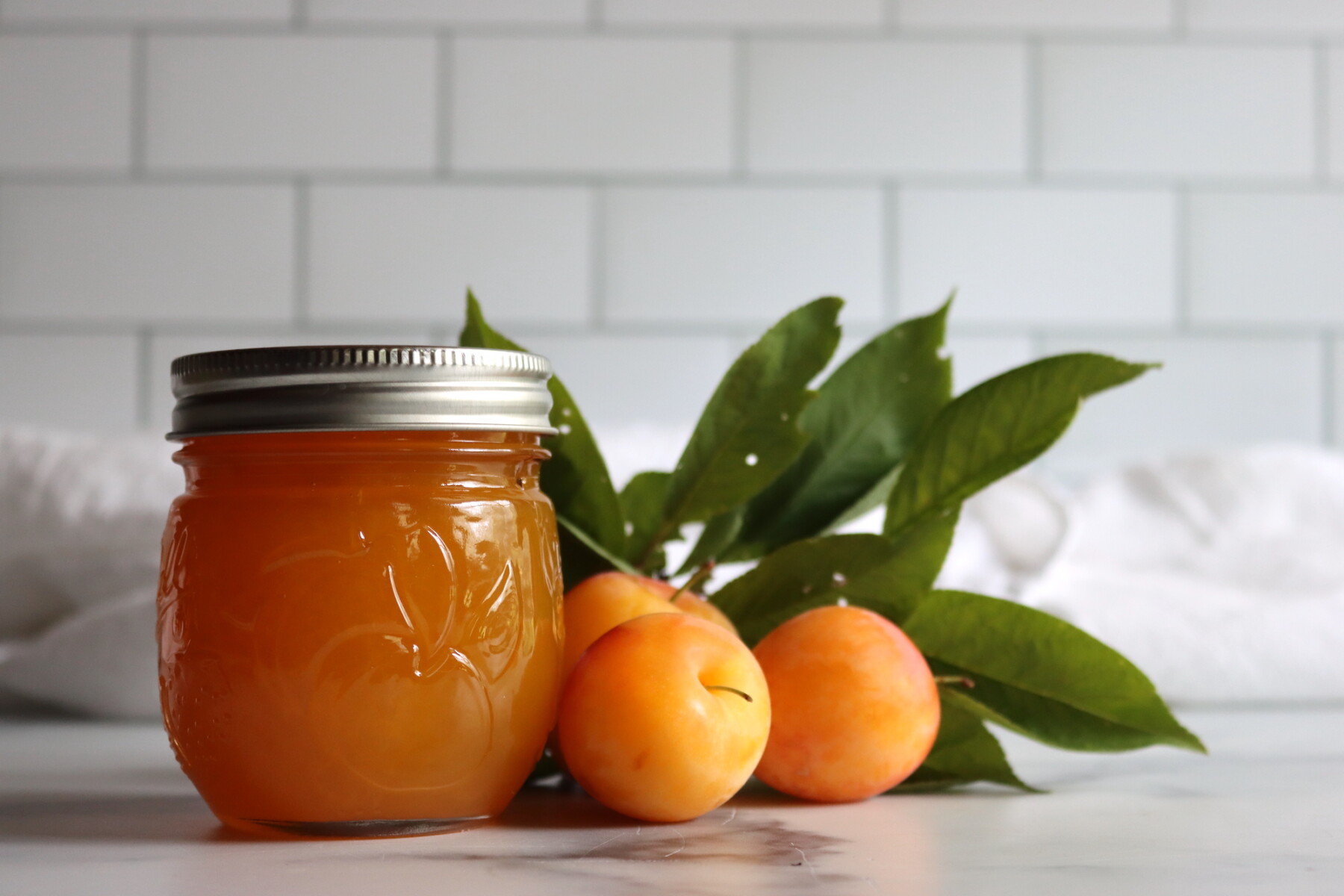
- Plum Jam is a simple no-pectin jam that works with any plum variety.
Apple, Pear, and Quince Jam Recipes
Apples, pears, and quinces are traditional jam-making fruits because they’re naturally high in pectin, which makes them good candidates for cooking without a boxed pectin. They also take well to warm spices like cinnamon and clove, so a batch of apple jam tastes a bit like autumn in a jar. If you’d rather a smoother, spreadable result, these same fruits also make excellent fruit butters.
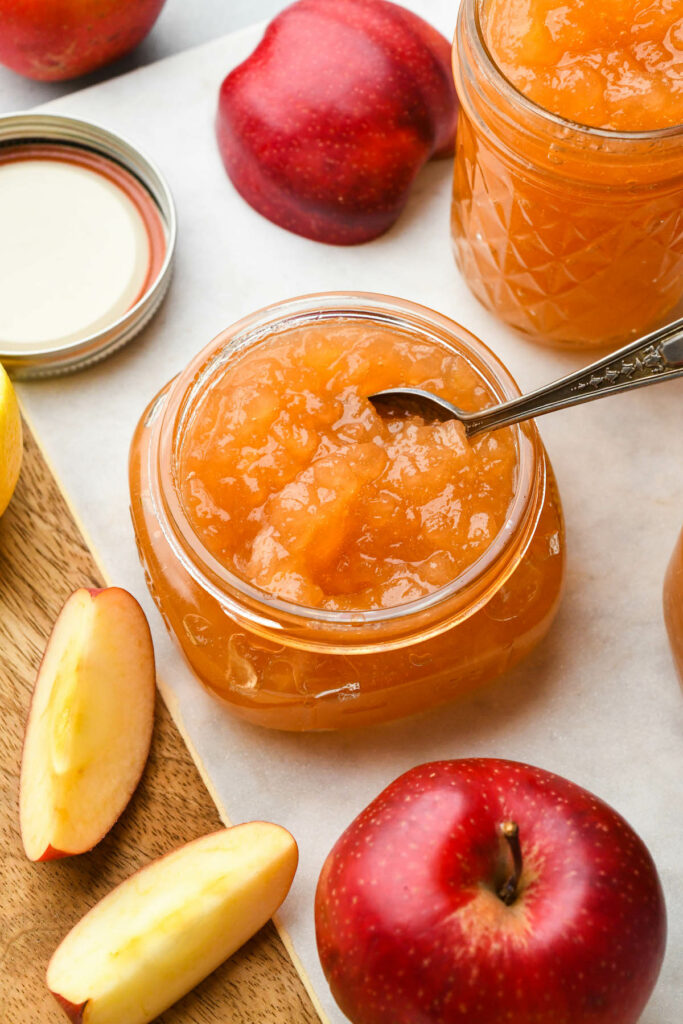
- Apple Jam cooks apples with warm spices into a thick, cozy spread.
- Pear Jam has a mild, honeyed sweetness that takes well to vanilla or ginger.
- Old-Fashioned Pear Preserves keeps pear pieces whole in a light, glossy syrup.
- Quince Jam transforms the hard, astringent quince into a fragrant pink jam.
Grape and Muscadine Jam Recipes
Grape jam is an American pantry classic, and making your own lets you work with varieties you’ll never find on a store shelf. Grapes carry moderate natural pectin, though I’ve found they often need a boxed pectin to set reliably, particularly the wild and Southern native types.
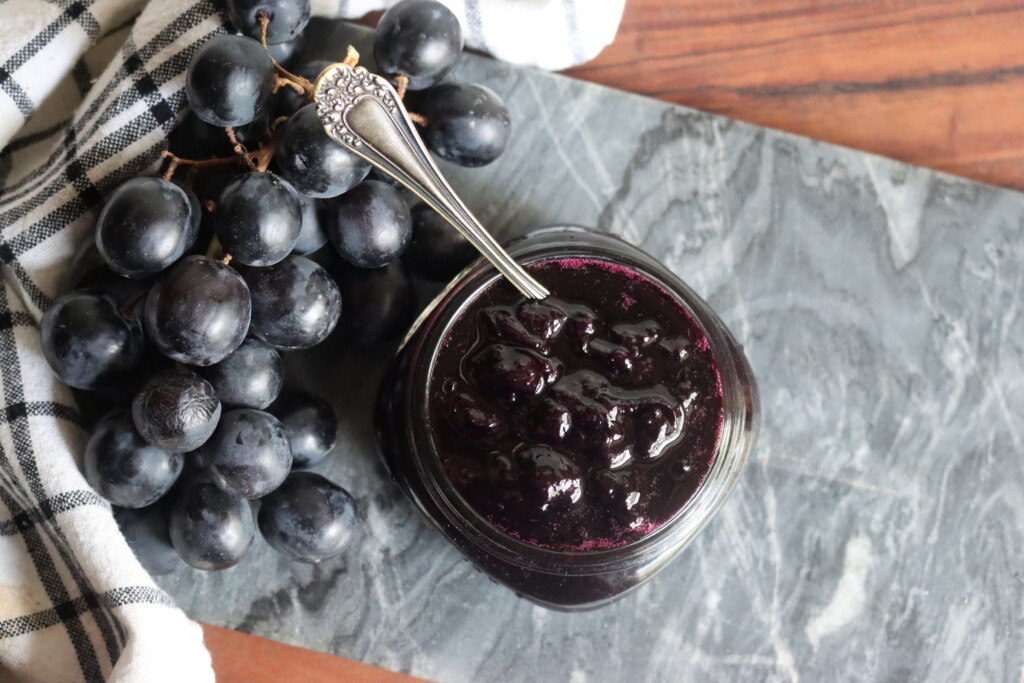
- Old Fashioned Grape Jam captures classic grape flavor with the seeds strained out.
- Muscadine Jam uses these Southern native grapes for a distinctive regional jam.
Rhubarb Jam Recipes
Rhubarb is one of the first things ready in the spring garden, and its tartness makes it a natural for jam, either on its own or paired with sweeter fruit. Since rhubarb is low in pectin, these recipes either lean on a partner fruit or call for added pectin to set.
- Rhubarb Jam has a pleasant tartness all its own.
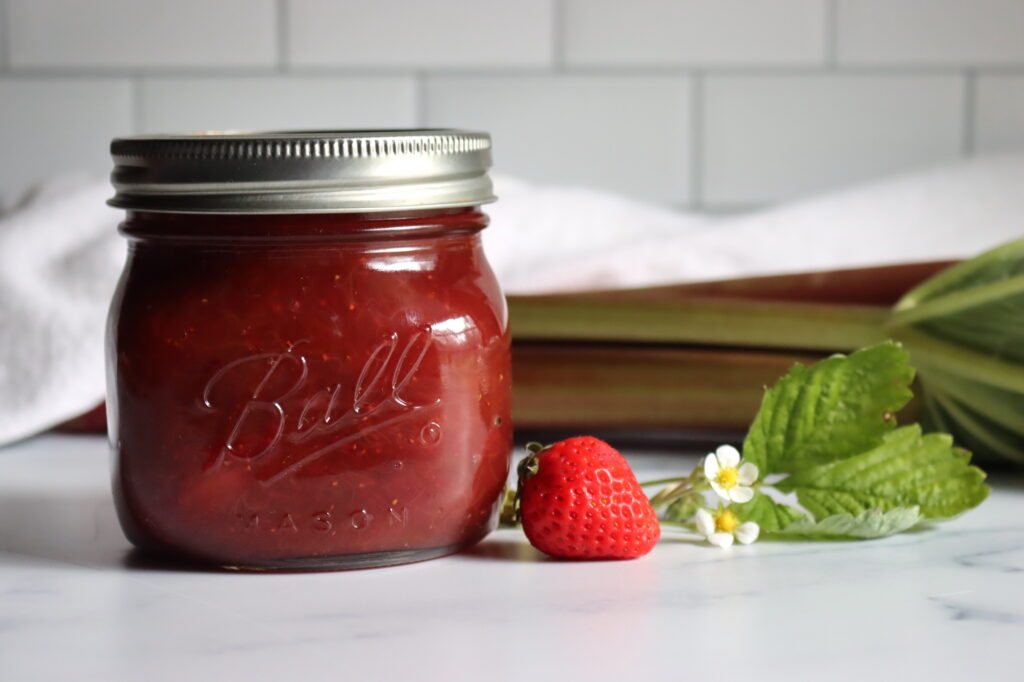
- Strawberry Rhubarb Jam brings together the classic spring pairing.
- Blueberry Rhubarb Jam (Bluebarb Jam) blends sweet blueberries with tart rhubarb.
- Rhubarb Orange Jam brightens rhubarb with the flavor of fresh orange.
Citrus, Tropical, and Unique Jam Recipes
Some of the more interesting jams come from fruits you don’t often think of cooking down. Tropical fruits like mango, pineapple, and kiwi make bright, sunny jams, citrus turns sweet and soft, and figs and persimmons cook into thick, honeyed spreads. Several of these are low in acid and need added lemon or lime juice to can safely, so follow the recipe as written. If you love citrus, you’ll also want the full collection of marmalade recipes, which use the peel for a more bitter, complex result.
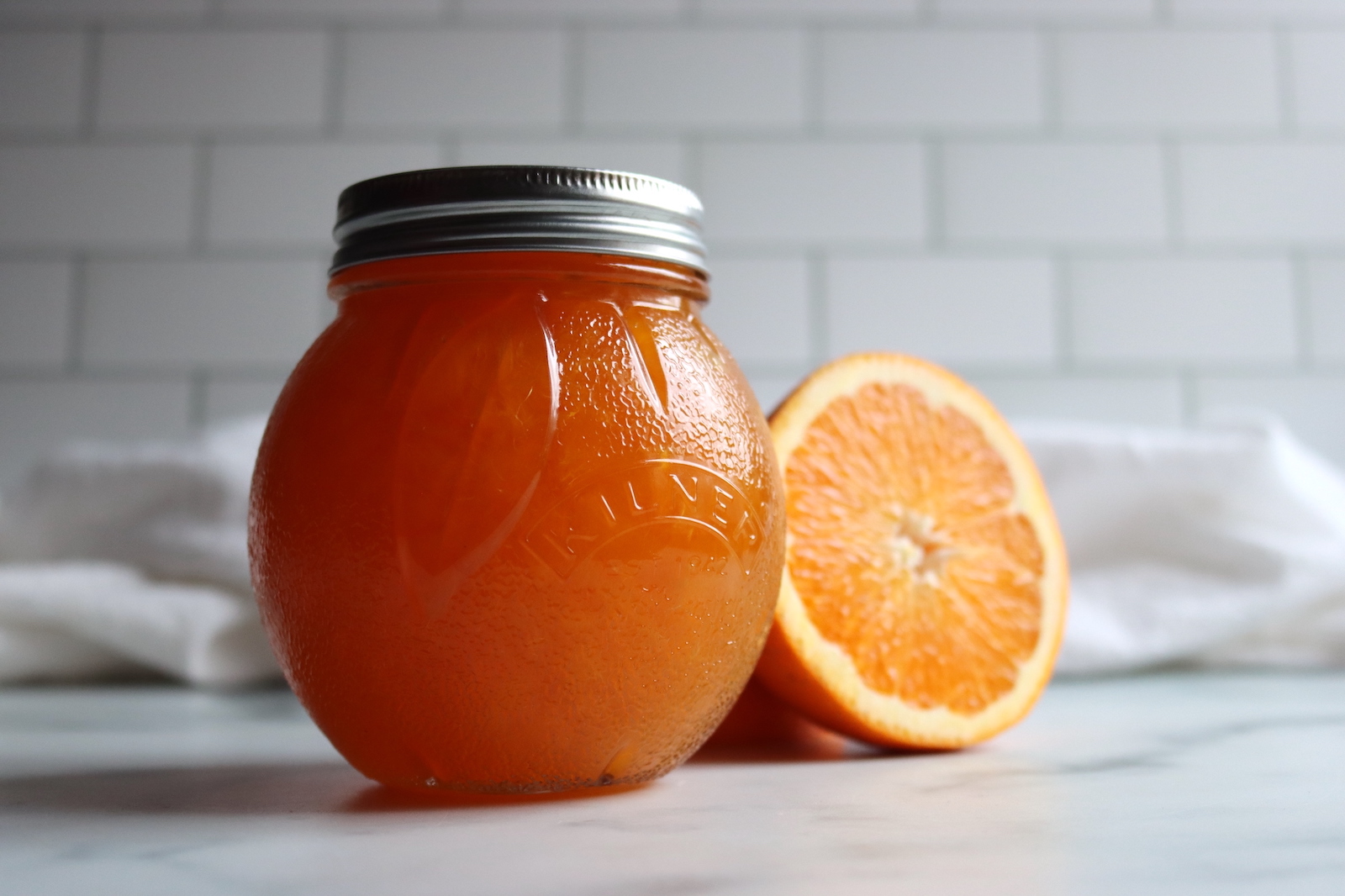
- Orange Jam uses the whole fruit for a softer, sweeter result than marmalade.
- Kumquat Jam uses the whole tiny citrus, peel and all.
- Mango Jam turns ripe mango into a smooth tropical spread.
- Pineapple Jam cooks fresh pineapple into a bright, tangy jam.
- Kiwi Jam makes use of green kiwi for a tart, speckled spread.
- Papaya Jam turns tropical papaya into a smooth golden spread.
- Fig Jam cooks fresh figs into a thick spread that pairs well with cheese.
- Persimmon Jam preserves ripe persimmons with warm autumn spices.
- Ground Cherry Jam turns husk cherries into a jam with a pineapple-like flavor.
Combination and Holiday Jam Recipes
Mixing two fruits in one jar lets you balance a tart fruit against a sweet one, or stretch a small amount of something special. These combination jams are also where the holiday recipes live, the ones that make a jar of homemade jam feel like a gift.
- Christmas Jam combines cranberries and strawberries for a festive red spread
- Cranberry Apple Jam pairs tart cranberries with sweet apples
- Blueberry Peach Jam blends two summer fruits in a single jar
- Blueberry Lime Jam brightens sweet blueberries with fresh lime
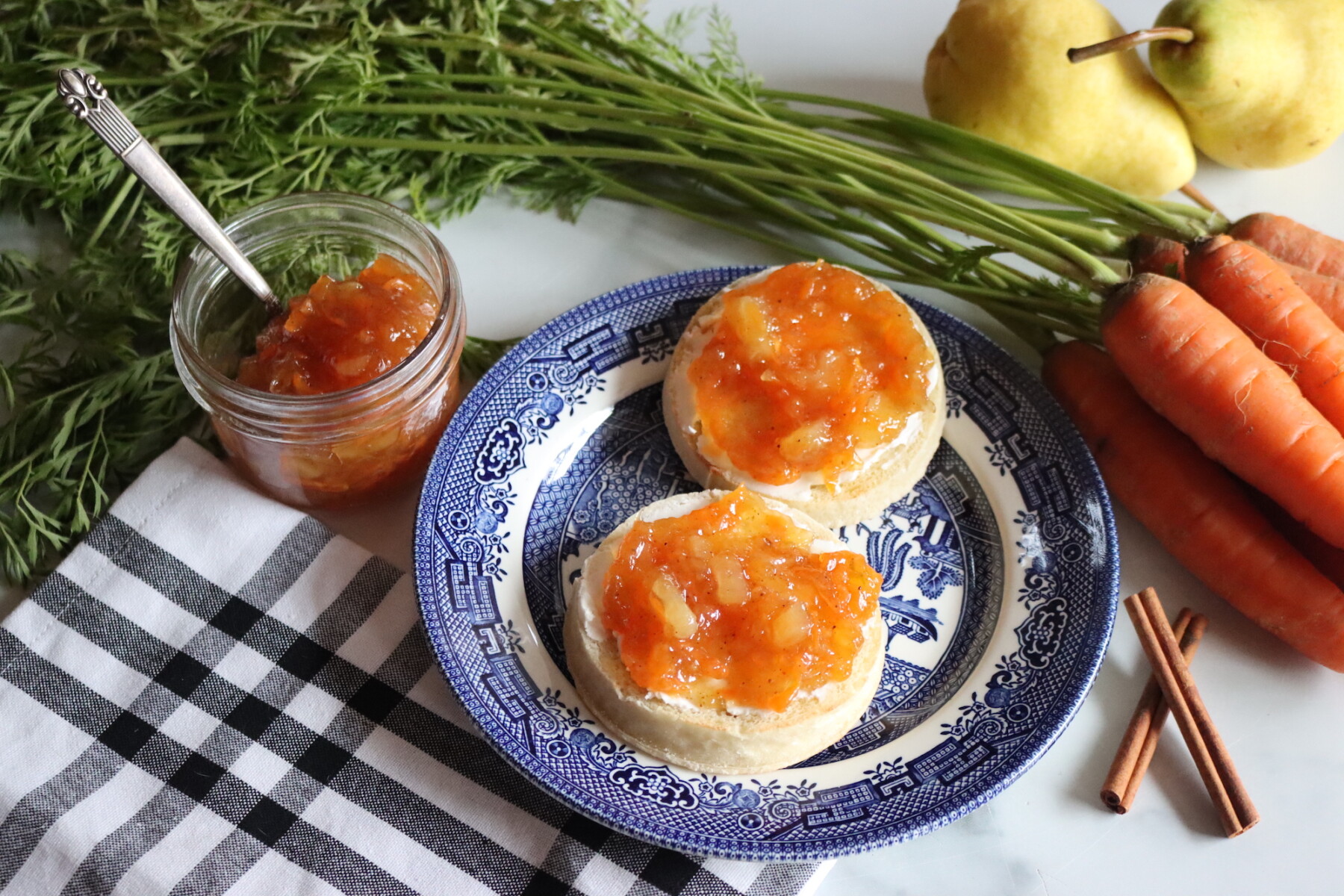
- Carrot Cake Jam blends carrots, pineapple, and warm spices into a jam that tastes like the cake
Savory Jam Recipes
Not every jam belongs on a biscuit. Savory jams made with onions, garlic, and tomatoes are meant for cheese boards, burgers, and roasted meats, where their sweet-and-savory edge does the work that a relish or chutney might. They make a welcome change of pace when your shelves are already full of fruit jam.
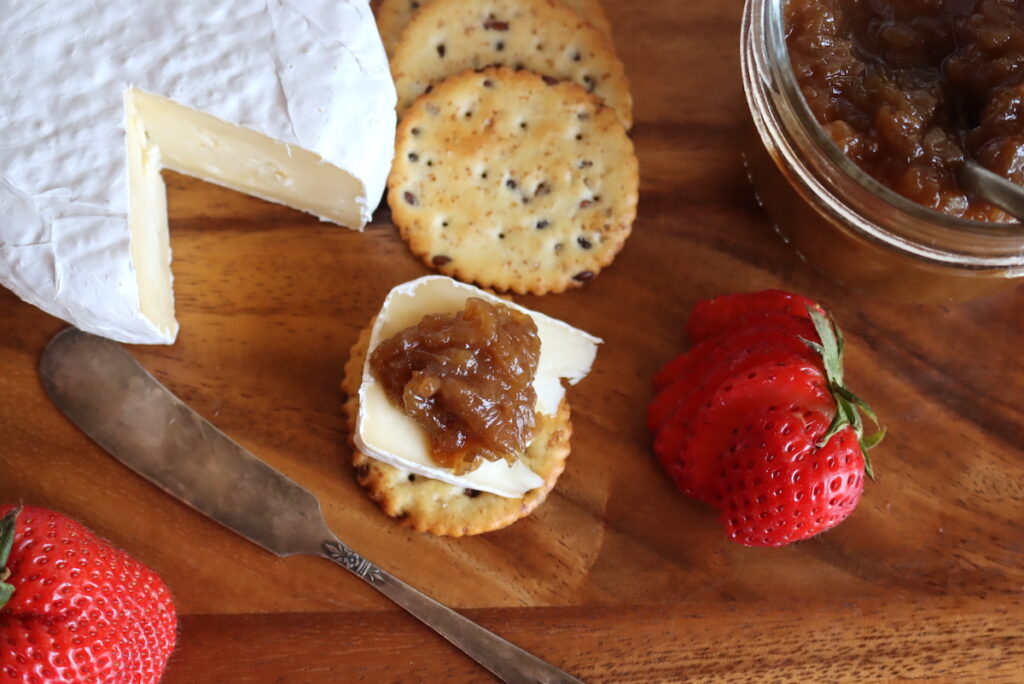
- Caramelized Onion Jam slow-cooks onions into a savory spread for burgers and cheese boards
- Garlic Scape Jam turns spring garlic scapes into a savory condiment
- Old-Fashioned Green Tomato Jam puts end-of-season green tomatoes to good use
- Tomato Jam slow-cooks red tomatoes with spices into a sweet-savory spread
Jam making is one of those kitchen skills that looks more intimidating than it is. Start with a fruit you already have on hand and a tested recipe, and you’ll have jars cooling on the counter before the afternoon is out. Once the basic process feels familiar, the harvest stops looking like a chore and starts looking like a pantry.
That flat of strawberries becomes next winter’s toast, the blackberries along the fence line finally have somewhere to go, and the bumper crop of plums turns into gifts. Pick a recipe, pull out the canner, and put a little of the season away for later.
Canning Recipe Lists
Find the perfect recipe
Searching for something else? Enter keywords to find the perfect recipe!