This post may contain affiliate links. Please see our disclosure policy.
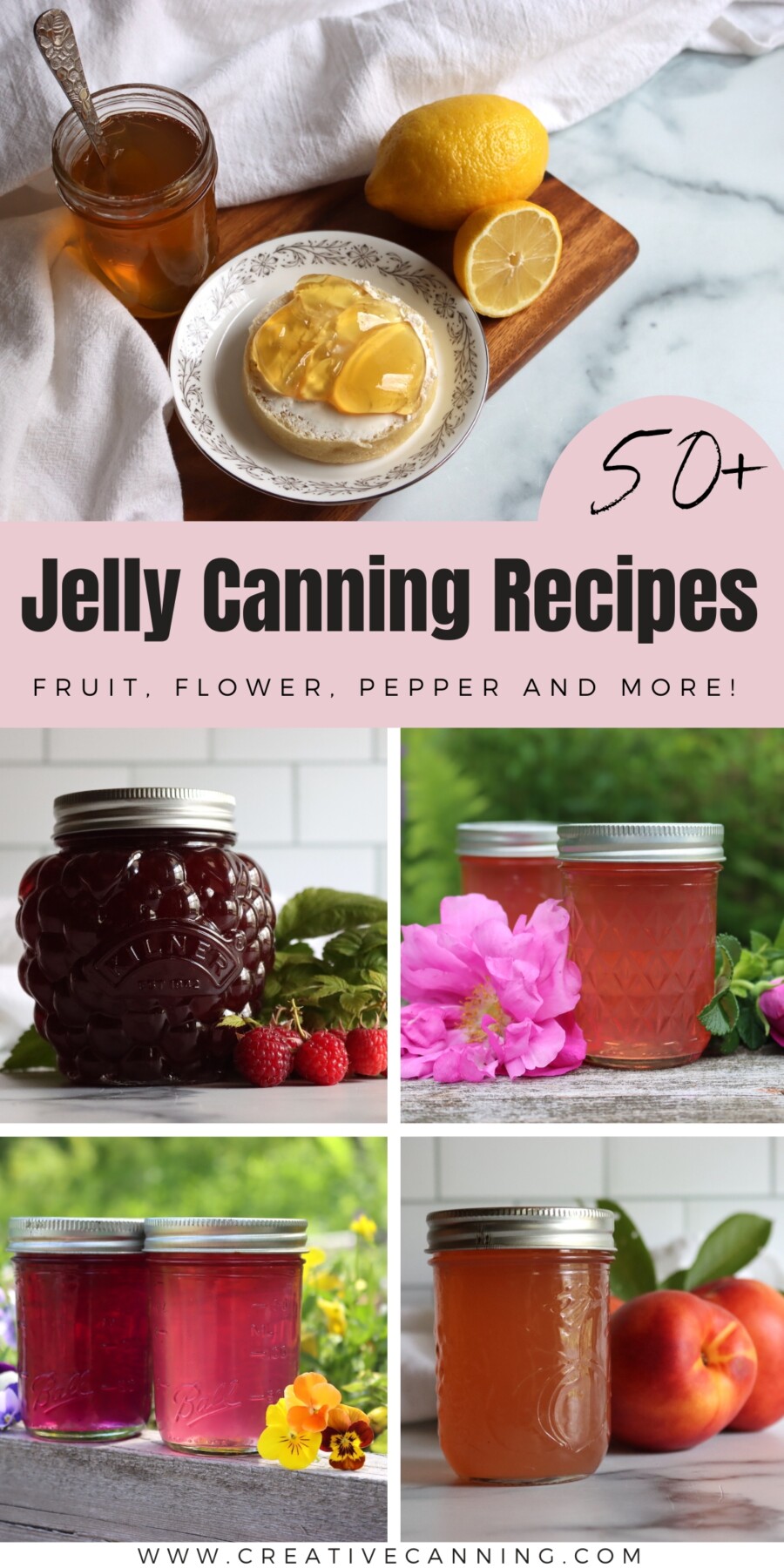
Jelly canning recipes offer home canners a way to capture fruit flavors in their purest, clearest form. Unlike jams that include fruit pulp, jellies are made from extracted juice, resulting in a smooth, glistening spread that lets the natural flavor of the fruit shine through.
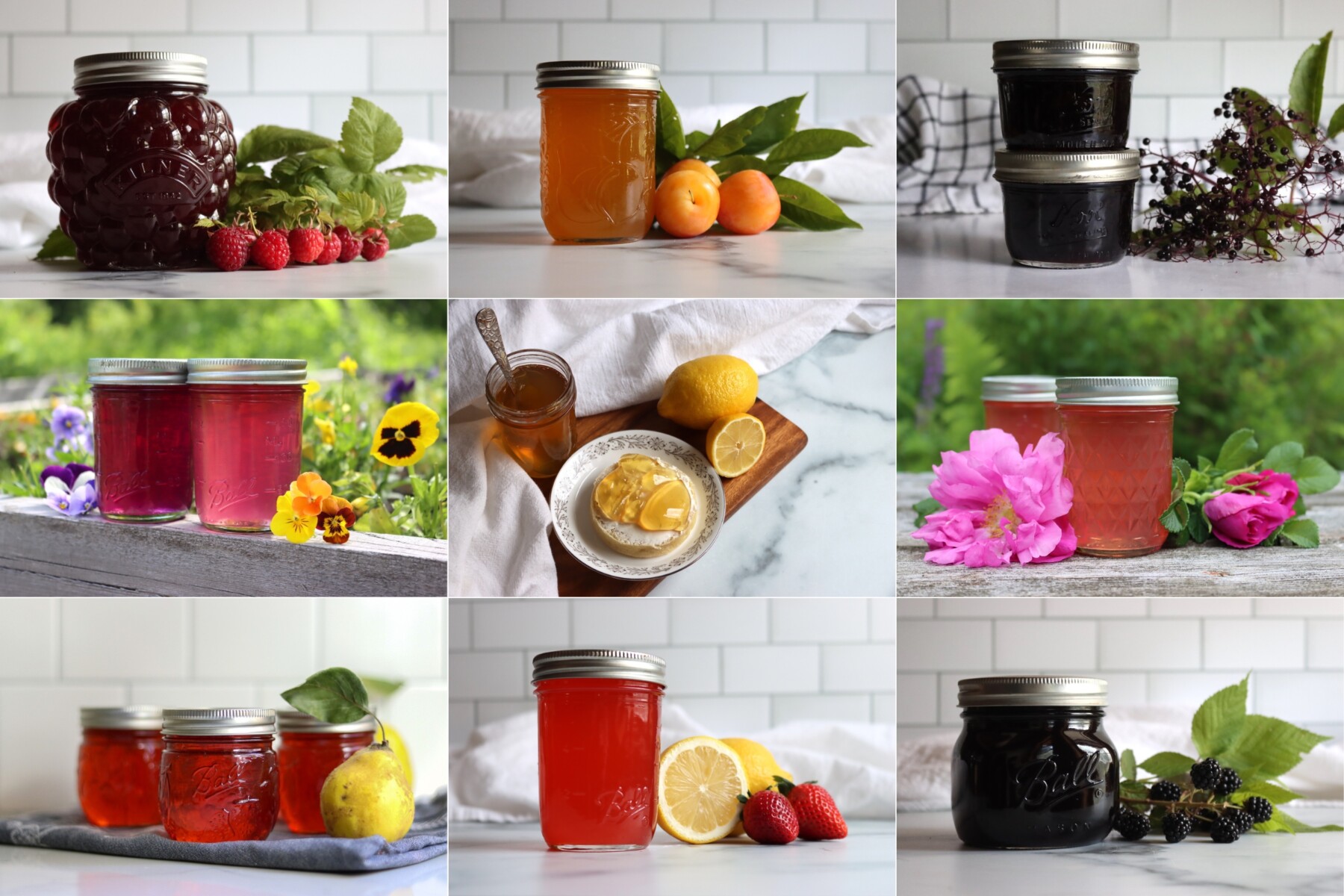
Whether you’re working with backyard berries, foraged wild grapes, or garden herbs, there’s a jelly recipe waiting to transform your harvest into something special.
The good news is that jelly making is approachable for canners of all skill levels. With commercial pectin, you can make perfectly set jelly in under an hour from start to finish.
Without pectin, the process takes longer and requires more attention, but many experienced canners prefer the silkier texture and more economical approach. Either way, the basic process involves extracting juice from fruit (or steeping herbs or flowers), combining it with sugar and acid, cooking to the gel point, and processing in a water bath canner.
Making Jelly with Pectin
Commercial pectin takes the guesswork out of jelly making. The standard ratio of 4 cups liquid, 5 cups sugar, and 1 box of pectin will set almost any jelly reliably. Most recipes call for 1 to 4 Tbsp of lemon juice for flavor and to help set.
Powdered and liquid pectin have different instructions (you add them at different points in the cooking process), so always follow the directions for your specific pectin type. If your jelly doesn’t set properly, check out Troubleshooting Jelly That Didn’t Set (and How to Fix It) for step-by-step guidance on diagnosing and solving common problems.
Pectin jellies come together quickly because you only need to bring the mixture to a full rolling boil for one minute before filling jars. The processing time is just 10 minutes in a water bath canner for most recipes at elevations up to 1,000 feet, making this a project you can complete in a single morning or afternoon.
Old-Fashioned Jellies Without Pectin
Making jelly without added pectin is a skill that experienced canners often pursue, particularly when working with high-pectin fruits like apples, crabapples, grapes, gooseberries, and certain plums. The traditional method involves cooking the fruit juice and sugar together until the mixture reaches 220°F (at sea level), which is 8 degrees above the boiling point of water. At this temperature, the natural pectin in the fruit will cause the juice to gel when it cools.
You can also test for doneness using the sheeting test or the cold plate test. The sheeting test involves dipping a cold metal spoon into the hot jelly, lifting it, and watching how the liquid falls from the side. When the drops merge and sheet off the spoon in a single curtain rather than individual drips, the jelly is done. For the cold plate test, place a small amount of jelly on a chilled plate, wait a minute, then push it with your finger. If it wrinkles and holds its shape, it’s ready.
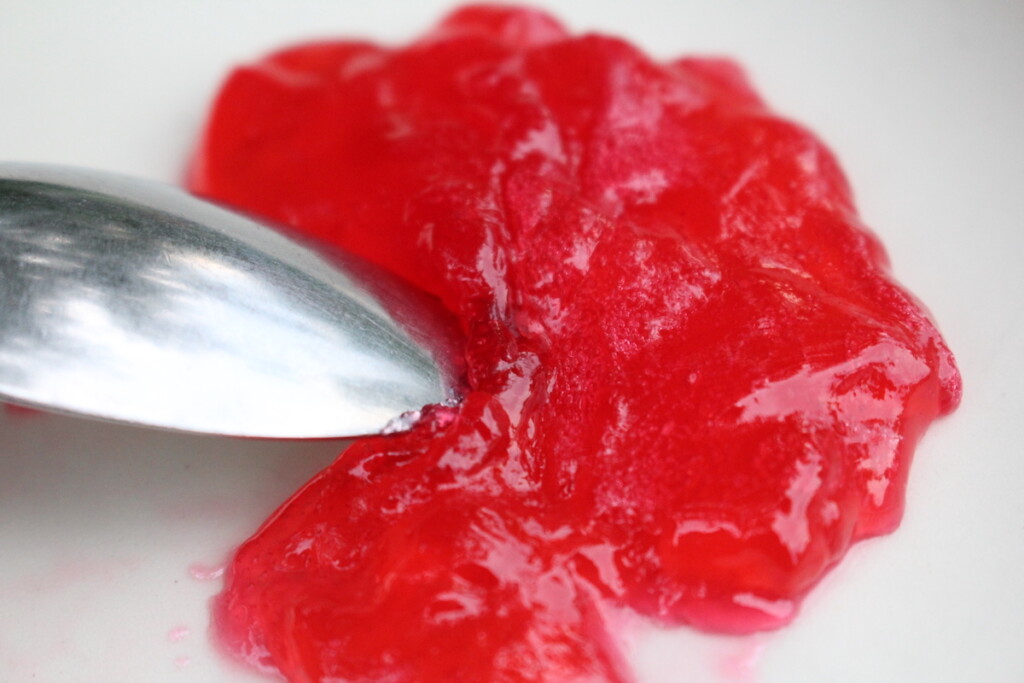
The benefits of old-fashioned jelly making are both practical and qualitative. No-pectin jellies have a silkier, more delicate set that many people prefer over the firmer texture of commercial pectin jellies. There’s also a significant cost savings. A box of pectin runs about $6 these days, which adds more than a dollar per jar to your batch.
If you’re working with homegrown fruit, your only costs become sugar and jar lids, making the final product remarkably economical. For low-pectin fruits like strawberries, cherries, and blueberries, adding commercial pectin is necessary, but it’s nice to have the option to skip it when working with fruits that naturally contain enough pectin to gel on their own.
Apple, Pear, and Quince Jelly Recipes
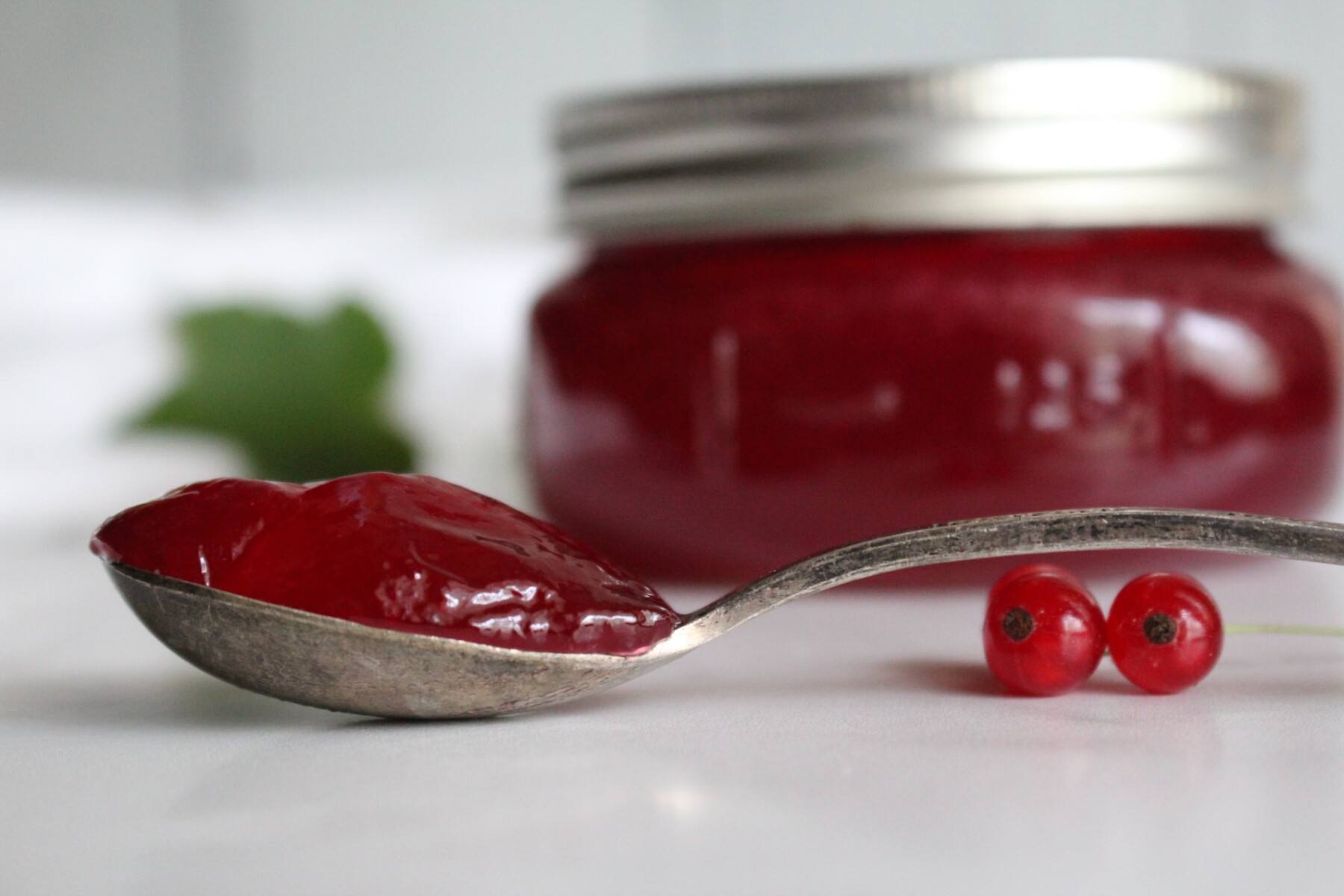
Apples, pears, and quinces are traditional jelly-making fruits because they naturally contain high levels of pectin. These are excellent choices for canners who want to try making jelly without commercial pectin, since the fruit provides everything needed for a good gel.
Apple jelly in particular is a gateway recipe that has been passed down through generations, and its neutral flavor also makes it the perfect base for herb and flower jellies.
- Apple Jelly is the classic no-pectin jelly recipe made with tart apples
- Crabapple Jelly uses the tiny, tart apples that grow abundantly in many backyards and roadsides
- Quince Jelly transforms the rock-hard, astringent quince into a fragrant, rosy-hued preserve
Berry Jelly Recipes
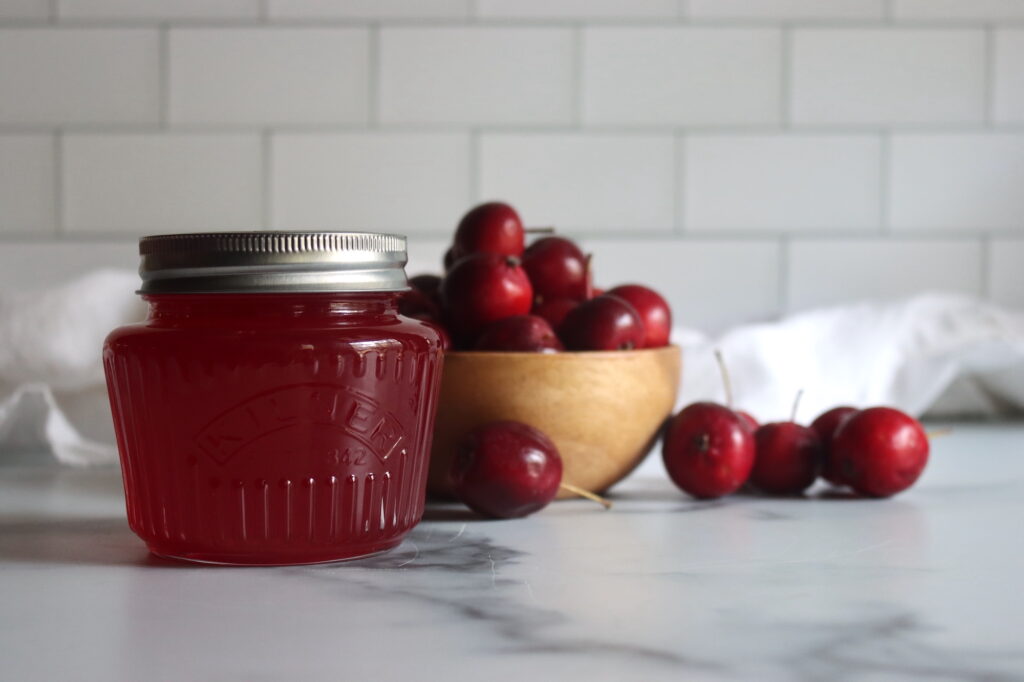
Berry jellies capture the intense flavors of summer in a clear, seedless spread. While berries make wonderful jams, jelly offers a seedless alternative that spreads smoothly on toast and works well in baking.
Most berries are low in natural pectin, so commercial pectin is typically required for a reliable set. The exceptions are currants and gooseberries, which are high pectin, and blackberries and raspberries which have moderate amounts of pectin. Those can be set without added pectin.
- Aronia Jelly makes use of these antioxidant-rich berries (also called chokeberries)
- Blackberry Jelly can be made with or without added pectin
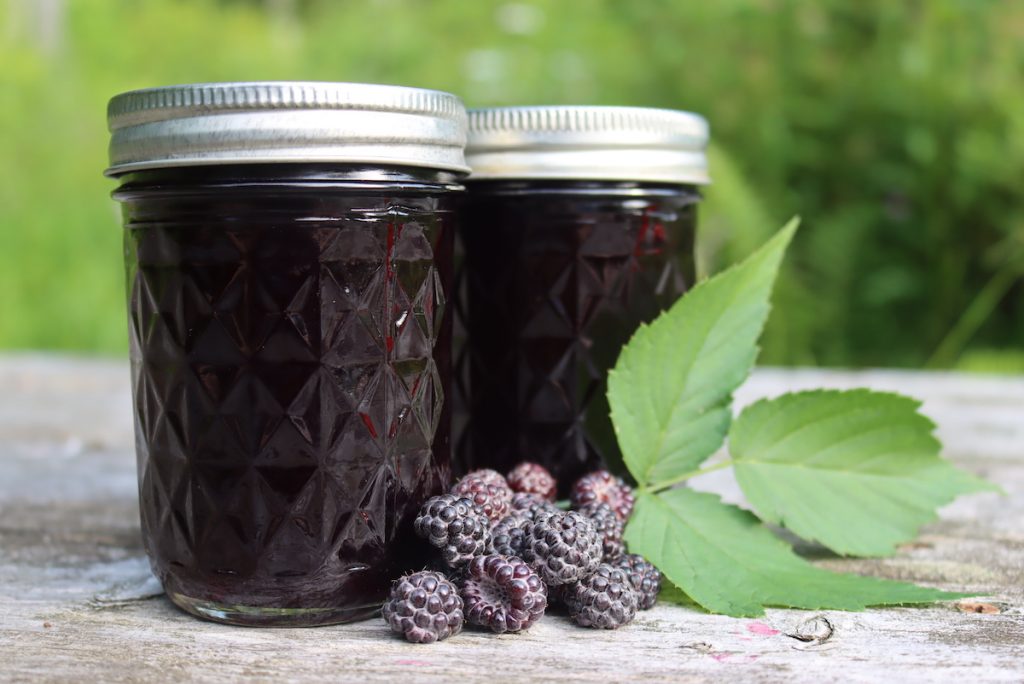
- Black Raspberry Jelly (Seedless) offers all the intense berry flavor without the seeds
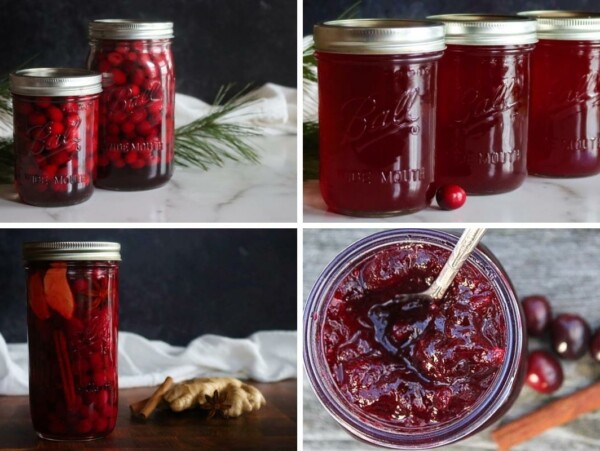
- Cranberry Jelly is perfect for holiday meals or year-round enjoyment
- Elderberry Jelly showcases the deep, complex flavor of foraged elderberries
- Gooseberry Jelly is a traditional preserve with a bright, tart flavor
- Raspberry Jelly is a seedless version of the classic summer berry spread
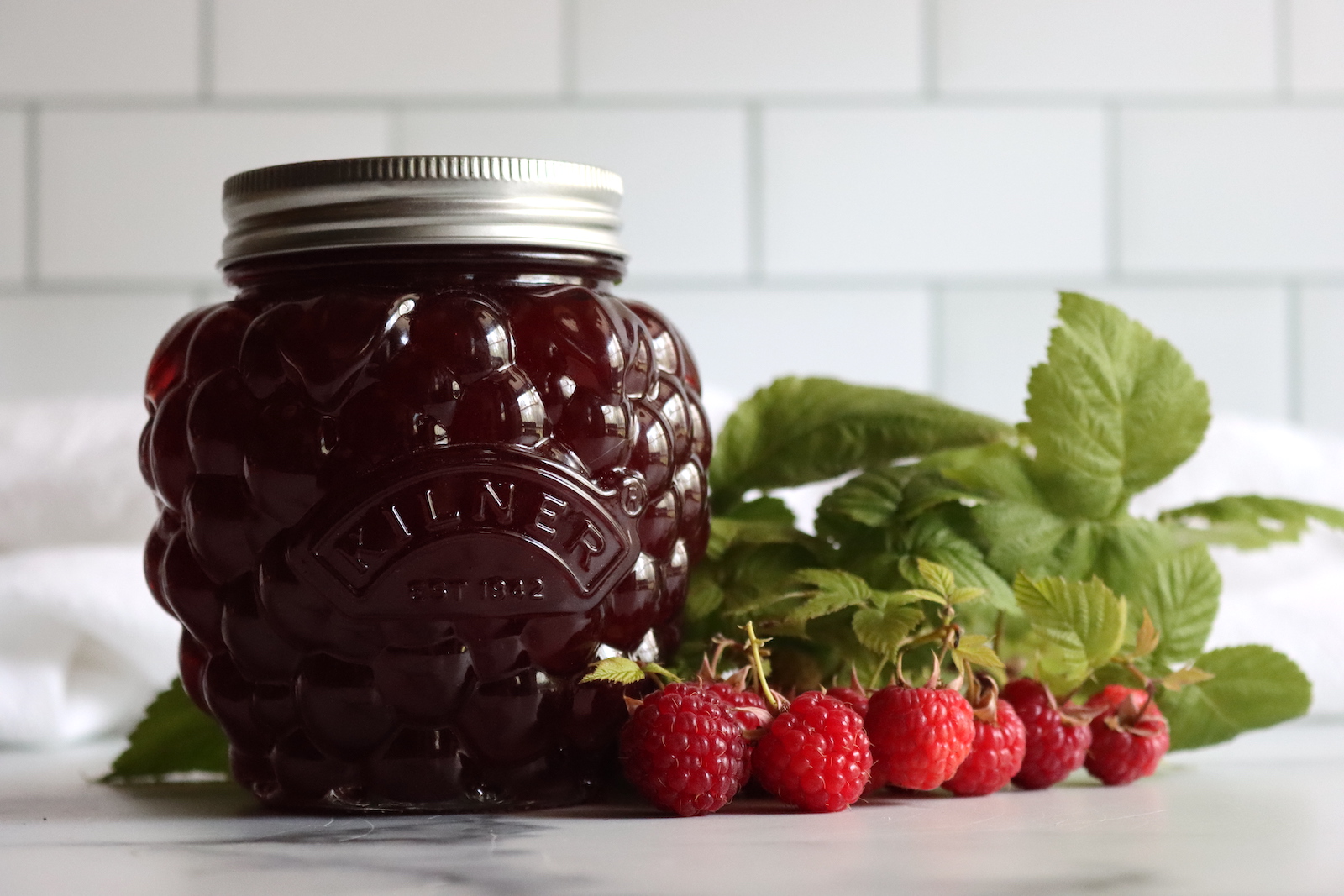
- Red Currant Jelly is the classic accompaniment to lamb and game meats
- Saskatoon Jelly highlights the flavor of serviceberries (also called juneberries or shadbush)
- Sea Buckthorn Jelly captures the bright, citrusy tang of these nutritious berries
- Strawberry Jelly captures the essence of summer’s favorite berry
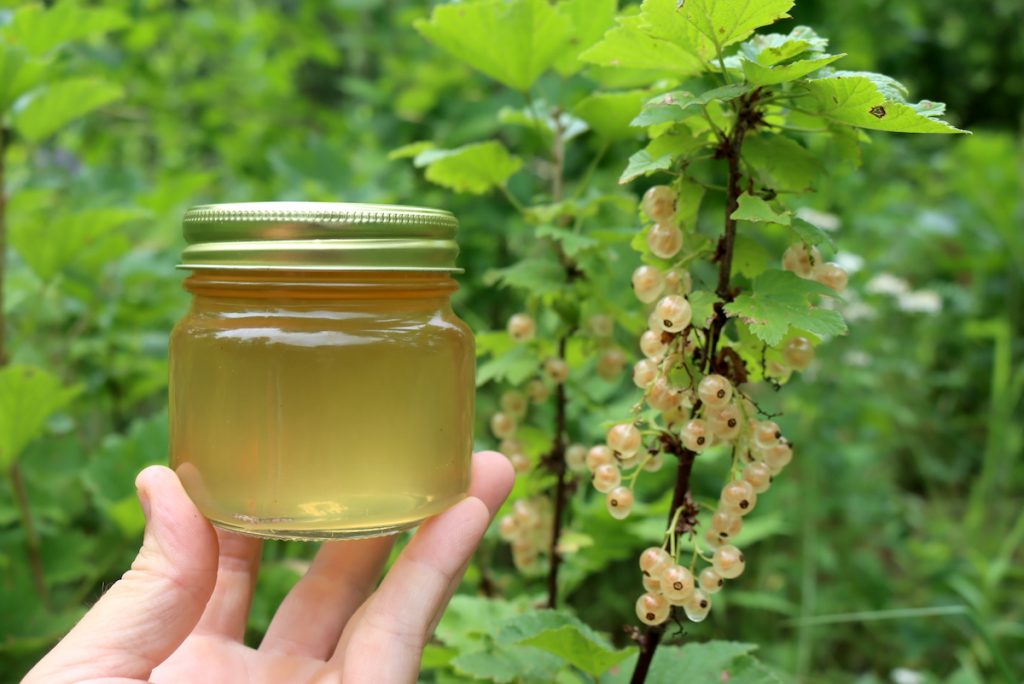
- White Currant Jelly has a delicate, honey-like sweetness
Grape and Muscadine Jelly Recipes
Grape jelly is an American pantry staple, and making your own allows you to work with grape varieties you’ll never find in stores. Wild grapes in particular make incredible jelly with an intensity of flavor that cultivated grapes can’t match.
Muscadines and scuppernongs, native to the American South, produce distinctively flavored jellies that have been regional treasures for generations. Grapes contain moderate levels of natural pectin, but I’ve found that they often don’t set without added boxed pectin.
- Grape Jelly is the basic recipe for Concord or other cultivated grapes
- Grape-Plum Jelly combines two fruits for a more complex flavor
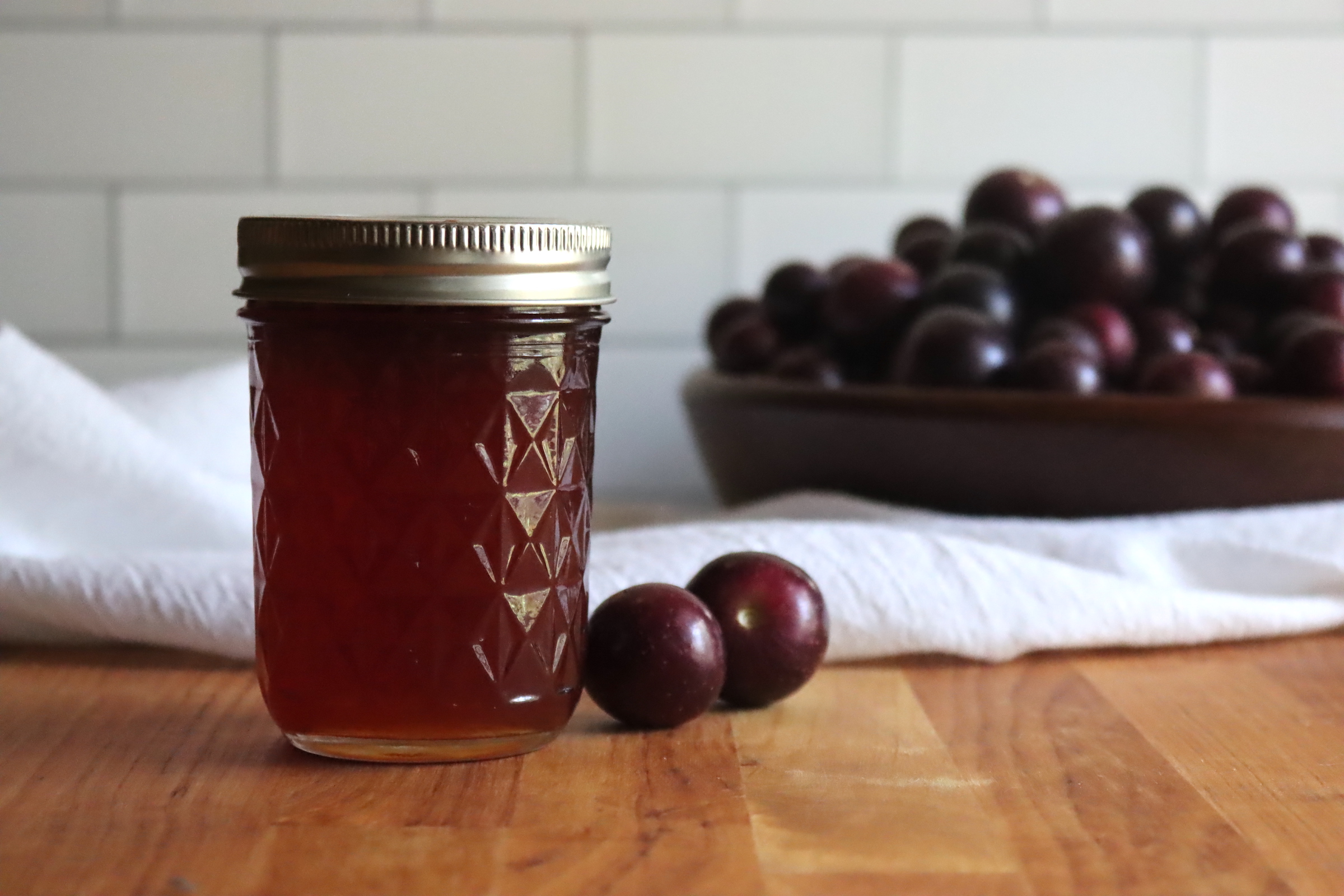
- Muscadine Jelly (or Scuppernong Jelly) is a Southern classic made from these native grapes
- Wild Grape Jelly captures the intense flavor of foraged grapes
Stone Fruit Jelly Recipes
Stone fruits like peaches, apricots, cherries, and plums make beautiful, aromatic jellies. While these fruits are more commonly made into jams and fruit butters, extracting the juice and making jelly produces a smooth, elegant spread.
Plums in particular have moderate to high pectin content, making them good candidates for no-pectin jelly if you include some underripe fruit. Peaches, apricots, and cherries are lower in pectin and typically require commercial pectin for a proper set.
- Apricot Jelly showcases the delicate flavor of fresh apricots
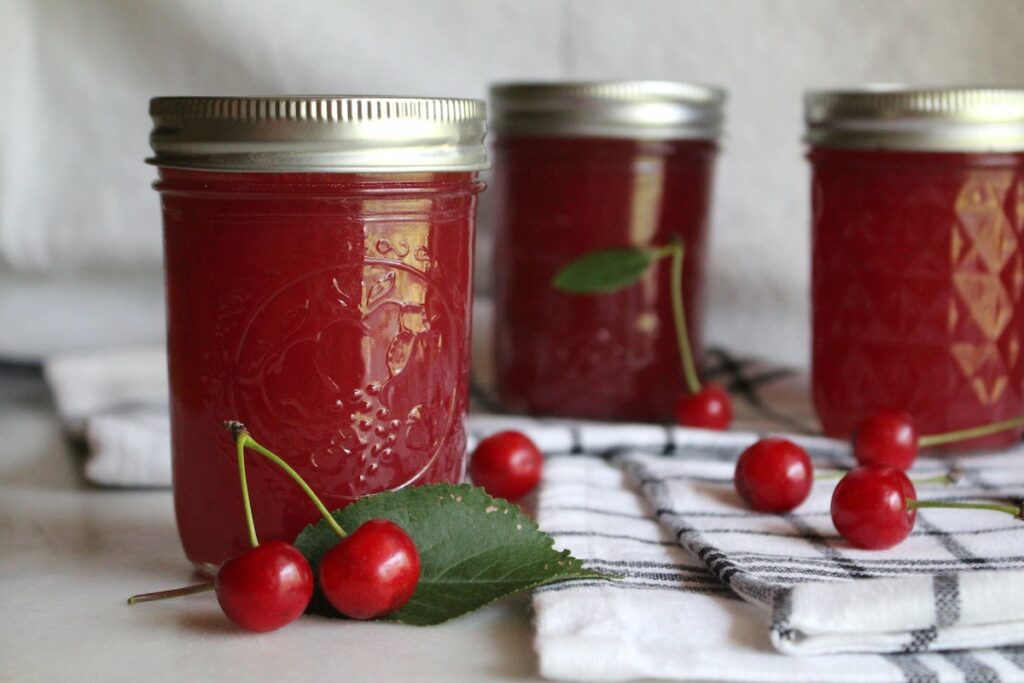
- Cherry Jelly works with sweet or sour cherries for different flavor profiles
- Chokecherry Jelly transforms the astringent wild chokecherry into a delicious spread
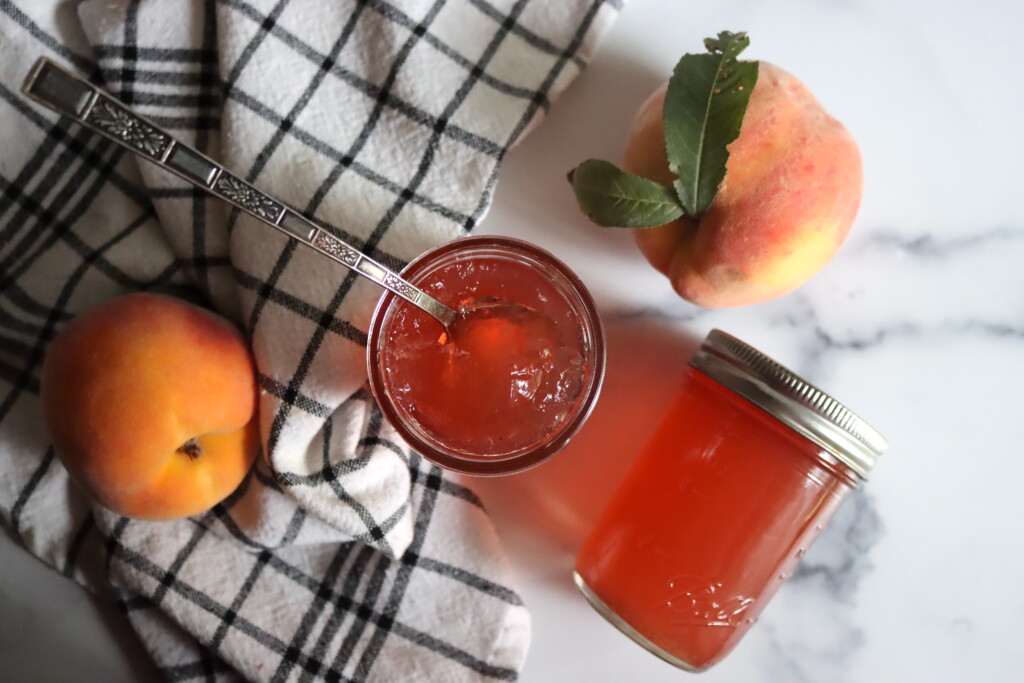
- Peach Jelly captures summer peach flavor in a smooth, seedless spread
- Pin Cherry Jelly makes use of these small, tart wild cherries
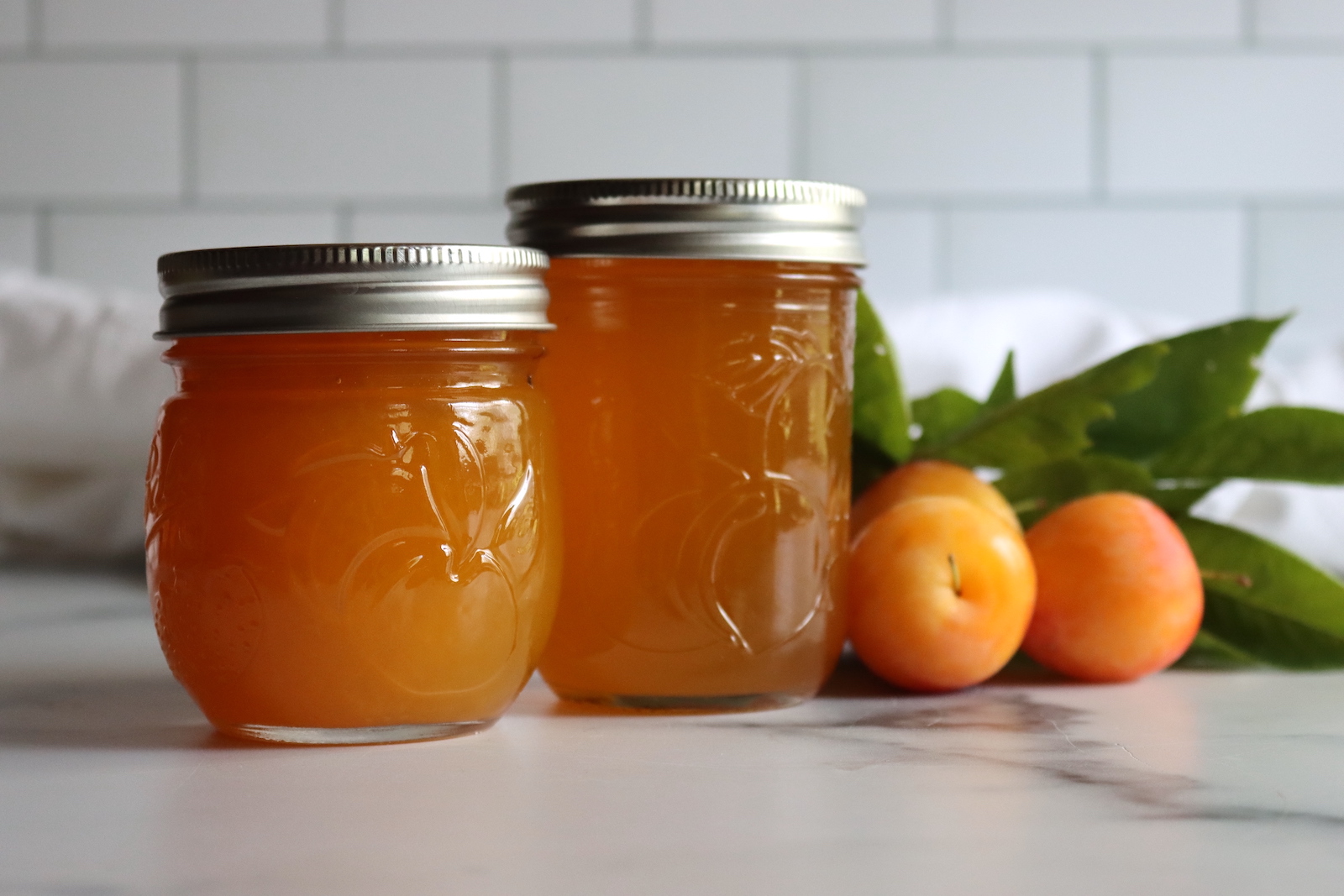
- Plum Jelly can be made with or without added pectin
Other Fruit and Unique Jelly Recipes
Some of the most interesting jellies come from unexpected sources. Rhubarb makes a beautiful pink jelly with a pleasant tartness. Watermelon jelly captures the essence of summer in a surprising way.
Corn cob jelly is a traditional recipe that uses the sweet, milky liquid extracted from boiled corn cobs to create a honey-like spread. These unique recipes are conversation starters and make wonderful gifts, since it’s the type of thing you just can’t buy in a store.
- Corn Cob Jelly is an old-fashioned recipe with a honey-like flavor
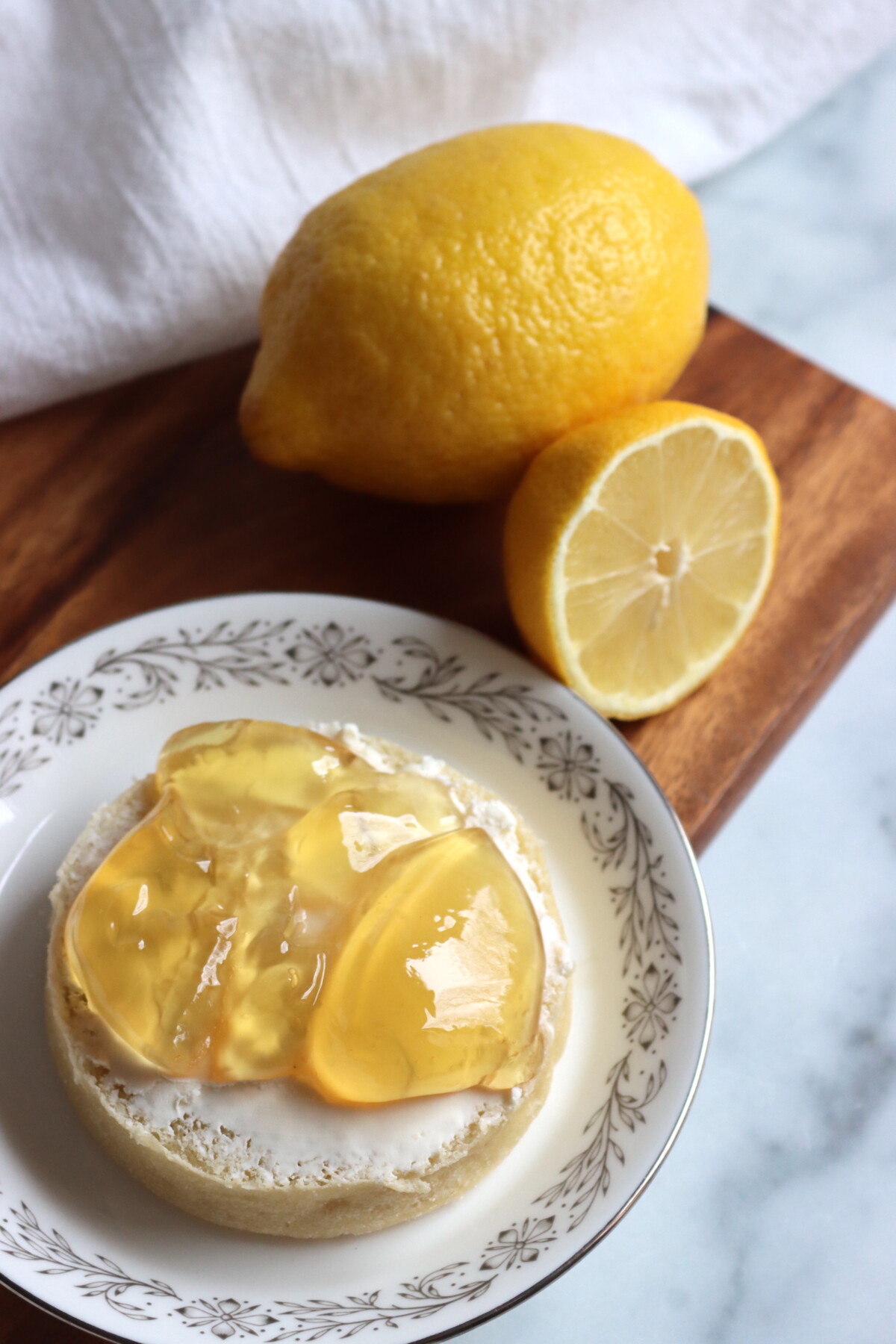
- Lemon Jelly is a bright, citrusy spread perfect for scones and tea cakes
- Pepper Jelly uses sweet and hot peppers for a classic appetizer jelly
- Pepper-Mayhaw Jelly combines Southern mayhaw fruit with peppers
- Rhubarb Jelly transforms garden rhubarb into a delicate pink spread
- Watermelon Jelly is an unexpected way to preserve watermelon flavor
Floral Jelly Recipes
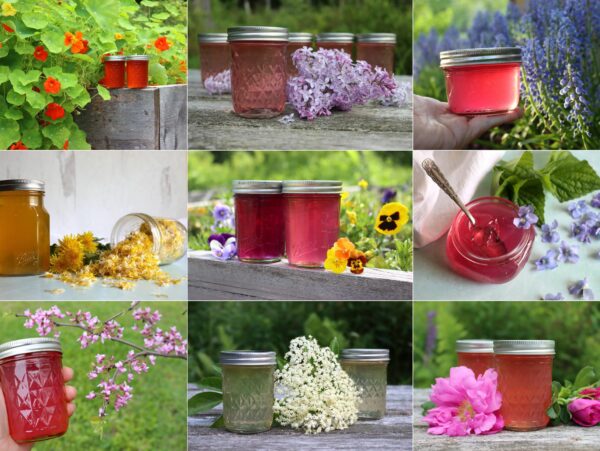
Flower jellies are among the most beautiful preserves you can make. These delicate, fragrant jellies are created by steeping edible flower petals in hot water to extract their color and flavor, then using that infusion as the liquid base for jelly.
Apple juice or white grape juice is often added to provide natural pectin and body. Before making flower jelly, make sure you’re using flowers from unsprayed plants and that you’ve correctly identified the species.
Some flowers are toxic, and even safe flowers can cause reactions if you have allergies. Read more about Are Flower Jellies Safe for Canning? and find a comprehensive introduction in How to Make Flower Jelly (with 20+ Recipes!).
- Apple Blossom Jelly (Or Cherry, Peach, Pear, etc.) works with any fruit tree blossoms
- Bee Balm Jelly has a citrusy, oregano-like flavor
- Black Locust Flower Jelly has a berry-like sweetness
- Borage Jelly tastes faintly of cucumber
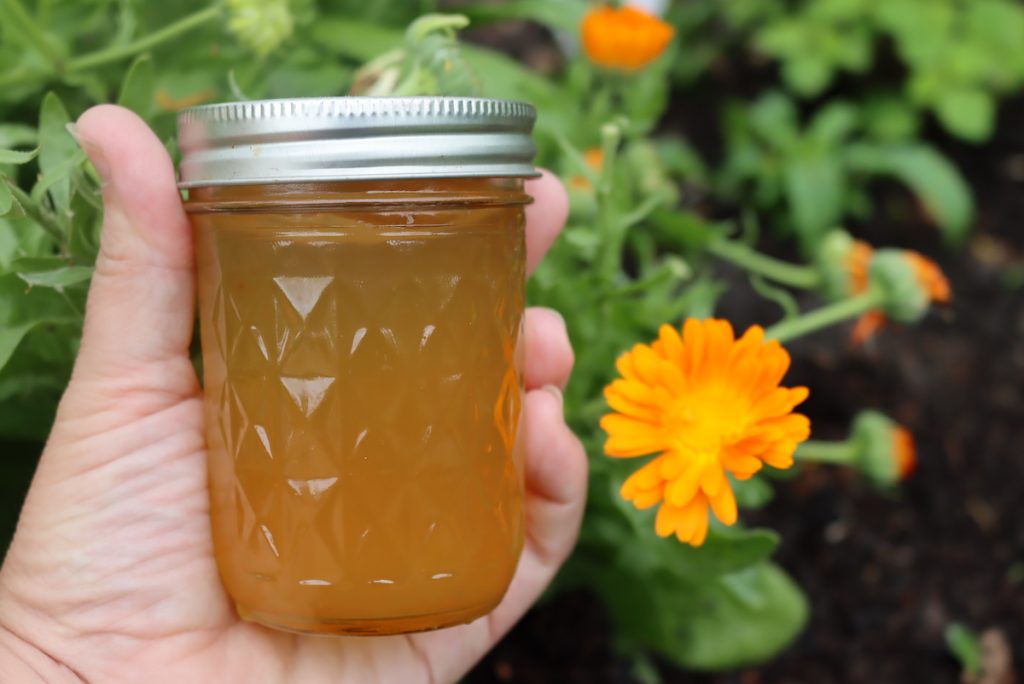
- Calendula Flower Jelly (and Marigold Jelly) produces a sunny golden color
- Chamomile Jelly has a soothing, floral flavor
- Clover Jelly tastes like wildflower honey
- Dandelion Jelly turns lawn “weeds” into a honey-like golden spread
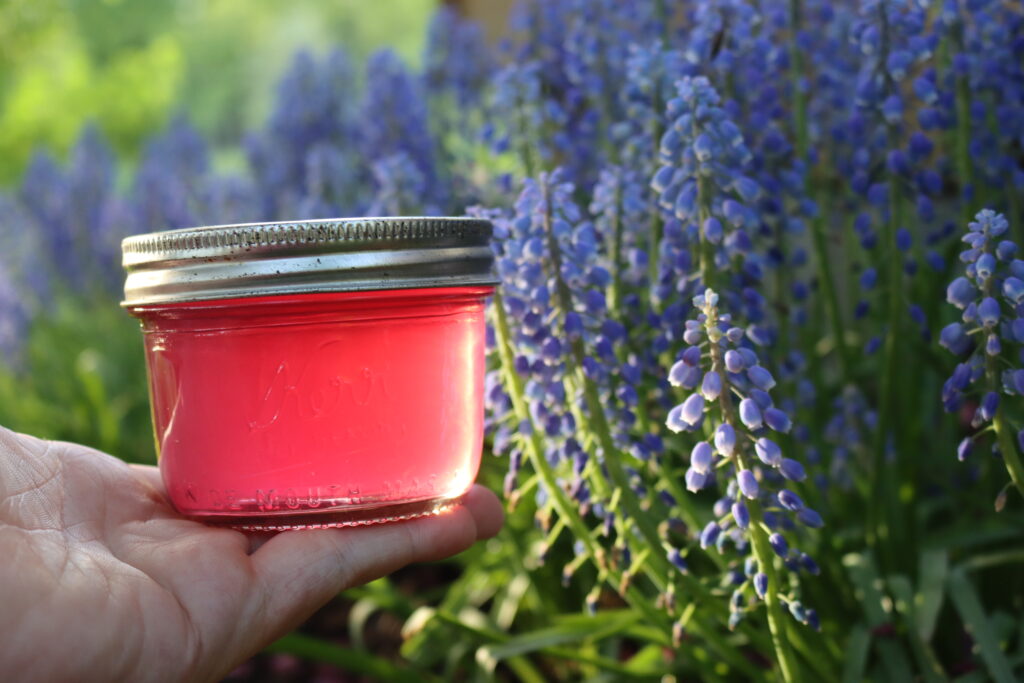
- Grape Hyacinth Jelly has a mild, grape-like flavor from these tiny spring flowers
- Elderflower Jelly showcases the honey-like fragrance of elderflowers
- Fireweed Jelly is a delicacy from Alaska and northern regions
- Forsythia Jelly uses one of the first spring flowers and tastes like peaches
- Lilac Jelly captures the intoxicating scent of spring lilacs
- Nasturtium Jelly has a peppery kick from the edible flowers
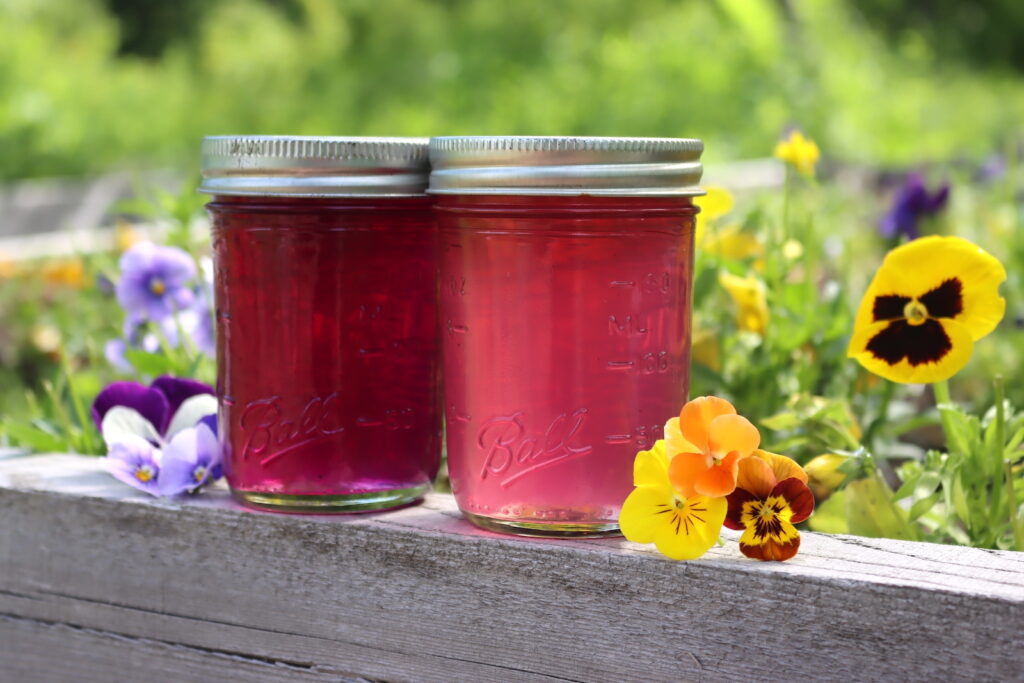
- Pansy Jelly is beautiful and mild-flavored
- Peony Jelly captures the heady fragrance of garden peonies
- Redbud Jelly (and Syrup) makes use of the beautiful pink blossoms
- Rose Petal Jelly has a delicate floral flavor perfect for tea time
- Tulip Jelly offers a subtle, almost herbal flavor
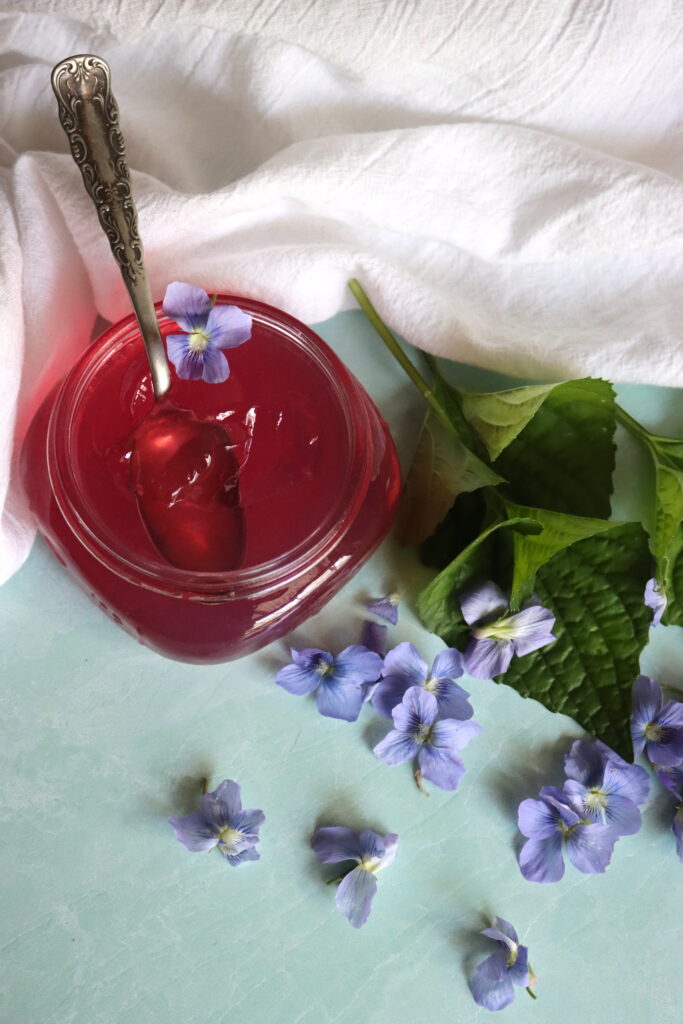
- Violet Jelly produces a stunning purple color from wild violets with a berry like flavor
Herbal Jellies (Savory or Sweet)
Savory jellies made with herbs, peppers, wine, and garlic are designed to be paired with meats, cheeses, and crackers rather than spread on morning toast. Mint jelly is the classic accompaniment to lamb, while pepper jelly has become a Southern entertaining staple served over cream cheese. These jellies make impressive gifts and add a homemade touch to charcuterie boards. The base technique is similar to flower jellies: steeping the flavoring ingredient in liquid, then using that infusion to make jelly.
For more details on the general method, see How to Make Herbal Jelly (Savory or Sweet).
- Chive Blossom Jelly pairs beautifully with goat cheese
- Herb Jelly, Fine combines herbes de Provence with white wine
- Herb Jelly, Light uses basil, mint, thyme, or sage with no-sugar-needed pectin
- Lemon Balm Jelly has a bright, citrusy mint flavor
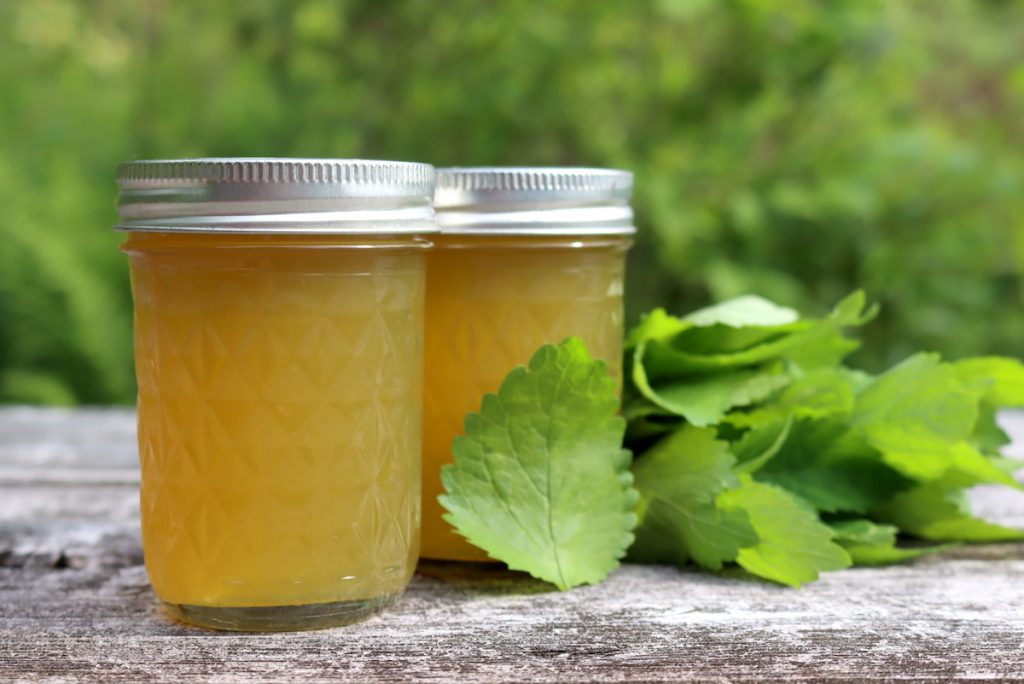
- Mint Jelly is the traditional accompaniment to roast lamb
- Rosemary Jelly is perfect with roasted meats and hard cheeses
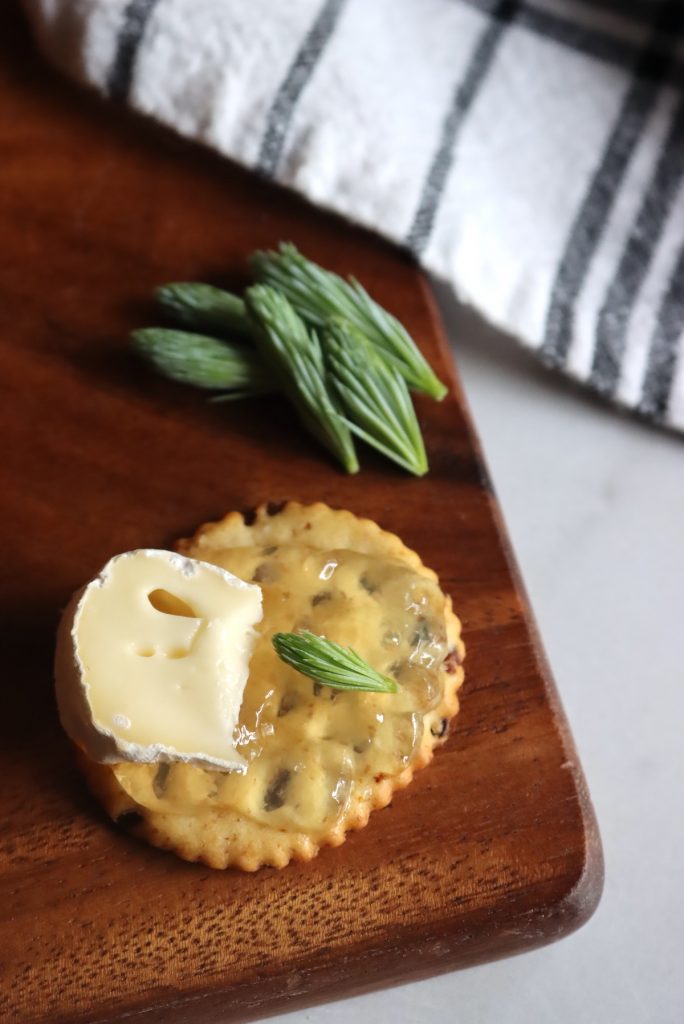
- Spruce Tip Jelly captures the bright, citrusy flavor of new spruce growth
- Wine Jelly pairs robustly flavored wines with cheeses and meats
Jelly making is one of those skills that seems intimidating until you try it, and then you wonder why you waited so long. Start with a fruit you have on hand and a tested recipe, and you’ll have a batch of homemade jelly cooling on your counter in about an hour. Once you’ve mastered the basic technique, the possibilities expand quickly.
That patch of wild grapes along the fence becomes next fall’s project, the lilacs outside your window transform into spring gifts, and the mint taking over your garden finally has a purpose beyond mojitos.
Canning Recipe Lists
Looking for more canning inspiration?
Find the perfect recipe
Searching for something else? Enter keywords to find the perfect recipe!