
This post may contain affiliate links. Please see our disclosure policy.
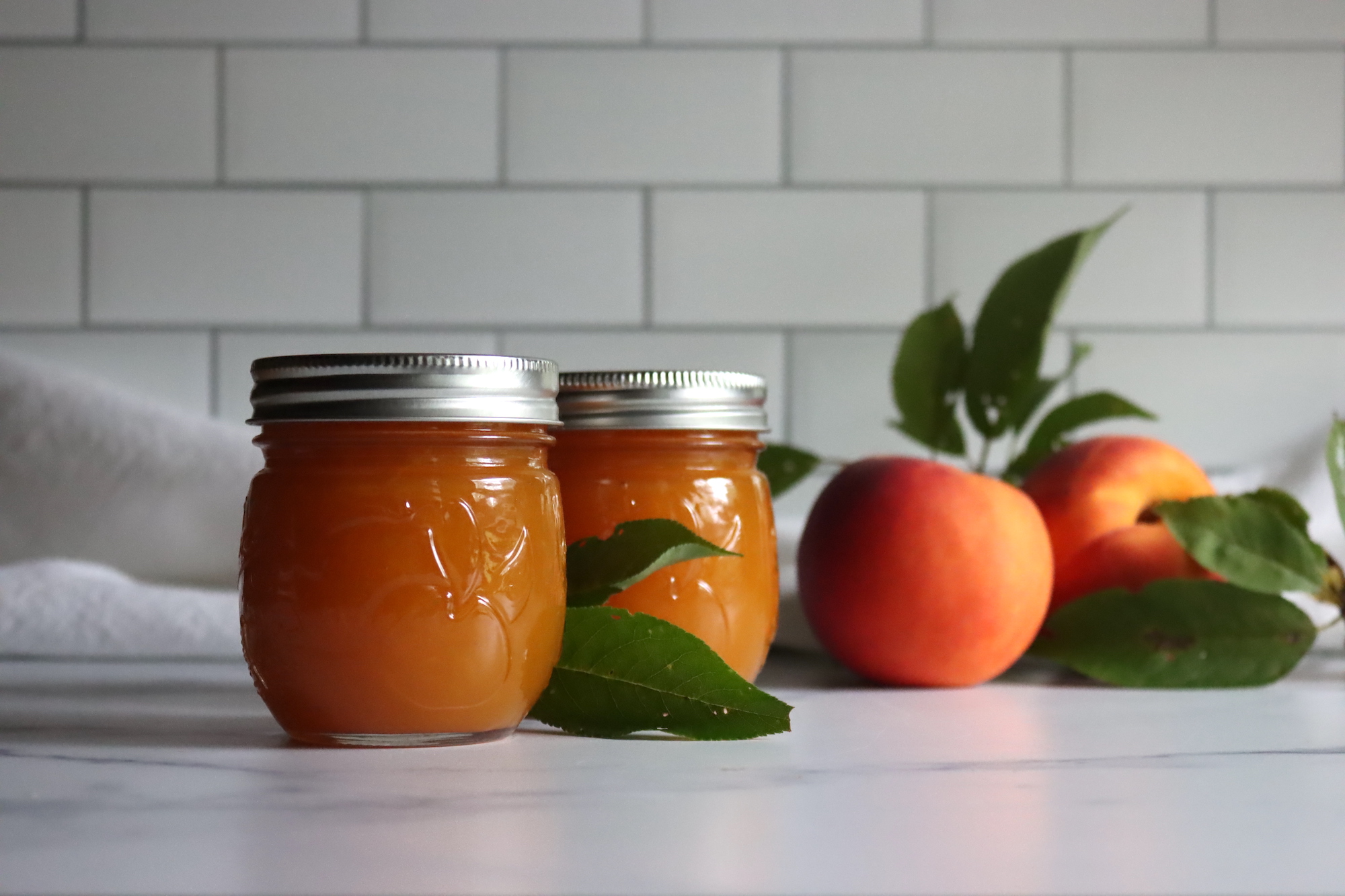
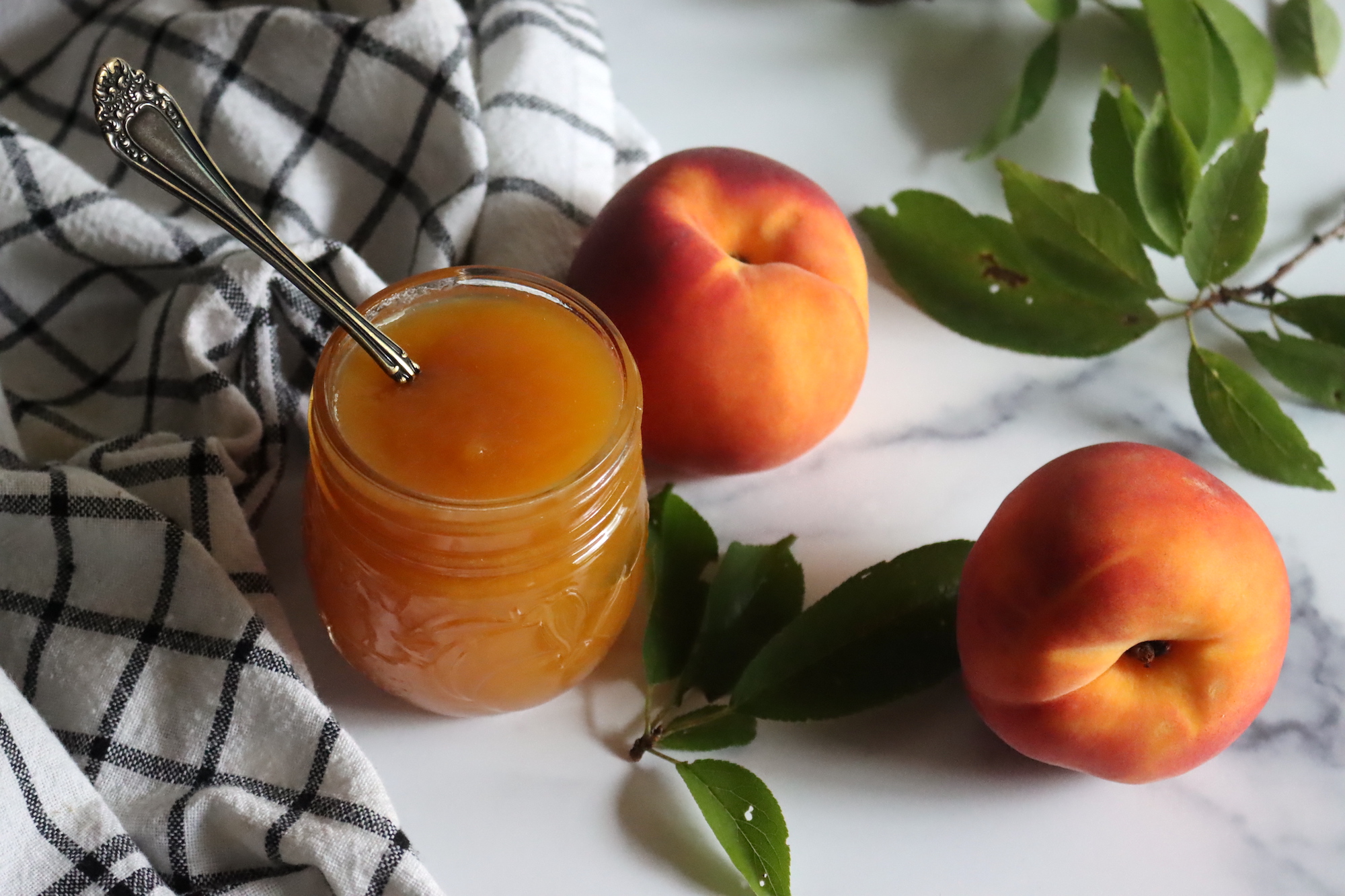
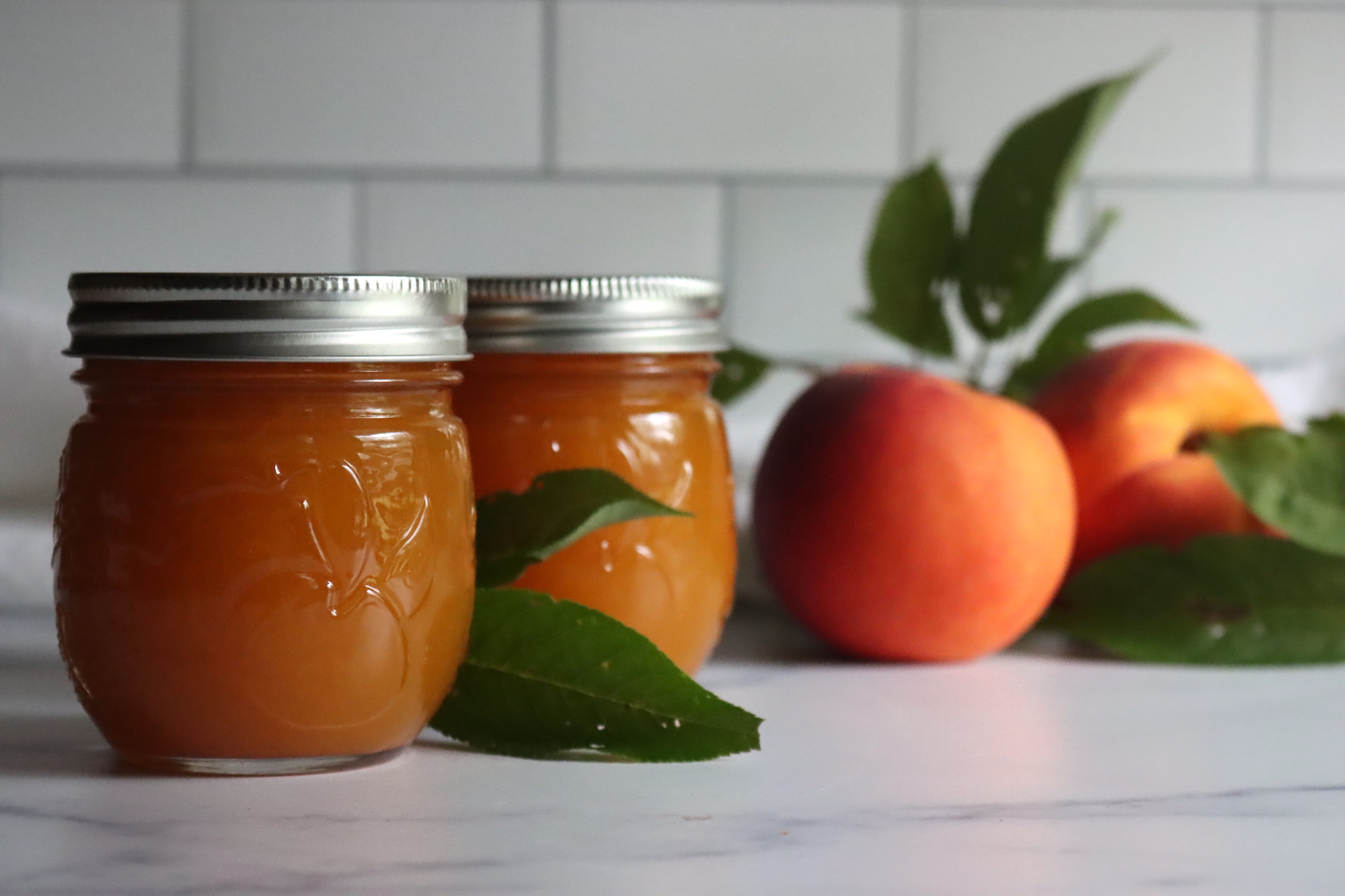
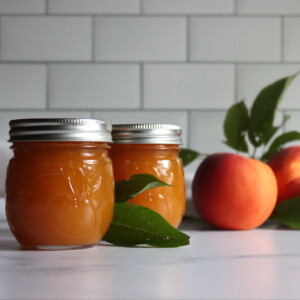
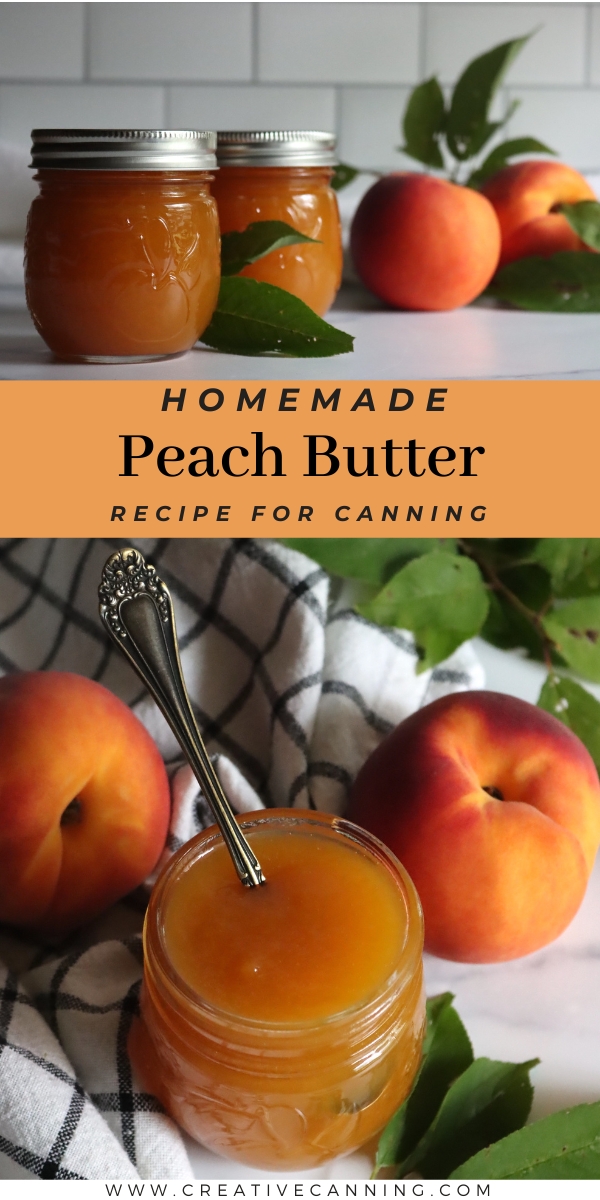
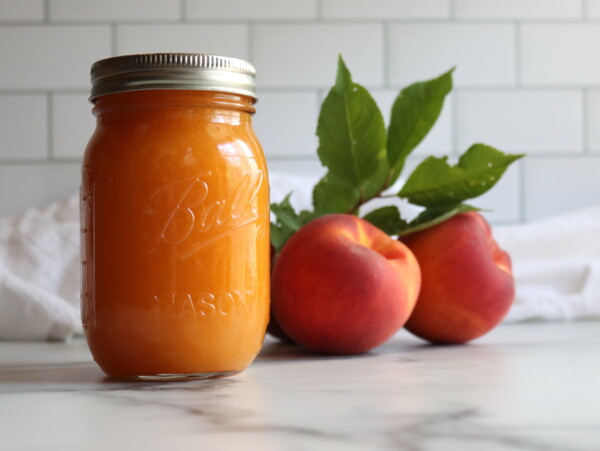
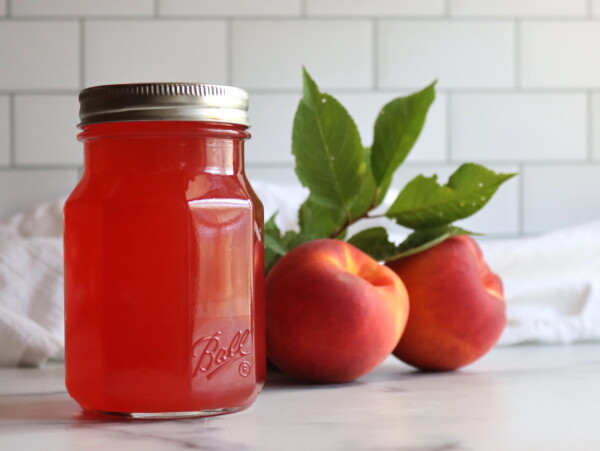
Peach butter is a silky, spreadable preserve that concentrates all the sweet, fragrant flavor of summer peaches into something you can slather on toast, swirl into yogurt, or spoon straight from the jar.
Unlike jam, there’s no pectin to fuss with and no gel point to hit. You simply cook the peaches down until they’re thick and glossy.
This recipe has been reviewed for safety and accuracy by a Master Food Preserver certified through the University of Cornell Cooperative Extension.
Peaches are one of those fruits I look forward to all year, and when a case of ripe ones lands on the counter, I want to put up as many jars as I can before they’re gone. Home canned peach slices and peach jam get made every season, and peach butter has earned its own spot in that lineup for the way it turns even slightly soft, past-their-prime peaches into a smooth, spoonable spread.
If you’ve made apple butter or pear butter, the process will feel familiar. You cook the fruit soft, blend it smooth, and then reduce it with sugar until it mounds on a spoon.
The basic method for making fruit butter works with nearly any fruit, and peaches, with their soft flesh and natural sweetness, break down beautifully. This recipe makes about 8 half pints, and it scales up easily if you’ve got a bumper crop to work through.
Notes from My Kitchen

Vermont isn’t exactly known for its peaches, but our local co-op ships up cases of ripe southern peaches each summer so we can have a taste of the season. I always buy a case or two for preserving, and I’m forever looking for new ways to showcase them. Peach butter came after I’d already worked my way through canned slices and jam, and I was glad I finally got around to it.
This batch makes enough to keep us stocked through the winter without taking over the whole pantry. The kids like it on toast and waffles because it’s smooth and spreads easily, with none of the chunks you get in jam. I like that it uses up the peaches that have gone a little too soft to slice, so nothing from that case goes to waste.
Once you get the hang of fruit butters, you’ll find yourself making them with all kinds of fruit.
Quick Look at the Recipe
- Recipe Name: Peach Butter
- Recipe Type: Fruit Butter
- Canning Method: Water Bath Canning
- Prep Time: About 30 minutes, including peeling
- Cook Time: About 1 hour
- Canning Time: 10 minutes for half pints or pints
- Yield: About 8 half pints
- Jar Sizes: Half pints or pints
- Headspace: 1/4 inch
- Ingredients Overview: Peaches, sugar, water, lemon juice
- Safe Canning Recipe Source: Adapted from the Ball Complete Book of Home Preserving
- Difficulty: Easy. The cook-down takes time but needs little attention beyond stirring.
- Similar Recipes: Making peach butter is similar to other fruit butters like apple butter, pear butter, and rhubarb butter, all of which cook down without pectin. If you have more peaches to put up, try other peach canning recipes like peach jam or canned peach slices.
Ingredients
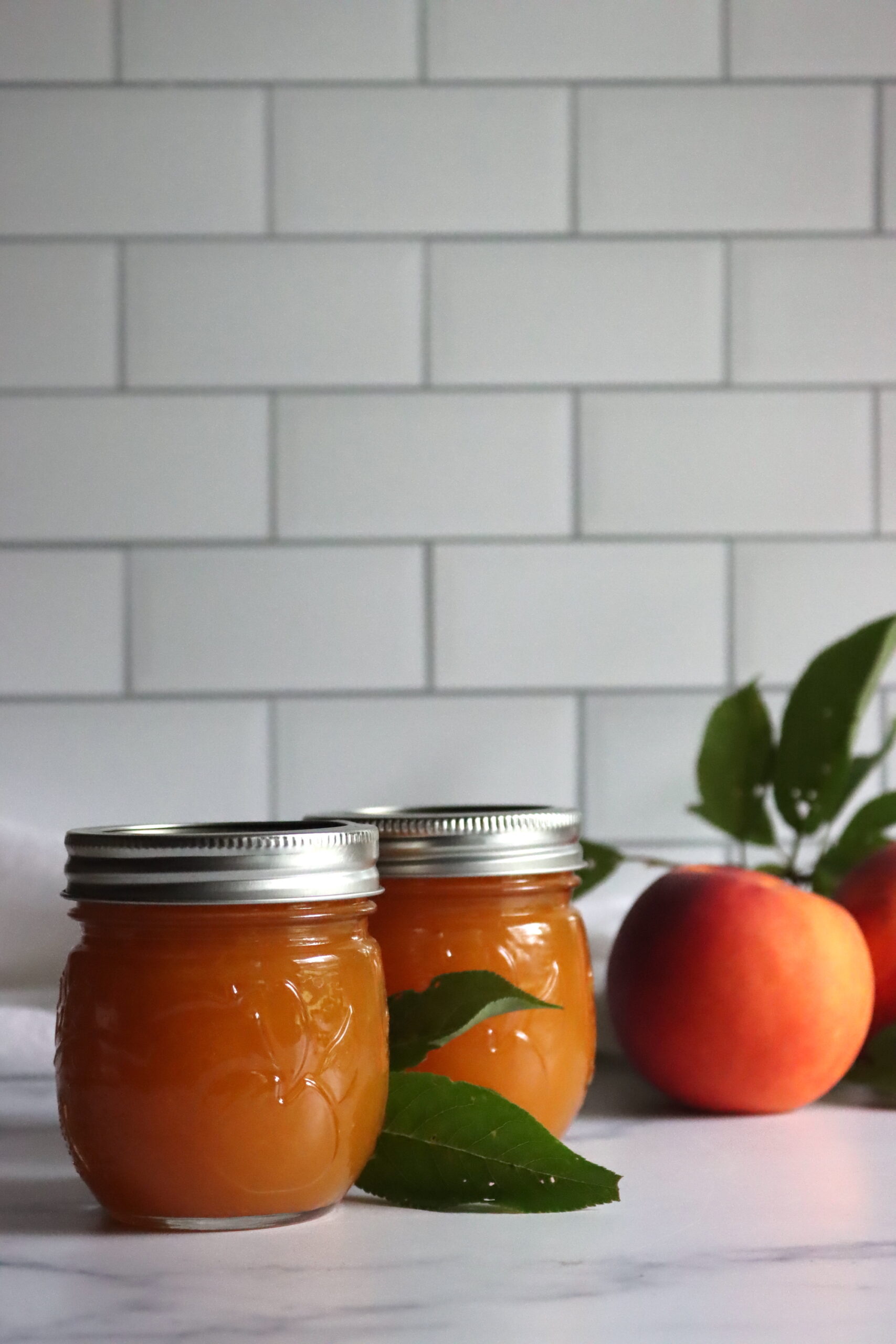
Peach butter comes together with just four ingredients, and the process is forgiving enough that you can adjust the sweetness and spicing to taste as you go.
- Peaches: Freestone peaches are the simplest to work with, since the pit twists right out, but clingstone will work too with a little more effort. Choose ripe, fragrant peaches. Slightly soft ones are perfect here since they’re getting cooked down and blended smooth anyway. Skip white-fleshed peaches for this recipe, as they run lower in acid than yellow varieties. Fresh or frozen both work, and the peaches get peeled before cooking so the butter stays smooth.
- Sugar: Standard granulated sugar balances the peaches and helps the butter thicken as it cooks. The sugar is for flavor and body, not preservation, so you can make a less-sweet butter if you prefer, though a large cut will change the texture, the cook time, and the final yield.
- Water: A small amount of water gets the cooking started and keeps the peaches from scorching before they release their juices. You won’t need much.
- Lemon Juice: Bottled lemon juice, along with a little grated zest, brightens the flavor, keeps the color from browning, and adds a margin of acidity. Use bottled rather than fresh, since bottled has a consistent acidity that fresh lemons don’t.
Peaches take well to warm spices, so you can stir in a little cinnamon, ginger, or nutmeg near the end of cooking for a spiced peach butter. Start with half a teaspoon and taste as you go, adding more only if you want it, so the spice supports the peach flavor rather than covering it up.
Step-by-Step Instructions
Peach butter takes a bit of hands-on time up front for peeling, but the rest is mostly a slow simmer. You cook the peaches soft, blend them smooth, reduce the puree with sugar until it thickens, and then ladle it into jars.
Cook the Peaches
Start by peeling the peaches, which goes quickly with a fast blanch. Bring a pot of water to a boil and set a bowl of ice water nearby. Lower 2 or 3 peaches into the boiling water at a time and blanch them for 30 to 60 seconds, then lift them out with a slotted spoon and drop them straight into the ice water. After a minute or two, the skins will slip off with your fingers or a paring knife. Work in batches until all the peaches are peeled.
Cut the peeled peaches in half around the pit, twist to separate the halves, and remove the pit along with any stringy flesh around it. Chop the peaches into chunks and place them in a large, heavy-bottomed pot with 1/2 cup of water, 3 tablespoons of bottled lemon juice, and the grated zest of one lemon. Cook over medium heat, stirring occasionally, until the peaches are soft and broken down, about 20 minutes.
Blend Until Smooth
Transfer the cooked peaches to a blender or use an immersion blender directly in the pot, and blend until smooth. A food mill or food processor works too if that’s what you have. Be careful when blending hot liquids: make sure the lid is secure and vented, place a towel over the top, and stand back when you turn it on.
Measure the puree, which should come to about 8 cups (2 quarts). If you’re a little short, that’s fine; just reduce the sugar proportionally to keep the balance. If you have extra, you can cook it all and simply fill a few more jars.
Reduce Until Thick
Return the peach puree to the pot and stir in 4 cups of sugar until it dissolves. Bring the mixture to a boil over medium-high heat, stirring frequently, then reduce the heat to medium and keep it at a gentle boil. Cook, stirring often and scraping the bottom of the pot to prevent scorching, until the butter has thickened and reduced. This usually takes 30 to 45 minutes, and the butter will darken slightly and turn glossy as it nears doneness.
To test for doneness, scoop up a spoonful and watch how it sits. If it mounds on the spoon instead of running off the edges, it’s ready. You can also spoon a little onto a cold plate; if no rim of liquid separates around the edge, the butter is done. Keep in mind that it will thicken further as it cools, so it’s better to pull it slightly early than to overcook it into a stiff paste.
Fill Jars
Ladle the hot butter into prepared jars, leaving 1/4 inch headspace. Remove air bubbles by running a bubble remover or chopstick around the inside edge of the jar, then wipe the rims clean with a damp cloth, center the lids, and apply the bands fingertip tight.
A canning funnel with headspace markings makes this step cleaner and helps you keep the fill level consistent from jar to jar. Peach butter is thick, so take a moment to work out any trapped air pockets before you wipe the rims.
Canning Peach Butter
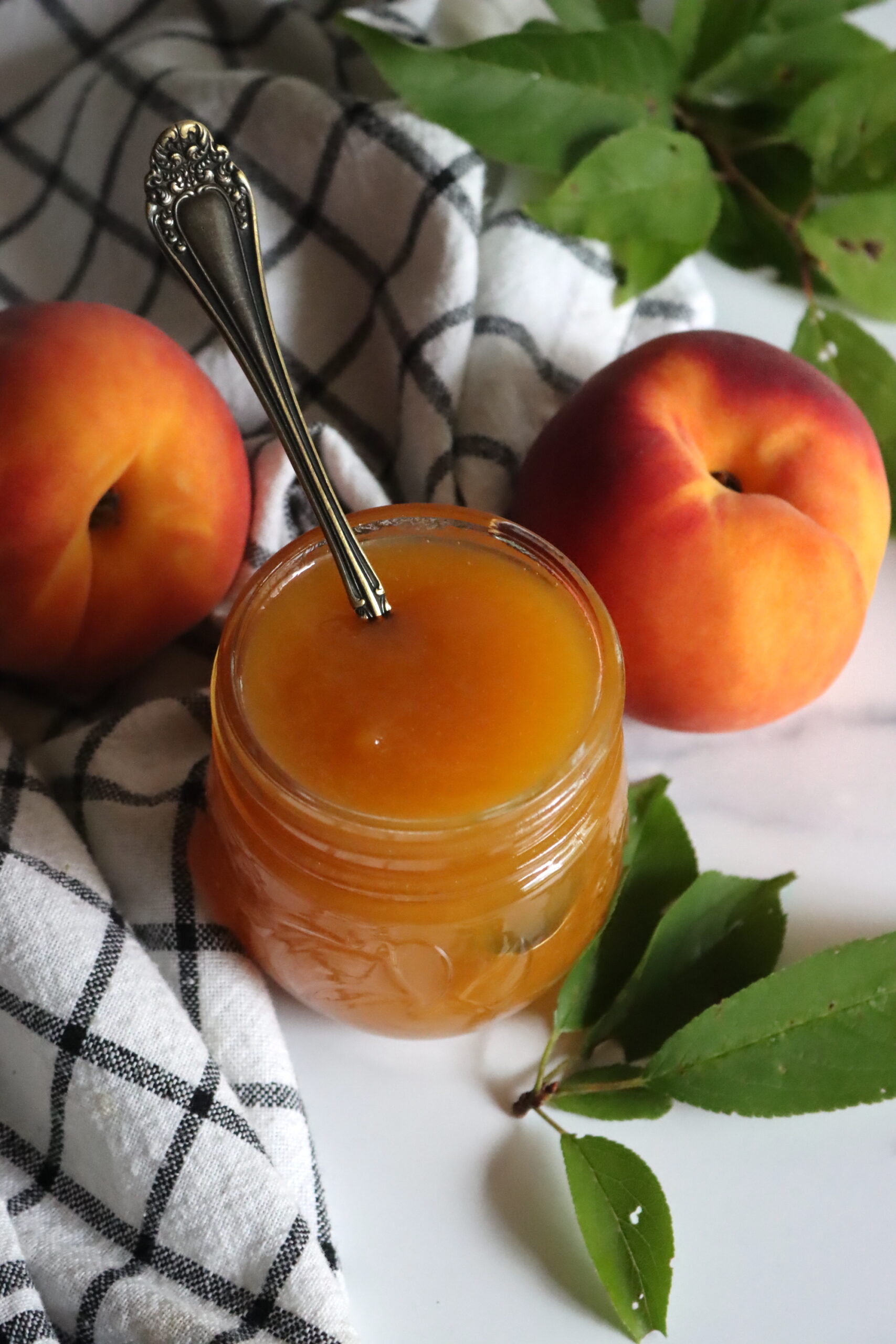
Without canning, peach butter will keep in the refrigerator for 2 to 3 weeks or in the freezer for up to a year. For shelf-stable storage that lasts through the winter, process the filled jars in a boiling water bath.
Prepare your water bath canner before you start cooking the peach butter, so the canner is hot and ready when the jars are filled. Lower the filled jars into the canner, making sure they’re covered by at least 1 inch of water, and process for 10 minutes for either half pints or pints, adjusting for altitude as noted below.
After processing, turn off the heat and let the jars stand in the canner for 5 minutes before removing them. Place the jars on a towel-lined counter and let them cool undisturbed for 12 to 24 hours. Check the seals before storing, and refrigerate any jars that didn’t seal for immediate use. Properly sealed jars keep at room temperature for 12 to 18 months.
Altitude Adjustments
For water bath canning, processing times increase at higher elevations:
- 0 to 1,000 feet: 10 minutes
- 1,001 to 6,000 feet: 15 minutes
- Above 6,000 feet: 20 minutes
Yield Notes
This recipe starts with about 4 to 4 1/2 pounds of peaches (roughly 14 to 18 medium) and cooks down to approximately 2 quarts of puree, which makes about 8 half-pint jars of finished butter. The exact yield depends on how ripe and juicy your peaches are and how long you cook the butter down.
If you want a thicker, more concentrated butter, cook it a little longer. If you prefer a softer, more spreadable consistency, pull it off the heat a bit earlier. The butter will thicken as it cools, so err on the side of slightly loose if you’re unsure. This recipe scales up cleanly for a bigger batch, and the processing time stays the same regardless of how many jars you fill.
Serving Ideas
Peach butter is a treat on hot buttered toast, English muffins, biscuits, or croissants. Spread it on waffles or pancakes with a dollop of whipped cream for a weekend breakfast, or swirl it into a bowl of oatmeal or plain yogurt to wake up the flavor.
Beyond breakfast, peach butter works as a filling for thumbprint cookies or between cake layers, and it’s a nice addition to a cheese board alongside a creamy brie or a sharp cheddar. For something savory, brush it onto pork or chicken toward the end of roasting, where the sweetness caramelizes into a quick glaze.
Peach Butter FAQs
Scoop up a spoonful and watch how it sits. If it mounds on the spoon instead of running off the edges, it’s ready. You can also spoon a little onto a cold plate; if no rim of liquid separates around the edge, the butter is done. It thickens further as it cools, so it’s better to pull it slightly early than to overcook it.
Yes, frozen peaches work well for fruit butter, and they’re already peeled if you froze them that way. There’s no need to thaw first; add them to the pot and proceed as usual. You may need slightly less water since frozen peaches release more liquid as they thaw.
If you’re a little short of the 2 quarts of puree the recipe calls for, you can make up the difference with cooked, pureed apples or pears. They add a bit of natural sweetness and blend in without overpowering the peach flavor, as long as peaches make up the majority of the mix.
Properly canned and sealed jars keep at room temperature for 12 to 18 months. Once opened, refrigerate and use within a few weeks. Without canning, the butter keeps in the refrigerator for 2 to 3 weeks or in the freezer for up to a year.
If you’ve got a case of peaches to work through, there are plenty of other ways to put them up for the pantry beyond butter.
Peach Canning Recipes
If you tried this Peach Butter recipe, or any other recipe on Creative Canning, leave a ⭐ star rating and let me know what you think in the 📝 comments below!
And make sure you stay in touch with me by following on social media!
Peach Butter
Equipment
- Canning Jars, Lids and Bands
Ingredients
- 4 to 4 1/2 lbs peaches, about 14-18 medium, peeled and pitted
- ½ cup water
- 4 cups sugar
- 3 Tbsp lemon juice, fresh or bottled, for flavor
- zest of 1 lemon, optional, for flavor
Instructions
- Prepare a water bath canner, jars, and lids before beginning.
- Blanch the peaches in boiling water for 30 to 60 seconds, then transfer to a bowl of ice water. Slip off the skins, halve the peaches, and remove the pits.
- Chop the peeled peaches and place them in a heavy-bottomed pot with the water, bottled lemon juice, and lemon zest. Cook over medium heat, stirring occasionally, until soft and broken down, about 20 minutes.
- Blend smooth using an immersion blender, food mill, or food processor. Measure the puree against the recipe’s target.
- Return the puree to the pot and stir in the sugar until it dissolves. Bring to a boil over medium-high heat, then reduce to a gentle boil and cook, stirring often and scraping the bottom, until thickened and it mounds on a spoon. The butter thickens further as it cools, so stop slightly early.
- Ladle the hot butter into prepared jars, leaving 1/4 inch headspace. Remove air bubbles, wipe the rims clean, center the lids, and apply the bands fingertip tight.
- Process in a boiling water bath for 10 minutes for half pints or pints, adjusting for altitude (see notes).
- Turn off the heat and let the jars stand in the canner for 5 minutes, then remove and cool undisturbed for 12 to 24 hours. Check seals before storing.
Notes
- 0 to 1,000 feet, 10 minutes.
- 1,001 to 6,000 feet, 15 minutes.
- Above 6,000 feet, 20 minutes.
Nutrition
Nutrition information is automatically calculated, so should only be used as an approximation.
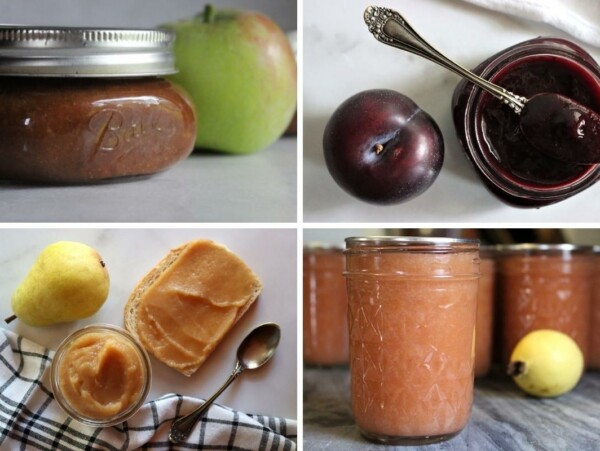
Once you get the hang of cooking fruit down to a butter, the same method works for almost any fruit, so it’s worth keeping a few other butters on hand too.
Fruit Butter Canning Recipes
Find the perfect recipe
Searching for something else? Enter keywords to find the perfect recipe!

This recipe for Peach Butter was really easy to follow. I had more than 4.5 lbs of peaches. I ended up with One Dozen Half-Pint Jars plus One Pint Jar three-fourths of the way full. So a little over 3-Quarts. I followed only the recipe for one batch. What I learned/experienced:
-4 Cups of Sugar was too much. I should have started with one or two.
– As the peaches cooked down, they became sweeter and sweeter.
– The Bourbon Vanilla Paste from Trader Joes, just a teaspoon, does wonders.
– Cardamom, just a quarter teaspoon, makes this Peach Butter taste like you picked the peaches from the tree just that morning. It brings all the floral notes from peaches and lemon through and makes it light and fresh.
– The longer it cooks down, the sweeter it becomes… this can be a problem… a splash of lemon juice can rectify the problem.
– It is positively delightful on an English Button.
I WILL make this recipe again, with little changes, and I appreciate your notes and tips as they are very helpful. Thank you!
So glad you like it! All those added spices sound wonderful!
Mine turned out saucy, not thick. Is there anyway to fix it after I canned it?
You can open the jars, pour it back into a pot (or crock pot) and continue to cook it down until it thickens. You just stopped cooking it a bit early, which is fine, just cook it more and then re-can it.
Can I cook them in the crock pot?
Yes, this works just fine in a crock pot, it’ll just take a bit longer. Enjoy!
Worth the time it takes to cook this down.
The smell in my house is pure heaven.
Thank you.
I agree! And you’re quite welcome =)
Next batch, it’s peach season.
Hi, I see you added nutrition info for the peach butter. Can you tell us what the serving size for those numbers are. I’m guessing per tbsp or 2tbsp, any info would be appreciated.
Yes, the serving size is 2 Tbsp. I’ve added that into the recipe as well, so it’s clearer.
Do you not sure he’ll or pectin with this?
You do not need pectin with this, or any other fruit butter. They’re different than jam.
I made this recipe today, and I am in love with peach butter!! This will be like opening little jars of sunshine through the year. I’m in TX and just bought 25 lbs of fresh southern peaches to preserve, and I will make peach butter a yearly tradition. I may make up a batch or two later this summer to give to family and friends as Christmas gifts because it would be such a a treat in the winter to enjoy a jar of this sweet summery spread! Your recipe was spot on, I measured 4.5 lbs of peaches and ended up with 2 quarts of peach puree exactly. Thank you for sharing this recipe.
Wonderful! We absolutely love this recipe too! I actually like it a lot better than peach jam, and this one’s my go to for preserving peaches these days.
Very easy to make taste fabulous 👌
So glad you enjoyed it!
Can you use honey in place of sugar? If so, how much and is there any alteration to the recipe directions?
You can use honey in place of sugar without any issue. Generally, honey is sweeter than sugar by volume, so for the same sweetness you’d use about 2/3rds to 3/4s as much. The color of the finished butter will be darker, but it should otherwise be the same with a wonderful honey flavor. I’d recommend using a light honey, like clover honey, so the flavor doesn’t get too intense.
Maple syrup also works really well in this recipe, and you’d use the same amount as with honey.
Can I use my frozen peaches (already peeled and sliced) for this recipe? If so, since no pit or peel are involved, how many pounds would I need? Thank you! Love your recipes and helpful advice!
The pits weigh so little in peaches that I’d just use the same weight of peaches for the recipe, even frozen. At least looking online, it says that an average peach weighs 5 ounces, and a pitted/peeled peach weighs 4.5 ounces. So that’s about a 10% difference. If you want to adjust it, you’d use about 10% less, but I imagine in the end any difference in yield is going to come down to how juicy your peaches are and how thick you cook them down to.