
This post may contain affiliate links. Please see our disclosure policy.
Soup canning recipes turn a casual Saturday at the stove into a winter’s worth of suppers that are ready the moment you are. When the weather turns and the day runs short, pulling a jar off the shelf and warming it through means a real, nourishing meal lands on the table without anyone having to start from scratch.
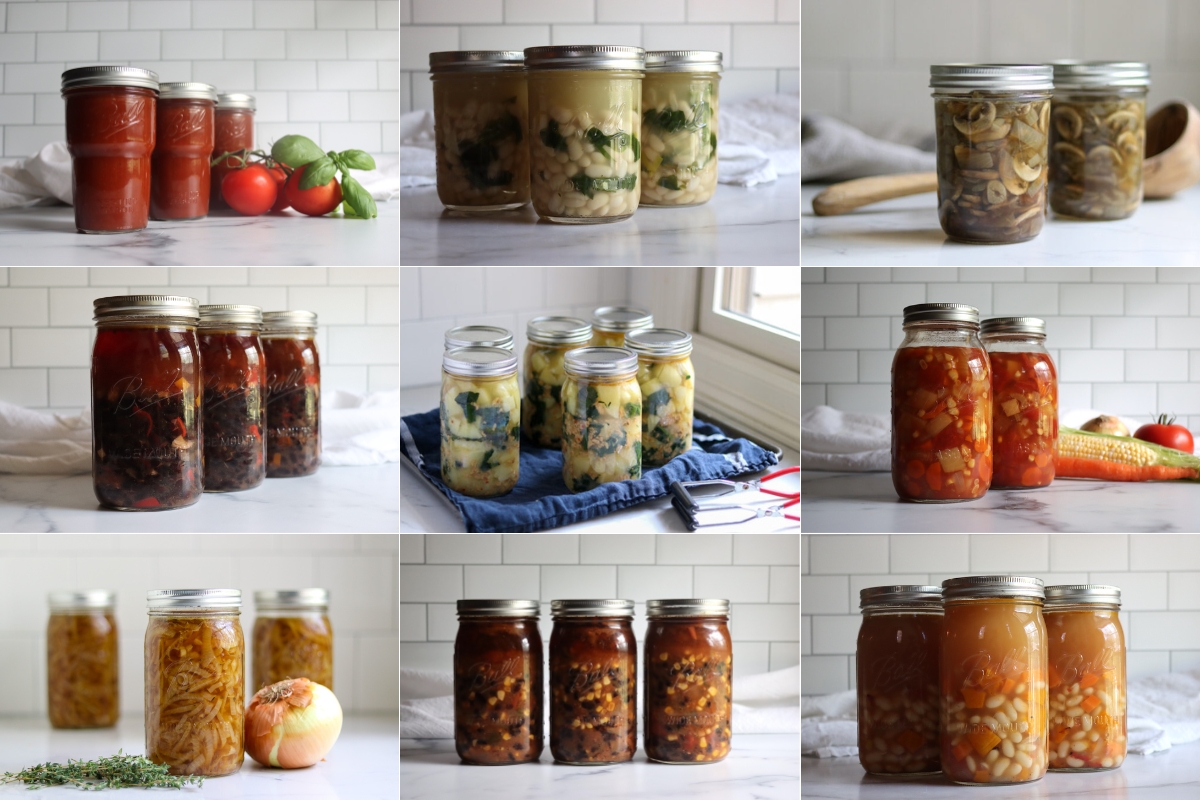
Table of Contents
- Pressure Canning Soup
- Building Your Own Soup Canning Recipe
- Altitude Adjustments
- Broth and Stock Canning Recipes
- Vegetable Soup Canning Recipes
- Bean and Pea Soup Canning Recipes
- Beef Stew and Beef Soup Canning Recipes
- Chicken and Turkey Soup Canning Recipes
- Seafood Soup Canning Recipes
- Pork and Sausage Soup Canning Recipes
- Wild Game Soup Canning Recipes
- Meal in a Jar Canning Recipes
- Pressure Canning Books
- Soup Canning FAQ
- Soup Canning Recipes
- Meal in a Jar Canning Recipes
If you are anything like me, you probably got started canning extra vegetables from the garden. It is a good way to preserve your harvest for winter without leaning on a freezer to keep it cold. Those plain jars of vegetables still take a bit of work to turn into a meal though, which is why I keep plenty of soup in the pantry too.
Home-canned soup takes almost no effort to open, heat, and enjoy. It may not pull together a big fancy meal, but it fills everyone with warm, tasty food on the nights when the family is stretched thin or under the weather. I much prefer these to store-bought canned soups, which tend to be thin, heavy on sodium, and packed in cans that are often lined with plastic.
When you can soup at home, you control exactly what goes in: vegetables from your garden or farmer’s market, meat from your homestead or hunt, and fresh herbs and spices. This page pulls together more than a hundred soup, stew, chowder, and meal-in-a-jar recipes, grouped by main ingredient so you can jump straight to the kind you are after.
You will also find sister collections worth bookmarking, like the full vegetarian soup canning recipes and the meal in a jar canning recipes roundup.
Soup is a low-acid food, so getting the method right matters, and the sections below walk through the safety basics before the recipes begin.
Pressure Canning Soup
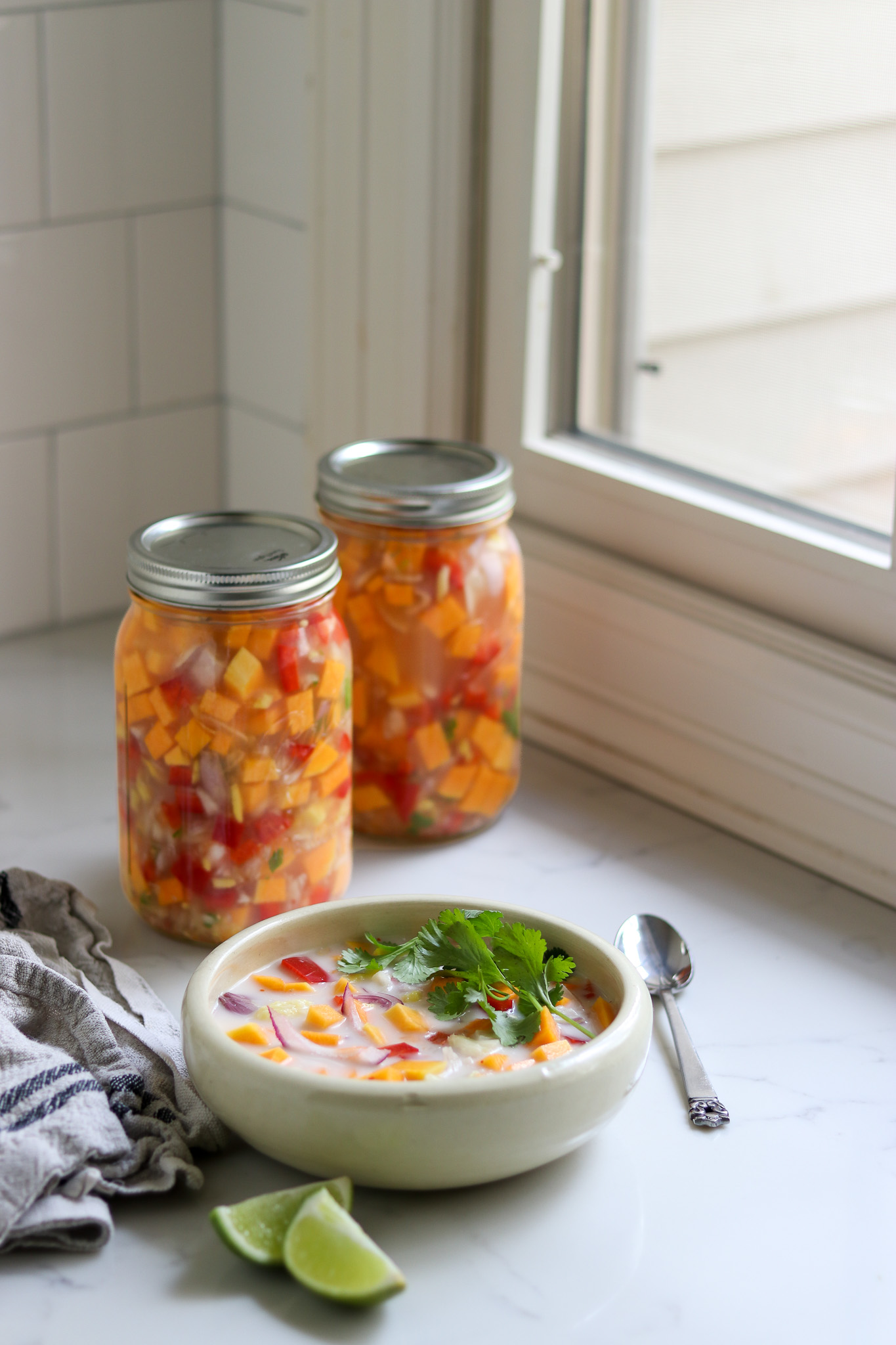
Soup must be pressure-canned. Unlike the pickles and jam you may already have experience with in water bath canning, soup ingredients are low-acid foods. Their pH is too high to be safe for water bath canning, and a pressure canner reaches the much higher temperatures needed to kill the bacteria that thrive in low-acid foods.
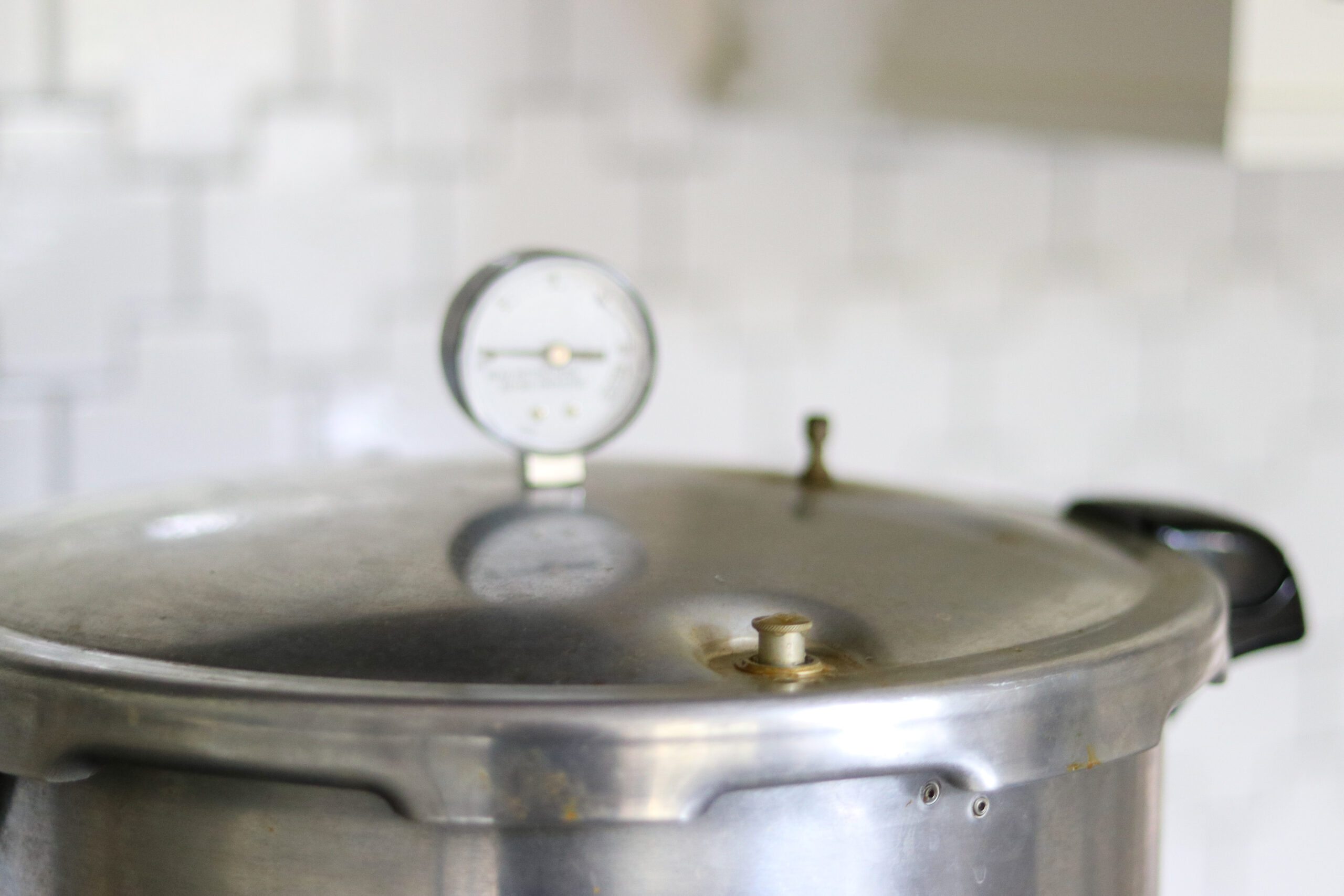
I use the 30-quart All-American canner and can’t recommend it enough. It was an investment for our homestead, but it is simple to use and incredibly durable, and I expect it will still be fully operational long after I’m gone.
If you are not ready for that kind of investment, a more affordable Presto pressure canner will get the job done. After using both, I find the Presto a bit fussier and less durable. You will need to buy replacement gaskets regularly and have the gauge tested annually at your local extension office, which adds up. All-American canners have no gaskets and need no yearly testing, so they actually save money and frustration over the long haul.
There are a few exceptions to the pressure canning rule. Certain plain tomato soups and the Scandinavian style “fruit soups” are acidic enough to be water bath canned, and those recipes will clearly say so. In general though, any ordinary soup that mixes meat, vegetables, and seasonings has to be pressure-canned, and those are the recipes I am focused on here.
If you are new to all of this, start with my beginner’s guide to pressure canning. Pressure canning is not complicated, but there are a handful of guidelines you need to follow to do it safely. Once you have the basics down, there are hundreds of recipes waiting for you, from plain vegetables to meats to the soups below.
Building Your Own Soup Canning Recipe
There are plenty of soup recipes to choose from, but a lot of people already have a family soup they want to put up. I am often asked, “Can I pressure can my own soup?”, and the answer is that you often can, as long as you follow a specific set of rules.
The National Center for Home Food Preservation publishes an adaptable soup recipe for pressure canning that lets you use a wide range of ingredients. Every ingredient has to be one that is already approved for canning on its own, meaning it has its own established canning instructions. You can include beans and onions, for example, because there are approved instructions for canning them, but you cannot include cabbage, because there are none for canning cabbage alone.
You also cannot use any starches, including thickeners, flour, rice, or pasta, and you need to leave out dairy products like milk, cream, and butter. Your soup has to be built from beans, meat, vegetables, herbs, and seasonings. The good news is that all of those off-limits ingredients are simple to stir in later, right before you eat.
To can your own soup, fill the jars only about halfway with solids. Prepare the meat and vegetables as you would for a hot pack, load them into prepared jars up to the halfway point, then fill the rest of the jar with broth, leaving 1 inch of headspace. This keeps the soup from packing too densely and lets the heat penetrate properly during processing. Seal with 2-part canning lids and process hot pack pints for 60 minutes or quarts for 75 minutes (100 minutes if the soup contains seafood) at 10 pounds pressure in a weighted gauge canner or 11 pounds in a dial gauge canner, adjusting for altitude (see the chart below).
Altitude Adjustments
For a hot packed, half-broth soup, the processing time stays the same at every elevation: 60 minutes for pints and 75 minutes for quarts, or 100 minutes if the soup contains seafood. Only the pressure goes up. Here are the altitude adjustments for pressure canning brothy soups:
For dial gauge pressure canners, like a Presto:
- 0 to 2,000 feet: 11 lbs pressure
- 2,001 to 4,000 feet: 12 lbs pressure
- 4,001 to 6,000 feet: 13 lbs pressure
- 6,001 to 8,000 feet: 14 lbs pressure
For weighted gauge pressure canners, like an All-American, which run at 10 or 15 pounds with nothing in between:
- 0 to 1,000 feet: 10 lbs pressure
- Above 1,000 feet: 15 lbs pressure
This half-broth method works well for soups I plan to thicken at serving time, or any I will be adding cooked pasta or rice to as I reheat. If you would rather fill the jar with a hearty, full-bodied soup or stew, you will need a recipe written and processed for that density. Plenty of those exist, and they make up most of the collection below.
Broth and Stock Canning Recipes
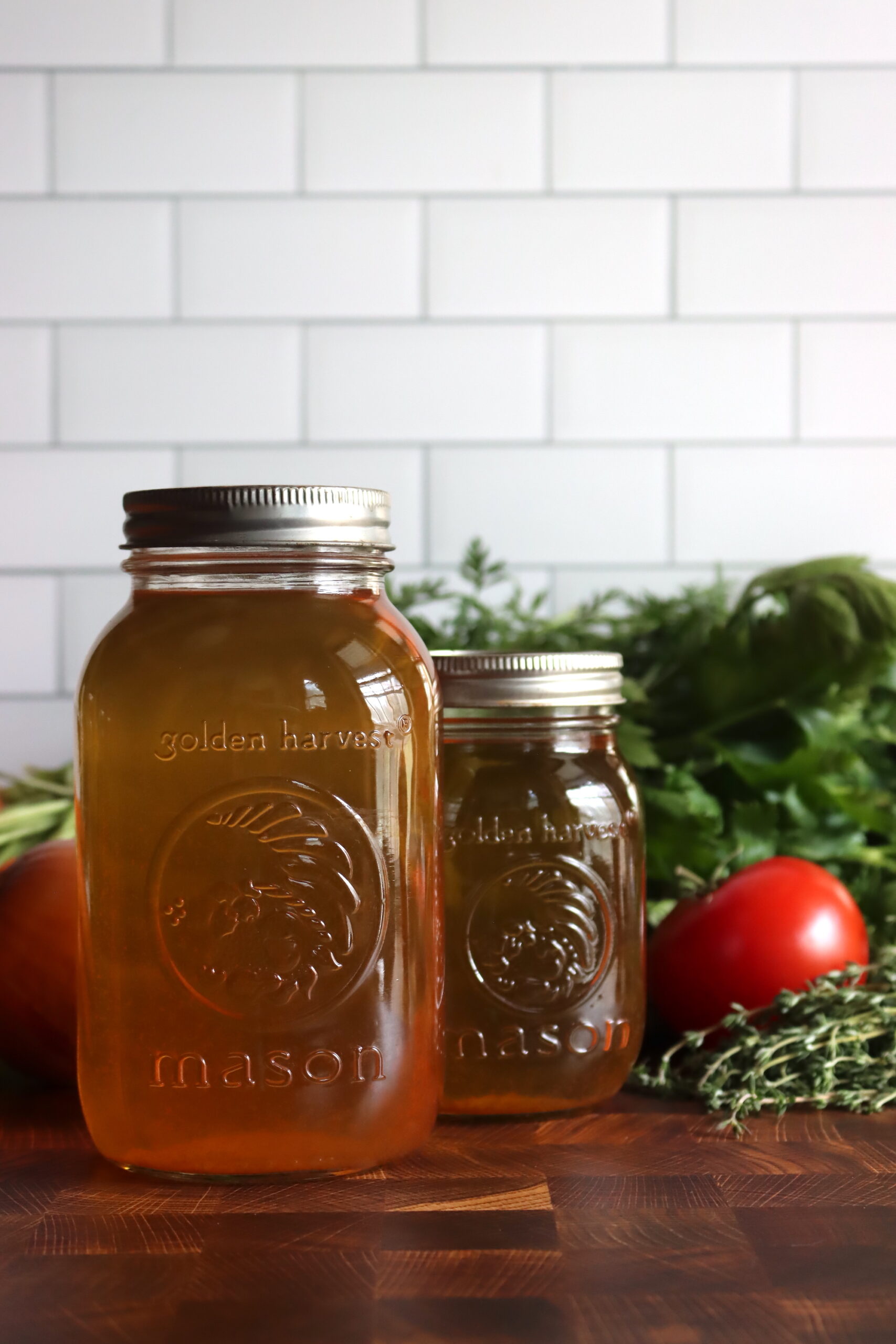
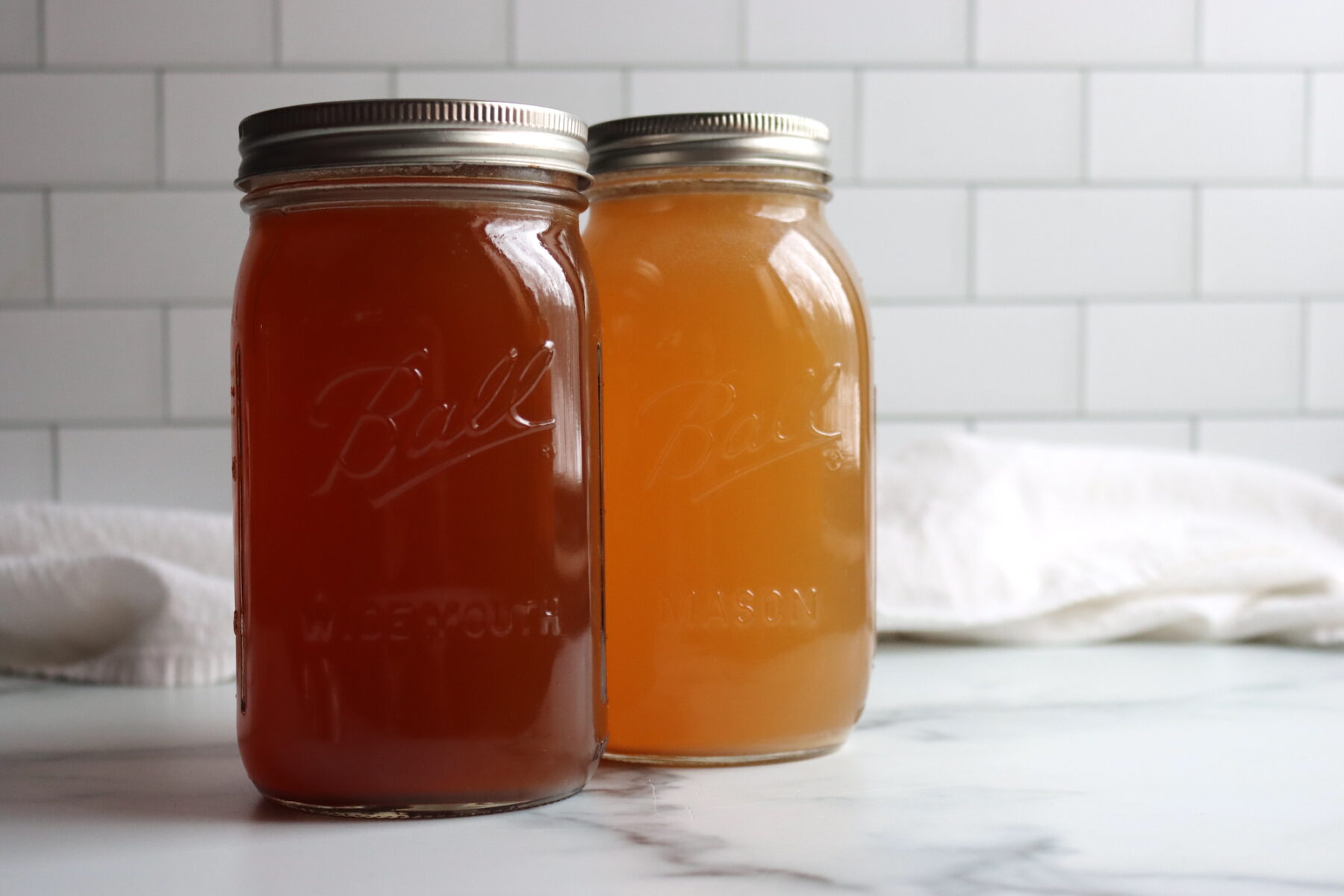
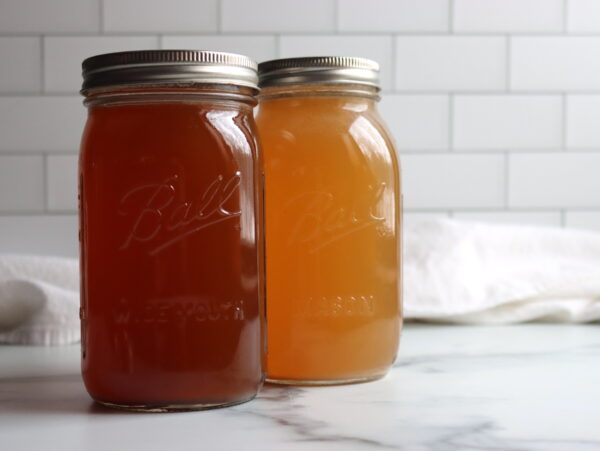
Though they technically are not soup, I love keeping canned stock and broth in the pantry. They are nourishing on their own and make an excellent base for homemade soups, letting you throw together a meal quickly with whatever ingredients you have on hand.
Broth and stock also have a real practical advantage: they process quickly. With no solids in the jar, the heat penetrates fast, so the pressure canning time is much shorter than it is for a chunky soup. If you are short on time, a canner load of broth is a simple place to start.
Vegetable Soup Canning Recipes
I love pressure-canning vegetable soups. There is something satisfying about turning summer garden produce into shelves of comforting meals and sides for winter. Mixed vegetables canned in a vegetable or meat stock can be stirred together with barley, rice, or pasta at serving time, or set alongside a sandwich for a filling lunch.
If pressure-canning plain jars of corn or green beans does not excite you, these soups are a good alternative, since the stock and seasonings carry a lot of flavor on their own. For even more meat-free ideas, the full vegetarian soup canning recipes page goes deeper, and tomato lovers should browse the dedicated tomato soup recipes for canning.
Squash and Root Vegetable Soups
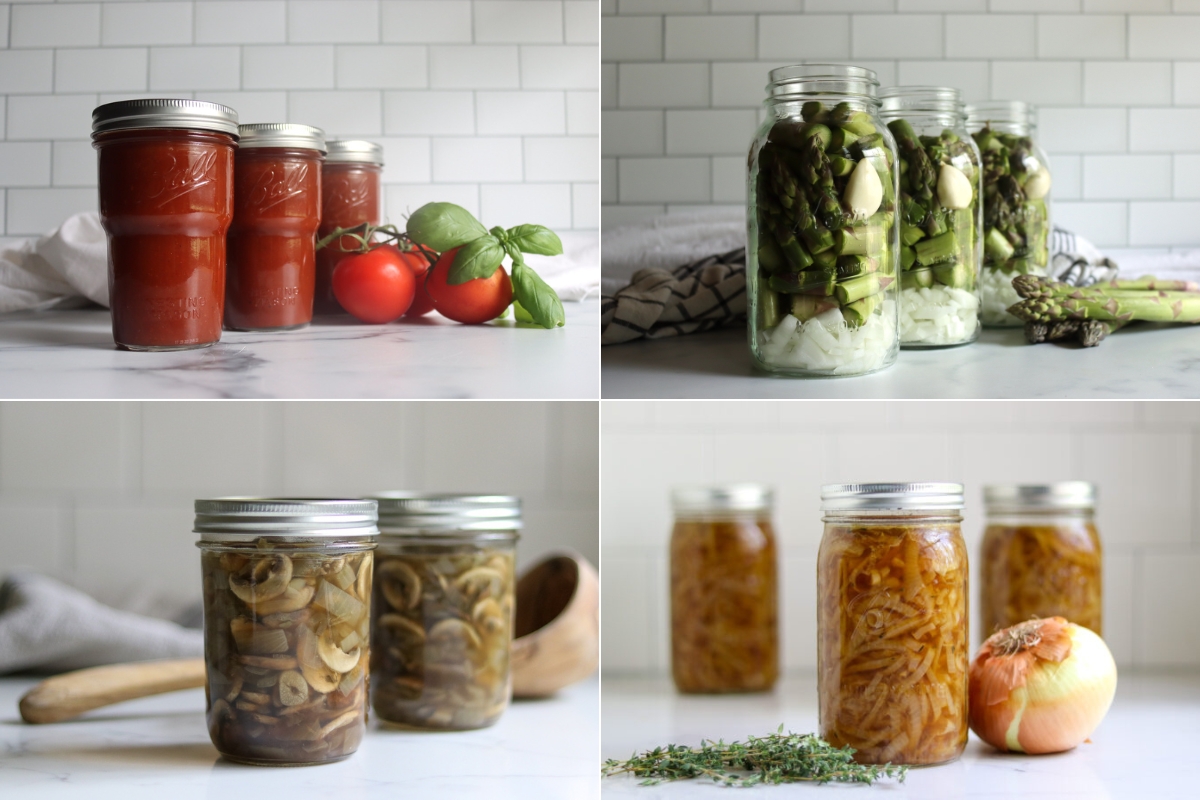
These hearty, slightly sweet soups make the most of winter squash, carrots, and potatoes, and they hold up well to long pantry storage.
- Butternut Squash Soup Base
- Thai Coconut Squash Soup
- Carrot and Fennel Soup
- Curried Carrot and Ginger Soup
- Potato Leek Soup
- Potato Soup
Asparagus and Spring Vegetable Soups
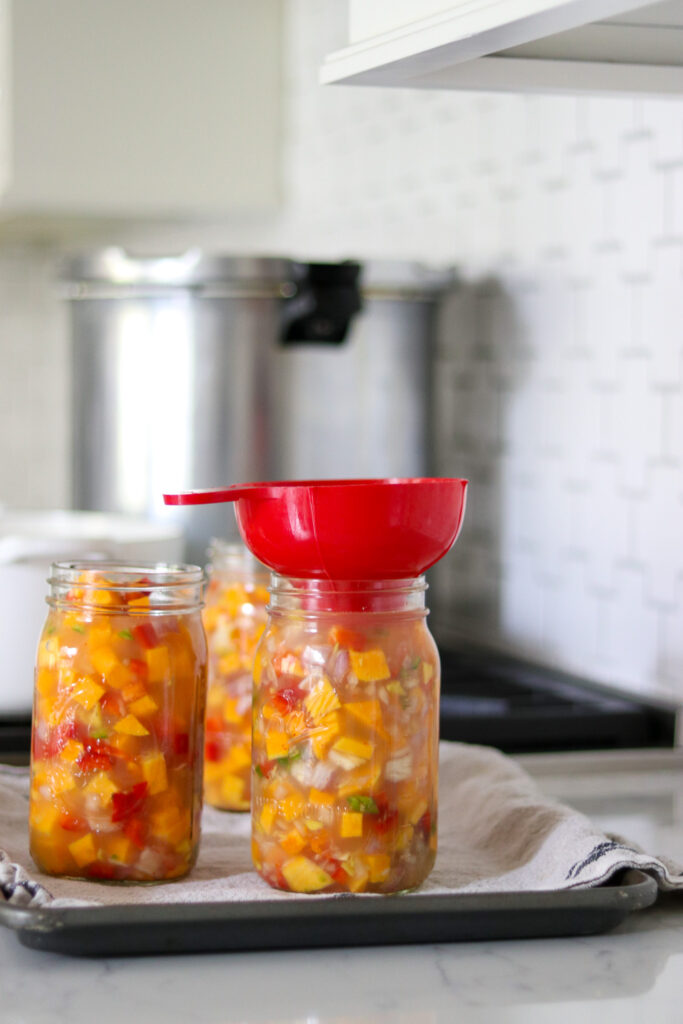
When the first asparagus comes in, canning a few jars of soup is a fine way to hold onto that brief spring flavor.
Tomato Soups
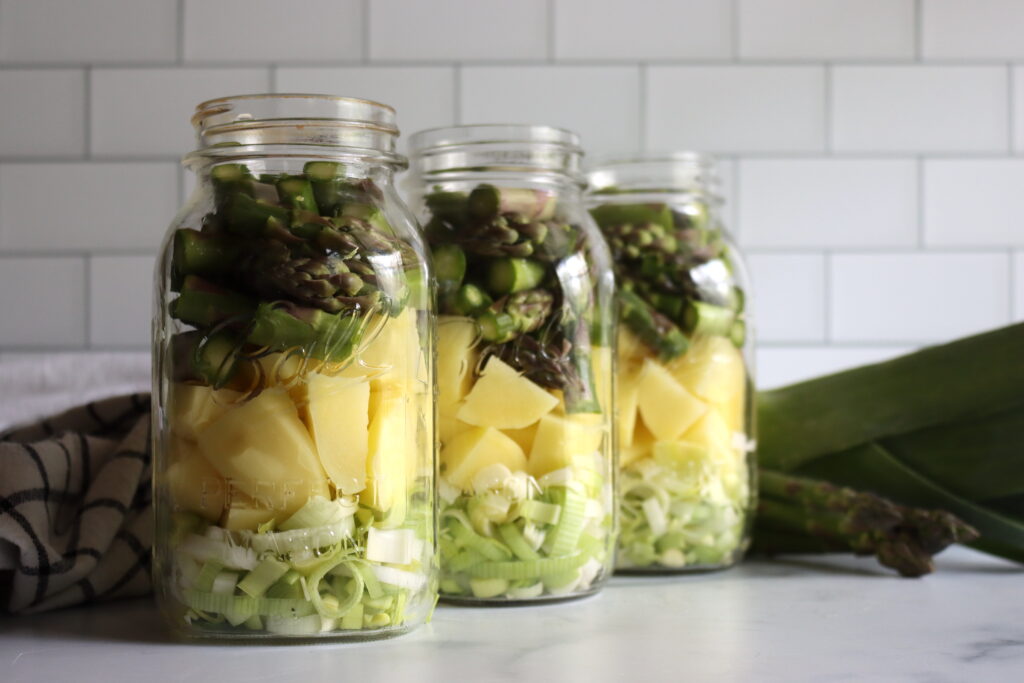
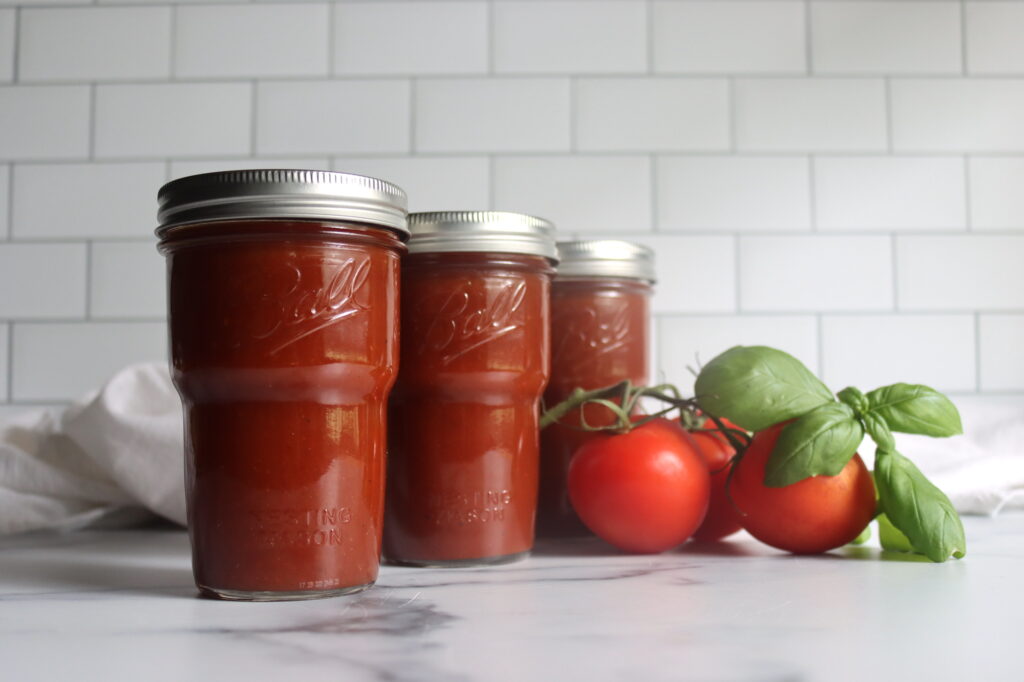
Tomato-based soups are popular, and a few are acidic enough to be water bath canned. Check each recipe, since the method depends on the exact ingredients.
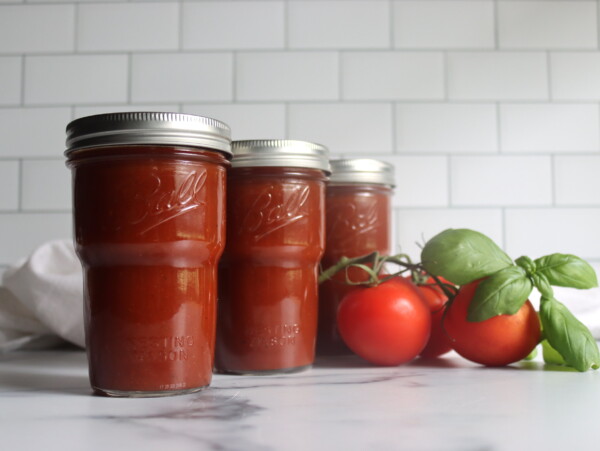
- Roasted Tomato Basil Soup
- Heirloom Tomato Soup
- Southwest Tomato Soup
- Spicy Tomato Vegetable Soup
- Tomato Soup Concentrate
Pepper, Onion, and Mixed Vegetable Soups
This group rounds up the savory vegetable soups built on peppers, onions, mushrooms, and a mix of whatever the garden gives.
- Roasted Red Pepper Soup
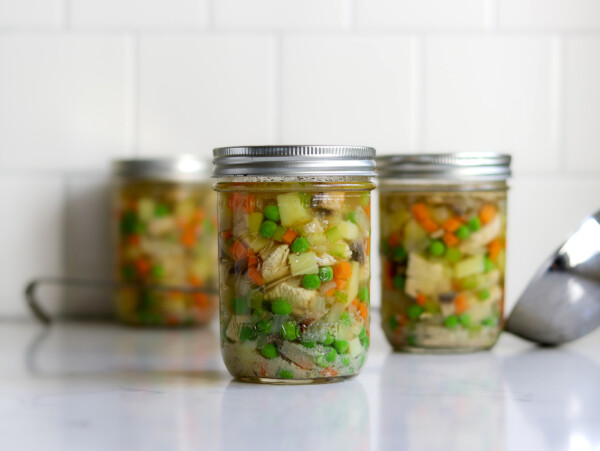
- Classic Vegetable Soup
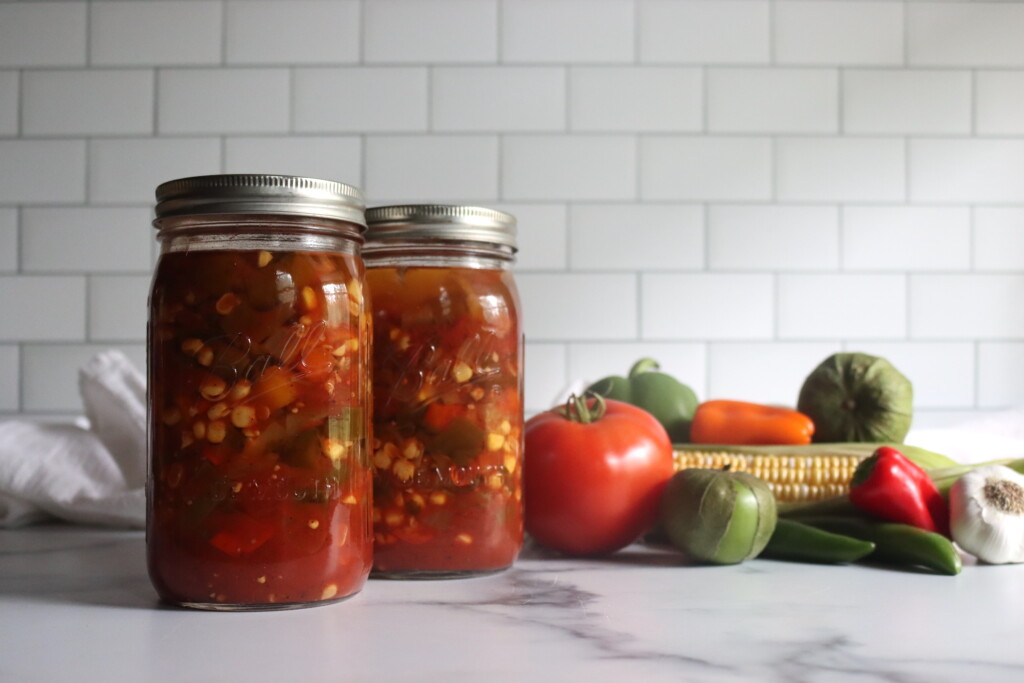
- Southwestern Vegetable Soup
- Canning Mushroom Soup Base
- French Onion Soup
- Roasted Poblano Corn Chowder
Bean and Pea Soup Canning Recipes
Bean and pea soups are heartier and more filling than most of the vegetable options, and they are very affordable jars to put up. Made with peas, beans, and other legumes, they are easy, healthy meals to fill a pantry shelf on a budget.
Always use tested recipes for these and follow them carefully. Bean and pea soups run thick, and density is a real safety concern in pressure canning, since soup that is too thick will not let the heat penetrate to the center of the jar.
For more legume ideas beyond soup, the full bean canning recipes page covers baked beans, meal-in-a-jar dinners, and more.
Black Bean and Mixed Bean Soups
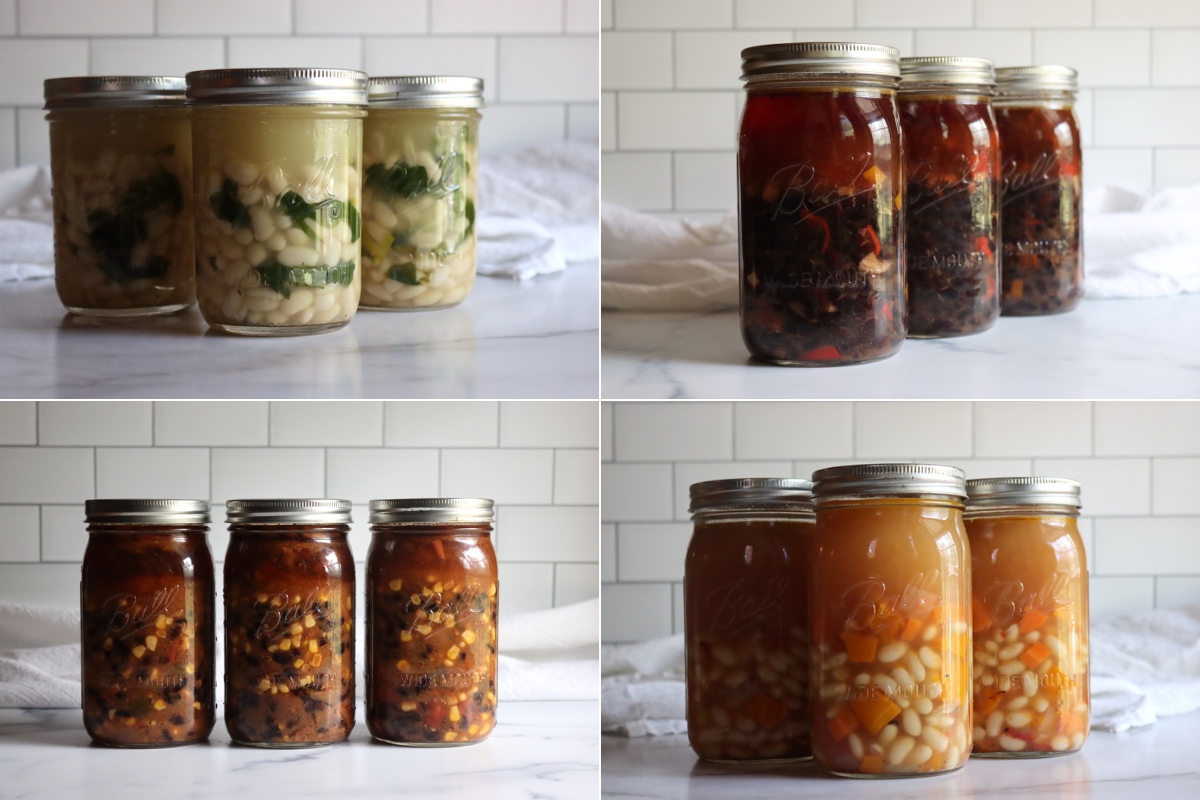
Black beans and mixed-bean blends make rich, spoonable soups that only get better with a squeeze of lime or a dollop of sour cream at the table.
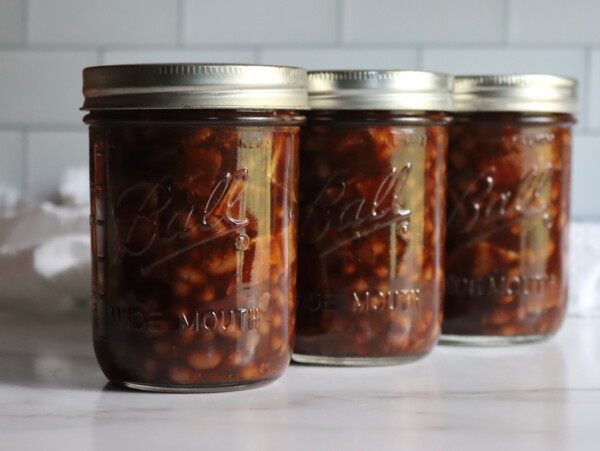
- Chipotle Black Bean Soup
- Cuban Black Bean Soup
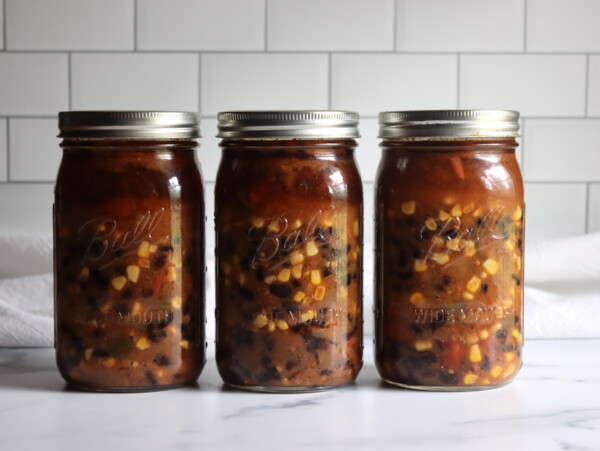
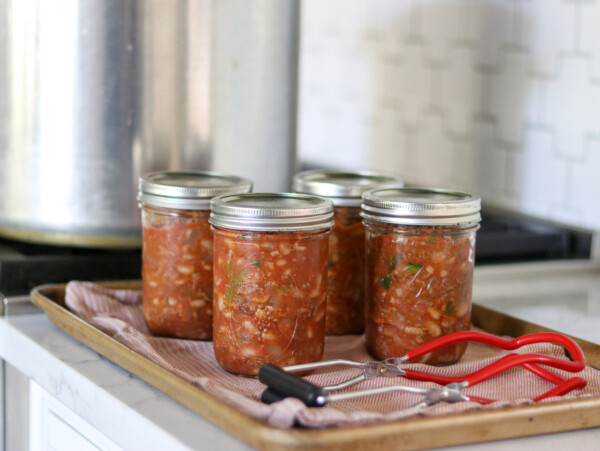
- Taco Soup
- 16 Bean Soup
- French Market Soup
- Fasolada (Greek Tomato Bean Soup)
White Bean and Pea Soups
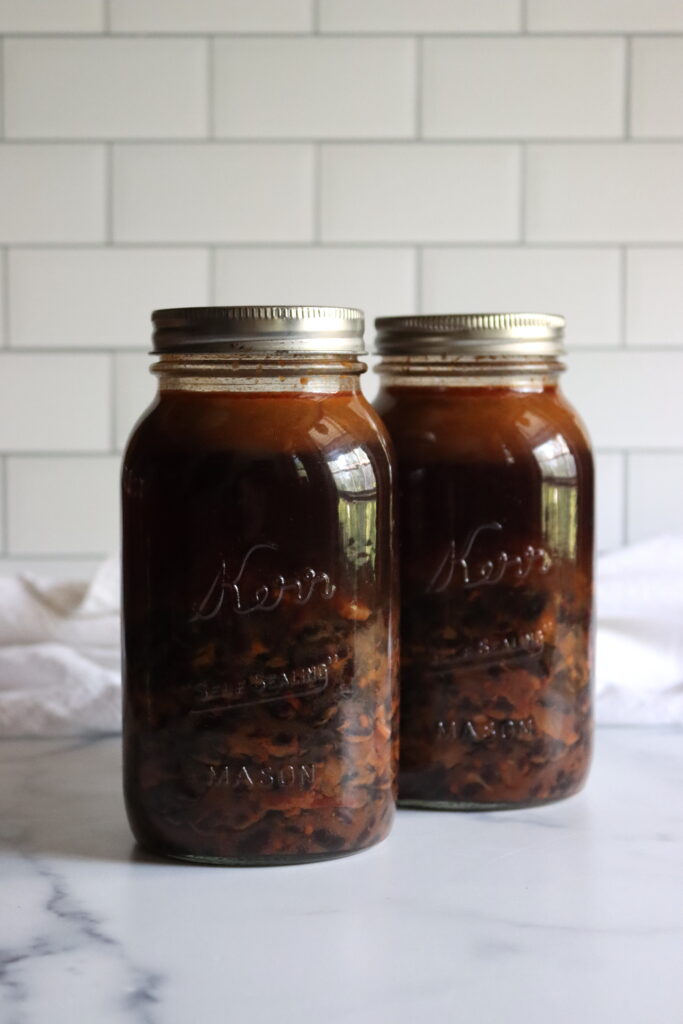
White beans and split peas turn into thick, comforting soups that get their flavor from a ham bone or kale.
- Butternut Squash and White Bean Soup
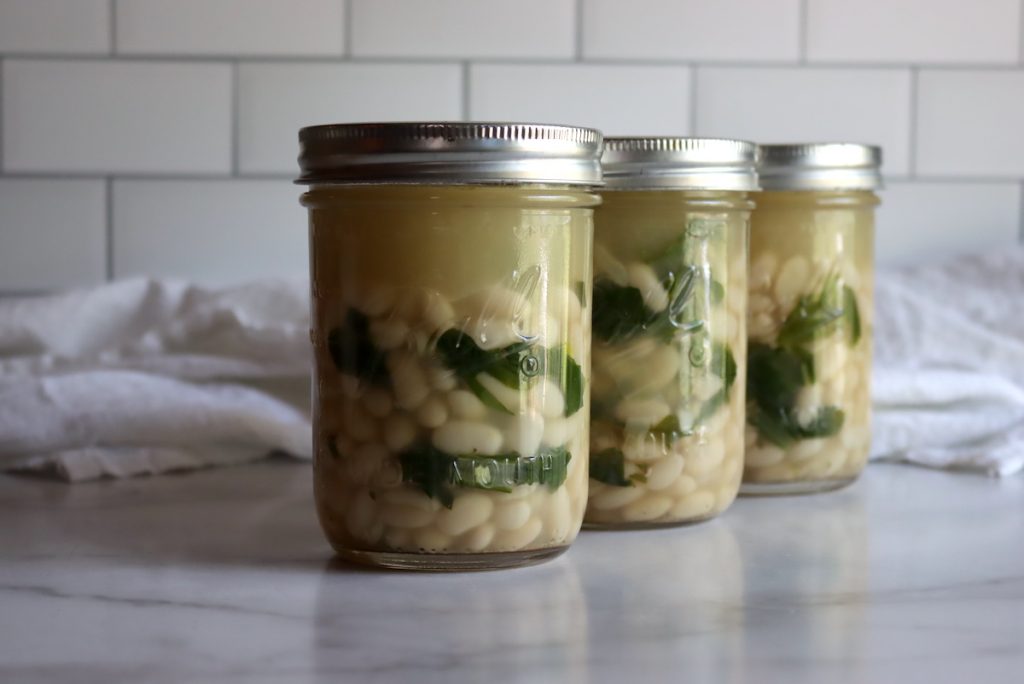
- White Bean and Kale Soup
- Split Pea Soup
- Rosemary White Bean Soup Starter
- Lentil Soup
Beef Stew and Beef Soup Canning Recipes
Few canned meals offer the comfort of a classic beef stew. It is one of the winter foods I depend on most, and having it ready in a jar makes for a quick weeknight supper or a workday lunch. You can vary it with different vegetables like green beans or peas, or change things up entirely with a wine sauce.
Ground beef is also safe for canning and works in all kinds of hearty soups, from hamburger soup to stuffed pepper soup, and it can be rolled into meatballs for classics like Italian meatball soup. For the full picture, browse the beef canning recipes, the ground beef canning recipes, and the dedicated beef stew canning recipes pages.
Beef Stews
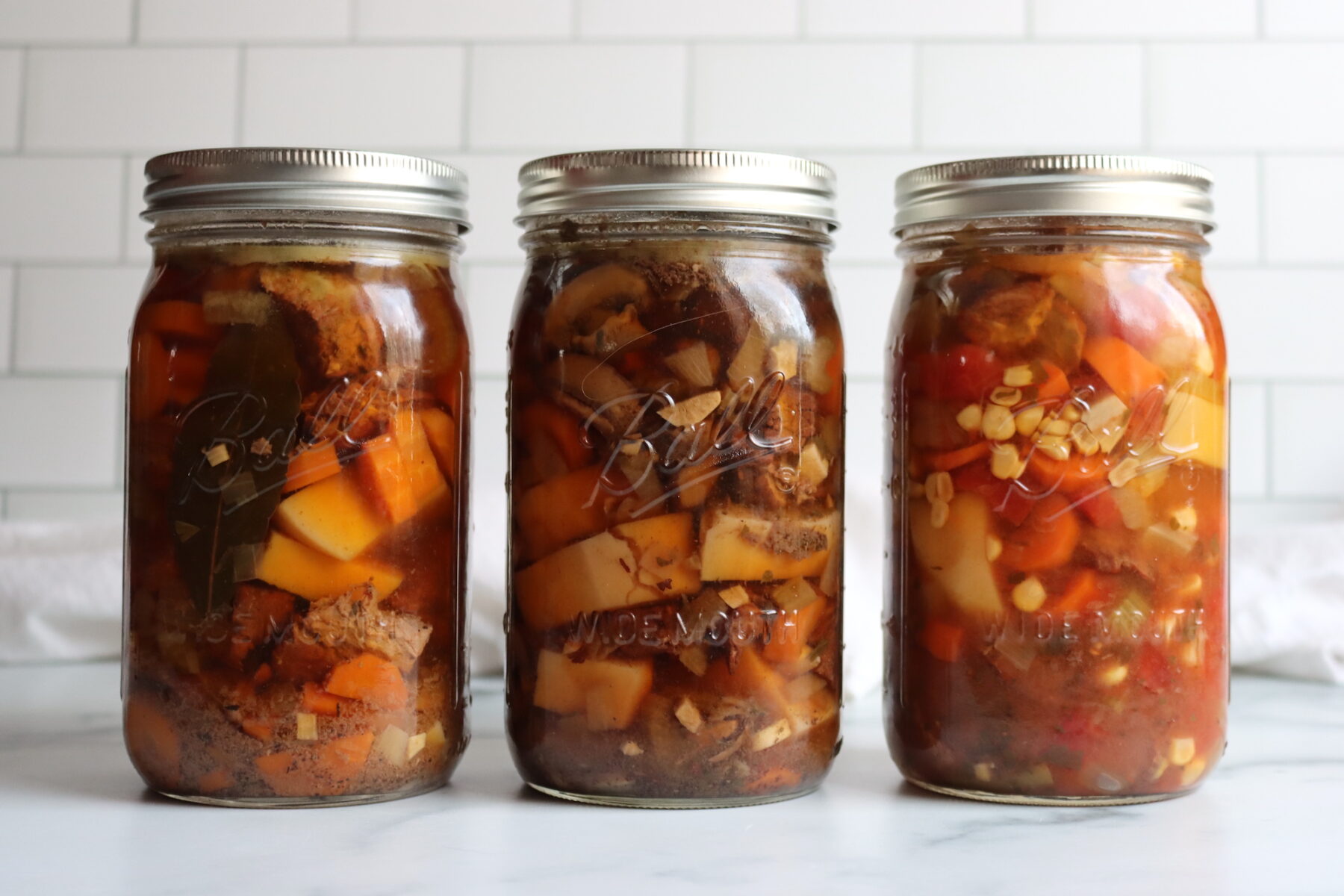
These thick, stewing-beef recipes are meant to fill the jar, no half-broth method required, so be sure you are following a recipe written for a full, dense pack rather than thickening it yourself.
- Classic Beef Stew
- Beef Stew with Mushrooms
- Vegetable Beef Stew
- Hungarian Goulash
- Beef in Wine Sauce
- Steak and Ale Soup
Ground Beef Soups
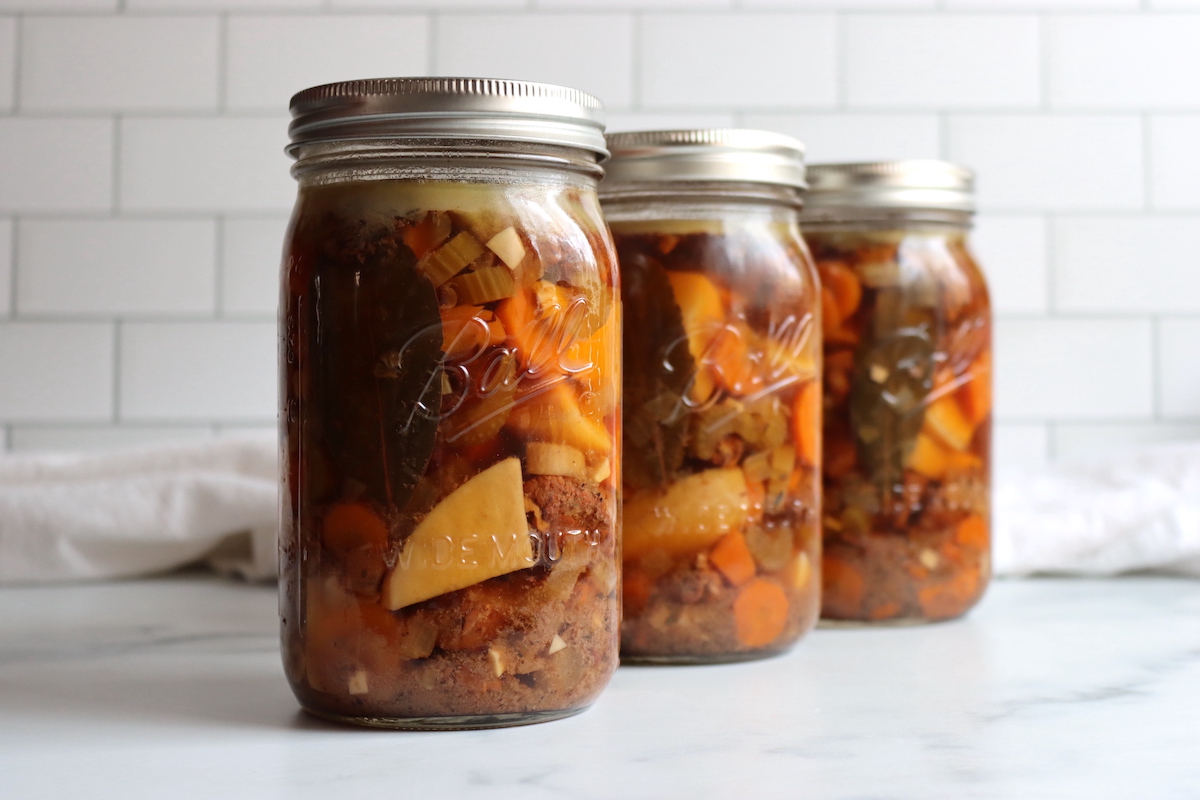
Ground beef makes these soups economical and filling, and it is one of the simplest meats for a new canner to start with.
- Hamburger Soup
- Hamburger Vegetable Soup
- Sopa de Albondigas
- Italian Meatball Soup
- Stuffed Pepper Soup
Chicken and Turkey Soup Canning Recipes
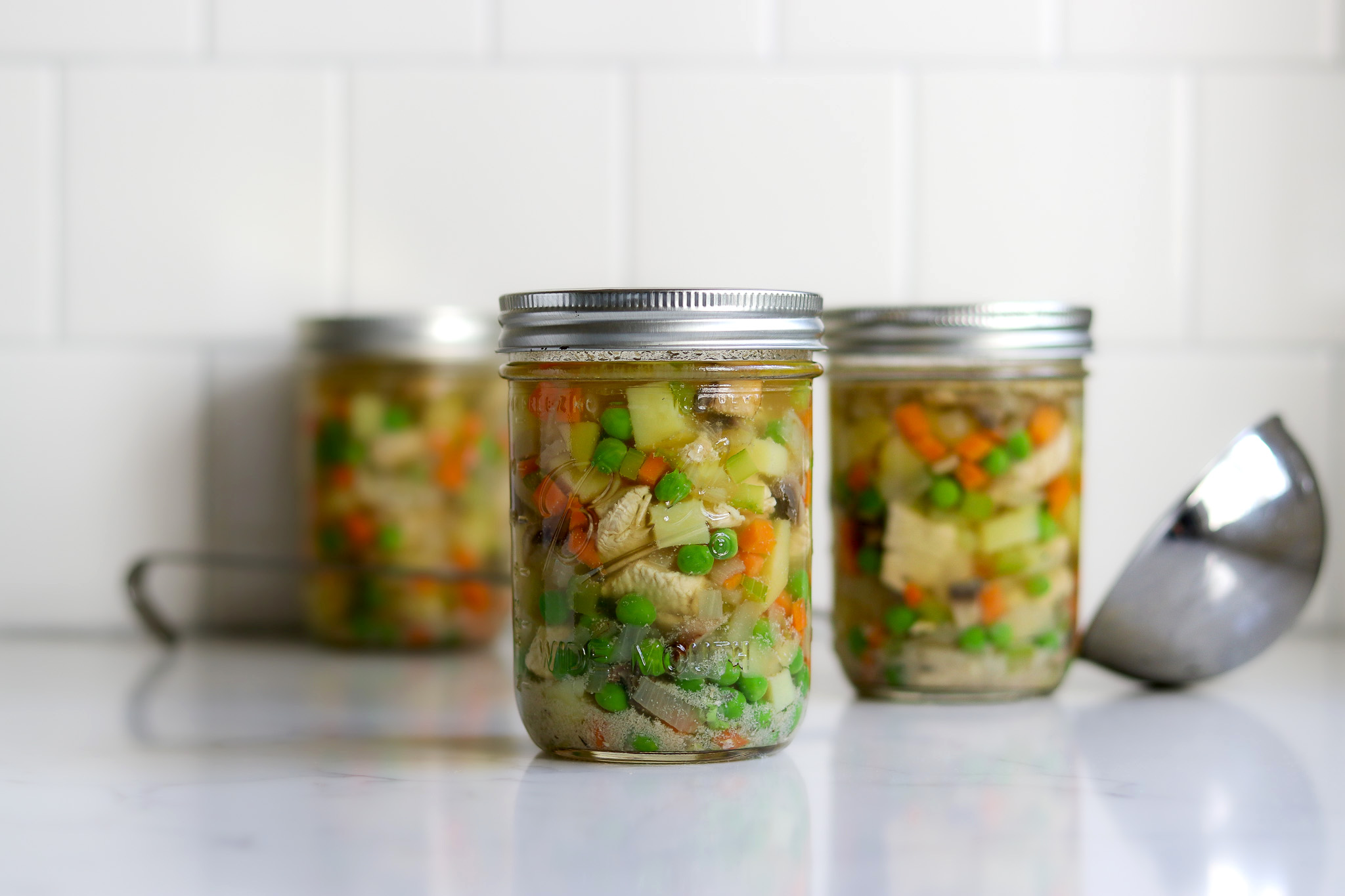
When anyone in our family feels under the weather, classic chicken soup is the first thing we heat up. Having a few jars canned means I do not have to spend a sick day in the kitchen to put a bowl of it together.
Most people like rice, dumplings, or pasta in their chicken soup, and I am partial to egg noodles in mine. Those starches are not safe for canning and would turn to mush anyway, so I cook the noodles fresh while the soup heats and combine them at the end. If your homestead processes poultry or you catch a good sale, the recipes below are flavorful ways to put it up, and the full chicken canning recipes and turkey canning recipes pages have even more.
Chicken Soups
From a plain classic to spiced and southwestern versions, these chicken soups all reheat into a quick, warming meal.
- Classic Chicken Soup
- Chicken Vegetable Soup
- Chicken and Corn Chowder
- Hearty Chicken Soup
- Chicken Tortilla Soup
- Mexican Chicken Soup
- Roasted Red Pepper and Chicken Soup
- Southwestern Chicken Soup
Turkey Soups
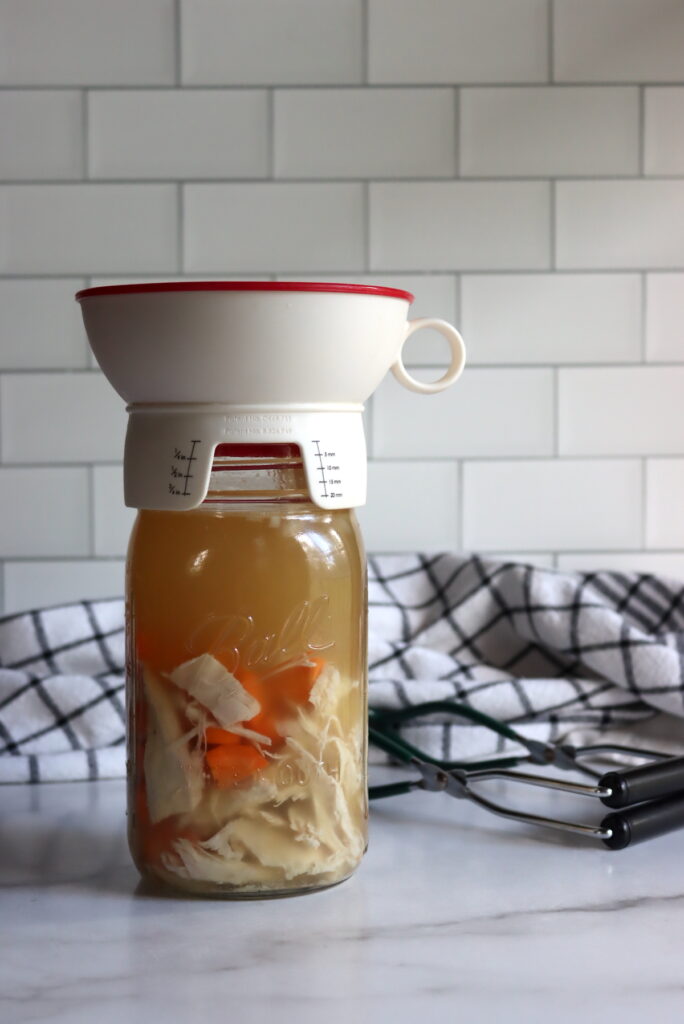
Turkey is an easy stand-in for chicken, and these recipes are a good way to use a bird beyond the holidays.
Seafood Soup Canning Recipes
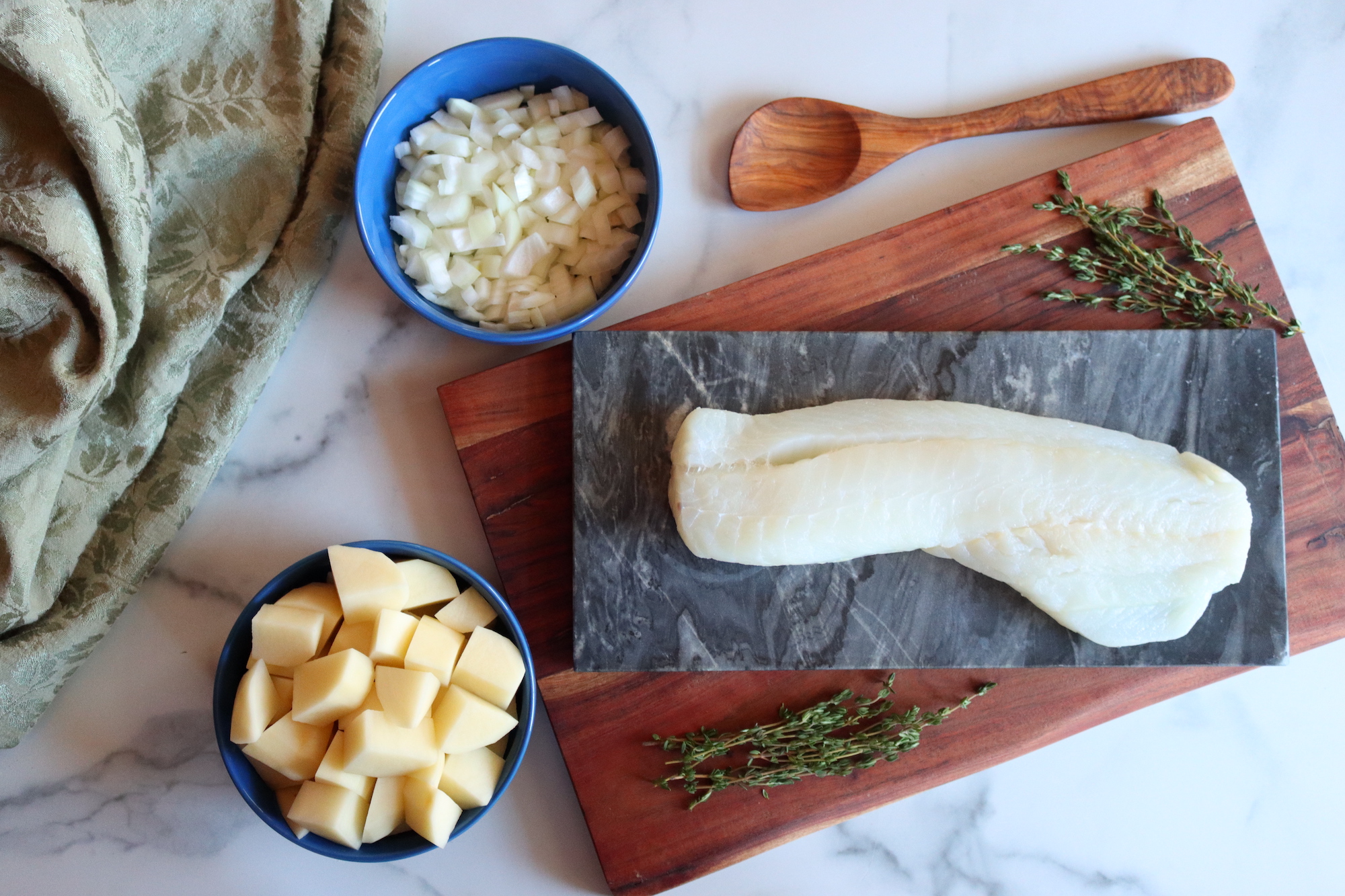
Seafood soups are a category people tend to either love or skip entirely. If you are lucky enough to live near a coast or a good fishing spot, canning part of your catch as a chowder or stew is a fine way to make it last.
Fish and shellfish are low-acid and need careful handling, so follow the recipes and their processing times exactly. The recipes below give you a salmon or fish chowder base to build on, plus a couple of mixed seafood options.
Pork and Sausage Soup Canning Recipes
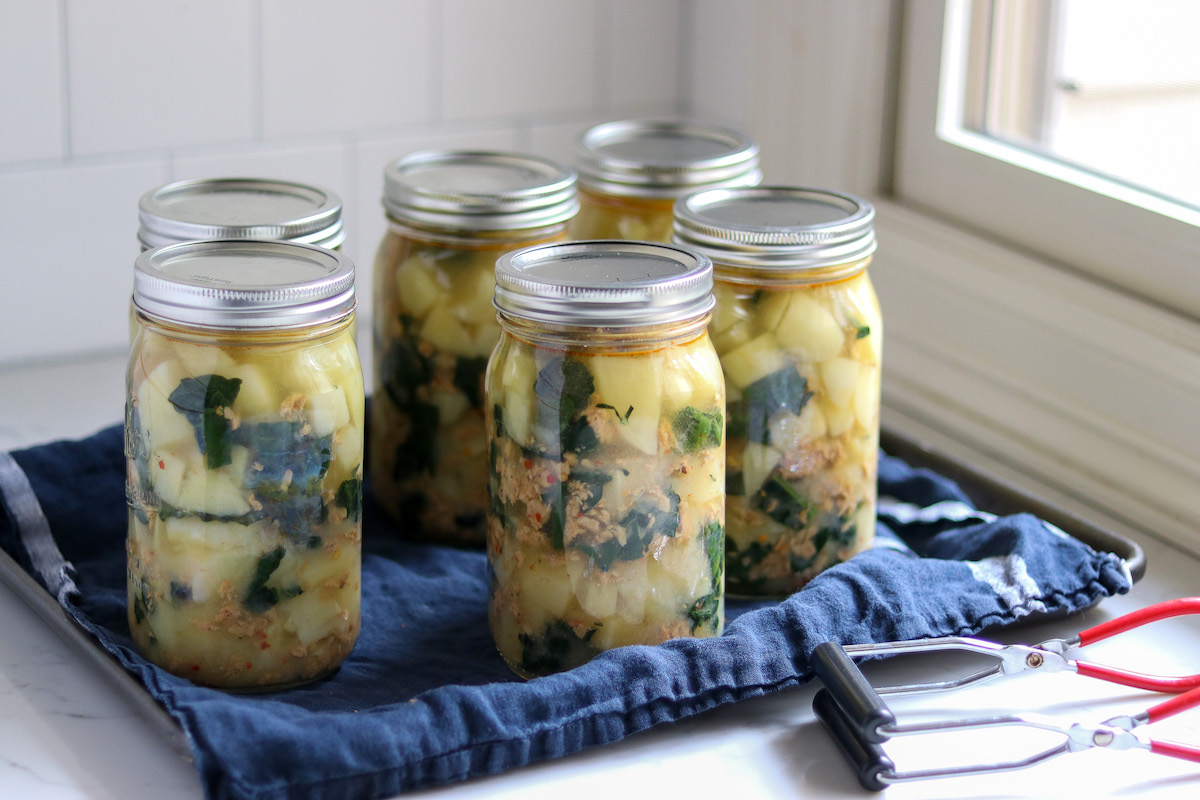
I have found that few people can with pork, which is a shame, because it makes some of the richest soups in the pantry. Fresh pork and sausage, whether in patties, links, or crumbles, are all safe for canning and add a lot of depth to a recipe.
Do not swap in cured meat like bacon or ham where a recipe calls for fresh pork or sausage. Cured meat is denser and does not heat through as reliably, which can affect safety, and it is only approved in specific recipes that use small amounts for flavor.
For more, see the full pork canning recipes page.
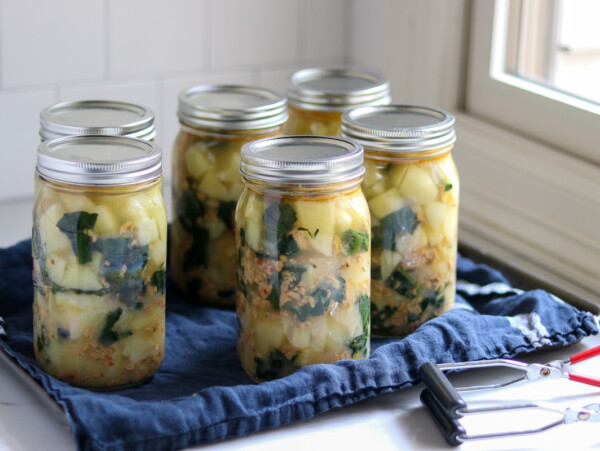
- Sausage, Potato, and Kale Soup
- Pork in Spicy Broth
- Pork and Sausage Stew
- Sausage and Bean Soup
- 15 Bean and Ham Soup
- Ham and Bean Soup
- Navy Bean and Bacon Soup
Wild Game Soup Canning Recipes
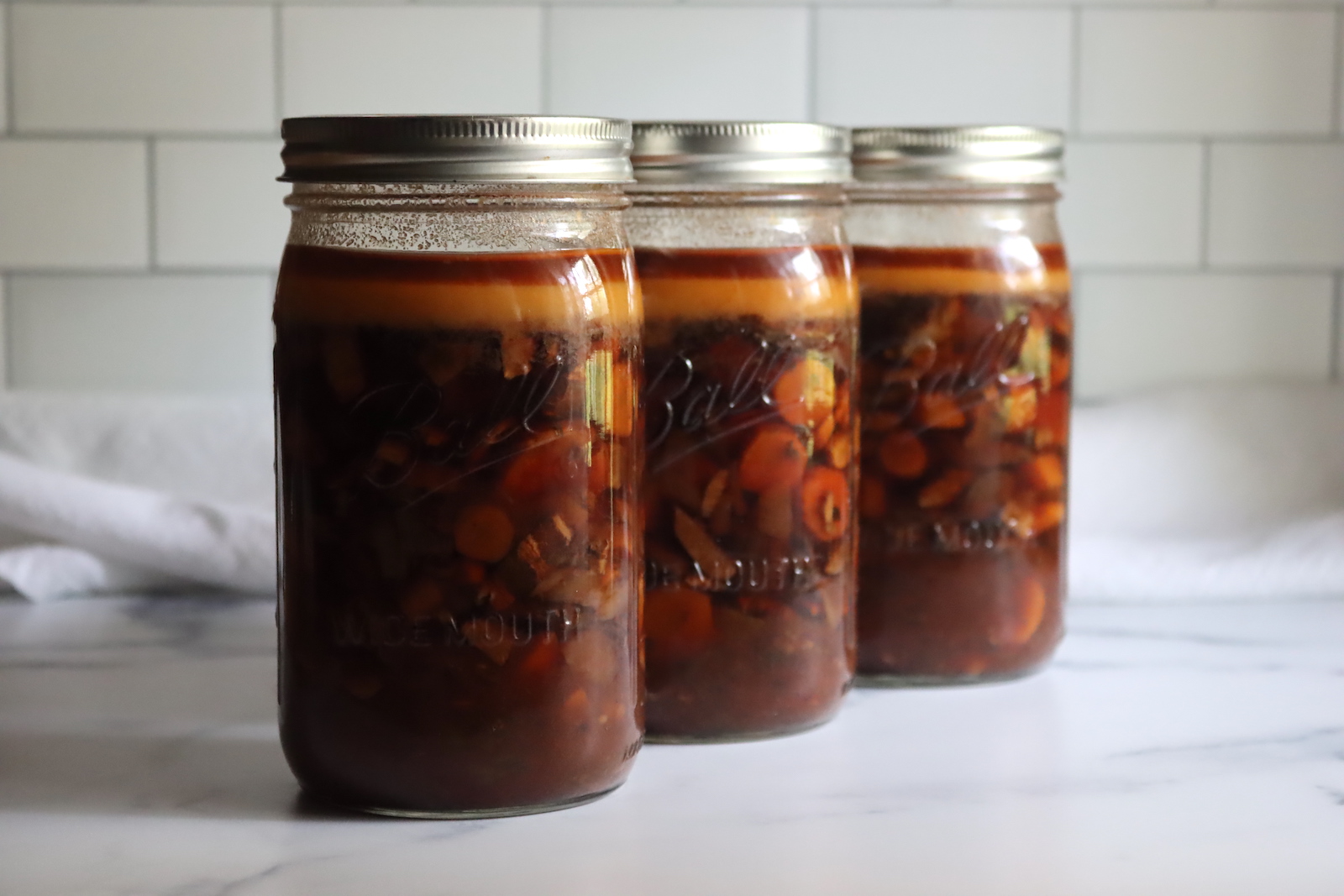
One of the biggest challenges of hunting is finding efficient ways to process and preserve the harvest. Canning is one of the ways I use most, since it gives us pre-made meals and does not take up freezer space, which matters in an area with frequent power outages.
I pressure can a lot of our wild game in chunks or ground for use in other recipes, and some of it as soup so anyone in the family can heat up a meal with no effort. Canning publications do not share my enthusiasm for game soup though, so dedicated recipes are thin on the ground.
The good news is that game substitutes easily. Use venison, elk, bear, or moose in any of the beef recipes above, and use squirrel, rabbit, or duck in place of chicken. A jar of venison bone broth also makes a fine base for building a game soup from scratch. Here are the few recipes I have found written specifically for wild game:
Meal in a Jar Canning Recipes
As I built this list, it was hard to decide what counted as soup. Does stew belong? What about chili, or a curry? Rather than draw a hard line, I included these meal-in-a-jar recipes too, since every one of them can be heated and eaten from a bowl like soup.
A few of them, like the rosemary chicken, work as a base for a quick homemade soup. Toss the chicken into some stock with a handful of vegetables and you have dinner. The rest are full meals that just happen to live in a jar, ready for the nights when cooking is not happening.
This is only a slice of what is possible. For the complete collection, see the meal in a jar canning recipes roundup, and if you want to adapt your own dinner to the jar, my guide on how to create your own meal in a jar canning recipe walks through the rules.
Beef Meals in a Jar
These beef dinners reheat into a full plate, whether you spoon them over noodles, rice, or mashed potatoes.
- Beef Burgundy (Julia Child’s Recipe)
- Beef Pot Roast in a Jar
- Beef Stroganoff
- Beef Pot Pie Filling
- Chili Con Carne
- Beef Tips and Gravy
- Meatballs in Tomato Juice
Chicken Meals in a Jar
From plain canned chicken to global curries, these jars turn into dinner with little more than a pot of rice or a handful of noodles.
- Canning Chicken
- Chicken Curry
- Chicken Korma
- Chicken Marsala
- Chicken and Mushrooms in Garlic Sauce
- Thai Red Duck Curry (or Chicken)
- Vindaloo Curry
- Chicken Chili Verde
- Chicken and Gravy Dinner in a Jar
- Chicken Pot Pie Filling
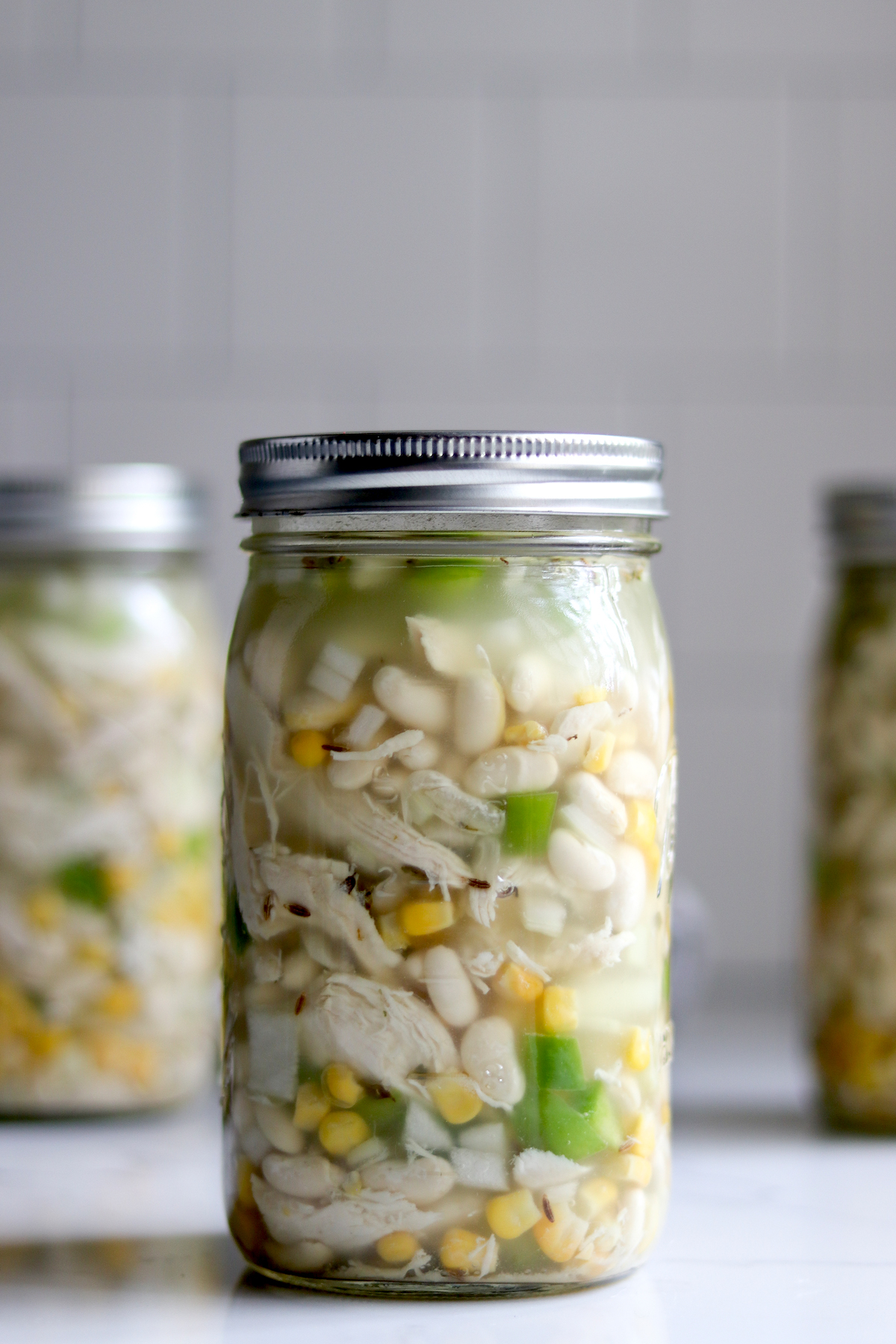
- White Chicken Chili
- Rosemary Chicken
Pressure Canning Books
Most of the time I can find any recipe I want online. There are thousands of bloggers and YouTubers sharing recipes and knowledge from around the world. Oddly, canning recipes are one of the few things I still sometimes have to dig through books to find.
If you did not find the soup recipe you were hoping for above, do not give up. There are dozens of soup canning recipes that only live in print. Here are the pressure canning books I keep on the shelf, each one a good starting point that also includes a few soup recipes worth making:
- Pressure Canning for Beginners and Beyond by Angi Schneider
- The Complete Guide to Pressure Canning by Diane Devereaux
- The Ball Complete Book of Home Preserving by Judy Kingry & Laura Devine
- So Easy to Preserve by The Georgia University Extension
- The Complete Guide to Home Canning by The US Department of Agriculture
Soup Canning FAQ
A few questions come up again and again when people start canning soup. Here are the ones I hear most, along with the short answers.
No. Soup is a low-acid food, so it has to be pressure canned to reach a safe temperature. The only exceptions are specific recipes, like certain plain tomato soups, that are clearly labeled as safe for water bath canning.
Starches like pasta, rice, and flour make the soup too dense for heat to penetrate reliably, which is a safety concern, and they turn mushy in the jar. There are no tested home canning recipes including starches or grains. Leave them out and stir them in fresh when you reheat the soup to serve.
Often, yes, if every ingredient is one with its own approved canning instructions and you leave out starches and dairy. There is a tested protocol for canning your own soup recipe, be sure to read through the guidelines and restrictions carefully.
For peak flavor and texture, use home canned soup within about a year, though properly processed and sealed jars stored in a cool, dark place remain safe well beyond that. Always check the seal and look for any signs of spoilage before eating.
If you are looking for more ideas to fill the canner, these collections pull together even more soups, stews, and meals you can put up by the jar.
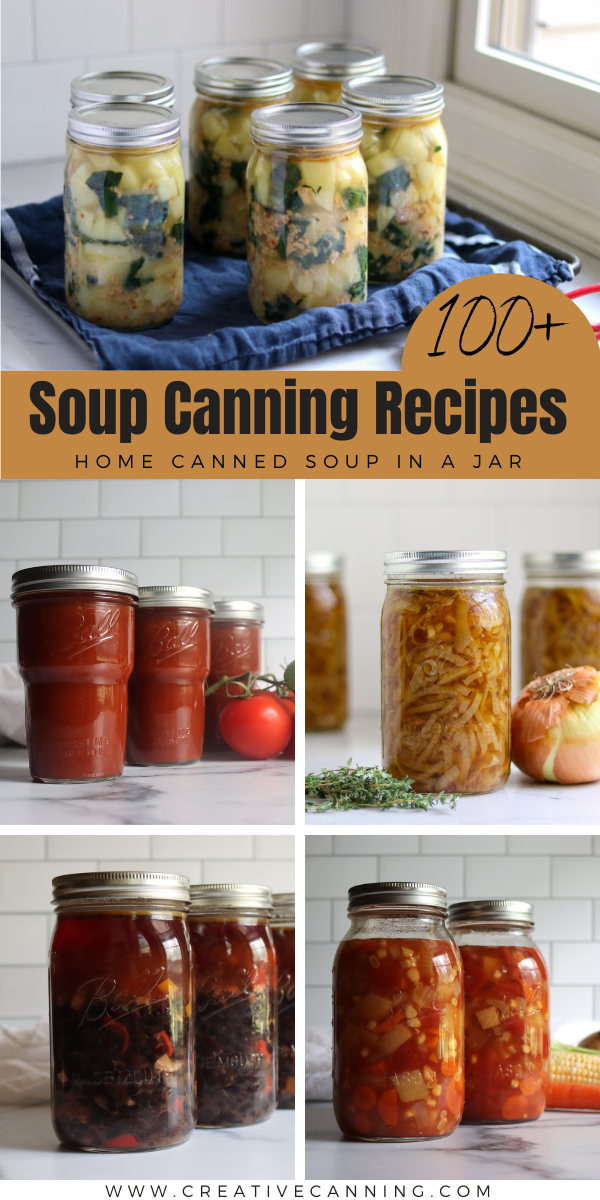
Soup Canning Recipes
And when you are ready to move past soup into full dinners by the jar, the meal in a jar collection is the place to start.
Meal in a Jar Canning Recipes
Find the perfect recipe
Searching for something else? Enter keywords to find the perfect recipe!

This is a wonderful website. But I have a question. I am plant based and wondering if I can use plant based meats in these recipes
Plant based meats have fillers and stabilizers in them, and they’re not safe for canning. You can’t add plant based meats to these before canning, but you can add them at serving. I also have a list that’s just plant based soup recipes, which might be a better fit for you: https://creativecanning.com/vegetarian-soup-canning-recipes/
Oh my !!!! This is the most amazing website I have ever come across. There is SOOOO much content, all set out in an orderly manner, which detailed instructions, tips and tricks, and especially safety must do’s and dont’s.
I could, and I have spent many hours going through all the sections, recipes etc. Now, it’s I actually start my canning journey.
Thank you for all your amazing effort in putting this together.
I’m so glad it’s helpful to you. Enjoy canning! It’s so much fun when you really get into it =)