This post may contain affiliate links. Please see our disclosure policy.
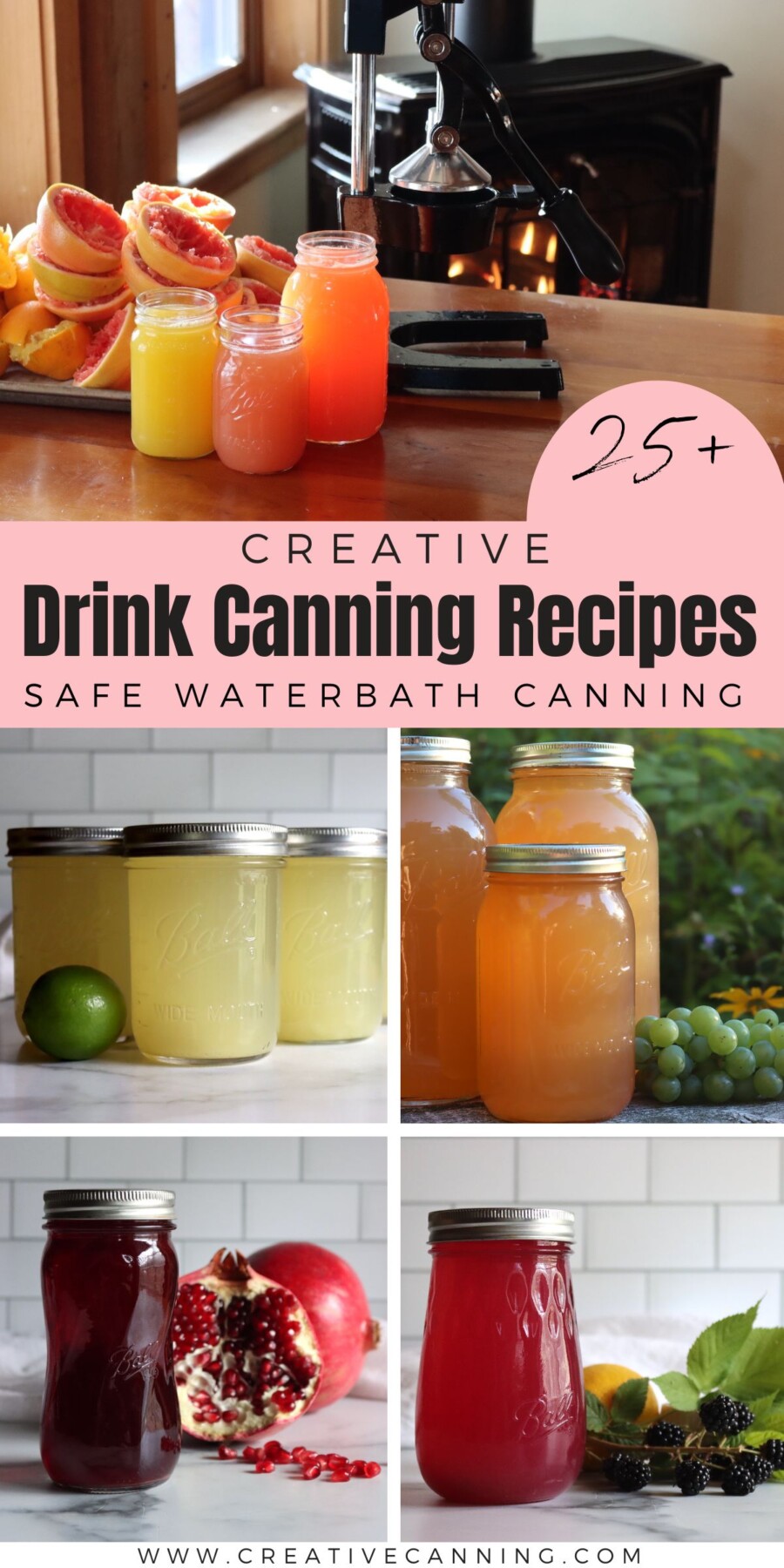
Drink canning recipes are a simple way to keep homemade lemonade, fruit juice, and soda syrups on the pantry shelf, ready to pour into a glass long after the fruit that made them has come and gone. Instead of reaching for something from the store, you can open a jar, add cold water or a splash of seltzer, and have a homemade drink in hand in about a minute.
Most of these drink canning recipes are concentrates or syrups, so a few jars take up almost no shelf space, and one batch stretches into pitcher after pitcher. They are all water bath canning too, so there is no pressure canner to haul out, which makes them some of the more approachable projects to start with if you are new to putting up drinks.
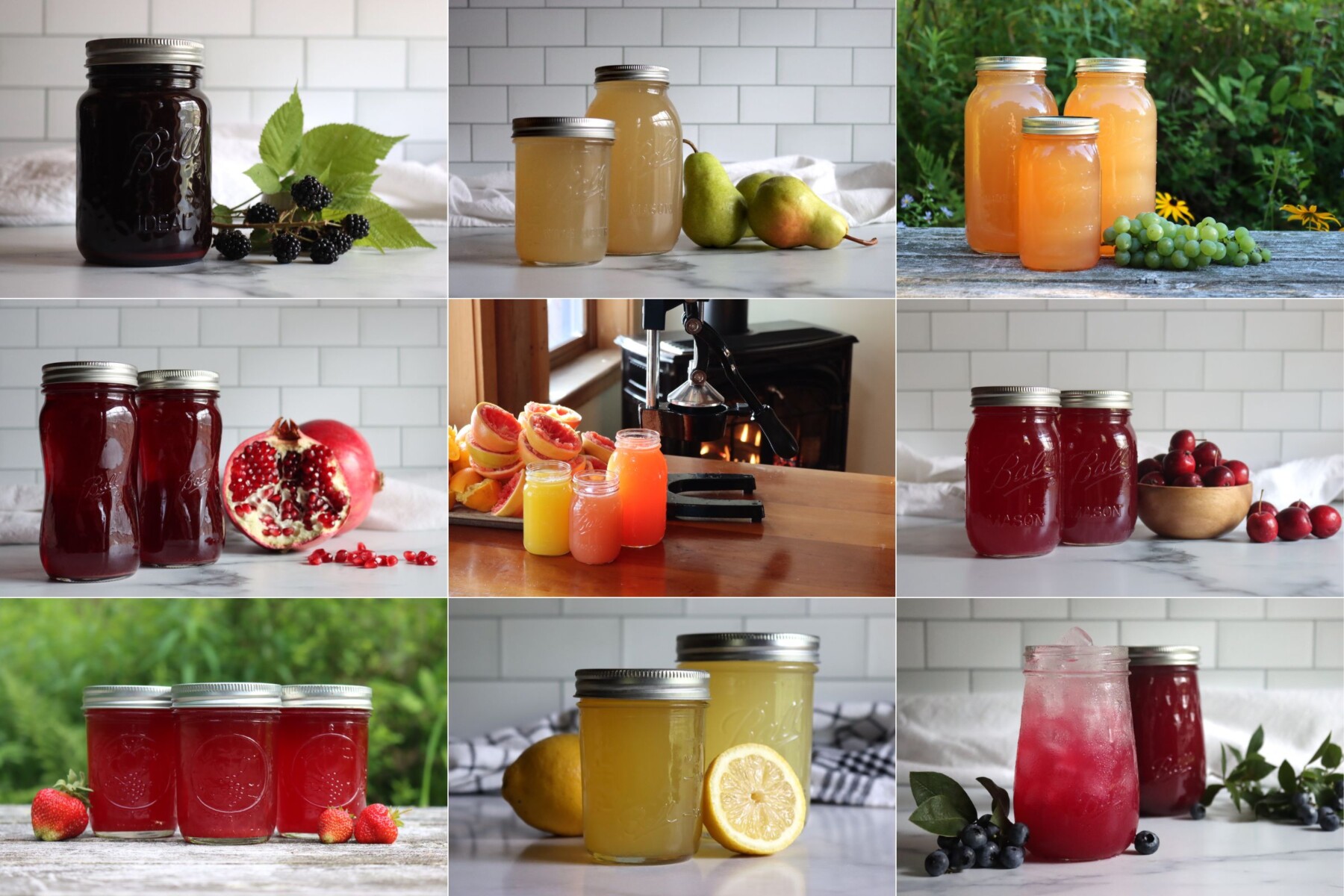
There are several styles of canned drinks to choose from here, and they each work a little differently once the jar is open. Lemonade and limeade concentrates get diluted with water into a finished pitcher. Plain fruit juices can be sipped straight or stirred into sparkling water.
Fruit nectars are thicker, more like a pourable puree, nice over ice or blended into a smoothie. And drink syrups, with their higher sugar, turn plain seltzer into homemade soda with just a spoonful (they double over pancakes and ice cream too).
On the savory side, canned tomato juice and bloody mary mix round things out with something to pour over ice that is not sweet at all.
Almost all of them follow the same basic logic of fruit, sometimes citrus, and sugar, canned into a high-acid or acidified base that is safe for the water bath canner. That means you can put up whatever fruit is in season (cheap berries in June, orchard fruit in fall, citrus in the dead of winter) and still keep a shelf full of different drinks to reach for any time of year.
Using Canned Drink Recipes
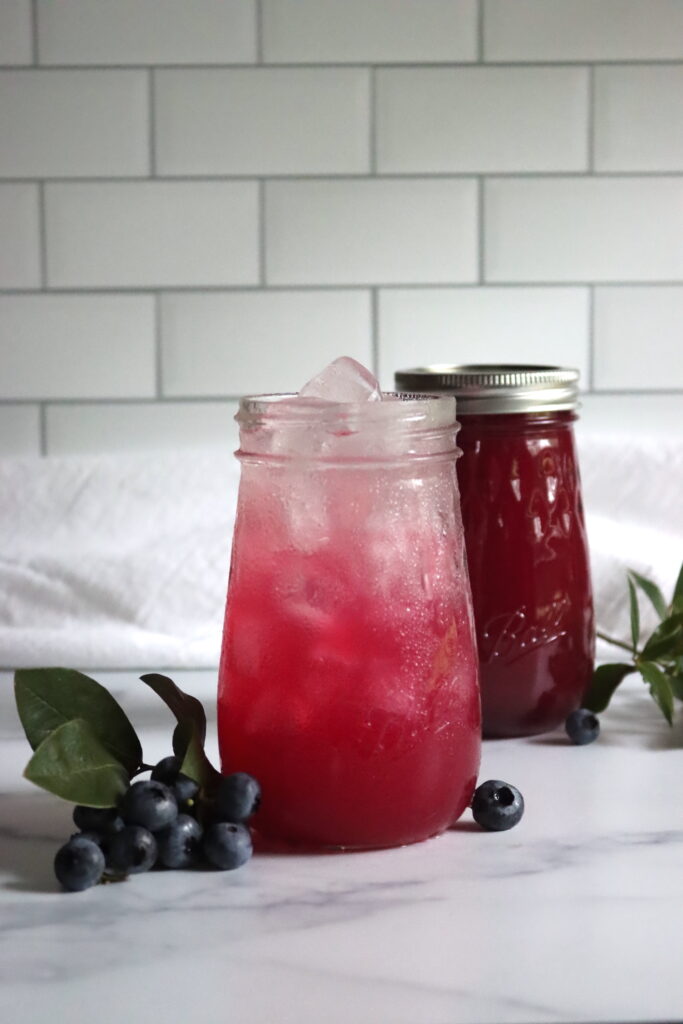
How you serve these depends on which style you put up. Concentrates are meant to be diluted, and I usually start with 1 part concentrate to 3 parts cold water, then adjust from there depending on the fruit and how tart the batch came out. That ratio means a pint of concentrate makes about a half-gallon of lemonade, while a half-pint makes about a quart.
Plain juices need no math at all. You can drink them straight, pour them over ice, or splash them into seltzer for an easy spritzer. Syrups are the most concentrated of the bunch, so a spoonful stirred into sparkling water gives you homemade soda, and the same jar works drizzled over pancakes, waffles, or vanilla ice cream. All three styles also make a nice base for mocktails, punches, and party drinks, since the hard part is already done and waiting in the jar.
Lemonade Concentrates
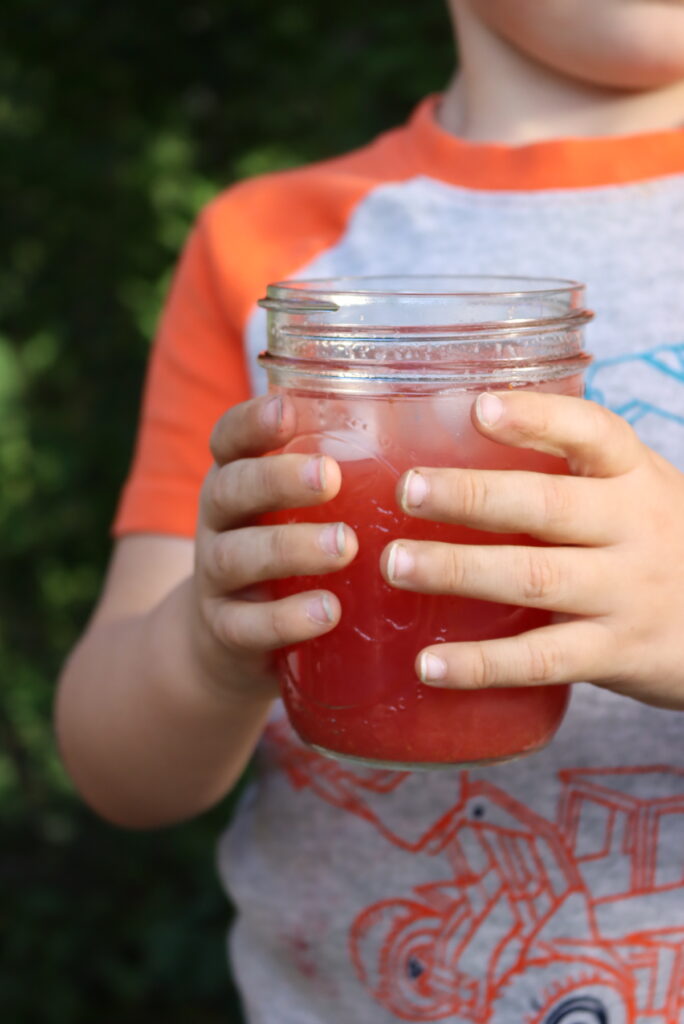
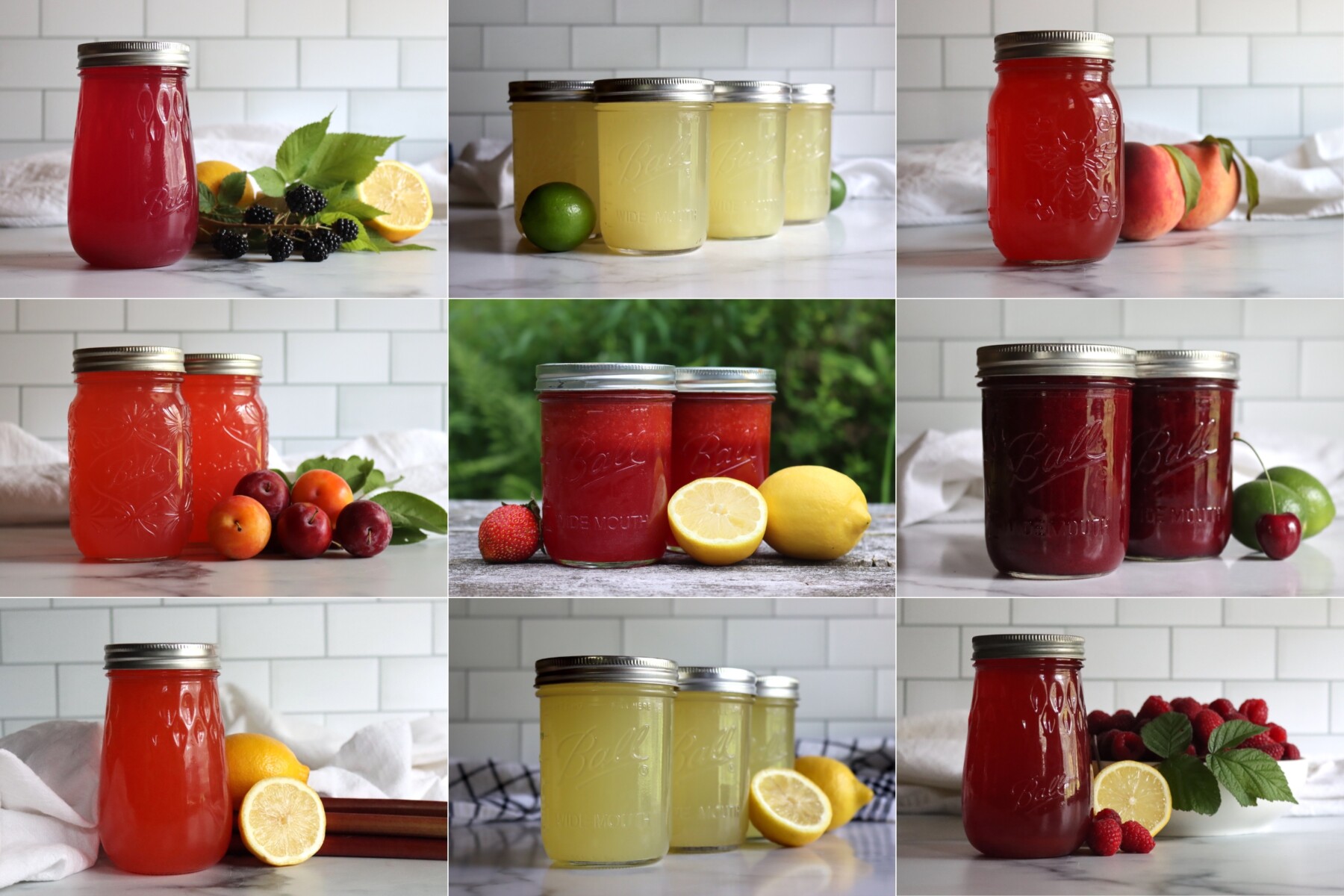
Lemonade concentrate is where a lot of people start, since it is familiar and it takes well to almost any fruit you fold in. I have gathered every flavor I have into one big lemonade concentrate roundup if you want to scan the full lineup, but these are the ones worth putting up first.
- Canning Lemonade Concentrate – the plain version the rest are built on, tart with just enough sugar to take the edge off.
- Strawberry Lemonade Concentrate – made with strawberry puree so it carries full berry flavor, and one my kids drink quickly.
- Watermelon Lemonade Concentrate – mild and melony, gentle enough that nobody at a cookout finds it too sour.
- Blueberry Lemonade Concentrate – jammy blueberry behind the lemon, with plenty of body once it is mixed.
- Blackberry Lemonade Concentrate – darker and wilder than the other berries, and a good use for a heavy blackberry pick.
- Rhubarb Lemonade Concentrate – tart on tart, and a good way to clear out the last of the rhubarb.
- Plum Lemonade Concentrate – soft and almost floral from fully ripe plums, which makes it nice for late summer.
Limeade Concentrates
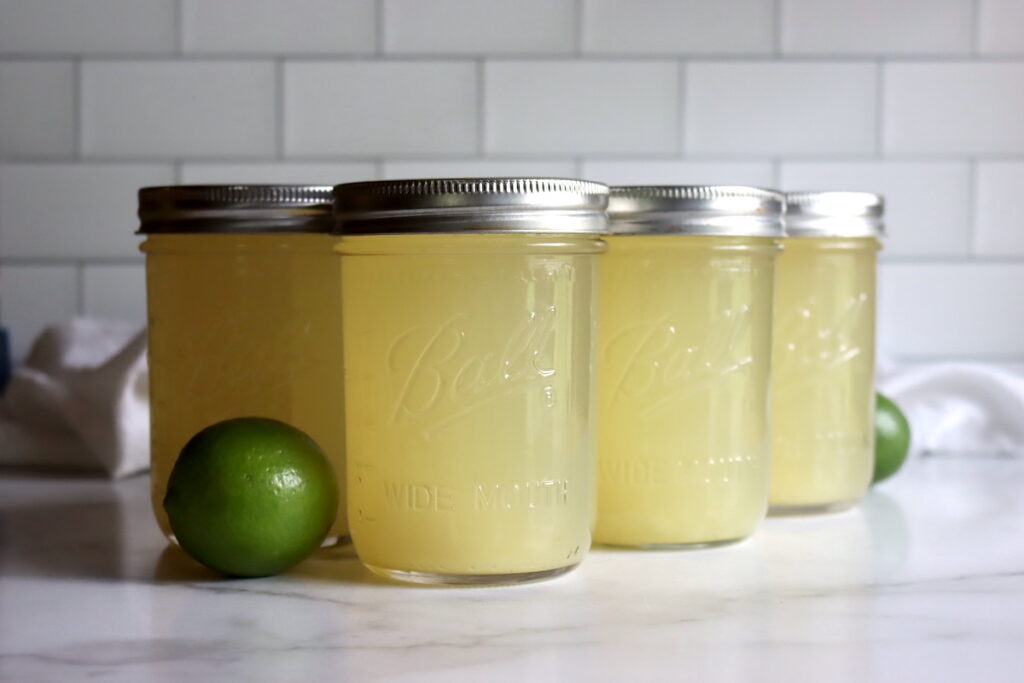
Limeade works just like lemonade concentrate, only sharper, and it is worth keeping in mind that nearly every fruit recipe here can swap lemon for lime depending on which citrus snap you prefer. If you find lemonade a touch too mellow, lime is the way to go.
- Canning Limeade Concentrate – sharper and more bracing than lemonade, with that distinct lime bite.
- Cherry Limeade Concentrate – lime with sweet cherry folded in, the old drive-in soda flavor in canning form (and you can juice the cherries without pitting them, which saves a lot of time).
Fruit Juices to Bottle
Canned fruit juice keeps on the shelf and drinks straight, or gets splashed into seltzer for a quick spritzer. This is the category where it pays to follow the harvest, putting up berries while they are cheap in summer, then moving on to orchard and vine fruit as fall comes in. A few of these are concentrates that you dilute to taste, so check the individual recipe before you pour.
Apple Juices
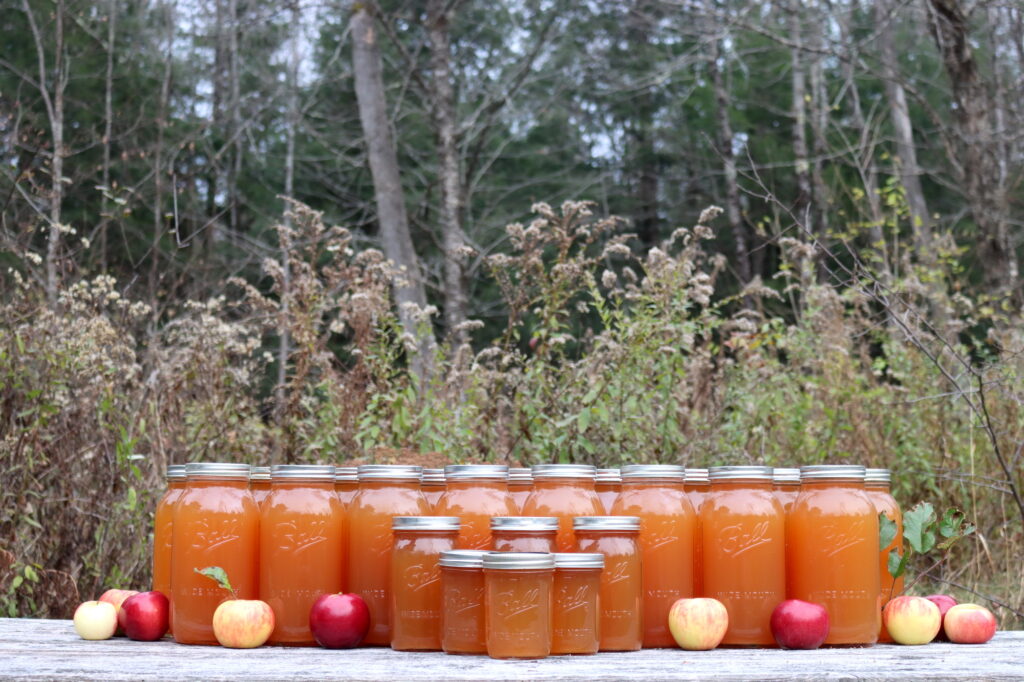
- Canning Apple Cider – fresh-pressed cider put up for the shelf, ready to warm with spices or drink cold.
- Crabapple Juice (and Syrup) – tart wild crabapples make a pretty pink juice, with a syrup you can cook down from the same batch.
Grape Juices
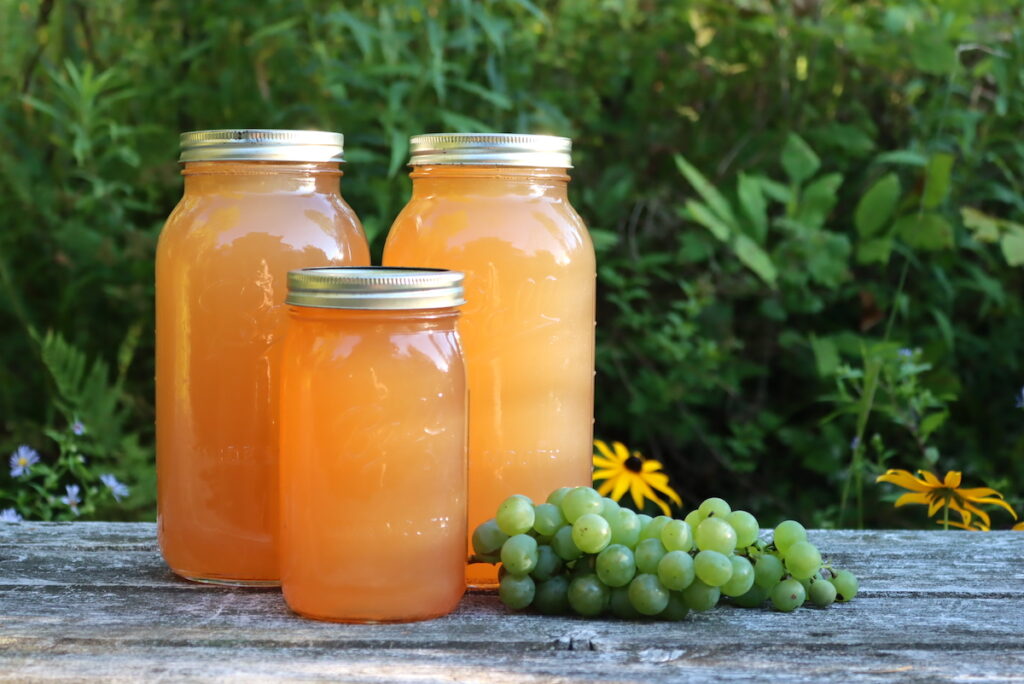
- Canning Grape Juice – classic Concord grape pressed and canned, the kind of pantry staple that drinks well all winter.
- Muscadine Juice – a Southern grape with a musky sweetness all its own.
Berry Juices
- Berry Juice – a mix of whatever berries you have on hand, pressed and bottled, and at its best stirred into sparkling water.
- Strawberry Juice – pure pressed strawberry, sweet enough to sip as is, and a splash turns plain lemonade into strawberry lemonade on the fly.
- Blueberry Juice – mild and lightly sweet, good over ice, in a morning smoothie, or as a base for blueberry soda.
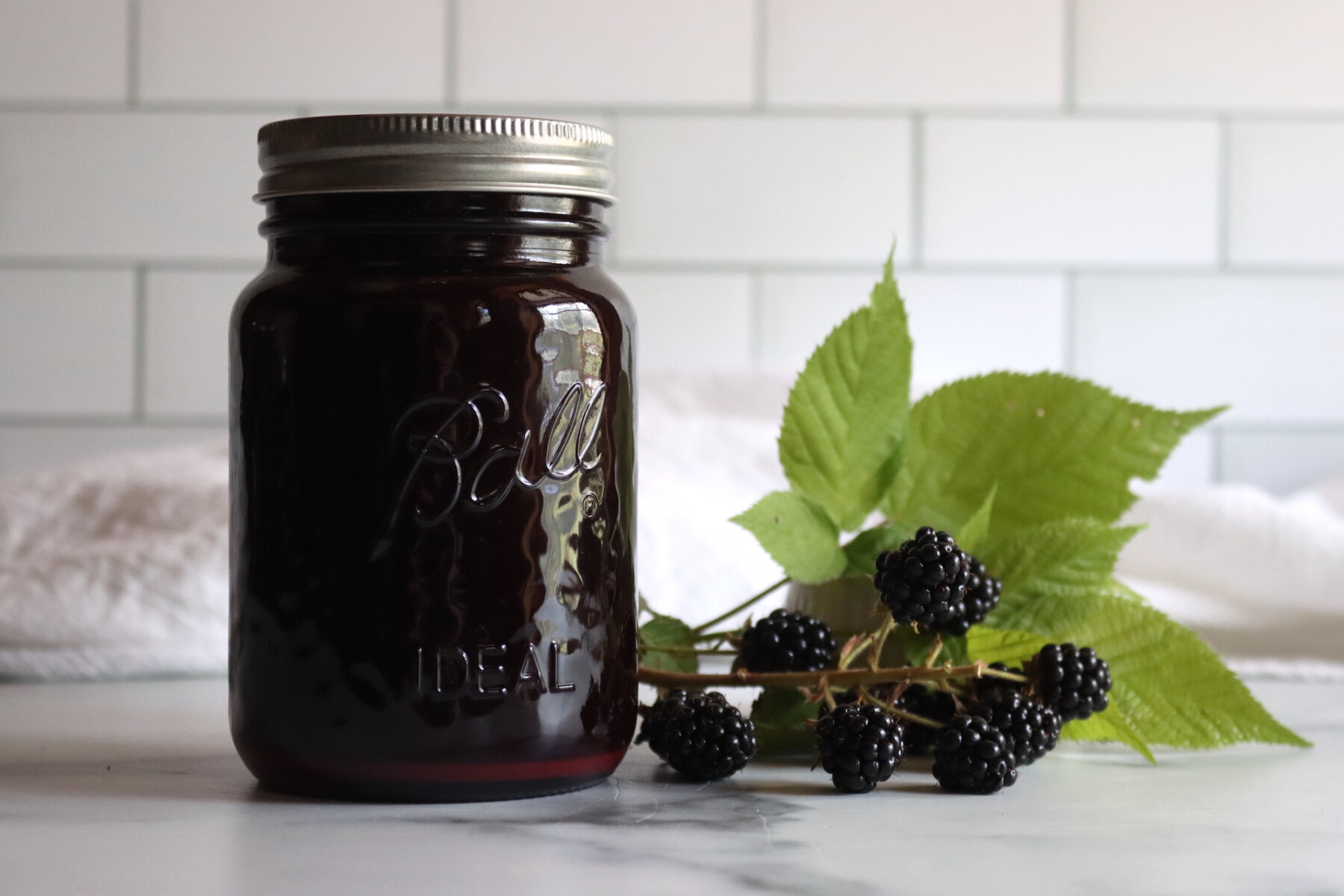
- Blackberry Juice – deeper and more tart than blueberry, with that wild blackberry edge, nice cut with seltzer or stirred into a pitcher of lemonade.
Unique Juices
- Pineapple Juice – bright and tropical, good on its own or as the base for a punch.
- Cranberry Juice – tart and bright, and a good reason to grab a few extra bags of cranberries each fall.
- Pomegranate Juice – deep red and sharply tart, and since pomegranates are one of the most acidic fruits, so they’re perfect for waterbath canning.
- Rhubarb Juice Concentrate – concentrated and sharply tart, so a little goes a long way once you dilute it to taste.
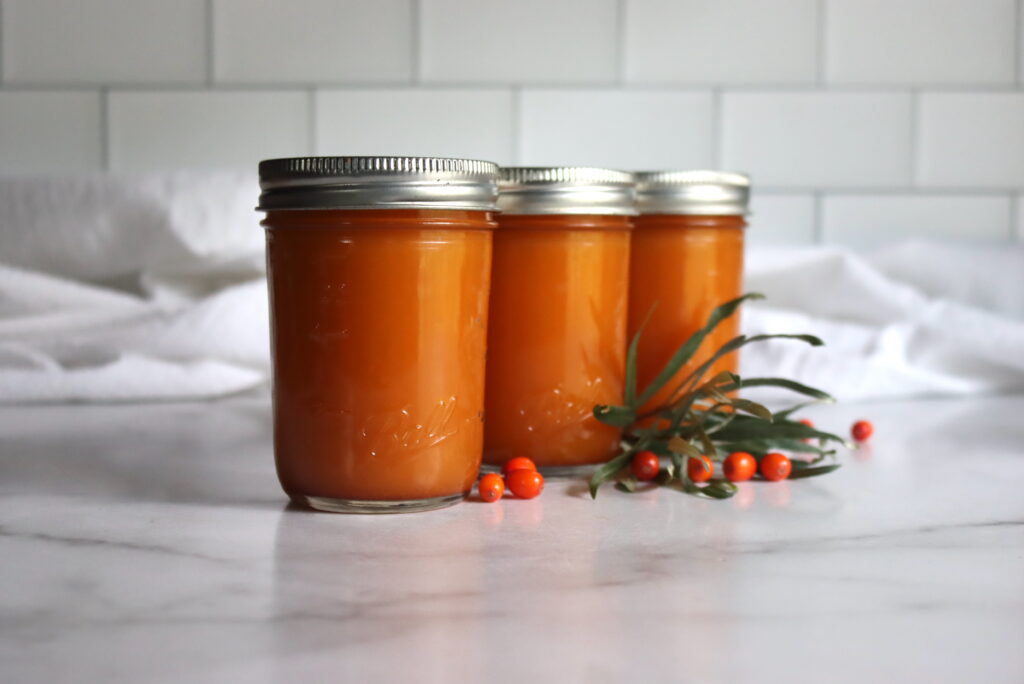
- Sea Buckthorn Juice – intensely tart and loaded with vitamin C, meant to be diluted and sweetened to taste.
Tomato-Based Juice
Not every canned drink is sweet. Tomato-based juices are the savory corner of the pantry, good for sipping cold, stirring into soups, or pouring over ice for a cocktail.
The thing to watch here is acidity, since blending other vegetables into tomato can lower it, so these stick to tested ratios and added bottled lemon juice or citric acid to stay safe in the water bath canner.
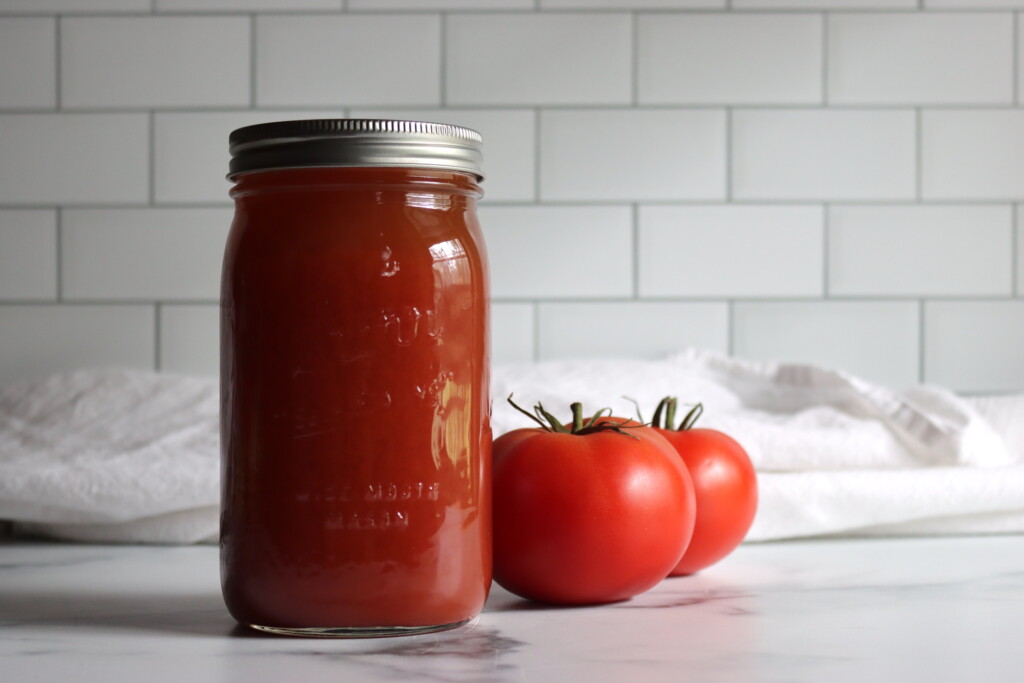
- Canning Tomato Juice – the foundation of the savory side, good for sipping, soups, or as the base for everything below.
- Bloody Mary Mix – seasoned tomato juice you can pour straight over ice and vodka, built on the USDA vegetable juice blend so it stays safe to water bath can.
- Vegetable Juice Cocktail (V8 Style) – a tomato base rounded out with celery, carrot, and pepper, kept within the tested ratio so the acidity holds for the water bath.
Fruit Syrups for Sodas and Spritzers
Drink syrups are the most concentrated way to put up fruit for drinking, and a single spoonful turns plain seltzer into homemade soda. Because they carry more sugar, they keep their flavor well on the shelf, and they pull double duty over pancakes, waffles, and ice cream when you are not in the mood for a drink.
Berry Syrups
- Strawberry Syrup – thick and sweet, made for stirring into seltzer for strawberry soda, and just as good over pancakes.
- Blueberry Syrup – a spoonful turns fizzy water into blueberry soda, and it earns its keep at breakfast too.
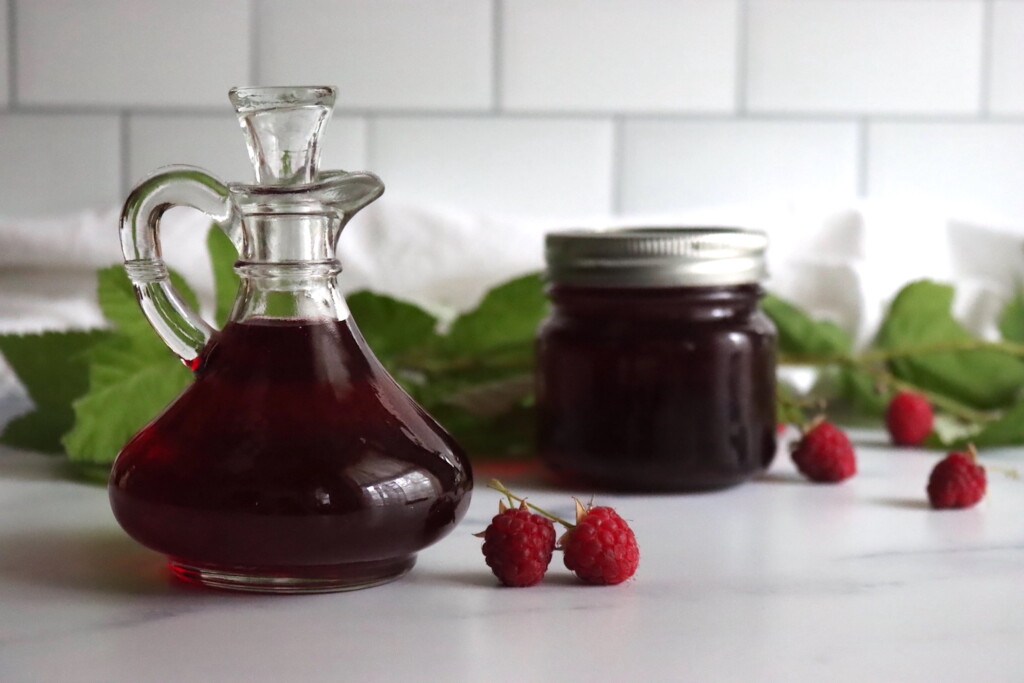
- Raspberry Syrup – tart and intensely fruity, the classic base for an Italian soda, and a splash wakes up a plain glass of lemonade.
- Blackberry Syrup – dark and rich, mixed into seltzer for blackberry soda or spooned over biscuits and ice cream.
Stone Fruit Syrups
- Nectarine Syrup – close to peach but a touch lighter and brighter, a good choice when you want something softer than berry.
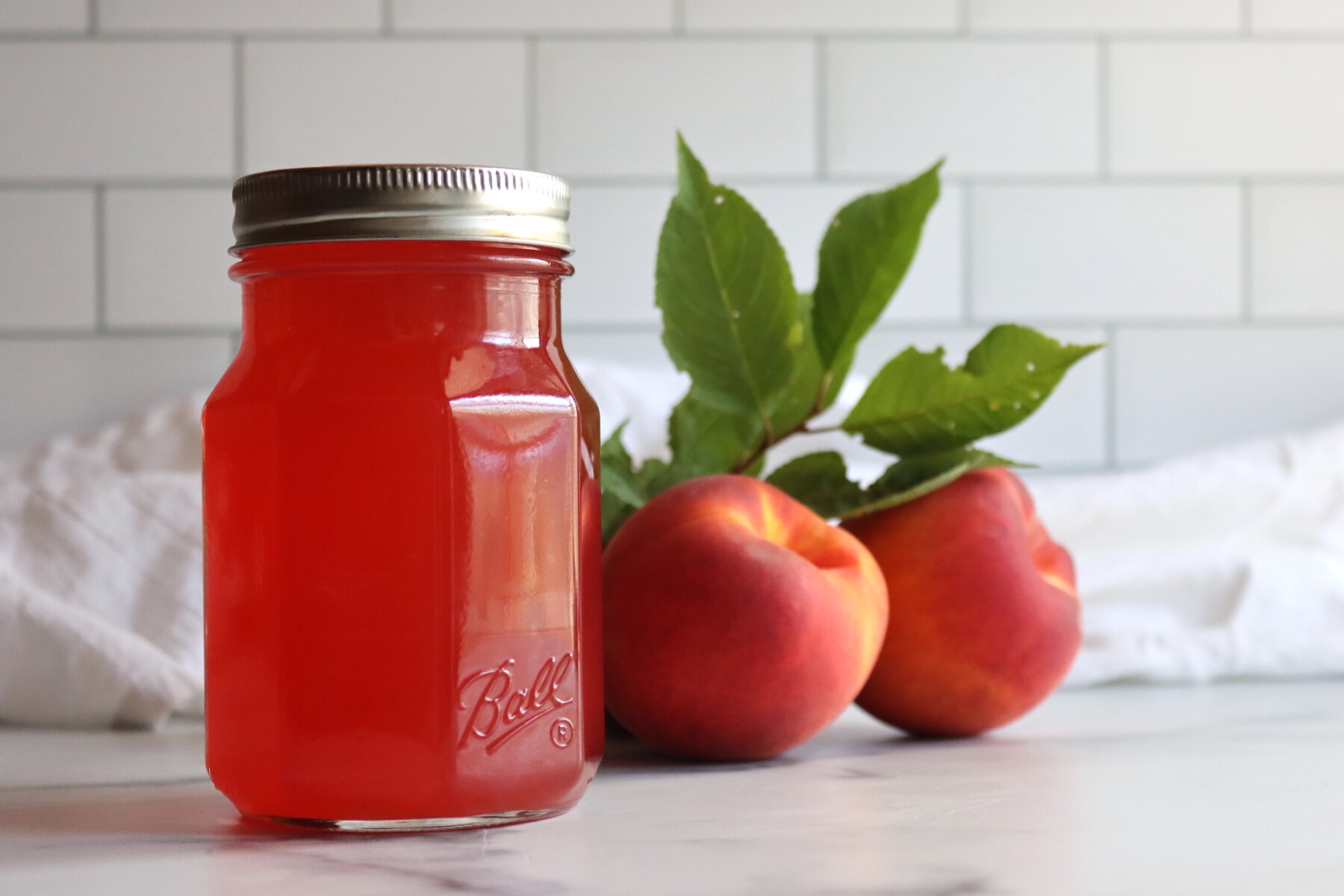
- Peach Syrup – mellow and honey-sweet from ripe summer peaches, lovely in seltzer or over oatmeal.
Other Syrups
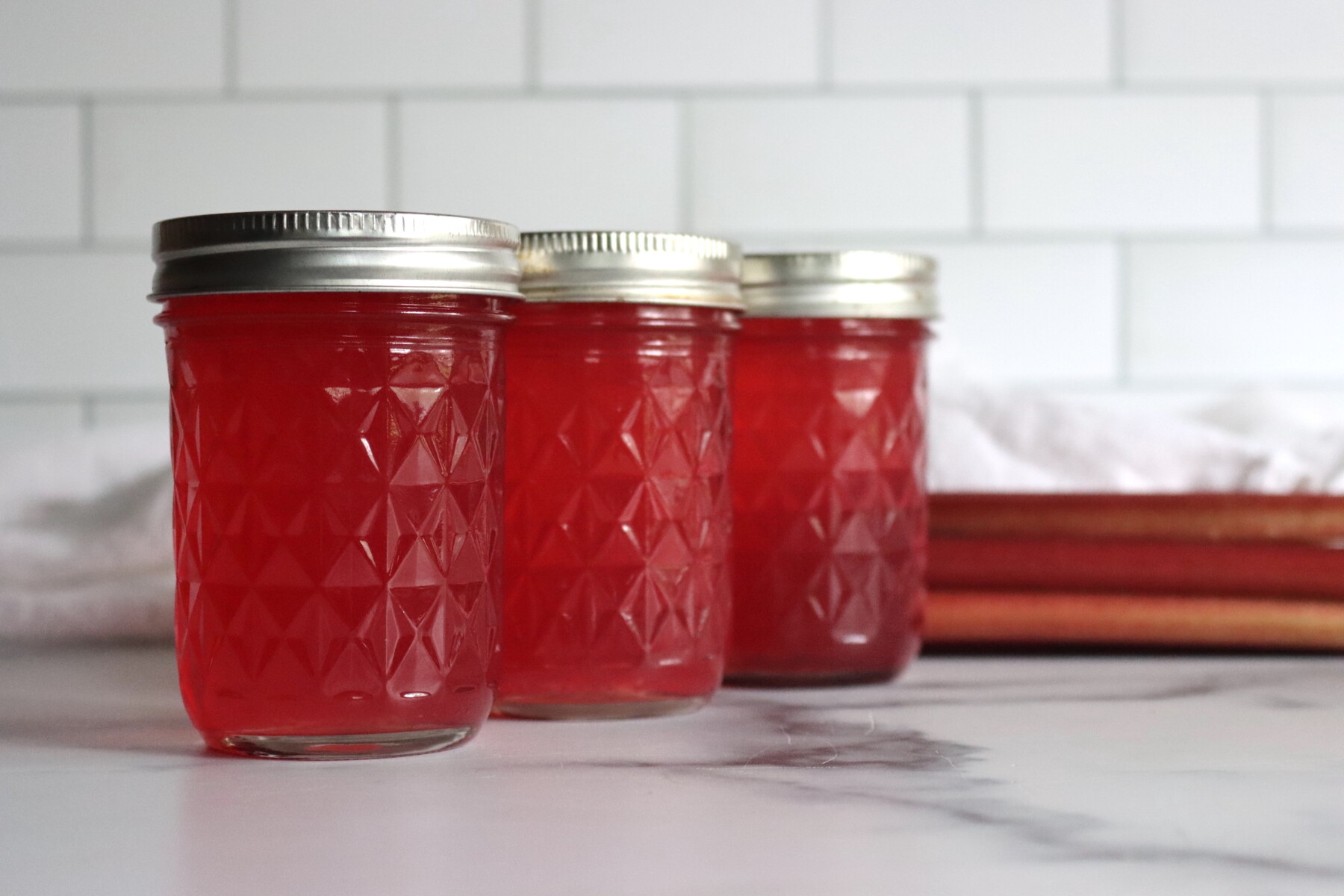
- Rhubarb Syrup – tangy and a little sharp, which keeps it from getting cloying, nice in a spritzer or over vanilla ice cream.
Fruit Nectars
Fruit nectar sits somewhere between juice and puree. You cook the fruit down, blend it smooth, and thin it with a little water, so it pours thick and drinks almost like a smoothie.
It is lovely sipped cold over ice, mixed into sparkling water, blended into actual smoothies, or poured in place of orange juice in a cocktail.
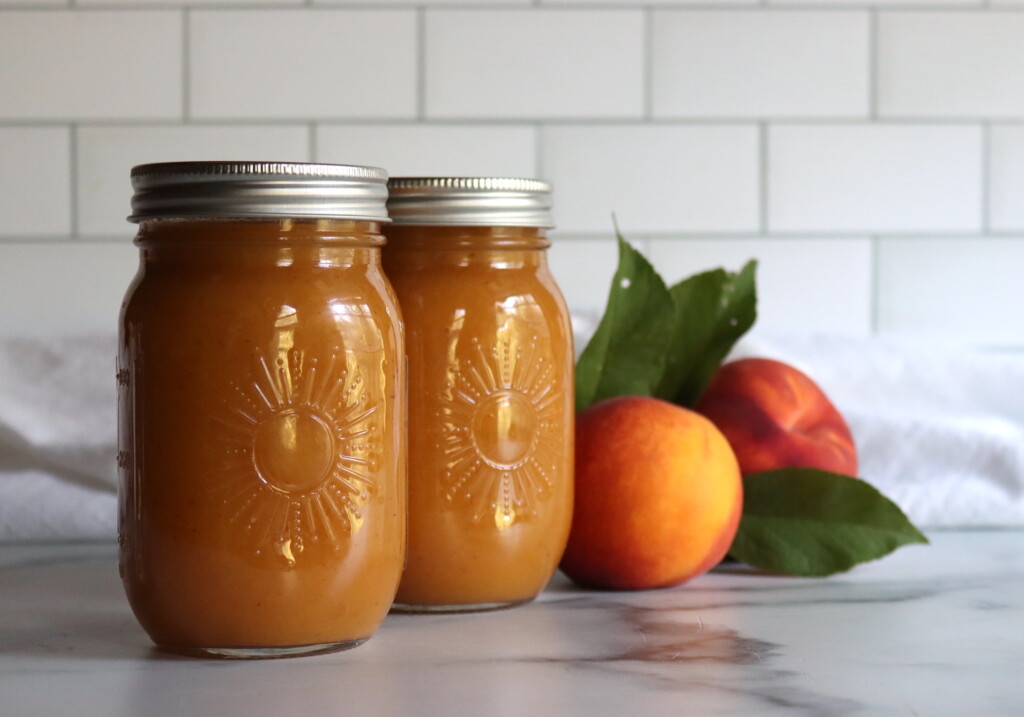
- Peach Nectar – smooth yellow-peach puree, naturally sweet, and a good use for a box of soft seconds; my kids drink it straight or blended into smoothies.
- Apricot Nectar – apricots are tart enough to puree and can safely, and they cook down into a thick golden nectar that drinks well over ice.
- Pear Nectar – a silky pear puree thinned into a drink, made with standard pears rather than low-acid Asian varieties.
Nectar works most reliably with fruit that is naturally acidic, which is why peach and apricot are such dependable choices. A few fruits are too low in acid to for safe canning, including white peaches, ripe mango, and Asian pears. There are no safe canning recipes for juice or nectar of those fruits. And if you would rather a thicker spread than a drink, the same fruit makes a lovely peach butter or pear sauce instead.
Concentrates, juices, and syrups are all either high-acid or acidified, which is what makes them safe for water bath canning rather than needing a pressure canner. Put up a few different styles as their fruit comes into season, and you will have homemade drinks ready to pour straight from the pantry no matter the month.
Canning Recipe Lists
Find the perfect recipe
Searching for something else? Enter keywords to find the perfect recipe!