This post may contain affiliate links. Please see our disclosure policy.
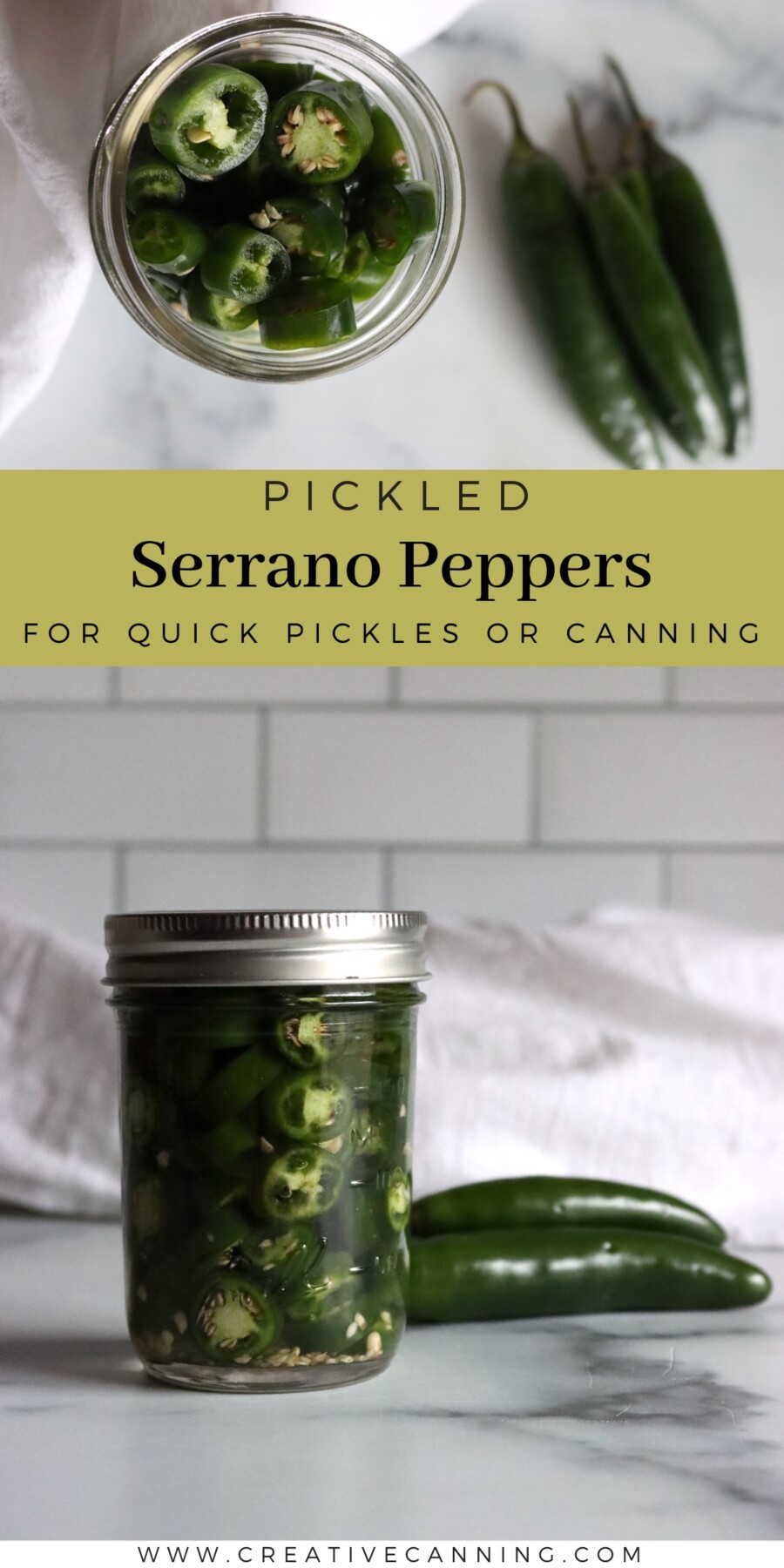
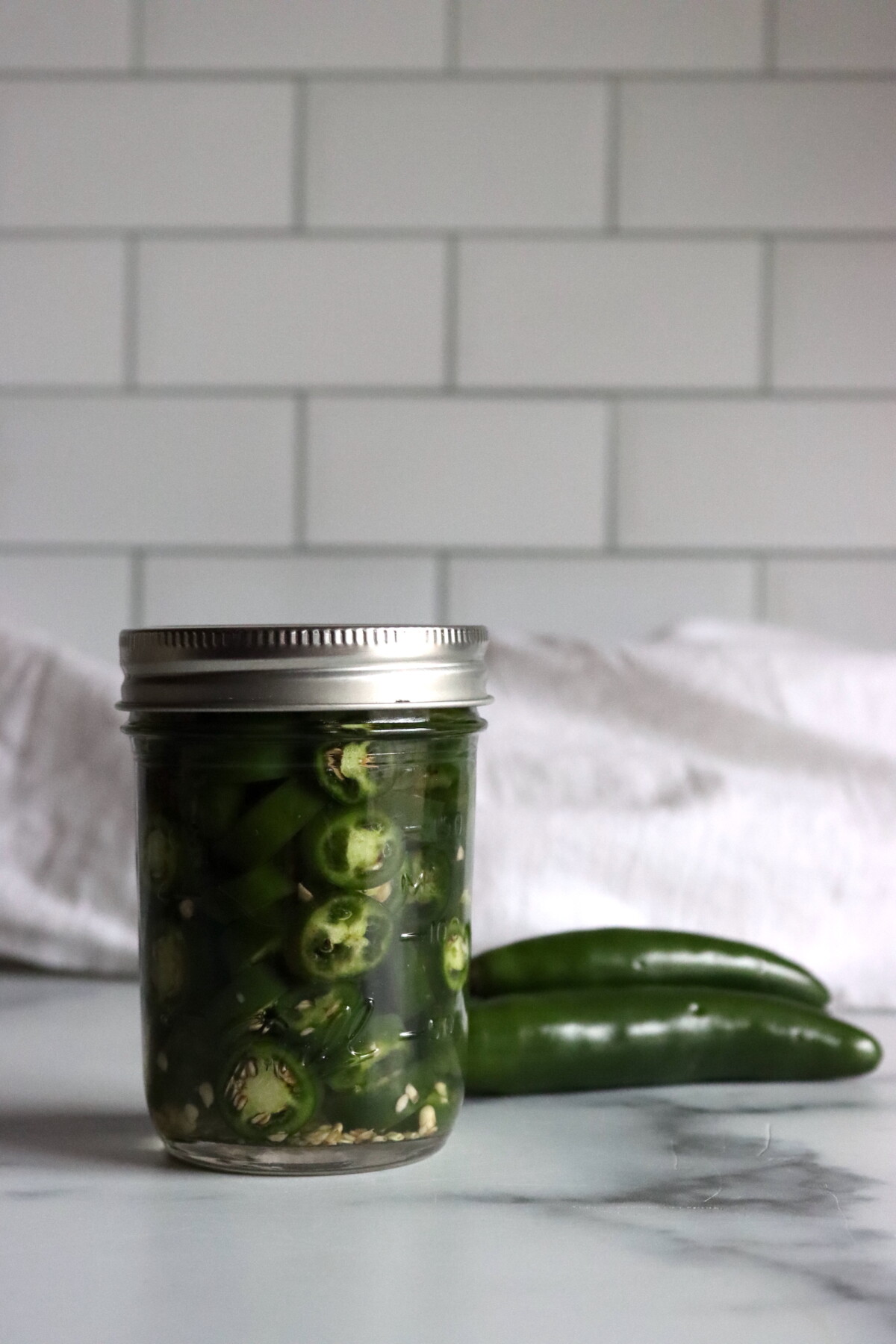
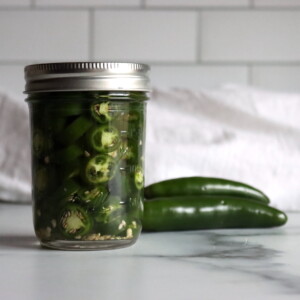
Pickled serrano peppers bring more heat than pickled jalapeños, in small green rings that are ready to scatter over tacos, nachos, and eggs. A sharp vinegar brine and a short water bath make them shelf stable, so you can keep a jar of real heat in the pantry all year.
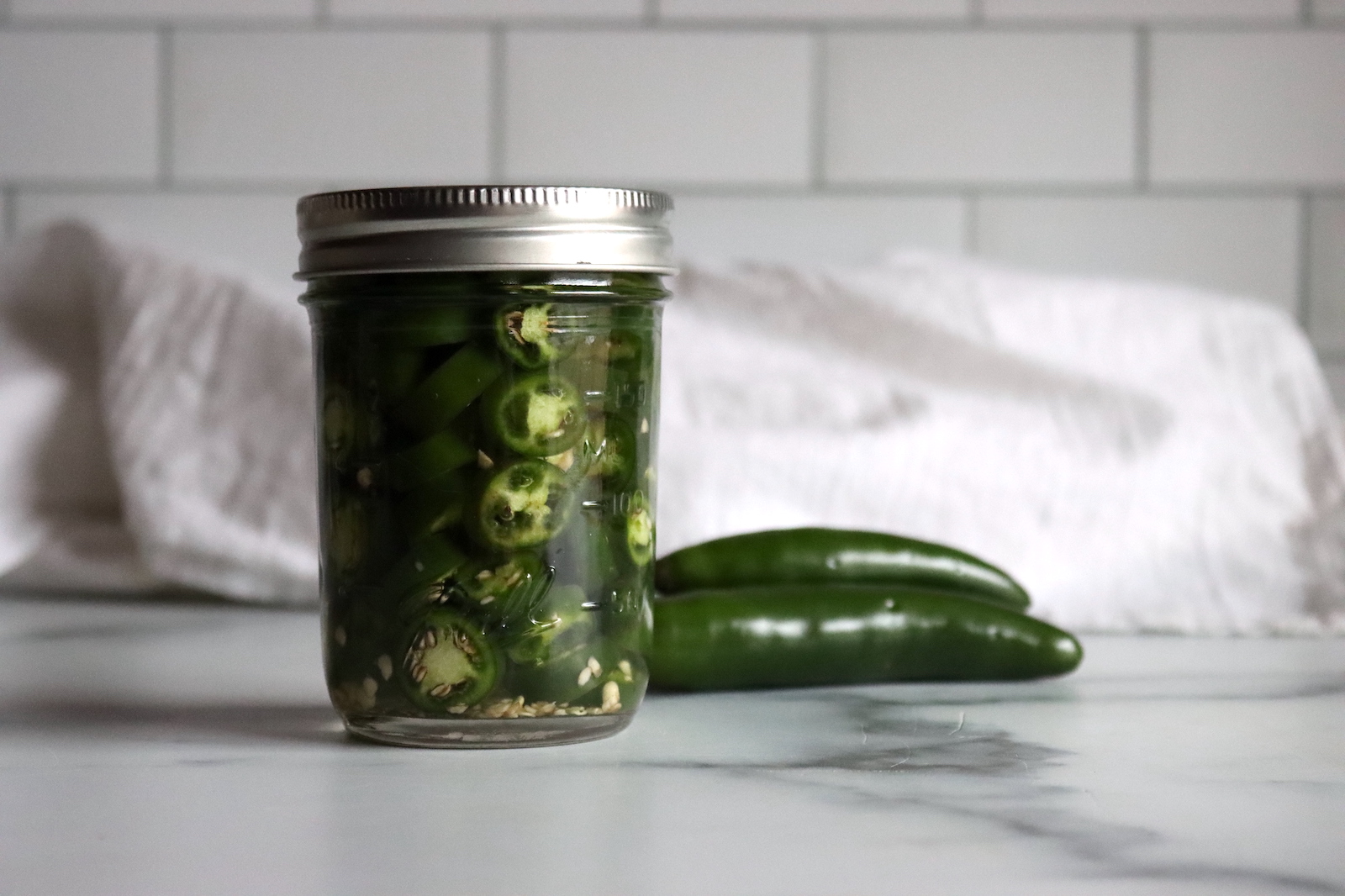
Table of Contents
- Notes from My Kitchen
- Quick Look at the Recipe
- Choosing Serrano Peppers for Pickling
- Ingredients for Pickled Serrano Peppers
- Brine Strength and Substitutions
- How to Pickle Serrano Peppers
- Canning Pickled Serrano Peppers
- Altitude Adjustments
- Tips for Crisp Pickled Serrano Peppers
- Ways to Use Pickled Serrano Peppers
- Storage and Shelf Life
- Yield Notes
- Pickled Serrano Peppers FAQs
- Pepper Pickling Recipes
- Pickled Serrano Peppers Recipe
- Vegetable Pickling Recipes
This recipe has been reviewed for safety and accuracy by a Master Food Preserver certified through the University of Cornell Cooperative Extension.
Serrano peppers are small, slim green chiles, usually just a couple of inches long. They’re hot, too. Most serranos measure somewhere around 10,000 to 23,000 Scoville units, well above a typical jalapeño.
That heat is the reason to pickle them. A few rings go a long way, and an open jar in the fridge means there’s heat on hand for any meal, even in the middle of a Vermont winter.
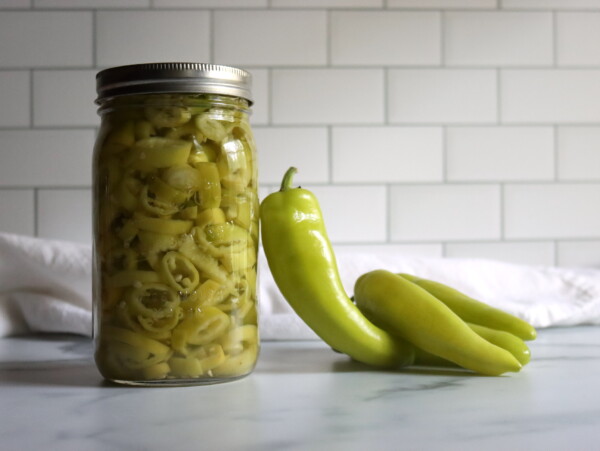
I slice most hot peppers into rings for pickling, the same way I make pickled jalapeños and pickled banana peppers. Serranos are slimmer and a lot hotter, so the rings come out smaller, and you’ll use fewer of them at a time.
I based this one on the hot pepper recipe in Ball Canning Back to Basics, which calls for banana peppers, jalapeños, or serranos.
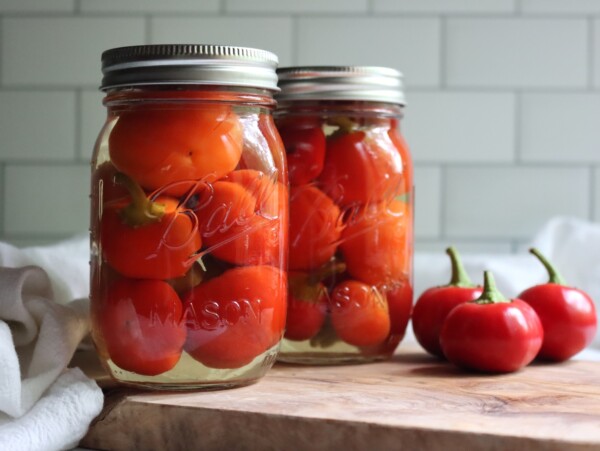
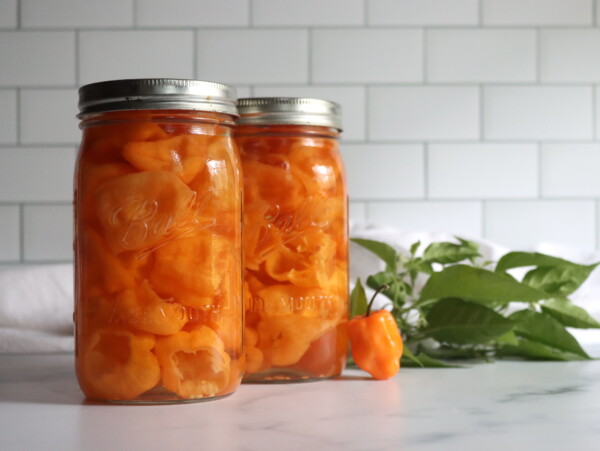
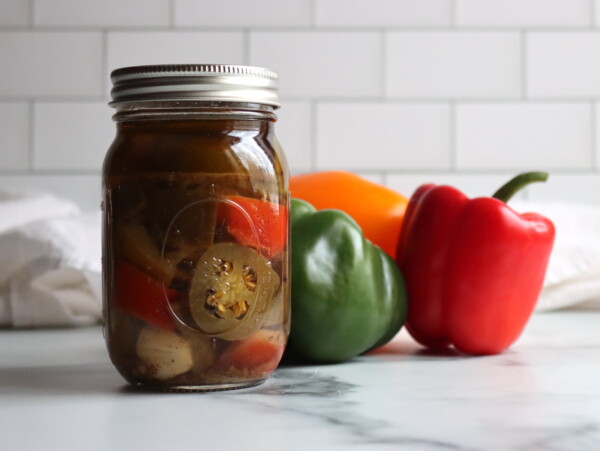
If you want even more heat, my pickled habanero peppers are hotter still. For a sweet and hot jar, try cowboy candy, or turn a big serrano harvest into fermented hot sauce. And while the plants keep producing, there are more than fifty pepper canning recipes to try.
Notes from My Kitchen

I like having a jar of pickled hot peppers open in the fridge for quick meals. A few rings turn a plain quesadilla or a bowl of leftover rice into dinner, and serranos are what I use when I want more heat than a jalapeño can provide.
Ball’s recipe is just vinegar, water, and garlic, and it’s a bit flat. I add a little salt and sugar to the brine because straight vinegar tastes harsh to me, and they really do need the salt to taste balanced. The sugar is optional. It helps tame the vinegar bite, but leave it out if you want a hot salty pickle with plenty of vinegar tang.
Quick Look at the Recipe
- Recipe Name: Pickled Serrano Peppers
- Recipe Type: Pickle Canning Recipe
- Canning Method: Water Bath Canning
- Prep Time: About 30 minutes
- Cook Time: About 15 minutes for the brine
- Canning Time: 10 minutes for half pints and pints
- Yield: About 5 pints
- Jar Sizes: Half pints or pints
- Headspace: 1/2 inch
- Ingredients Overview: Serrano peppers, white vinegar, water, pickling salt, sugar, and garlic
- Safe Canning Recipe Source: Follows the hot pepper recipe in Ball Canning Back to Basics, with salt and sugar added to the brine for flavor
- Difficulty: Easy
- Similar Recipes: For a milder sliced pepper pickle, try Pickled Jalapeños or Pickled Banana Peppers. For more heat, there’s Pickled Habanero Peppers, and Cowboy Candy if you like your peppers sweet and hot.
Choosing Serrano Peppers for Pickling
Look for firm, glossy peppers with smooth skin and green stems. Skip any with soft spots, wrinkles, or dark patches, since those peppers go mushy in the jar.
You’ll mostly find serranos green, and that’s what I used here. Red ones are fully ripe and a little sweeter. They pickle the same way, so a mix of the two makes a pretty jar.
No two plants are quite the same, and the heat can change from one pepper to the next. Taste a tiny sliver of one before you start, so you know what you’re working with.
Size doesn’t really matter all that much if you’re slicing rings. If you’re leaving them whole, pick peppers short enough to stand upright in the jar below the headspace line.
Ingredients for Pickled Serrano Peppers
There are only a few ingredients here, and most of them go into the brine.
If you’re short on serranos, Ball’s recipe also works with jalapeños or hot banana peppers, so either one can make up the weight.
- Serrano Peppers: Green, red, or a mix, sliced into rings or left whole with two slits in each. The white ribs inside hold most of the heat, and the seeds pick some up from them, so scrape some or all of both out if you want a milder jar.
- White Vinegar: I use distilled white vinegar, the same as Ball’s recipe, and it keeps the brine clear. Apple cider vinegar works too, and it gives the brine a darker color and a slightly fruitier taste. Check that the label reads 5 percent acidity.
- Water: Plain tap water is fine. If your water is very hard, use distilled water instead, so the brine stays clear.
- Pickling Salt: Use pickling or canning salt, like Morton canning and pickling salt, rather than table salt. Iodine can darken the peppers, and anti-caking agents cloud the brine. The salt is here for flavor, so you can cut it back or skip it.
- Sugar: Just a little, to round off the vinegar. It won’t make the peppers taste sweet, and it’s optional.
- Garlic: Ball simmers crushed garlic in the brine and then fishes it out, so the brine gets the flavor without the cloves ending up in the jars. It’s optional.
- Pickle Crisp: Optional. Ball Pickle Crisp is calcium chloride, and 1/8 teaspoon per pint keeps the rings firmer. It has no effect on the brine’s acidity.
Brine Strength and Substitutions
This brine is three parts vinegar to one part water. Serranos are a low-acid vegetable on their own, so all that vinegar is what makes them safe to keep on a shelf. Don’t cut the vinegar, and don’t add more water.
Ball’s recipe has no salt or sugar at all, so both are yours to adjust or leave out.
Dry spices are flavor only too. A few peppercorns, a little cumin seed, or a pinch of pickling spice in each jar won’t change the safety.
Just don’t reduce the vinegar!
How to Pickle Serrano Peppers
This is a raw pack, so the brine is the only thing that goes on the stove.
Get the water bath canner heating before you start slicing, since the rest moves quickly. The amounts are in the recipe card below.
Cut the Peppers
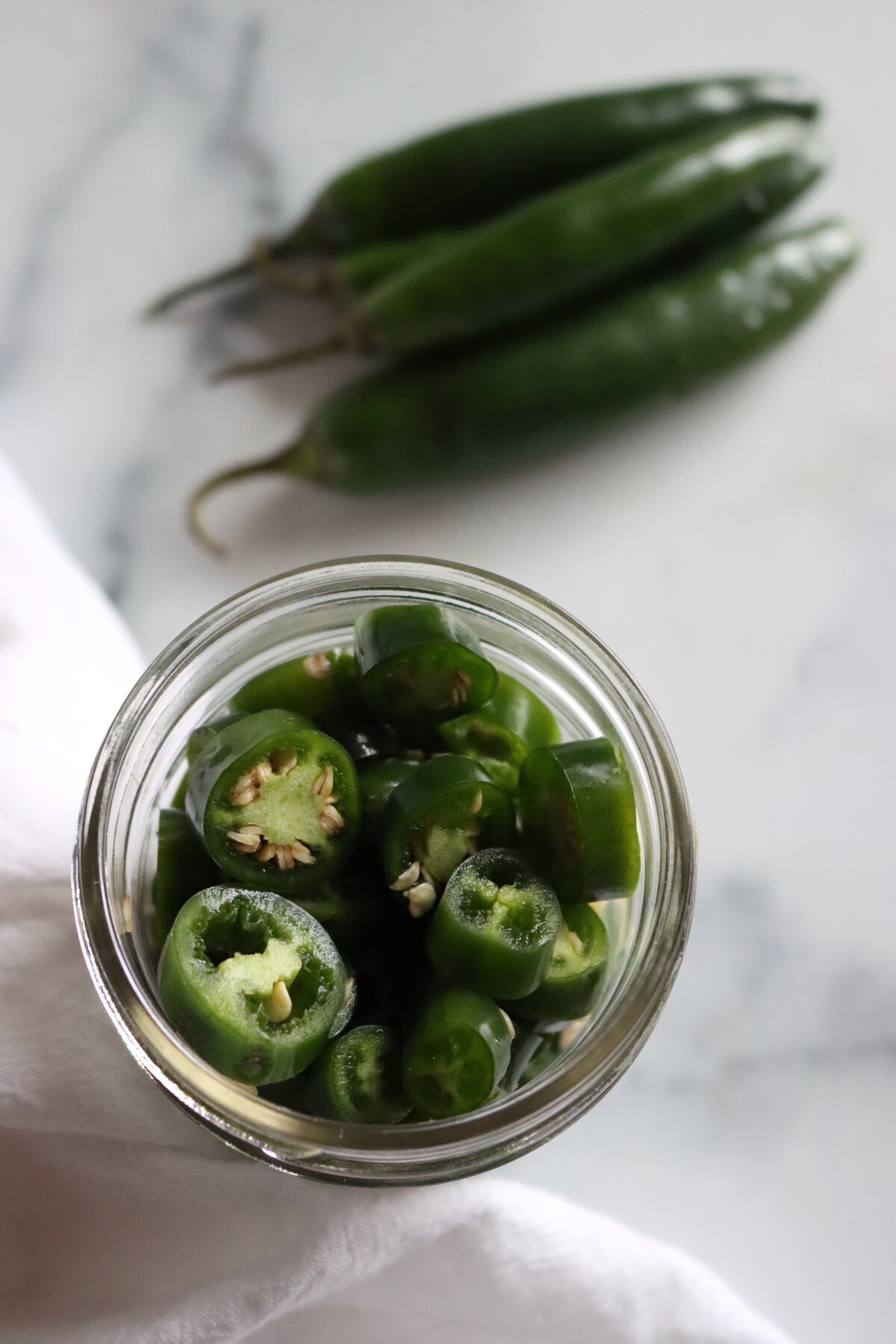
Put on gloves before you start cutting, and keep your hands away from your face. Serrano juice burns if it gets anywhere near your eyes.
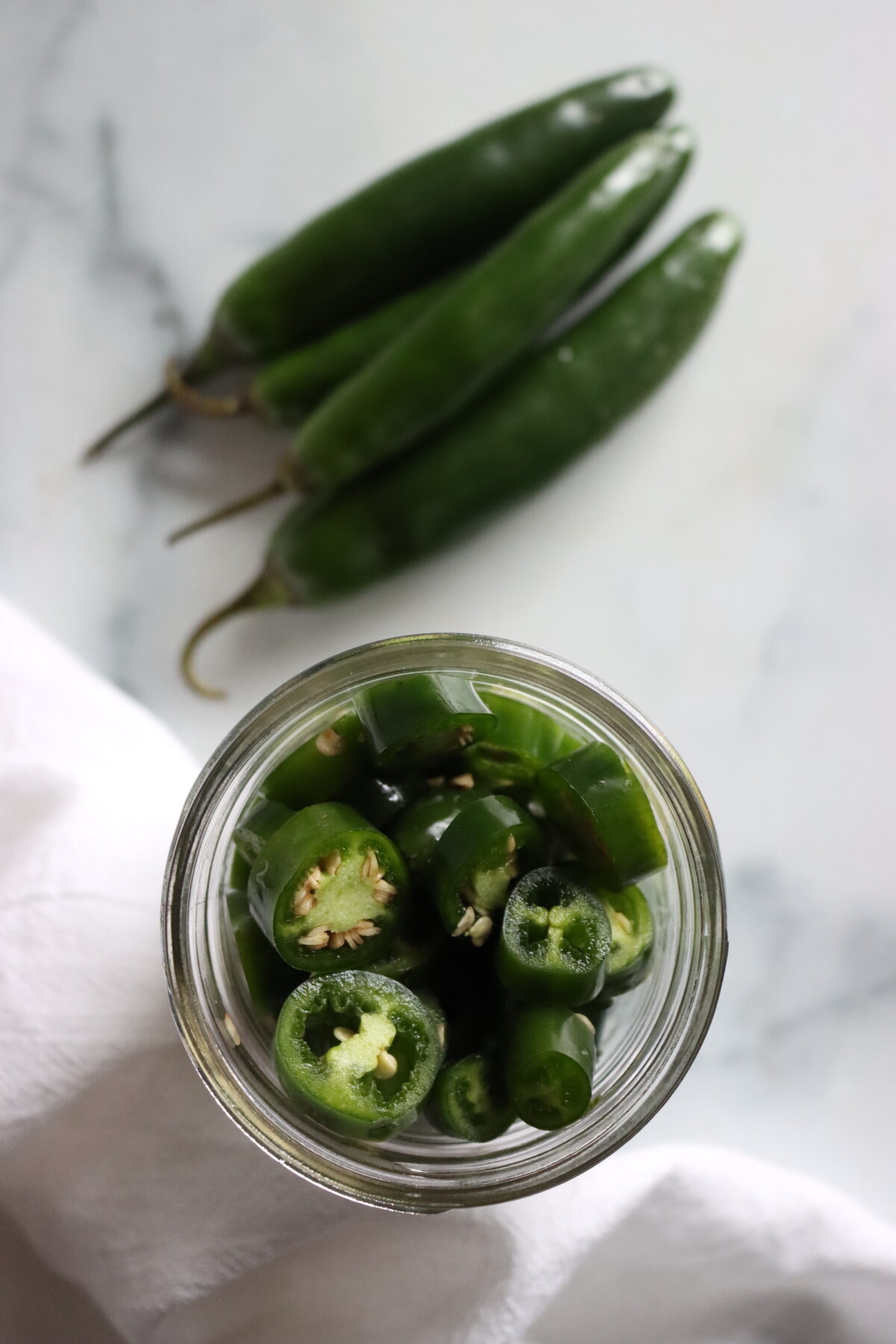
Wash the peppers, trim off the stems and blossom ends, and slice them into rings about 1/2 inch thick. Ball’s recipe cuts 1-inch pieces, but I like 1/2-inch rings for serranos, since they’re a better shape that way.
For a milder batch, split the peppers lengthwise first and scrape out the seeds and ribs, which gives you half-moons instead of rings.
To pickle them whole, cut two slits in each pepper with a paring knife, one on each side. Make them real cuts, not fork pricks, so the air can get out and the brine can get in. The stems can stay on or come off.
Make the Brine
Combine the vinegar, water, salt, and sugar in a large stainless steel saucepan, and add the crushed garlic if you’re using it. Bring it to a boil, stirring until the salt and sugar dissolve.
Turn the heat down, and let it boil gently for 5 minutes. Then fish out the garlic, and keep the brine hot.
Pack the Jars
Fill hot half-pint or pint jars with the peppers, leaving a generous 1/2 inch of headspace. Press the rings down so they’re snug, but don’t crush them. Whole peppers pack best standing upright.
If you’re using Pickle Crisp, add 1/8 teaspoon to each pint, or 1/16 teaspoon to each half pint, now.
Add the Brine
Ladle the hot brine over the peppers to 1/2 inch headspace. A canning funnel keeps the rims clean.
Run a bubble tool or a chopstick around the inside of each jar, and into the slits on whole peppers. Top up the brine if the level drops. Wipe the rims, center the lids, and screw the bands on fingertip tight.
Canning Pickled Serrano Peppers
Canning is optional. Skip the canner, and you have refrigerator pickles that last a couple of months in the fridge. The water bath is what lets them sit on a pantry shelf instead.
Since the peppers go in raw, heat the canner water to around 140 degrees F, hot but not simmering yet. Set the jars on the rack with a jar lifter, and add water if needed until it covers the lids by at least an inch. Bring the water up to a full rolling boil.
Process half pints and pints for 10 minutes once it’s boiling hard. If you live above 1,000 feet, the altitude chart below has your time.
When the timer goes off, turn off the burner and take the lid off the canner. Give the jars 5 minutes to settle, which helps prevent liquid loss, then move them to a towel. Let them cool undisturbed for 12 to 24 hours before you check the seals.
Give the jars at least two weeks before you open one, so the brine has time to work into the rings.
New to the canner? Start with my guide to water bath canning for beginners. Once you’re comfortable, there’s a long list of water bath canning recipes to try next.
Altitude Adjustments
Water bath processing times go up as the elevation goes up. Use these times for half pints and pints of pickled serrano peppers:
- 0 to 1,000 feet: 10 minutes
- 1,001 to 6,000 feet: 15 minutes
- Above 6,000 feet: 20 minutes
The clock starts at a full rolling boil, not the moment the jars go into the water.
Tips for Crisp Pickled Serrano Peppers
Use Pickle Crisp. Small pepper rings soften quickly in hot brine. With 1/8 teaspoon of Ball Pickle Crisp in each pint, the rings stay firmer.
Keep the rings about 1/2 inch thick. Thin slices go limp in the canner, and rings of the same thickness pickle at the same rate.
Keep the peppers cold. If they won’t go into jars the day you pick them, keep them in the fridge until you’re ready to slice.
Don’t over-process. Pull the jars at the time on the chart for your elevation. Extra time in the canner just makes the rings softer.
Ways to Use Pickled Serrano Peppers
Pile the rings onto tacos and burrito bowls, or chop a few into guacamole. You get heat and a little acid at the same time.
They’re good on sandwiches and burgers, stirred into scrambled eggs, or laid over a slice of pizza. Anywhere you’d use pickled jalapeños works, just with fewer rings.
Don’t toss the brine when the jar’s empty. It’s hot pepper vinegar at that point, so use a splash in salad dressing, a marinade, or a pot of beans. Just don’t reuse it to can another batch.
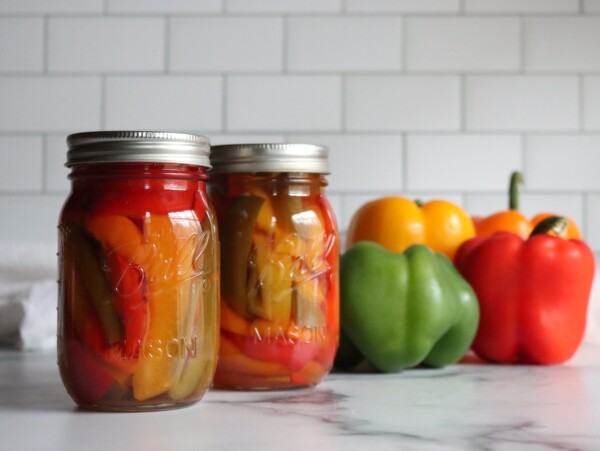
If the peppers keep coming, my marinated peppers and pepper onion relish both go straight onto a sandwich. There’s also a long list of salsa canning recipes that use hot peppers.
Storage and Shelf Life
Store sealed jars in a cool, dark cupboard, and use them within 12 to 18 months. Take the bands off before the jars go on the shelf, so you can spot a lid that came loose.
An open jar belongs in the fridge. Keep the rings under the brine, and finish the jar within a month or two. Put any jar that didn’t seal in the fridge too, and eat it first.
Jars you never processed keep a couple of months in the fridge as refrigerator pickles. If you made them that way and change your mind, you can still can them.
Pour the peppers and brine into a pot, and heat them until they’re hot all the way through. Pack them back into hot jars, then process them the same way. Cold jars won’t heat through properly in the canner, and the sudden temperature change can crack them.
Yield Notes
Three pounds of serrano peppers fill about 5 pints or 10 half pints. You may get a little more or a little less, depending on how tightly you pack the rings.
Whole peppers leave more space in the jar than rings, so you may need an extra jar and a little more brine.
If you run short of brine, mix more at the same three to one ratio, 3/4 cup vinegar to 1/4 cup water for each extra cup. Don’t stretch it with water.
Pickled Serrano Peppers FAQs
Readers ask the same few things on my other pickled pepper recipes, mostly about vinegar, soft peppers, and how long the jars keep. One reader asked about pickling serranos whole, too.
No. The brine is 3 parts 5 percent vinegar to 1 part water, and that much vinegar is what makes these safe for the canner. Don’t cut the vinegar or add water. You can cut back the salt and sugar, or leave them out, since neither one keeps the jars safe.
Hot. Fresh serranos measure about 10,000 to 23,000 Scoville units, a good bit hotter than a jalapeño. The brine takes the edge off a little, but they’re still hot. For a milder jar, scrape out the white ribs and seeds before slicing.
Yes. Cut two slits in each pepper, one on each side, so the brine can get inside, and pack them standing upright. Use the same brine, headspace, and processing time as the rings. Run a bubble tool into the slits before the lids go on, so the trapped air comes out.
Usually it’s the peppers or the canner. Peppers that sat a few days before canning, rings sliced very thin, and extra minutes in the canner all soften them. Fresh peppers, 1/2-inch rings, Pickle Crisp, and pulling the jars right at the time for your elevation all help.
Sealed jars keep 12 to 18 months in a cool, dark place. Once you open a jar, keep it in the fridge, and use it within a month or two. Unprocessed refrigerator pickles last a couple of months.
Pepper Pickling Recipes
More ways to pickle a pepper harvest, from mild to very hot.
If you tried this Pickled Serrano Peppers recipe, or any other recipe on Creative Canning, leave a ⭐ star rating and let me know what you think in the 📝 comments below!
And make sure you stay in touch with me by following on social media!
Pickled Serrano Peppers
Equipment
- Canning Jars, Lids and Bands
- Large Stainless Steel Saucepan
- Rubber or Nitrile Gloves
- Bubble remover
Ingredients
For the Jars
- 3 lbs serrano peppers
- Pickle Crisp, 1/8 tsp per pint or 1/16 tsp per half pint, optional
For the Brine
- 6 cups white vinegar, 5% acidity
- 2 cups water
- 5 tsp pickling salt
- 5 Tbsp sugar
- 3 cloves garlic, crushed, optional
Instructions
- Prepare a water bath canner, half-pint or pint jars, and lids. Preheat the canner water to about 140 degrees F for a raw pack.
- Put on gloves. Wash the serrano peppers, trim off the stems and blossom ends, and slice them into 1/2-inch rings. For milder peppers, split them lengthwise and scrape out the ribs and seeds before slicing. To pickle them whole, cut two slits in each pepper, one on each side, instead of slicing.
- Combine the vinegar, water, salt, sugar, and garlic in a large stainless steel saucepan. Bring to a boil, stirring until the salt and sugar dissolve. Reduce the heat and boil gently for 5 minutes, then remove and discard the garlic.
- Pack the peppers into hot jars, leaving a generous 1/2 inch of headspace. Add the Pickle Crisp to each jar if using.
- Ladle the hot brine over the peppers to 1/2 inch headspace. Remove air bubbles, running the tool into the slits on whole peppers, top up the brine if the level drops, wipe the rims, and apply lids and bands fingertip tight.
- Lower the jars into the canner, make sure at least 1 inch of water covers them, and bring it to a full rolling boil. Process half pints and pints for 10 minutes, adjusting for altitude (see notes).
- Turn off the heat, remove the canner lid, and let the jars sit 5 minutes. Lift them out and cool undisturbed for 12 to 24 hours, then check the seals.
Notes
- 0 to 1,000 feet: 10 minutes
- 1,001 to 6,000 feet: 15 minutes
- Above 6,000 feet: 20 minutes
Nutrition
Nutrition information is automatically calculated, so should only be used as an approximation.
Vegetable Pickling Recipes
The rest of the garden pickles just as well.
Find the perfect recipe
Searching for something else? Enter keywords to find the perfect recipe!