
This post may contain affiliate links. Please see our disclosure policy.
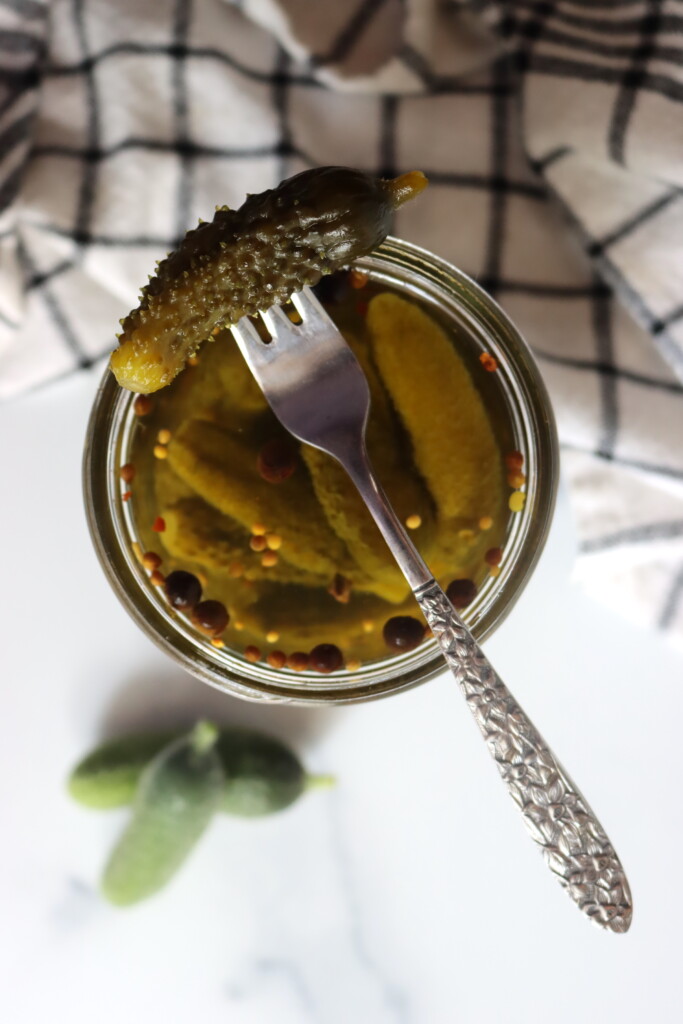
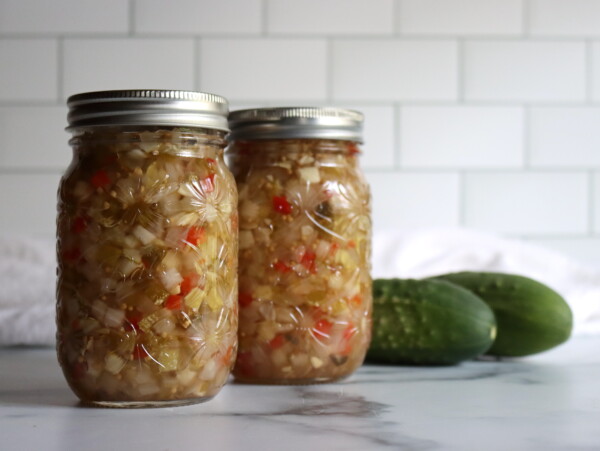
Sweet gherkin pickles are tiny, crisp, and loaded with sweet spiced syrup, the kind of pickle you eat straight out of the jar while you are standing at the open refrigerator door. They turn a colander of undersized cucumbers into something worth saving on a pantry shelf.
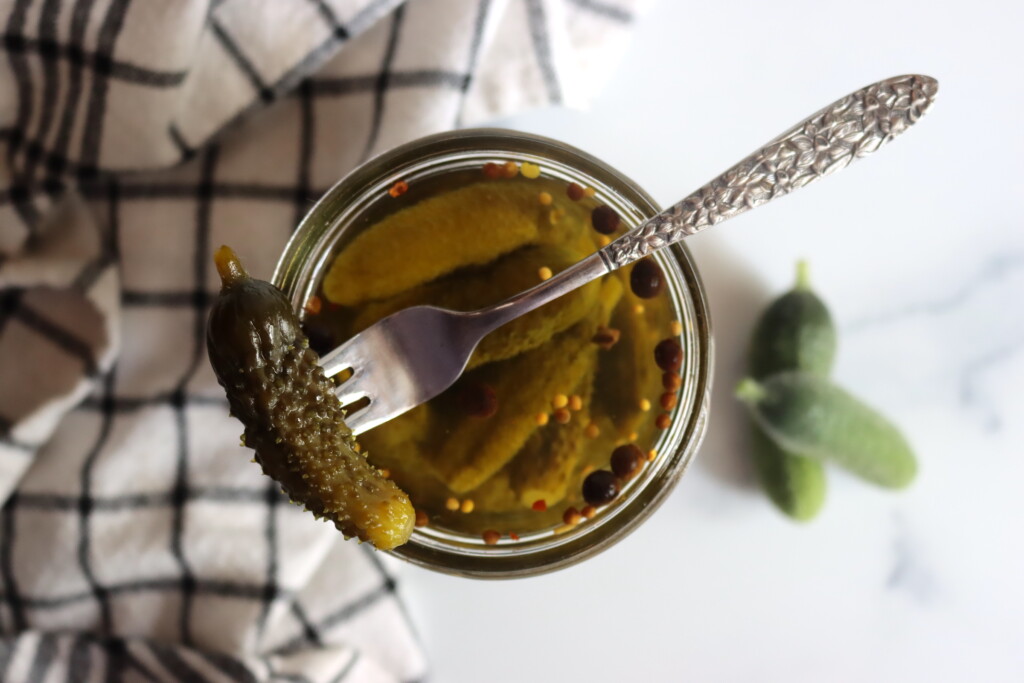
Table of Contents
- Notes from My Kitchen
- Quick Look at the Recipe
- Choosing Cucumbers for Gherkins
- Ingredients for Sweet Gherkin Pickles
- Setting Up for a Four Day Pickle
- How to Make Sweet Gherkin Pickles
- Canning Sweet Gherkin Pickles
- Altitude Adjustments
- Tips for Crisp Gherkins
- Ways to Use Sweet Gherkin Pickles
- Storage and Shelf Life
- Yield Notes
- Sweet Gherkin Pickles FAQs
- Cucumber Pickling Recipes
- Sweet Gherkin Pickles Recipe
- Pickling Recipes
This recipe has been reviewed for safety and accuracy by a Master Food Preserver certified through the University of Cornell Cooperative Extension.
Sometimes great taste is all about trusting the process, and that’s true of many old fashioned multi day pickling recipes.
This is a traditional four day recipe, and each step is important to the final result. Don’t skip steps, and make sure you read through the recipe before you start.
The cucumbers soak in plain boiling water, then salted water, and then a sweet spiced syrup that gets stronger each round. Adding all that sugar at once would pull the water out of the cucumbers so fast they would collapse, so it goes in gradually instead. It takes less waiting than old fashioned 14 day sweet pickles and more than sweet cucumber pickles, which come together in a single afternoon.
The part that trips people up is not the timing, it is knowing which liquid to keep. The plain water and salt water from the first three soaks gets poured out. The syrup you start on the morning of the third day never does. It stays with you until the last step, growing a little stronger every time you reheat it, and it is what fills the jars at the end.
I have written the steps below to make that distinction obvious at every point, because it’s the part that gets the most questions.
Notes from My Kitchen

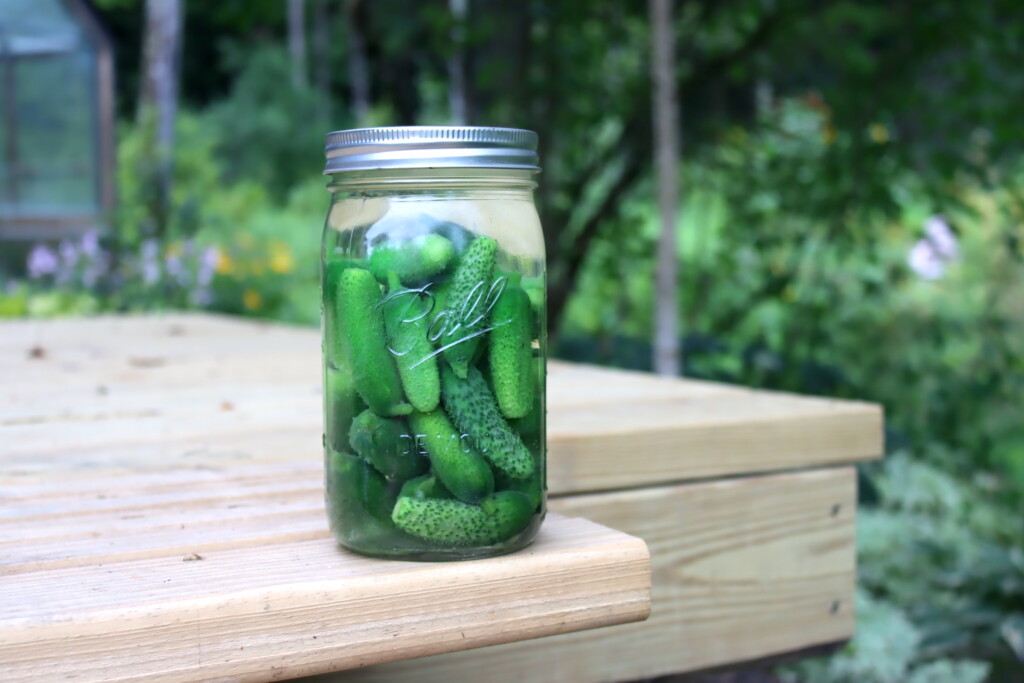
I usually take a couple of empty quart jars right out to the garden with me and harvest the mini cukes straight into the jars, so I can measure as I go. Then I start a batch based on how many little ones I actually turn up under the leaves, which is never the number I expected. Some years that means a half batch, and that is fine.
Fair warning about the middle of this recipe. Around day three the cucumbers go wrinkled and sad looking, and every year I have a moment of thinking I have ruined them. They plump back up after a couple of weeks in the jar. The process is uninspiring to watch, but the finish is worth sitting through it.
Quick Look at the Recipe
- Recipe Name: Sweet Gherkin Pickles
- Recipe Type: Pickles
- Canning Method: Water Bath Canning
- Prep Time: Four days, with about 15 minutes of hands on work at each step
- Cook Time: About 10 minutes to bring the syrup to a boil each round
- Canning Time: 10 minutes for pints
- Yield: About 6 to 7 pints
- Jar Sizes: Pints only
- Headspace: 1/2 inch
- Ingredients Overview: Extra small pickling cucumbers, canning salt, sugar, vinegar, turmeric, celery seed, pickling spice, cinnamon sticks, fennel, and vanilla
- Safe Canning Recipe Source: National Center for Home Food Preservation, also published in So Easy to Preserve from the University of Georgia Extension
- Difficulty: Easy, but it needs planning
- Similar Recipes: These are built the same way as other multi day sweet cucumber pickles, including Old Fashioned 14 Day Sweet Pickles and Cucumber Lime Pickles. If you want the same sweet and spiced flavor on a shorter schedule, try Bread and Butter Pickles or work through the rest of my cucumber pickling recipes.
Choosing Cucumbers for Gherkins
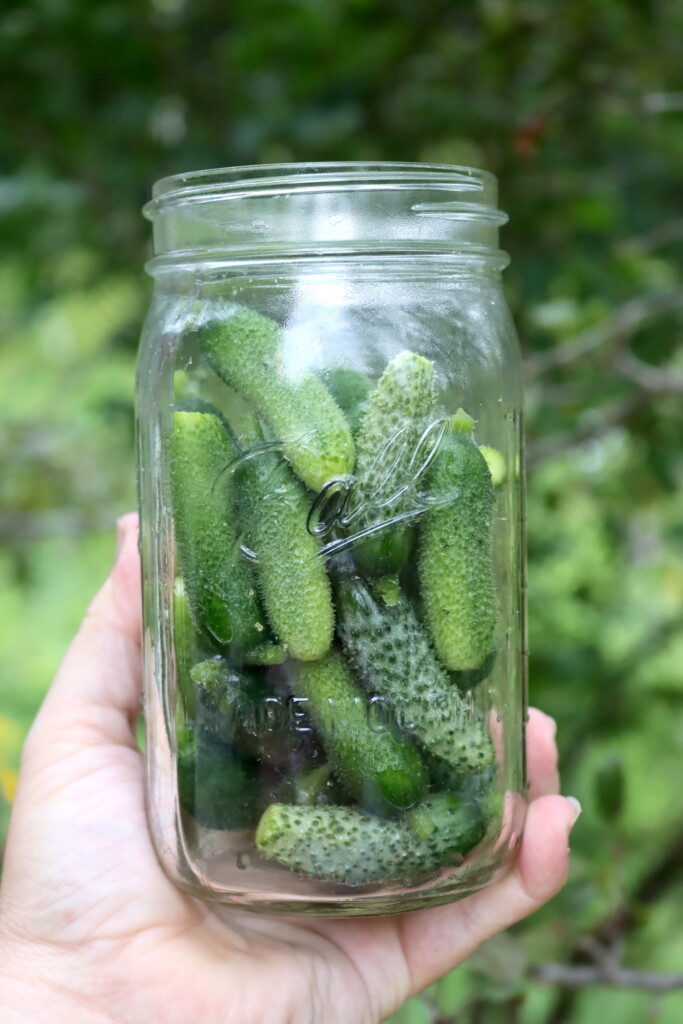
Gherkins are not a separate vegetable, they are just very small pickling cucumbers picked before they size up. Look for firm ones from 1 1/2 to 2 inches long, with the skin still bumpy and the flesh solid all the way through. A cucumber that has started to go seedy in the middle will end up hollow after four days of soaking, so pass on anything that feels light for its size or has a soft spot.
Freshness matters more here than in a one day pickle, since these sit at room temperature for the better part of a week. Use them within a day of picking if you can. Scrub the prickles off with a vegetable brush, trim 1/16 inch off the blossom end because the enzymes there soften pickles in storage, and leave about 1/4 inch of stem on the other end so the cucumbers hold together through the process.
Ingredients for Sweet Gherkin Pickles
A full batch takes about 5 quarts of small cucumbers and makes 6 to 7 pints. The sugar and vinegar amounts look enormous written out, but remember they are not all going in at once. They are split across four separate additions, and the recipe card below breaks them out by day so nothing gets dumped in early.
- Pickling Cucumbers: The smallest ones you can find, 1 1/2 to 2 inches. Scrub off the prickles, trim the blossom end, and leave a short stub of stem.
- Canning Salt: Split across the first two days, dissolved into the boiling water rather than sprinkled over the cucumbers. Use pickling or canning salt like this plain canning and pickling salt, since iodine and anti caking agents cloud the liquid and darken the pickles.
- Sugar: Added in four rounds over days three and four. The gradual build is what keeps the cucumbers from shriveling permanently, so the split matters more than the total.
- Vinegar: White or cider, as long as the label says 5 percent acidity. This is the safety control in the recipe, so it goes in at full strength. I use distilled white vinegar in glass bottles for a cleaner flavor and a brighter color.
- Turmeric: Adds the warm golden color these are known for, along with a mild earthy note underneath the sugar.
- Celery Seed: A gentle savory note that keeps the syrup from tasting like candy.
- Pickling Spice: A whole spice blend, either store bought or homemade pickling spice. Look for one with allspice, cloves, mustard seed, and bay in the mix.
- Cinnamon Sticks: Whole sticks go into the syrup on day three with everything else, not into the jars at the start.
- Fennel: Optional, and it brings a soft licorice note that suits a sweet pickle well.
- Vanilla: Optional, added with the last of the sugar on the final afternoon. It rounds off the sharp edge of the vinegar.
You can scale this down without any trouble if you only turned up two quarts of tiny cucumbers. Cut every quantity by the same fraction, keep the day by day split intact, and process the jars for the same length of time. The processing time does not change with batch size.
Setting Up for a Four Day Pickle
You need two vessels for this recipe, and that is the entire setup.
One container holds the cucumbers from the first morning to the last afternoon, and they never leave it until they go into jars. One pot holds whatever liquid you are heating. Liquid moves back and forth between the two, but the cucumbers stay put. Nothing gets transferred to a fresh container partway through, and you never need a second set of anything.
Here is the important part! You pour liquid out exactly three times: the plain water on the afternoon of day one, the salt water on day two, and the salt water again on the morning of day three. That last one is the final discard. Right after it you build the syrup, and from the afternoon of day three onward every single drain gets saved.
Plain water and salted water are poured out, but sweetened syrup is never discarded, only strengthened each day.
Draining, from the afternoon of day three onward, means tipping the syrup off the cucumbers and back into your pot, adding the sugar and vinegar for that step, boiling it, and pouring it back over the cucumbers where they sit. Pouring over means exactly that, the hot syrup goes back onto the cucumbers in their container and they soak in it until the next step. The syrup you have on the last afternoon is the same syrup you started on day three, and it is what fills your jars.
Size the pot generously up front so you are not chasing a bigger one on day four. The syrup grows with every round, both from the sugar and vinegar going in and from the water pulling out of the cucumbers, and it close to triples between the first pour and the last. An 8 quart pot handles a full batch comfortably.
The soaking container needs to be heatproof and non reactive, so glass, stainless steel, or a food grade plastic bucket, never aluminum or copper.
These were often made in old fashioned fermenting crocks, simply because they’re large and heatproof, but they can be hard to find. Most years, I just split the cucumbers between quart or half gallon mason jars and pour the hot liquid into each one. It works fine, and it makes the pouring less precarious. They shrink as the days go by, so by the end you will need fewer jars than you started with.
When the cucumbers are divided among jars, treat all of them together as the one container. Divide the hot liquid among the jars each time so the cucumbers are covered, and when you drain, pour every jar back into the same pot so the syrup stays as one batch.
How to Make Sweet Gherkin Pickles
Each day has a morning step and an afternoon step spaced 6 to 8 hours apart, except day two, which is a single step. The whole thing happens at room temperature, so there is no refrigerating between rounds and no need to cover anything tightly. A loose lid or a clean towel over the top is plenty.
If a day on the schedule falls apart because of work or travel, the fix is to stall the cucumbers in the syrup rather than adding another salt soak. Finish whichever syrup step you are on, then leave them sitting in that syrup for an extra 24 hours and pick up where you left off. Sitting a bit longer in a sugar and vinegar syrup does no harm, and they come out a little more flavorful for it.
Day 1
Morning: Wash the cucumbers well, scrubbing with a vegetable brush to take off the prickles and bumps. Trim 1/16 inch off the blossom end and discard that slice, leaving about 1/4 inch of stem on the other end. Put them all in your soaking container and pour boiling water over them until they are covered. Let them stand at room temperature for 6 to 8 hours.
Afternoon: Drain off the water and pour it out, since this one is just plain water and there is nothing to save. Stir 1/4 cup canning salt into 6 quarts of fresh boiling water until it dissolves, then pour that salt water over the cucumbers. Let them stand overnight at room temperature.
Day 2
Drain off the salt water and pour it out.
Stir the remaining 1/4 cup canning salt into another 6 quarts of fresh boiling water, pour it over the cucumbers, and let them stand overnight again.
There is nothing else to do today, which makes this a good afternoon to get your spices measured out and your syrup pot cleaned and waiting. Tomorrow morning is when the recipe actually starts moving, and it goes faster if the pickling spice, cinnamon sticks, celery seed, turmeric, and fennel are already sitting in a bowl together.
Day 3
Morning: Drain off the salt water and pour it out, then prick each cucumber several times with a fork and put them back in the container. In your pot, combine 3 cups vinegar, 3 cups sugar, the turmeric, celery seed, pickling spice, cinnamon sticks, and fennel. Bring it to a boil and pour the hot syrup over the cucumbers. They may not be fully covered at this stage, which is normal, so stir them gently a few times through the day.
Afternoon: After 6 to 8 hours, drain the syrup off the cucumbers and back into your pot, keeping all of it. From here on the syrup is the recipe, so do not pour any of it out. Add 2 cups sugar and 2 cups vinegar to the syrup you just saved, bring it back to a boil, and pour it over the cucumbers again. Let them stand overnight.
The spices can float loose in the syrup or ride in a cheesecloth bag, whichever you prefer. Loose is what I do, since a few whole spices in the finished jars look nice and keep flavoring the pickles on the shelf. A bag makes them easier to fish out at the end if you would rather have clean jars.
Day 4
Morning: Drain the syrup off the cucumbers and back into the pot again, saving all of it. Add 2 cups sugar and 1 cup vinegar to the saved syrup, bring it to a boil, and pour it back over the cucumbers. Let them stand 6 to 8 hours. This is the last of the vinegar, as only sugar gets added on the final round.
Afternoon: Prepare your water bath canner and jars before you start this step, because the syrup goes straight into the jars rather than back over the cucumbers.
Drain the syrup into the pot one final time. Add the remaining 1 cup sugar, with no vinegar this round, and the vanilla if you are using it, then heat to boiling. This is the syrup that fills your jars, so it does not go back into the soaking container.
Canning Sweet Gherkin Pickles
Have the canner heating while the last syrup comes to a boil, so the jars go in hot and you are not holding everything at temperature waiting. These are packed raw into pints, which is the only jar size tested for this recipe, so do not scale up to quarts even if you have a lot of pickles.
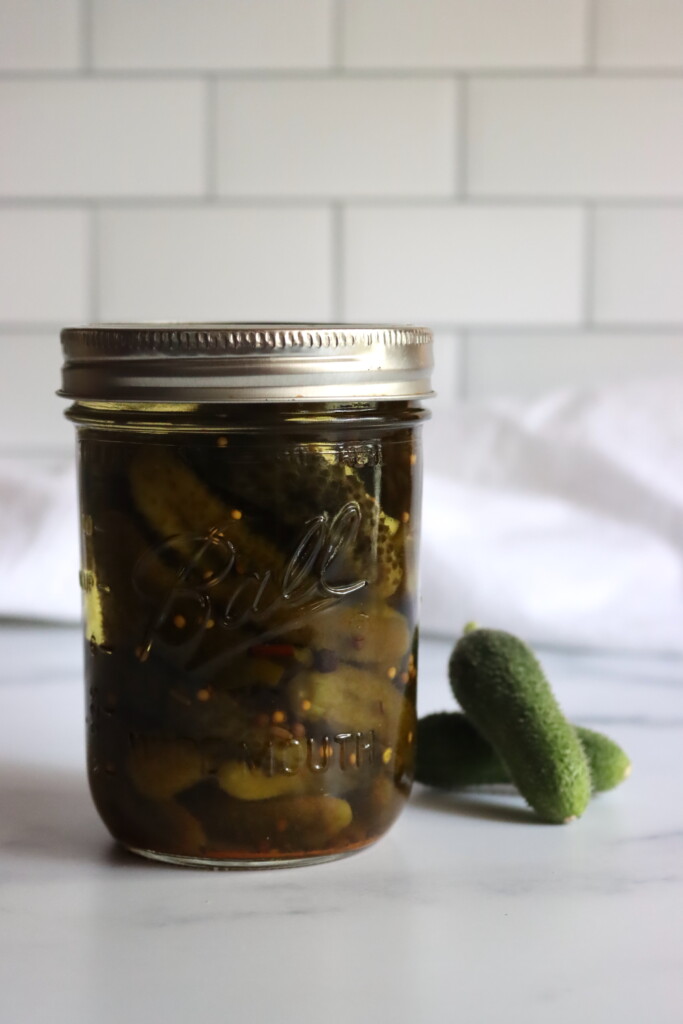
To can, prepare your water bath canner, jars, and lids. Pack the cucumbers into hot pint jars and ladle the boiling syrup over them, leaving 1/2 inch headspace. A canning funnel with headspace markings makes that easier with small jars. Adding a few of the whole spices to each jar is up to you.
Slide a bubble tool around the inside of each jar, adjust the headspace if it dropped, wipe the rims with a clean damp cloth, and apply two part lids finger tight. Process in a boiling water bath canner for 10 minutes, adjusting for altitude (see below).
Turn off the heat, take the lid off, wait 5 minutes, and then lift the jars out to cool undisturbed for 12 to 24 hours before you check the seals.
Altitude Adjustments
For water bath canning, processing times for pint jars increase at higher elevations:
- 0 to 6,000 feet: 10 minutes
- Above 6,000 feet: 15 minutes
Tips for Crisp Gherkins
The crispness in this recipe comes from the process rather than an additive. The salt soaks firm up the cell walls, the pricking lets syrup move in evenly instead of collapsing the skins, and the staged sugar keeps the cucumbers from giving up all their water at once. Skipping the fork step or rushing the days is what usually costs people texture.
Beyond that, start with firm cucumbers used within a day of picking, always trim the blossom end, and do not run the jars past the processing time. If you want extra insurance you can add calcium chloride, sold as Ball Pickle Crisp, at 1/8 teaspoon per pint as you fill the jars. It is optional here and does not change the safety of the recipe either way.
Ways to Use Sweet Gherkin Pickles
Whole gherkins belong on a relish tray next to sharp cheddar and cured meat, where the sweetness plays against the salt. They are also the pickle to reach for with rich food generally, so alongside a pork roast, a plate of pate, or anything fried. Chopped fine, they go into egg salad, potato salad, and tartar sauce and do the job that sweet pickle relish would, with more texture.
They also make a good holiday jar, since a pint of tiny spiced pickles looks like more effort than a jar of jam and keeps just as well.
If you like this style of pickle on a smaller cucumber, traditional French cornichons go tart instead of sweet, and classic dill pickles cover the other end of the shelf. There are another fifty or so pickle recipes in the archives once you run out of cucumbers.
Storage and Shelf Life
Once the jars have cooled, press the center of each lid to check the seal. A sealed lid is curved down and does not flex. Take the rings off, wipe the jars, label them with the date, and store them somewhere cool and dark. Sealed jars keep well for 12 to 18 months, which puts them right in line with the rest of my water bath canning recipes, and the flavor and texture both improve over the first couple of weeks, so give them at least that long before you open one.
Any jar that did not seal goes straight into the refrigerator and gets eaten within a few weeks. Once a sealed jar is opened, refrigerate it and use it within a month or two, keeping the pickles under the syrup. Discard any jar with a bulging lid, a cloudy fizzy syrup, mold, or an off smell, without tasting it first.
Yield Notes
A full batch starts with about 5 quarts of small cucumbers, roughly 7 pounds, and finishes at 6 to 7 pints. The range is wide because the cucumbers shrink considerably over four days, and how much they shrink depends on how small and how fresh they were to start. Packing style matters too, since tiny gherkins standing on end fit far more densely than ones tumbled in loose.
You will almost certainly have syrup left over after the jars are filled, sometimes a couple of cups of it. It keeps in the refrigerator, and I put it to work in a batch of one day sweet cucumber pickles with whatever cucumbers came in that week. Halving or quartering the recipe works cleanly as long as you scale every day’s addition by the same amount.
Four days of soaking raises a predictable set of questions, and these are the ones that come up in my comments most often.
Sweet Gherkin Pickles FAQs
Only on days one and two, when the liquid is plain or salted water, and then again on the morning on day 3. Starting on the afternoon of day three the liquid is the sweet spiced syrup, and you save it every time after that. Draining means tipping the syrup back into your pot, adding that step’s sugar and vinegar, boiling it, and pouring it back over the cucumbers. The syrup you finish with on day four is what fills the jars.
No, one pot handles the whole recipe as long as you size it right at the start. The syrup does grow every round, both from the sugar and vinegar going in and from water pulling out of the cucumbers, so an 8 quart pot is a comfortable choice for a full batch. The cucumbers stay in their own container the entire time and never move.
No. The vinegar at 5 percent acidity is what makes these pickles safe to keep on a shelf, so it goes in at the full amount and cannot be diluted with water or swapped for a vinegar of unknown strength. White and cider vinegar are interchangeable with each other. The salt in the first two days is a texture step rather than a preservative, so that can be adjusted.
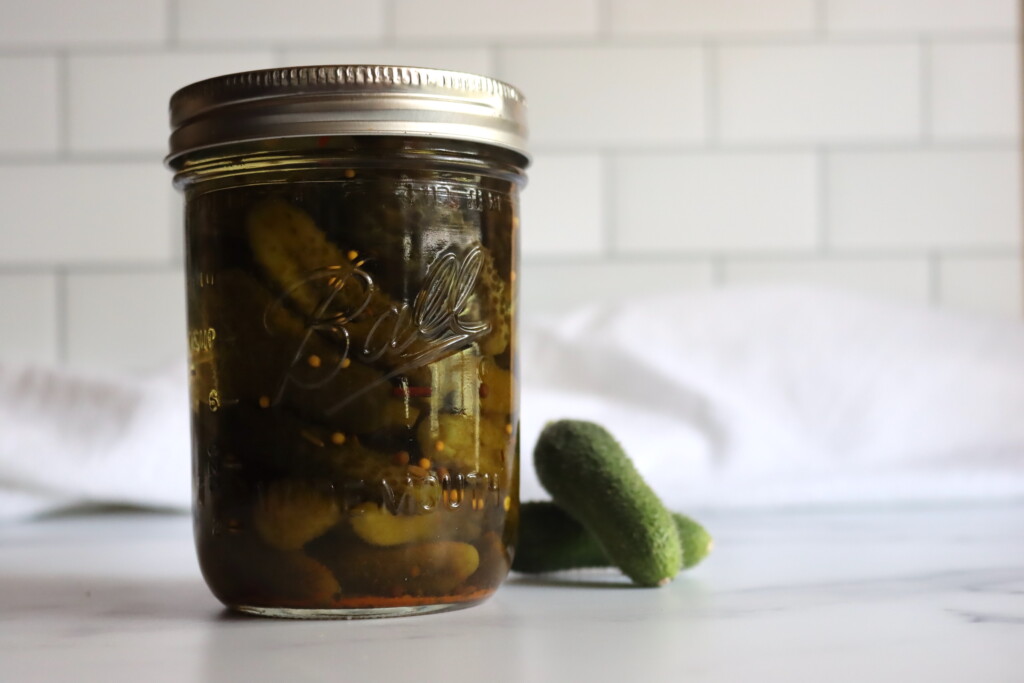
That is what they are supposed to look like in the middle of the process. The syrup pulls water out of the cucumbers, so they go wrinkled and dull around day three and stay that way through canning. They plump back up and firm again after a couple of weeks in the sealed jar, which is why these are worth leaving alone for a while before opening.
That part is your choice. A cheesecloth bag or a tea ball makes the spices simple to lift out before you fill the jars, which gives you a clear syrup. Left loose, the spices keep flavoring the pickles on the shelf and look good in the finished jars. Either way the cinnamon sticks and the rest go into the syrup on the morning of day three, not into the jars at the beginning.
If you have more cucumbers than you know what to do with, here are the rest of my cucumber pickling recipes.
Cucumber Pickling Recipes
I have used this recipe several times. The prep is excellent.
If you tried these Sweet Gherkin Pickles, or any other recipe on Creative Canning, leave a ⭐ star rating and let me know what you think in the 📝 comments below!
And make sure you stay in touch with me by following on social media!
Sweet Gherkin Pickles
Equipment
Ingredients
Day 1 Morning
- 7 lbs pickling cucumbers, extra small, 1 1/2 to 2 inches, about 5 quarts
- 6 quarts water
Day 1 Afternoon
- 1/4 cup canning salt
- 6 quarts water
Day 2
- 1/4 cup canning salt
- 6 quarts water
Day 3 Morning
- 3 cups sugar
- 3 cups vinegar, white or cider, 5% acidity
- 3/4 tsp turmeric
- 2 tsp celery seed
- 2 tsp pickling spice, whole mixed pickling spices
- 2 whole cinnamon sticks
- 1/2 tsp fennel seed, optional
Day 3 Afternoon
- 2 cups sugar
- 2 cups vinegar, white or cider, 5% acidity
Day 4 Morning
- 2 cups sugar
- 1 cup vinegar, white or cider, 5% acidity
Day 4 Afternoon
- 1 cup sugar
- 2 tsp vanilla, optional
Instructions
Setup
- Set up two vessels before you start. One large heatproof non-reactive container holds the cucumbers for all four days, and one pot holds whatever liquid you are heating. The cucumbers never move between containers. Liquid moves back and forth.
Day 1
- Morning: Wash the cucumbers, scrubbing off the prickles. Trim 1/16 inch off each blossom end and discard that slice, leaving about 1/4 inch of stem on the other end. Put them in the soaking container and pour boiling water over them until covered. Let stand at room temperature 6 to 8 hours.
- Afternoon: Drain off the water and DISCARD it. Stir the Day 1 salt into the boiling water until dissolved, then pour that salt water over the cucumbers. Let stand overnight at room temperature.
Day 2
- Drain off the salt water and DISCARD it. Stir the Day 2 salt into fresh boiling water, pour it over the cucumbers, and let stand overnight.
Day 3
- Morning: Drain off the salt water and DISCARD it. Prick each cucumber several times with a table fork and return them to the container. In your pot, combine the Day 3 morning sugar, vinegar, turmeric, celery seed, pickling spice, cinnamon sticks, and fennel. Bring to a boil and pour the hot syrup over the cucumbers. They may not be fully covered yet, so stir gently a few times through the day.
- Afternoon: After 6 to 8 hours, drain the syrup off the cucumbers and back into the pot. SAVE this syrup, do not pour it out. From here on the syrup is the recipe. Add the Day 3 afternoon sugar and vinegar to the saved syrup, bring back to a boil, and pour it over the cucumbers again. Let stand overnight.
Day 4
- Morning: Drain the syrup back into the pot again and SAVE it. Add the Day 4 morning sugar and vinegar to the saved syrup, bring to a boil, and pour it back over the cucumbers. Let stand 6 to 8 hours. This is the last of the vinegar.
- Afternoon: Prepare a waterbath canner and jars. Drain the syrup into the pot one final time and SAVE it. Add the remaining sugar and the vanilla if using, then heat to boiling. No water and no additional vinegar go in at this step. This syrup is what fills the jars.
- Pack the cucumbers into hot pint jars and cover with the boiling syrup, leaving 1/2 inch headspace. Adding some of the whole spices to the jars is up to you.
- Remove air bubbles, adjust the headspace, wipe the rims, and apply two part lids finger tight.
- Process pint jars in a boiling water bath canner for 10 minutes, adjusting for altitude (see notes).
- Turn off the heat, remove the canner lid, and wait 5 minutes before lifting the jars out. Cool undisturbed 12 to 24 hours, check the seals, and store sealed jars in a cool dark place. Wait at least two weeks before opening.
Notes
Nutrition
Nutrition information is automatically calculated, so should only be used as an approximation.
Looking for something else to put up in vinegar? Here are more pickling recipes from the archives.
Pickling Recipes
Find the perfect recipe
Searching for something else? Enter keywords to find the perfect recipe!


Your word choice of “drain” led to me to believe I was supposed to dump all the syrup down the drain. Now I’m on day 4 with just the single pot of syrup left to fill jars with. I read through your instructions again and am still unclear how to arrange the receptacles here. What do you mean by “pour over”? Soak? Also where are you putting the “drained” brine? With each day are you adding more and more sugar and vinegar to the already prepared brine and thus need a larger pot each time? I’m very confused by the way the instructions are written.
You’re right, that is confusing. I’ve gone in and re-written everything to be really clear on what you’re keeping and what you’re actually draining. In short, you’re keeping anything that’s a syrup (sugar/vinegar) and draining all the water/salt mixes. I’ve also broken the recipe card down by day, so hopefully now everything is really easy to follow. Let me know if you need more help with it!
I’m really excited to see my finished product! Are these pickles canned in a jar with liquid? Reading your last step; drain, add sugar, boil … No liquid to can the pickles with?
Yes, absolutely, they are canned covered in liquid. That last step reads confusingly and I have rewritten it.
The syrup you drain off on day four afternoon is saved, not discarded. You add the last cup of sugar and the vanilla to it, bring it to a boil, and that hot syrup is what you ladle over the pickles in the jars, leaving 1/2 inch headspace. You will likely have a cup or two left over. Thanks for flagging it, and enjoy them.
Hi. Love your recipes. Is there any quick pickling recipe for which I can use the leftover syrup from making the gherkins? I always am getting more cucumbers and hate to waste the leftover syrup
You can use the leftover brine with these one day sweet pickles: https://creativecanning.com/sweet-cucumber-pickles/
Enjoy!
Question: I printed out the recipe and need to clarify a few things.
I am currently on Day 3 and will be going on day 4. On the printed recipe Day 4 afternoon recipe, can you clarify 1 cup of sugar to how much vinegar?
Also what is the complete syrup recipe for canning processes? Is it step 3 in this post?
Thank you for clarifying
Great questions, and both point to spots where the recipe needed clarifying, which I have now done.
No vinegar goes in on day four afternoon. That final round is 1 cup of sugar plus the vanilla if you are using it, stirred into the syrup you have already been building. Day four morning is the last of the vinegar.
There is not a separate syrup recipe for canning. It is the same syrup all the way through. You started it on the morning of day three with 3 cups vinegar, 3 cups sugar, and the spices, and every step after that drains it back into the pot, adds more, and reboils it. What you have in the pot at the end of day four afternoon is the canning syrup. Thanks for asking, and happy canning.
Thank you for the reply and rewording the recipe…they taste amazing! This recipe is a staple in my book
Wonderful! I’m so glad you like them =)
I’m on day 2, but I didn’t plan ahead. Day 4, I’ll be working all day. Can I wait yntil day 5 to can them?
Should I have another day of boiling water and salt or a syrup day?
Thank you
Easiest fix is to stall it in the syrup rather than adding another salt day. You’ve already used the full 1/2 cup of salt by the end of Day 2, so I wouldn’t add more.
So do Day 3 as written (both syrup steps), then just leave them sitting in that syrup an extra 24 hours while you’re at work. No action needed on your work day at all. Then on Day 5, do both Day 4 steps and can them. Sitting an extra day in a sugar and vinegar syrup at room temperature is fine, they’ll just pick up a bit more flavor.
Happy canning!
Sweet Gurkins and Lime pickles are my favorites.
Do you have a recipe for Lime pickles too?
I do indeed. Here’s the lime pickle recipe: https://creativecanning.com/cucumber-lime-pickle/
I have used this recipe several times.
The prep is excellent.
I use 1/2 the amount of sugar with excellent results .
I’m so glad you like it!
I’m not quite sure how to rate this recipe yet. I have been following all of the directions to the T. I am at the top of day 3 and all of my little cucumbers , not quite pickles are kinda shrivled up. This is my first time making gherkins so maybe that’s normal? Hoping they will plump back up in the canning process… maybe??? IDK
They plump back up after a while in the jar.
I’m just starting day two, and I wanna confirm that you just leave them sit out at room temperature? I did this yesterday and I’m getting ready to pour boiling water over them for day 2. So, you let them sit all day and all night before moving on day three steps?
Yes. This whole recipe is made at room temperature.
Help
Easy recipie I thought. I’m day 3. Drained and covered with boiling syrup. Im now ready for second syrup step but my cucumbers have now become squishie and hollow. They do taste good but not a crunchie texture. Will they settle down with the next syrup applications? Or what should I try?
I made bread and butter pickles last weekend. They are sweet and chrisp.
These pickles are a special process, and they don’t get their good finished texture until after they’ve been in the canning jar for about 2 weeks. During the process, they’re uninspiring, but at the end this traditional recipe has a nice result.