
This post may contain affiliate links. Please see our disclosure policy.
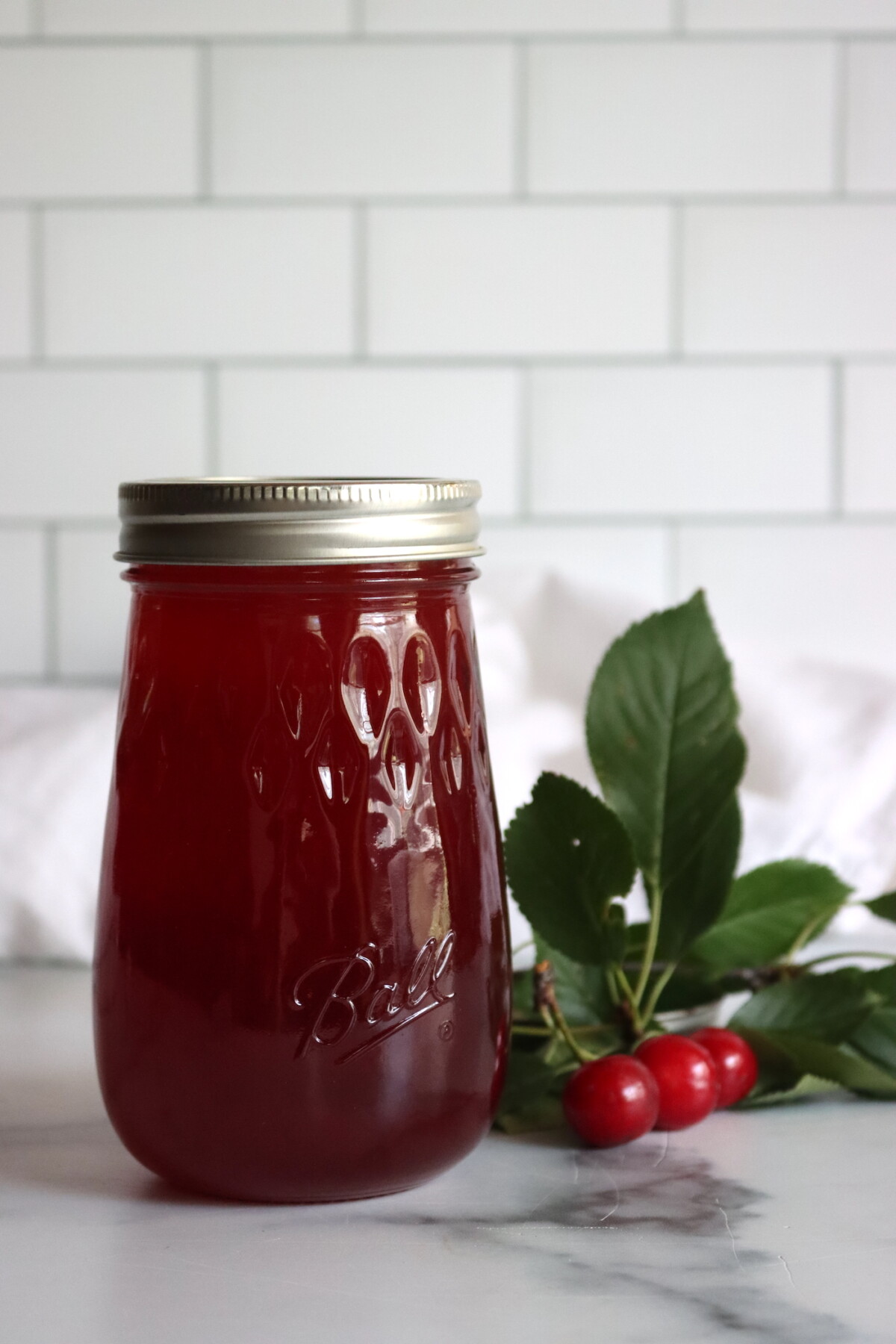
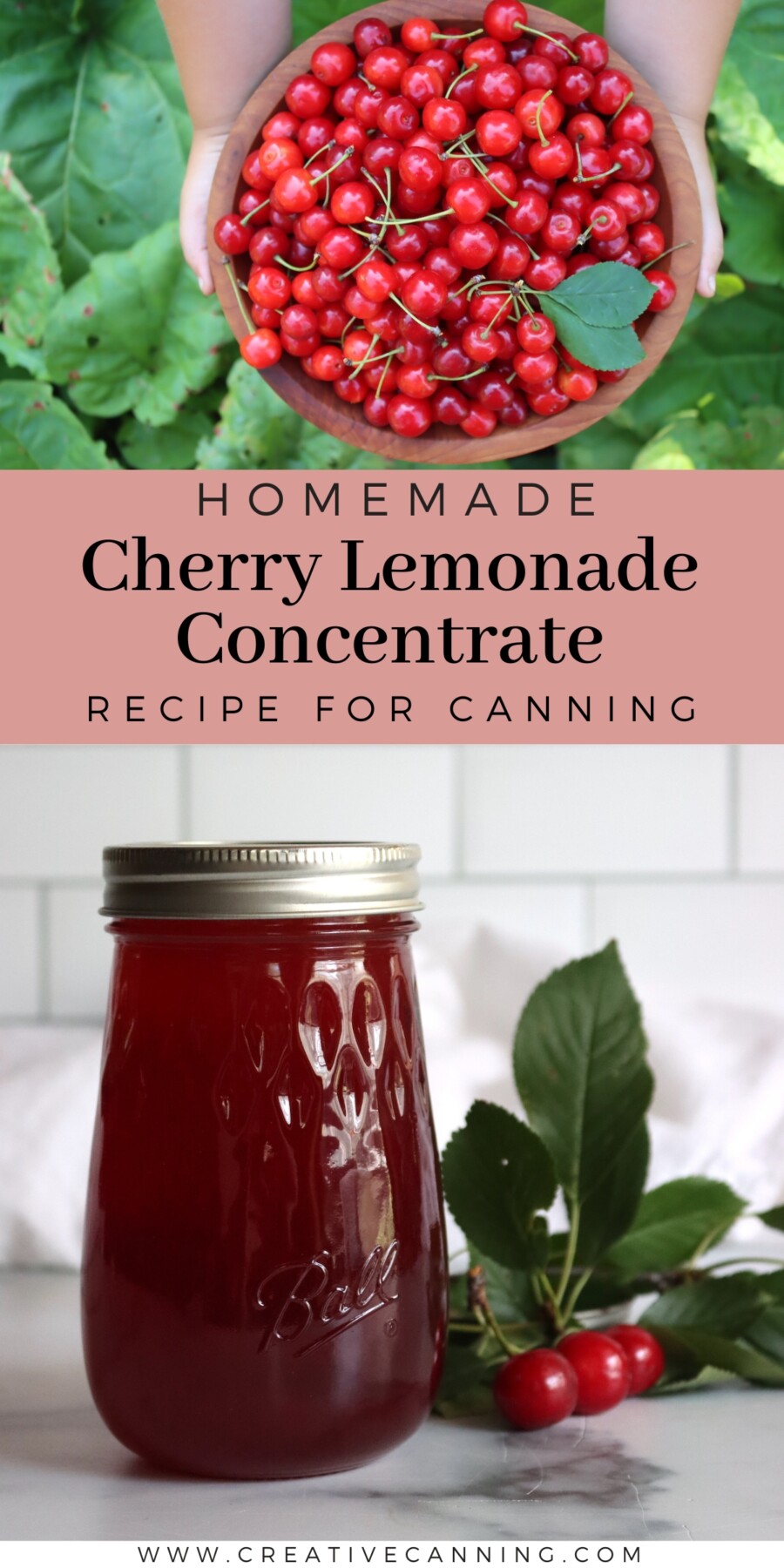
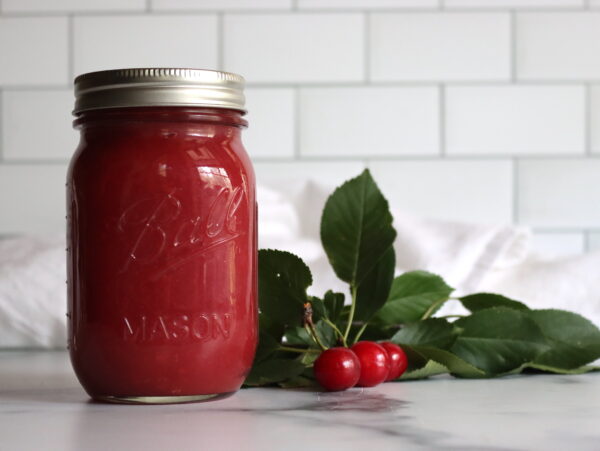
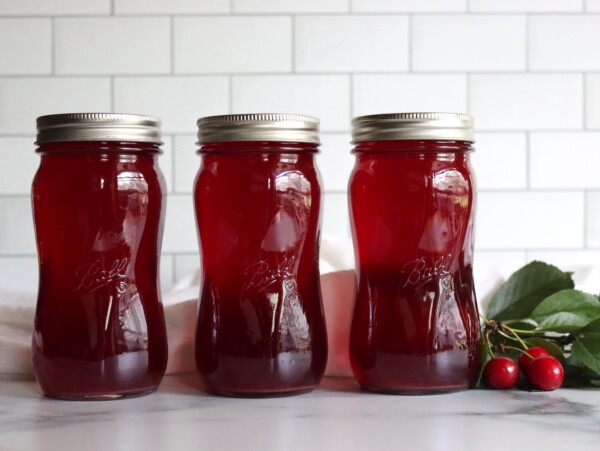
Cherry lemonade concentrate captures the flavor of summer cherries in a jar you can keep on the pantry shelf all year. Stir it into cold water, and you have a tall glass of cherry lemonade in the time it takes to fill the cup, long after the trees have finished for the season.
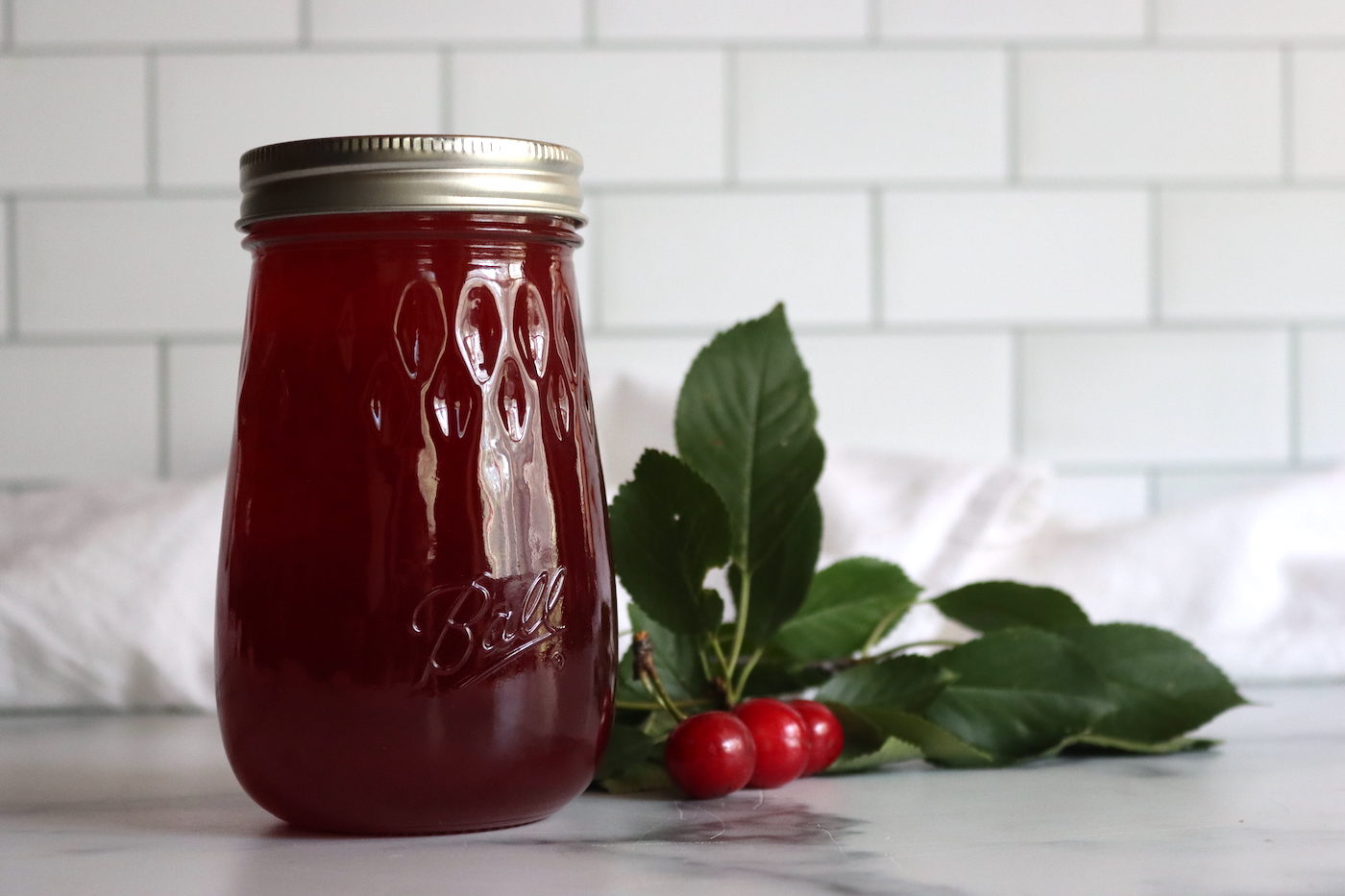
Table of Contents
- Notes from My Kitchen
- Quick Look at the Recipe
- Cherry Lemonade Concentrate Ingredients
- Adjust the Ratio to Your Taste
- Yield Notes
- How to Make Cherry Lemonade Concentrate
- Canning Cherry Lemonade Concentrate
- Waterbath Canning Altitude Adjustments
- Serving Ideas
- Cherry Lemonade FAQs
- Cherry Canning Recipes
- Cherry Lemonade Concentrate Recipe
- Drink Canning Recipes
This recipe has been reviewed for safety and accuracy by a Master Food Preserver certified through the University of Cornell Cooperative Extension.
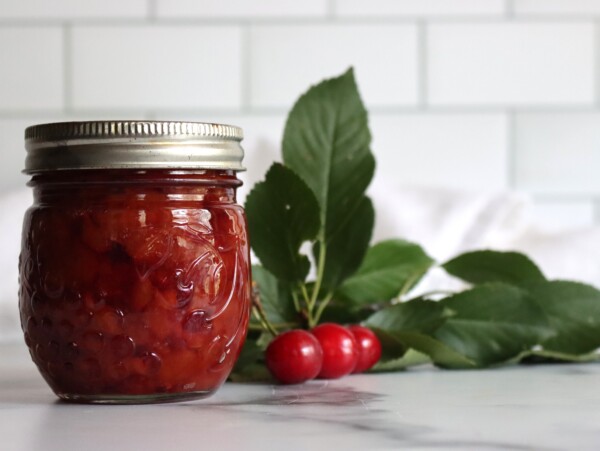
Cherries give you a short, busy window each summer, and there are a lot of ways to put that harvest up for later. You can turn them into cherry jelly or sour cherry jam for the toast shelf, or work through the dozens of other cherry canning recipes that carry the fruit through the year. A drink concentrate is one more way to use the harvest, and it puts the cherry flavor somewhere a little unexpected.
Unlike a jam or a jelly, this isn’t a spread. It’s a sweet-tart base for cold drinks that you dilute when you’re ready to pour. When the cherries come in faster than you can pit and process them, a concentrate is a quick way to capture a lot of fruit at once, since the cherries go in as juice and don’t need pitting at all.
Cherry lemonade concentrate is one of more than a dozen lemonade concentrate canning recipes built on the National Center for Home Food Preservation fruit puree guidance, from strawberry lemonade concentrate to rhubarb lemonade concentrate. They all follow the same method and the same canning times, so once you’ve made one, the rest fall into the same rhythm.
Cherry works a little differently from the berry versions, since the fruit goes in as extracted juice rather than puree. You cook the cherries down and strain off the juice, the same way you would for cherry jelly, then combine that juice with lemon and sugar. The result is a clear cherry base with plenty of flavor in the glass.
Notes from My Kitchen

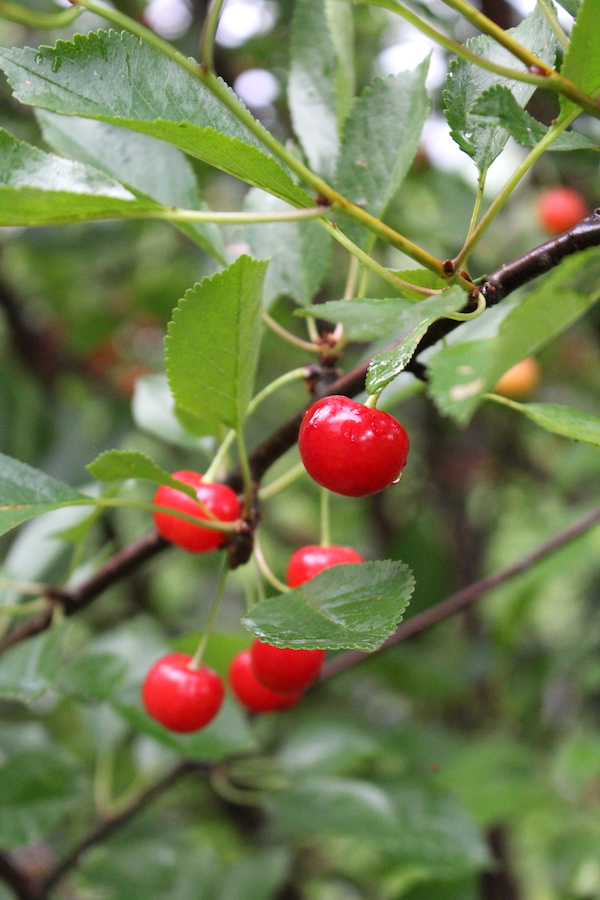
We have a row of sour cherry trees here, and they tend to ripen all at once in a rush that’s hard to keep up with. Pitting enough cherries for jam takes the better part of a day, so when the crop comes in heavy I rely on the recipes that skip the pits entirely. Juicing the cherries for concentrate means I can run a big batch through the steam juicer while I’m canning everything else, with no pitting at all.
I keep a few pints of this on the shelf for the middle of winter, when a glass of cherry lemonade is a small reminder of July. One pint stirred into a half gallon of cold water makes enough to fill a pitcher, so a single batch goes a long way. It’s the drink the kids reach for first on a hot afternoon.
It’s a lovely lemon canning recipe, but you can also make it as a lime canning recipe by swapping lime juice for the lemon, which gives you cherry limeade concentrate instead.
Quick Look at the Recipe
- Recipe Name: Canning Cherry Lemonade Concentrate
- Recipe Type: Fruit Drink Concentrate
- Canning Method: Waterbath Canning
- Prep/Cook Time: About 30 minutes, plus time to juice the cherries
- Canning Time: 15 minutes
- Yield: About 5 pints (see Yield Notes)
- Jar Sizes: Half Pint, Pint or Quart
- Headspace: 1/4 inch
- Ingredients Overview: Cherry juice, lemon juice and sugar
- Safe Canning Recipe Source: Fruit puree canning times consistent with National Center for Home Food Preservation guidance
- Difficulty: Easy! The cherries are juiced, everything is heated together, and then it is ladled into jars for processing
- Similar Recipes: The process is similar to other fruit lemonade concentrates that start from extracted juice, like Plum Lemonade Concentrate, as well as the puree versions like Blueberry Lemonade Concentrate. If you love cherries, try other cherry canning recipes like Cherry Jelly or Sour Cherry Jam.
Cherry Lemonade Concentrate Ingredients
There are only three things in this concentrate, but each one earns its place. The cherry juice brings the flavor, color, and body, the lemon juice adds the tart lemonade backbone and acidity, and the sugar balances the sharpness of both.
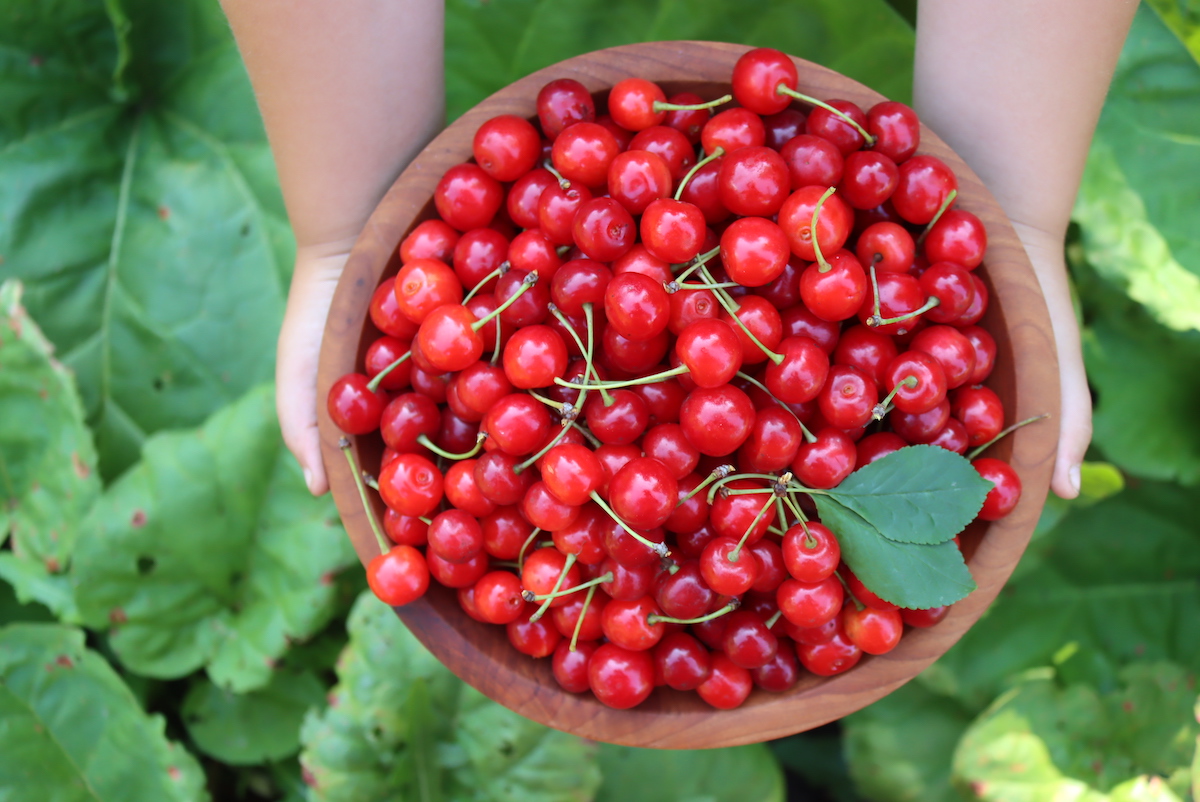
- Cherries: Cherry juice carries the main flavor and color. Tart (sour) cherries have the most cherry flavor, though sweet, black, or Rainier cherries all work and each brings its own character to the glass.
- Lemon Juice: Adds tart lemonade flavor and acidity
- Sugar: Sweetens the concentrate and balances the sharp lemon flavor
You can use fresh or bottled lemon juice here. Fresh juice, strained well, gives the fullest flavor, while bottled is convenient and has a consistent acidity. Either way, reach for plain lemon juice with nothing else added.
Adjust the Ratio to Your Taste
The exact ratio here isn’t a canning requirement. Both the cherry juice and the lemon juice are safe to can on their own, using these same instructions and times, so you can lean more toward cherry or more toward lemon to suit your taste, and raise or lower the sugar as much as you like. The sugar is here for flavor, not for preservation.
Since the sugar is doing the work of flavor rather than preservation, you have room to move it up or down to your liking. The cherry juice is already strained when it goes in, so the finished concentrate pours clear, but you can run it through a finer cloth if you want an even cleaner pour.
Yield Notes
A “batch” of cherry lemonade concentrate uses:
- 4 cups cherry juice (from about 3 pounds of tart cherries, or 4 pounds of sweet cherries)
- 4 cups lemon juice (from about 16 to 20 lemons, or bottled)
- 6 cups sugar
That should make a canner batch of about 5 pints. (See notes on yields)
How to Make Cherry Lemonade Concentrate
Once your cherry juice is extracted and your lemons are squeezed, the rest of the recipe comes together quickly. There’s no long cook and no gel point to watch for, since this isn’t a set product.
The whole process is juice the lemons, juice the cherries, then heat everything together with the sugar until it’s hot and well mixed. From there it goes straight into jars and into the canner.
Juice and Strain the Lemons
Juice the lemons and strain the juice well to catch the seeds and any pulp. The cherry juice belongs in the finished concentrate, but lemon pulp can turn bitter as it sits, so it’s worth straining out before you combine everything.
Juice the Cherries
Cook the cherries down to extract their juice, the same way you would for jelly. There’s no need to pit them first, since you’ll strain the juice off and discard the pits and skins. You can run them through a steam juicer, or simmer them on the stovetop with a little water until they burst and release their juice, then pour the mixture through a jelly bag or several layers of cheesecloth.
Avoid squeezing the bag if you want a clear concentrate, since pressing it through pushes pulp into the juice.
Heat the Concentrate
Combine the cherry juice, strained lemon juice, and sugar in a saucepan. Heat the mixture gently, stirring often, until the sugar is completely dissolved and the mixture reaches a hot, nearly simmering stage, around 190 degrees F. Do not boil it. You want it hot and well mixed, but not cooked hard.
Canning Cherry Lemonade Concentrate
Since there’s cherry juice in this recipe, the canning time runs a bit longer than when you’re canning plain lemonade.
Prepare a water bath canner, jars, lids, and rings before you begin filling jars. Keep the jars hot until needed.
Ladle the hot concentrate into prepared jars, leaving 1/4 inch headspace. Wipe the rims, adjust the lids, and load the jars into the canner. Process the jars for 15 minutes (half pints, pints, and quarts are all the same), adjusting for altitude.
When the processing time is complete, turn off the heat and let the jars sit in the canner for 5 minutes before removing them. Set them on a towel to cool undisturbed for 12 to 24 hours. After cooling, check seals and store any unsealed jars in the refrigerator. Properly sealed jars can be stored in the pantry, and you should refrigerate after opening.
This recipe follows the canning times for “fruit purees” as set out by the National Center for Home Food Preservation. Their times for all three jar sizes are the same. Do not can this in half gallon jars, the largest size jar allowable is quart.
(This exact same recipe could also be frozen in freezer-safe jars with appropriate 1” headspace.)
Waterbath Canning Altitude Adjustments
The altitude adjustments for water bath canning Cherry Lemonade Concentrate are as follows:
- For Under 1,000 Feet in Elevation – 15 minutes for half pints, pints, and quarts
- For 1,001 to 6,000 Feet in Elevation – 20 minutes for half pints, pints, and quarts
- Above 6,000 Feet in Elevation – 25 minutes for half pints, pints, and quarts
Once the jars are sealed and shelf-stable, all that is left is turning the concentrate back into lemonade.
Serving Ideas
To reconstitute, mix 1 part concentrate with 3 parts water. For a 1 pint jar, you’d add 3 pints of water. For simplicity, you can just add a pint to a half-gallon mason jar, which holds 4 pints, and then fill it up the rest of the way with cold water.
That gives you a basic cherry lemonade, but the concentrate takes well to a few directions. Pour it over ice with sparkling water for a fizzy version, stir a splash into iced tea, or freeze the diluted mix into popsicles. A little of the undiluted concentrate also makes a good base for cocktails and mocktails, and a few jars tied with ribbon make a nice summer gift.
Cherry Lemonade FAQs
A pint jar (2 cups) of cherry lemonade concentrate makes about 1/2 gallon (8 cups) of prepared lemonade. Mix 1 part concentrate with 3 parts water, then adjust to taste. That’s 2 cups concentrate with 6 cups water.
The cherries go in as juice, so the straining happens when you extract the juice rather than at the end. Cook the cherries down and pour them through a jelly bag or cheesecloth to catch the pits, skins, and pulp. There is no need to pit the cherries first. If you want an even clearer concentrate, you can strain the juice a second time through a finer cloth, though that lowers your yield a little.
Both fresh and bottled lemon juice work here. Fresh, strained well, gives the fullest flavor. If you choose bottled juice, make sure it is plain lemon juice with no added ingredients that would affect flavor. Santa Cruz Organic or Lakewood Organic work well and taste much better than the “real lemon” style brands.
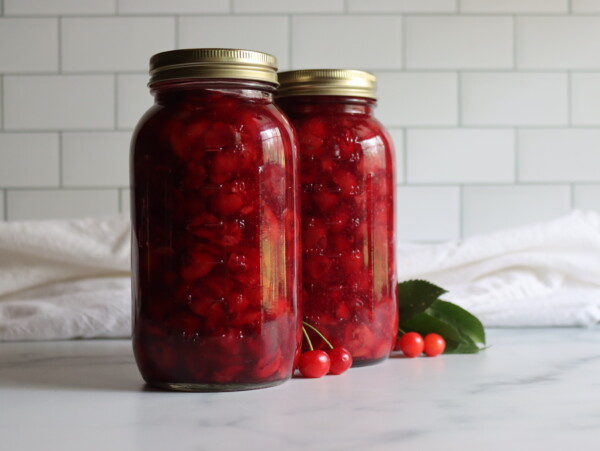
Cherry season is short, so it’s worth having a few ways to put the fruit up. Alongside this concentrate, you can stock the pantry with cherry pie filling for winter desserts, or put up whole fruit by canning cherries in syrup.
Cherry Canning Recipes
If you tried this Cherry Lemonade Concentrate recipe, or any other recipe on Creative Canning, leave a ⭐ star rating and let me know what you think in the 📝 comments below!
And make sure you stay in touch with me by following on social media!
Cherry Lemonade Concentrate
Equipment
- Canning Jars, Lids and Bands
Ingredients
To Extract the Cherry Juice
- 3 lbs tart cherries, or slightly more sweet cherries, see notes
- 1/2 cup water
For the Concentrate
- 4 cups cherry juice, extracted from the cherries above
- 4 cups lemon juice, fresh or bottled
- 6 cups granulated sugar
Instructions
Juice the Cherries
- Rinse the cherries and pick through them, discarding any with soft or moldy spots. There’s no need to pit them, since the pits and skins get strained out with the juice.
- Stovetop method: Place the cherries in a saucepan with the water and cook over medium-high heat, stirring often at first, until the juices begin to burst from the fruit. Bring to a boil, then reduce to medium-low, cover, and simmer until the cherries have collapsed and released their juice, about 10 minutes.
- Steam juicer method (optional): Load the cherries into the basket, add water to the lower pan, and steam for 45 minutes to an hour, until the juice runs freely. You can skip the added water with this method.
- Pour the cooked cherries into a jelly bag or several layers of cheesecloth set over a deep bowl, and let the juice drip through. Avoid squeezing the bag if you want a clear concentrate. Discard the pits, skins, and pulp.
Make and Can the Concentrate
- Prepare a water bath canner, jars, lids, and rings before you begin. Keep the jars hot until you’re ready to fill them.
- Juice the lemons and strain the juice well to remove the seeds and pulp.
- Combine the cherry juice, strained lemon juice, and sugar in a saucepan, stirring to dissolve the sugar.
- Heat the mixture gently, stirring often, until it reaches 190°F. Do not let it boil.
- Ladle the hot concentrate into the prepared jars, leaving 1/4 inch headspace. Wipe the rims, center the lids, and screw on the bands until fingertip tight.
- Process in the water bath canner for 15 minutes, adjusting for altitude (see notes).
- Turn off the heat and let the jars sit in the canner for 5 minutes, then move them to a towel and cool undisturbed for 12 to 24 hours. Check the seals, refrigerate any that didn’t seal, and store sealed jars in the pantry.
Notes
Nutrition
Nutrition information is automatically calculated, so should only be used as an approximation.
Looking to put up more than just cherries this season? These other drink canning recipes are worth a look.
Drink Canning Recipes
Find the perfect recipe
Searching for something else? Enter keywords to find the perfect recipe!

Such a great way to use our homegrown tart cherries in season!