
This post may contain affiliate links. Please see our disclosure policy.
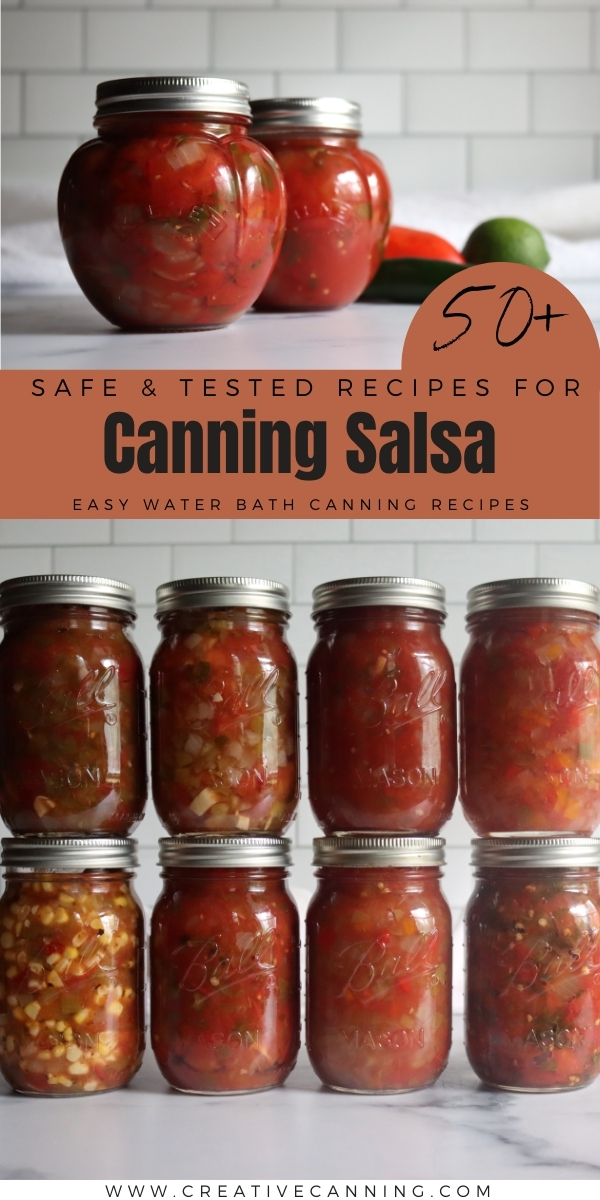
Salsa recipes for canning, especially safe, tested recipes, can be hard to find. With a mix of low-acid ingredients like peppers and onions, you can’t safely can just any salsa recipe. It’s important to stick with a tested salsa canning recipe, and I’ve put together a huge list of salsa canning recipes from reputable sources.
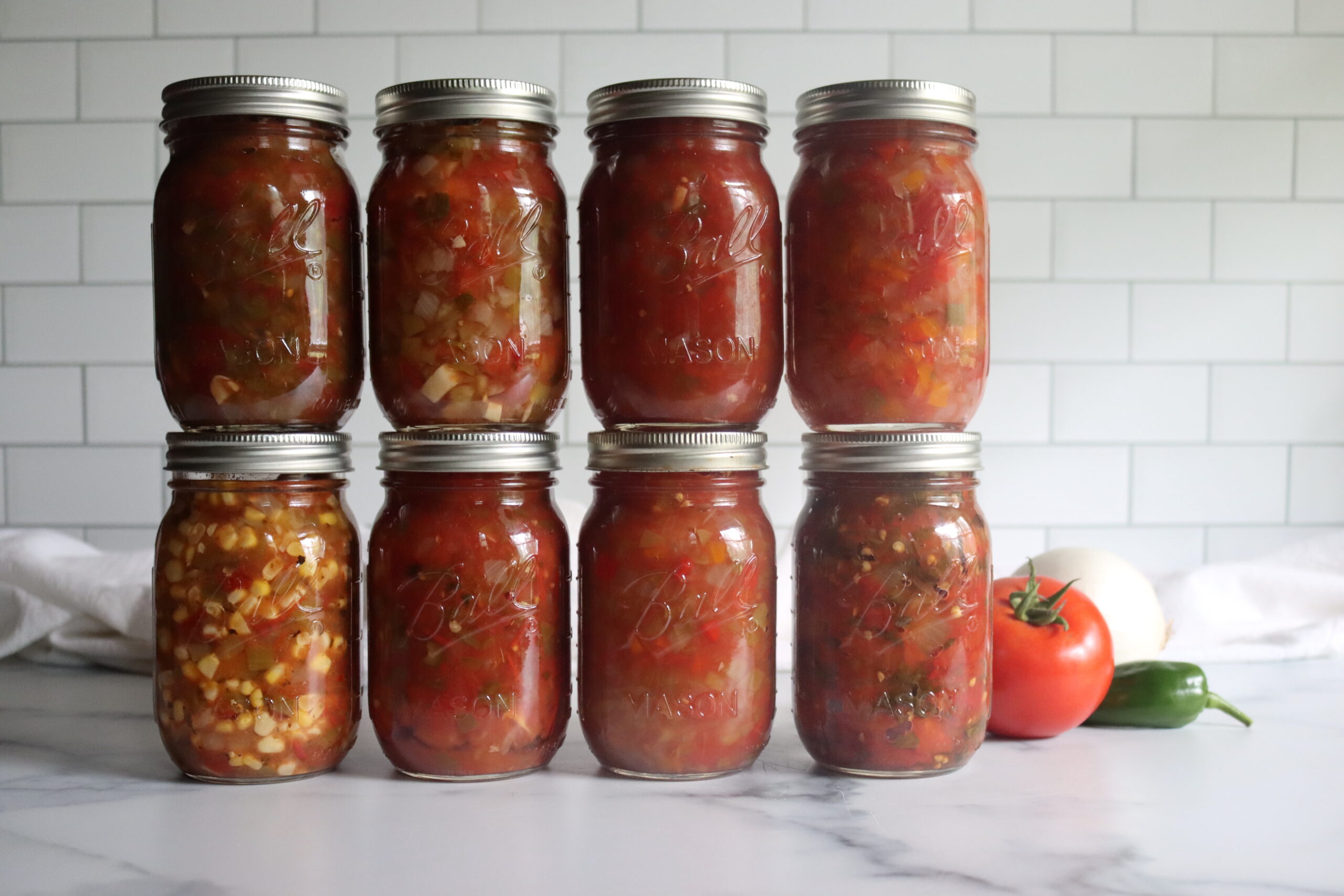
Home-canned salsa is one of the most popular things to put up in a jar, but it’s also one of the trickier things to do safely. Most salsa recipes include plenty of added onions and peppers, both of which are not safe for water bath canning without plenty of extra acidity. Fresh salsa recipes rarely include enough lime juice or vinegar to be safe for canning, and it’s especially important to use a tested recipe when canning salsa at home.
The problem is, it can be hard to find a safe, tested salsa canning recipe…especially when you’re absolutely buried in tomatoes and peppers in mid-summer.
Not to worry, I’ve got you covered!
I went through my whole canning book library and pulled every single salsa canning recipe I could find, all from tested sources.
How to Can Salsa Safely
Salsa is a mix of acidic tomatoes (or tomatillos) and low-acid vegetables like onions, peppers, and garlic. On its own, that blend usually isn’t acidic enough to safely water bath can, so tested salsa recipes add acid to bring the whole jar into a safe range. Get the acid right, and most salsas can be water bath canned. Get it wrong, and you’re risking botulism, which is exactly why a tested recipe matters so much here.
Acidifying Salsa for Canning
Tested salsa recipes call for a specific amount of bottled lemon juice, bottled lime juice, or commercial vinegar (at least 5% acidity). Always use bottled citrus juice rather than fresh squeezed, since bottled juice has a standardized acidity while fresh juice varies from one fruit to the next. The same goes for vinegar: stick with commercial vinegar labeled 5% acidity, and don’t substitute homemade.
You can read more about how acid keeps tomato products safe in my guide to acidifying tomatoes for home canning.
Safe Changes to a Salsa Recipe
The hard rule with canning salsa is that you cannot add more low-acid ingredients than the recipe calls for. That means no extra onions, peppers, or garlic, and no adding ingredients the recipe doesn’t include. Doing so throws off the acid balance and makes the salsa unsafe.
You can, however, make a few safe changes:
- Reduce or leave out some of the onions or peppers (less low-acid produce is always safe).
- Swap one type of pepper for another in equal amounts, like a bell pepper for a jalapeño, as long as the total stays the same.
- Reduce or adjust the dried spices and herbs.
- Swap vinegar for an equal or greater amount of bottled lemon or lime juice (going up in acid is fine, but never down).
What you cannot do is add thickeners like flour or cornstarch, add extra vegetables, or cut back on the acid. If you want a thicker salsa, choose a recipe built around paste tomatoes, or one that adds tomato paste.
Water Bath Canning Salsa
Most salsa recipes are water bath canned, and a typical batch processes for around 15 minutes, though the exact time depends on your specific recipe and jar size.
Always follow the processing time in your tested recipe. If you’re new to it, my guide to water bath canning for beginners walks through the whole process.
Processing times need to be adjusted for altitude. For water bath canning, add time as your elevation increases:
- 1,001 to 3,000 feet: add 5 minutes
- 3,001 to 6,000 feet: add 10 minutes
- 6,001 to 8,000 feet: add 15 minutes
- Above 8,000 feet: add 20 minutes
A handful of chunky, vegetable-heavy salsas are pressure-canned instead, so once again, follow your recipe.
Salsa Recipes for Canning
There are a lot of salsa recipes here, so I’ve broken them down into subcategories to make it a bit easier to find what you need. Below, you’ll find:
- Tomato Salsas
- Corn Salsa Recipes (with tomatoes)
- Green Tomato & Tomatillo Salsa Canning Recipes
- Fruit Salsa Recipes (with tomatoes)
- Fruit Salsa Recipes (without tomatoes)
- Vegetable Salsa Recipes (ie. Carrot salsa, etc.)
- Salsa Recipes Using Prepared Mixes
- Mexican Tomato Sauces and Taco Sauces
All the recipes in the list below note where you can find the recipe in print form (usually in a reputable canning book), but I’ve also found many of them available online. If there is an online version of the recipe, it’s linked in the recipe title. Those without a link will be my top priority for making here at home, and I’ll work on getting those recipes up for you shortly (coming soon, I promise).
Tomato Salsa Canning Recipes
USDA’s Your Choice Salsa Recipe – This recipe allows you to develop your own salsa recipe, using whatever peppers/onions you’d like, provided you stay within the proportions provided. It’s acidified with lemon or lime juice, and the result is an onion and pepper-heavy salsa that you can adjust to your own tastes.
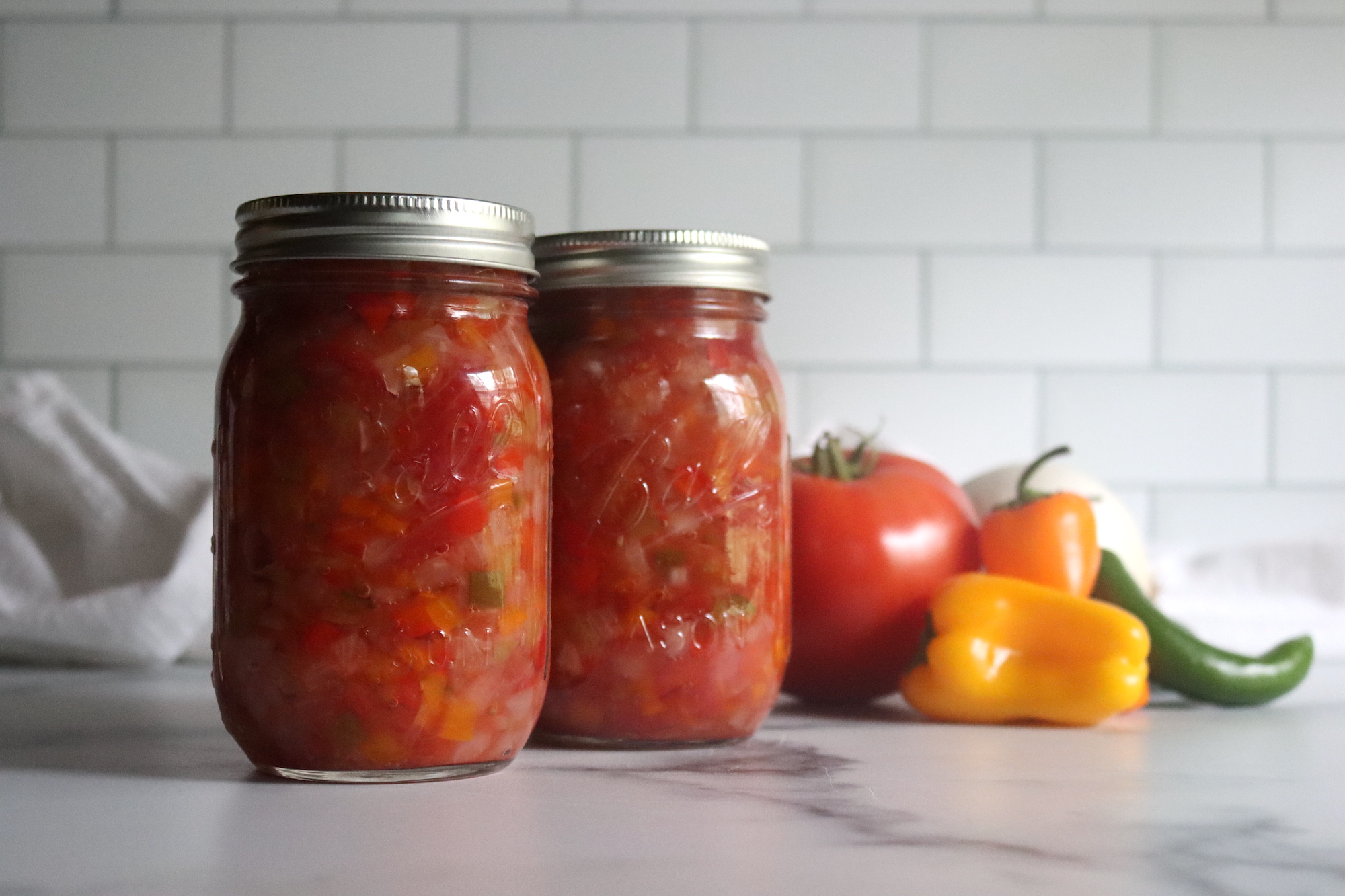
Mild Jalapeño Salsa – This recipe has just 1-2 jalapeños for a 6-pint batch and comes out quite mild. The lime juice adds enough acidity for canning, without being overwhelming.
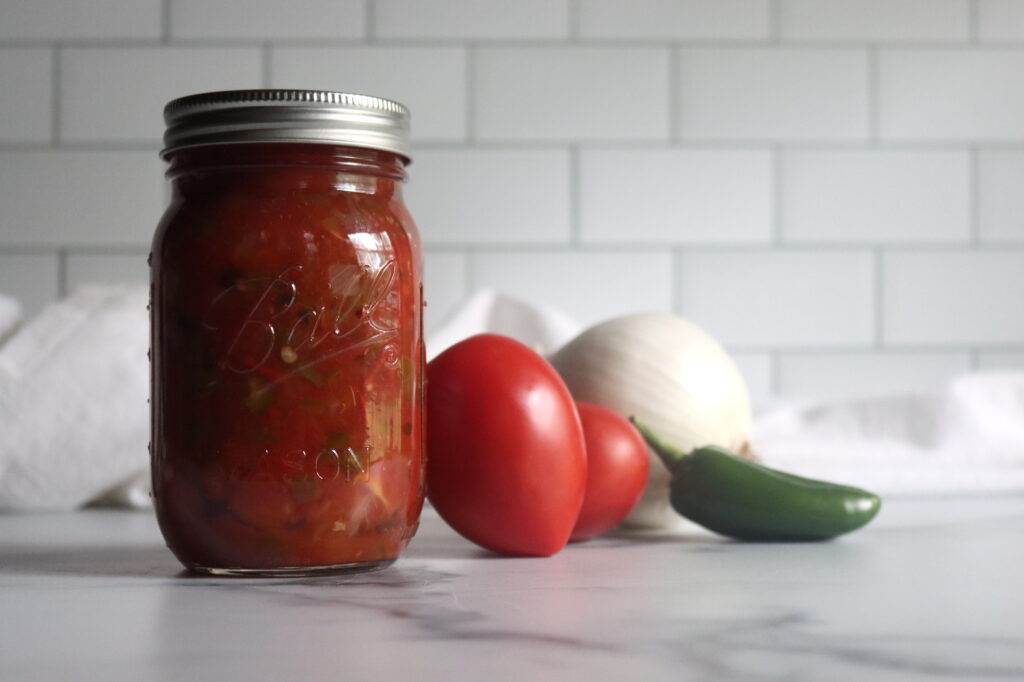
Spicy Jalapeño Salsa – With equal parts tomatoes and diced jalapeños, this salsa is loaded with more jalapeños than most other recipes. It has great jalapeño flavor and plenty of heat. (From Ball Book of Canning & Ball Blue Book)
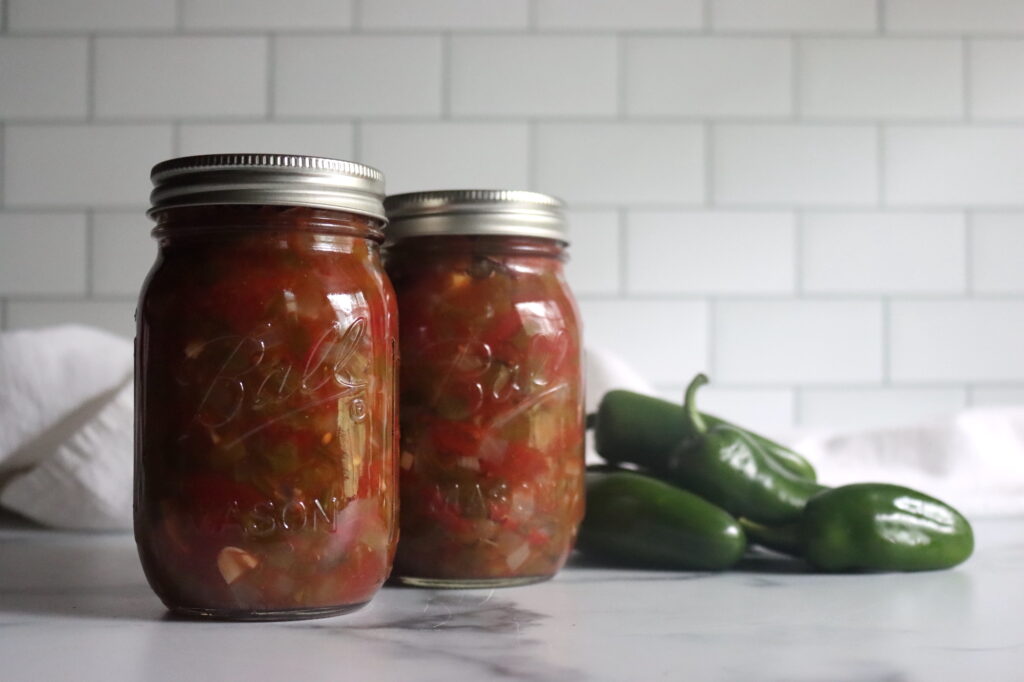
Simple House Salsa – This quick and easy salsa is much like the “house” salsa I enjoyed at Mexican restaurants growing up in California. The tomatoes are cored and seeded, but not peeled, so the recipe comes together quickly and you get a bit more texture in your finished salsa. Everything is just chopped, mixed, and ready to go. (From the Ball Book of Canning, pg. 208)
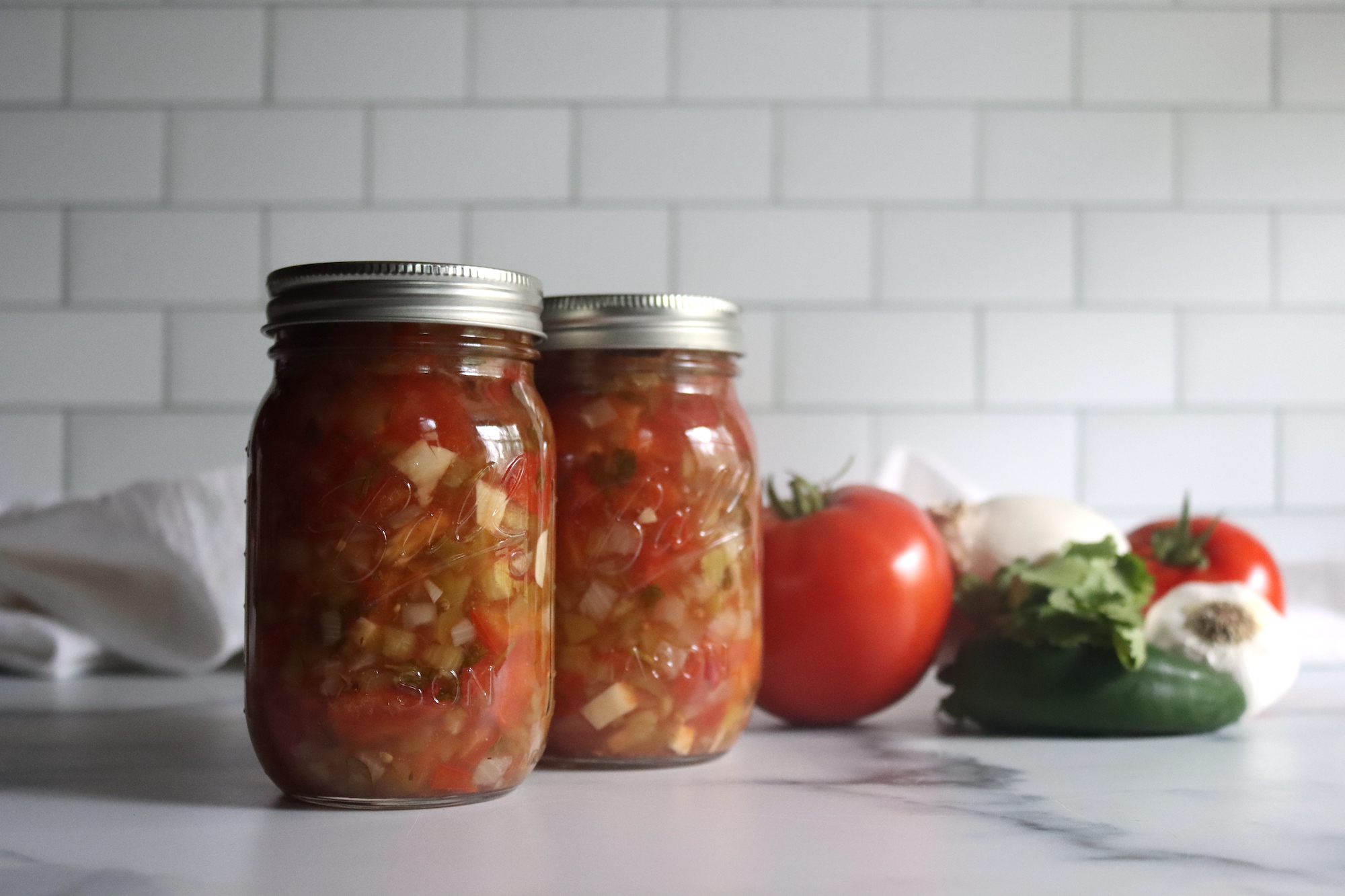
House Chipotle Salsa – A variation on the house salsa above, but spiced with chipotles in adobo.
Table Salsa – This recipe is very similar to the simple house salsa above. (From the Joy of Pickling)
Fresh Salsa – From the Ball Canning website, this salsa uses green onions (scallions) for a unique twist. It gets much of its heat from added hot sauce rather than peppers, which means it uses less added acidity to safely can the peppers. (From the Ball Canning website)
Spicy Tomato Salsa – With both jalapeños and dried chili peppers of your choice, this recipe packs a good bit of heat while still being mostly tomato-based. (From the Ball Blue Book)
Tomato Salsa with Tomato Paste (thickened salsa) – Developed by the University of Georgia Extension, this salsa adds tomato paste to a thickened salsa similar to what you find in the grocery store. You get hearty salsa flavor without cooking the tomatoes down too much, so there’s still great tomato texture, too. (From the NCHFP)
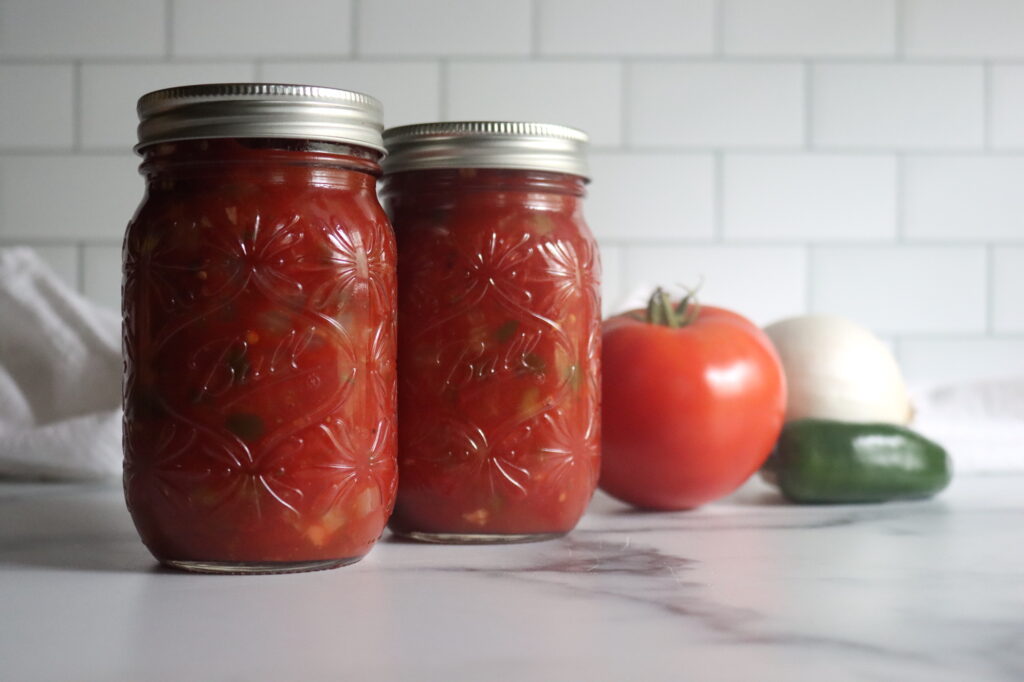
Summer Garden Salsa – With slicing tomatoes as its base, this recipe also adds tomato paste to thicken up the mix. That allows you to use fresh garden tomatoes even if you’re not growing paste or Roma varieties. This salsa is similar to the NCHFP tomato paste thickened salsa, but it uses white vinegar instead of citrus juice and quite a bit more onion and peppers. (From The Ball Book of Canning)
Tomato Salsa with Paste Tomatoes – This recipe from the University of Georgia relies on naturally thick paste tomatoes to give you good, hearty texture without added tomato paste. (From the NCHFP)
Tomato and Hot Pepper Salsa – With extra peppers, this recipe has a lot more crunch than most tomato-based salsas. Use hot or sweet peppers to regulate the heat. (From the NCHFP)
Tomato Pepper Salsa – Canadian Living Test Kitchen
Tomato and Green Chili Salsa – from the National Center for Home Food Preservation.
Salsa Ranchera (Roasted Tomato Jalapeño Salsa) – This one is excellent, and it’s among the less acidic-tasting home-canned salsas. It’s from the All New Ball Book of Canning and Preserving.
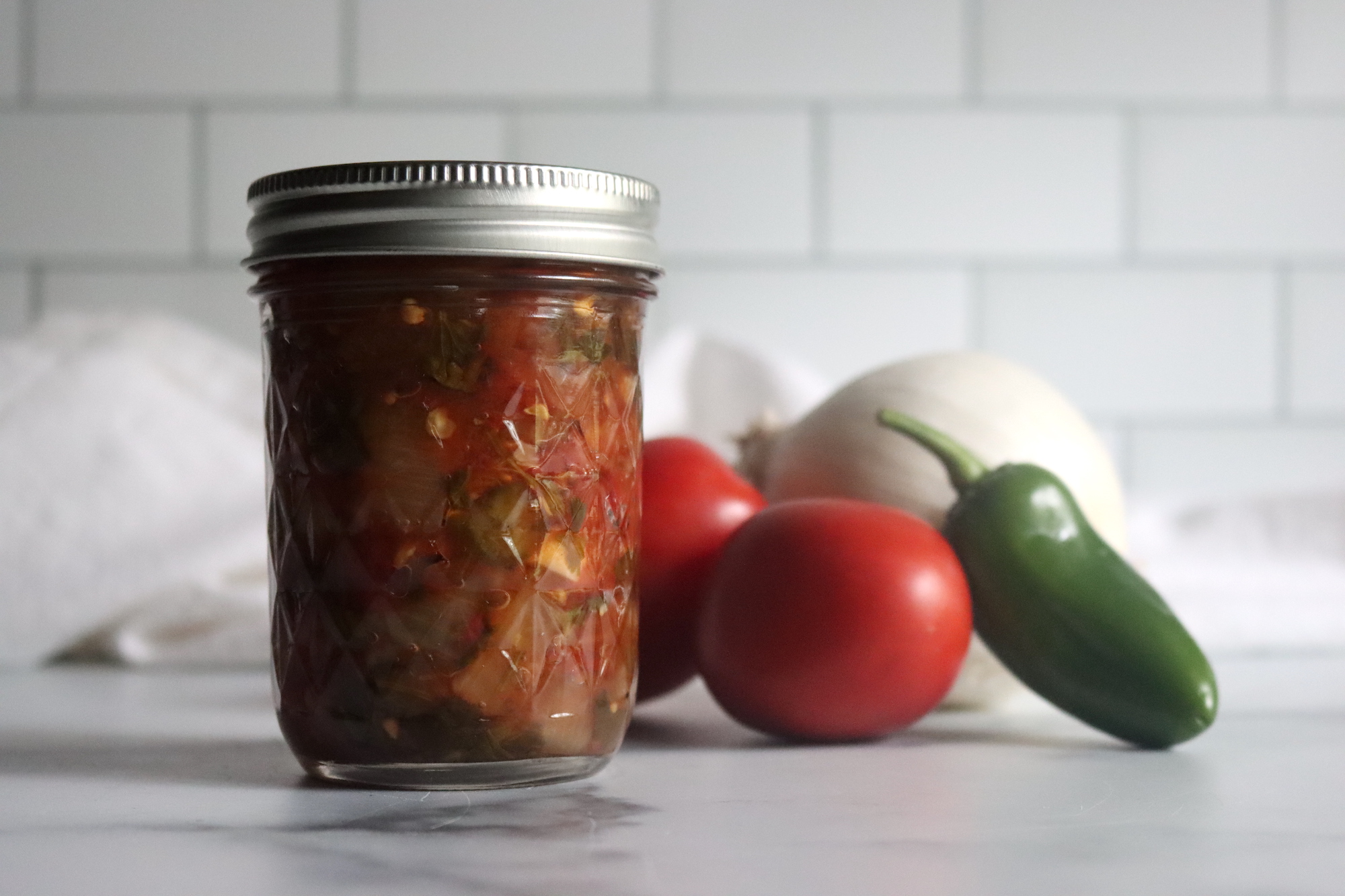
Roasted Tomato Chipotle Salsa – With a combination of roasted tomatoes and smoky chipotle, you get a nice, well-rounded flavor in this salsa. From the Ball Canning website.
Salsa Roja (Roasted Tomato Ancho Chili Salsa) – Using dried chilis, this recipe is originally made with Ancho Chilis, but you can use any dried chilis in their place. (From the All New Ball Book of Canning and Preserving)
Roasted Tomato Guajillo Salsa – (From the All New Ball Book of Canning and Preserving)
Spanish Red Pepper Salsa – From the Complete Preserving Book by the Canadian Living Test Kitchen.
Zesty Salsa – It seems like Ball Canning used a thesaurus and found “zesty” means spicy, and used it to name everything. Try their “zesty” pickles too! This one’s a medium to spicy salsa.
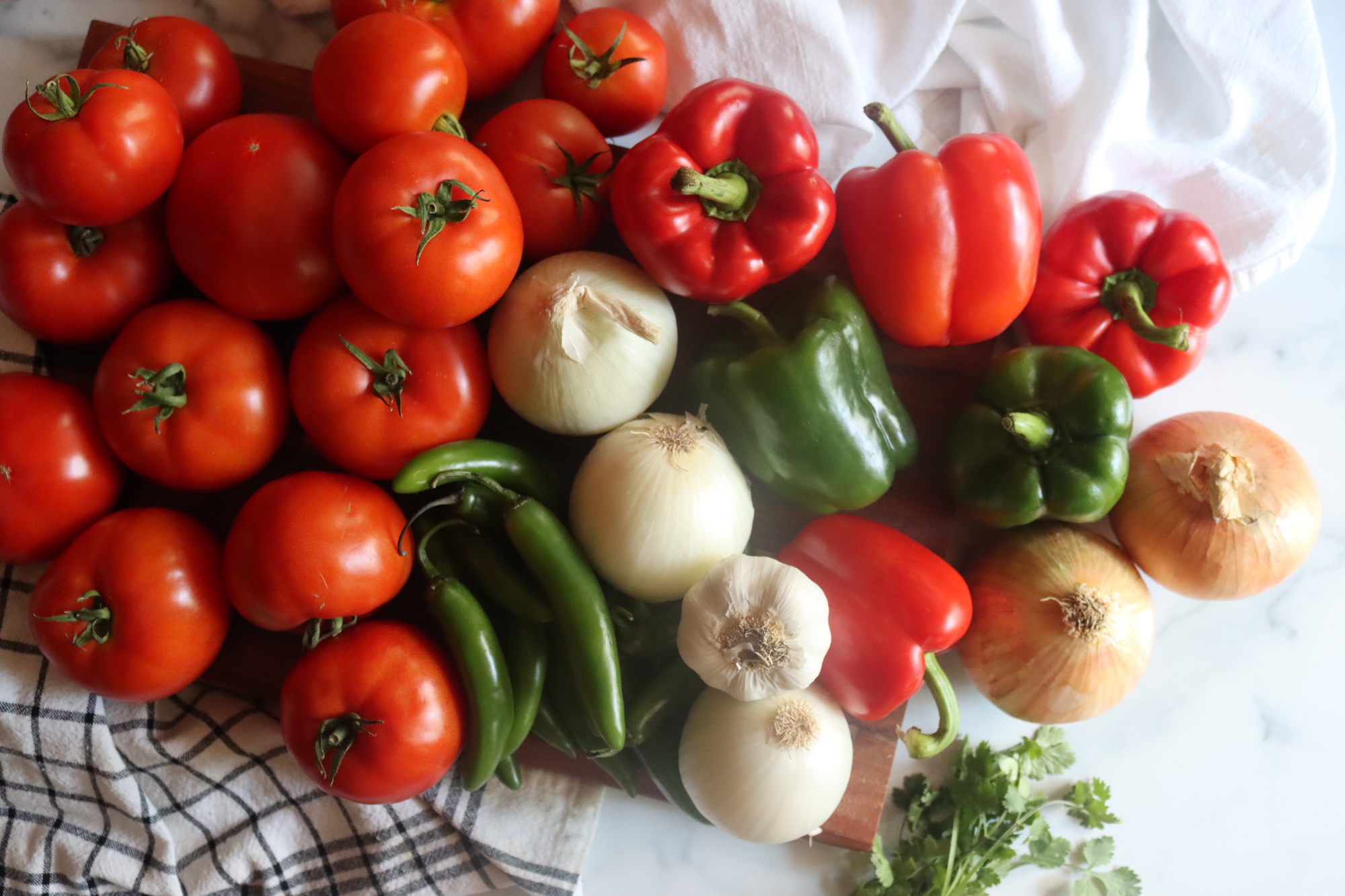
Fiesta Salsa – The only salsa recipe out there that includes cucumbers! From the Complete Ball Book of Preserving.
Peppy Salsa – A pepper-heavy salsa with dried paprika for even more pepper flavor. (From Canadian Living Test Kitchen)
Pico de Gallo – A recipe developed by Ball Canning, but only printed in their salsa and sauce maker manual. The sauce maker isn’t available anymore, as they stopped making it, but the recipes are still delicious!
Pace Salsa Copycat (Annie’s Salsa) – Developed by a home canner named Annie, who later got it tested and approved by her state extension service, this one tastes an awful lot like commercial Pace salsa.
Corn Salsa Canning Recipes
Corn and Tomato Salsa – From the All New Ball Book, it’s actually titled corn and cherry tomato salsa, but you can make it with any tomatoes.
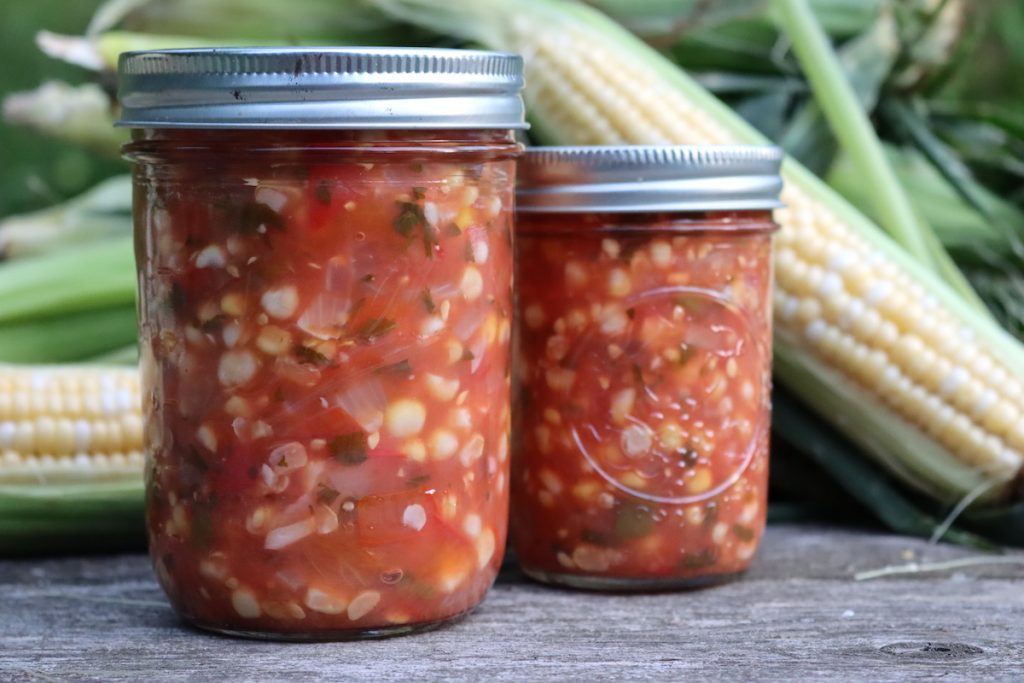
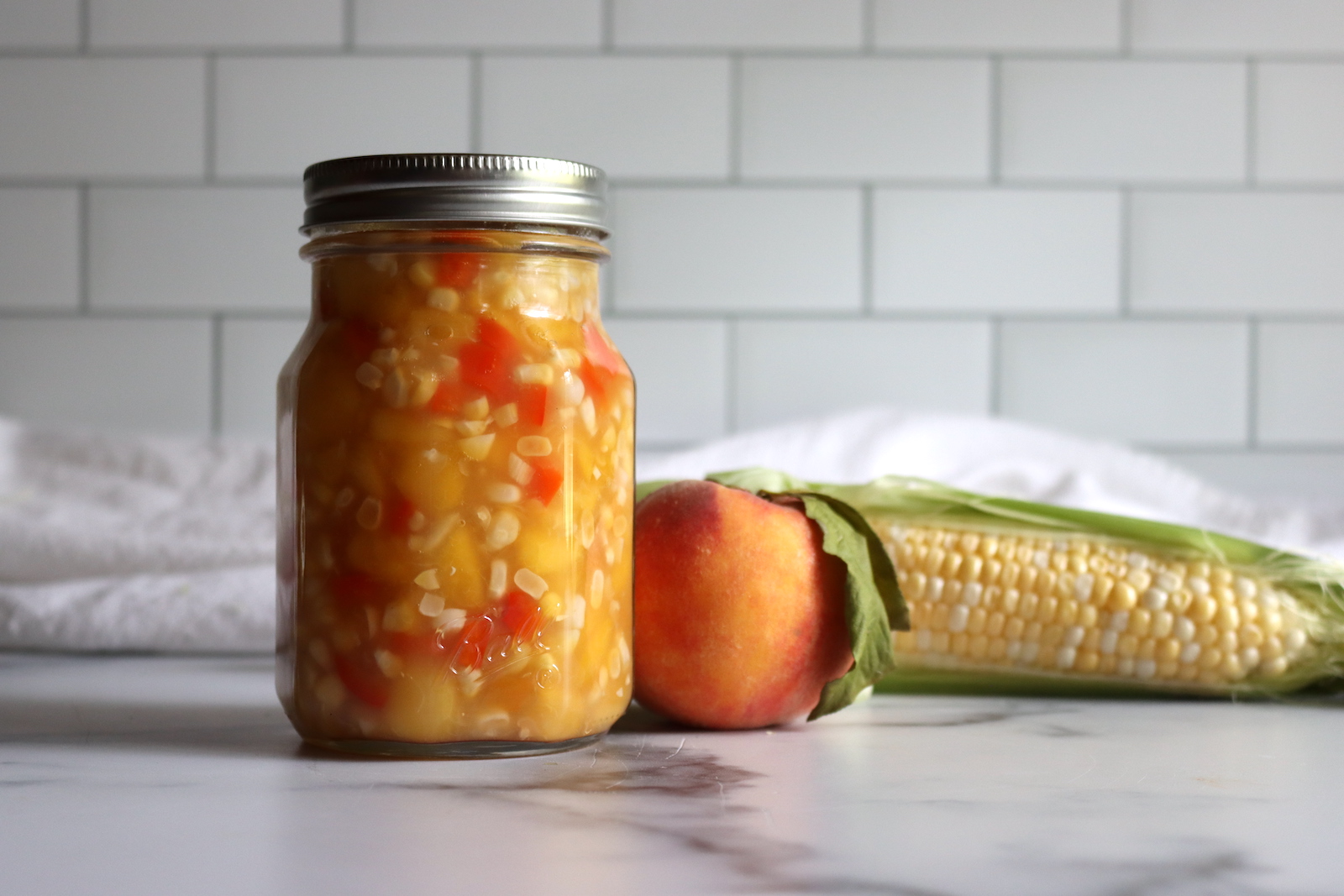
Peach and Corn Salsa (no tomatoes) – This one’s from Ball Canning, and it’s become a regular in our rotation.
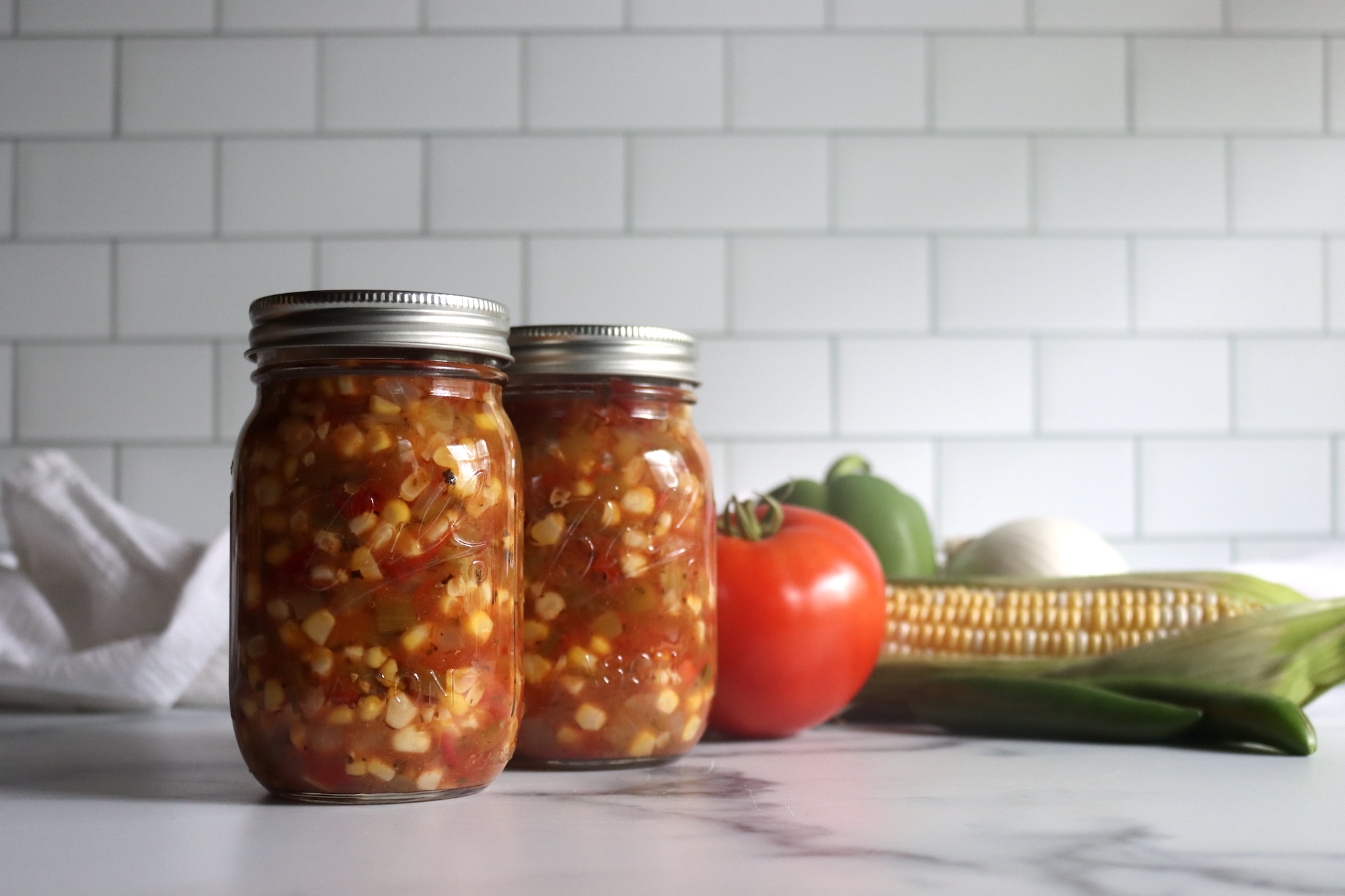
Southwestern Corn and Tomato Salsa – From the Joy of Pickling, and it’s actually called “Corn and Tomato Relish,” but when I made it, it just screams salsa. There’s a fine line between a relish and a salsa; both have a lot of the same ingredients, and the main difference is that a relish tends to have more vinegar. In this case, that works, because it makes the corn safe for water bath canning.
Green Tomato & Tomatillo Salsa Canning Recipes
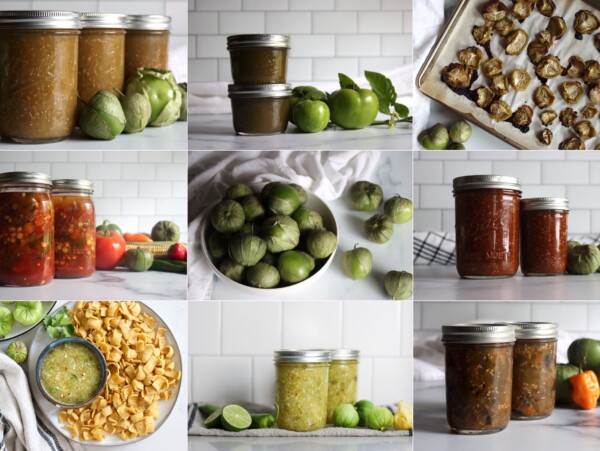
Tomatillos and green tomatoes (unripe) can be used interchangeably in canning recipes. They’re similar in texture and acidity, but different in flavor, so choose the one your family likes best.
Green Tomato Salsa Verde – A fun way to use up those green tomatoes at the end of the season. (From the All New Ball Book)
Chipotle Tomatillo Salsa – Just a few ingredients come together to make a spectacular salsa due to the smoky complexity of chipotle peppers in adobo. (From the All New Ball Book of Canning and Preserving)
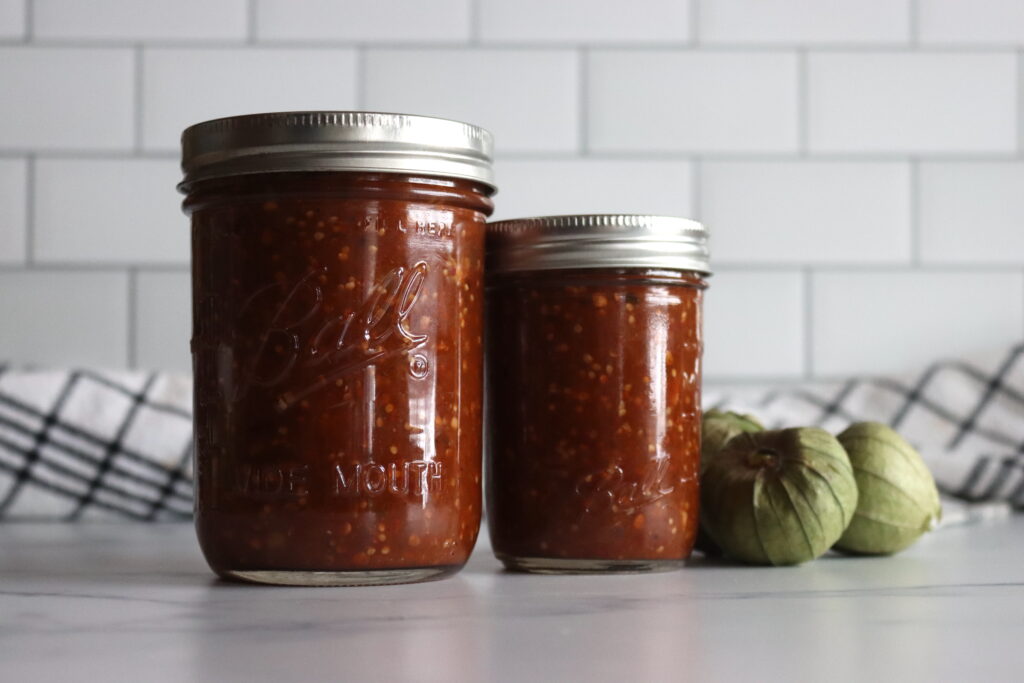
Roasted Tomatillo Habanero Salsa – With roasted tomatillos, lime, and a few habanero chilis, this salsa has an incredible depth of flavor, and it’s one I come back to again and again. (From the All New Ball Book of Canning and Preserving)
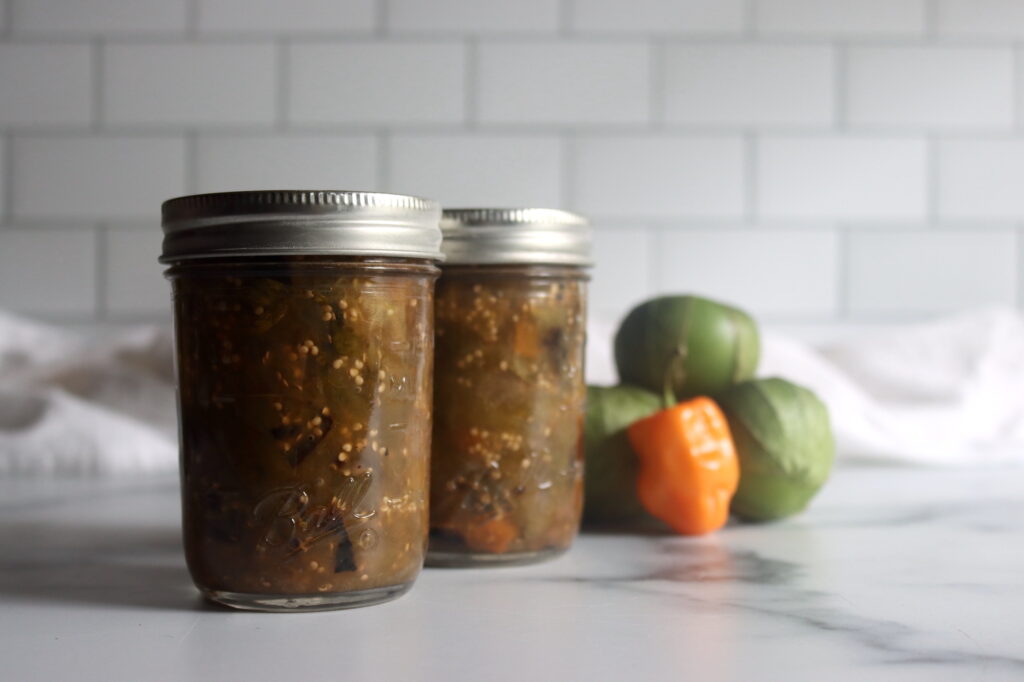
Tomatillo Salsa – Ball Canning’s take on a simple tomatillo salsa. (From the Ball Complete Book of Home Preserving)
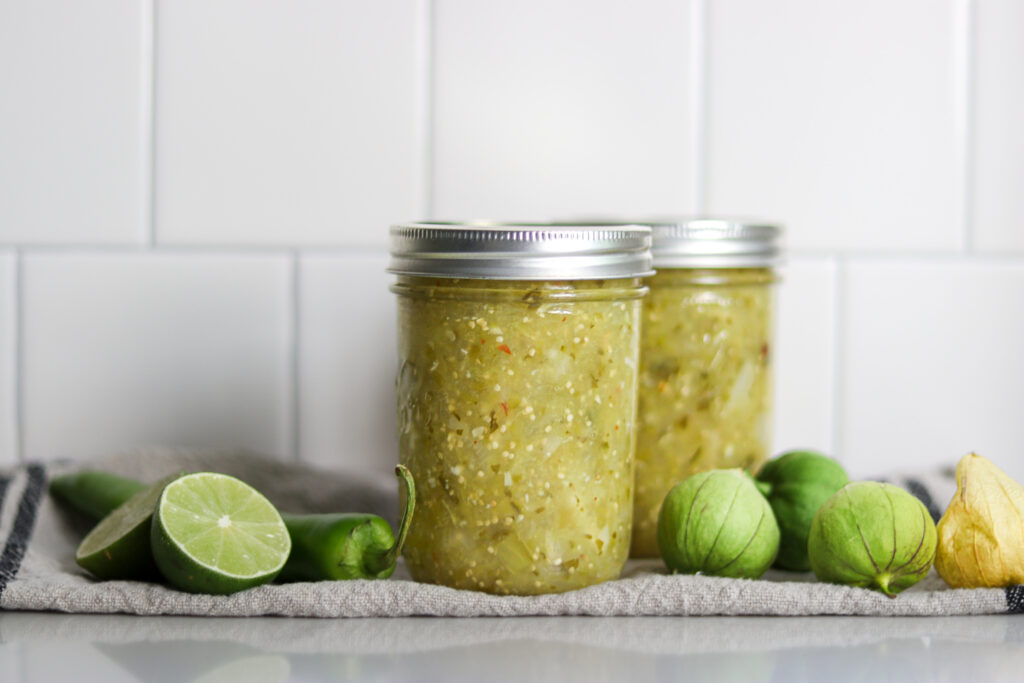
Tomatillo Green Salsa – Made with tomatillos, long green chilis, and Mexican oregano, this salsa is all green in a good way. (From the NCHFP)
Fruit Salsa Recipes (With Tomatoes)
Some salsa recipes add fruit for sweetness and interest, but still keep the classic tomato and pepper base.
Summer Fruit Salsa with Honey and Balsamic – Kind of a strange mix, but it really works! (From the Ball Blue Book)
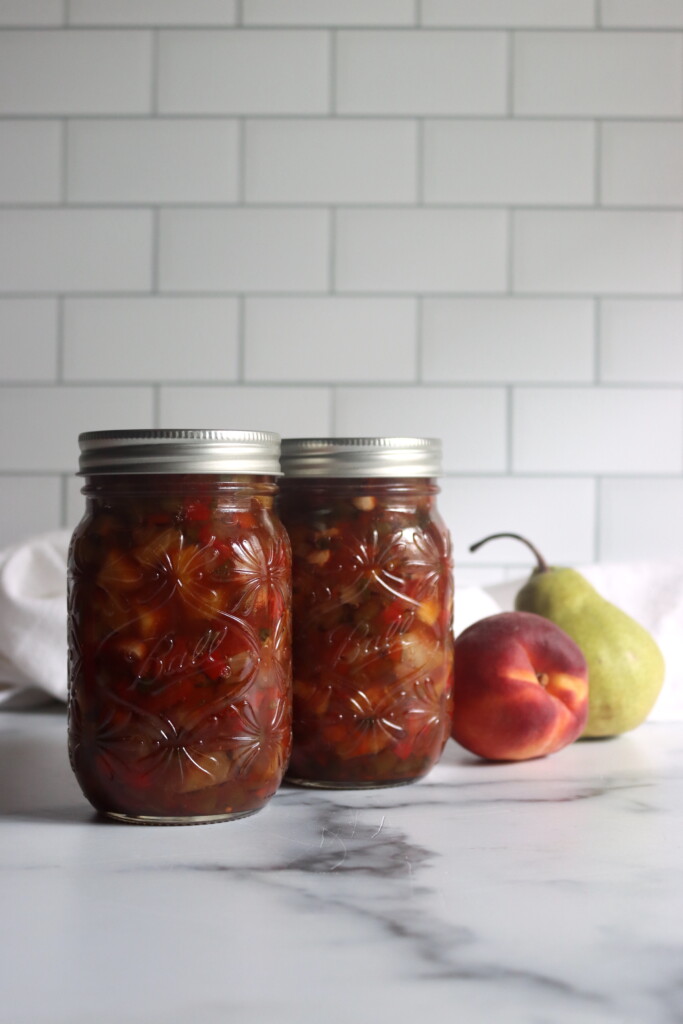
Pineapple Mango Salsa (with Tomatoes) – The tomatoes are really just an afterthought in this recipe, and mostly give it color. It’s really tropical fruit-forward.
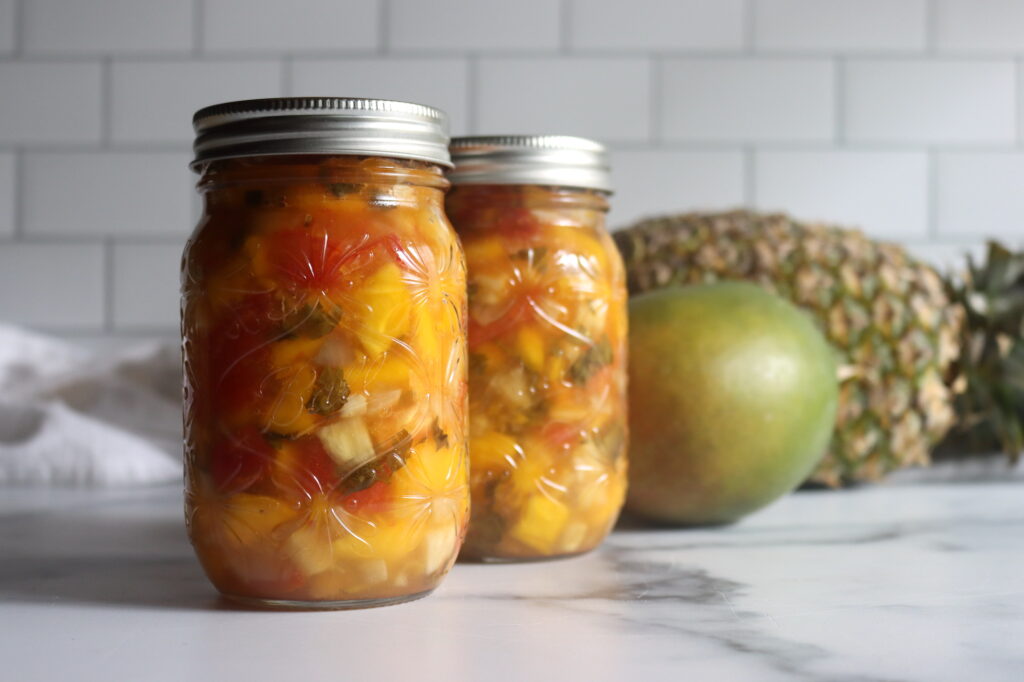
Mango Jalapeño Salsa (with Tomatoes) – From the Canadian Living Test Kitchen
Fire Roasted Tomato and Peach Salsa – The peaches add a lovely fruity sweetness, combined with the smoky flavor from the roasted tomatoes.
Peach Apple Salsa (with tomatoes) – Apples provide a bit of sweetness in this one from the University of Georgia Extension.
Plum Habanero Salsa (with Tomatoes) – This salsa can be made with any stone fruit, not just plums, but it’s especially delicious with fresh plums in season. (From the Ball Canning Website)
Fruit Salsa Recipes (Without Tomatoes)
These fruit salsa recipes are made without any tomatoes, giving you a completely different flavor profile.
Mango Chipotle Salsa – From The All New Ball Book of Canning
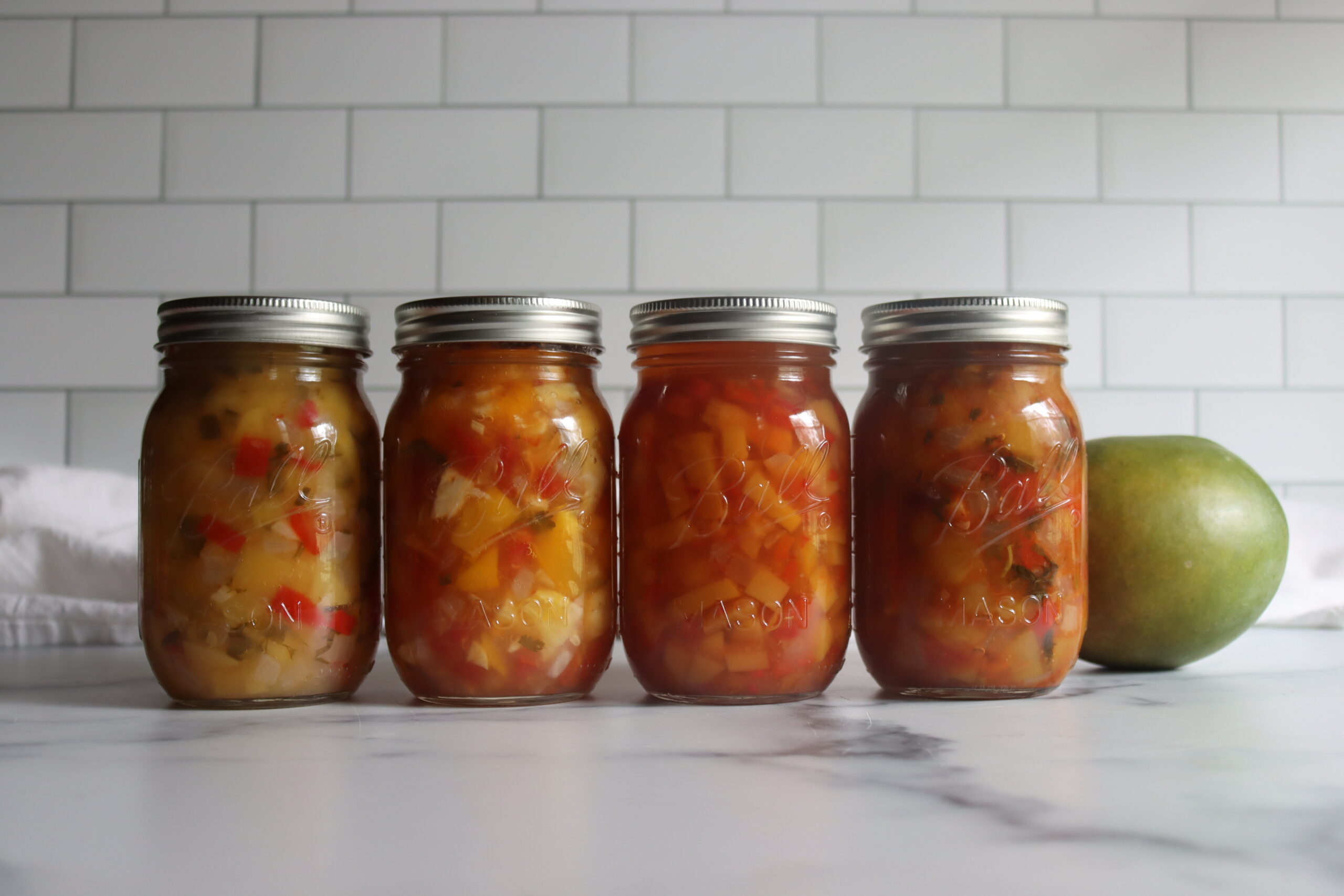
Mango Salsa – Made with ripe mangoes and a touch of jalapeño for a mild kick, with no tomatoes to muddle the fresh fruit flavor. (From The All New Ball Book of Canning)
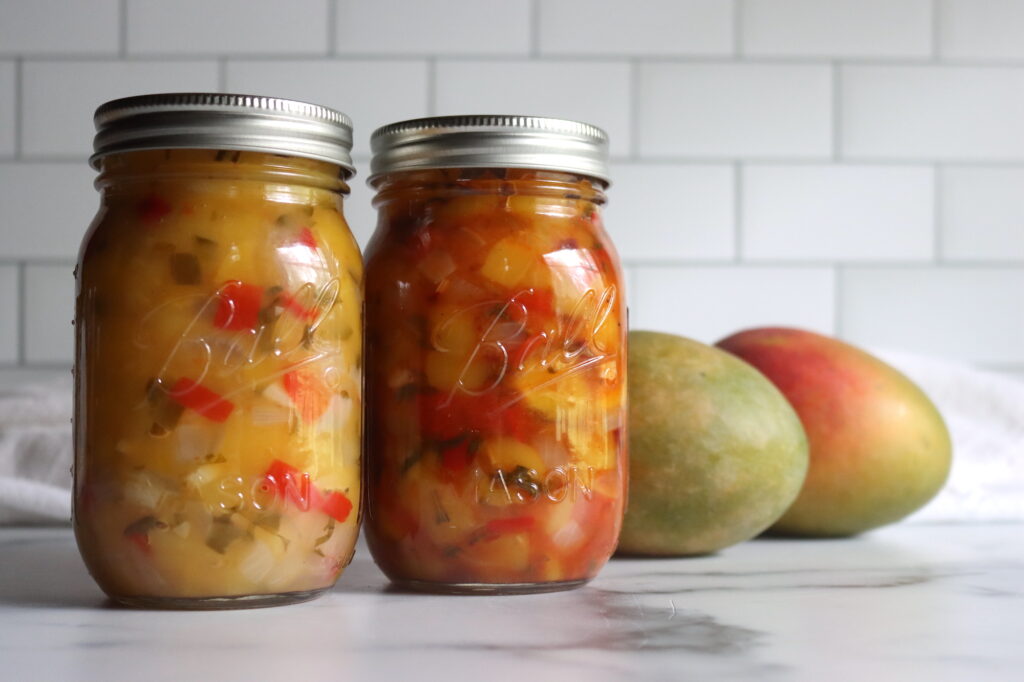
Green Mango Salsa – The mangoes aren’t really “green.” They’re just hard ripe, so they have plenty of mango flavor, but they hold their shape in this salsa.
Underripe Peach Salsa – This recipe is actually a variation of the green mango salsa above. Instead of using firm, slightly underripe mangoes, you use firm peaches. It has an amazingly unique spicy sweet flavor from brown sugar and ginger.
Peach Salsa – From the Ball Complete Book of Preserving and Ball Blue Book of Preserving
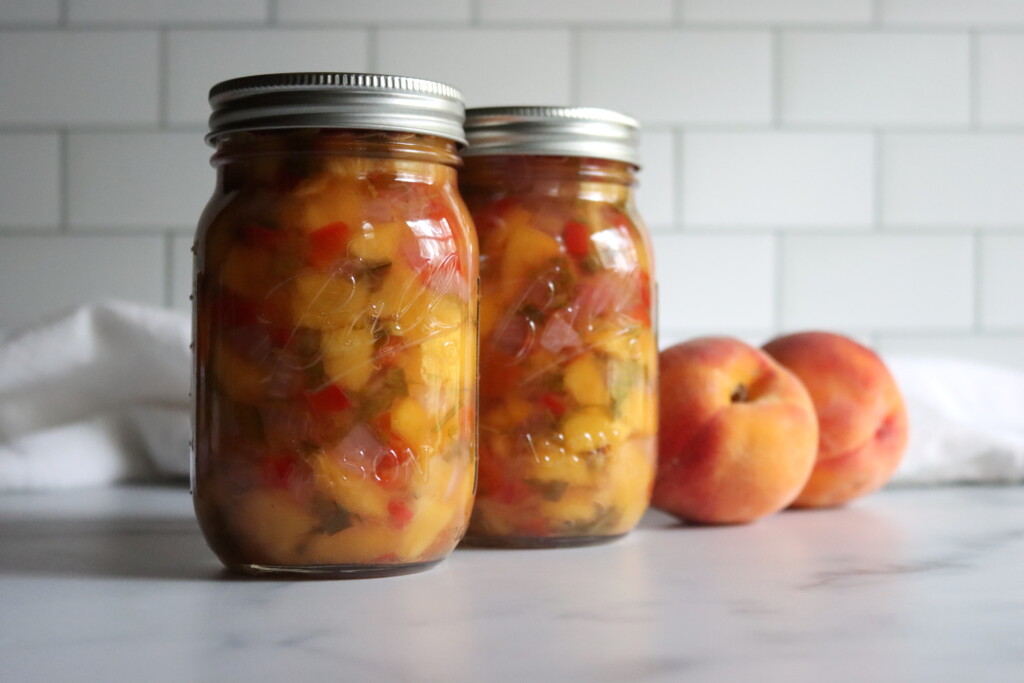
Apricot Salsa – A bold, richly flavored fruit salsa that balances sweet apricots with peppers, onions, and vinegar. Deeper and tangier than peach or mango salsa.
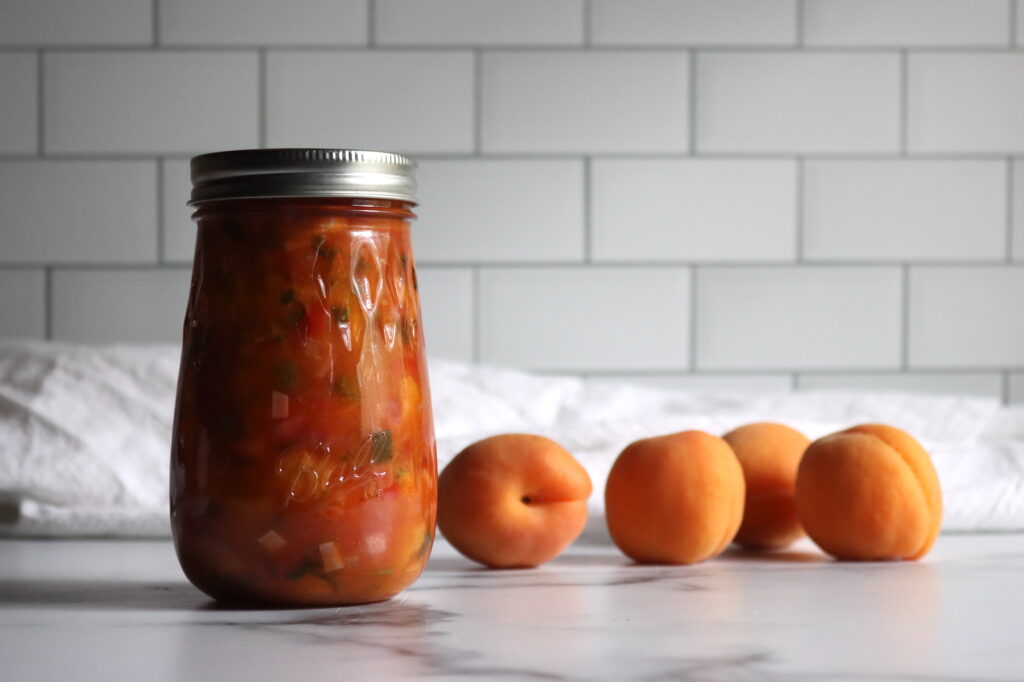
Sour Cherry Tequila Salsa – From The All New Ball Book of Canning
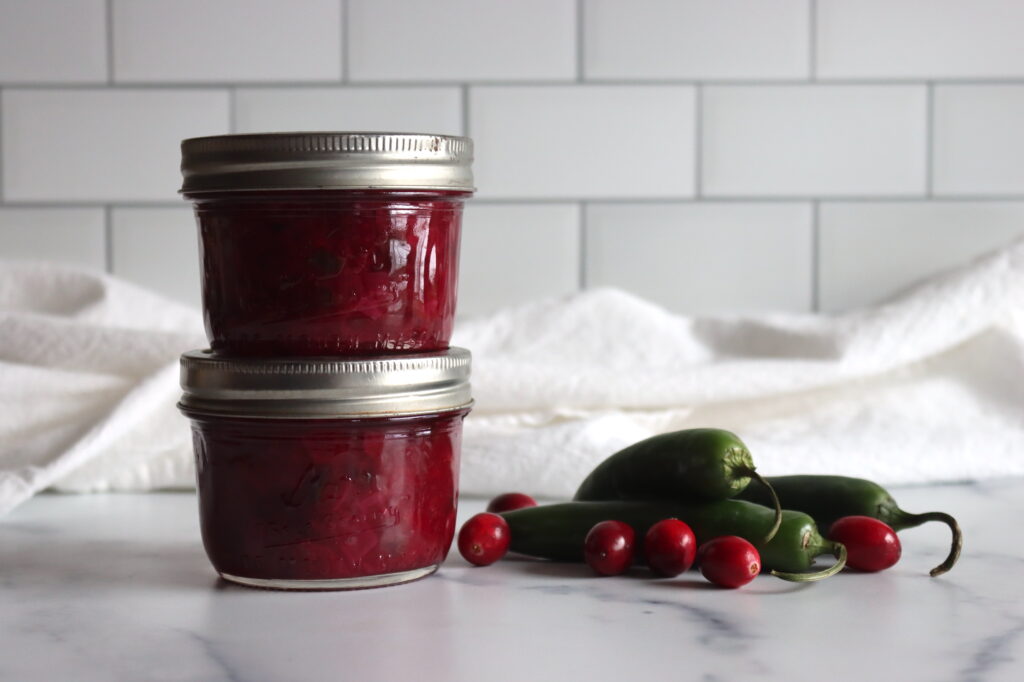
Spicy Cranberry Salsa – I know it sounds strange, but it’s amazing on leftover turkey sandwiches! From the National Center for Home Food Preservation.
Papaya Pineapple Chili Salsa – From the Ball Blue Book of Preserving
Pear Pepper Salsa – Bernardin Guide to Home Canning
Caramelized Pineapple Habanero Salsa – From The All New Ball Book of Canning
Vegetable Salsa Recipes
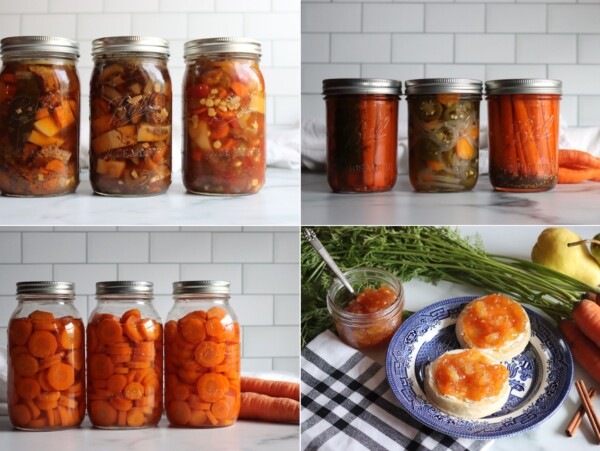
Carrot and Pepper Salsa – Including tomatoes, peppers and carrots, this one is sure unique! (From the Ball Complete Book of Home Preserving)
Habanero Carrot Butter – This one’s actually more of a hot sauce or a savory sandwich spread, but it works well as a salsa, too. (From The All New Ball Book of Canning)
Jicama Salsa – A unique crunchy salsa using jicama from the University of Georgia Extension (From NCHFP).
Eggplant Salsa – From the Complete Preserving Book by the Canadian Living Test Kitchen.
Salsa Recipes Using Prepared Mixes
A few companies, namely Ball Canning and Mrs. Wages, make “salsa mixes” that you add directly to homegrown tomatoes. They have dried chilis and citric acid already added, so it’s a simple solution to get salsa in the jar fast. You do, of course, need to purchase the mix. Since they are approved recipes, I’m including them here, sorted by the type of mix they use.
Fiesta Salsa Mix
- Basic Fiesta Salsa
- Fiesta Corn Salsa
- Fiesta Orchard Salsa (with Peaches & Pears)
Mexican Tomato Sauces and Taco Sauces
Beyond just plain salsa, there are also a number of “Mexican Sauces” or “Taco Sauces” that are approved for canning. In Spanish, the word “salsa” just means sauce, though in English, it’s come to mean specifically a chunky style condiment you use with chips. In truth, any seasoned sauce counts as a “salsa.”
- Taco Sauce (NCHFP)
- Mexican Tomato Sauce (NCHFP)
- Tomatillo Sauce (Enchilada or Simmer Sauce) – Tangy tomatillos and peppers cooked into a smooth sauce. Not quite a salsa, more of a simmer sauce with hundreds of uses.
- Enchilada Sauce
Salsa Canning FAQs
Yes. Most tested salsa recipes are water bath canned, because they include enough added acid from bottled lemon juice, bottled lime juice, or 5% vinegar to be safe. A handful of chunky, vegetable heavy salsas are pressure canned instead. Always follow a tested recipe and use the processing method it calls for.
Salsa is full of low acid ingredients like onions, peppers, and garlic. Added acid brings the whole jar into a safe range so it can be water bath canned without the risk of botulism. Use bottled citrus juice or commercial vinegar rather than fresh squeezed juice, since their acidity is consistent.
Only in limited ways. You can safely reduce or leave out onions and peppers, swap one pepper for another in equal amounts, adjust the dry spices, and swap vinegar for an equal or greater amount of bottled lemon or lime juice. You cannot add more low acid vegetables, add thickeners like flour or cornstarch, or cut back on the acid, since any of those make the salsa unsafe.
Properly canned salsa keeps its best quality for about 12 to 18 months on the pantry shelf, and sealed jars stay safe beyond that. Once you open a jar, refrigerate it and use it within a week or two.
Canning Recipe Lists
Find the perfect recipe
Searching for something else? Enter keywords to find the perfect recipe!

I want to make my own homemade salsa to can is it safe to use canned diced tomatoes for this Thankyou
You should be able to use canned diced tomatoes in any of these recipes, the main thing is you’ll need to keep the liquid in the can as well as the solids, and the salsa will come out softer and wetter. It can be tricky to figure out how much you’ll need in terms of canned tomato, so look for a recipe that gives you a measurement of the prepared tomatoes (rather than pounds of fresh tomatoes). Best of luck!