This post may contain affiliate links. Please see our disclosure policy.
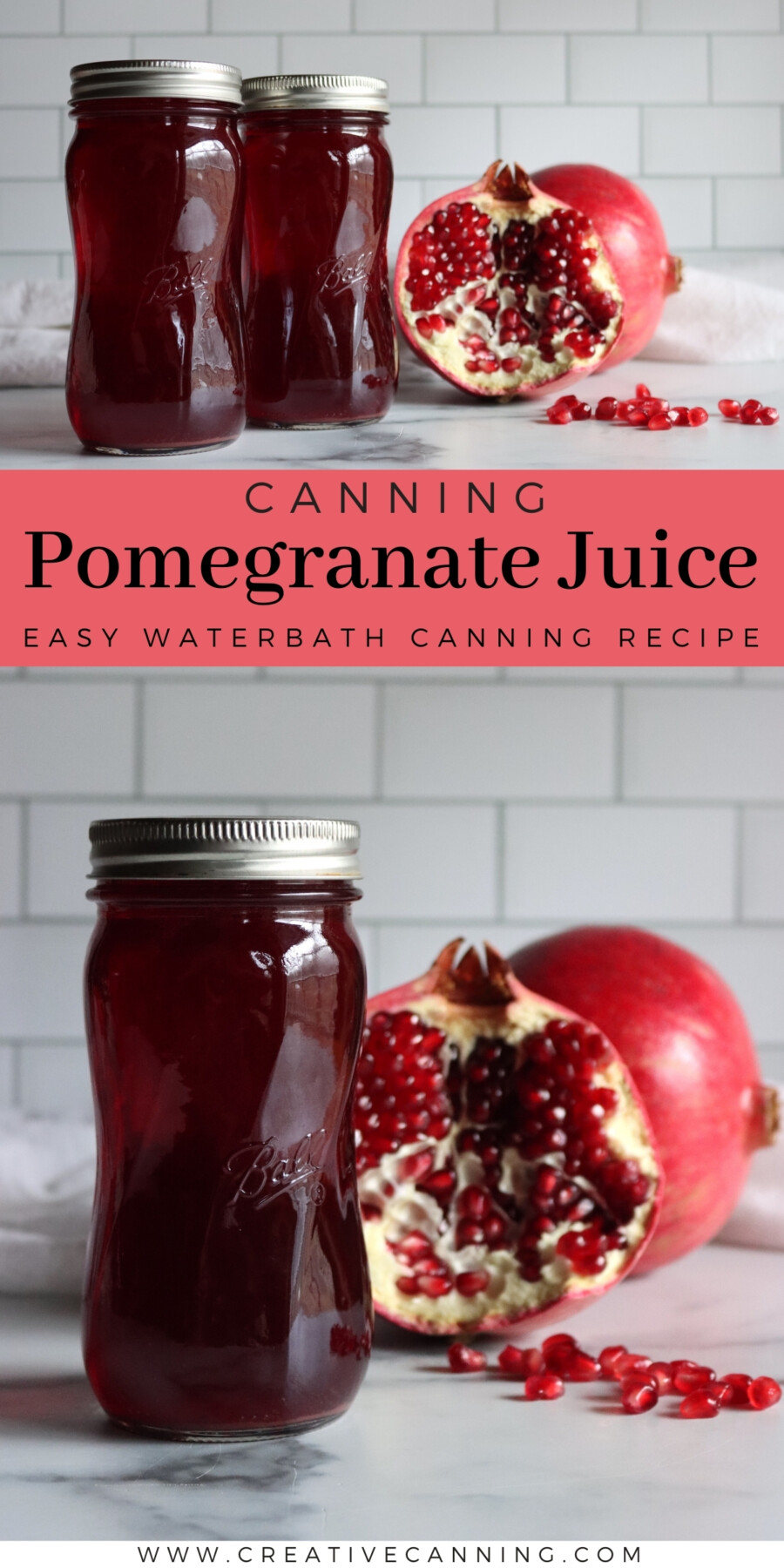
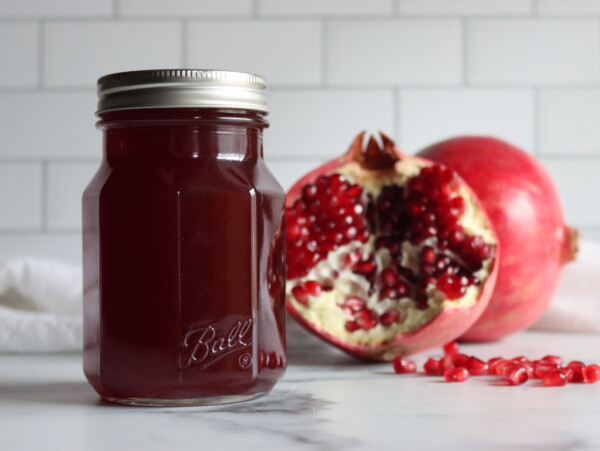
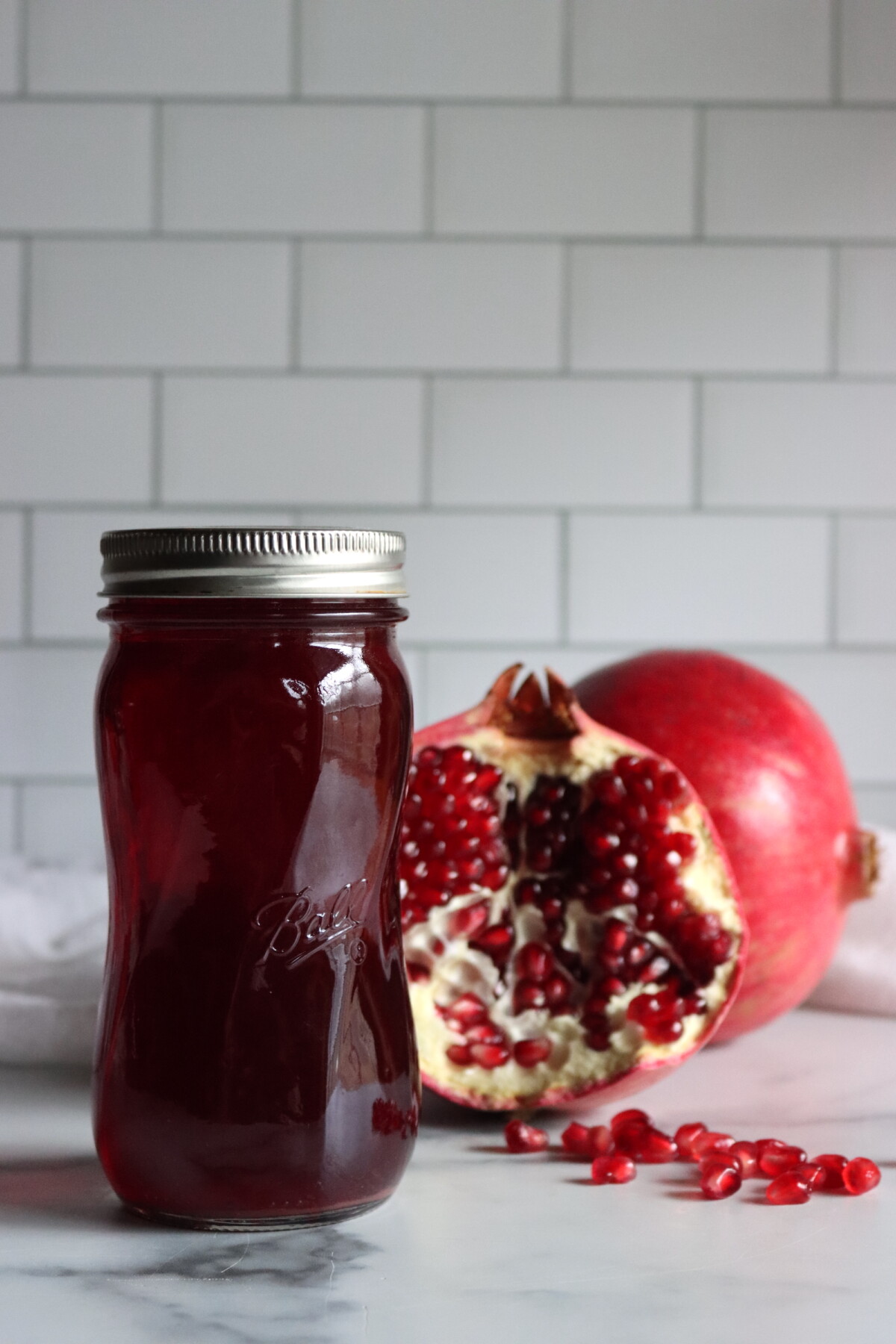
Canning pomegranate juice lets you put up the short fall pomegranate season in jars, so you can pour a glass of deep red juice in the dead of winter, long after the fresh fruit has disappeared from the markets.
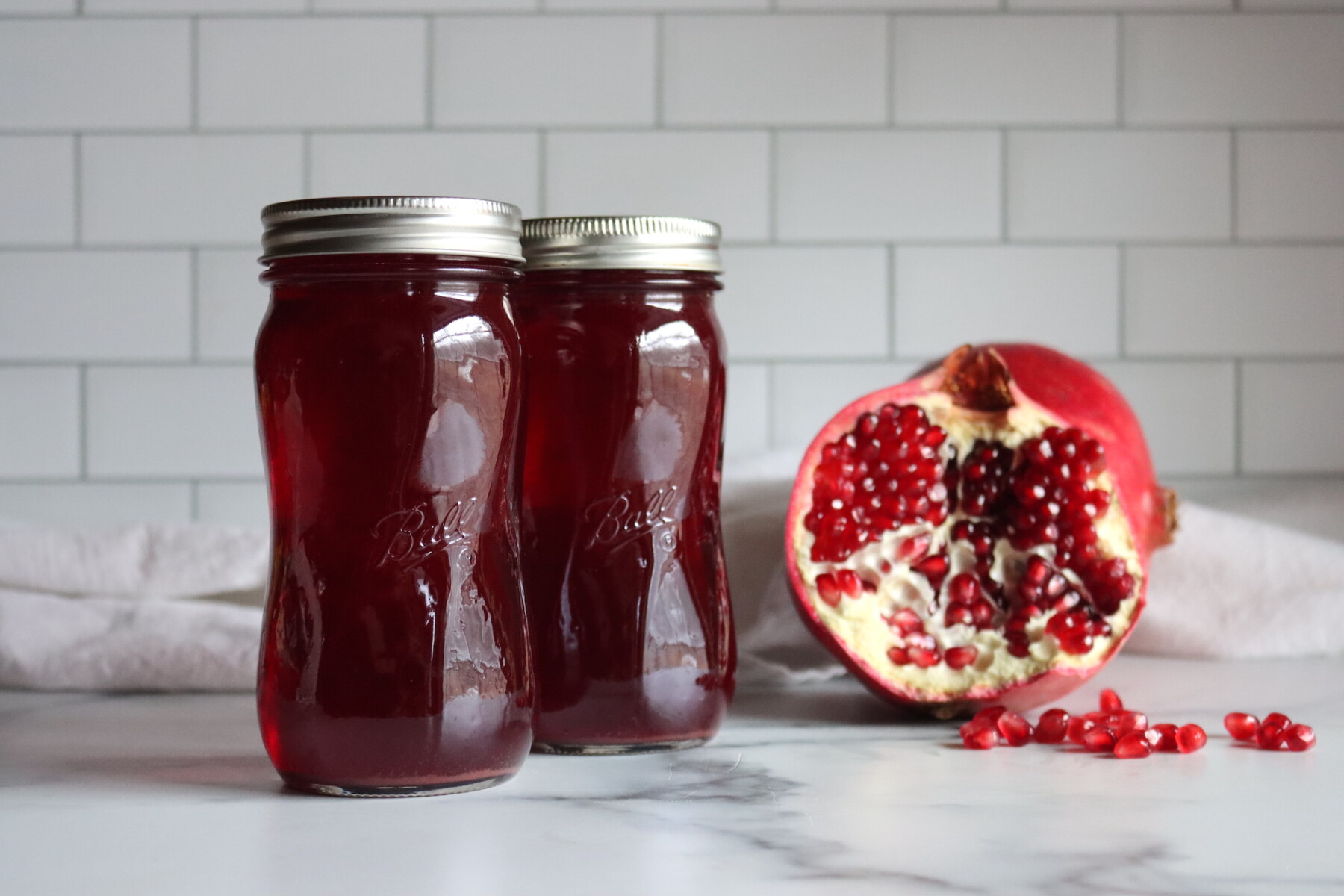
Table of Contents
- Notes from My Kitchen
- Quick Look at the Recipe
- Pomegranate Juice Ingredients
- The Ascorbic Acid is Optional
- Yield Notes
- How to Make Pomegranate Juice
- Canning Pomegranate Juice
- Waterbath Canning Altitude Adjustments
- Serving Ideas
- Pomegranate Juice FAQs
- Juice Canning Recipes
- Canning Pomegranate Juice Recipe
- Drink Canning Recipes
This recipe has been reviewed for safety and accuracy by a Master Food Preserver certified through the University of Cornell Cooperative Extension.
Fresh pomegranates only show up in markets for a few weeks each year, usually from late summer into early autumn, and most of that harvest gets eaten out of hand or scattered over salads. If you find yourself with a real flush of fruit, though, there are a handful of ways to put it up for later, from pomegranate applesauce to freezing the arils whole. Canning the juice is one of the simplest, since once you have the juice in hand the process is the same as it is for other fruit juices.
This is a different kind of project from the sweet spreads and butters, and it is a good way to work through a lot of fruit at once. The finished juice is more than just something to drink, too. It is the starting point for pomegranate molasses, homemade grenadine, cocktails, and sorbet, so a few jars on the shelf give you a head start on all of those any time of year.
The canning instructions here follow the UC Master Food Preserver Program guidance for pomegranate juice, which uses the same short processing time as other high-acid fruit juices. If you have put up grape juice, berry juice, or blueberry juice before, this will feel familiar.
One honest caveat worth knowing up front is that canned pomegranate juice can darken and lose a little of its fresh flavor on the shelf, so freezing is the better choice if pure color and flavor matter most to you. Both methods are safe, and I will walk through both below.
Pomegranates are naturally tart and high in acid, which is what makes the juice safe to water bath can in the first place. There is no added sugar and no added acid in this recipe. You extract the arils, blend and strain them into juice, heat the juice through, and fill your jars, and that is the whole thing.
Notes from My Kitchen

The seeding is the part that takes the most time, and it is worth setting yourself up for a little mess before you start. I cut the fruit at its middle and work over a deep bowl, and an apron saves my clothes from the splatter, since pomegranate juice stains. Once you settle into a rhythm, it goes faster than you would expect, and the blending and straining afterward take just a few minutes.
I tend to split a batch, freezing some of the juice for the truest color and canning the rest for the convenience of a shelf-stable jar. The canned juice darkens a bit over the months, but it still makes a lovely base for cooking down into molasses or mixing into drinks. However you put it up, a few jars of pomegranate juice feel like a small luxury when the fresh fruit is long gone.
Quick Look at the Recipe
- Recipe Name: Canning Pomegranate Juice
- Recipe Type: Fruit Juice
- Canning Method: Waterbath Canning (or Steam Canning)
- Prep Time: About 45 minutes, most of it spent seeding the fruit
- Canning Time: 10 minutes
- Yield: Varies with your fruit, about 2 quarts per batch (see Yield Notes)
- Jar Sizes: Pint or Quart
- Headspace: 1/4 inch
- Ingredients Overview: Pomegranate juice, plus optional ascorbic acid for color
- Safe Canning Recipe Source: UC Master Food Preserver Program, using the standard process for high-acid fruit juices (consistent with National Center for Home Food Preservation fruit juice guidance)
- Difficulty: Easy!
- Similar Recipes: Canning pomegranate juice works the same way as other fruit juices, like Grape Juice, Berry Juice, and Muscadine Juice. If you want to put up pomegranates another way, try Pomegranate Applesauce.
Pomegranate Juice Ingredients
This is about as short an ingredient list as canning gets, since the juice is really the only thing you need. The one optional addition is a little ascorbic acid, which helps the juice hold its color on the shelf.
- Pomegranates: The whole recipe rests on the fruit, so choose pomegranates that feel heavy for their size with firm, taut skin, which usually means more juice inside. If you would rather skip the seeding, you can also use pure commercial pomegranate juice, but read the label and make sure it is 100 percent pomegranate juice with nothing else added.
- Ascorbic Acid (optional): A scant 1/4 teaspoon per quart helps the juice keep its color through processing and storage. This is a quality choice for color, not a safety requirement, and you can leave it out entirely. Look for plain ascorbic acid powder or a fruit-preserving product like Fruit Fresh.
There is no added sugar or bottled lemon juice in this recipe, and you do not need either one. Pomegranates are tart and high in acid on their own, so the juice is safe to water bath can without anything added to bring the acidity up.
The Ascorbic Acid is Optional
Adding ascorbic acid is not a canning requirement. Pomegranate juice is already acidic enough to can safely on its own, so the ascorbic acid does nothing for safety.
What it does is slow the browning that heat and time cause, helping the juice stay closer to its fresh color. Add it if you want the prettiest jars, or skip it if you do not have any on hand, and the juice is just as safe either way.
How much you strain the juice is up to you. A single pass through a fine mesh strainer leaves the juice a little cloudy with some fine pulp, which is fine for drinking or for cooking down into pomegranate syrup.
If you want a clearer juice, the kind you would use for jelly, run it through a jelly bag once or twice more. Straining further is a quality choice and does not change how the juice cans.
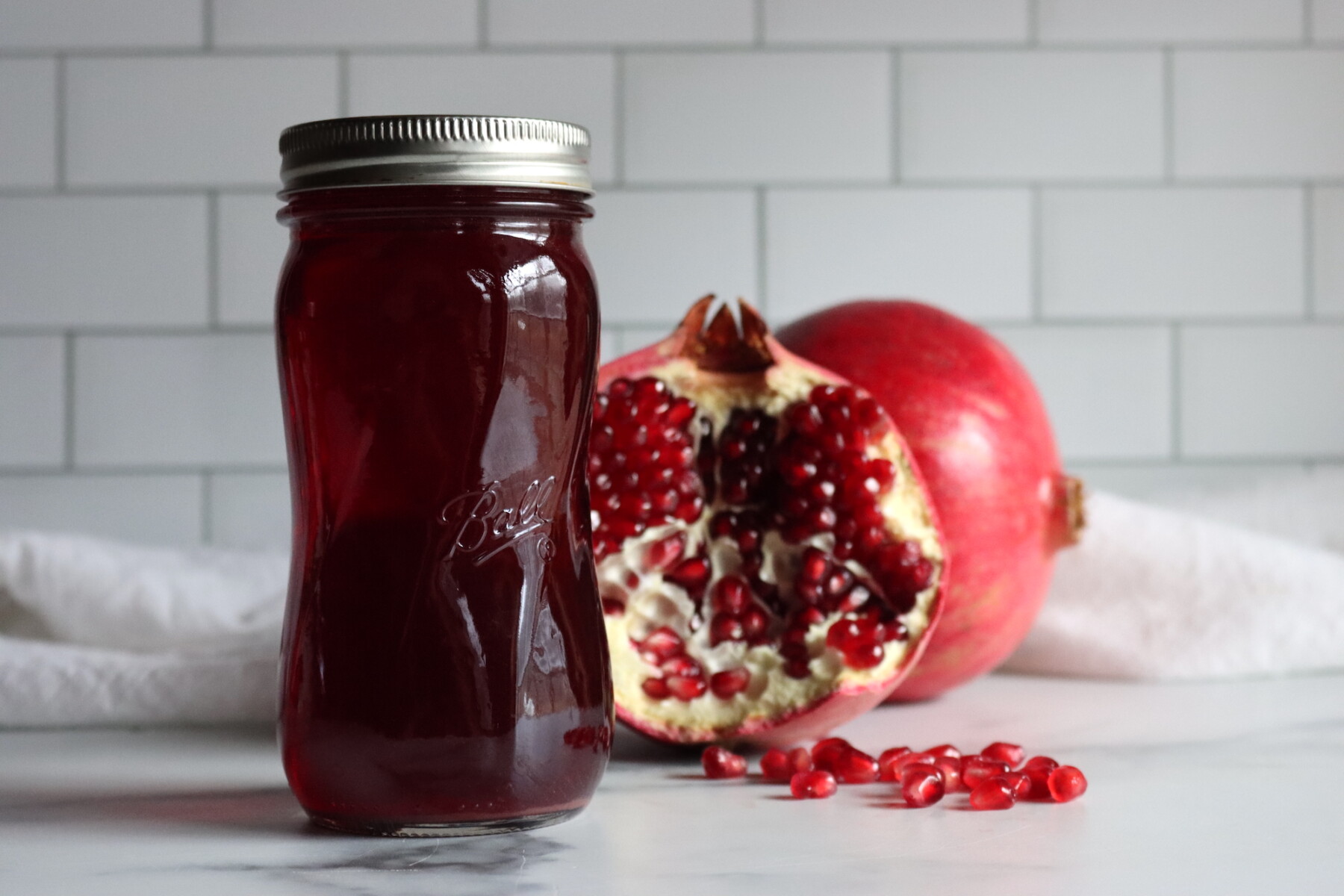
Yield Notes
A batch of pomegranate juice uses:
- The arils from roughly 16 to 24 large pomegranates, blended and strained into about 8 cups of juice
- Ascorbic acid (1/4 teaspoon per quart or 1/8 tsp per pint, optional)
That should make about 2 quarts, give or take depending on how juicy your fruit is. Pomegranate yields vary a lot, so plan on roughly 2 to 3 large pomegranates for each cup of juice and scale the recipe to whatever you have. (See notes on yields.)
How to Make Pomegranate Juice
Once the arils are out of the fruit, the rest comes together quickly. The seeding is the only slow step, so it helps to put on some music and settle in.
Extract the Arils
There are two common ways to free the arils from the rind. For the quick method, cut the fruit in half across its middle, hold a half-cut side down over a deep bowl with your fingers spread, and smack the back of the rind firmly with a wooden spoon so the arils drop out. For the tidier method, slice off the stem and blossom ends, score the rind along the white membranes, and tear the fruit into sections so you can rub the arils off by hand.
Either way, drop the arils into a bowl of water afterward and skim off the bitter white pith, which floats while the arils sink. An apron is a good idea, since the juice splatters and stains.
Juice the Arils
Drain the cleaned arils and add them to a blender or food processor, then pulse for a few seconds to break open the juice sacs without pulverizing the hard inner seeds. Pour the mash into a fine mesh strainer set over a bowl and press on the solids to push through as much juice as you can. The juice will come out a little cloudy, which is fine for canning, freezing, or molasses.
For a clear juice suited to making clear pomegranate jelly, strain it again through a jelly bag.
Heat the Juice
Pour the strained juice into a saucepan and stir in the ascorbic acid if you are using it. Heat the juice gently, stirring often, until it reaches about 190 degrees F, hot and steaming but not boiling.
Do not let it come to a hard boil, since boiling turns the juice brown and cooks out the fresh flavor. You want it hot all the way through and ready to ladle into jars.
Canning Pomegranate Juice
Prepare a water bath canner along with your jars, lids, and rings before you start filling. Bring the canner up to a simmer and keep the clean jars hot in the water until you are ready to use them, which helps prevent breakage when the hot juice goes in. At a 10-minute processing time, the jars do not need to be sterilized first, just clean and hot.
Ladle the hot juice into the prepared jars, leaving 1/4 inch headspace. Wipe the rims, center the lids, and apply the rings fingertip tight, then load the jars into the canner. Process pints and quarts for 10 minutes, adjusting for altitude (see the table below).
An atmospheric steam canner works here too, processed for the same times. Half gallon jars are not safe for this recipe, so quart is the largest size to use.
When the time is up, turn off the heat and let the jars rest in the canner for 5 minutes before lifting them out. Set them on a towel to cool undisturbed for 12 to 24 hours, then check the seals. Sealed jars store on the pantry shelf, and any that did not seal go in the refrigerator to use first. Refrigerate after opening.
One thing to expect is that canned pomegranate juice tends to darken over time and can lose a little of its fresh flavor, which is simply what heat does to the juice. It stays safe to drink the whole time. If keeping the color and flavor as fresh as possible matters more to you than a shelf-stable jar, freezing is the better route, and the same juice freezes beautifully.
(This same juice can be frozen instead of canned. Leave 1/2 inch of headspace in freezer-safe containers so it has room to expand, and it keeps in the freezer for up to a year.)
Waterbath Canning Altitude Adjustments
The altitude adjustments for water bath canning Pomegranate Juice are as follows:
- For 0 to 6,000 Feet in Elevation – 10 minutes for pints and quarts
- Above 6,000 Feet in Elevation – 15 minutes for pints and quarts
With the jars sealed and on the shelf, you have pomegranate juice ready whenever you want it.
Serving Ideas
The simplest way to enjoy it is poured cold over ice, on its own or topped with sparkling water for a spritzer. It also stirs into lemonade and iced tea, and it makes a tart, fruity base for cocktails and mocktails.
Beyond drinking it straight, pomegranate juice cooks down into pomegranate molasses for Middle Eastern and Mediterranean dishes, or into homemade grenadine for the bar cart. You can also freeze it into popsicles, churn it into sorbet, or use it to deglaze a pan for a quick sauce. Having a few jars on the shelf means any of those is just an afternoon away.
Pomegranate Juice FAQs
Yes. Pomegranate juice is naturally high in acid, with a pH well below the cutoff for water bath canning, so it cans safely the same way other high-acid fruit juices do. You do not need to add any lemon juice or other acid to make it safe.
No. The ascorbic acid is optional and only helps the juice hold its color through processing and storage. It does nothing for safety, since the juice is already acidic enough to can on its own, so you can leave it out and the juice is just as safe.
Heat and time naturally darken pomegranate juice, so some browning on the shelf is normal and the juice is still safe to drink. Adding ascorbic acid and heating the juice to 190 degrees F without boiling both help slow it. If keeping the fresh color matters most, freezing the juice preserves it better than canning.
Once you have worked through your pomegranates, there are plenty of other ways to fill the canner. Pomegranate cooks beautifully into pomegranate applesauce, and you can put up all sorts of fruit as juice, from blueberry juice to grape juice.
Juice Canning Recipes
If you tried this Pomegranate Juice recipe, or any other recipe on Creative Canning, leave a ⭐ star rating and let me know what you think in the 📝 comments below!
And make sure you stay in touch with me by following on social media!
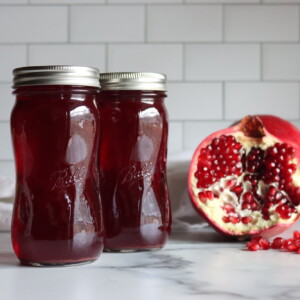
Canning Pomegranate Juice
Equipment
- Canning Jars, Lids and Bands
Ingredients
- 8 cups pomegranate juice, from about 16 to 24 large pomegranates
- 1/2 tsp ascorbic acid, optional, for color; 1/4 tsp per quart
Instructions
- Prepare the jars. Bring a water bath canner to a simmer and keep clean jars hot until you fill them. At a 10 minute processing time the jars do not need to be sterilized.
- Cut the pomegranates in half across the middle and remove the arils over a deep bowl. Float the arils in water and skim off the white pith.
- Pulse the arils in a blender or food processor just until the juice sacs break. Strain through a fine mesh strainer, pressing on the solids. For clearer juice, strain again through a jelly bag.
- Pour the juice into a saucepan and stir in the ascorbic acid, if using.
- Heat the juice to 190 degrees F, stirring often. Do not boil.
- Ladle the hot juice into the prepared jars, leaving 1/4 inch headspace. Wipe the rims, center the lids, and apply the bands fingertip tight.
- Process pints and quarts in a boiling water bath (or atmospheric steam canner) for 10 minutes, adjusting for altitude (see notes).
- Turn off the heat, let the jars rest 5 minutes, then remove and cool 12 to 24 hours. Check the seals.
Notes
Nutrition
Nutrition information is automatically calculated, so should only be used as an approximation.
Looking to put up more than just pomegranates? These other juice canning recipes are worth a look.
Drink Canning Recipes
Find the perfect recipe
Searching for something else? Enter keywords to find the perfect recipe!