
This post may contain affiliate links. Please see our disclosure policy.
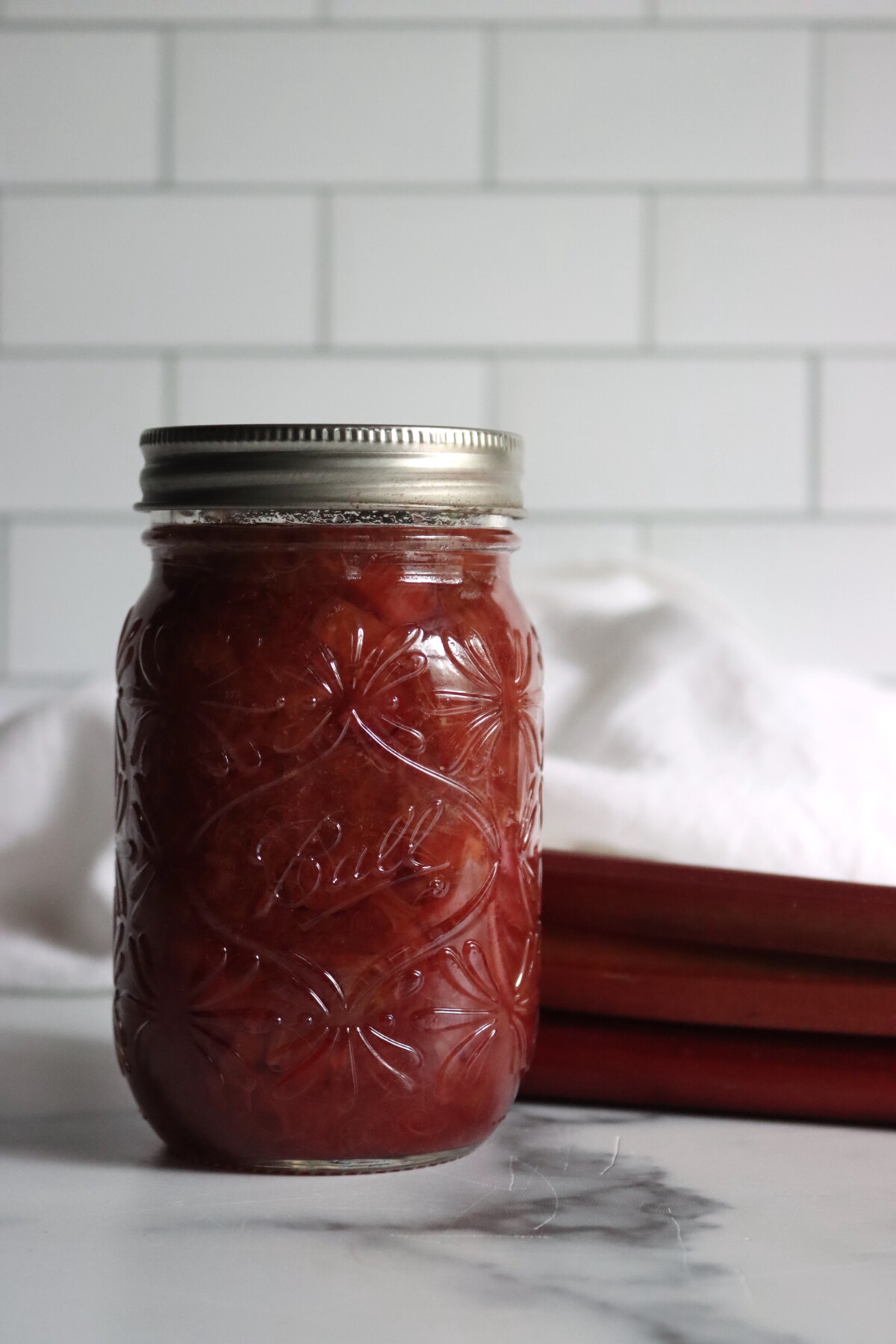
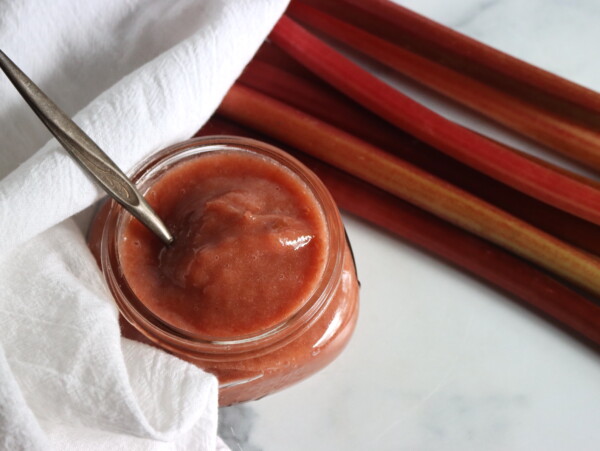
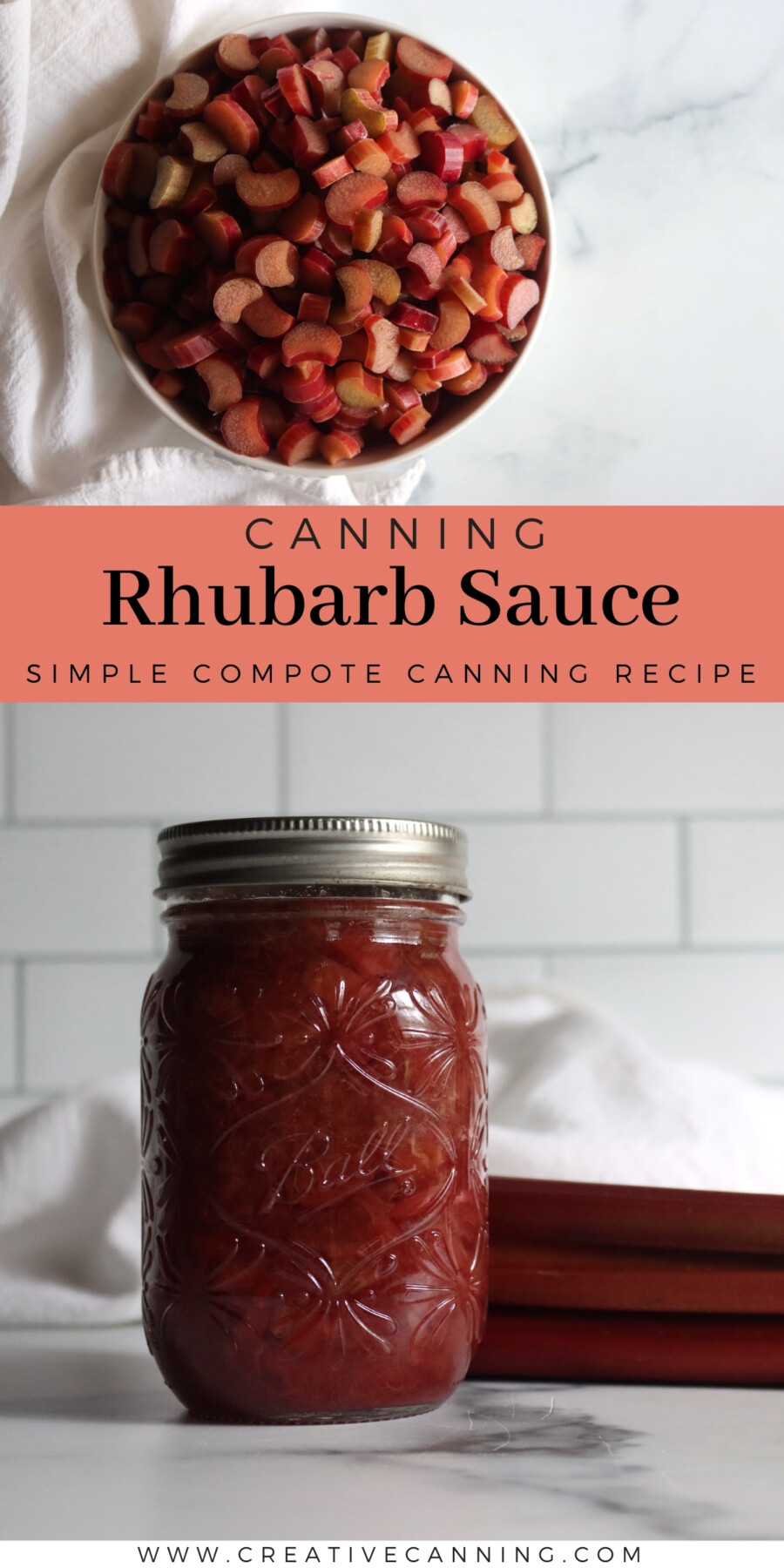
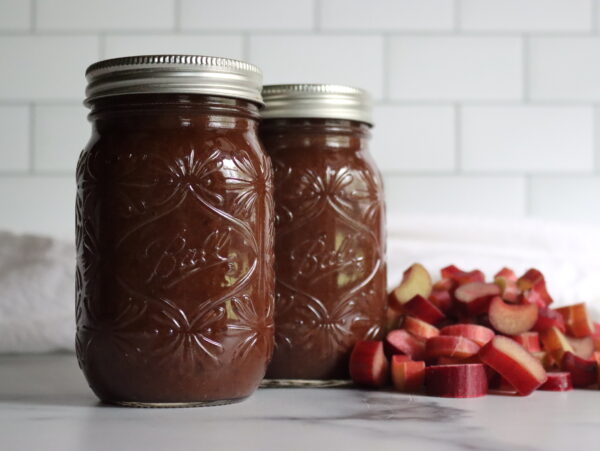
Rhubarb sauce (sometimes called rhubarb compote or stewed rhubarb) is an incredibly easy preserve that captures everything you love about fresh rhubarb. With just a few hours of macerating time and a brief cook, you can turn pounds of fresh rhubarb into a tangy, lightly sweetened sauce that’s ready to spoon over ice cream, stir into oatmeal, or enjoy straight from the jar.
Unlike rhubarb jam or rhubarb pie filling, this recipe doesn’t require added pectin or thickeners. The rhubarb softens into a loose, saucy texture that’s perfect for topping desserts or stirring into breakfast, and it’s versatile enough to use year round. When rhubarb is coming in by the bucket, this is the preserve that gets it into jars without any fuss.
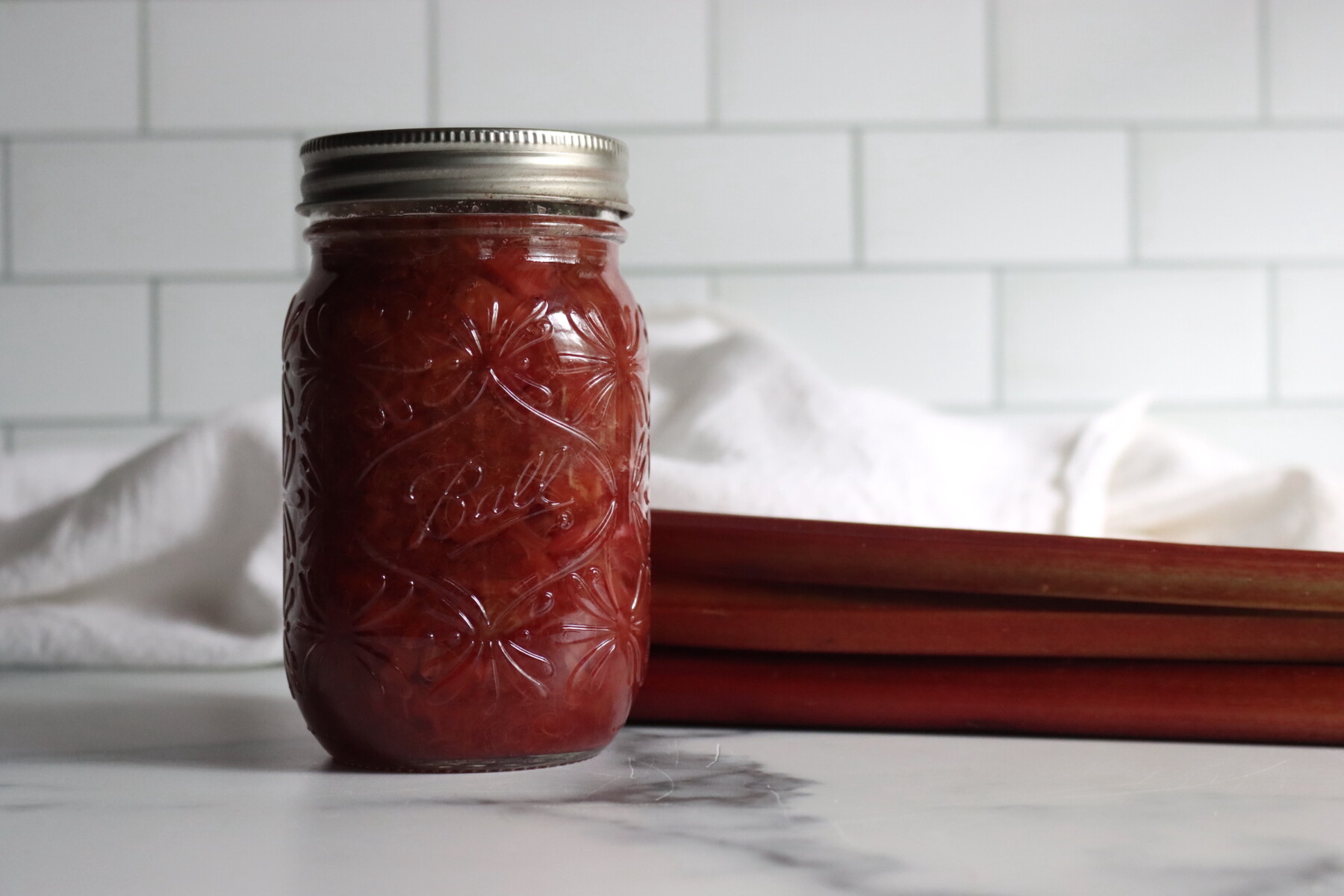
This recipe has been reviewed for safety and accuracy by a Master Food Preserver certified through the University of Cornell Cooperative Extension.
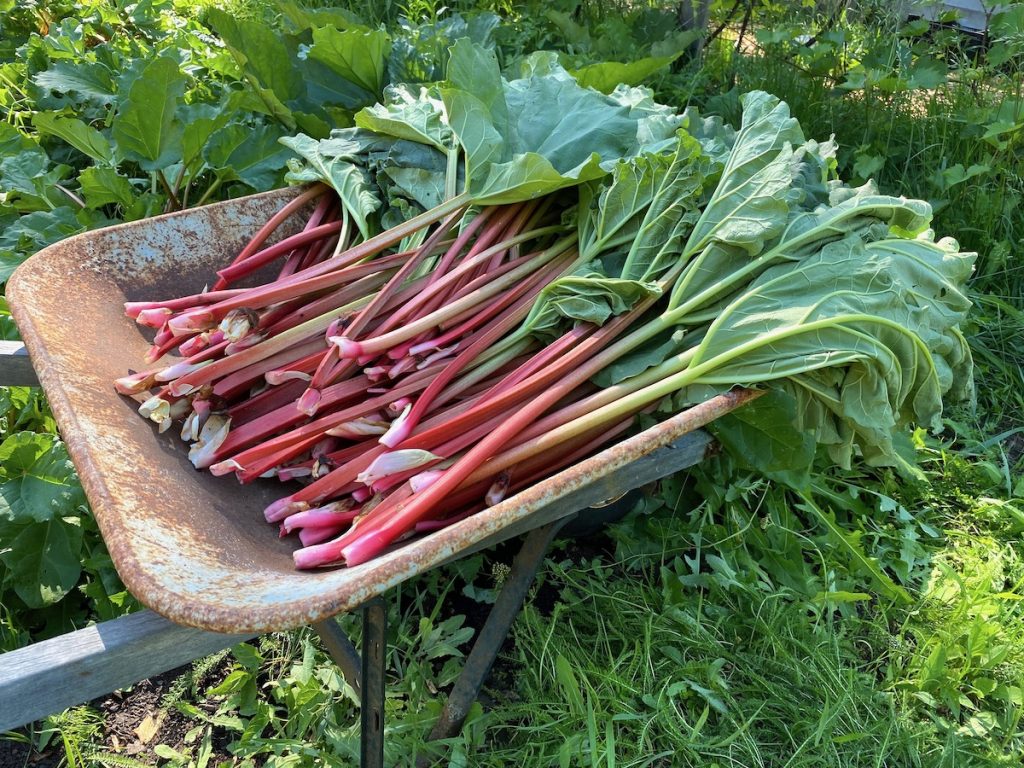
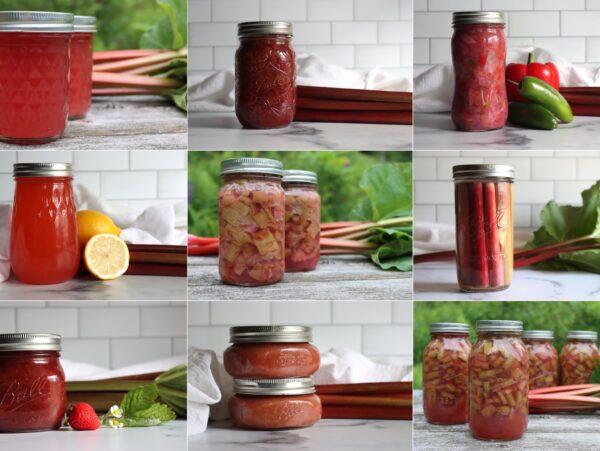
We harvest rhubarb by the wheelbarrow full here on our Vermont homestead, and even after making pies, bars, crisps, and even savory dishes like khoresht rivas (a Persian lamb and rhubarb stew), we still can never use it all fresh. That’s where canning comes in. We put up nearly a dozen different rhubarb canning recipes each year, from rhubarb jelly to strawberry rhubarb jam to rhubarb chutney.
But honestly? We reach for rhubarb sauce more than any of them. There’s something about its simple, tangy flavor that makes it the perfect addition to morning oatmeal or a bowl of vanilla ice cream. It’s lighter than jam, more versatile than rhubarb pie filling, and it puts up so quickly when rhubarb is coming in by the bucket.
This is a tested recipe from Ball Canning Back to Basics, and the technique is straightforward and simple. First you macerate the rhubarb with sugar to draw out the juices, then bring it to a quick boil, and pack it into jars. The result is a beautiful pink sauce that captures everything you love about fresh rhubarb.
Notes from My Kitchen

The macerating step is what makes this recipe special. Stirring sugar into the chopped rhubarb and letting it sit for a few hours draws out the natural juices, which means the sauce practically makes itself. By the time you’re ready to cook, the rhubarb is swimming in bright pink liquid and only needs a brief boil to finish. The whole process takes just minutes of active time.
I love that the sugar is flexible in this recipe. The Ball recipe calls for anywhere from half a cup to a full cup of sugar per quart of rhubarb, but I’ve found that 2 cups of sugar to 4 pounds of rhubarb hits a nice middle ground. It’s sweet enough to balance the tartness without masking rhubarb’s distinctive flavor. That said, you can use less sugar (or none at all) if you prefer a more tart sauce, or add more if your rhubarb is particularly sour.
This is the rhubarb preserve I always have in the pantry, and it never lasts long.
Quick Look at the Recipe
- Recipe Name: Rhubarb Sauce (Stewed Rhubarb / Rhubarb Compote)
- Recipe Type: Fruit Sauce / Compote
- Canning Method: Water Bath Canning
- Prep Time: About 20 minutes, plus 4 hours macerating time
- Cook Time: About 5 minutes
- Canning Time: 15 minutes for pints or quarts
- Yield: About 4 pints or 2 quarts
- Jar Sizes: Pints or quarts
- Headspace: 1/2 inch
- Ingredients Overview: Rhubarb, sugar (to taste), and optional lemon juice for brightness.
- Safe Canning Recipe Source: Ball Canning Back to Basics
- Difficulty: Easy. Minimal active time and no special equipment beyond a water bath canner.
- Similar Recipes: For other ways to preserve rhubarb, try Rhubarb Jam, Rhubarb Jelly, Rhubarb Pie Filling, or Rhubarb Juice Concentrate.
Ingredients
This recipe is wonderfully flexible. The only essential ingredient is rhubarb, and you can adjust the sugar to your taste. A squeeze of lemon juice adds brightness but isn’t required for safety.
- Rhubarb: You’ll need 4 pounds of young, tender rhubarb stalks. Look for stalks that are firm and colorful, either red or pink (green stalks work too but produce a less vibrant sauce). Each pound of rhubarb yields about 3 to 4 cups when sliced. Trim and discard the leaves, which are toxic, and cut the stalks into 1-inch pieces.
- Sugar: The original recipe calls for 1/2 to 1 cup of sugar per quart of sliced rhubarb, which gives you a lot of flexibility. I recommend starting with 2 cups of sugar for 4 pounds of rhubarb as a good middle ground. This produces a pleasantly tart sauce that’s sweet enough to enjoy over ice cream but not cloying. You can use more sugar (up to 1 cup per pound) if you prefer a sweeter sauce, or skip the sugar entirely for a very tart preserve that works well in savory applications or as a base for other recipes.
- Lemon juice (optional): The juice of 1 lemon (about 2 to 3 tablespoons) adds a nice brightness that complements rhubarb’s natural tartness. This is purely for flavor and not required for canning safety, so feel free to omit it if you prefer.
Step by Step Instructions
The process is pretty straightforward, but don’t skip the maceration step!
Prepare the Rhubarb
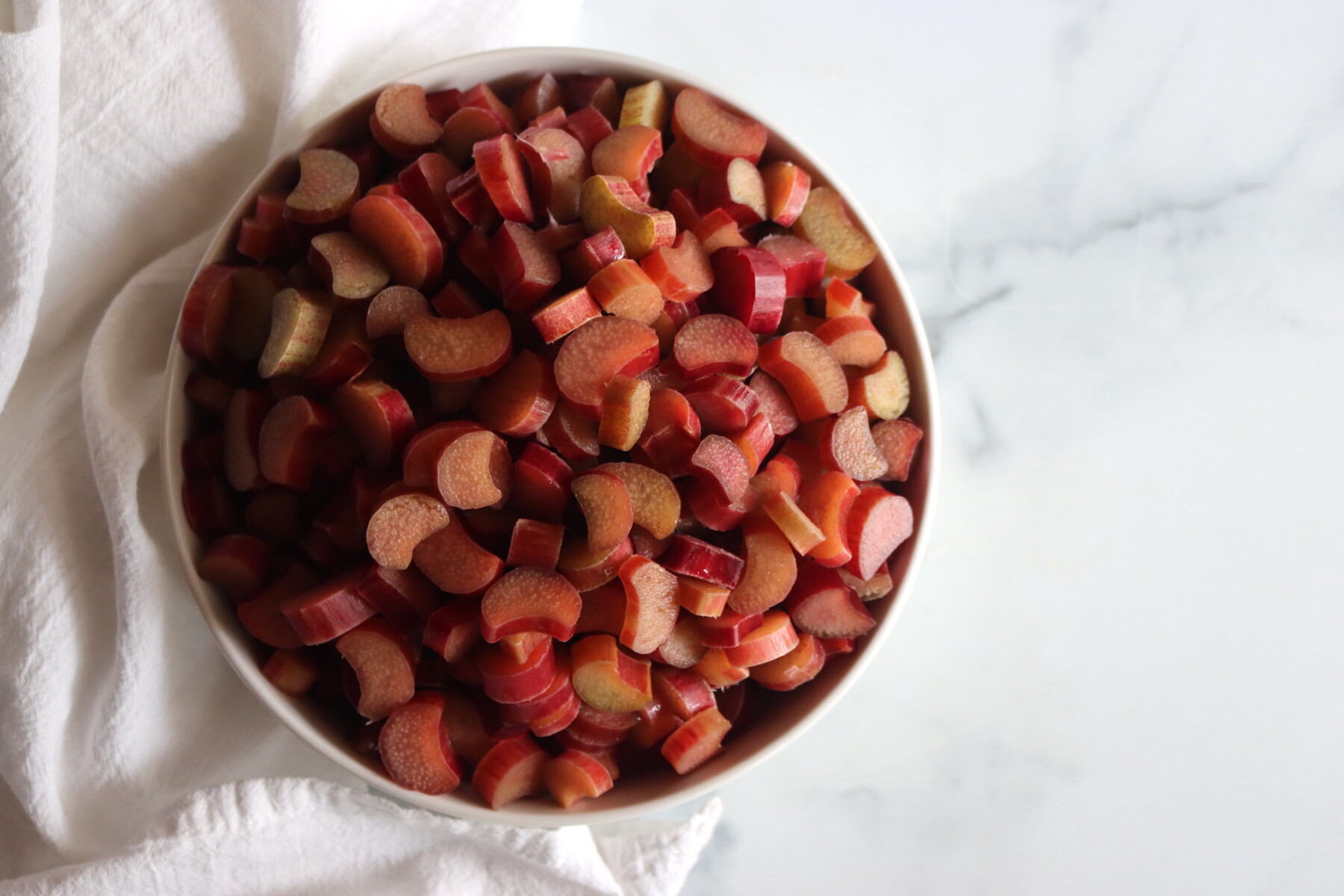
Rinse the rhubarb under cold running water. Trim and discard any leafy tops (rhubarb leaves are toxic and should never be eaten). Cut the stalks into 1-inch slices and place them in a large glass or stainless steel bowl.
Macerate with Sugar
Add your desired amount of sugar to the rhubarb and stir well to coat. If using lemon juice, add it now. Cover the bowl and let it stand in a cool place for about 4 hours, stirring occasionally.
During this time, the sugar will draw out the natural juices from the rhubarb, creating a pool of bright pink liquid at the bottom of the bowl. This is exactly what you want.
Cook the Rhubarb
Transfer the rhubarb and all its accumulated juices to a large stainless steel or enameled pot. Bring the mixture slowly to a boil over medium heat, stirring gently to prevent sticking.
Once boiling, cook for just 30 seconds. The rhubarb should be soft but still hold some shape.
Fill Jars
Pack the hot rhubarb and its juice into prepared jars, leaving 1/2 inch headspace. Remove air bubbles by running a bubble remover or chopstick around the inside of the jar.
Check headspace again and add more rhubarb or juice if needed. Wipe the rims clean, apply lids and bands, and tighten to fingertip tight.
Canning Rhubarb Sauce
Canning is optional, and Without canning, rhubarb sauce will keep in the refrigerator for a few weeks or in the freezer for up to 6 months. That said, I always prefer canning because it’ll store for much longer and without refrigeration, right on my pantry shelf.
If canning for shelf stable storage, prepare your water bath canner before you start cooking the rhubarb. Once the jars are filled, lower them into the canner and process for 15 minutes for either pint or quart jars, adjusting for altitude as noted below.
After processing, turn off the heat, remove the canner lid, and let the jars stand in the water for 5 minutes. Then remove the jars and let them cool undisturbed for 12 to 24 hours. Check seals before storing. Properly sealed jars keep at room temperature for 12 to 18 months.
Altitude Adjustments
Canning times are the same for both pints and quarts, as well as smaller jars such as half pints and quarter pints. Do not can in jars larger than quart.
For water bath canning, processing times increase at higher elevations:
- 0 to 1,000 feet: 15 minutes
- 1,001 to 6,000 feet: 20 minutes
- Above 6,000 feet: 25 minutes
Yield Notes
This recipe starts with 4 pounds of fresh rhubarb, which yields roughly 12 to 16 cups of sliced rhubarb. After macerating and cooking, you’ll have about 4 pints or 2 quarts of finished sauce.
The exact yield depends on how juicy your rhubarb is and how much sugar you add (more sugar means more liquid drawn out during macerating). If you end up with extra sauce that doesn’t fill a full jar, store it in the refrigerator and enjoy it first.
Serving Ideas
Rhubarb sauce is wonderfully versatile. Its tangy sweetness works equally well at breakfast and dessert, and it requires no additional preparation once you open the jar.
For breakfast, spoon it over oatmeal, yogurt, or pancakes. The tartness cuts through the richness of creamy dishes and adds a bright pop of flavor. It’s especially good swirled into plain Greek yogurt with a drizzle of honey and some granola.
For dessert, serve it warm or cold over vanilla ice cream, pound cake, or cheesecake. It also makes an excellent filling for crepes or a topping for rice pudding. If you’re feeling ambitious, use it as a layer in a trifle or parfait.
Rhubarb sauce can also work in savory applications. Use the unsweetened version as a tangy condiment alongside roasted pork or duck, similar to how you might use applesauce or cranberry sauce. The acidity pairs beautifully with rich, fatty meats.
Rhubarb Sauce FAQs
Yes, you can omit the sugar entirely if you prefer a very tart sauce. Rhubarb is naturally acidic enough for safe water bath canning without added sugar. The unsweetened version works well in savory dishes or as a base for other recipes where you’ll add sweetener later. Without the sugar, you will need to add water as a canning liquid since you cannot do the maceration step. The rhubarb will fall apart more easily in the jar, as sugar firms the rhubarb.
The amount is flexible based on your taste. The Ball recipe suggests 1/2 to 1 cup of sugar per quart of sliced rhubarb. I find that the 1/2 cup amount is right for my tastes, and I use about 2 cups per 4 lbs rhubarb by weight (that’s 12-16 cups by volume). I think that’s a good starting point, which produces a pleasantly tart sauce that’s still sweet enough for desserts. You can use more (up to 1 cup per pound) for a sweeter sauce, or less (or none) for a more tart preserve.
Rhubarb sauce (also called stewed rhubarb or compote) has a loose, saucy texture and is meant to be spooned over other foods. Rhubarb jam is cooked longer with more sugar and often includes added pectin, resulting in a thicker, spreadable preserve. Sauce is quicker to make and has a fresher, more delicate rhubarb flavor.
Macerating (letting the rhubarb sit with sugar) draws out the natural juices from the rhubarb. This creates the liquid base for your sauce without adding water, which would dilute the flavor. It also helps the rhubarb soften more evenly during the brief cooking time. The 4-hour macerating time is important, so plan accordingly.
Rhubarb Canning Recipes
If you tried this Rhubarb Sauce recipe, or any other recipe on Creative Canning, leave a ⭐ star rating and let me know what you think in the 📝 comments below!
And make sure you stay in touch with me by following on social media!
Rhubarb Sauce (Stewed Rhubarb / Rhubarb Compote)
Equipment
- Pint or quart canning jars
- Canning lids and bands
- Bubble remover
- Large stainless steel or enameled pot
- Large glass or stainless steel bowl
Ingredients
- 4 pounds rhubarb stalks, young and tender,
- 2 cups sugar, or to taste, see notes
- 1 medium lemon, juiced, optional
Instructions
- Rinse the rhubarb under cold running water. Trim and discard any leafy tops (rhubarb leaves are toxic and should never be eaten). Cut the stalks into 1-inch slices and place them in a large glass or stainless steel bowl.
- Add your desired amount of sugar to the rhubarb and stir well to coat. If using lemon juice, add it now. Cover the bowl and let it stand in a cool place for about 4 hours, stirring occasionally. The sugar will draw out the natural juices, creating a pool of bright pink liquid at the bottom of the bowl.
- If canning, prepare your water bath canner and jars before cooking the rhubarb. The canner should be heated and ready to go.
- Transfer the rhubarb and all its accumulated juices to a large stainless steel or enameled pot. Bring the mixture slowly to a boil over medium heat, stirring gently to prevent sticking. Once boiling, cook for just 30 seconds. The rhubarb should be soft but still hold some shape.
- Pack the hot rhubarb and its juice into prepared jars, leaving 1/2 inch headspace. Remove air bubbles by running a bubble remover or chopstick around the inside of the jar. Check headspace again and add more rhubarb or juice if needed. Wipe the rims clean, apply lids and bands, and tighten to fingertip tight.
- Lower the filled jars into the preheated water bath canner. Process for 15 minutes for either pint or quart jars, adjusting for altitude as noted below.
- After processing, turn off the heat, remove the canner lid, and let the jars stand in the water for 5 minutes. Remove the jars and let them cool undisturbed for 12 to 24 hours. Check seals before storing. Properly sealed jars keep at room temperature for 12 to 18 months.
Notes
Rhubarb Amounts
This batch uses 4 pounds of fresh rhubarb, which usually comes out to around 12 to 16 cups once it’s sliced. By the time the fruit has macerated and simmered down, you’ll end up with about 4 pints, or 2 quarts, of finished sauce. Keep in mind that the final amount can vary a bit depending on how much juice your rhubarb releases and how much sugar you use, since extra sugar pulls out more liquid during the resting time. If you have a little leftover that’s not enough to fill a full jar, just pop it into the fridge and use that portion first.Sugar Flexibility
The amount of sugar is flexible based on your taste. The original recipe calls for 1/2 to 1 cup of sugar per quart of sliced rhubarb. Two cups of sugar to 4 pounds of rhubarb is a good middle ground that produces a pleasantly tart sauce. You can use more sugar (up to 1 cup per pound) for a sweeter sauce, or skip the sugar entirely for a very tart preserve that works well in savory applications.Macerating Time
The 4-hour macerating time is important. This step draws out the natural juices from the rhubarb, creating the liquid base for your sauce without adding water. Don’t skip this step or rush it.Storage Without Canning
If you prefer not to can, rhubarb sauce will keep in the refrigerator for a few weeks or in the freezer for up to 6 months.Altitude Adjustments
Canning times are the same for both pints and quarts, as well as smaller jars such as half pints and quarter pints. Do not can in jars larger than quart.- 0 to 1,000 feet: 15 minutes
- 1,001 to 6,000 feet: 20 minutes
- Above 6,000 feet: 25 minutes
Nutrition
Nutrition information is automatically calculated, so should only be used as an approximation.
Fruit Canning Recipes
Find the perfect recipe
Searching for something else? Enter keywords to find the perfect recipe!

Excited to try this recipe! I have an abundance of sour cherries as well. Any thoughts on including a cup per batch? Thanks!
Sour cherries would be lovely in this, and a cup per batch sounds great. Let me know how it turns out for you.
Hi Ashley,
I just made this compote and it is delicious and easy! A great way to preserve the rhubarb harvest for those cold winter months. After canning , the rhubarb floated to the top and the juice stayed at the bottom. I was wondering if you have any thoughts on this.
That is interesting…mine has always been really thick and doesn’t separate at all. Maybe you had really juicy rhubarb and it needed a bit more cooking to come together?
making today- love the recipe
thanks for sharing
Love rhubarb over yogurt
can i extend the macerating time over night -8ish hours?
Yes, that’s perfectly fine. Enjoy!