This post may contain affiliate links. Please see our disclosure policy.
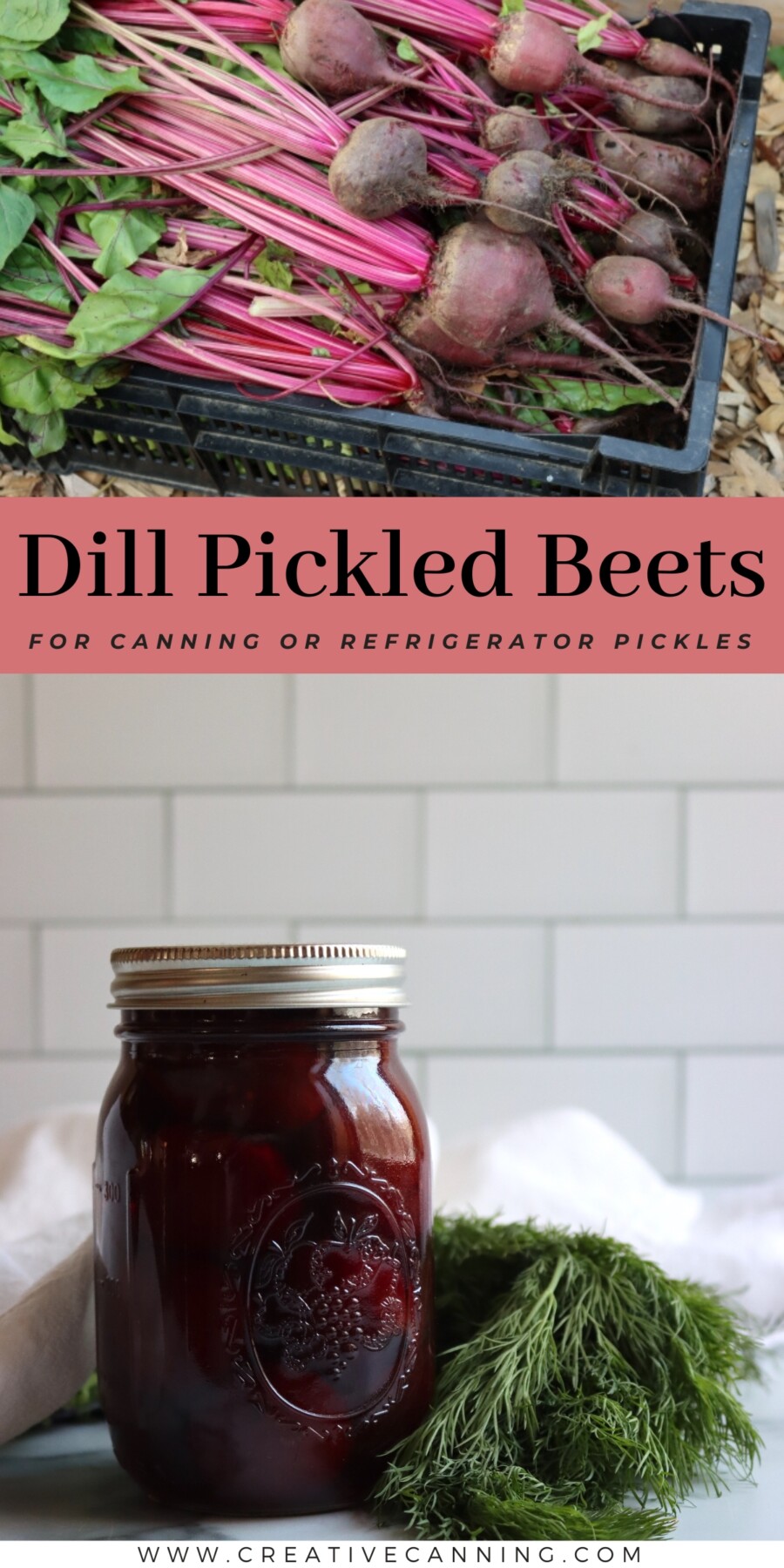
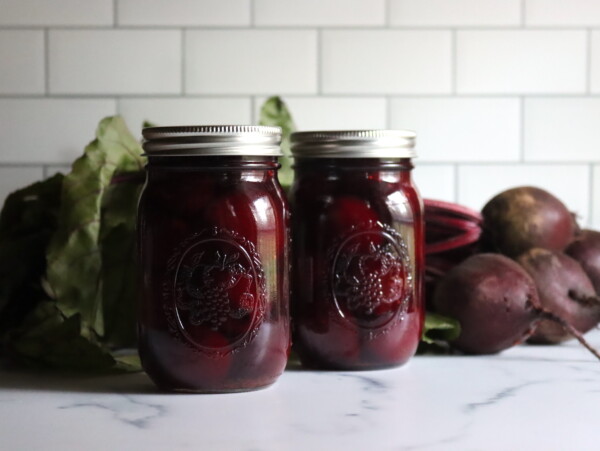
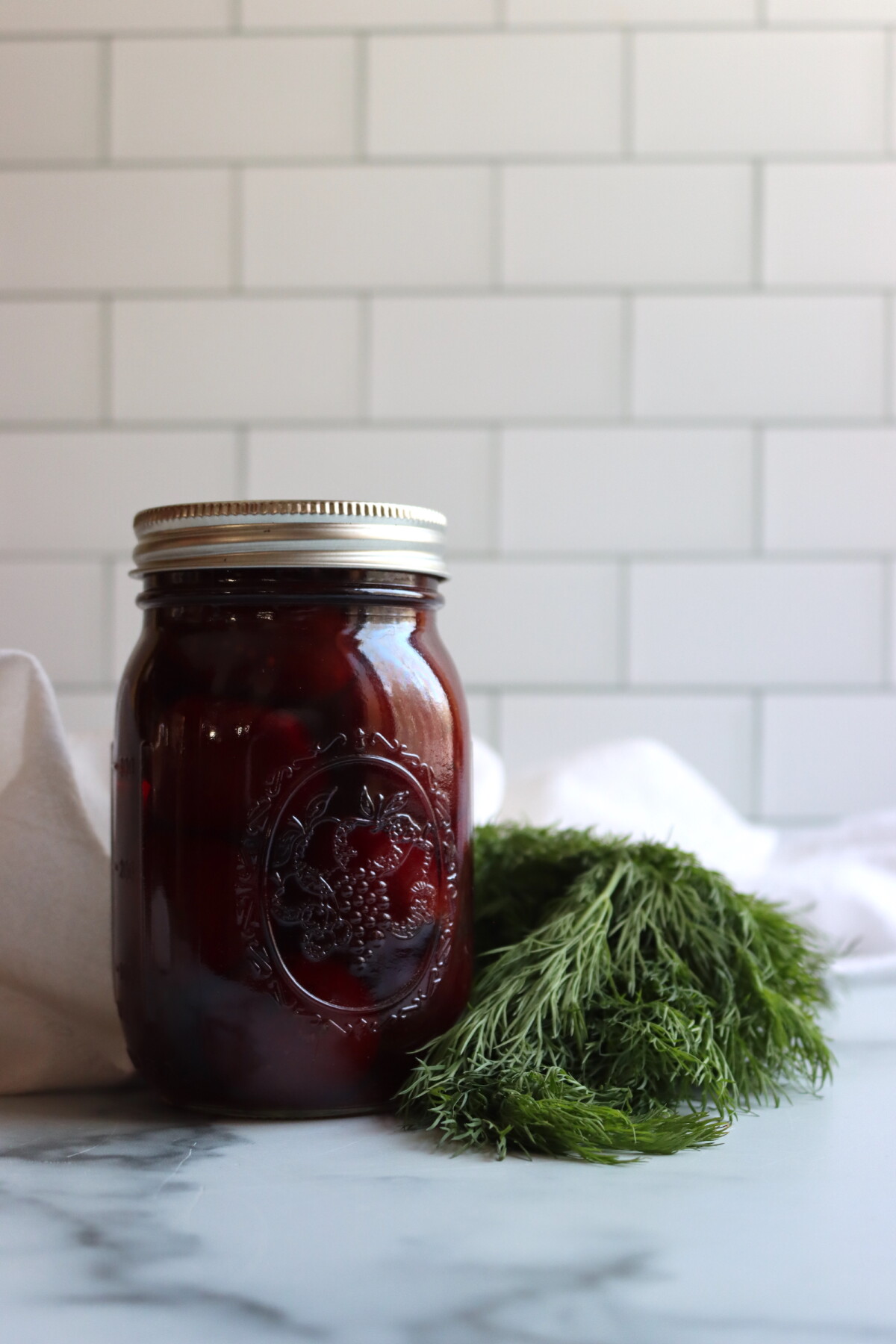
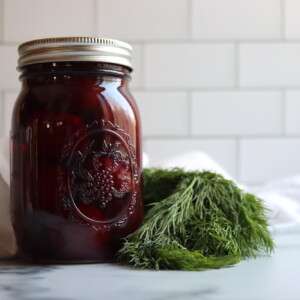
Dill Pickled Beets are a bright, sweet-tangy way to put up a small batch of beets, with dill weed and dill seed giving them that familiar “classic pickle” flavor.
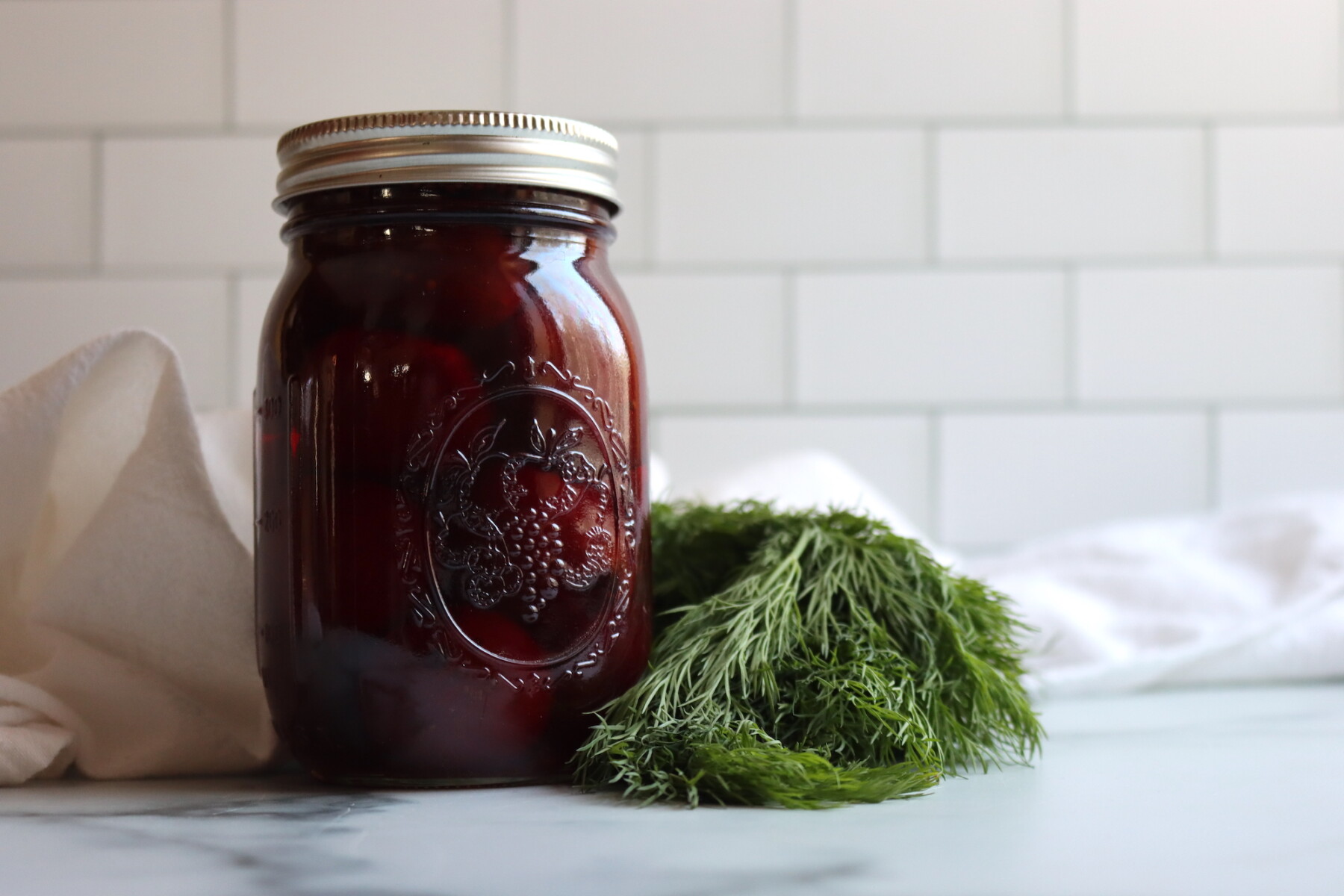
Table of Contents
This recipe has been reviewed for safety and accuracy by a Master Food Preserver certified through the University of Cornell Cooperative Extension.
This recipe is adapted from Put ’Em Up! by Sherri Vinton, a book I love for its practical, small-batch preserving projects.
It’s a vinegar pickle (not fermented), and it’s designed to work either as a short-term refrigerator pickle or as a boiling-water canned pantry staple.
Why you’ll love this Dill Pickled Beets recipe!

I keep coming back to this one because it’s the perfect overlap between traditional pickled beets and a true dill pickle. The beets stay front-and-center, but the dill seed adds that old-school deli pickle flavor that seems all new when used with beets instead of cucumbers.
It’s also one of those recipes I’m happy to make in a “not a full canning day” moment. I can cook the beets, make a quick brine, and end up with a few pints that instantly make salads, sandwiches, and potato-based meals feel more complete.
A Quick Look at the Recipe
- Recipe Name: Dill Pickled Beets
- Recipe Type: Vegetable Pickling Recipe
- Canning Method: Waterbath Canning
- Prep/Cook Time: 60 to 90 Minutes
- Canning Time: 30 Minutes
- Yield: 3 pints
- Jar Sizes: Quarter Pint, Half Pint or Pint
- Headspace: 1/2 inch
- Ingredients Overview: Beets, vinegar, sugar, salt, and dill.
- Safe Canning Recipe Source: Based on pickled beet guidance from the University of Georgia Extension
- Difficulty: Easy! The only work is cooking and prepping the beets before they’re packed into jars.
- Similar Recipes: The process is similar to making other pickled vegetables, like Pickled Carrots, Pickled Cauliflower, Pickled Brussels Sprouts or Pickled Green Beans.
Ingredients for Pickled Beets with Dill
The ingredients list is short, but each ingredient contributes quite a bit to the finished flavor of this simple root vegetable canning recipe. The beets provide sweetness and body, the vinegar brings the bright tang, and the combination of dill weed and dill seed creates a flavor that’s both beet-pickle and deli-pickle at the same time.
- Beets: The main ingredient, and where most the flavor comes from. Choose small, firm, sweet and flavorful beets and avoid large beets which can be stringy. They’re cooked until nearly tender so they pack well and have a good finished texture.
- Distilled White Vinegar: The acid that makes this a vinegar pickle and gives it that clean, sharp brightness. You can use any vinegar that’s standardized to 5% acidity.
- Water: Dilutes the vinegar slightly so the brine is balanced, and not harsh. Don’t add more water than the recipe calls for! The vinegar needs to be strong enough for preservation, and extra water can lead to an unsafe product.
- Sugar: Rounds out the vinegar and enhances the natural sweetness of the beets, without making them too sweet. It’s about balance.
- Salt: Boosts overall flavor and helps the brine taste “pickled,” not just sweet-sour.
- Fresh Dill Weed: Adds a fresh, herbal flavor and aroma, but can be skipped if out of season. Dill seed is where most of the true, concentrated dill flavor comes from.
- Dill seed: Adds the classic dill-pickle flavor that really makes the jar taste complete.
If you don’t have fresh dill weed, you can use dried dill for a similar direction, but the flavor won’t be quite as bright. Or, you can skip the fresh dill altogether. Most of the dill flavor actually comes from dill seeds, and the fresh dill is nice, but optional.
The distilled white vinegar can be swapped for cider vinegar for a softer flavor, but make sure it’s still standardized to 5% acidity. Do not change the vinegar-to-water ratio, since that balance is part of what makes this a safe, vinegar-based pickle.
You can adjust the spices a bit to taste, but keep the brine proportions the same and simply adjust the dry spices to your liking.
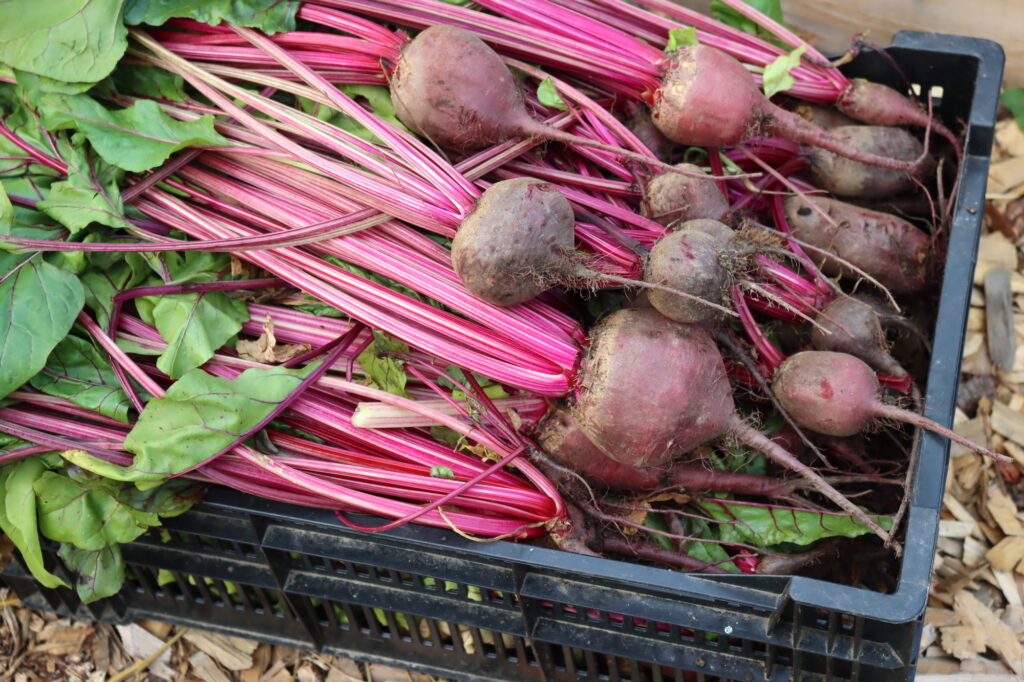
How to Make Pickled Beets
Here’s the basic process: you’ll cook the beets until they’re nearly tender, make a quick hot dill brine, then pack everything into jars. From there you can either refrigerate them for short-term pickles or process the jars in a boiling-water canner for pantry storage.
Preparing the Beets
Start by cooking the beets until they’re nearly tender. You can do this either by boiling them in water or roasting them in the oven, and I choose based on what else is going on in my kitchen. Boiling is straightforward and fast, while roasting tends to concentrate the beet flavor a bit more.
Either way, you’re aiming for beets that are soft enough to slice cleanly, but not so fully cooked that they turn mushy later in the jar. Once they’re cooked, let them cool just enough to handle, slip off their skins, then trim as needed, cut the beets in half, and slice them into 1/4-inch slices so they pack evenly and pickle consistently.
The smallest beets (around 1 to 1 1/2 inches in diameter) can be left whole.
Making the Brine
While the beets are cooling, combine the vinegar, water, sugar, and salt in a nonreactive saucepan. Bring the mixture to a boil, stirring as it heats so the sugar and salt fully dissolve.
As soon as everything is dissolved and the brine reaches a boil, remove the pan from the heat. This is a quick brine, and you don’t need to simmer it for long, you just want it hot and fully mixed so it pours cleanly into the jars.
Preparing Jars and Getting Set Up
If you’re canning the beets, get your boiling-water canner heating while you work so it’s ready when the jars are filled. Wash jars and keep them hot, and have your lids and rings ready.
Since the brine is added hot, I like to work with hot jars so the temperature change is gentler and everything stays in the safe “hot pack” zone. If you’re making refrigerator pickles instead, you can still use clean jars, but you don’t need to keep them hot or have the canner ready.
Packing the Jars
Pack the sliced beets into clean, hot pint jars. You want them snug enough that the jar feels nicely filled, but not so tight that brine can’t move through the slices. At this point, you’ll want about 1 inch headspace with your solids, so that all the brine sits above the beets when you get to the final headspace of 1/2 inch.
Divide the fresh dill weed and dill seed between the jars, tucking the dill in among the beets so it distributes throughout the jar instead of floating as one big clump at the top.
Adding the Hot Brine and Setting Headspace
Pour the hot brine over the beets, making sure the beets are covered, and the liquid level sits about 1/2 inch above the beets. Maintain 1/2 inch headspace at the top of each jar.
Slide a bubble remover or a nonmetal utensil down the sides of the jar to release trapped air, then re-check the headspace and add a little more brine if needed. Wipe the rims clean, apply the lids, and screw on bands to fingertip-tight.
Choosing Your Preservation Method
At this point, you can either refrigerate the jars or process them in a boiling-water canner. For refrigerator pickles, let the jars cool, then cover and refrigerate for up to 3 weeks.
For shelf-stable jars, move on to the canning instructions and process in a boiling-water canner for the full time listed, adjusting for altitude. After processing, let the jars rest briefly in the canner before removing, then cool undisturbed and check seals before storing.
Canning Pickled Beets with Dill
Prepare a boiling-water canner and heat jars. Once the beets are packed and covered with hot brine, make sure you have 1/2 inch headspace, then remove bubbles and adjust the liquid level if needed. Wipe jar rims clean, apply lids, and screw on bands to fingertip tight.
Process pint jars in a boiling-water canner for 30 minutes for both Pints or Quarts.
When processing is complete, turn off the heat, remove the canner lid, and let the jars rest in the hot water for 5 minutes before removing them to cool. Let jars cool undisturbed for 24 hours, check seals, and store sealed jars in a cool, dark place.
If you’re making these as refrigerator pickles instead, let the jars cool, cover, and store in the refrigerator for up to 3 weeks.
Altitude Adjustments
The altitude adjustments for water bath canning Dill Pickled Beets are as follows:
- For Under 1,000 Feet in Elevation – 30 minutes for pints and quarts.
- For 1,001 to 3,000 Feet in Elevation – 35 minutes for pints and quarts.
- For 3,001 to 6,000 Feet in Elevation – 40 minutes for pints and quarts.
- For Above 6,001 Feet in Elevation – 45 minutes for pints and quarts.
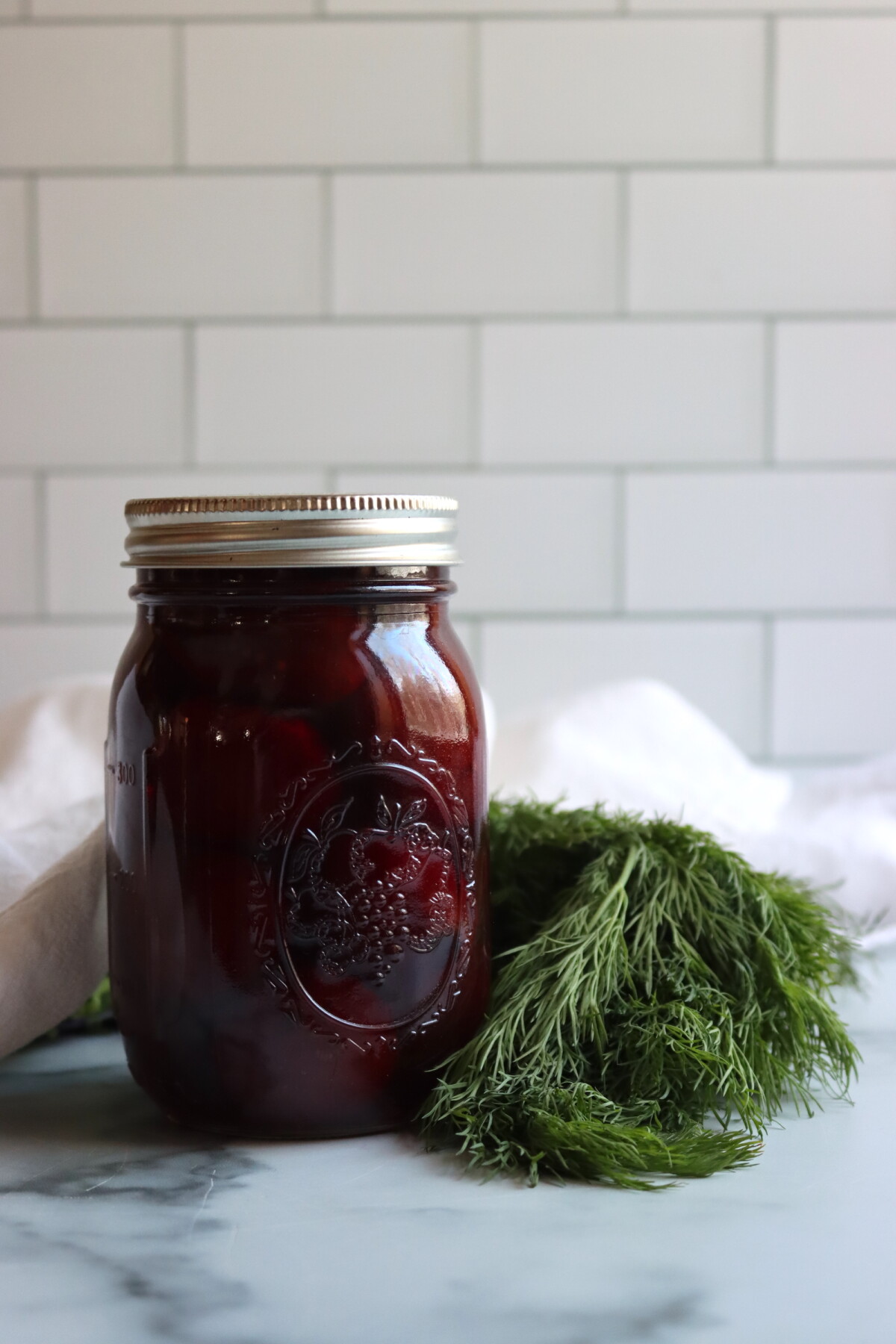
Serving Ideas
These are especially good with anything potato-based, like potato pancakes, hash, roasted potatoes, or potato salad. I also like them chopped into egg salad, tossed into grain bowls, or served alongside richer foods with a spoonful of sour cream or a creamy dressing.
When I want a quick lunch plate, I’ll add a forkful right next to a sandwich or a hard-boiled egg, because the sweet-tangy brine perks up everything else on the plate.
Pickled Beet FAQs
Using both gives the best flavor, but dill seed is the more “classic pickle” note. If I had to pick just one, I’d keep the dill seed.
They’re usually good quickly, but the flavor is best after a few days. For canned jars, I like to give them at least a week to mellow and meld.
Yes. Either method works. Roasting can deepen flavor slightly, but boiling is quicker and keeps cleanup easy.
Vegetable Pickling Recipes
If you tried this Dill Pickled Beets Recipe, or any other recipe on Creative Canning, leave a ⭐ star rating and let me know what you think in the 📝 comments below!
And make sure you stay in touch with me by following on social media!
Dill Pickled Beets
Equipment
Ingredients
- 2 lbs beets
- 1 cup white vinegar, or cider vinegar, 5% acidity
- 1/2 cup water
- 1/2 cup sugar
- 1 1/2 tsp salt
- 1/4 cup fresh dill weed
- 3 tsp dill seed, 1 tsp per pint jar
Instructions
- Cook the beets (boil or roast) until nearly tender. Total timing varies, but is usually 20-30 minutes, depending on the size and age of the beets.
- Cool slightly, then slip the peels off the beets, trim off the stem and root ends.
- Cut the beets in half and slice into 1/4-inch slices. Small beets under 1 1/2 inches in diameter can be left whole.
- Combine the vinegar, water, sugar, and salt in a nonreactive saucepan and bring to a boil, stirring until dissolved, then remove from the heat.
- Pack the prepared beets into clean, hot jars, dividing the dill weed and dill seed among the jars. Leave about 1 inch of headspace above the solids, so you can ensure everything is well covered by the brine.
- Pour the hot brine over the beets, covering them and leaving 1/2 inch final headspace. Remove air bubbles, wipe rims, apply lids, and tighten bands to fingertip tight.
- For waterbath canning, process pint jars in a boiling-water canner for 30 minutes (adjusting for altitude, see notes). Turn off the heat, remove the canner lid, and let jars rest 5 minutes before removing. Cool 24 hours, check seals, and store sealed jars in a cool, dark place for up to 1 year.
- For refrigerator pickles, cool, cover, and refrigerate.
Notes
Altitude Adjustments
The altitude adjustments for water bath canning Dill Pickled Beets are as follows:- For Under 1,000 Feet in Elevation – 30 minutes for pints and quarts.
- For 1,001 to 3,000 Feet in Elevation – 35 minutes for pints and quarts.
- For 3,001 to 6,000 Feet in Elevation – 40 minutes for pints and quarts.
- For Above 6,001 Feet in Elevation – 45 minutes for pints and quarts.
Nutrition
Nutrition information is automatically calculated, so should only be used as an approximation.
Root Vegetable Canning Recipes
Find the perfect recipe
Searching for something else? Enter keywords to find the perfect recipe!