This post may contain affiliate links. Please see our disclosure policy.
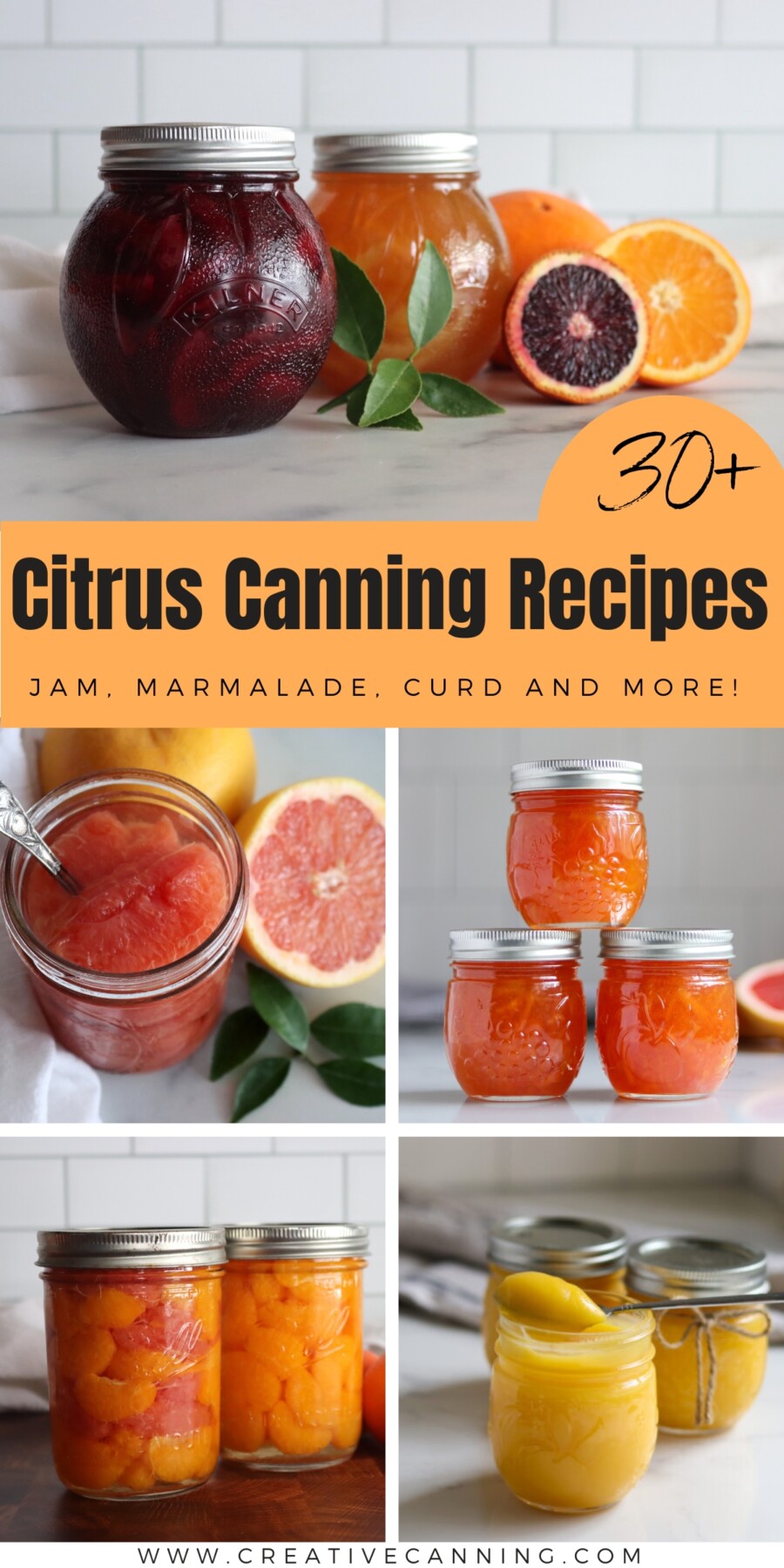
Citrus canning recipes are one of my favorite ways to make winter feel a little less endless. When the days are cold and the garden is sleeping, jars of bright lemony curd, sunny marmalade, or tender orange sections in syrup taste like you cheated the season.
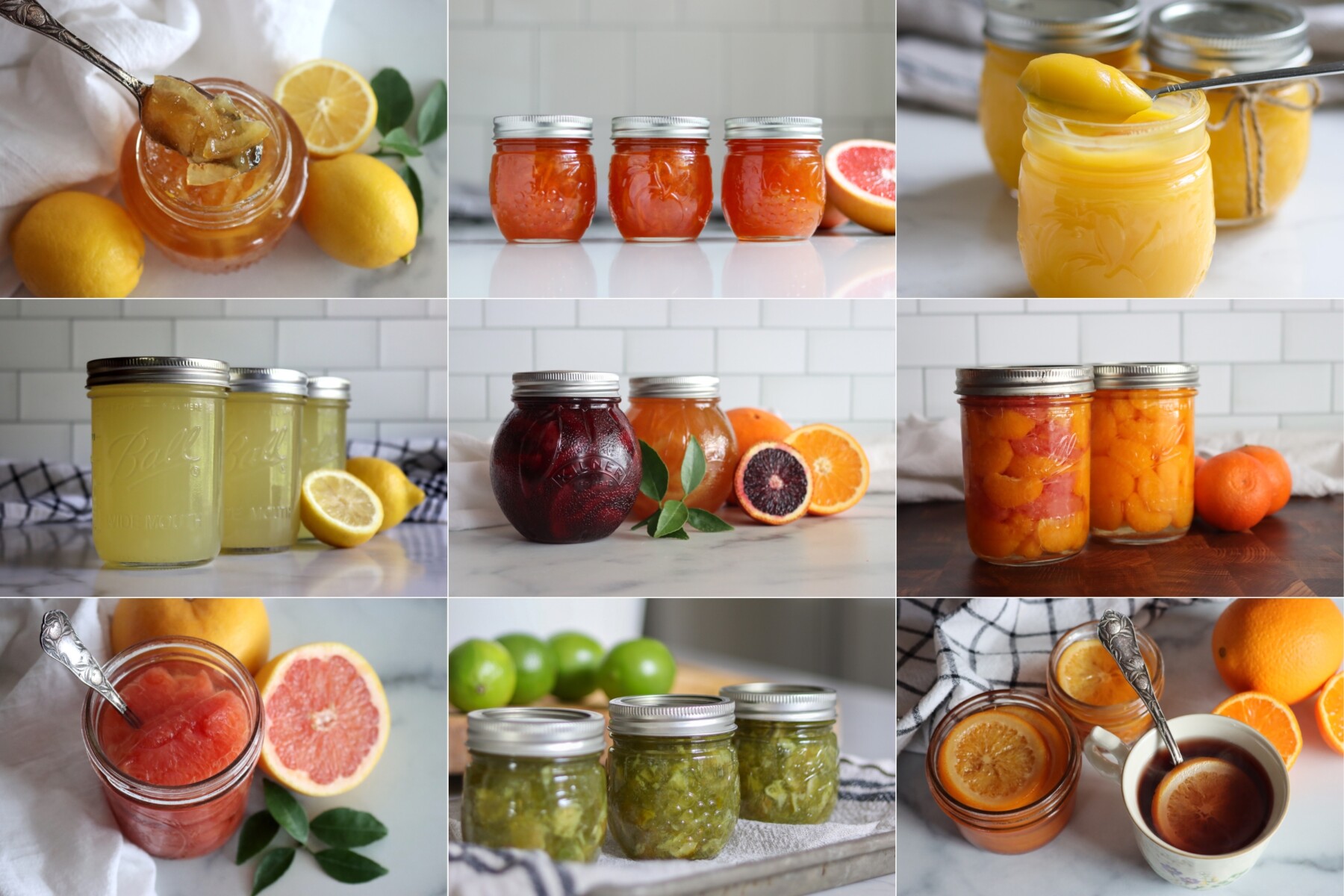
Even though citrus isn’t exactly a New England orchard crop, it’s still one of the most useful “winter fruits” for home preserving. This is the season when grocery store citrus is at its best, and if you’ve ever come home with a box of oranges or a bag of lemons that was too good a deal to pass up, you already know how quickly it can pile up on the counter.
Today, we can buy lemons and oranges year-round, but that’s a pretty modern convenience. In the past, citrus was more seasonal and more precious, and people preserved it in ways that made the most of every part of the fruit, including the peel.
Here in Vermont, many of the local food coops were originally started as citrus buying groups a hundred years ago. Families would come together to order citrus by the case from down south, and then work together in the winter months to preserve it.
That’s why citrus canning recipes have such a timeless feel. Marmalades, jellies, drink concentrates, and even savory chutneys aren’t just tasty, they’re practical ways to keep bright, fresh flavor on hand long after the last of the winter fruit is gone.
Citrus Sections in Syrup (or Juice)
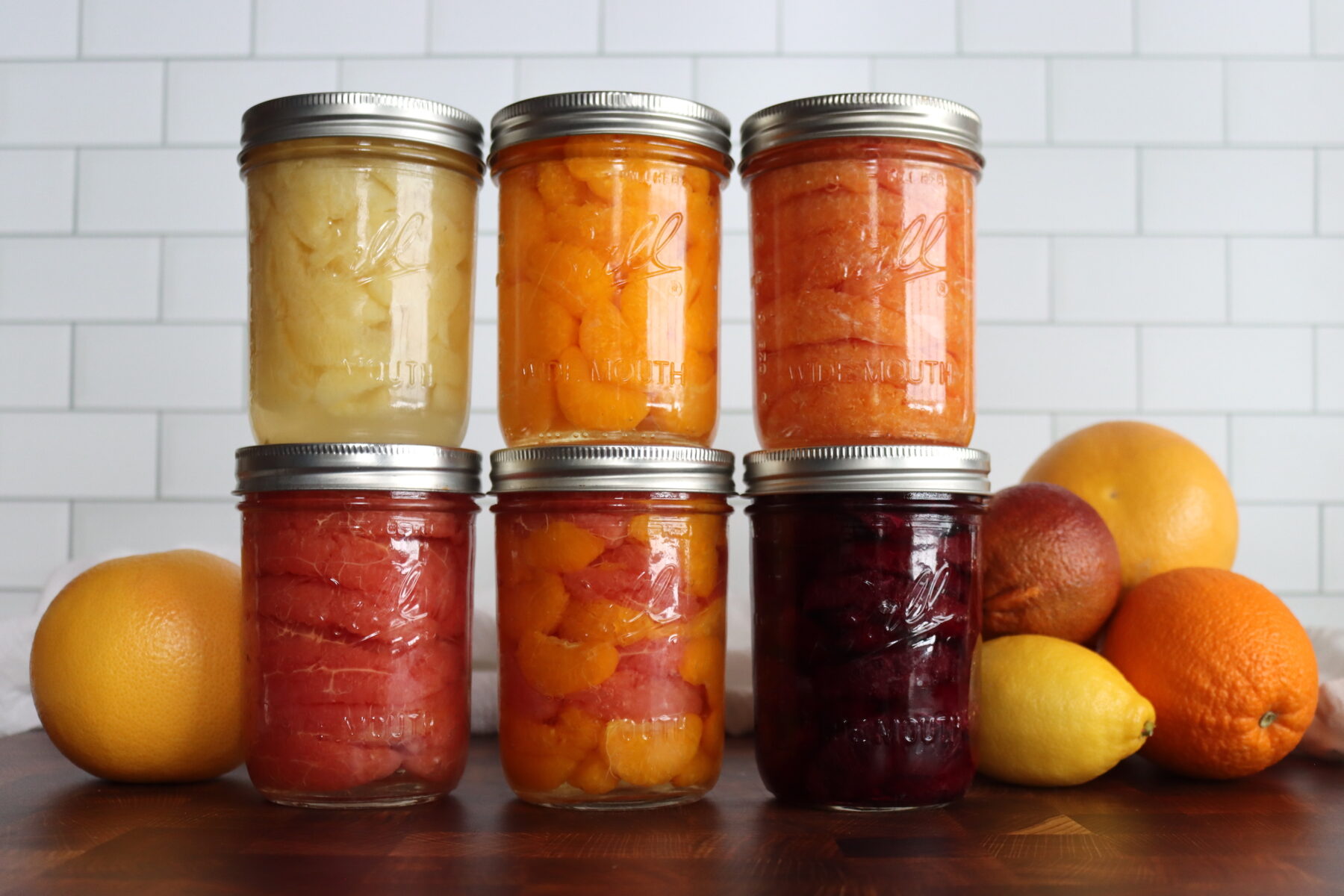
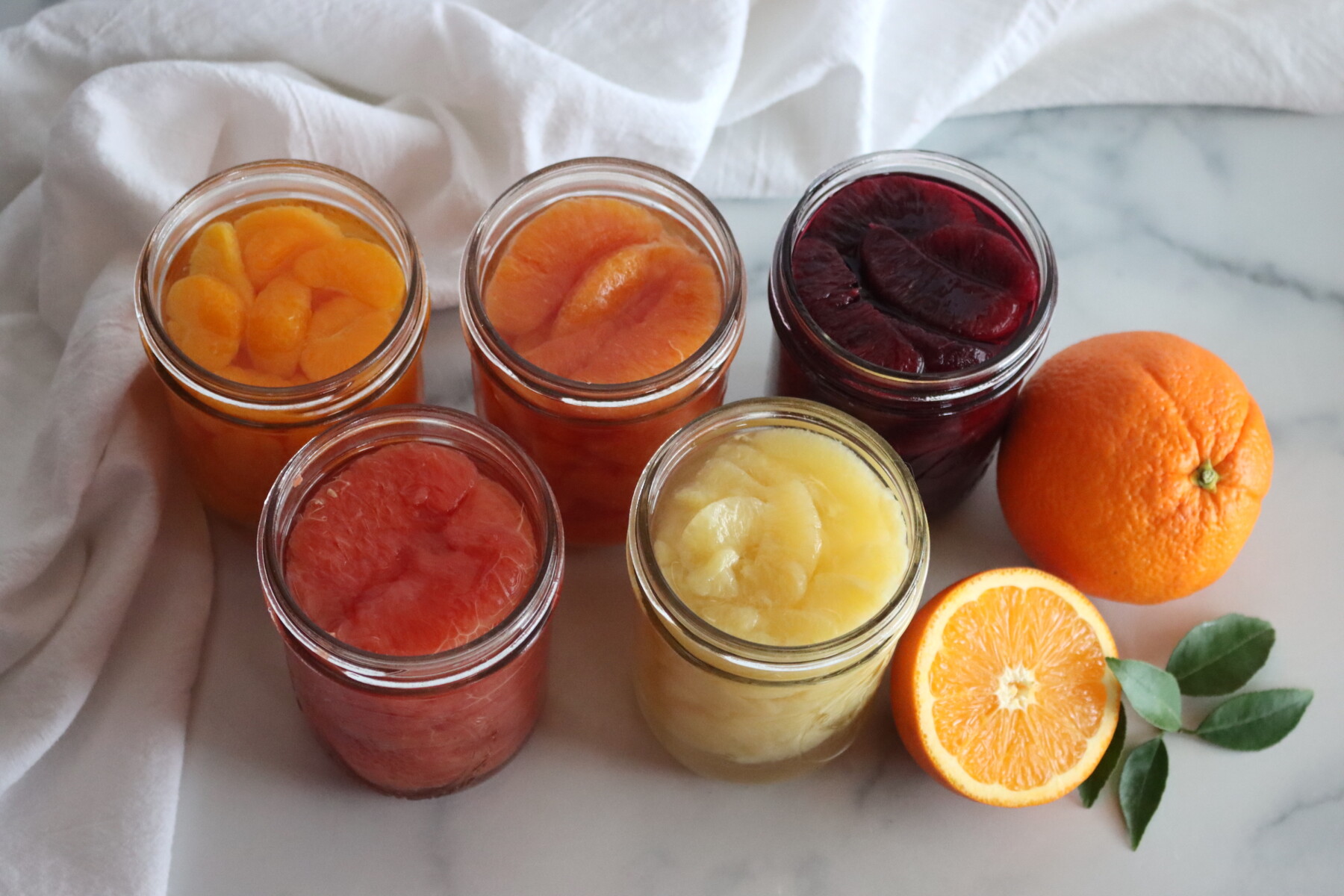
If you’ve ever wished you could keep oranges or grapefruit on hand for quick desserts, salads, or snack plates, canning citrus sections is the answer. The key is removing the white pith (that’s where bitterness hides) and packing the fruit with hot syrup or juice for a clean, bright finished jar.
You can use a few drops of Pectic Enzyme to dissolve the pith before canning, and it makes a world of difference.
These jars are simple, classic pantry staples and especially useful if you like building quick “something special” desserts without baking. Think spooned over yogurt, layered into parfaits, or served alongside cake with a little whipped cream.
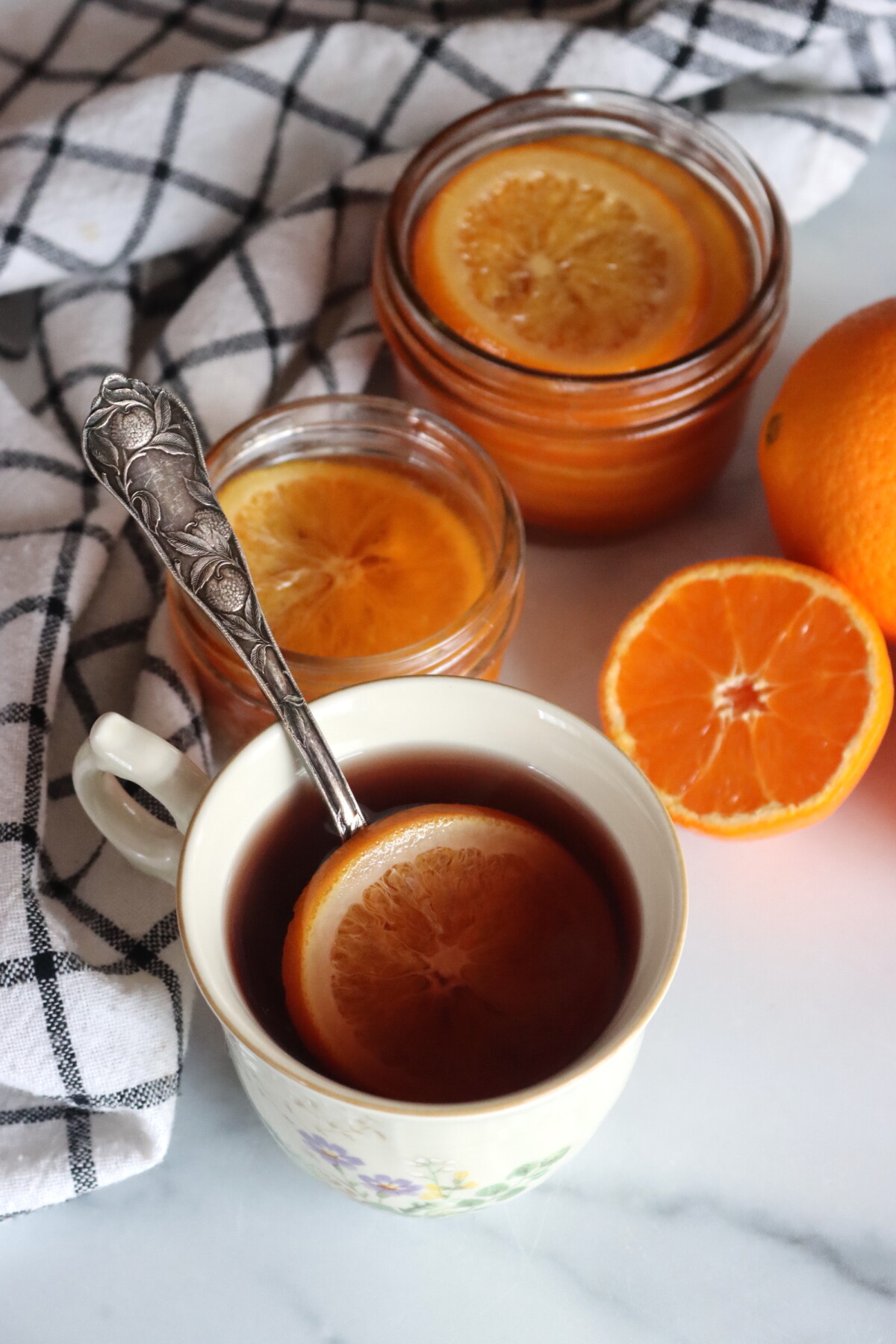
Canning Citrus Slices in Syrup
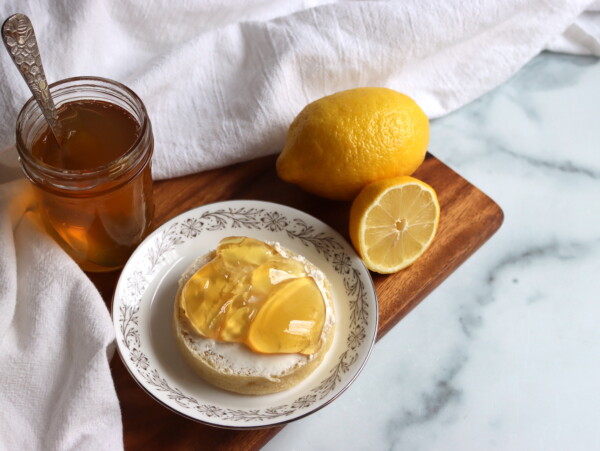
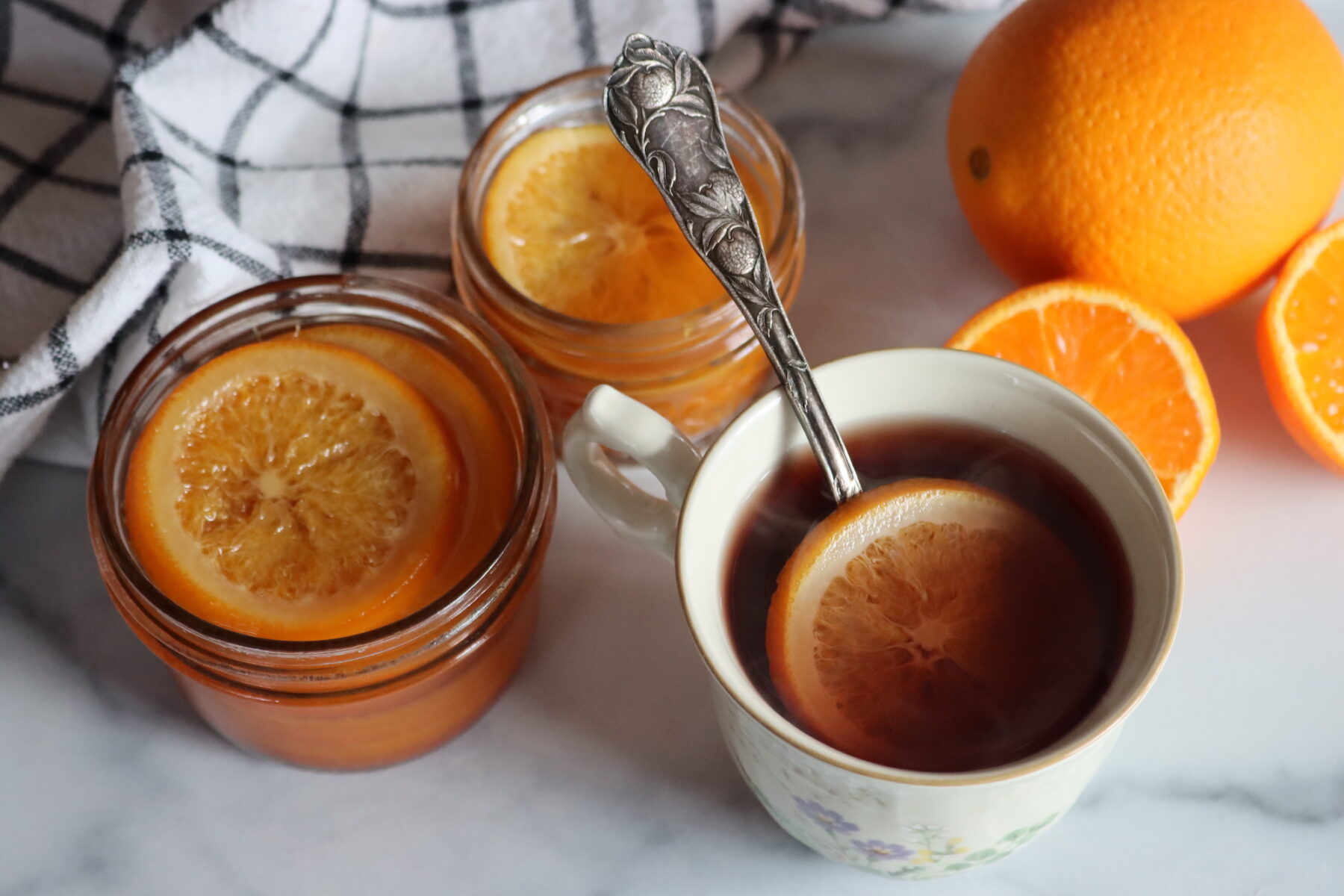
Whole slices of citrus can be put up in syrup with the peel, creating candied citrus slices. Ball canning has a tested recipe using orange slices in honey syrup, but you can do it with any type of acidic, low pith citrus fruit.
It works exceptionally well with meyer lemon slices (and regular lemon slices).
The honey is optional, and though it adds great flavor, you can get a cleaner citrus flavor if you use plain cane sugar instead.
No matter what you use, they’re delicious right out of the jar, added as a toping for cakes or dropped into your afternoon cup of tea.
Citrus Marmalade
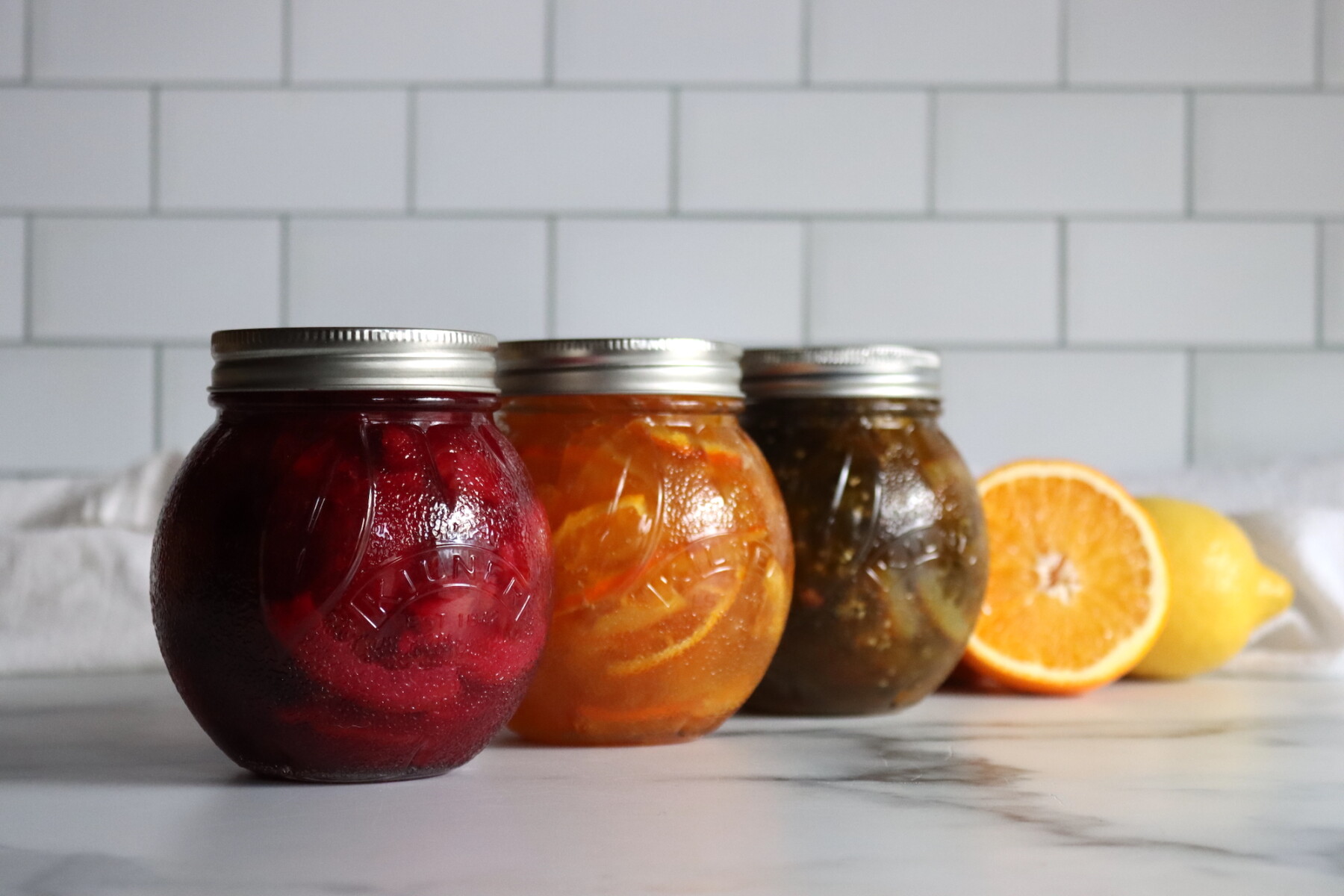
Marmalade is the ultimate citrus preserve: sweet, tangy, and just bitter enough to taste interesting. It’s also one of the best ways to use the whole fruit, peel and all, which means maximum flavor and that signature marmalade “bite.”
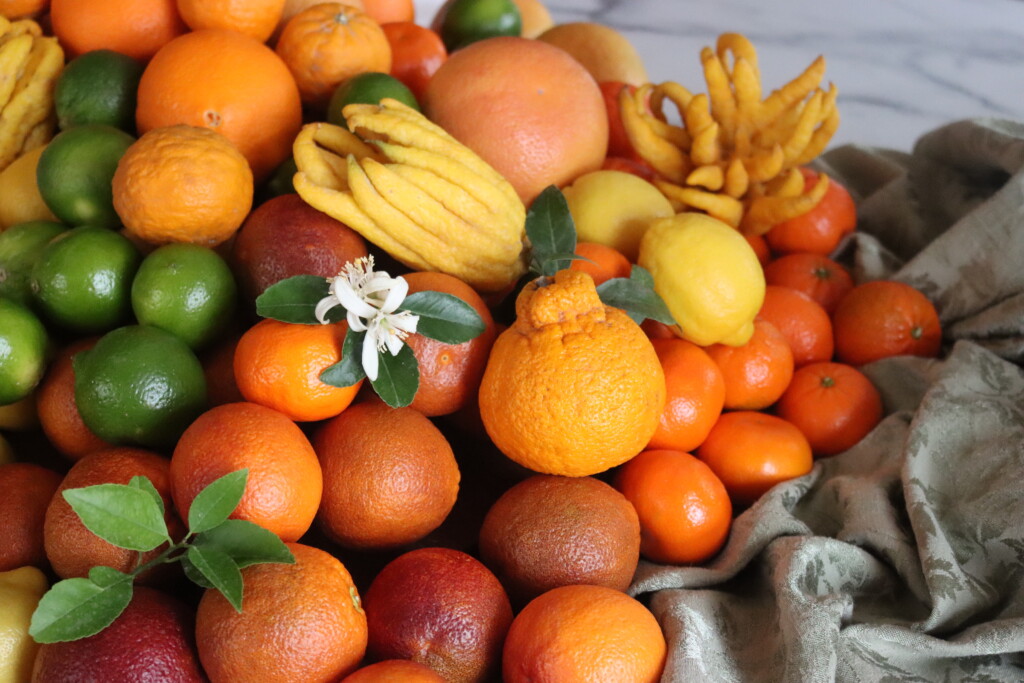
Classic orange marmalade is the gateway, but once you have the method down, you can branch out into lemon, lime, kumquat, grapefruit, and even show-stopper citrus like Buddha’s hand.
- How to Make Marmalade (With Any Citrus)
- Orange Marmalade
- Low-Sugar Orange Marmalade
- Blood Orange Marmalade
- Meyer Lemon Marmalade
- Lemon Marmalade
- Lime Marmalade
- Kumquat Marmalade
- Grapefruit Marmalade
- Buddha’s Hand Marmalade
- Three Citrus Marmalade
- Orange Flower and Pistachio Marmalade
- Seville Orange Marmalade
- Orange Chili Marmalade
Citrus & Mixed Fruit Marmalade
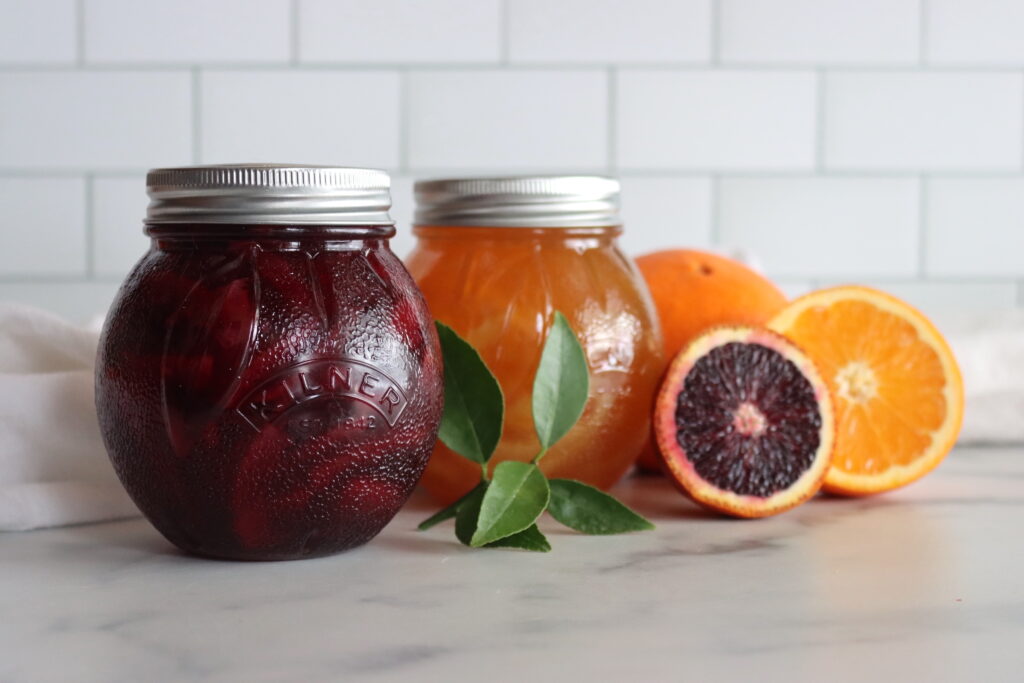
While straight citrus marmalades are classic and time tested, you can also mix rich citrus flavor with other fruits and still keep that classic marmalade bite with added pieces of citrus peel.
The pectin in citrus goes a long way to setting these mixed fruit marmalades, and you get a whole world of new possibilities mixing in fruits like blueberry, cranberry, strawberry, apple and more!
- Peach-Orange Marmalade
- Cranberry Marmalade
- Apple Marmalade
- Strawberry Lemon Marmalade
- Blueberry Marmalade
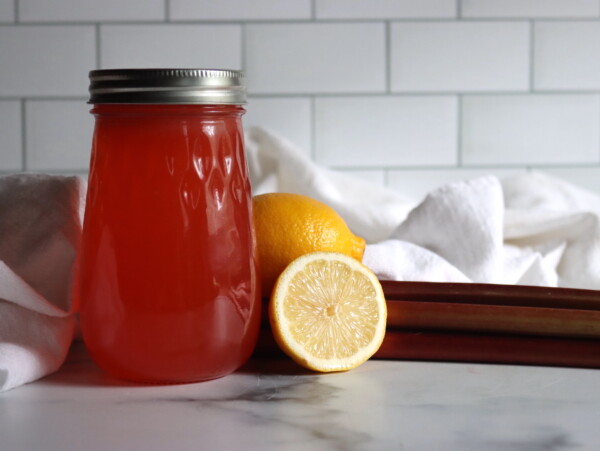
- Rhubarb Marmalade
Citrus Jellies & Jams
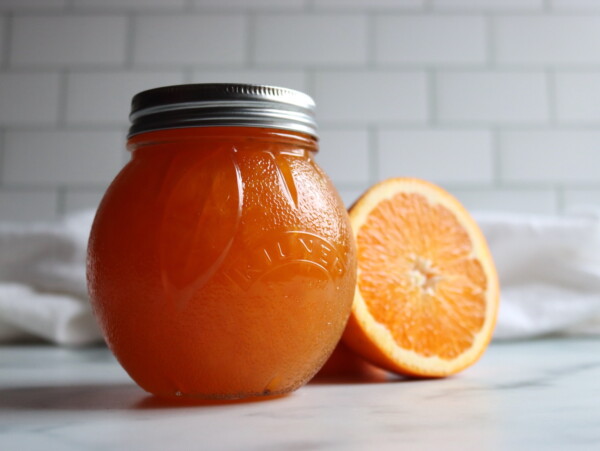
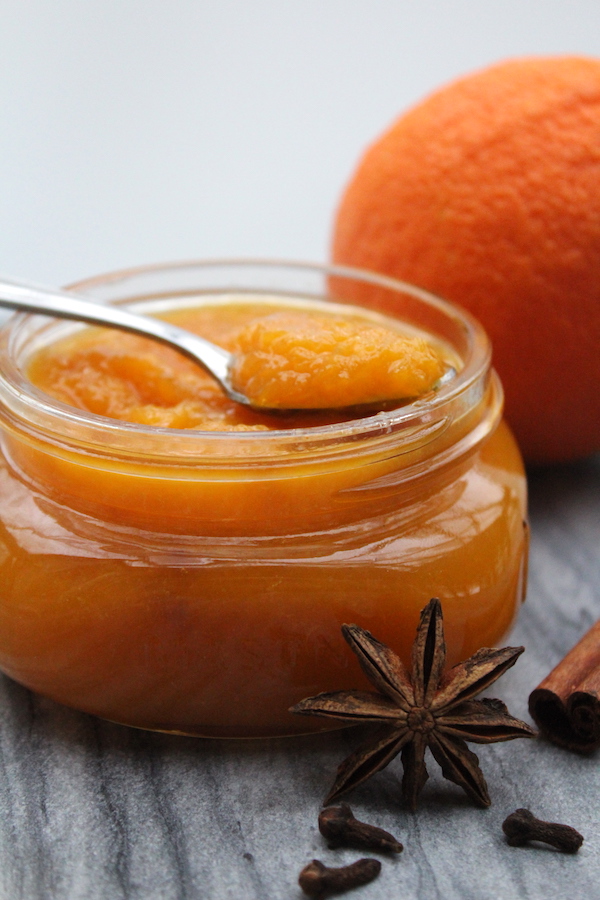
Citrus jelly is pure sunshine in a jar, and it’s a nice alternative if you love citrus flavor but don’t love peel. Orange jelly is the classic, and it’s especially convenient because some tested versions use frozen concentrate, which means you can make it even when you’re not swimming in fresh fruit.
These are also great “gift-able” preserves: clear, bright, and familiar, with lots of room to play (spiced versions are especially cozy in winter).
- Spiced Orange Jam
- Orange Jelly (NCHFP)
- Orange Jelly (NCHFP, frozen concentrate version)
- Orange Jelly (Ball)
- Orange Plum Jam
- Rhubarb Orange Jam
Lemon (and Lime) Curd
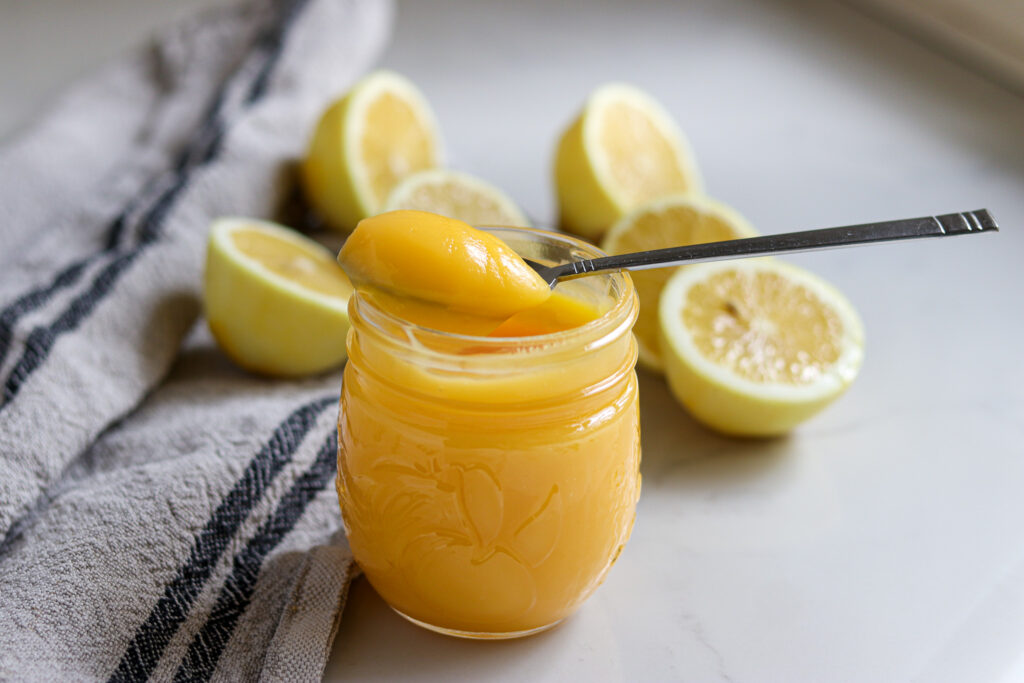
If marmalade is a toast-and-tea preserve, citrus curd is the “special occasion” jar. It’s rich, silky, and intensely lemony, and it turns plain yogurt or a simple tart shell into dessert with almost no effort.
This category has one important quirk: tested, shelf-stable canned lemon curd is meant for shorter storage than most canned goods (quality changes show up sooner). I treat it as a “use it this season” preserve rather than a one-year pantry staple.
If you want to branch out, some extension programs also publish tested variations (like lemon-lime), which is a nice option if you’re drowning in limes.
Citrus Drink Concentrates
If you like the idea of “instant homemade” on busy days, citrus drink concentrates are hard to beat. They’re basically pantry-ready sunshine: pop a jar, add water, and you’ve got lemonade (or limeade) without hauling out a juicer.
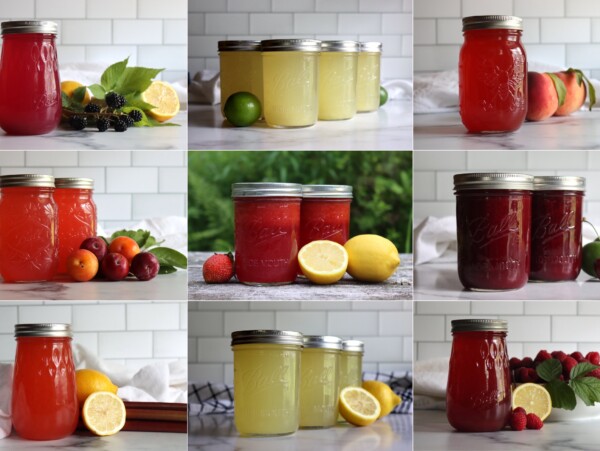
Once you start making these, it’s really easy to build a whole little collection, including classic lemonade, limeade, and fruit-citrus blends that taste like summer even when it’s snowing.
- Lemonade (& Lemonade Concentrate)
- Limeade (& Limeade Concentrate)
- Strawberry Lemonade Concentrate
- Blueberry Lemonade Concentrate
- Watermelon Lemonade Concentrate
- Plum Lemonade Concentrate
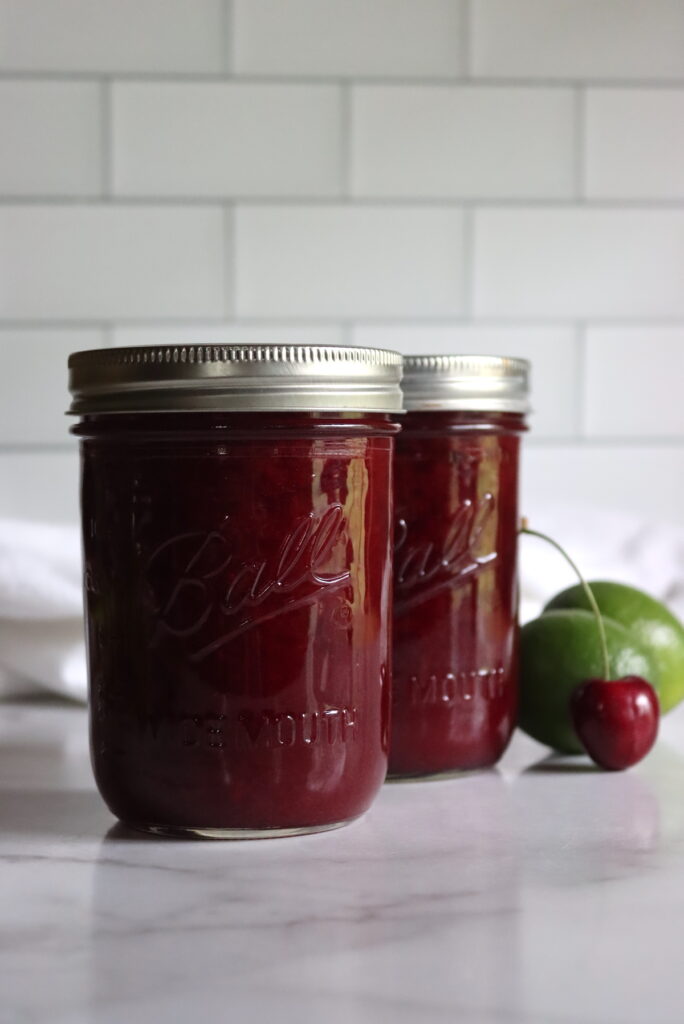
- Cherry Limeade Concentrate
- Canning Orange Juice
Citrus Dessert Sauces & Toppers
Not every citrus preserve needs to be a toast-topper. Some of the best ones are the jars you crack open specifically for desserts, spooned over ice cream, drizzled on cheesecake, or used to dress up a simple pound cake.
These recipes tend to be fruit-forward and bright, and they’re a great way to use up a pile of mandarins or clementines when you accidentally buy “just a few” and come home with a whole crate.
- Sunshine Citrus Dessert Sauce (Bernardin)
- Oranges in Cointreau (Bernardin)
- Cranberry Orange Sauce
- Orange Slices in Honey Syrup
Citrus Pickles
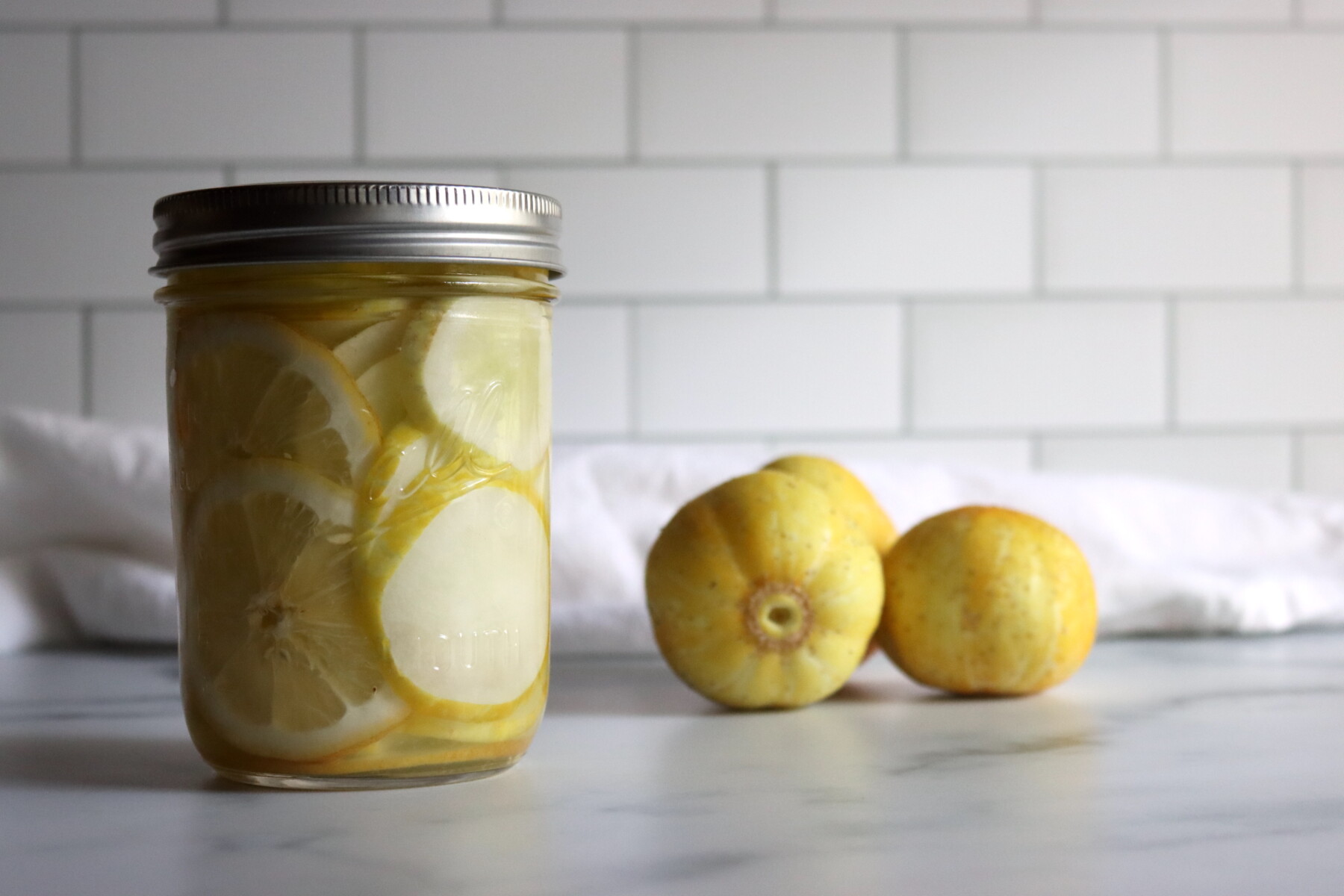
Citrus shows up in pickles in a different way: not as the “main fruit,” but as the bright, zippy acid that changes the whole flavor. Lemon juice in particular makes pickles taste lighter and less harsh than straight vinegar.
If you like sweet-tart condiments (the kind that belong on a cheese board or next to rich meats), this is a fun category to keep on hand.
- Cucumber Lemon Pickles (Bernardin)
- Lime Pickle (Bernardin)
- Pickled Beets with Fennel Seed and Orange
Citrus Chutneys
Chutney is where citrus really shines in savory form. The sweetness, acidity, and aromatics play beautifully with warm spices, onions, and vinegar, giving you something that feels at home next to roast pork, turkey sandwiches, or a cheese board.
Citrus works beautifully here because it brings bitterness and brightness that keeps the chutney from feeling flat. Some versions lean strongly lemon (almost marmalade-like), while others use orange as the supporting note that ties everything together.
- Cranberry Orange Chutney (NCHFP)
- Orange Rhubarb Chutney (Bernardin)
- Lemon Peach Turmeric Chutney (Ball)
Citrus canning recipes are some of the most satisfying jars to have on the shelf because they actually get used. A spoonful of marmalade makes a plain breakfast feel special, lemonade concentrate turns into a quick treat in minutes, and canned sections give you an easy way to brighten desserts and salads when fresh fruit options are limited.
Once you’ve stocked a few of these basics, citrus stops being a “seasonal impulse buy” and starts feeling like one of the easiest ways to keep real, fresh flavor in the pantry all winter long.
Creative Canning Recipe Lists
If you’re stocking the pantry and want more tested canning inspiration by ingredient or project type, these roundups are a good next stop.