This post may contain affiliate links. Please see our disclosure policy.
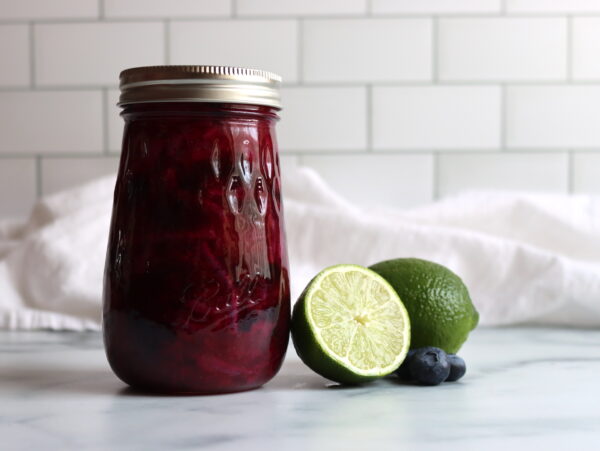
Blueberry canning recipes turn a heavy summer harvest into a pantry shelf you can eat from all winter, without giving up a single inch of freezer space.
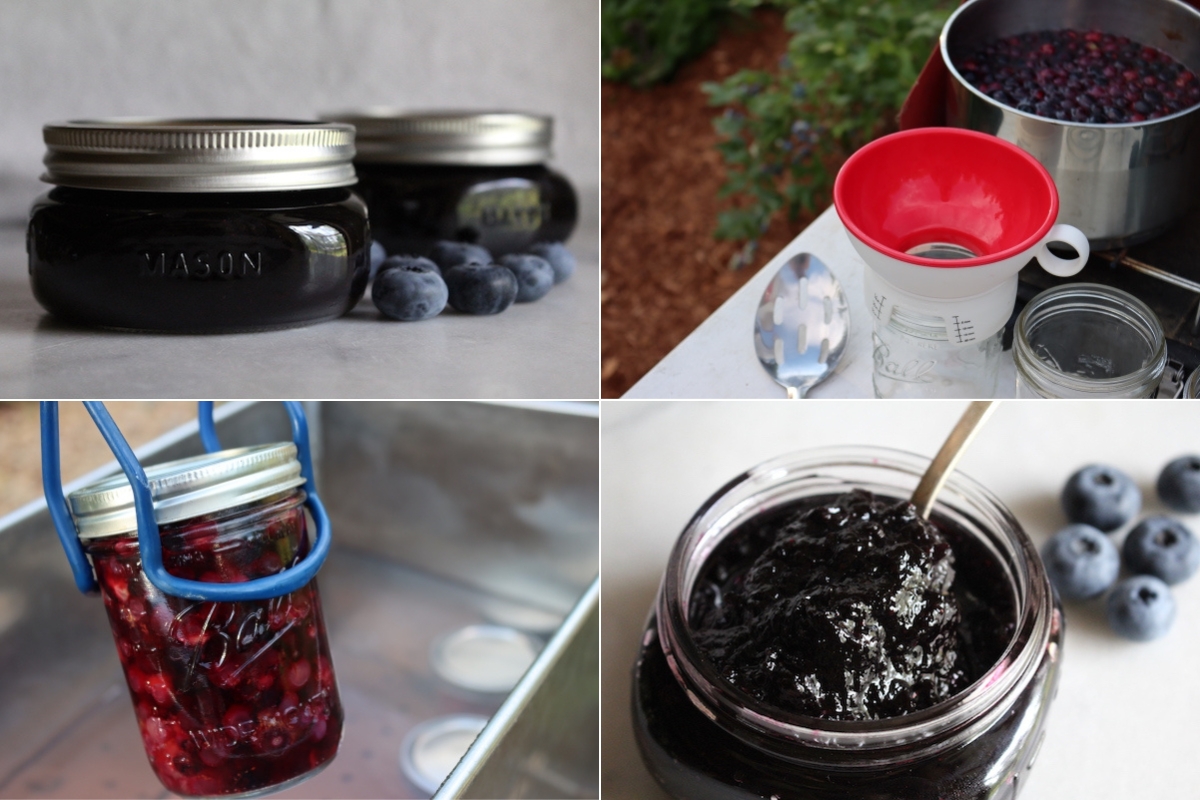
Table of Contents
- Blueberry Canning Recipes
- Canning Plain Blueberries
- Blueberry Pie Filling
- Blueberry Jam
- Blueberry Marmalade
- Blueberry Jelly
- Blueberry Sauce and Applesauce
- Blueberry Butter
- Blueberry Juice and Drinks
- Blueberry Syrup
- Pickled Blueberries
- Blueberry Chutney
- Other Ways to Preserve Blueberries
- Blueberry Canning Questions
- More Berry Canning Recipes
Don’t get me wrong, I love frozen blueberries. They’re good right out of the freezer, and I’ll pop those little icy berries in my mouth for a treat. They’re even better in cereal, still frozen. The milk flash-freezes to the outside and makes a creamy blueberry nugget right in your bowl.
The thing is, you only have so much freezer space.
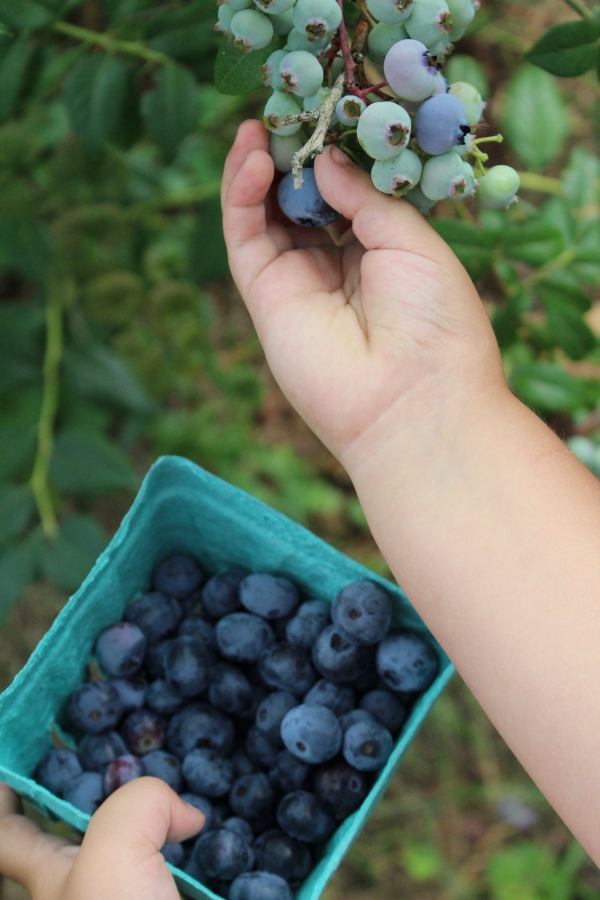
At this point, we have around 30 full-sized blueberry bushes on our homestead. There’s no way all of that is going into the freezer. I freeze just enough for treats, and the rest has to go onto the pantry shelf one way or another. Canning is how the bulk of our crop gets put up. It means a jar is within reach in February, when the bushes are bare sticks under the snow.
Blueberry pie filling is the one we go through fastest, but there are far more blueberry canning recipes than most people ever try. There are marmalades, sauces, butters, syrups, and even pickled blueberries.
If you’re working through a bigger berry patch this season, the fruit canning recipes collection covers the rest of the harvest too.
Blueberry Canning Recipes
Blueberries are one of the simplest fruits to put up. They’re acidic enough on their own that every recipe below can be processed in a water bath canner. You don’t need a pressure canner for any of it. They also hold their shape and color better than most soft fruit.
I’ve grouped these by what you’re making. Work down the list as your harvest comes in, or jump straight to the one you already have jars waiting for.
Canning Plain Blueberries
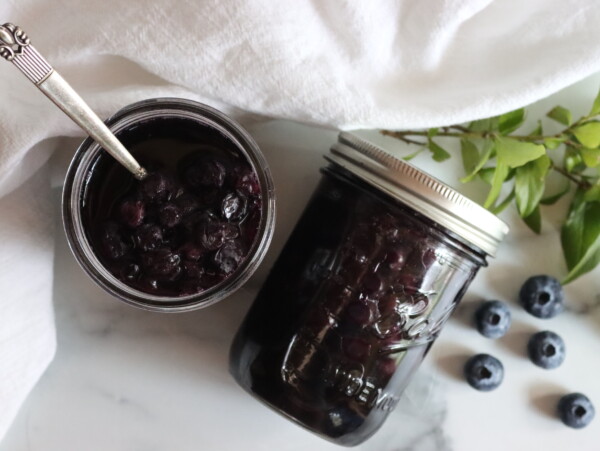
Plain canned blueberries are so useful to have on the pantry shelf. I spoon them straight out of the jar onto pancakes, into oatmeal, or over yogurt. Later in the winter, I can make a quick batch of blueberry muffins straight from the pantry and my kids love drinking the strained juice from the jars.
You can pack them hot or raw, in water, in juice, or in a light syrup. The syrup isn’t about sweetness. It’s there for texture and color, and berries packed in a light syrup hold up better through a long winter than ones packed in plain water. Either way, the processing time is short, since the fruit is acidic enough for a water bath on its own.
Blueberry Pie Filling
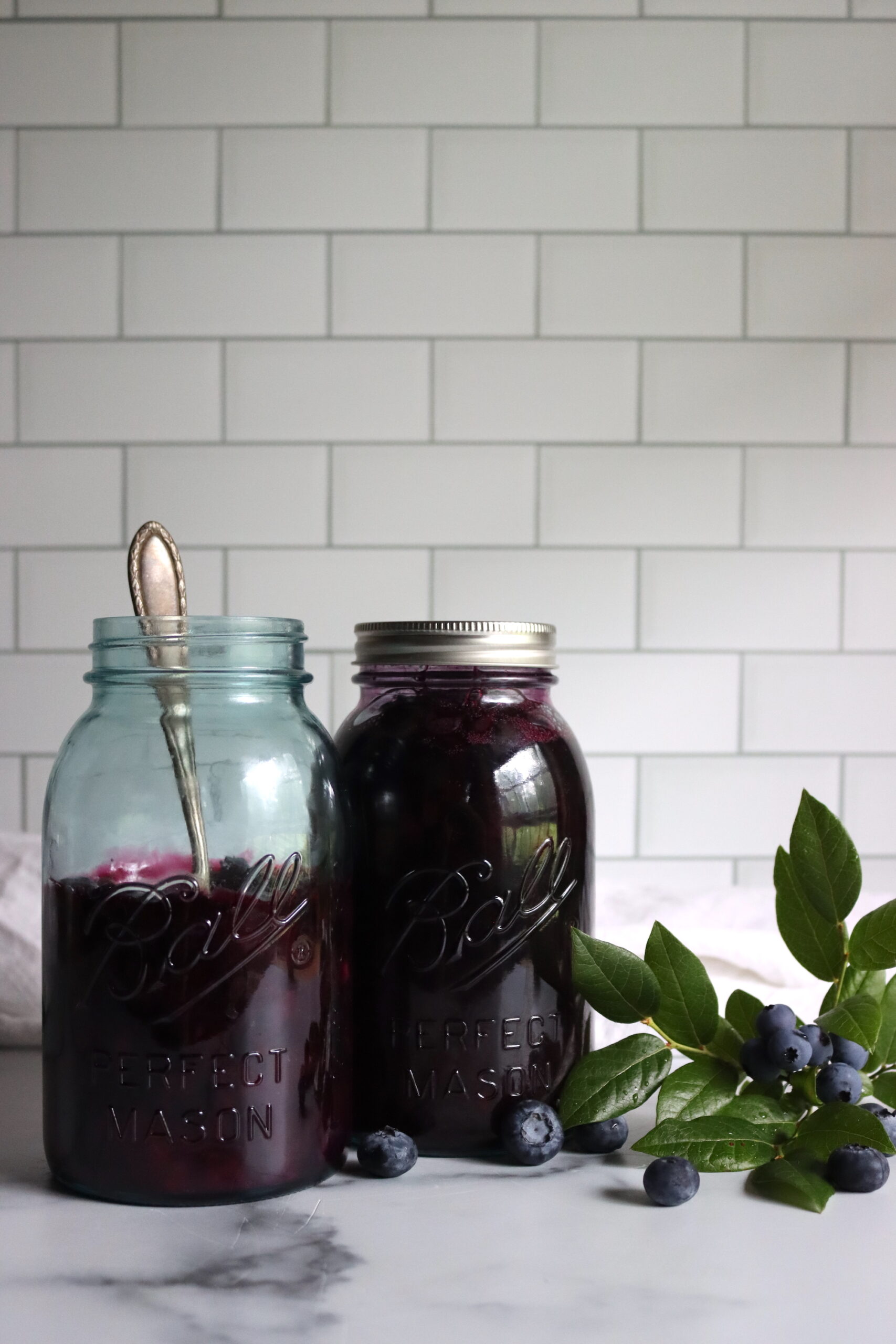
Blueberry pie filling is the jar we go through fastest. Canning it ahead turns a pie into about twenty minutes of work instead of an afternoon. With a crust in the freezer, dessert comes together while dinner’s still on the table. It’s thick enough to use as a cheesecake topping or over ice cream, so the jars don’t only get opened for pie.
This is the one place on the whole page where your thickener matters. Use ClearJel, which is the only starch tested to hold up through canning and long storage. Flour, cornstarch, and instant tapioca either break down or slow heat penetration in the jar. Stir them in at serving time instead, if you want them.
The rest of the canned pie filling recipes follow the same rule.
Blueberry Jam
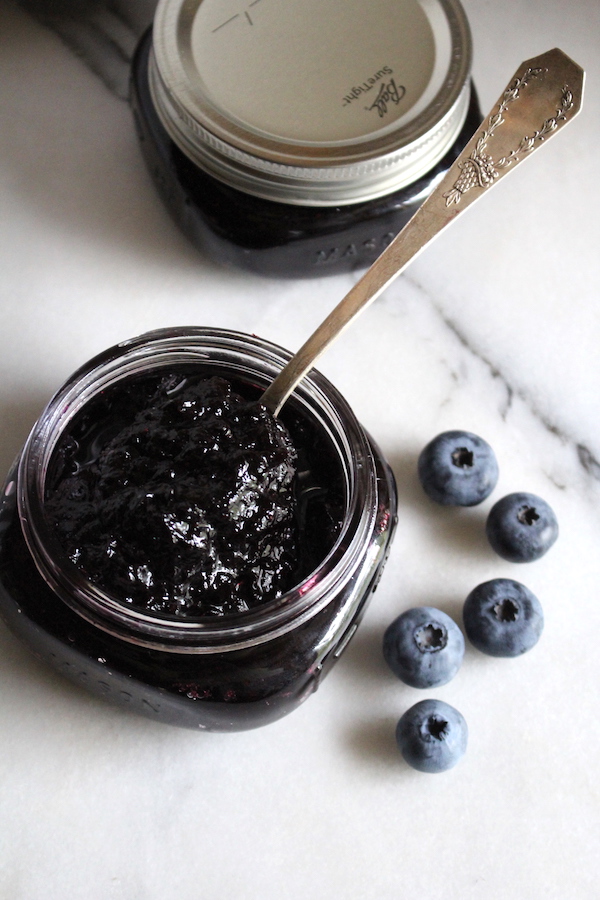
Jam is where most people start, and blueberries are perfect for a quick three-ingredient old-fashioned berry jam. Blueberries are low in pectin, but you don’t need to add any. You just cook the jam down longer than a pectin recipe and watch for the sheeting stage. The lemon is mostly in there for flavor, though it does help the set, and you can leave it out if you’d rather.
Added pectin will let you get away with a shorter cook time and gives you a brighter color, a set you can count on, and a higher yield, but often in exchange for less concentrated flavor. Neither way is safer than the other, so it comes down to whether you’d rather stand over the pot to cook it down or you’re ok spending a few extra dollars on pectin.
One thing holds either way: don’t scale a batch much past 8 cups of fruit. Big batches don’t heat evenly and often won’t gel. The wider jam canning recipes collection has both styles for just about every type of fruit, so it’s a good place to start if you’re new to jamming.
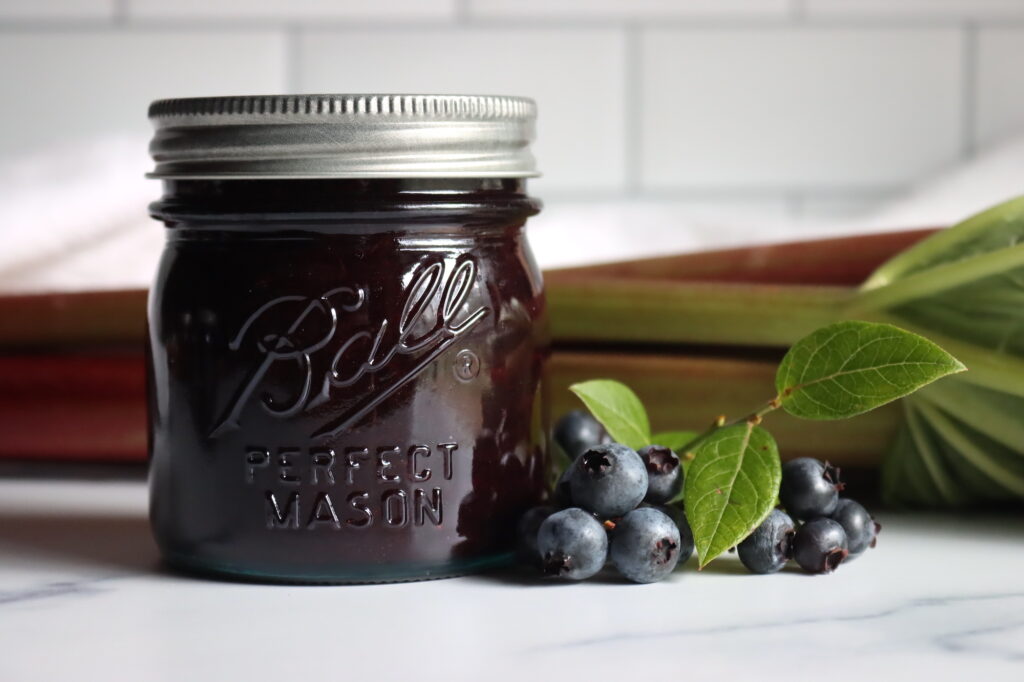
Blueberry takes to other fruit without losing itself. I make the mixed jams a few jars at a time rather than a full batch.
They’re how I use up whatever odd amount of rhubarb, peaches, or limes is on the counter, or a bag that’s been in the freezer since last summer.
Blueberry Marmalade
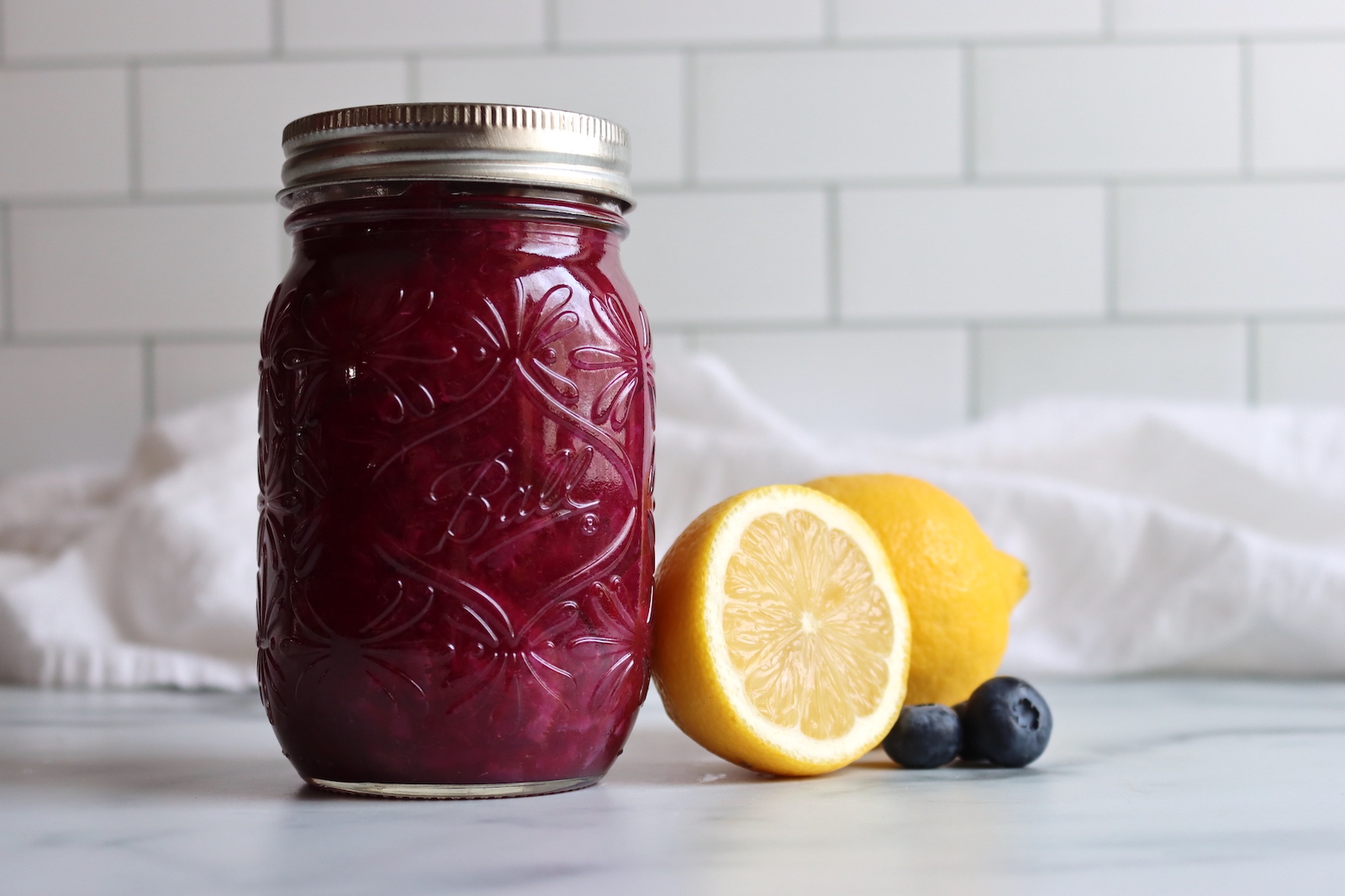
A marmalade includes thin ribbons of peel suspended right through the jar, and that’s what separates it from a jam with citrus stirred in. The peel brings a faint bitterness that balances with the sweetness of the preserve. Blueberries pair well with it because their flavor is deep rather than sharp, so it sits underneath the citrus flavor and they complement each other nicely.
Both of these take a bit longer to make than a jam or jelly, and it’s the peel that needs the time to soften and release natural pectin. That’s the one step I’d tell you to be patient about. It’s the difference between tender ribbons and chewy ones.
Blueberry Jelly
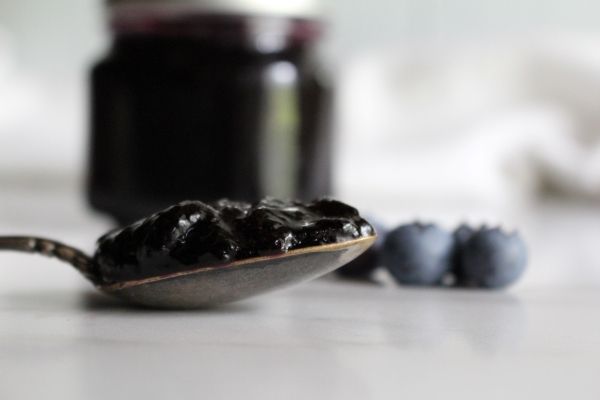
Jelly is the smooth version of jam, made from strained fruit juice and pectin with no pulp at all, and it’s how my kids prefer their preserves. What ends up in the jar is clear and spreadable, with no skins or seeds. You give up some yield compared to jam. But blueberry jelly on toast is a different thing from blueberry jam on toast, and I keep both.
Let your juice drip on its own instead of squeezing the bag. Pressing pushes fine sediment through and clouds the finished jelly, so an overnight drip is what I’d do. If you want to try this with other fruit, the jelly canning recipes collection runs through the rest.
Blueberry Sauce and Applesauce
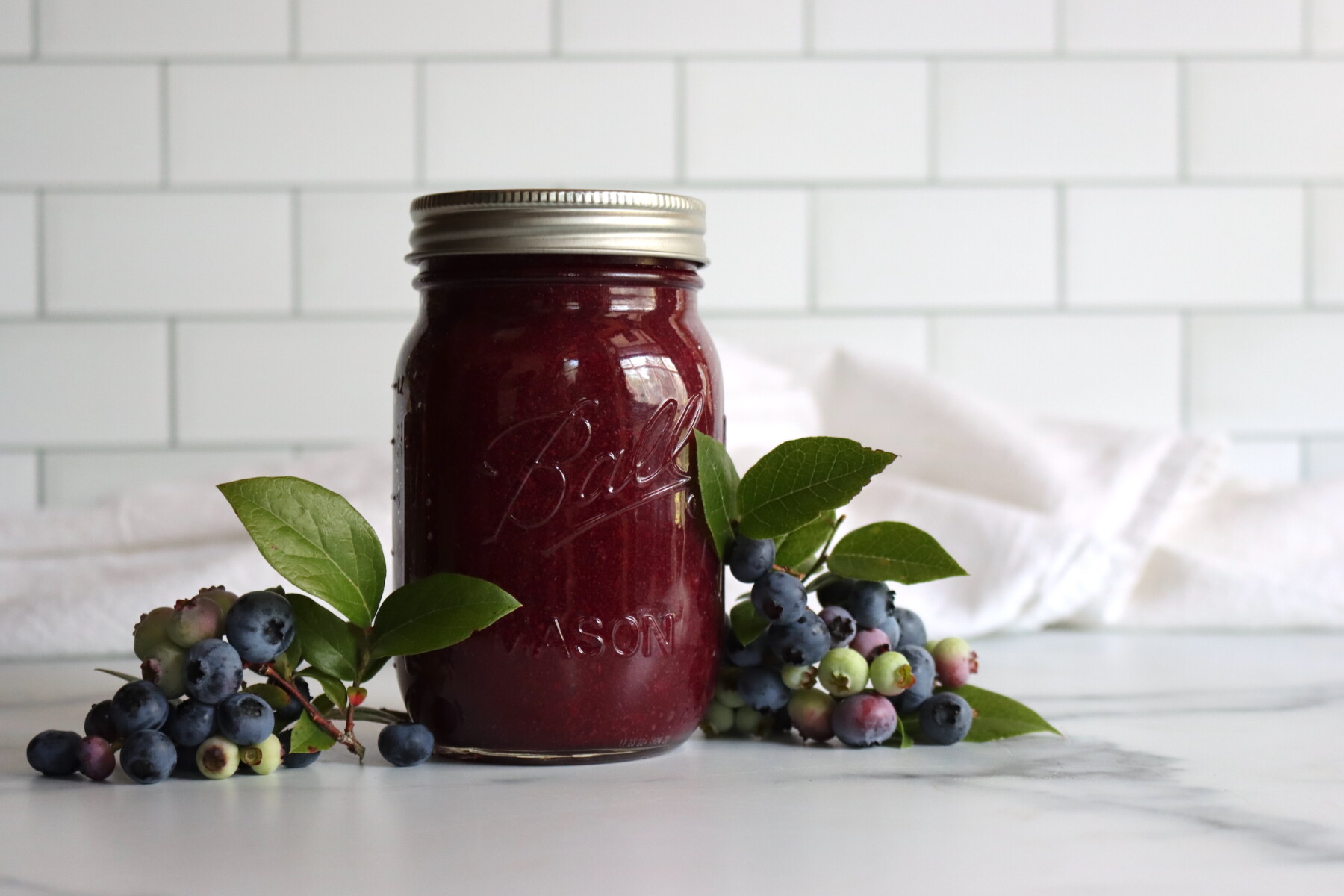
Sauce is kind of a catch-all here, with compotes, dessert sauces, and applesauce. It goes over pancakes, ice cream, cheesecake, and pork, and in the case of applesauce, can be eaten right out of a bowl on its own. It takes less sugar than jam, because it never has to set.
Don’t thicken your sauce with starch before you can it. Thickeners slow heat penetration in the jar, and the tested recipes are written for a thin pack for that reason. Want it thicker? Cook it down further to concentrate the flavor.
Blueberry Butter
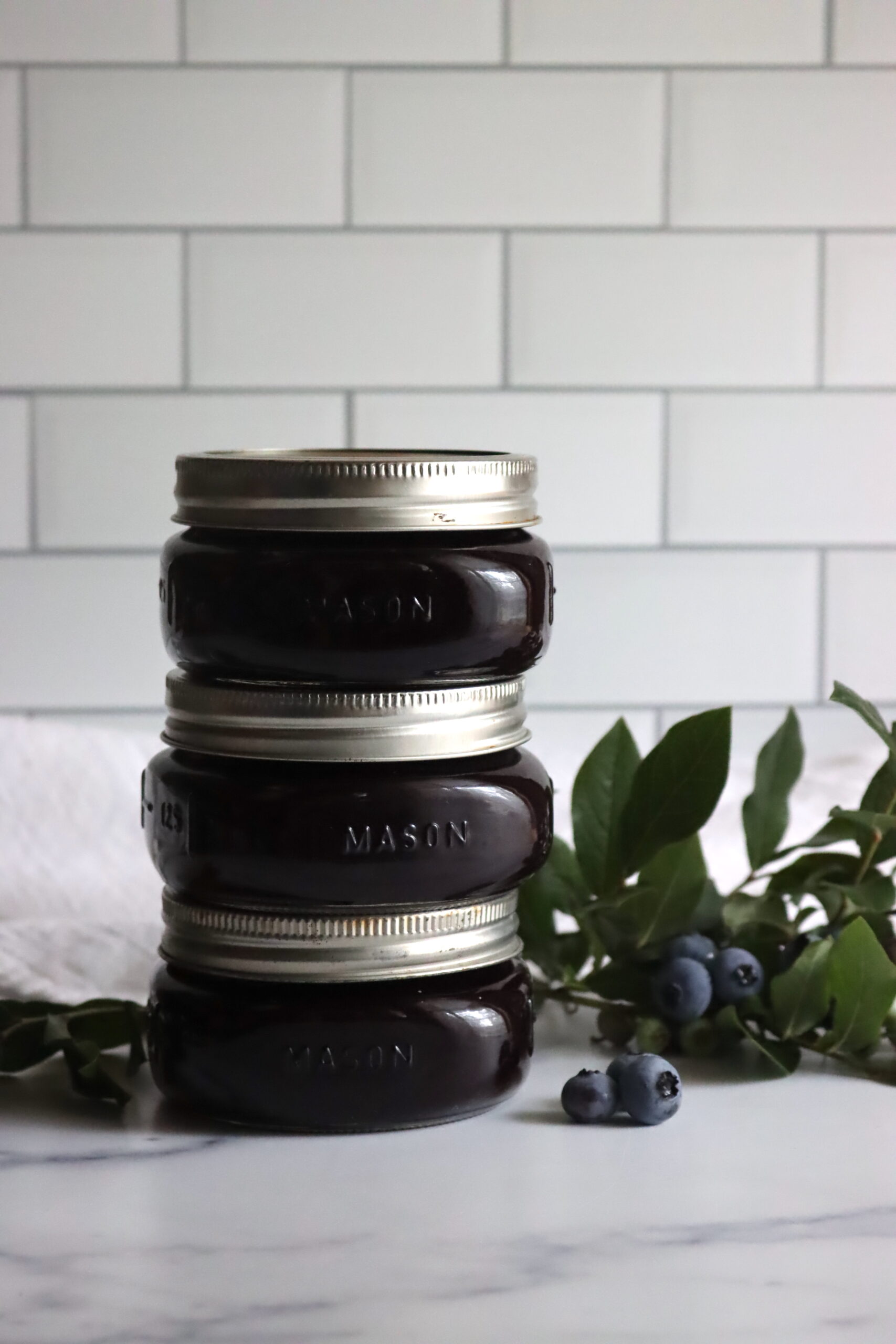
Fruit butter is fruit cooked down slowly until the water’s gone and what’s left is thick, dark, and spreadable. There’s no butter in it. Apple butter is the one everybody knows, and blueberry butter is worth making for the same reasons. It’s smooth, it keeps well, and it’s very good on a biscuit.
Butters take longer than anything else here. Usually a few hours of low heat and regular stirring, which is why I do mine in a slow cooker. It’s also what I do with berries that are a little overripe or bruised, since it all gets cooked to a puree anyway.
It also works really well with frozen fruit. Frozen berries have less pectin, so they don’t set as well in a jam, but they’re wonderful in fruit butter.
Blueberry Juice and Drinks
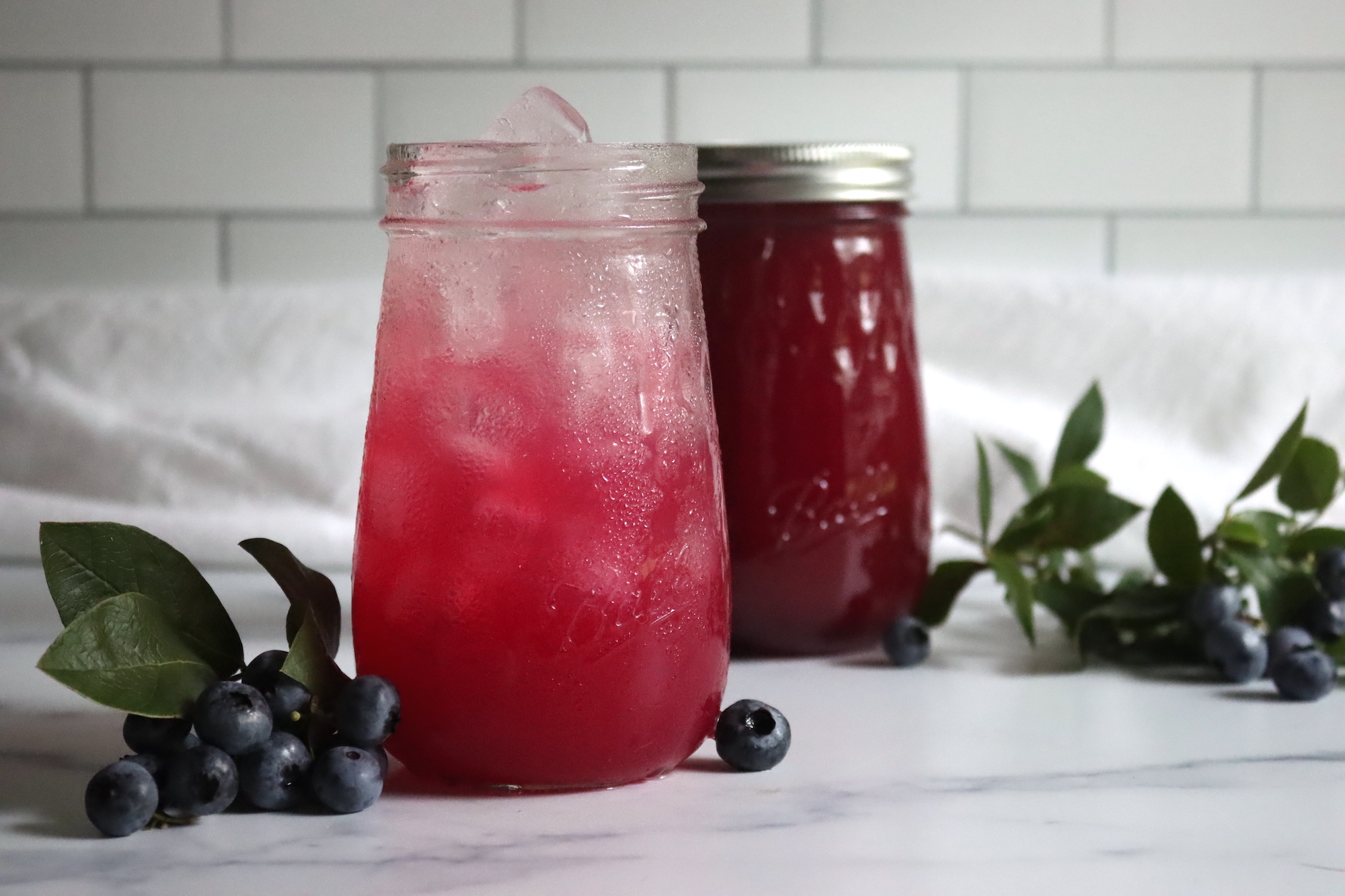
Juice saves more shelf space than anything else here, and it’s my answer when the jam shelf is already full. A quart of juice takes the room of a quart of berries but stands in for several pounds of fruit. You can drink it straight, mix it into cocktails, or turn it into jelly later in the year.
It’s forgiving, too, because appearance stops mattering the second the berries go through the strainer. Soft fruit, small fruit, and the ones the birds got to first all end up in the same jar. Don’t add water to stretch it, though.
Can it as straight juice and dilute it in the glass if you want to.
Blueberry Syrup
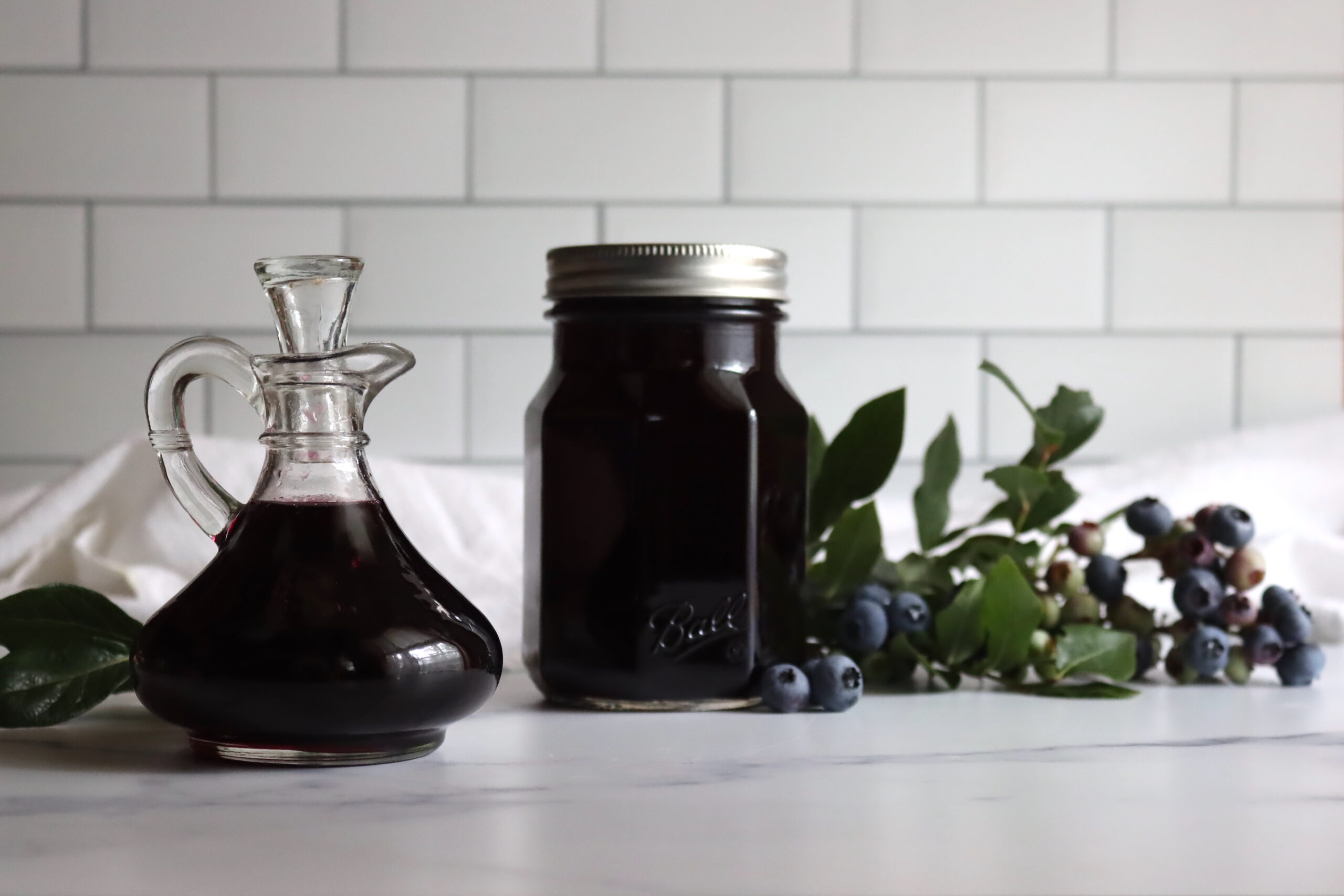
Syrup is thinner than sauce and made to pour. It goes on pancakes and waffles in place of maple, over ice cream, and into soda water or a cocktail. A few bottles put away in July make our winter breakfasts a good deal better than they’d otherwise be.
Most syrup recipes start from strained juice, so I make syrup and juice in the same session and split the batch. Half goes into bottles as syrup and half gets canned plain, and you’ve only strained the fruit once. If you have a steam juicer, it really saves time in the kitchen with smooth preserves that only want juice, like jelly, juice, and syrup.
Pickled Blueberries
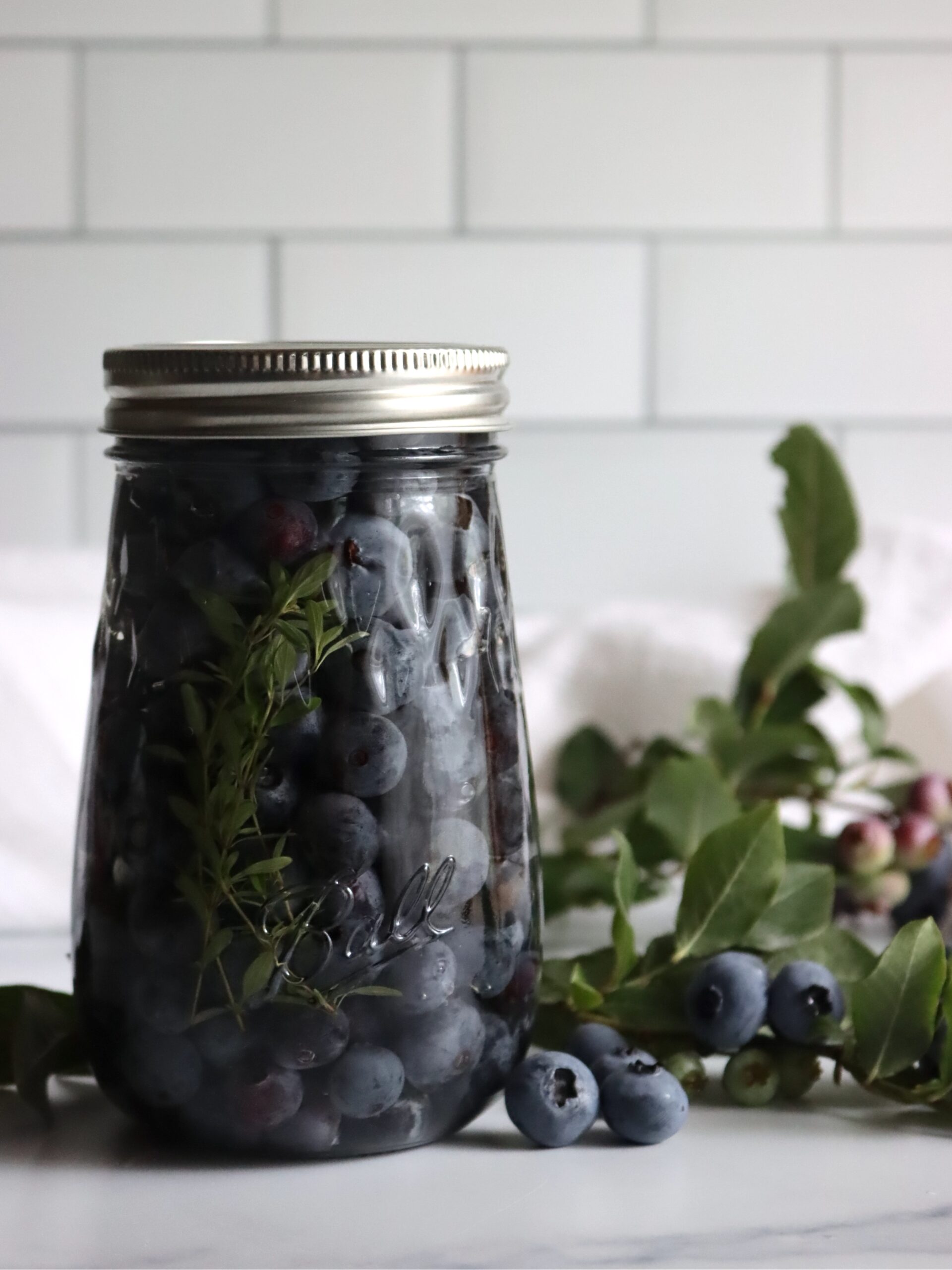
Pickled blueberries get eaten faster than anything else on my shelf. The vinegar cuts the sweetness, and the berries stay whole and firm. What you end up with is closer to a cheese board condiment than a preserve. Put them next to a sharp cheddar, on a charcuterie board, or spooned over roast pork.
Use firm, slightly underripe berries and handle them gently going into the jars, because soft fruit turns to mush in a hot brine.
Give them at least two weeks before you open a jar so the vinegar and the spices have time to work through the fruit. They’re worth the wait.
Blueberry Chutney
Chutney is the savory end of blueberry preserving, made with vinegar, onion, and warm spices rather than sugar alone. I serve it alongside roast chicken, pork, or a cheese plate. It’s the jar I hand to somebody who tells me they don’t like sweet preserves.
Chutney uses plenty of vinegar, so it’s water bath canned on the same principle as the jams above, even though it often includes low-acid ingredients like onions.
Don’t cut the vinegar back to soften the flavor, since that’s the ingredient that makes these recipes acidic enough for canning. Let it mellow in the jar for a month instead, which gets you to the same place without changing the recipe.
Other Ways to Preserve Blueberries
Canning isn’t the only answer, and some years it isn’t the answer I’d give you. Freezing keeps blueberries closest to fresh. A frozen berry is still what you want for smoothies, muffins, and anything where the fruit stays uncooked.
Dehydrating is the other end of the scale. Dried blueberries take almost no room and keep a year or more, and they go into granola, oatmeal, and trail mix.
And when the crop outruns every shelf and every method, the berries ferment well enough that I’d give a carboy a try. Split a big harvest across all of them and nothing sits around long enough to spoil.
Blueberry Canning Questions
A few of these come up every summer in my comments. Most of them are about frozen fruit, cutting the sugar, and whether you need a pressure canner for blueberries.
I’ve put the short answers below. If your question isn’t here, leave it in the comments, and I’ll answer you there. That’s usually where the next version of this list comes from.
Yes, and for most of these recipes they work as well as fresh. Thaw them first and use the juice that comes out, since that liquid carries a good deal of the color and flavor. Frozen fruit is actually preferable for jam and jelly, because freezing ruptures the cells and the fruit gives up its juice faster. The one place to use fresh is canning whole berries in syrup, where thawed fruit will not hold its shape.
No. Blueberries are acidic enough to be safely water bath canned, and every canning recipe on this page is written for a water bath canner. That holds for the jams, jellies, syrups, sauces, pickles and whole berries alike. The only reason to reach for a pressure canner is if you are canning blueberries as part of a low-acid mixture, which is not something any tested recipe calls for.
It depends on which recipe. In whole berries, juice and syrup, sugar is there for flavor and texture, so you can cut it or leave it out entirely without affecting safety. In jam and jelly made with regular pectin, the sugar is part of what makes the batch gel, and cutting it usually gives you syrup instead of jam. If you want a lower sugar jam, use a pectin made for it rather than reducing sugar in a standard recipe.
Sealed jars hold their best quality for about twelve to eighteen months in a cool, dark place, and they stay safe well past that as long as the seal is intact. Color and texture are what fade first, not safety. Take the rings off before storing so a failed seal cannot hide, and refrigerate a jar once it is opened.
Usually it was not cooked long enough to reach the gel stage, which takes longer in a no-pectin recipe than most people expect. Very ripe fruit is the other common cause, since pectin drops as blueberries ripen and a batch of overripe berries has less to work with. A runny batch is not a failure. Label it blueberry sauce and use it on pancakes and ice cream.
More Berry Canning Recipes
Blueberries come in alongside almost everything else worth putting up, which is the problem and the opportunity both. Our raspberries and blackberries overlap with them by a week or two. The strawberries came and went back at the start of the season.
Planning a whole season rather than one afternoon? These collections cover the rest of your berry harvest.
Find the perfect recipe
Searching for something else? Enter keywords to find the perfect recipe!