This post may contain affiliate links. Please see our disclosure policy.
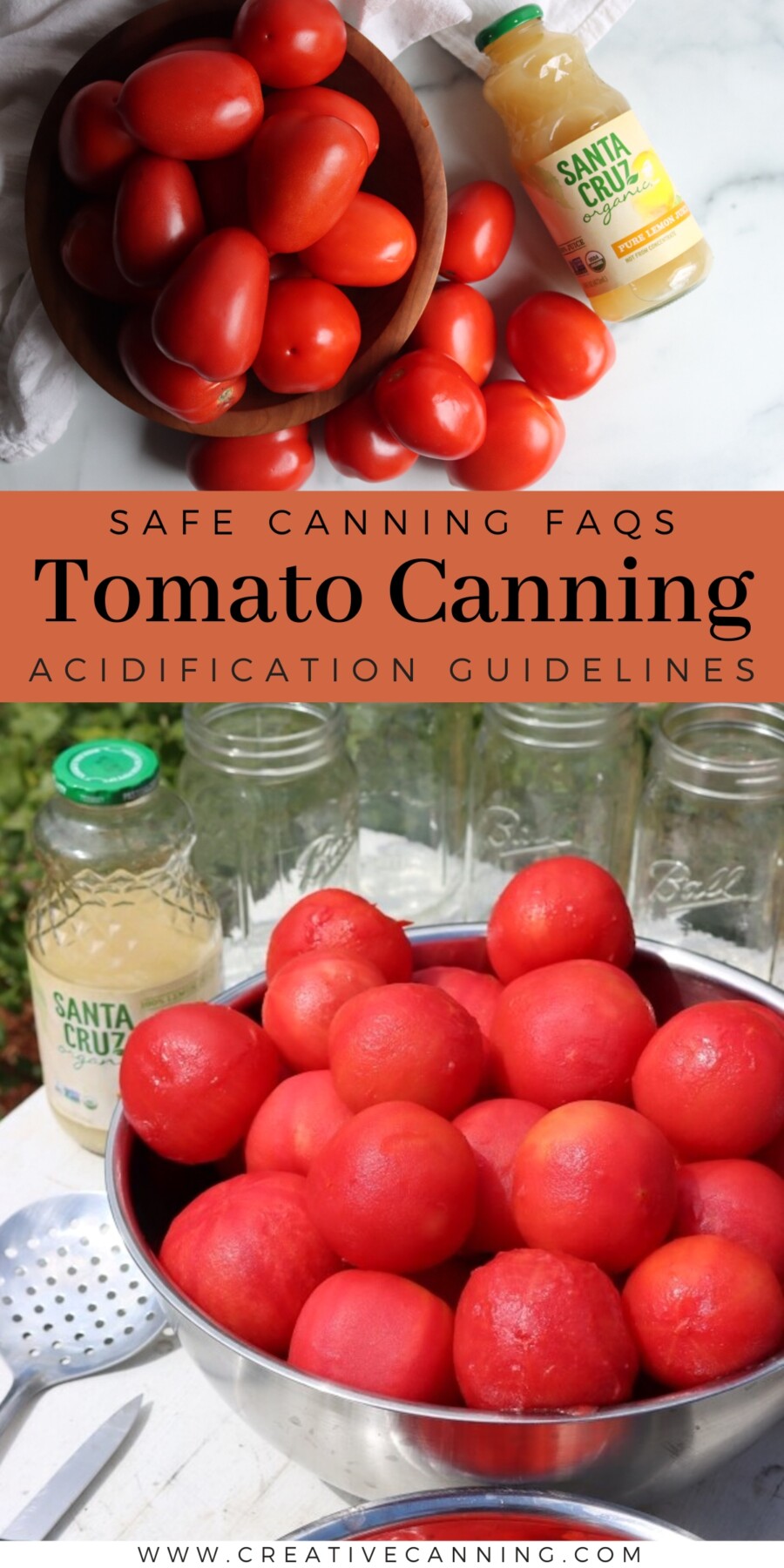
Acidifying tomatoes for home canning is one of those small steps that makes a big difference. If you’re canning whole tomatoes, crushed tomatoes, juice, or sauce, adding the right amount of bottled lemon juice, citric acid, or vinegar helps make the finished jars safe for canning and shelf stable for long-term storage.
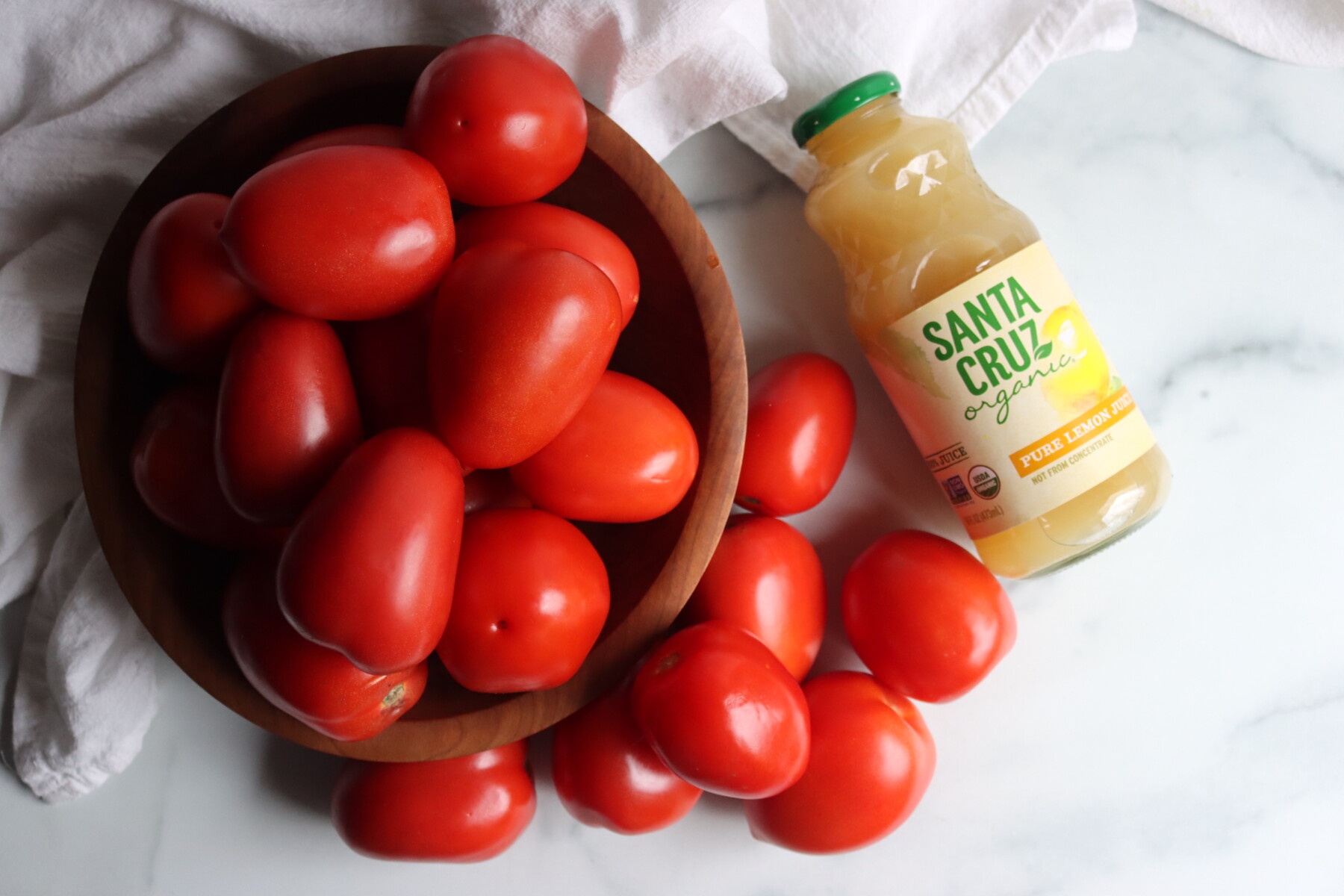
Table of Contents
- Acidification Guidelines for Canning Tomatoes
- Best Option for Acidifying Tomatoes
- Why Tomatoes Need Added Acid
- Which Tomato Recipes Need Acidification?
- How to Acidify Tomatoes for Home Canning
- Bottled Lemon Juice for Canning Tomatoes
- Citric Acid for Canning Tomatoes
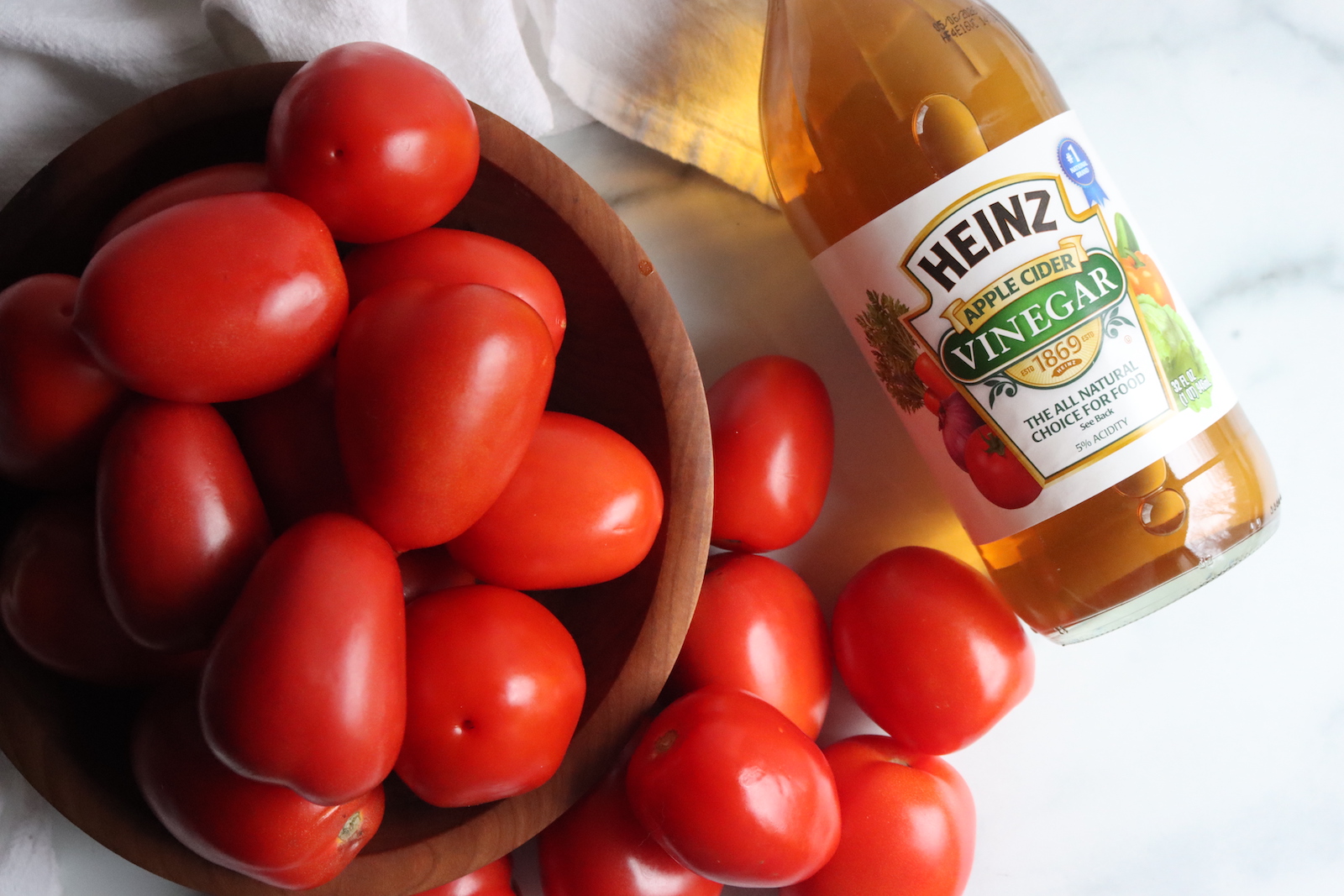
- Can You Use Vinegar Instead?
- Tomato Canning Acidification FAQs
- Step-by-Step: Acidifying Tomatoes for Canning
If you’ve been canning tomatoes for any length of time, you’ve probably noticed that modern recipes almost always tell you to add lemon juice or citric acid to the jars. That can feel a little confusing, especially if you’ve seen older recipes that skip it entirely, or if you’re working with homegrown tomatoes that taste plenty tart on their own.
I get asked about this all the time, because it seems like one of those fussy little canning instructions that ought to be optional. But when it comes to tomatoes, acidification is one of the most important safety steps in the whole process. Whether you’re canning whole tomatoes, crushed tomatoes, tomato juice, or plain tomato sauce, adding acid to the jar is what makes many tested tomato canning recipes safe for water bath canning.
The good news is that it’s incredibly simple. You’re not changing the whole recipe, and you’re not doing anything complicated. You’re just adding a measured amount of acid directly to each jar before filling it and it’s easy enough to add into your canning routine.
Acidification Guidelines for Canning Tomatoes
If you already understand the “why” and you’re just here for the quick answer, here’s what you need to add to each jar to ensure a proper pH for safe canning:
For Quart Jars (pick one):
- 2 tablespoons bottled lemon juice
- ½ teaspoon citric acid
- 4 tablespoons 5% vinegar
For Pint Jars (pick one):
- 1 tablespoon bottled lemon juice
- ¼ teaspoon citric acid
- 2 tablespoons 5% vinegar
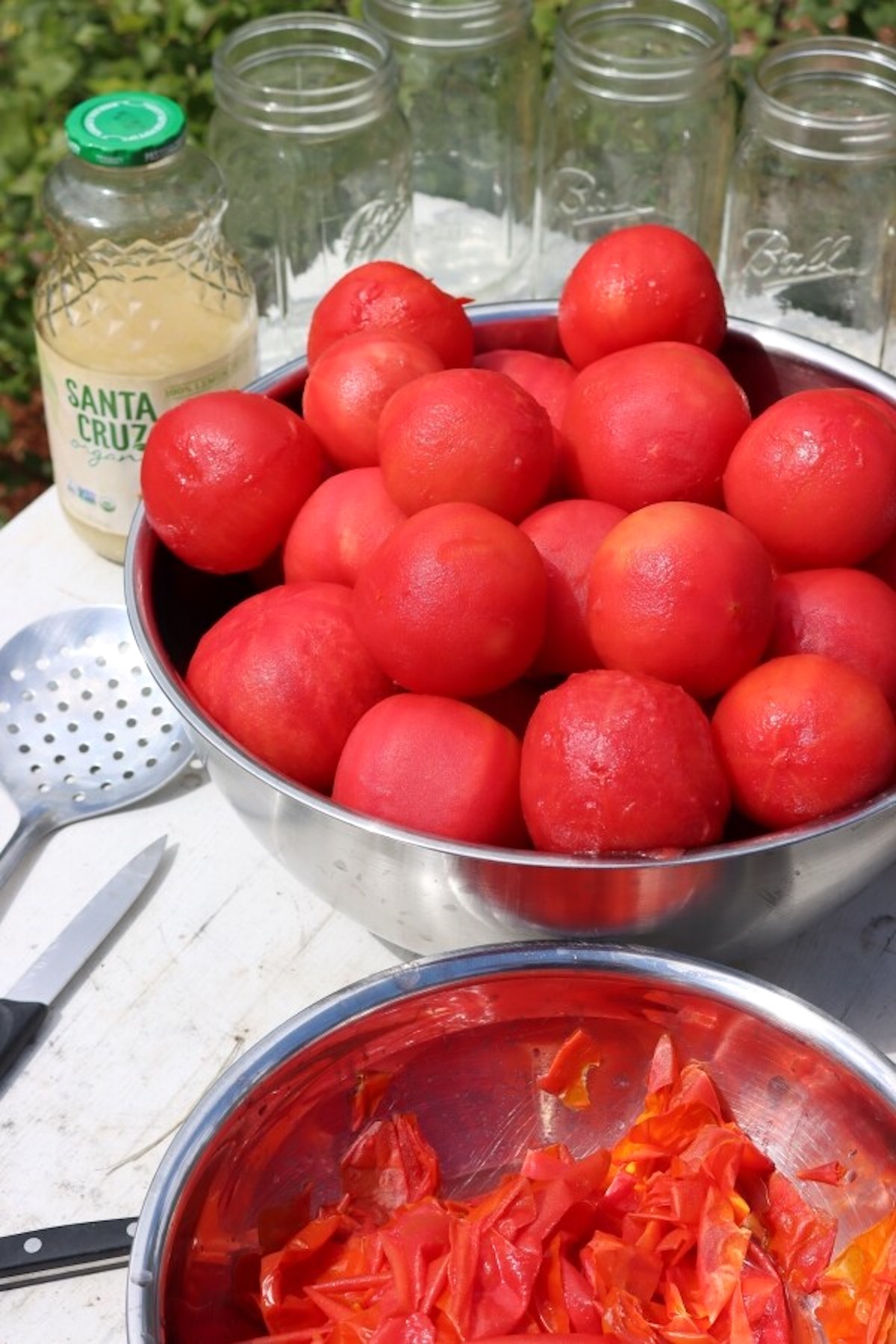
Add the acid to the jar before filling with tomatoes. Add sugar to taste if you want to balance the acidity. These amounts apply whether you’re water bath canning or pressure canning whole tomatoes, plain sauce, crushed tomatoes or tomato paste.
Best Option for Acidifying Tomatoes
If you’re trying to decide which option to use, here’s the simple breakdown:
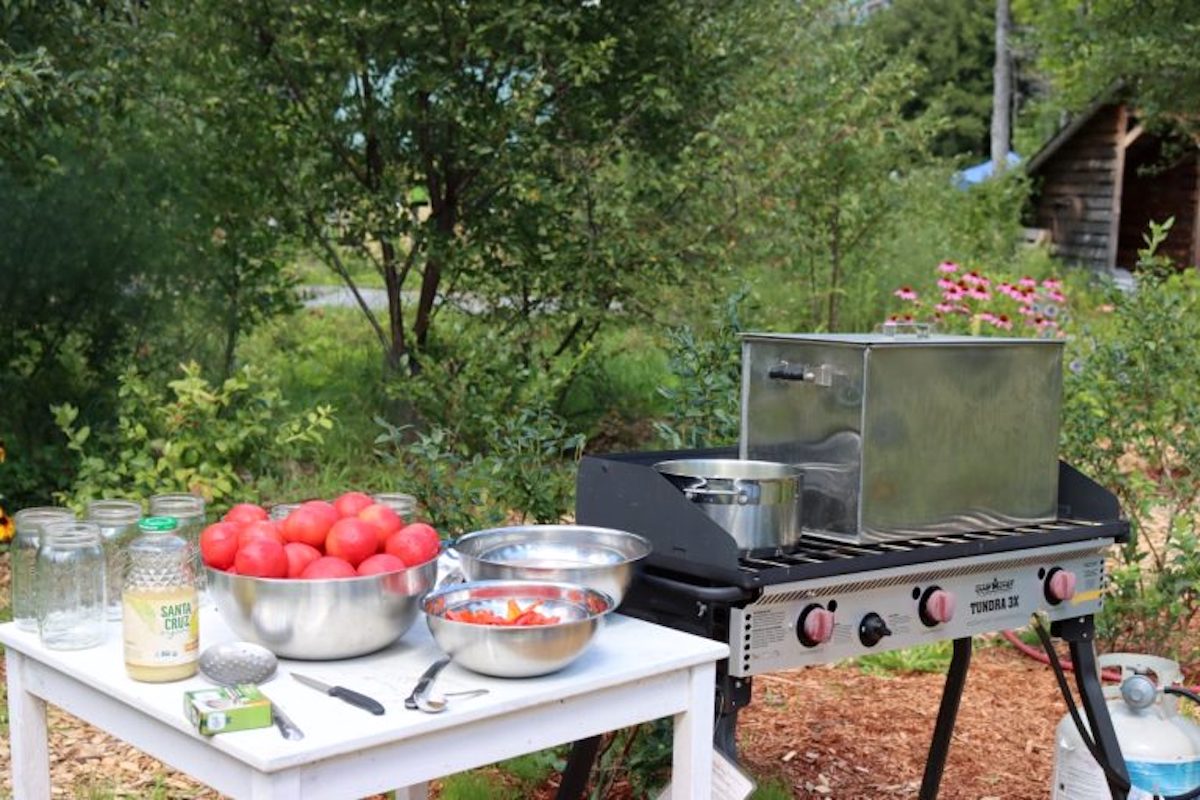
- Bottled lemon juice is easy to find and commonly used.
- Citric acid gives reliable acidification with less flavor change.
- Vinegar works, but it can have a stronger effect on taste.
For plain canned tomatoes, citric acid is often the best choice if you want the cleanest tomato flavor. But bottled lemon juice is also perfectly fine and is probably the easiest option for most people.
Why Tomatoes Need Added Acid
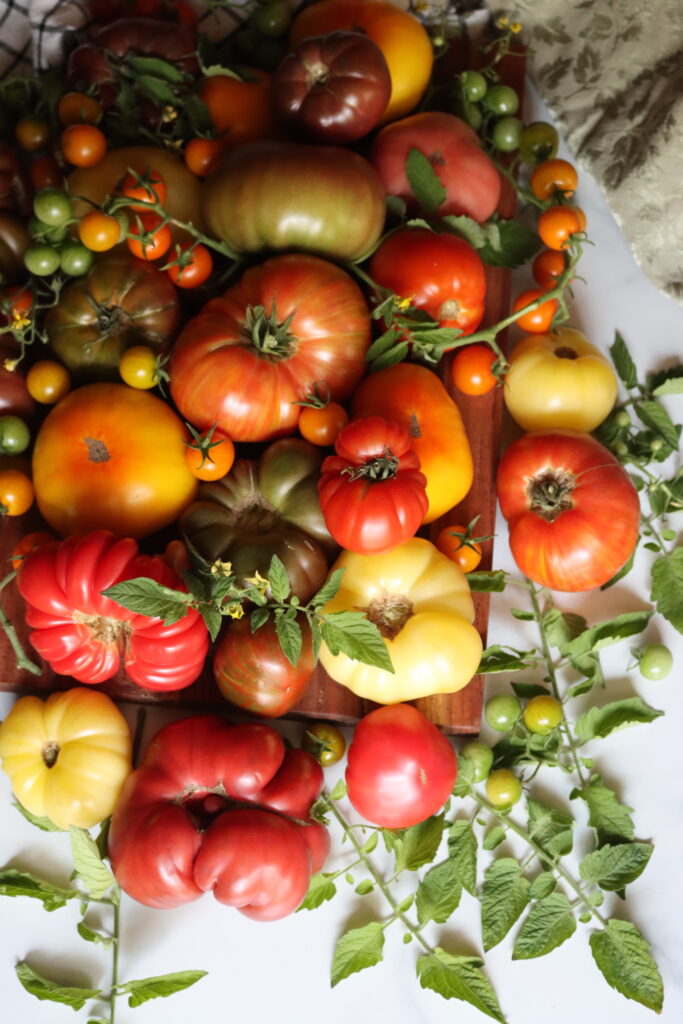
Tomatoes are a little unusual in home canning because they sit right on the edge between high-acid and low-acid foods. Some tomatoes are acidic enough on their own, while others may not be, and there’s no practical way to judge that by taste, variety, or whether they were grown at home.
That’s the reason modern tomato canning recipes usually call for added acid. It standardizes the acidity in the jar so the tomatoes can be processed safely using the method listed in the tested recipe. Without that step, the acidity may be too unpredictable.
This applies to many of the most common tomato canning recipes, especially plain tomato products like whole tomatoes, crushed tomatoes, tomato juice, and tomato sauce. In those recipes, the acid is usually added right to the jar before filling.
Which Tomato Recipes Need Acidification?
In general, acidification is used for many basic tomato canning recipes, including:
- Whole tomatoes
- Halved tomatoes
- Crushed tomatoes
- Tomato juice
- Tomato sauce
If a tested recipe tells you to acidify the jars, that step is not optional. Even if you’re working with especially tangy tomatoes or old-fashioned varieties, you still want to follow the current tested directions exactly.
Fully formulated recipes like salsa canning recipes, ketchup, chutney, tomato jam, and relishes are a little different. In those recipes, the acidity is usually built into the full ingredient list, so you follow the recipe as written rather than adding separate acid to each jar unless it specifically says to.
How to Acidify Tomatoes for Home Canning
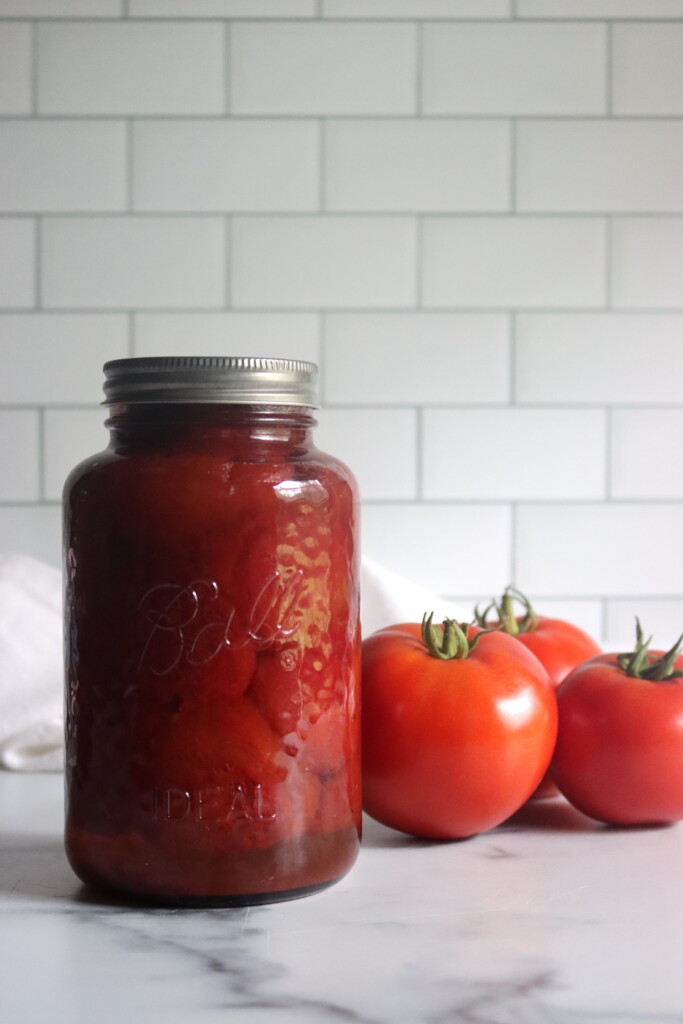
To acidify tomatoes for home canning, add the acid directly to each jar before filling. That way, each jar gets the full measured amount.
Use one of the following options:
- Bottled lemon juice: 1 tablespoon per pint or 2 tablespoons per quart
- Citric acid: 1/4 teaspoon per pint or 1/2 teaspoon per quart
- 5% acidity vinegar: 2 tablespoons per pint or 4 tablespoons per quart
After the acid is in the jar, fill it with the hot tomato product, leave the proper headspace listed in the recipe, remove bubbles if needed, wipe the rim, apply the lid, and process according to the tested canning instructions.
Bottled Lemon Juice for Canning Tomatoes
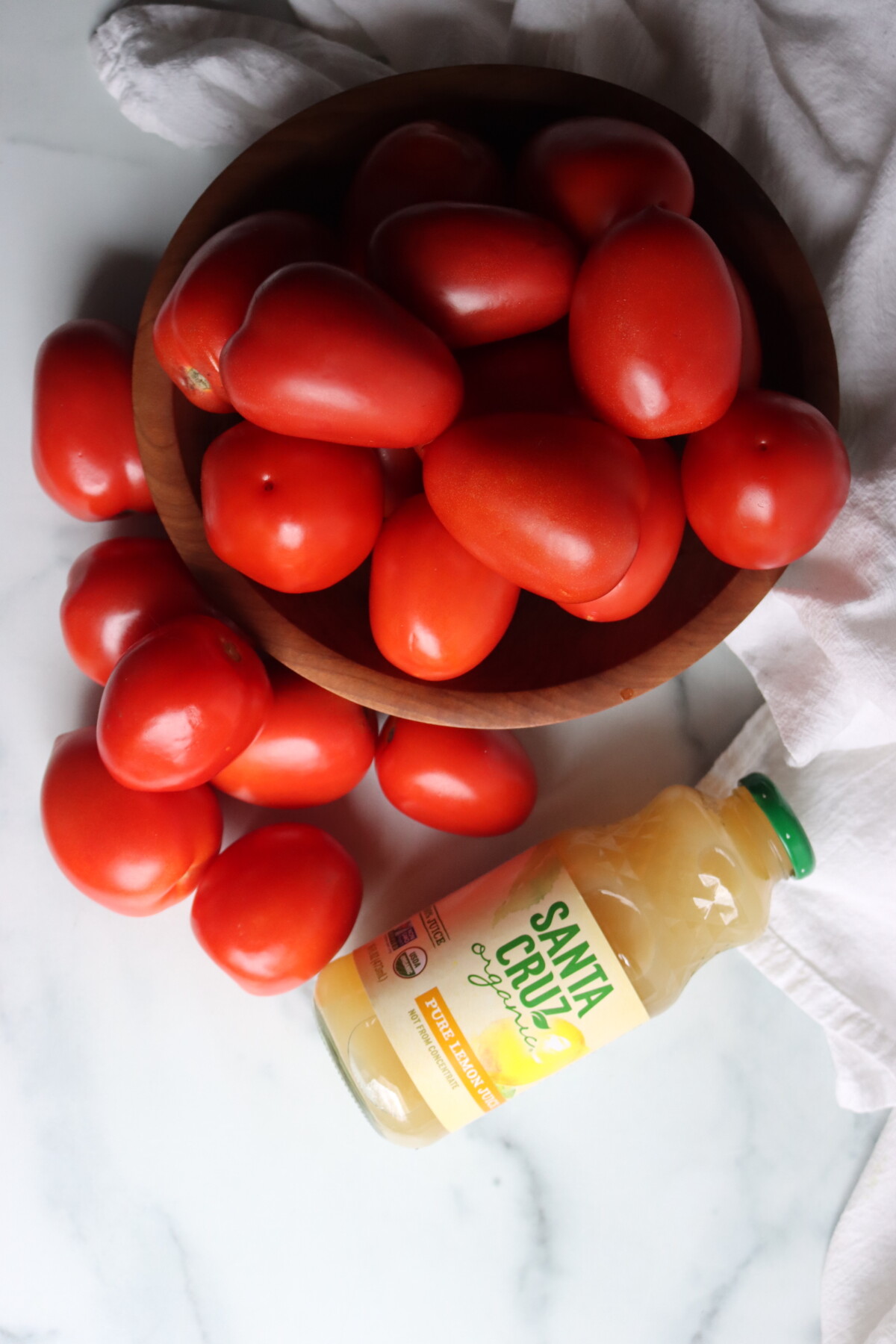
Bottled lemon juice is probably the most familiar option for acidifying tomatoes, and it’s the one many home canners use most often. It’s easy to find, easy to measure, and reliable because the acidity is standardized.
That last part is important. For canning, you want bottled lemon juice, not fresh-squeezed. Fresh lemons vary naturally in acidity, so they’re not considered a dependable substitute when a tested canning recipe calls for lemon juice.
Use:
- 1 tablespoon bottled lemon juice per pint
- 2 tablespoons bottled lemon juice per quart
If I’m doing a big batch of tomatoes, I usually add the lemon juice to all the empty jars first so I know it’s done and don’t have to stop and think about it later.
Citric Acid for Canning Tomatoes
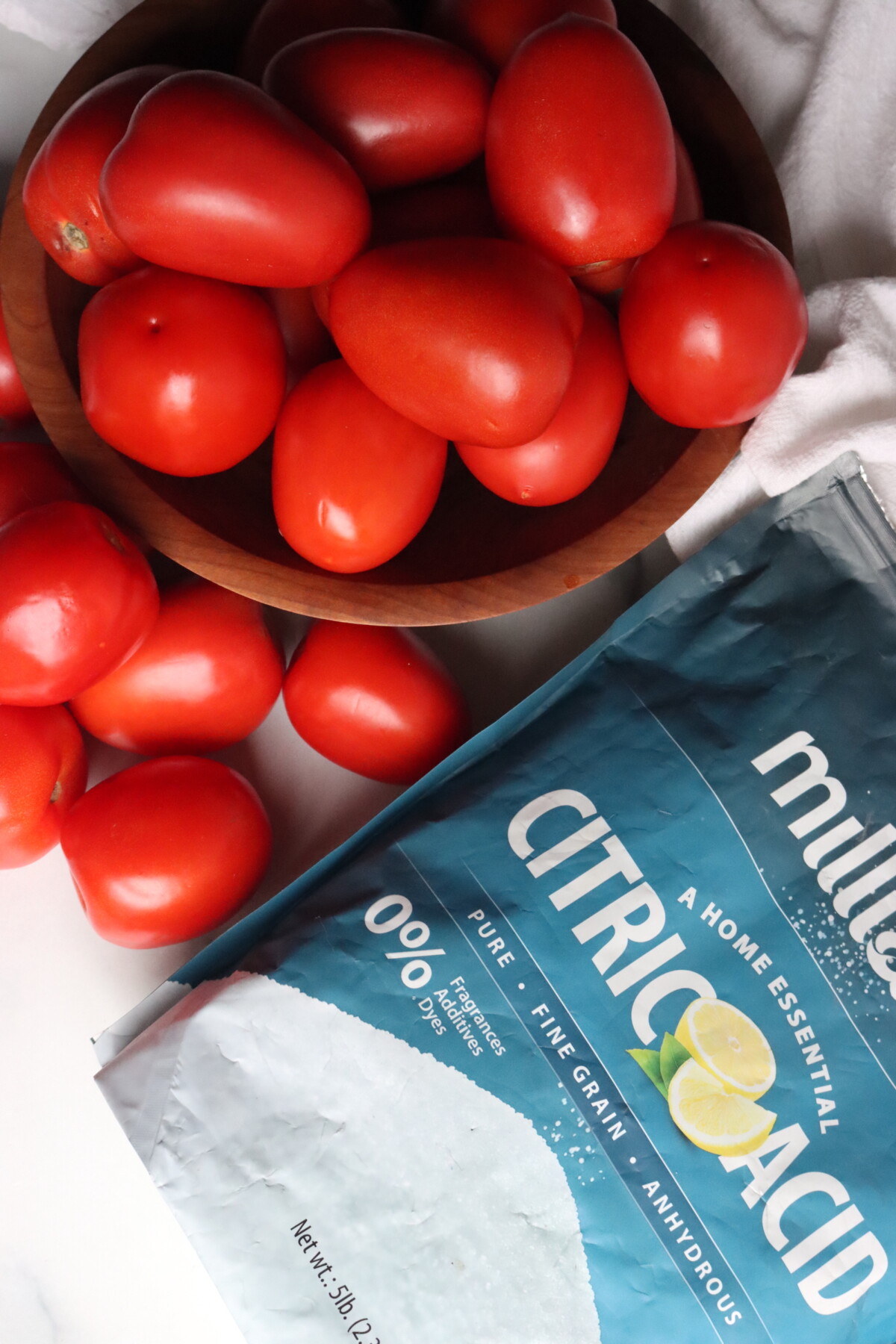
Citric acid is a great option if you want dependable acidification with less flavor change. Since it takes such a small amount, it’s especially nice in plain tomatoes or tomato sauce where you want the finished flavor to stay as neutral as possible.
It’s also convenient to keep on hand if you can tomatoes regularly. A little goes a long way, and it stores well in the pantry.
Use:
- 1/4 teaspoon citric acid per pint
- 1/2 teaspoon citric acid per quart
If you’ve ever felt like bottled lemon juice makes plain tomatoes taste a little sharper than you’d like, citric acid is often the better choice.
Can You Use Vinegar Instead?
Yes, vinegar is an approved option for acidifying tomatoes, but it’s usually the least popular one for plain canned tomatoes because it can noticeably affect the flavor.
If you choose vinegar, it should be 5% acidity vinegar, and the measurements are:
- 2 tablespoons per pint
- 4 tablespoons per quart
That’s a fairly generous amount, so the flavor can come through much more clearly than bottled lemon juice or citric acid. In some recipes that may not matter, but in plain tomatoes or mild tomato sauce, it can be more noticeable than most people want.
Tomato Canning Acidification FAQs
The easiest and best method is to add the acid before filling the jars.
That’s how most tested instructions are written, and it makes the process simple and consistent. Add the acid to each hot jar, then ladle in the prepared tomatoes or tomato product.
You can avoid mistakes more easily this way too. Once the jars are full, it’s much harder to remember whether you added the acid or not, especially if you’re working with multiple batches. It also ensures that the acidity makes its way all the way to the bottom or the jar.
Not always.
This is one of the places people get confused, because they assume pressure canning means the acidification step can be skipped. But if the tested recipe includes acidification, then you still need to follow it exactly as written.
In other words, pressure canning does not automatically cancel out the need for added acid. The tested process was developed with all of its steps in place, and that includes acidification when specified.
Sometimes a little, yes.
Vinegar changes the flavor the most, bottled lemon juice can sometimes be noticeable, and citric acid usually has the least effect on taste. That’s one reason so many people prefer citric acid for plain canned tomatoes and tomato sauce.
If the tomatoes taste a bit sharper when you open the jar later, you can always balance that in the finished dish with a pinch of sugar. That’s a normal kitchen adjustment and doesn’t affect safety because you’re doing it after the canning process is complete.
What you should not do is reduce the acid in the jar to try to soften the flavor. The full amount matters.
No, not for acidifying tomatoes in tested canning recipes.
Fresh lemon juice is too variable in acidity to be considered a reliable substitute. One lemon may be much more acidic than another, and there’s no practical way to measure that in a home kitchen. For safety, use bottled lemon juice if that’s the acidification option you choose.
Step-by-Step: Acidifying Tomatoes for Canning
If you just want the practical version, here’s exactly how to do it:
- Prepare the tomatoes according to the tested recipe.
- Wash and heat the jars.
- Add the acid to each empty jar before filling.
- For pints, use 1 tablespoon bottled lemon juice, 1/4 teaspoon citric acid, or 2 tablespoons 5% vinegar.
- For quarts, use 2 tablespoons bottled lemon juice, 1/2 teaspoon citric acid, or 4 tablespoons 5% vinegar.
- Fill the jars with the hot tomato product.
- Leave the proper headspace listed in the recipe.
- Remove air bubbles if needed and adjust headspace.
- Wipe the rims, apply the lids, and tighten the bands fingertip tight.
- Process according to the tested recipe.
Acidifying tomatoes for home canning may seem like a tiny detail, but it’s one of the most important safety steps in the whole process. Tomatoes are just acidic enough to need a little extra help, and that measured amount of bottled lemon juice, citric acid, or vinegar is what makes many tomato recipes safe for canning.
The good news is that it’s easy. Once you’ve done it a few times, it becomes just another routine part of filling jars. Add the acid, fill the jars, and process according to the recipe. That’s it.
If you can tomatoes every summer, this is one of those habits that quickly becomes automatic, and it gives you the confidence of knowing your jars were done the right way.
50+ Tomato Canning Recipes
Tomato canning recipes are one of the best ways to turn summer abundance into a pantry full of real convenience…
Find the perfect recipe
Searching for something else? Enter keywords to find the perfect recipe!