This post may contain affiliate links. Please see our disclosure policy.
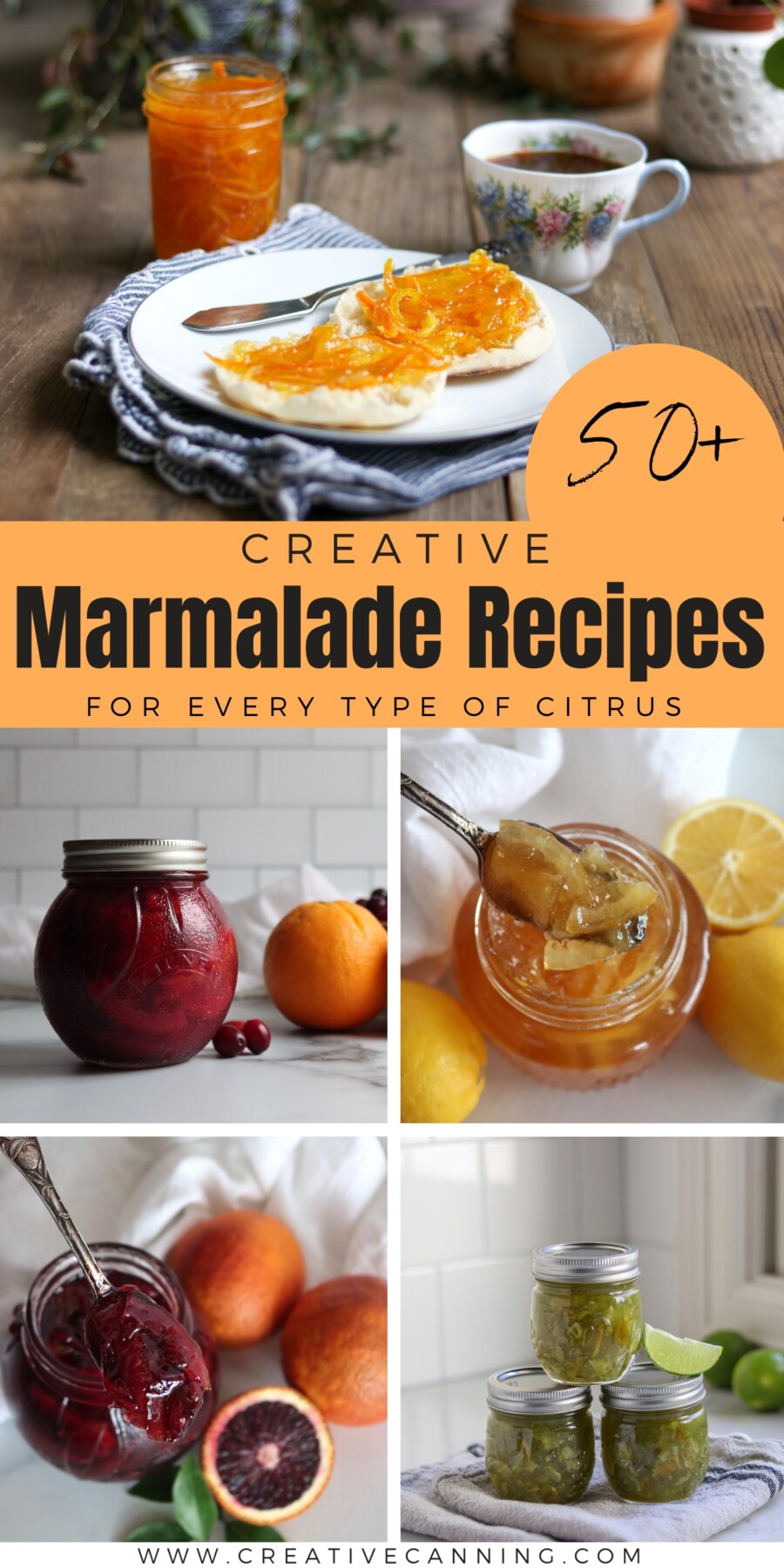
Marmalade recipes are the kind of old-fashioned preserve that still feels completely practical, because they use the whole citrus, peel and all, for the most concentrated flavor you can put in a jar.
Table of Contents
- Fruit Marmalades
- Orange Marmalade Recipes
- Mandarin and Clementine Marmalade Recipes
- Blood Orange Marmalade Recipes
- Cara Cara Marmalades
- Seville Orange Marmalade Recipes
- Lemon Marmalade Recipes
- Lime Marmalade Recipes
- Grapefruit Marmalade Recipes
- Kumquat Marmalade Recipes
- Specialty Citrus Marmalades
- Unusual Marmalades
Marmalade started out as a way to use every part of citrus fruit in season, both the juicy flesh and the fragrant, flavorful peel. Because it uses citrus peel, it captures the most concentrated part of the fruit’s flavor and aroma, which makes it especially satisfying in the colder months when citrus is at its peak.
I also love that marmalade can be both practical and a little fancy. The same basic technique can yield a classic orange marmalade for toast, a herbal infused batch that tastes like a cozy winter afternoon, or a spicy version that belongs just as much on a cheese board as it does at breakfast.
If you’re new to marmalade, starting with a solid method is the quickest way to get consistent results. Once you understand the rhythm of cooking peel, balancing bitterness, and knowing what “set” looks like, you can swap citrus varieties with confidence.
My beginner’s guide to making marmalade with any citrus is a great jumping off point to understand the steps and techniques.
Fruit Marmalades
Fruit-and-citrus marmalades are a bridge between jam and marmalade. You still get that citrus peel bite and the glossy, jewel-like set, but the added fruit makes the flavor rounder and often more crowd-pleasing, especially for people who don’t love bitter preserves. They’re also a great way to stretch a small pile of citrus into something with a bigger, more layered flavor.
Berries, apples, peaches, rhubarb, and even cranberries pair beautifully with citrus peel, and the fruit adds body and sweetness that can make the finished jar feel more like a classic spread than a sharp citrus condiment. If you like preserves that feel familiar but still have that marmalade chew, these are the most approachable place to experiment, and the perfect place to start for beginners.
- Peach-Orange Marmalade
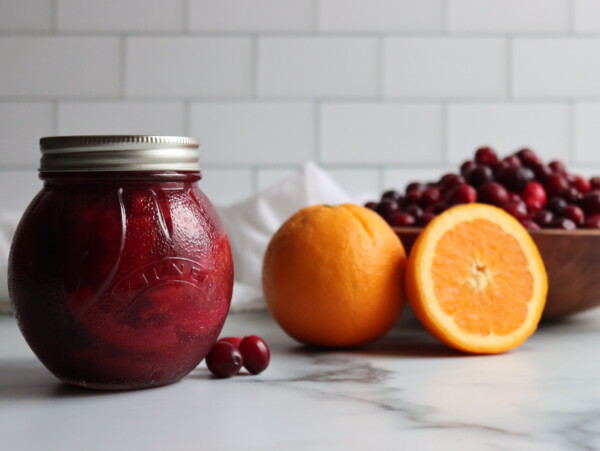
- Cranberry Marmalade
- Apple Marmalade
- Strawberry Lemon Marmalade
- Blueberry Marmalade
- Rhubarb Marmalade
Orange Marmalade Recipes
Orange marmalade is the classic for a reason. It has that familiar sweet-bitter balance, and when the peel is cooked properly it turns pleasantly chewy instead of tough, giving marmalade its signature texture. It’s the jar that belongs on toast, but it also earns its keep as a glaze for roasted meats, a filling for thumbprint cookies, or a simple stir-in for sauces when you want a quick hit of citrus.
You can shift the sweetness up or down, add herbs or floral notes, or bring in heat for a spicy version that tastes more like a pantry condiment than a breakfast spread. If you’re building a small marmalade collection, orange is the one that gives you the widest range of options while still feeling comfortingly traditional.
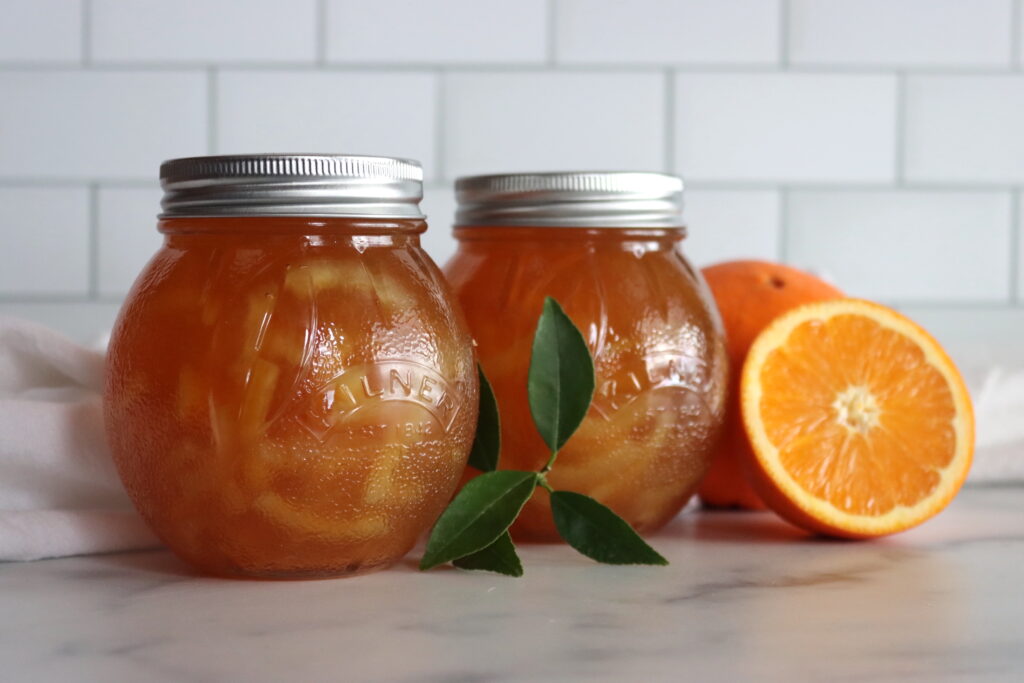
Classic Orange Marmalades
Herbal or Spicy Orange Marmalades
- Orange Thyme Marmalade
- Lavender Orange Marmalade
- Hot Orange Marmalade
- Orange Habanero Marmalade
- Spicy Orange Marmalade
Orange Marmalades with Alcohol
Unique Orange Marmalades
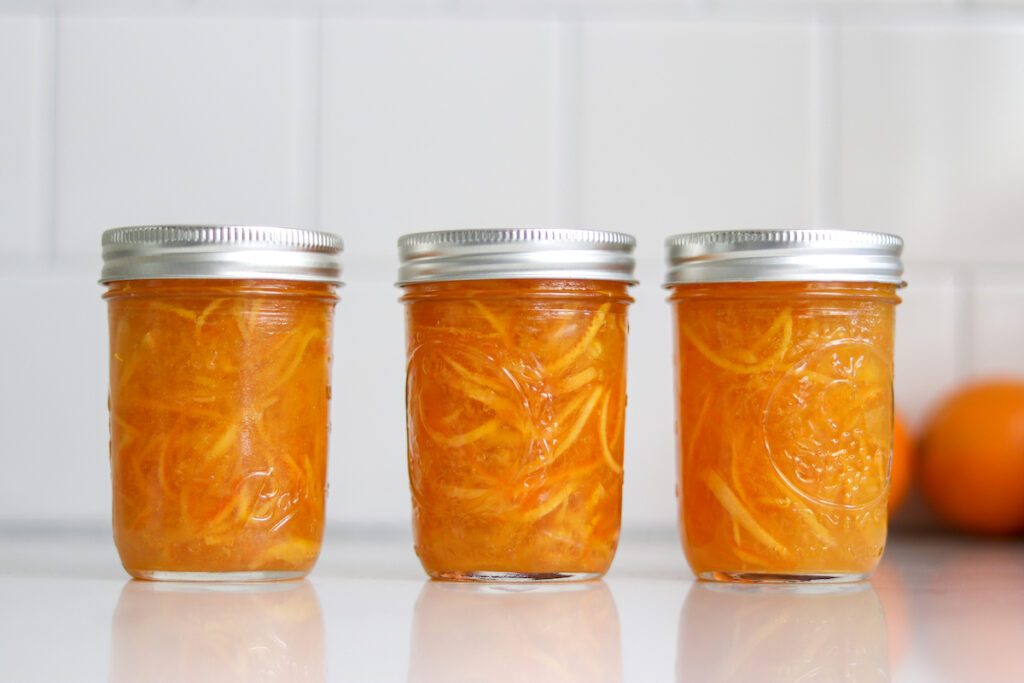
Mandarin and Clementine Marmalade Recipes
Mandarins and clementines make marmalades that are a little softer and sweeter than classic orange, with a bright flavor that doesn’t lean as hard into bitterness. The peel is thinner and more delicate, which means the finished marmalade often tastes lighter and more candy-like, especially if you slice the peel fine. It’s a great choice if you want something sunny and citrusy that still feels approachable for people who think they “don’t like marmalade.”
They’re also an easy place to get creative without overpowering the fruit. Vanilla, rosemary, maple, and warm spices all pair beautifully with that gentle citrus flavor, and a splash of liqueur can make it feel instantly gift-worthy. If you like marmalades that skew a little more dessert-like, or you’re making jars for kids and picky eaters, mandarin marmalade tends to win people over.
- Rosemary & Mandarin Marmalade
- Maple-Vanilla Clementine Marmalade
- Tequila Sunrise Clementine Orange Marmalade
- Clementine Whisky Marmalade
- Tangerine Tequila Marmalade
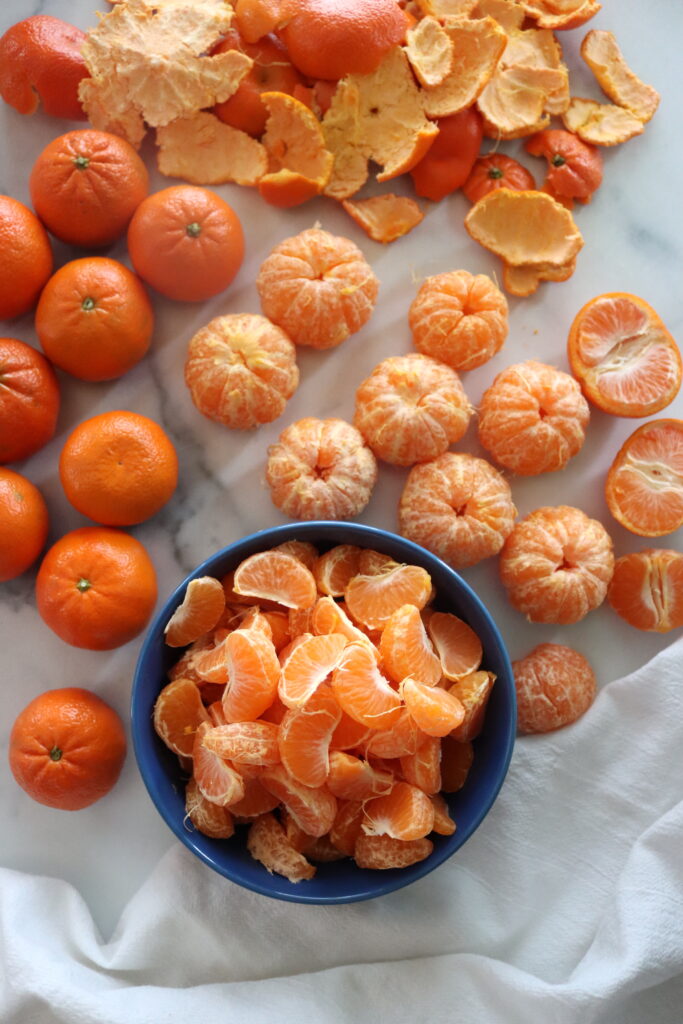
Blood Orange Marmalade Recipes
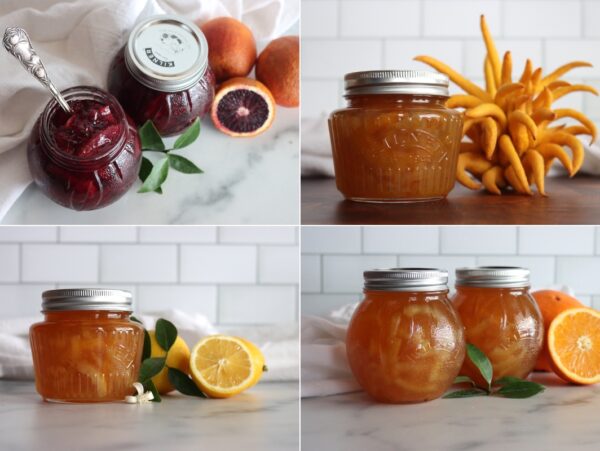
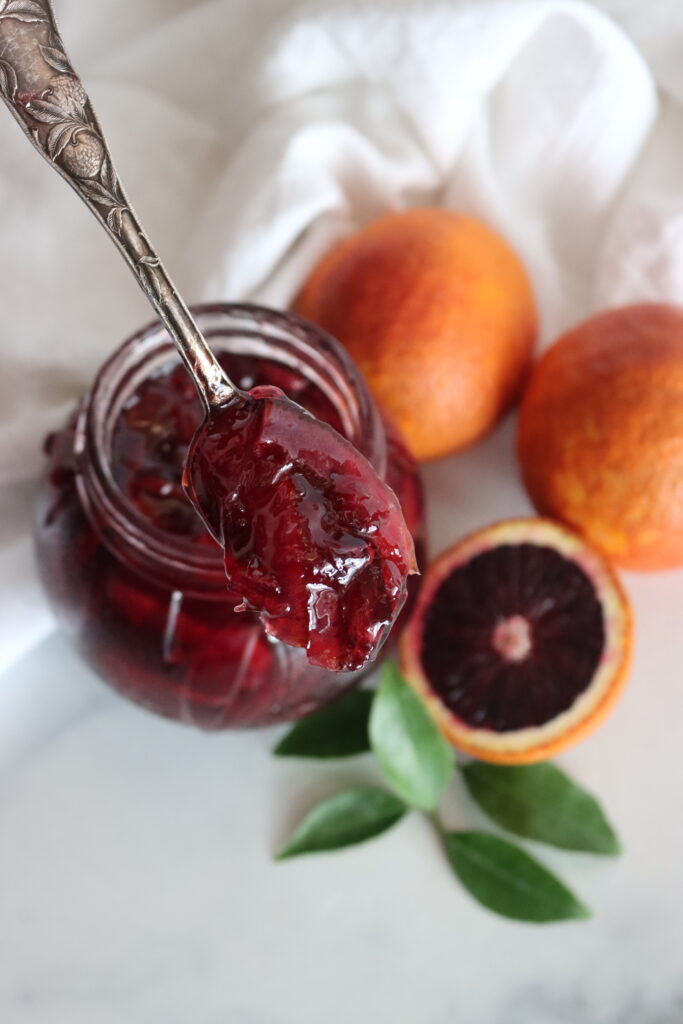
Blood oranges make marmalade that’s both gorgeous and deeply flavored. The peel brings that classic marmalade bite, but the juice adds a richer, almost raspberry-like citrus note that regular oranges just don’t have. The color alone makes it feel special, and it’s one of those preserves that looks like a gift jar even when you made it purely for yourself.
Flavor-wise, blood orange is a natural match for vanilla, warm spices, and anything boozy. A splash of port, bourbon, or gin doesn’t just make it fancy, it rounds out the citrus and turns the marmalade into something that works beyond breakfast.
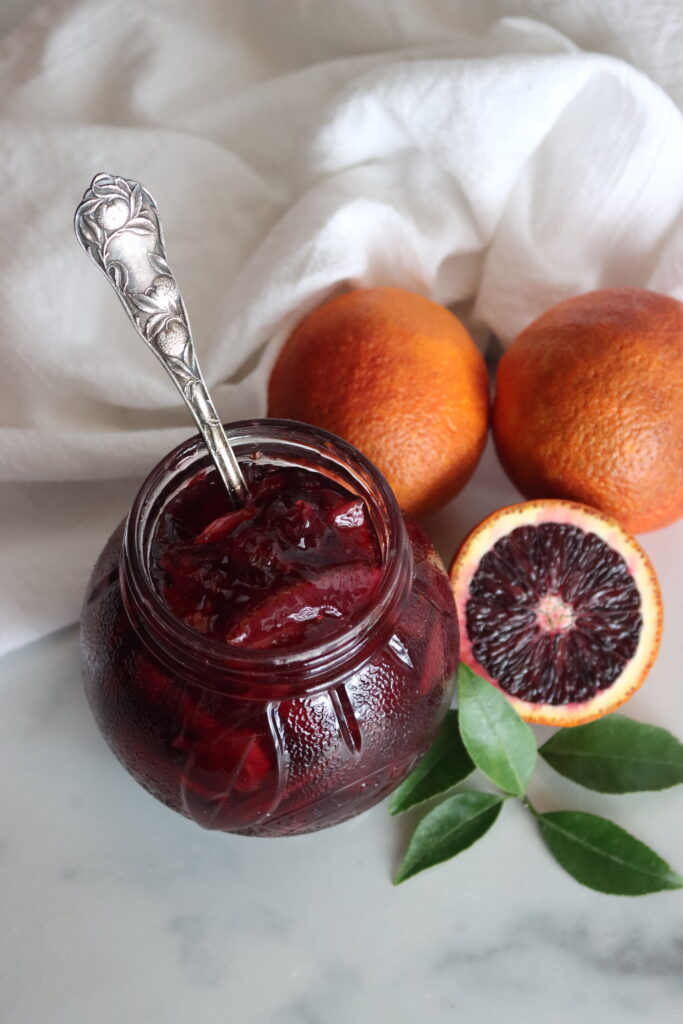
Classic Blood Orange Marmalades
Spiced Blood Orange Marmalades
- Blood Orange & Vanilla Bean Marmalade
- Blood Orange Vanilla Marmalade
- Blood Orange Rosemary Marmalade
Blood Orange Marmalades with Spirits
- Blood Orange Port Marmalade
- Boozy Blood Orange Marmalade with bourbon
- Blood Orange Marmalade with Gin
Cara Cara Marmalades
Cara Cara oranges make a marmalade that’s noticeably different from standard navel orange. The flesh is sweeter and less sharp, with an almost grapefruit-adjacent note that gives the finished jar a softer, more “pink citrus” flavor. The peel is still classic marmalade territory, but the overall profile tends to be smoother and less aggressively bitter, which makes it an easy gateway if you want something a little special without going full Seville.
They also pair beautifully with chile. A little heat plays up that sweet-tart Cara Cara flavor and turns the marmalade into more than a breakfast spread. These are the kinds of jars that are just as good on toast as they are brushed onto roasted chicken, tucked into a sandwich, or served alongside a cheese board when you want something bright, sticky, and a little unexpected.
- Classic Cara Cara Marmalade
- Cara Cara Chile Marmalade
- Honeyed Cara Cara Marmalade
- Vanilla Cara Cara Marmalade
Seville Orange Marmalade Recipes
Seville oranges are the traditional marmalade orange, and they’re in a category all their own. They’re far more bitter and aromatic than sweet oranges, which is exactly why they make marmalade that tastes unmistakably classic. When you cook the peel properly, you get that bold, slightly bitter backbone that balances a generous amount of sugar and gives the finished jar depth instead of just sweetness.
This is the marmalade to make when you want the old-school British style that people wait all year for. It’s also a great base for warming spices and a splash of booze, because Seville orange can hold its own and still taste like itself.
- Seville Orange, Vanilla & Cardamom Marmalade
- Seville Orange Marmalade with Whiskey & Brown Sugar
- Seville Orange & Gin Marmalade
- Seville Orange, Grapefruit & Rosemary Marmalade
Lemon Marmalade Recipes
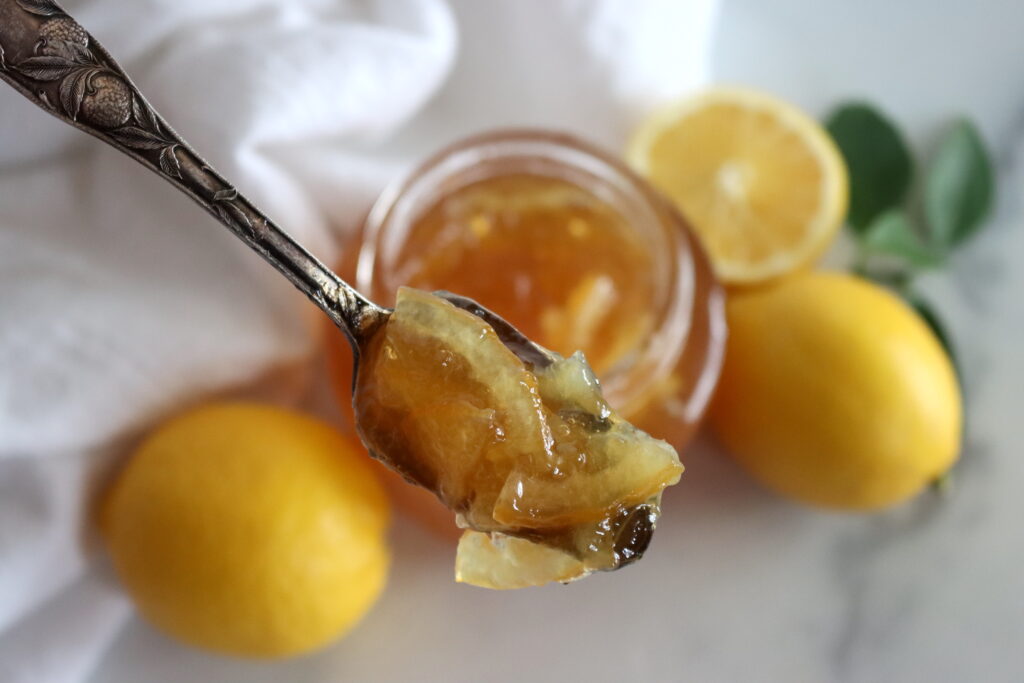
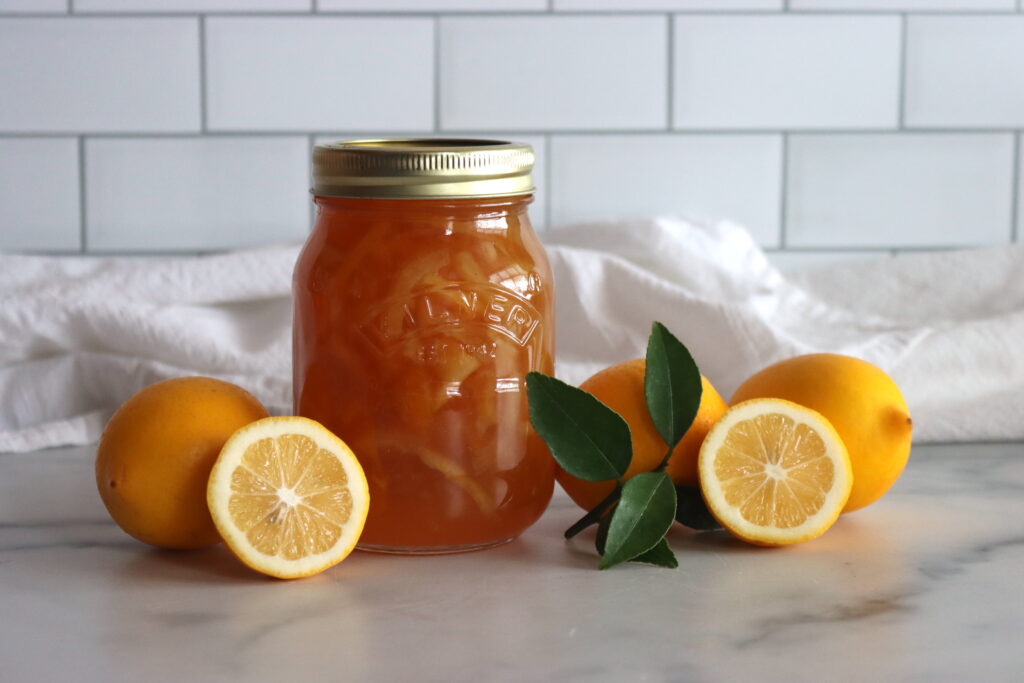
Lemon marmalade is bright, sharp, and intensely useful. It tastes like pure citrus in a jar, with that pleasantly bitter lemon-peel edge that keeps it from reading as “just sweet.” It’s the kind of preserve that rarely sits forgotten on the shelf because a spoonful can wake up toast, muffins, yogurt, and even quick pan sauces in a way that feels fresh and clean.
It’s also a natural canvas for variations. Meyer lemons make a softer, more floral marmalade with less bite, while regular lemons pair beautifully with herbs, lavender, rosemary, or tea-like flavors that turn the jar into something a little more aromatic. If you like preserves that double as an ingredient for cooking and baking, lemon marmalade is one of the most practical options.
Classic Lemon Marmalades
Lemon Marmalades with Herbs
- Lemon Rosemary Marmalade
- Lemon and Thyme Marmalade
- Meyer Lemon Lavender Jam
- Lemon Lavender Marmalade
- Meyer Lemon Marmalade Three Ways (star anise, rosemary, green tea)
Lime Marmalade Recipes
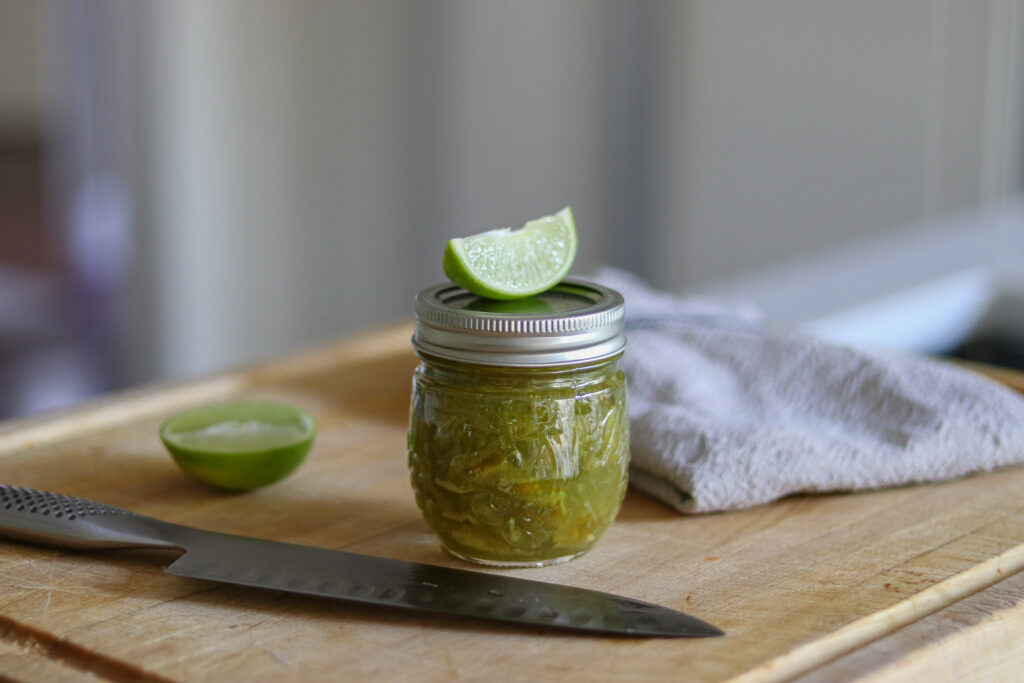
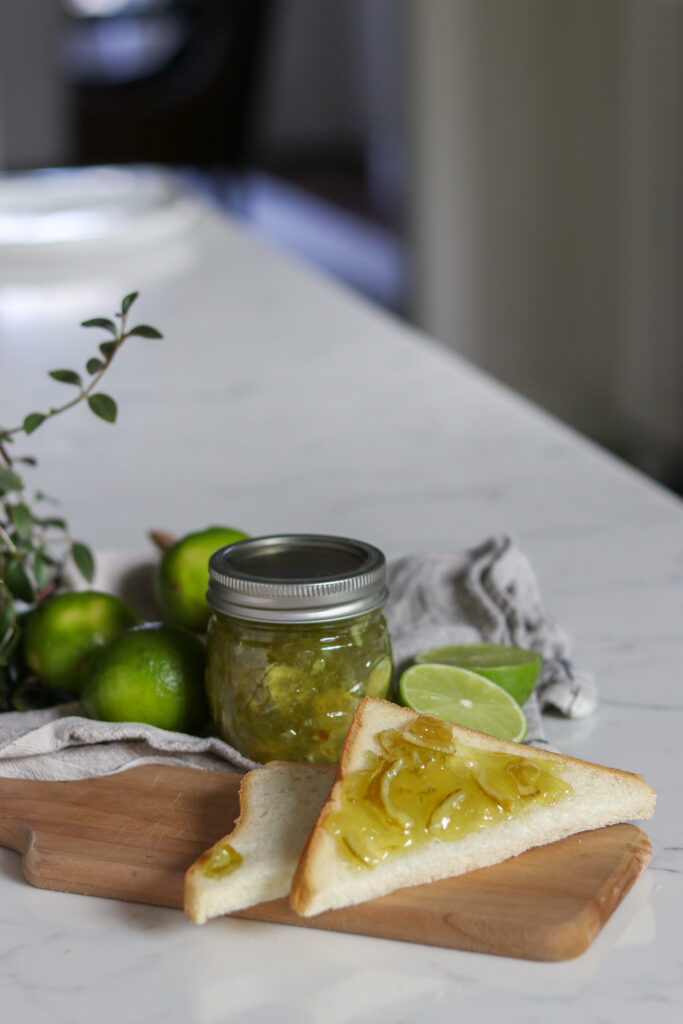
Lime marmalade is bold, punchy, and a fun change from classic orange, and a good bit more intense than lemon. The flavor is more aromatic and sharp, with a bright bitterness that feels clean rather than heavy, and the peel adds a surprisingly pleasant bite when it’s cooked until tender. It’s the kind of jar that tastes instantly “different,” even for people who make marmalade all the time.
It also earns its keep outside of breakfast. Lime marmalade is fantastic as a glaze for grilled chicken or shrimp, swirled into yogurt, spooned over ice cream, or used as a quick shortcut in cocktails and mocktails. If you like tropical flavors or preserves that lean a little more adventurous, lime is a great direction to go, especially when paired with rum, coconut, or a touch of chile.
- Classic Lime Marmalade
- Tequila Lime Marmalade
- Coconut Lime Rum Marmalade
- Lime and Chilli Marmalade
- Basil Lime Marmalade
Grapefruit Marmalade Recipes
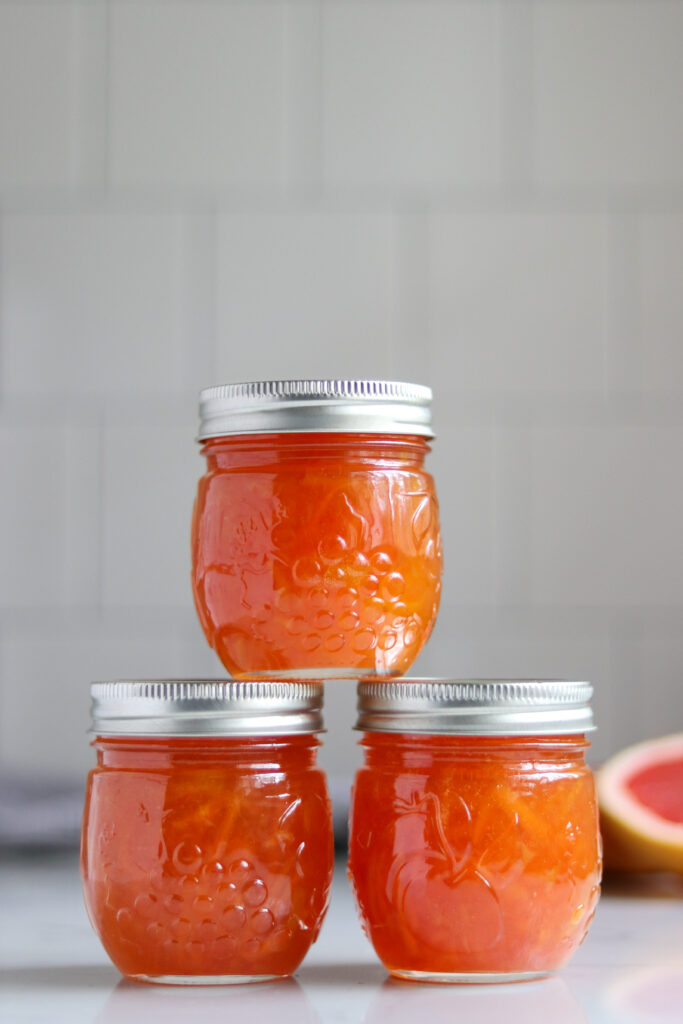
Grapefruit marmalade is for people who actually enjoy marmalade’s bitter edge. The peel and juice have a deeper, more complex bitterness than orange, and when it’s balanced well with sugar it tastes bold and grown-up rather than simply tart. The flavor is less “sweet breakfast spread” and more “interesting citrus preserve,” especially if you like that bracing, clean finish grapefruit is known for.
It’s also a great marmalade to pair with rich foods. A spoonful cuts through buttery toast, creamy cheeses, roast pork, or anything that needs a bright counterpoint, and it works beautifully with warm spices, vanilla, or a little booze. If orange marmalade feels a bit too polite, grapefruit is the next step that still feels classic, just with more attitude.
Traditional Grapefruit Marmalade
Spicy Grapefruit Marmalades
Herbal and Spiced Grapefruit Marmalades
- Seville Orange, Grapefruit & Thyme Marmalade
- Grapefruit Marmalade with Vanilla and Anise
- Orange-Grapefruit-Ginger Marmalade
Grapefruit Marmalades with Spirits
Kumquat Marmalade Recipes
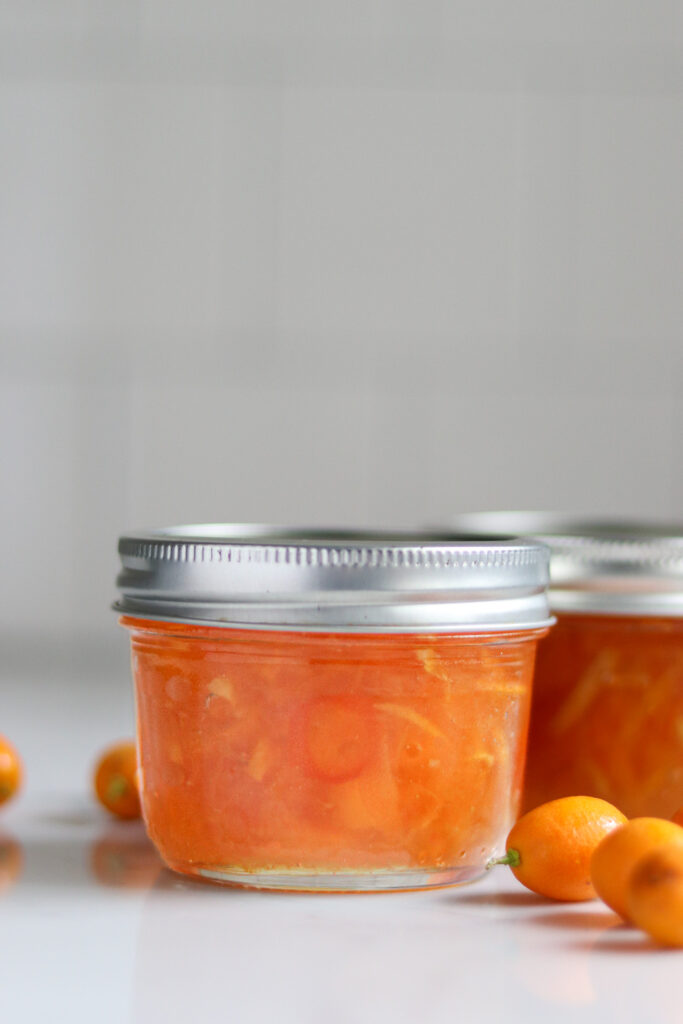
Kumquats are practically made for marmalade because the peel is sweet and edible, so you get that classic “peel-forward” marmalade flavor without the harsh bitterness some citrus can bring. Thin slices look gorgeous in the jar, and the finished marmalade has a bright, sweet-tart balance that feels both familiar and a little special.
This is also one of the best small-batch marmalades. You don’t need pounds and pounds of fruit to make something beautiful, and kumquats pair well with bold add-ins like chile, ginger, or aromatic citrus like kaffir lime. If you like preserves that are as pretty as they are useful, kumquat marmalade is an easy way to make a jar that feels instantly gift-worthy.
Specialty Citrus Marmalades
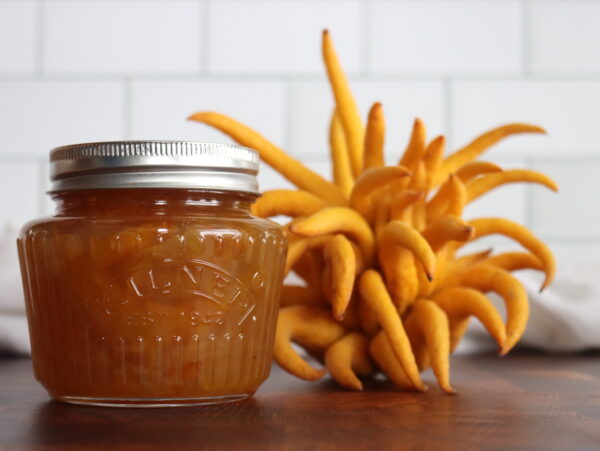
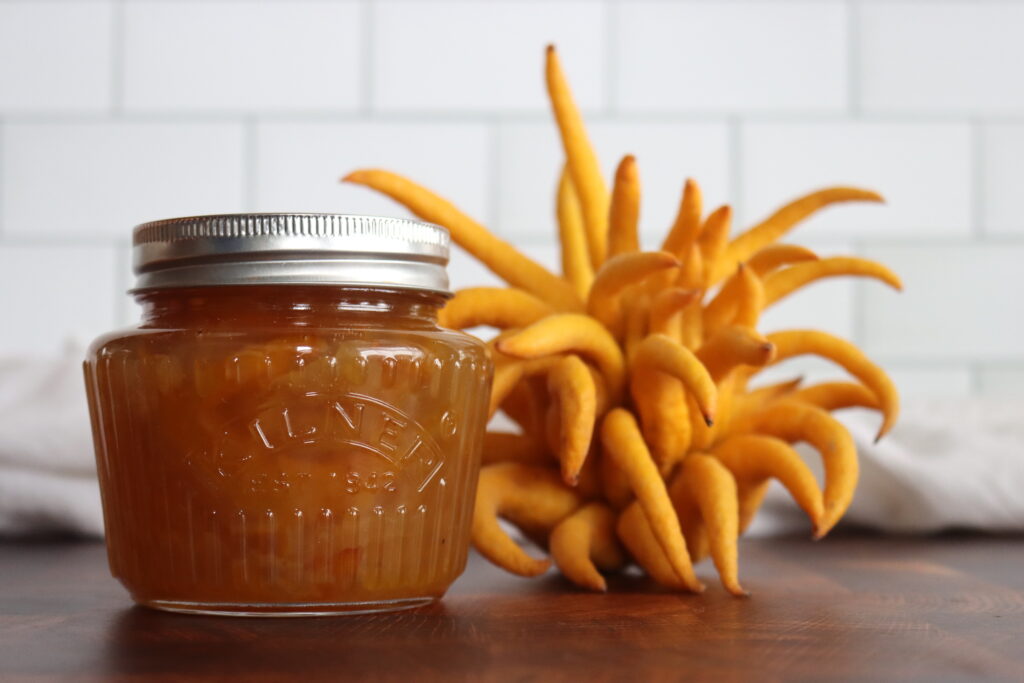
Specialty citrus marmalades are the “show-stopper jars” of the marmalade world. These aren’t your everyday oranges, they’re the fragrant, unusual fruits that make people stop mid-sentence when you tell them what’s in the jar. Buddha’s hand is all perfume and peel with almost no juice, so it turns into a deeply aromatic marmalade that tastes like pure citrus essence. Etrog and citron are similarly peel-forward, with that old-fashioned, almost incense-like citrus character that feels historic in the best way.
This is also where you’ll find citrus that naturally leans a little exotic or tropical. Pomelo makes a marmalade that’s big, bright, and pleasantly bitter, while calamansi (and calamondin) brings a sharp, punchy lime-orange flavor that’s incredible in small batches. Finger limes and blood limes are the wild cards: intensely aromatic, visually striking, and perfect if you like preserves that feel more like a pantry ingredient jar than a simple toast spread.
Bergamot
Buddha’s Hand
Yuzu Marmalade
Etrog
Pomelo
Calamansi / Calamondin
Limequats
Finger Lime
Blood Lime
Unusual Marmalades
Some marmalades are really about capturing a bold, sweet-savory spread that works like marmalade in the pantry even if it isn’t strictly a citrus-peel preserve. These are the jars you pull out for cheese boards, glazes, and sandwiches when you want something different.
If you like preserves that blur the line between sweet and savory, try your hand at tomato marmalade!
Once you get the basic marmalade rhythm down, the sky’s the limit.
You can stay classic with orange, go soft and sweet with mandarins, lean bold with grapefruit, or pull out a true show-stopper when you find something like bergamot, yuzu, or Buddha’s hand in season. The method stays familiar, but the jars taste completely different, and that’s what makes marmalade such a satisfying winter preserving project.
If you’re building your pantry, I’d start with:
- one reliable “everyday” marmalade (orange or lemon),
- then add one wildcard that feels special (blood orange, Seville, or a specialty citrus) and
- And finally, one savory-leaning jar like tomato marmalade for cheese boards and glazes.
However you mix and match, these recipes are all about using citrus at its peak and turning it into something you’ll actually reach for all year.